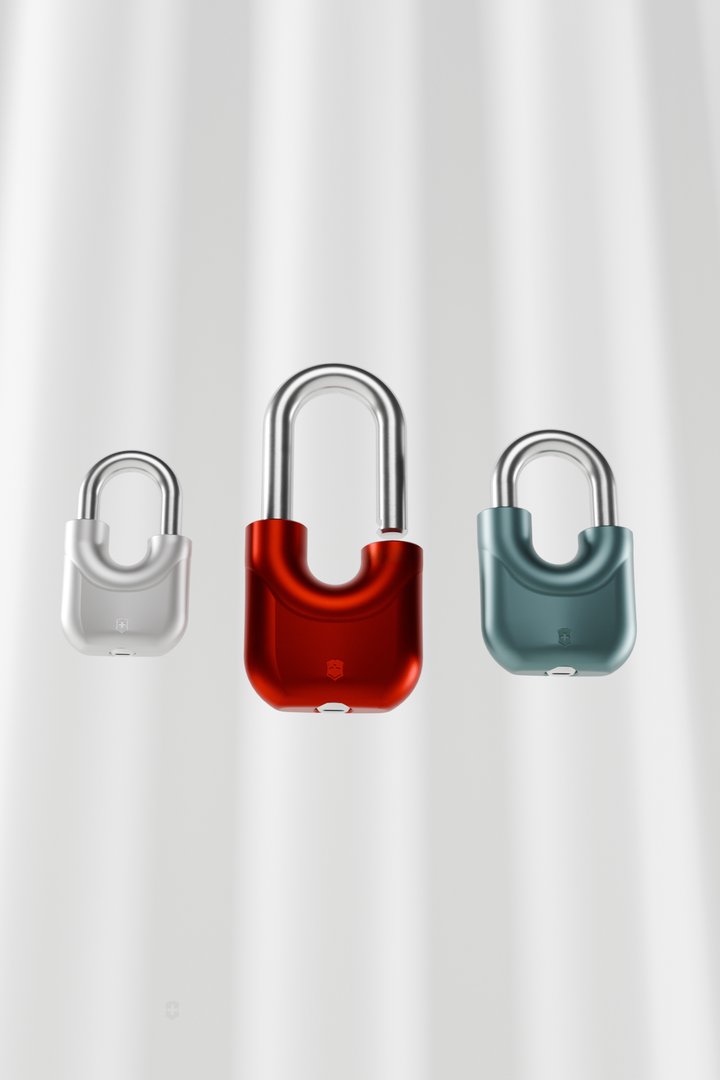
INDUSTRIAL DESIGN
Victorinox x ECAL
with Philippe Malouin
In collaboration with the renowned cutlery brand, students from the Bachelor in Industrial Design drew inspiration from the iconic Swiss Army Knife to create original and innovative concepts.
INDUSTRIAL DESIGN
with Philippe Malouin
In collaboration with the renowned cutlery brand, students from the Bachelor in Industrial Design drew inspiration from the iconic Swiss Army Knife to create original and innovative concepts.
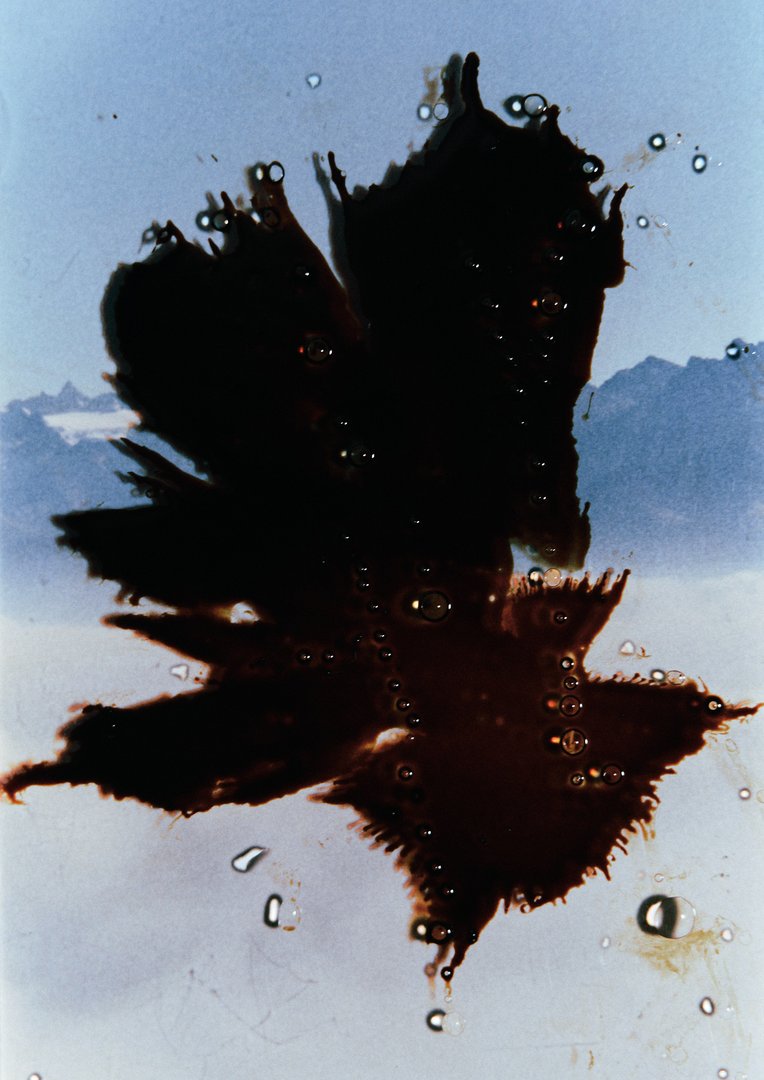
PHOTOGRAPHY
with Philippe Jarrigeon
Drawing inspiration from the 19th-century archives of photographer André Schmid, second-year Bachelor’s students collaborated with the Lausanne History Museum to create an inspiring dialogue between the past and the present. For most of the students, his name was unfamiliar. Discovering his work, preserved in the collections of the Lausanne History Museum, opened up a field of exploration that was both historical and artistic. Through André Schmid’s images, a foundational chapter in Swiss photography was revealed to them. Through an immersion in the archives, they were invited to engage in a dialogue with this pioneering practice—not to cite or reproduce it, but to reimagine it, question it, and interpret it, thereby creating a tension between the origins of photography and its most contemporary developments.

PHOTOGRAPHY
with Anoush Abrar
Deconstructed Portrait The goal of this workshop, led by photographer Anoush Abrar, is to explore the meaning of the contemporary portrait. Working with the concept of the “deconstructed portrait,” the students created an image in pairs. The Digital Medium Format workshop week serves as an introduction to both photography equipment and specialized software.
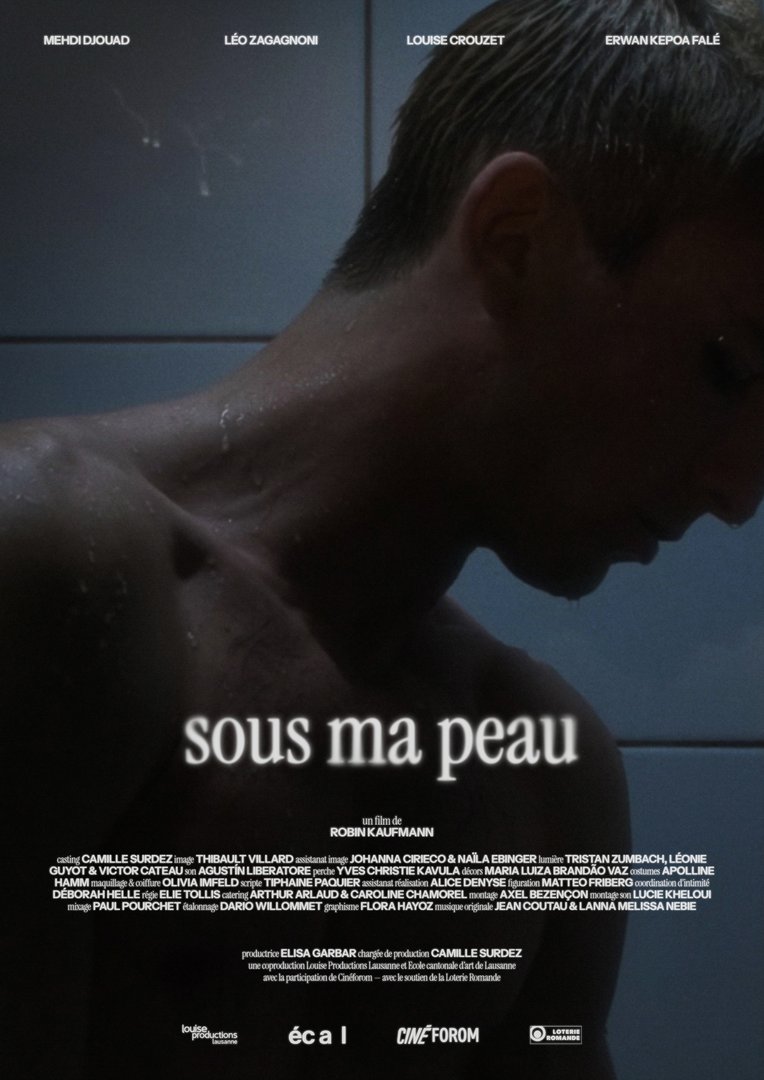
FILM STUDIES
by Robin Kaufmann
The night Gabriel celebrates his abuser’s conviction, he is confronted with Lucien’s tenderness.
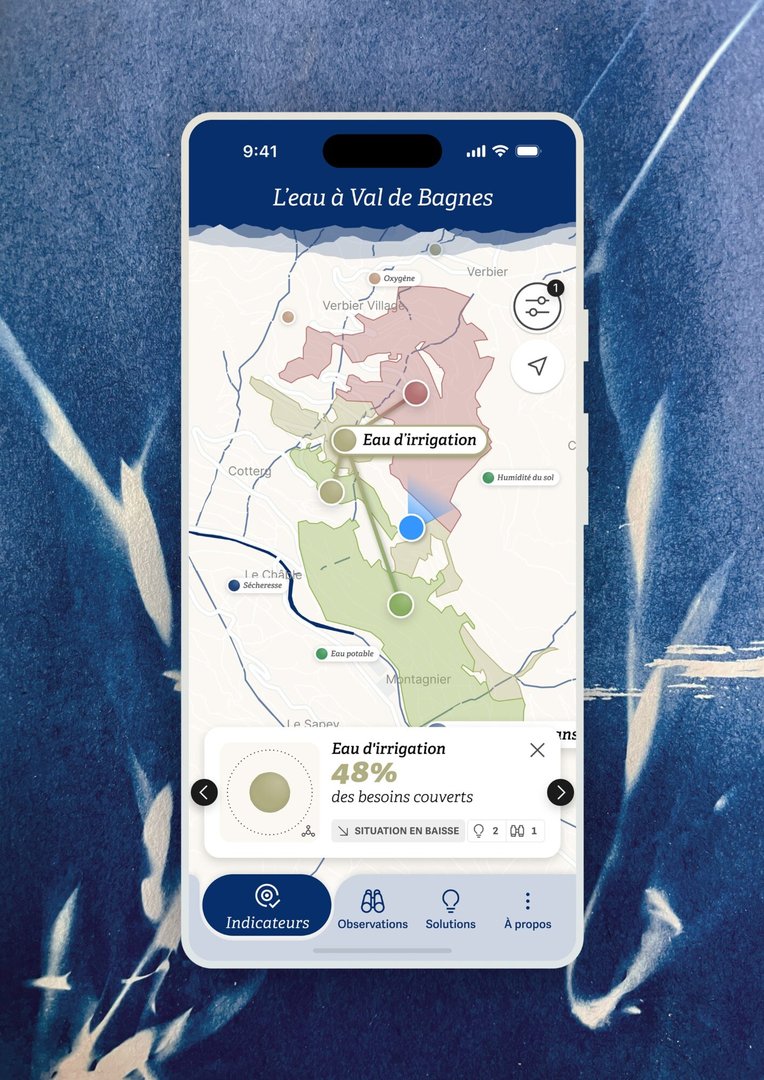
Design Research for Digital Innovation (EPFL+ECAL Lab)
by Côme Brocas
How can we facilitate dialogue, engagement, and decision-making in response to the challenges of water management and climate change in mountain regions? This replicable demonstrator from the European project MountResilience is the result of participatory and interdisciplinary research conducted in the heart of the Valais Alps. The web application brings together experts and the general public around three interconnected sections: relative indicators provide a shared overview of the situation in real time, participatory field observations foster engagement, and a catalog raises awareness of local solutions. The evaluative study of the tool identified several factors influencing engagement in the design of climate change adaptation solutions.
Design Research for Digital Innovation (EPFL+ECAL Lab)
by Sofia Lelis
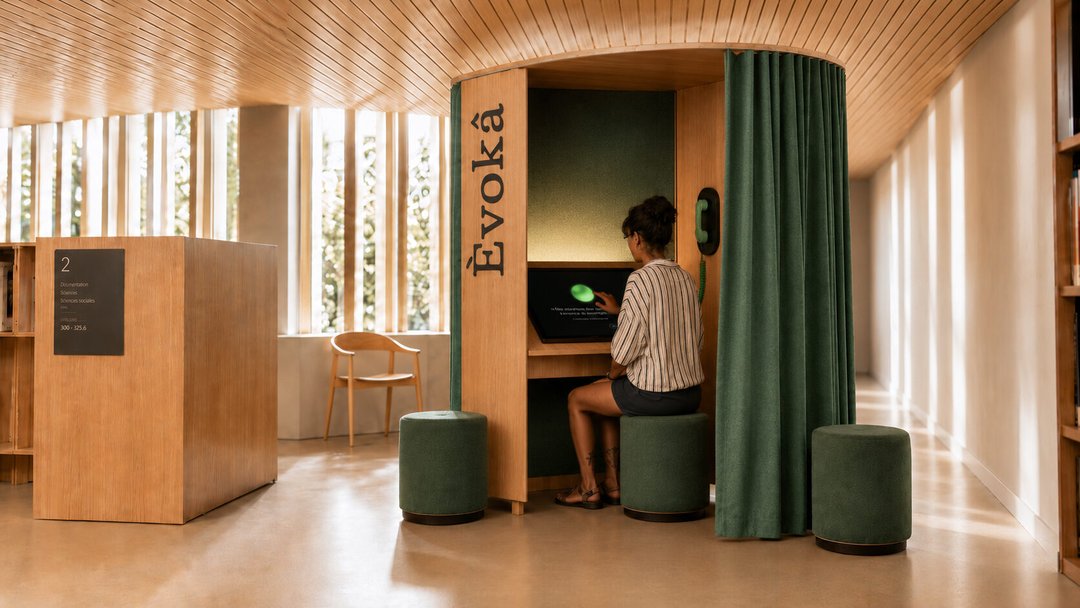
Èvokâ II is an interactive installation that invites visitors to the Cantonal and University Library of Fribourg to enter into dialogue with the archives. Through an AI-based conversational interface, a presence living within the collections gathers memories connected to the canton and, in return, reveals fragments, stories and traces of Fribourg's heritage. This design research project explores how digital archives can become more accessible and resonant, questioning what connects us to a collective identity: places, emotions, stories and lived memories. Developed with the Swiss Data Science Center and supported by the Swiss National Library, Èvokâ II transforms archival consultation into an intimate experience, between personal memory and shared history.
Design Research for Digital Innovation (EPFL+ECAL Lab)
by Zeynep Erol
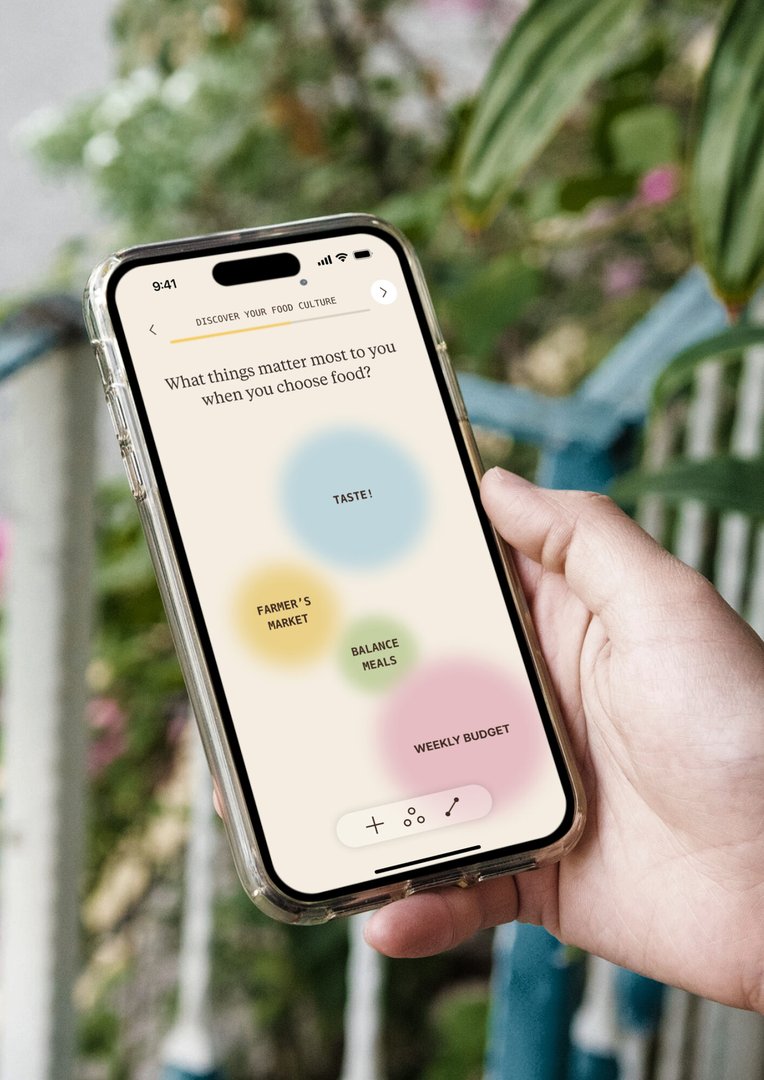
Sofra is a culturally adaptive conversational agent that supports dietary behaviour change by understanding how people relate to food. Developed within the EU SWITCH project, it builds a personal food culture from photos, mind maps, and voice notes that users provide to represent their everyday practices, motivations, and heritage. This profile shapes the agent's tone and suggestions, moving guidance from generic to grounded in each person's context. Developed through three user studies, the project shows how cultural resonance makes dietary support more relevant, respectful, and engaging. Combining interaction design and AI prompt engineering, Sofra challenges universal approaches to health technology and advocates for systems that adapt to, rather than flatten, cultural differences.
PHOTOGRAPHY
by Vittorio Franzolini
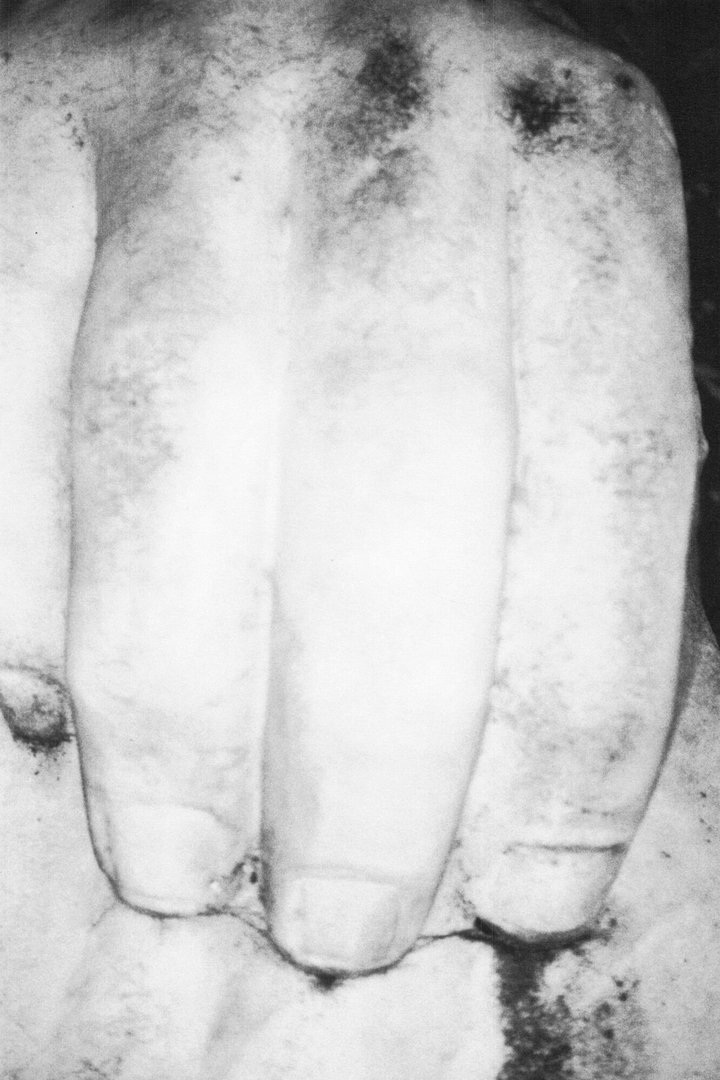
Still still investigates the legacy of Fascist-era architecture in Italy. Inspired by Futurist "parole in libertà", the title stems from the repetition of the same word, generating an ambiguity between stillness and movement. Produced between Milan and Rome using analogue photography, the project seeks to desacralize these buildings through close and displaced viewpoints, moving away from their monumental and celebratory representation. Walls and surfaces appear like skin marked by erosion, dust and traces of time, transforming symbols of power into fragile and vulnerable bodies. Still still reflects on the persistence of certain aesthetics of authority in the present and takes the form of a book and an installation printed in Comcolor.
PHOTOGRAPHY
by Lee Eggenschwiler
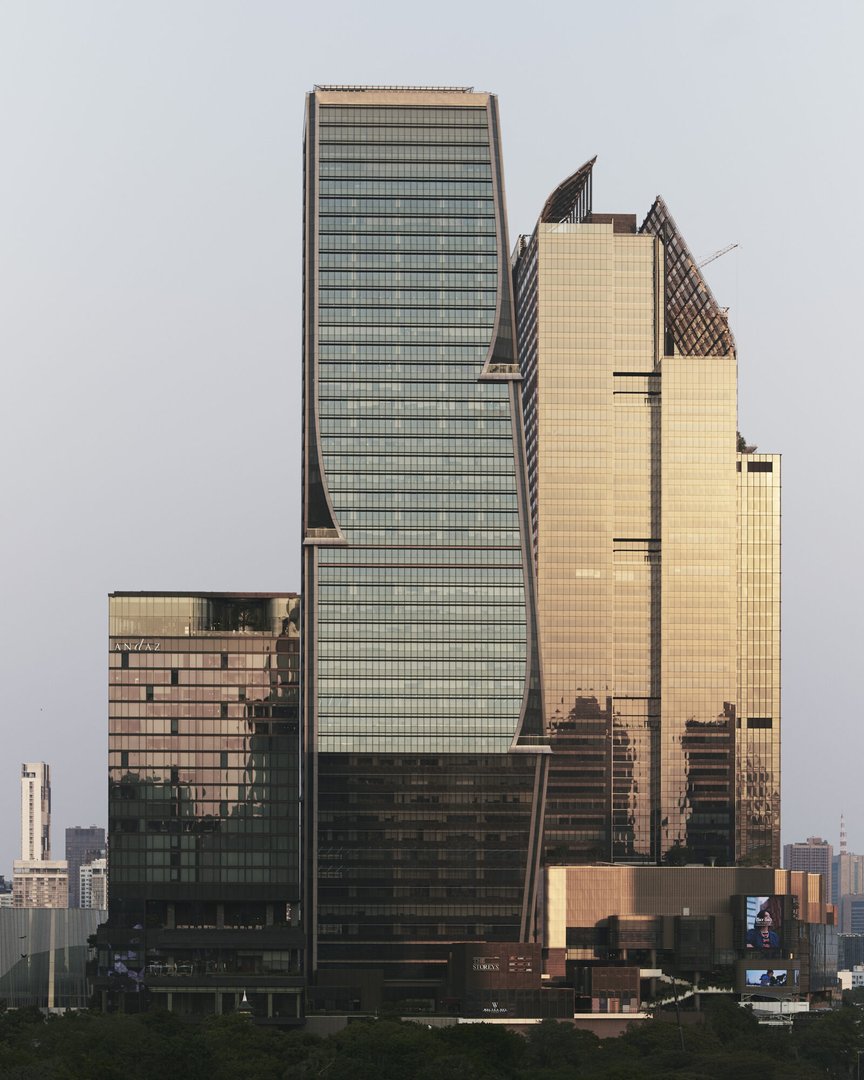
Standard Values explores the opaque economy of colored gemstones in Bangkok. Conceived as a visual investigation, this project focuses on the gray areas of this industry, capturing the precise moment when trust mechanisms and global flows transform a simple stone into a standardized ideal of luxury. The book confronts the raw materiality of the gems with the urban space, creating a dialogue between the facets of the crystals and the architecture of the skyscrapers to reveal their similarities and inclusions. Yet, the images also reveal a sense of solitude within an illusory opulence, moving between empty shops and anonymous bodies.
PHOTOGRAPHY
by Rose Graf
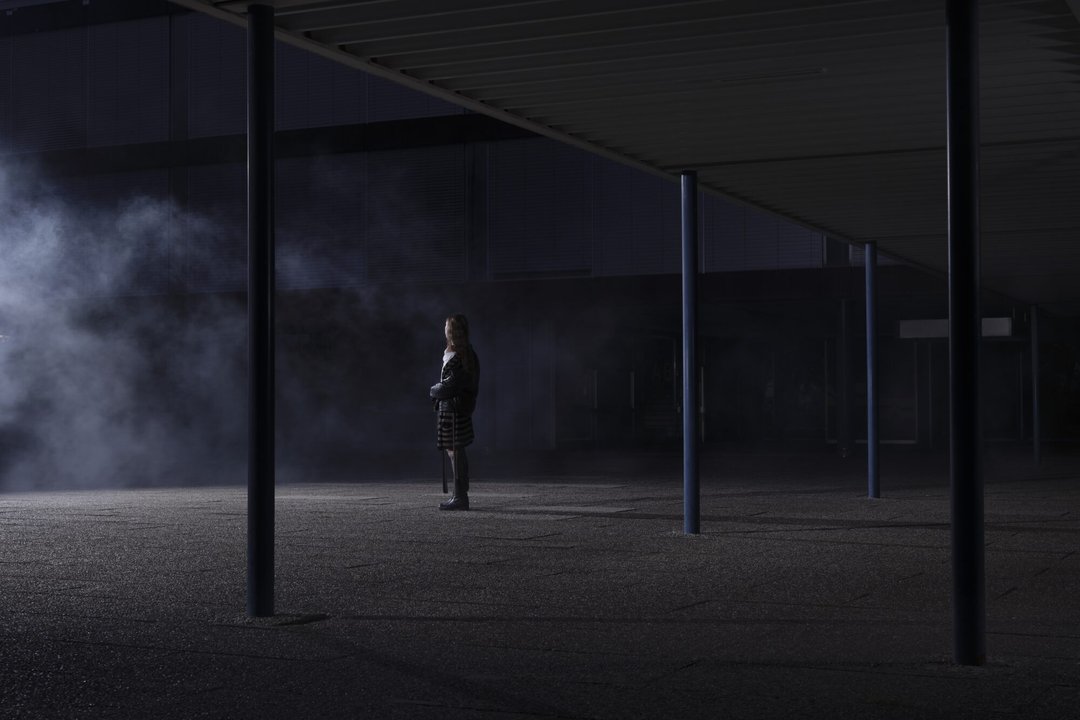
There are moments no one sees. Not because they don't exist, but because no one ever really looks. EVERYTHING FALLS QUIET grew from an intimate memory, one of school bullying. Familiar places swallowed by an unnatural darkness, bodies sharing space without ever truly meeting, a tension that lingers without breaking. Between recollection and fiction, between the real and the dreamlike. A way of taking back what was once taken. Of holding still these invisible moments, and finally giving them a face.
PHOTOGRAPHY
by Léa Isoard
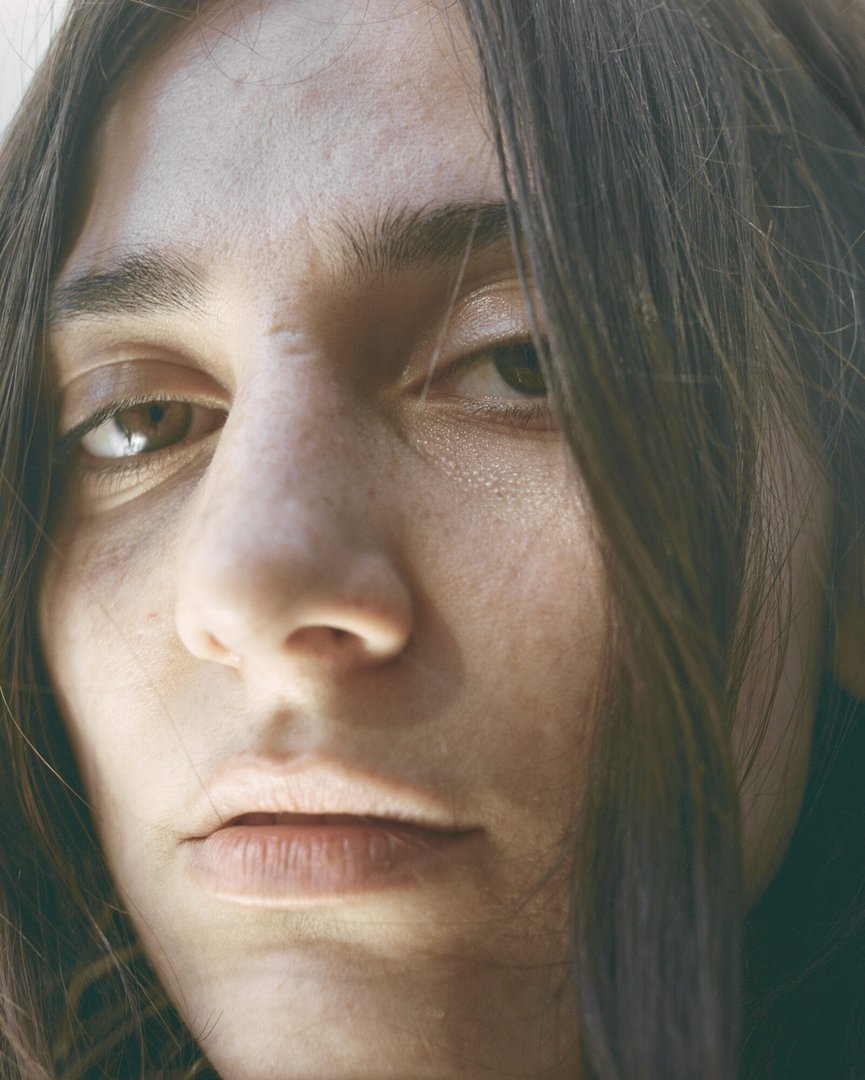
Almost Marble examines the circulation of contemporary female bodies within a visual and cultural landscape shaped by inherited representations. Using the Caryatids of the Acropolis as a reference, the project explores the persistence of ideals constructed through a masculine gaze, as well as the possibilities for their displacement. Within the Athenian labyrinth, portraits and architectural fragments come together to form a sensitive reading of a stratified city. The photographed figures can be understood as "displaced Caryatids": no longer bodies assigned to support a monument, but living presences that inhabit the city and constitute it from within.

PHOTOGRAPHY
by Farah Mirzayeva
Inspired by a background in chemistry, ANOMALIES explores the boundary between scientific imagery and visual construction. After photographing machines which process or store data in EPFL laboratories, the images are modified by using scanning as a tool of transformation, to alter, glitch and deform. The process mimics the machines themselves: the codified images are systematically rescanned to gain new materiality, they become textured, unstable, and paradoxically analogue. The installation recreates the skeleton of a microscope seen in a laboratory, becoming a modular photographic sculpture of metal. A book completes this project: through sequencing, zooms and accumulation, it mirrors data processing in order to reveal the immateriality and abstraction of scientific research.
PHOTOGRAPHY
by Ashley Schneiter
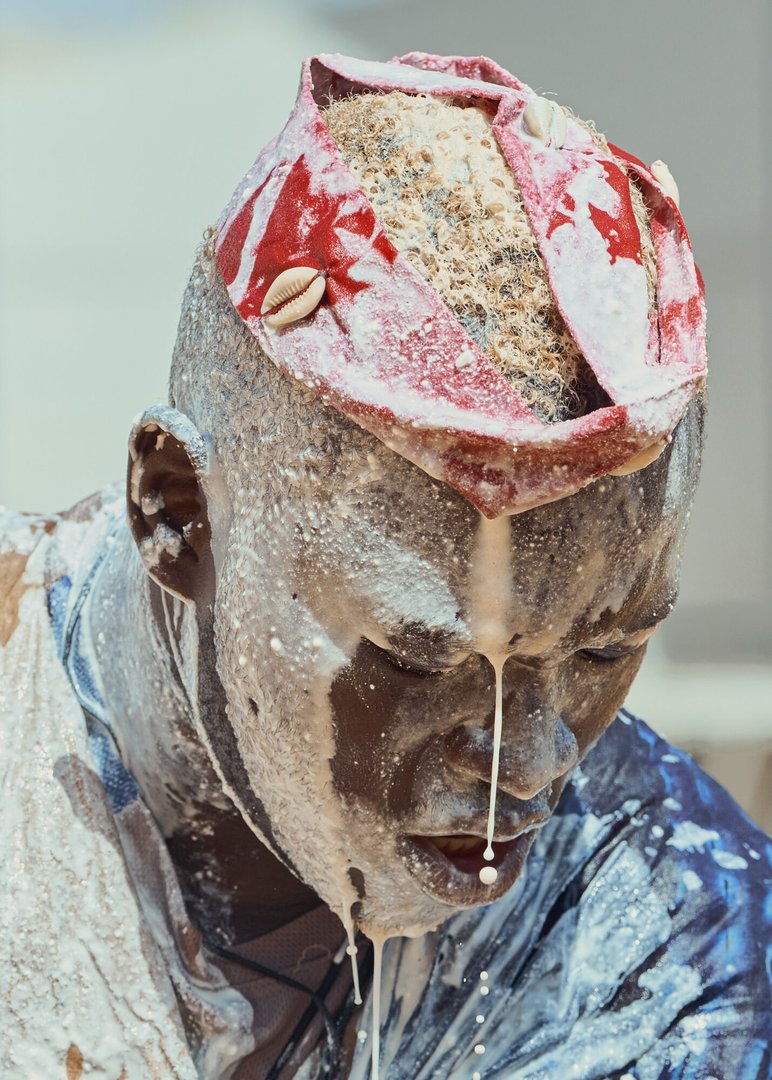
AMUL RAGAL is a documentary photographic project dedicated to lamb, a practice deeply rooted in Senegal's cultural, social, and spiritual traditions. Through this work, the artist questions the photographic representation of the Black male body and the imaginaries associated with it. Senegalese wrestling offers a field where rituals, beliefs, and contemporary culture intersect. As a woman working in an almost exclusively male environment, the artist developed a gaze sensitive to the gestures, nuances, moments of waiting, and vulnerability that escape the spectacle. The use of a shallow depth of field turns blur into a narrative tool, conveying the uncertain boundary between reality, belief, and representation.

PHOTOGRAPHY
by Auriane Nicollier
Everything Will Remain Except the House is a documentary project following the residents of a squatted building over the course of nearly a year. After their eviction, some found new places to live, while others were left homeless. The project explores how intimacy is shaped within temporary, collective, and precarious living spaces. Each occupied place must be adapted, shared, and reinvented. Through this instability, a sense of home is defined more by the relationships it fosters than by the space it occupies. Presented as a publication bringing together photographs and testimonies, Everything Will Remain Except the House preserves the memory of a place that has disappeared while offering a reflection on housing precarity, collective living, and mutual aid.
PHOTOGRAPHY
by Shiny Vallenas
The codes of pornography have profoundly reshaped the representation of women within contemporary imagery. From the porno chic aesthetic of the 2000s to the clean girl aesthetic that dominates social media today, the same close-ups and fragmented bodies continue to circulate. Desire, being inherent to the image itself, now takes on disguised forms in response to censorship, transforming into viral trends. This project combines staged photography and AI-generated imagery to reconstruct visual dispositifs drawn from porn casting videos, OnlyFans, and the language of advertising. By tracing formal correspondences between the body, the animal, and processes of objectification, it seeks to make visible what a continuous flow of images has taught us to stop seeing.
PHOTOGRAPHY
by Salomé Billato
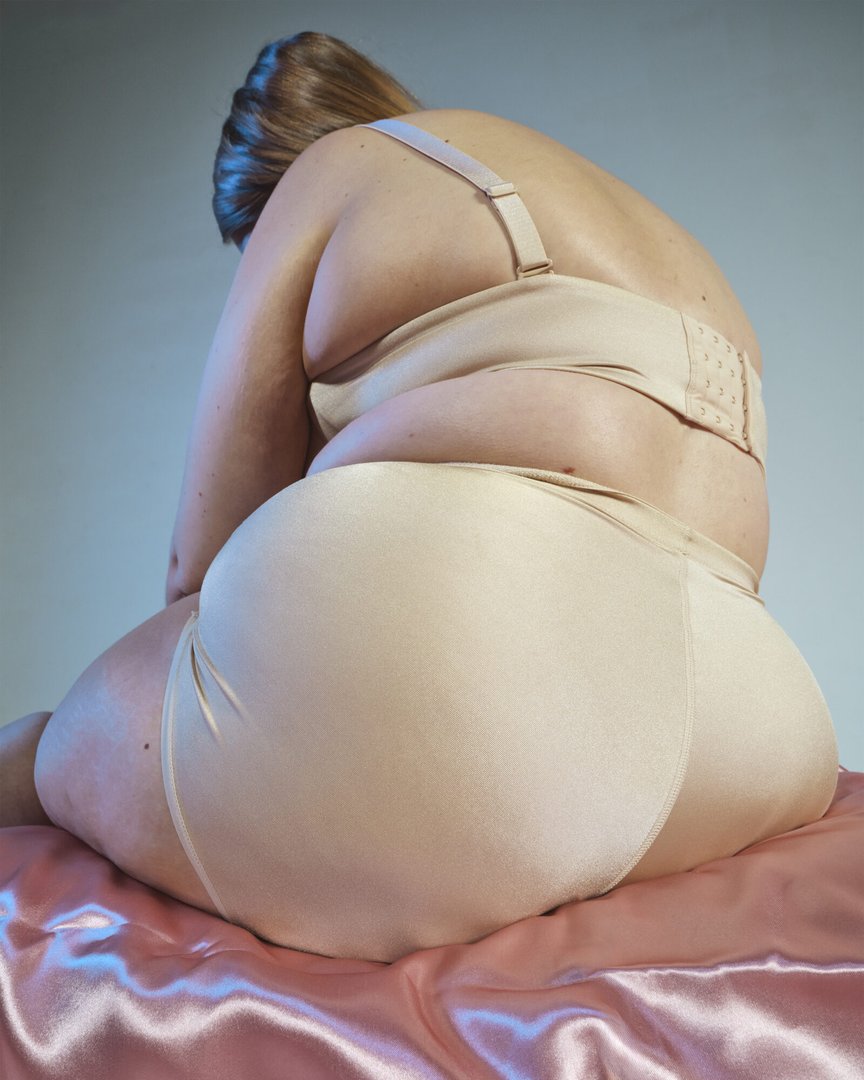
Grosse is a photographic book that combines self-portraits, documentary images, and fictional images exploring the contemporary body. By reclaiming the word "grosse", a term marked by shame and stigma, this project questions beauty standards and their hold over our relationship to the body. It draws on the artist's personal experience with Wegovy, a weight-loss treatment that intensified constant monitoring of her body. Grosse explores a central contradiction: the criticism of these norms while participating in them. The book questions how far we are willing to reshape our bodies in order to conform to socially constructed ideals.
PHOTOGRAPHY
by Colas Ravey
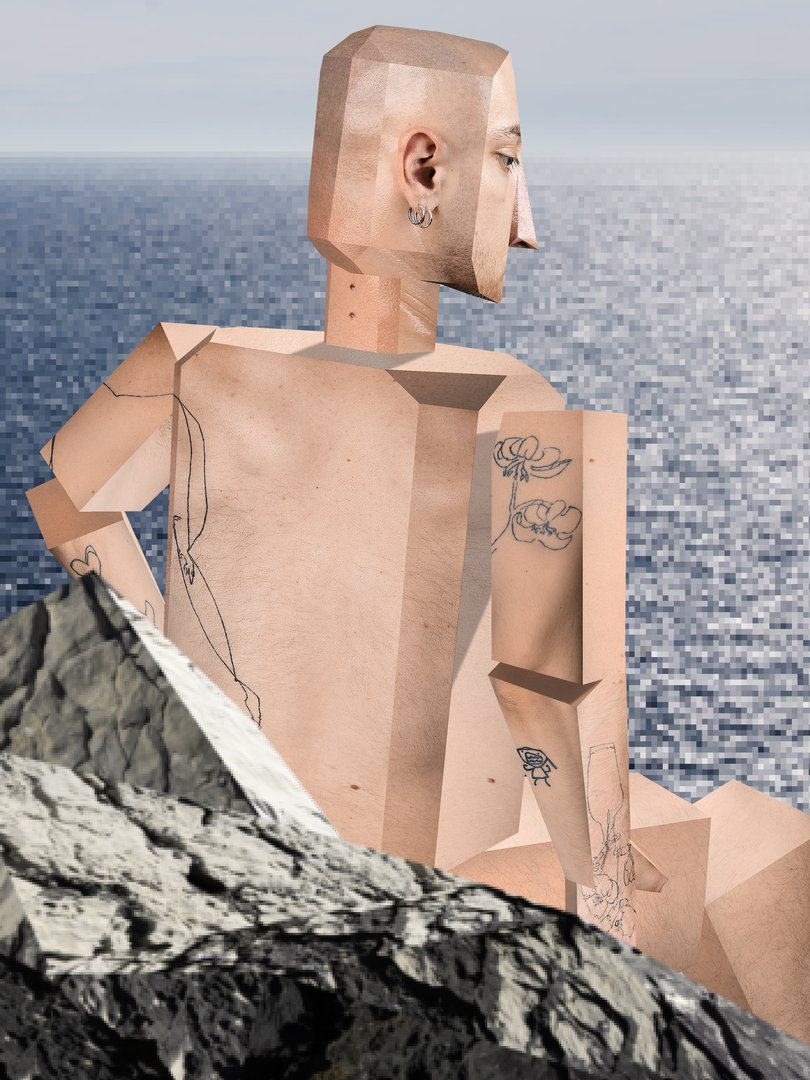
The beach, in video games as in real life, is a place dear to the artist. It is a space where people, sensations, and moments of life intertwine. A place where people's identities and sexuality are at the mercy of the sun and the heat. Un goût salé m'est resté en bouche is a reminiscence of childhood, a time when video games were pixelated worlds where anything seemed possible, free from questions about self-image and love. Drawing inspiration from low-poly aesthetics, the project evokes a suspended moment where voyeurism, sunbathing, and flirting coexist. A moment where the artist becomes the avatar of a multi-purpose game, navigating between desire and freedom, intimate and public, in a quest for something that might be love.
PHOTOGRAPHY
by Antoine Genoud
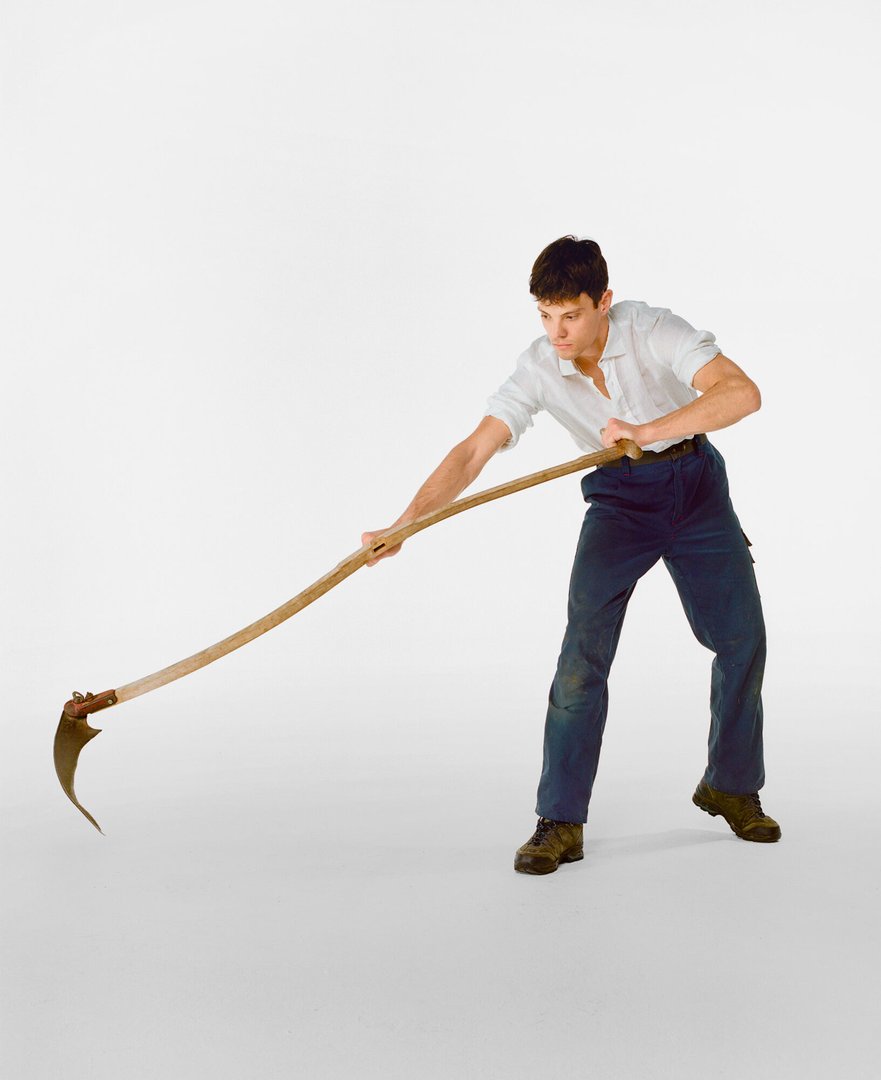
Galé j'armayi explores how the figure of the peasant is represented in Switzerland, where it is deeply intertwined with national identity. More broadly, the project invites viewers to question their relationship to an idealized and exploited past, as well as to the traditions to which they are attached, in order to reclaim them. Visually, this takes the form of a video piece and a series of self-portraits where pose, clothing, and objects combine to recreate traditional peasant imagery while introducing a certain dissonance in order to challenge it. Furthermore, the roles of men and women are played by the artist himself, questioning certain notions of gender and traditional, conservative values.

PHOTOGRAPHY
by Aline Savioz
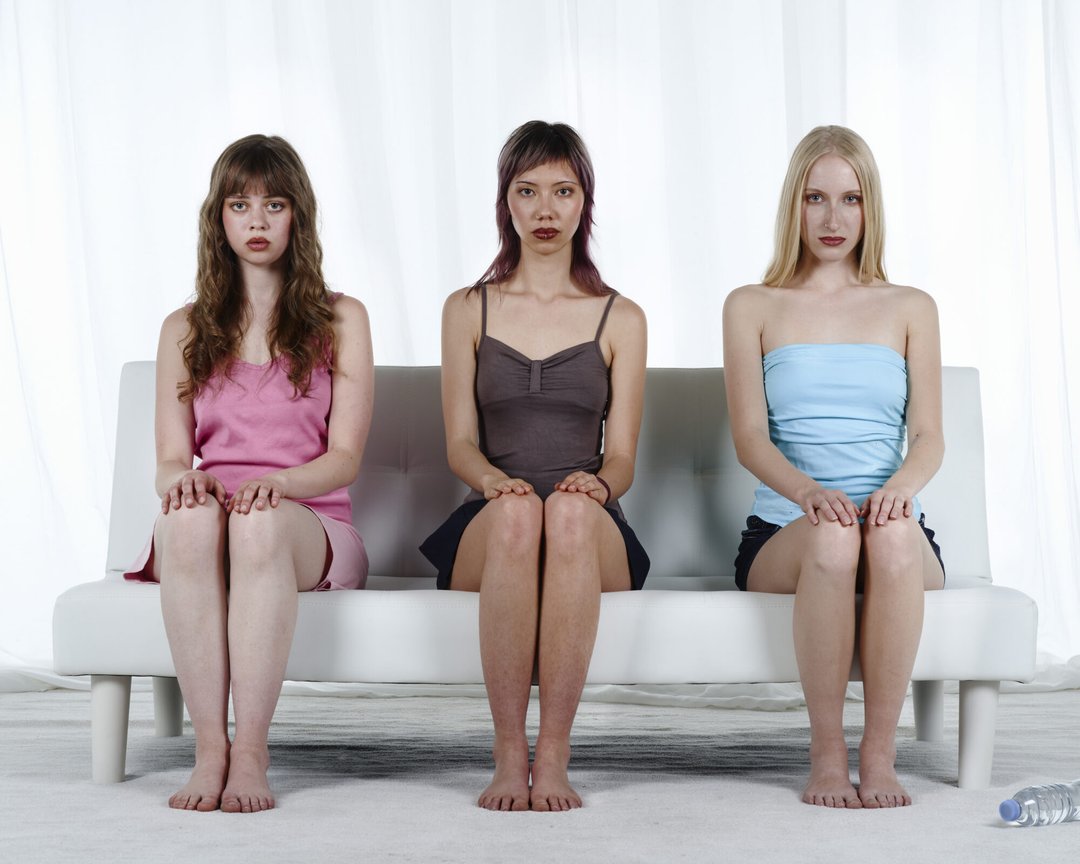
Born out of a period of introspection, I feel slightly off transforms invisible emotions such as anxiety and a loss of meaning into carefully constructed scenes. Through portraits, group scenes, and still lifes, familiar situations subtly shift toward the uncanny. Inspired by the concepts of the uncanny (Sigmund Freud) and the uncanny valley (Masahiro Mori), the images play on subtle shifts that create a tension between the everyday and the unsettling. Bringing together nine large-format photographs and an image printed on a floor mat, the installation offers a reflection on the relationship to control, anxiety, and the perception of reality, while seeking to make visible intimate experiences that are often shared but rarely expressed.
FILM STUDIES
by Morgane Beslay
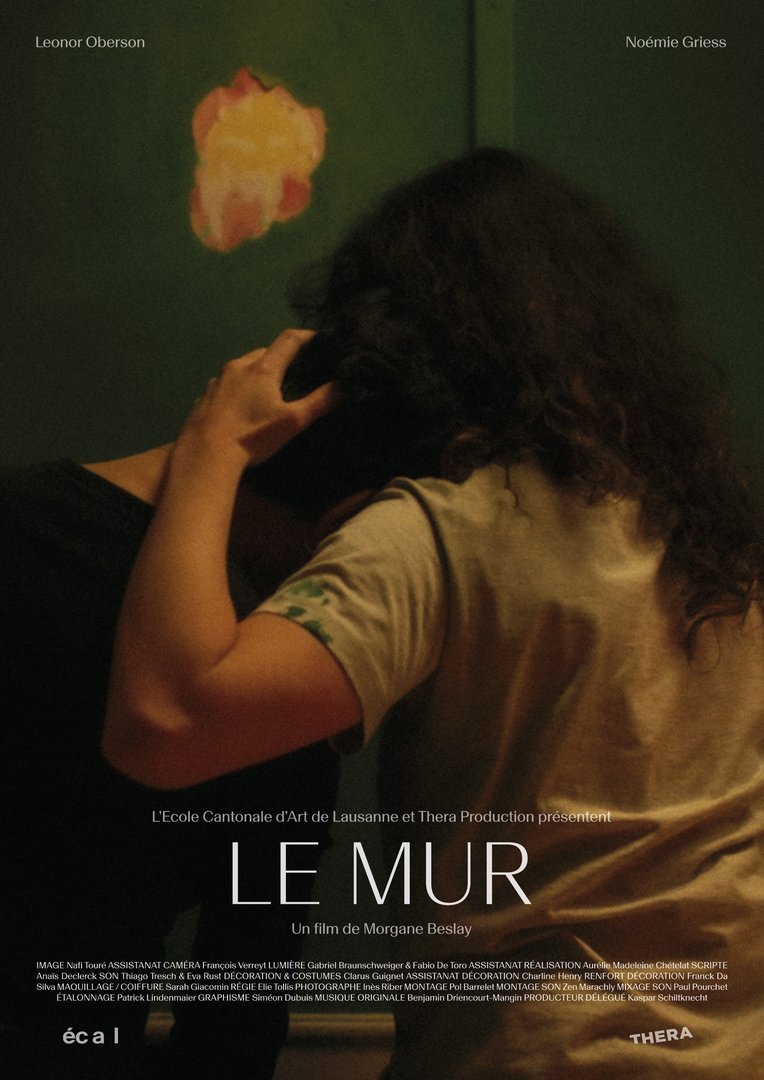
Following their difficult separation, Eliane and Laure have to repaint a wall of the house they are leaving, a wall as full of their own history as that of others before them.
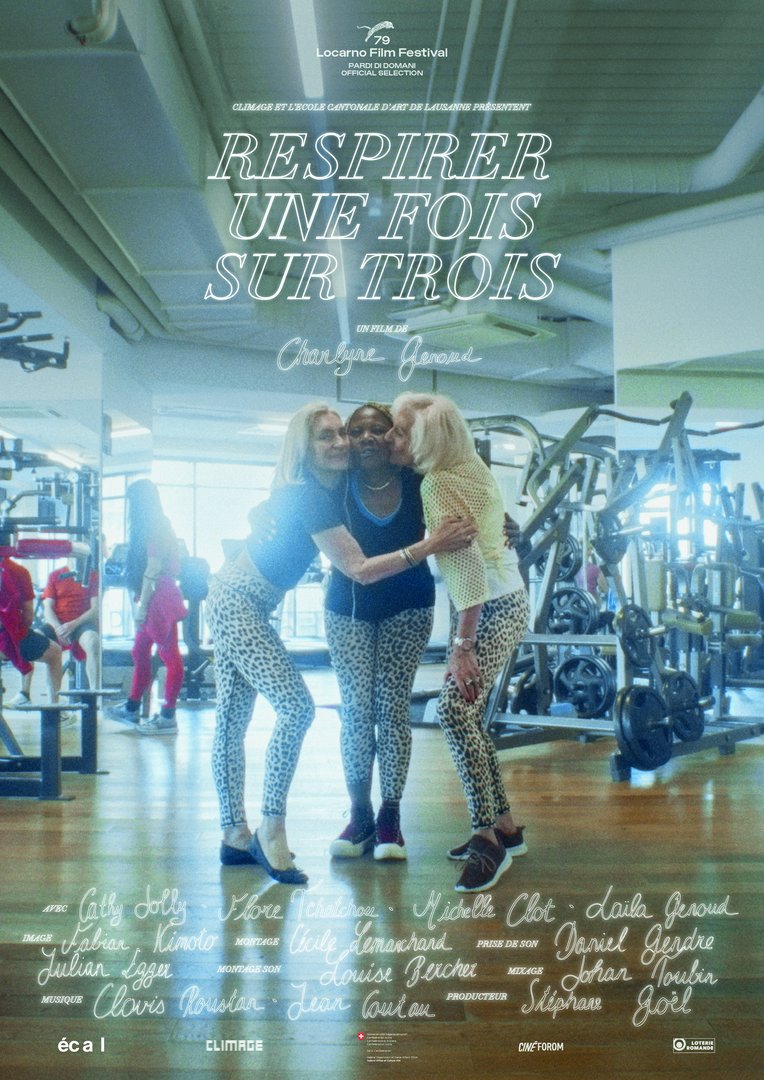
FILM STUDIES
by Charlyne Genoud
In group strength-training classes, people breathe in unison every day. Charlyne lifts weights alongside three retired women who love to sing. What if a cheerful gym could be the place to break our family curses?
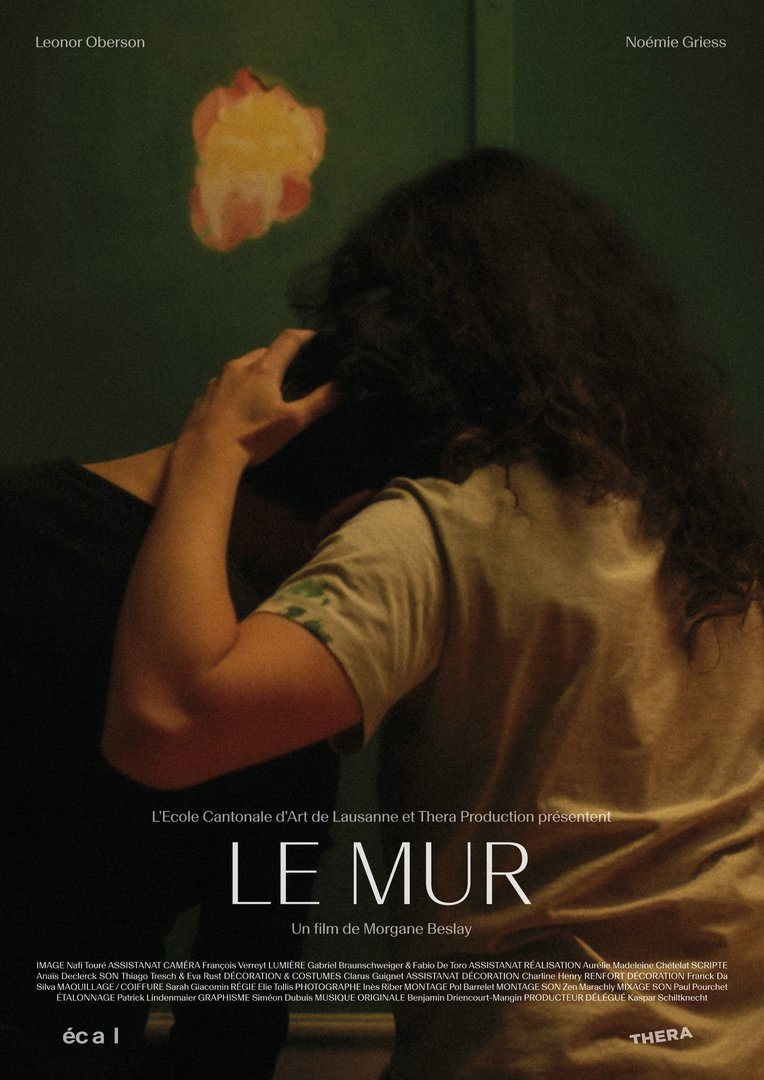
FILM STUDIES
by Nafi Touré
Following their difficult separation, Eliane and Laure have to repaint a wall of the house they are leaving, a wall as full of their own history as that of others before them.
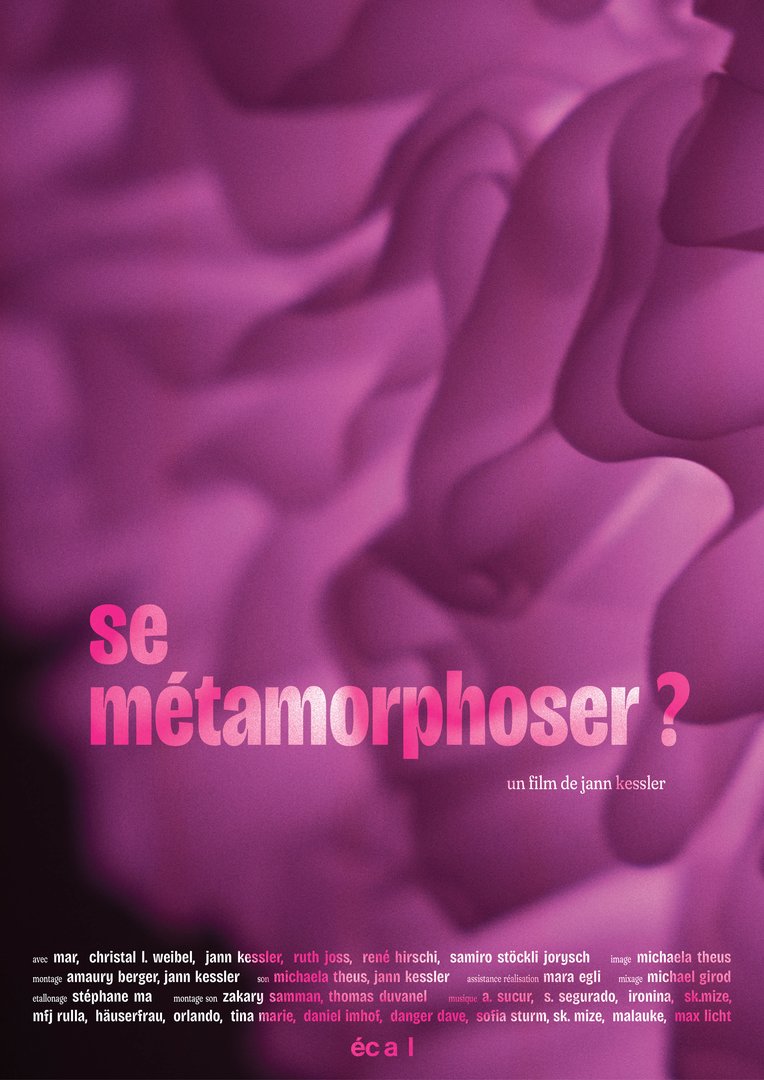
FILM STUDIES
by Jann Kessler
How do I build healthy, equal relationships? An intimate cinematic-therapeutic journey of discovery.
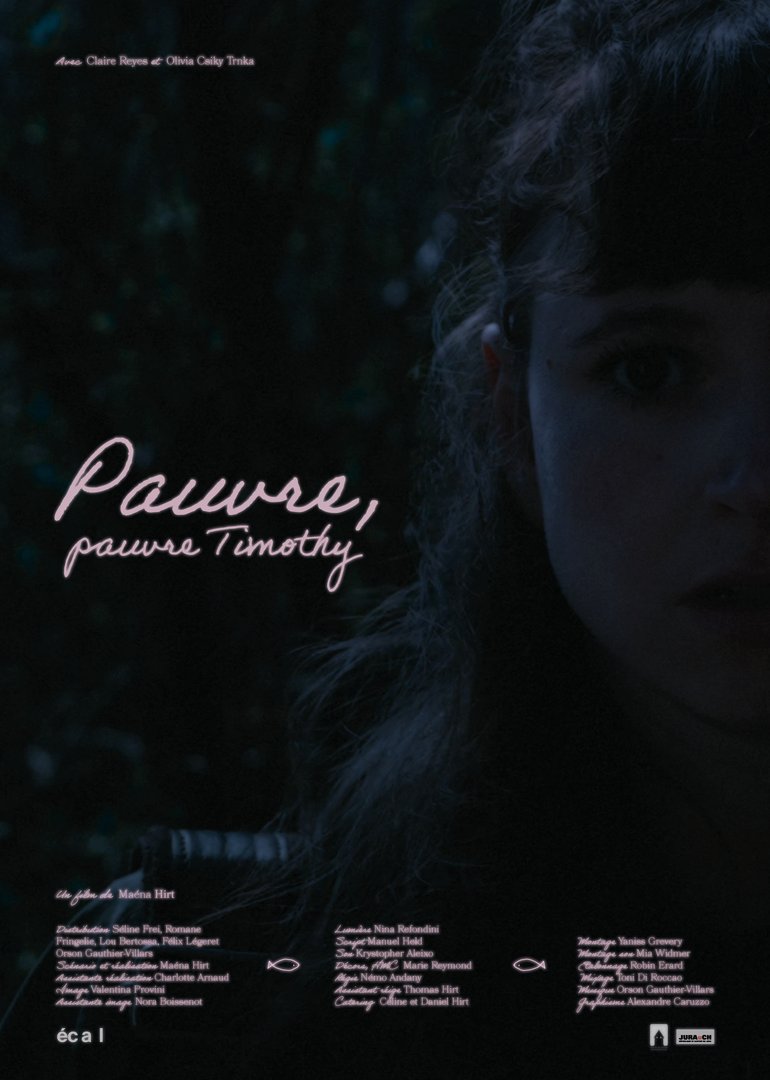
FILM STUDIES
by Maéna Hirt
Timothy disappears. Then Astride's friends vanish, and soon the entire town seems to fade away without explanation.
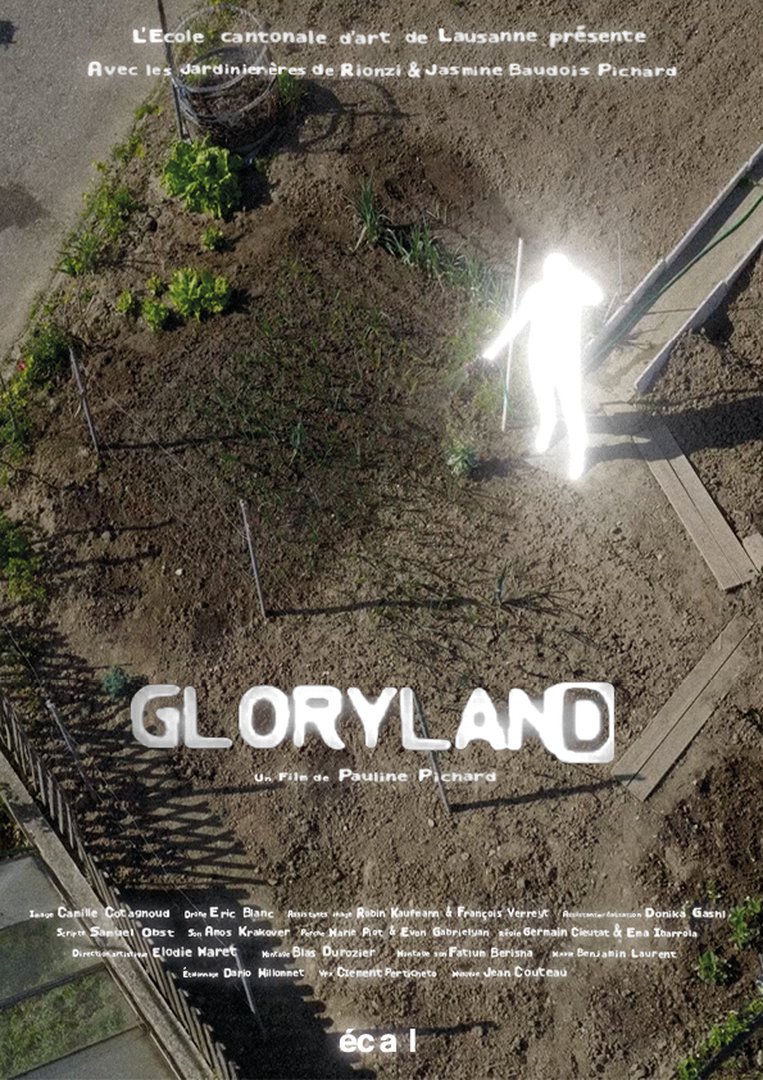
FILM STUDIES
by Pauline Pichard
Last spring, unknown lights appeared in the sky above Lausanne. In a garden, the last fragment of an ordinary Eden, tales blur with rumours after a series of strange disappearances.
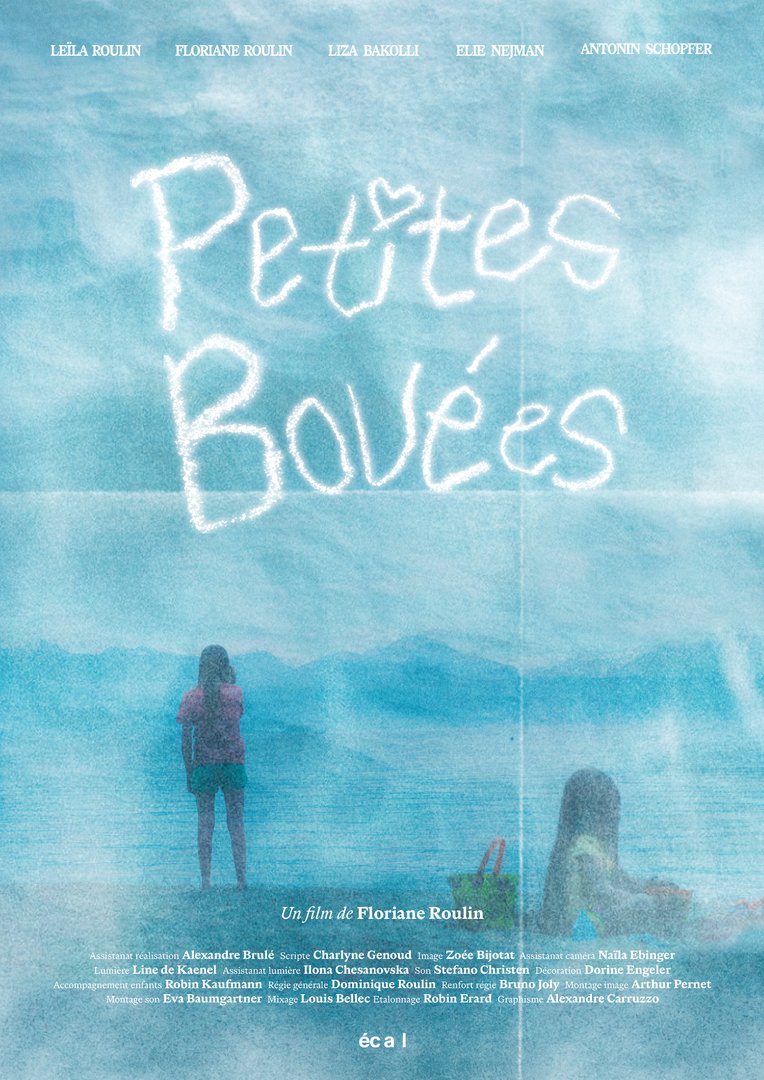
FILM STUDIES
by Floriane Roulin
During their father’s wedding preparations, Sophie and Mila are confronted with their childhood memories.
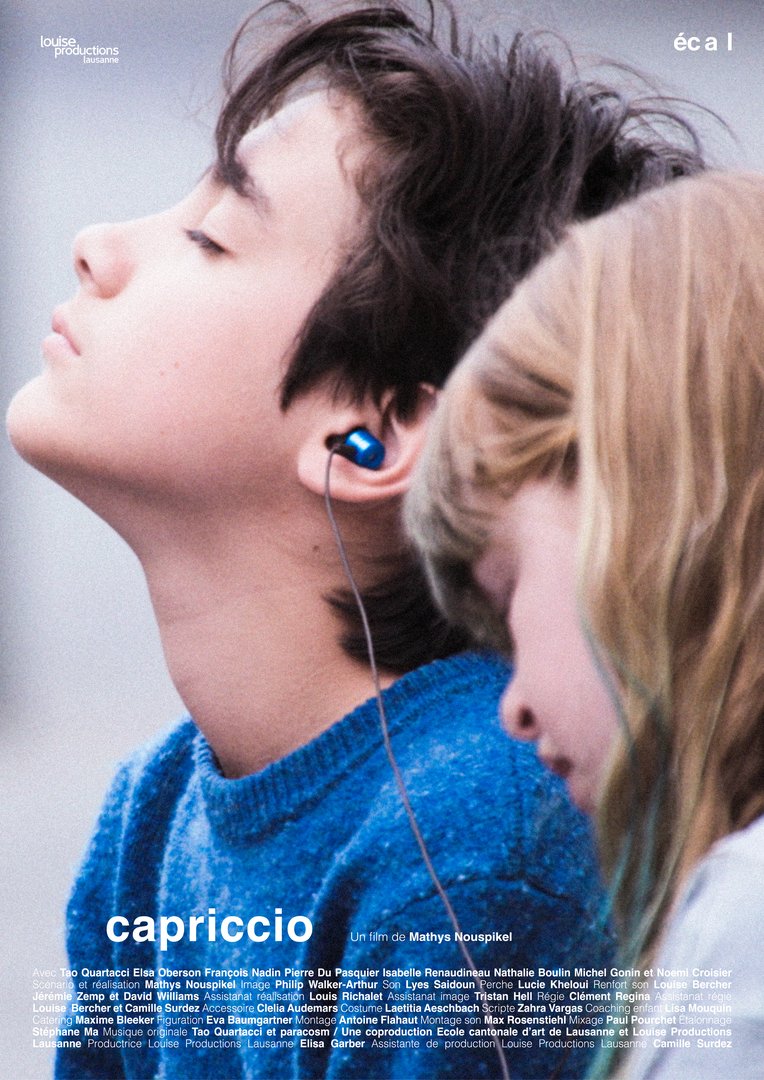
FILM STUDIES
by Mathys Nouspikel
Arsène runs away before playing for his dying grandfather, but an unexpected encounter helps him find the courage to return.
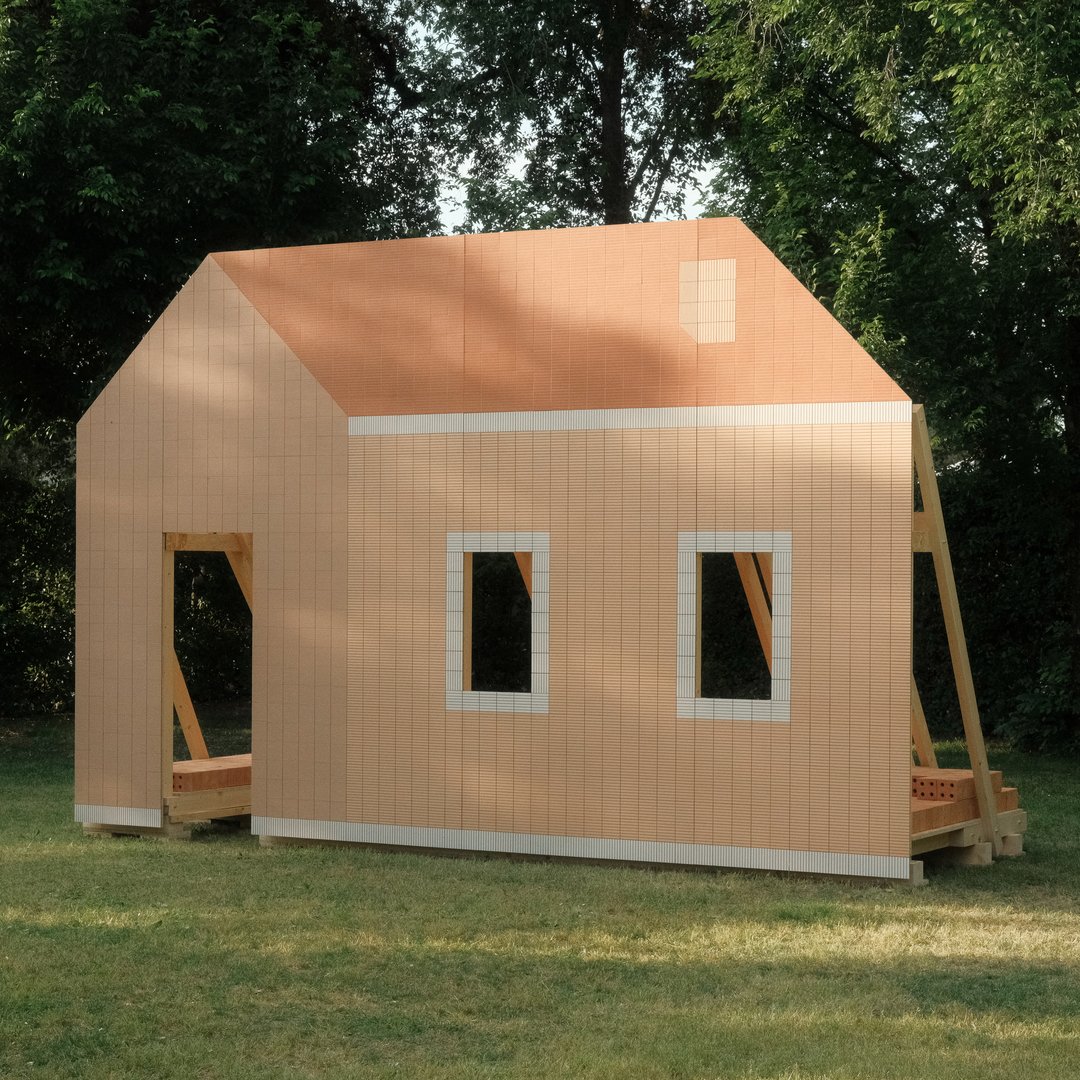
PRODUCT DESIGN
with Camille Blin
For the 2026 Festival des Cabanes at the Villa Medici in Rome, students from the Master in Product Design were invited to develop a project related to the Villa's garden, in collaboration with the renowned Italian ceramics manufacturer Mutina. The Villa's gardens offer a rich historical and spatial context, conducive to exploring aesthetics, function, and interaction with visitors. Students had access to the entire Mutina catalogue (tiles, bricks, and other materials) to build their installations. The project was selected and mentored by the French designer Ronan Bouroullec, ECAL, Villa Medici and Mutina.
GRAPHIC DESIGN
MEDIA & INTERACTION DESIGN
by Malik Ahmed, Alexander Anhorn, Melissa Appelon, Marc Auderset, Olivia Bindon, Baptiste Boulanger, Suriya Brambilla, Diego Buccelloni, Marta Casemi, Davia Ciccoli Trannoy, Alizée Clavien, Timoféi Cruz, Ethan Degano, Nora Dizeko, Andrea Domínguez Formet, Mathias Dugenne, Mathias Gelin, Tanguy Genier, Lila Gomez Gaillet, Juliana Granato, Xenia Grange, Bérangère Gremion, Helena Hell, Rocio Hernandez, Salomé Huwiler, Rebecca Indermühle, Kevin Jeangros, Nolan Latorre, Jose Pardo Pariente, Zachary Ramelet, Gabrielle Richard, Théo Rizzo, Alessia Rollini, Malcolm Semedo Barreto, Anastassia Siebold, Philippe Strässle Zuniga, Baptiste Sultana, Luna Tavernier, Margaux Tinguely
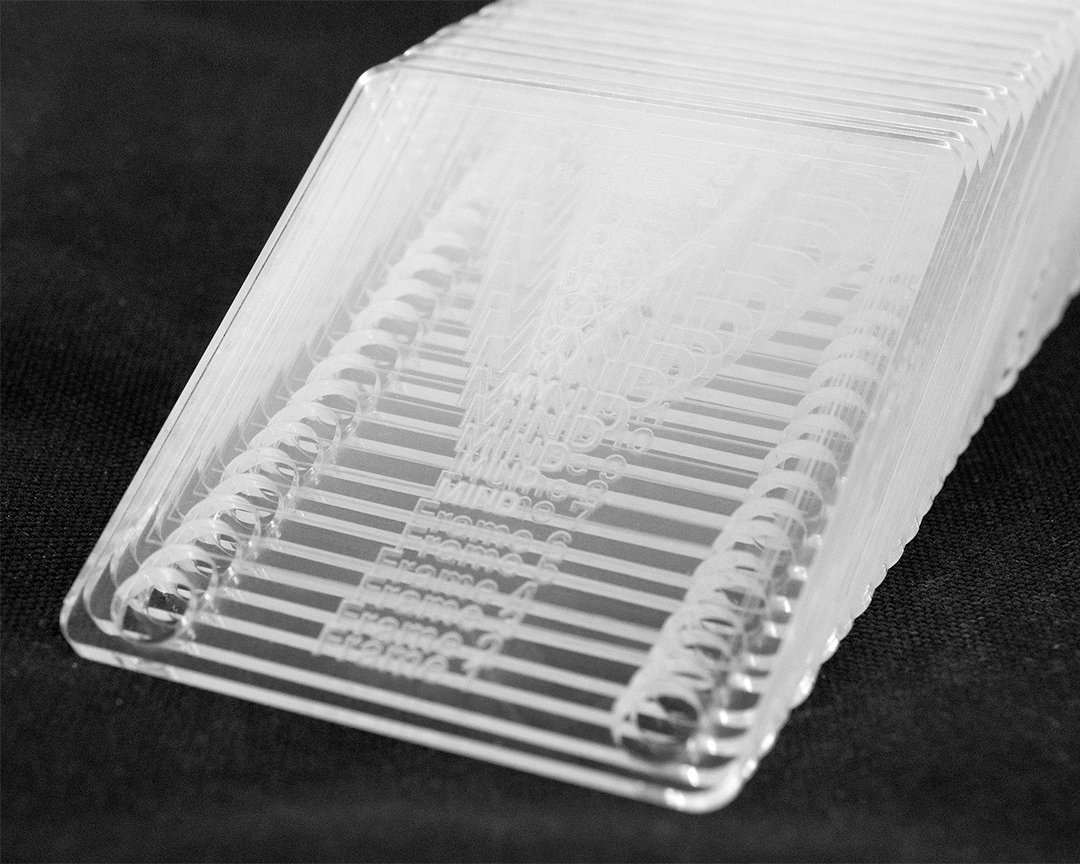
Traduire le mouvement en matière

PHOTOGRAPHY
with Rineke Dijkstra
What is good portrait? What technique do you choose? What kind of light do you use? Daylight or flash? What location or backdrop do you choose for? How do you choose your subject? How do you approach someone you don’t know? In this workshop, the students have explored what makes a good portrait and which tools you can use to create one.
MEDIA & INTERACTION DESIGN
with David Liebermann, Maximilian Kiepe, Jana Reddemann
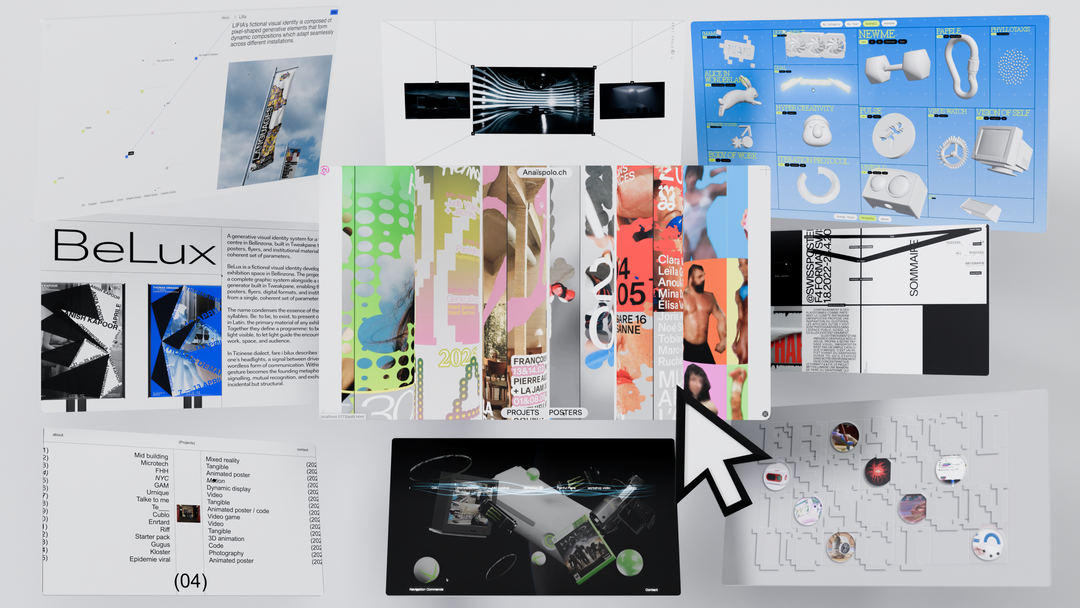
Hello World! Goodbye predictable, standardized and interchangeable web. Students questioned the conventions of the digital World, explored the Wide possibilities of the medium, and even invented new approaches to interact with the Web. And what better way to give web design meaning than through the students own portfolios, understood as expressions of attitude and personality. https://websites.ecal-mid.ch/
INDUSTRIAL DESIGN
with Herding Wool, Ugo Bompas
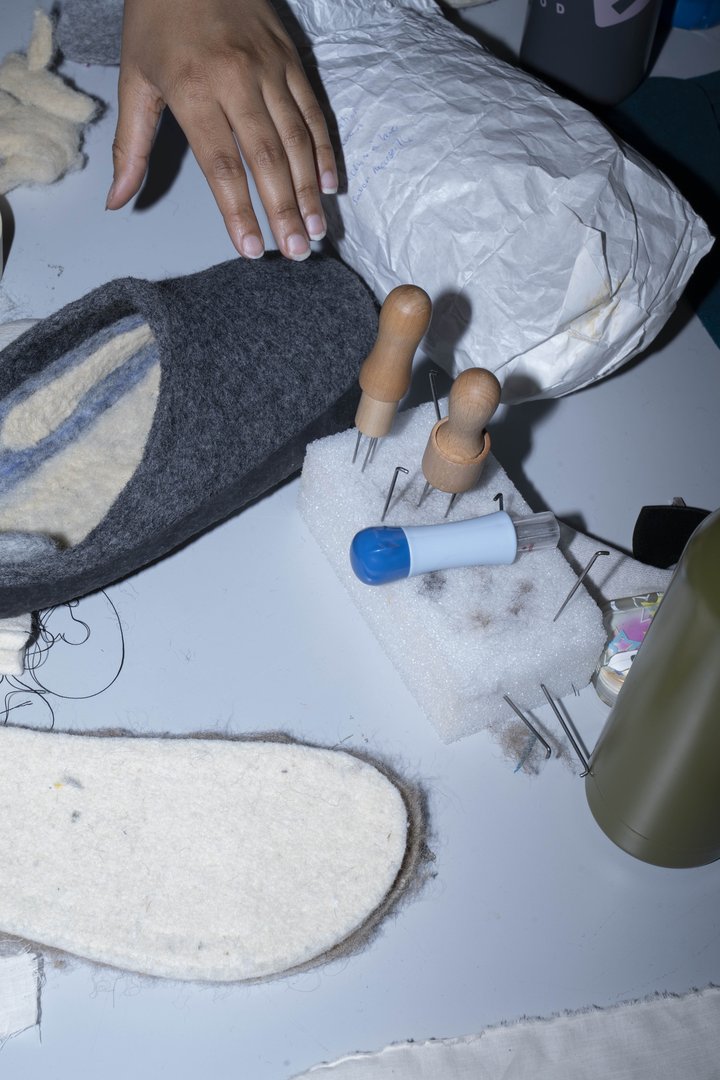
This immersive workshop explored footwear design through the materiality of wool.
MEDIA & INTERACTION DESIGN
with Mélanie Courtinat
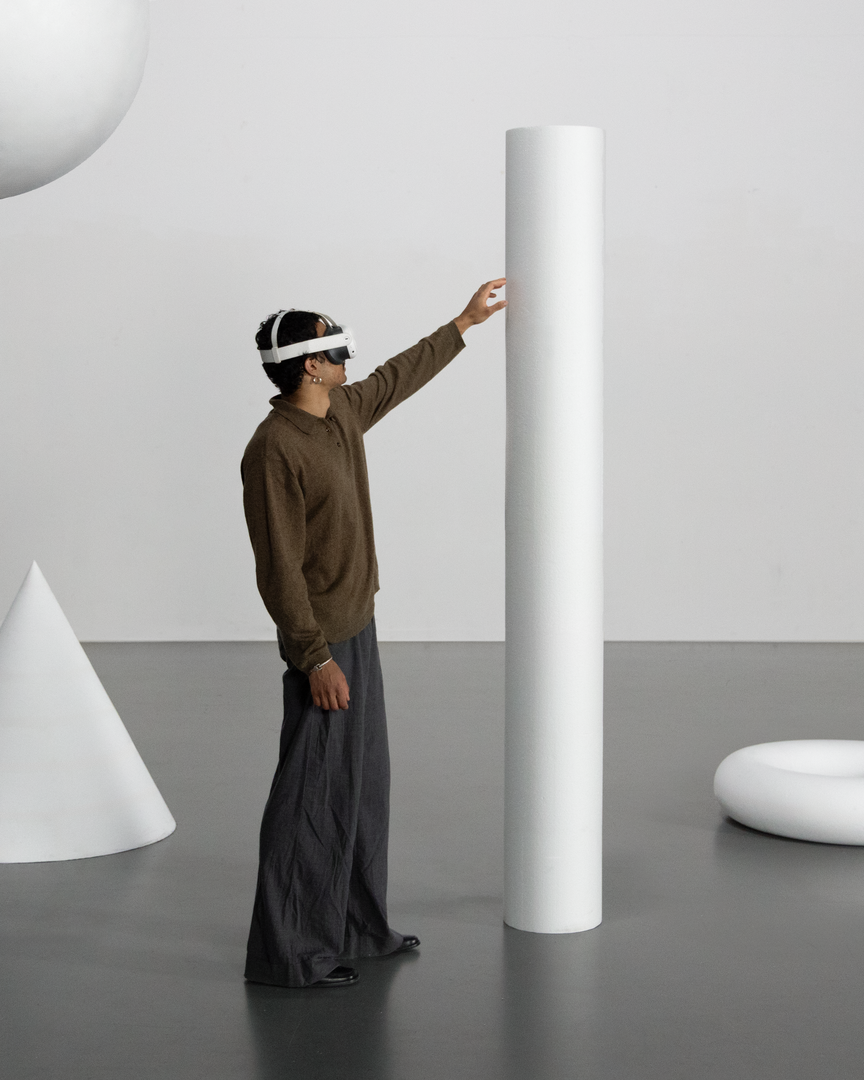
Ce workshop explore la paréidolie, notre capacité à projeter du sens et des émotions sur des formes abstraites. À partir d'une primitive géométrique (cube, sphère, cône...), matrice fondamentale de tout univers numérique, les étudiant·e·s en binômes doivent concevoir une expérience en réalité virtuelle. En s'appuyant sur une synchronisation précise entre l'espace physique et un environnement Unreal Engine, le projet transforme ces objets fixes en supports narratifs.

GRAPHIC DESIGN
with Yanis Carnal, Raphaël Verona
The Swiss style, also known as the International Style, established itself as the symbol of a radical approach to graphic design and typography. It embodies an ideal of efficiency and rationality. Omnipresent more than half a century after its emergence, does it still hold the same relevance today? What is its influence on our imaginations and our practice? Doesn't Switzerland have other facets through which to communicate, and what new graphic and typographic languages could represent them?

MEDIA & INTERACTION DESIGN
with Matthieu Minguet, Jamy Herrmann
This workshop explores the use of real-time video streams as a medium for transforming reality. Through live capture or interface-based processes, participants experiment with different ways of altering images using locally run diffusion models. The video stream is approached as raw material, opening up new perspectives on how reality can be perceived and transformed.

DIGITAL EXPERIENCE DESIGN
with RNDR STUDIO
During this one-week workshop, Master Digital Experience Design students used machine learning tools to decompose music videos into their constituent parts: segmented scenes, detected gestures, extracted colors, analyzed beats, separated audio stems, transforming linear audiovisual artifacts into structured datasets. These components were then reimagined as interactive, non-linear systems: explorable maps, generative timelines, rhythm-driven interfaces, and self-recomposing structures built with the OPENRNDR framework.
PRODUCT DESIGN
with Chris Kabel
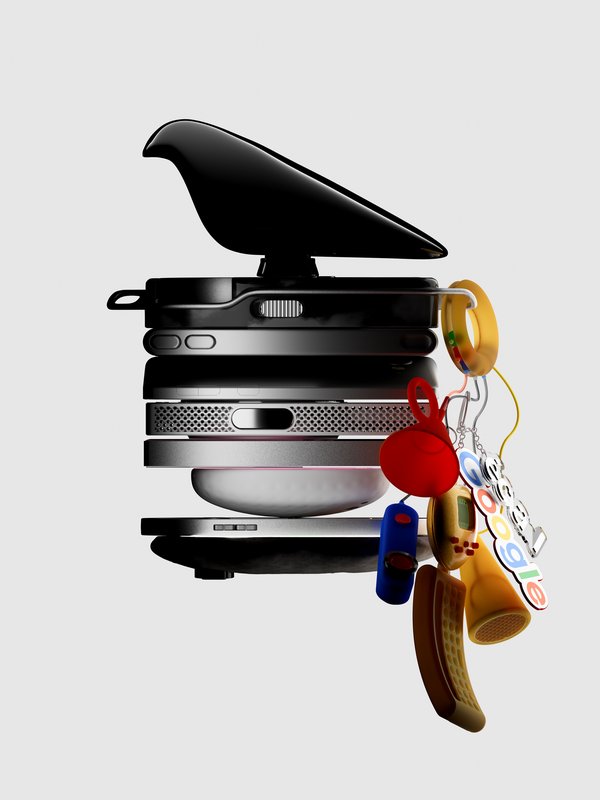
The Industrial Design team at Google (Google ID) initiated a collaboration with ECAL/University of Art and Design Lausanne to develop a concept for a mobile-focused product inspired by a daily ritual. ECAL’s Master Product Design students were invited to envision innovative hardware engaging with contemporary habits. Through compelling storytelling, these conceptual projects consider the human dimension of mobile technology: how it shapes everyday gestures and how our relationships with devices might evolve in the future. This collaboration reflects ECAL’s forward-looking approach to design, combining experimentation, critical thinking, and a strong receptivity to emerging technologies.
PHOTOGRAPHY
with Anoush Abrar
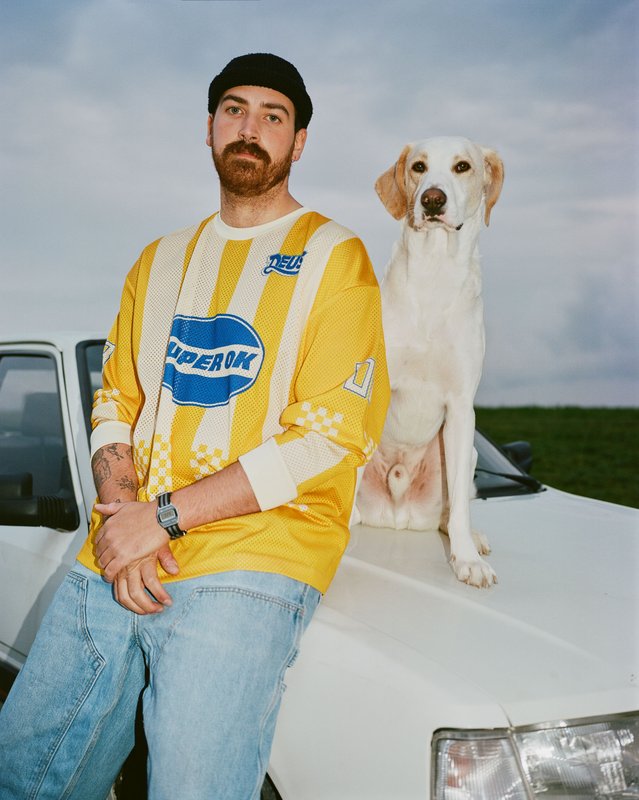
DRIVE For this week’s theme, “Drive,” first-year photography students were asked to create a portrait shot on medium-format film. Inspired by the sensation of a first driving experience, travel, empowerment, or discovery, the week aimed to explore the relationship between one or more people and a vehicle.

GRAPHIC DESIGN
MEDIA & INTERACTION DESIGN
PHOTOGRAPHY
with Jean-Vincent Simonet, Léonard Guyot, Florian Pittet (Sigmasix), Vincent Jacquier, Julien Gurtner
During a week of collaborative work, first-year students in the Visual Communication department at ECAL were given the ambitious task of creating a complete audiovisual experience, designing a light and sound architecture based solely on five original musical compositions. Using a central totem-like screen installation and projections on the surrounding walls, enhanced with lasers, they created a visual environment, broadcast in real time, which was presented as a performance to the public at the end of the week. The aim was to construct a universe capable of fully utilizing the space and the various stage elements, inviting the audience to move around and experience the live performance in its entirety. Five cross-functional creative groups, each with a different sound base, were supervised by Jean-Vincent Simonet and Léonard Guyot to produce images and test them throughout the week on the device, which was developed, set up and operated by a sixth group under the supervision of Florian Pittet, Matthieu Minguet and Achille Masson.
MEDIA & INTERACTION DESIGN
with Tibor Udvari
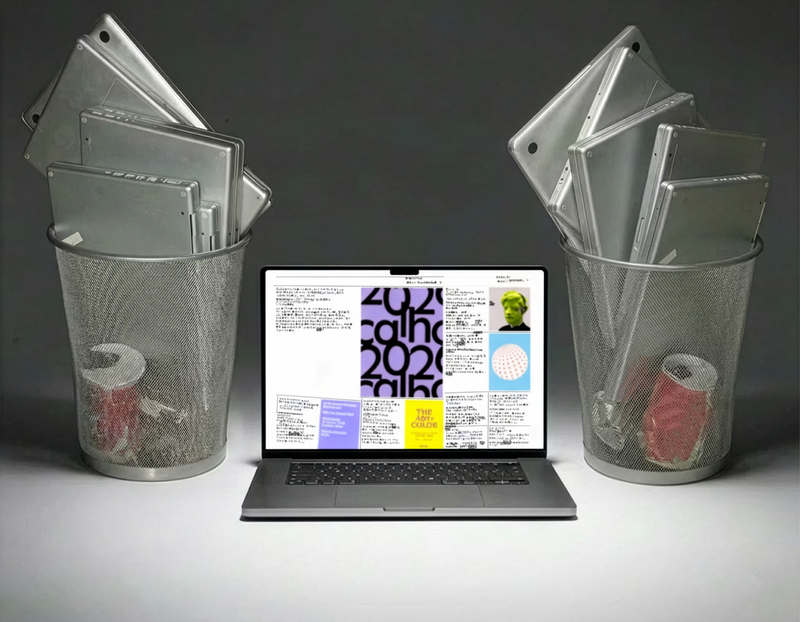
Many platforms degrade over time, shifting from useful tools into manipulative systems. In this workshop, we explore enshittification as a creative method by modifying existing websites or developing small web experiments that exaggerate friction, automation, overload, and disorientation in order to reveal the underlying logics.
with Jamy Herrmann, Achille Masson, Julien Gurtner, Vincent Jacquier
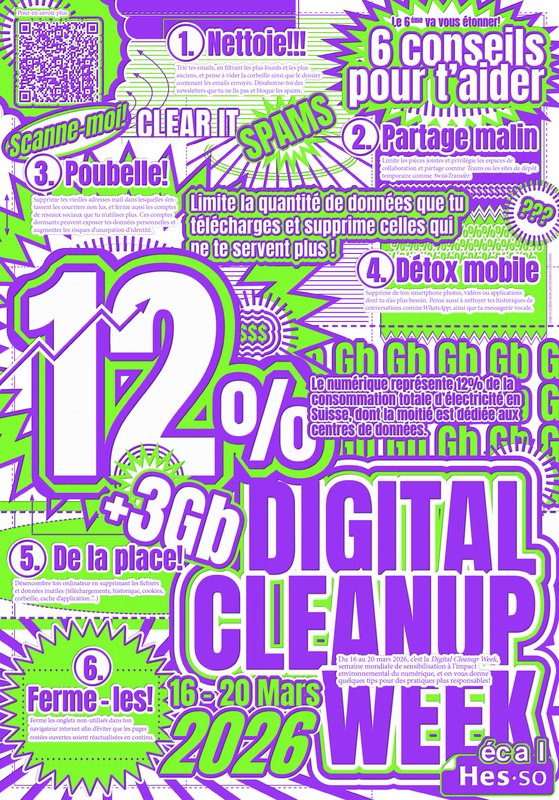
From March 16 to 20, ECAL is taking part in Digital Cleanup Week, a worldwide event dedicated to raising awareness and taking action for a more responsible digital world. A week to repair, recycle, clean and think!

PHOTOGRAPHY
with Rachel de Joode, Clément Lambelet
For this workshop, ECAL invited Rachel de Joode, Berlin-based artist whose practice explores the relationship between photography, sculpture, and digital images. During the week, students experimented with transforming photographic images into three-dimensional forms. Starting from simple concepts, they produced or gathered image material intended for printing and treated images as surfaces to cut, fold, layer, and assemble into sculptural objects. Through rapid tests and material experimentation, the workshop encouraged students to move repeatedly between image, surface, object, and documentation. By working with printing, scale, and spatial placement, they explored how photographic images can gain physical presence and occupy space beyond the screen.
GRAPHIC DESIGN
by Leandra Adler, Cansu Celen, Layana Comte, Anaïs Dermont, Camille Genoud, Eve Gremaud, Eloïse Guillod, Mathis Harmant, Marie Hintzy, Matteo Lucca, Maxime Manera, Gaëtan Mauclair, Mathys Mauron, Emma Morisseau, Sara Pedersoli, Lucie Pittet, Hélène Prongué, Leonardo Mariucci, Alice Refachinho, Justine Renevey, Gaspard Schlatter, Laura Simons, Vu Toni Thien Duc, Maïa Yassin, Jonas Zesiger
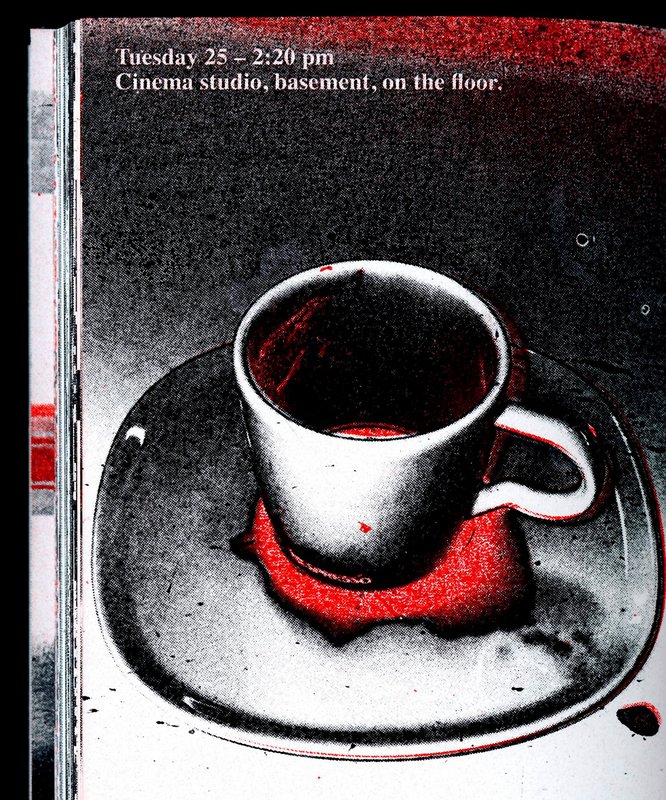
In November 2025, 27 ECAL students took part in Work and Turn, a workshop led by Geoff Han exploring the theme of labor and the often overlooked work that sustains the school. Located in a former IRIL knitwear factory in the industrial area of Renens, ECAL occupies a vast building whose daily functioning depends on many visible and invisible forms of labor. Over five days, students worked in small teams to produce a collective 96-page pocket-sized publication. Each pair created an 8-page photographic visual essay focusing on a specific aspect of labor at ECAL. Rather than relying on traditional portraits, the projects explored more poetic and indirect ways of documenting traces of work through spaces, gestures, materials, and infrastructures. The entire publication was manually printed on an offset press by the students themselves, in either black or red and black. The printing process was a central part of the workshop: participants prepared the plates, set up the press, and ran the prints. This hands-on production process echoed the theme of labor explored throughout the publication.
TYPE DESIGN
with Matthieu Cortat
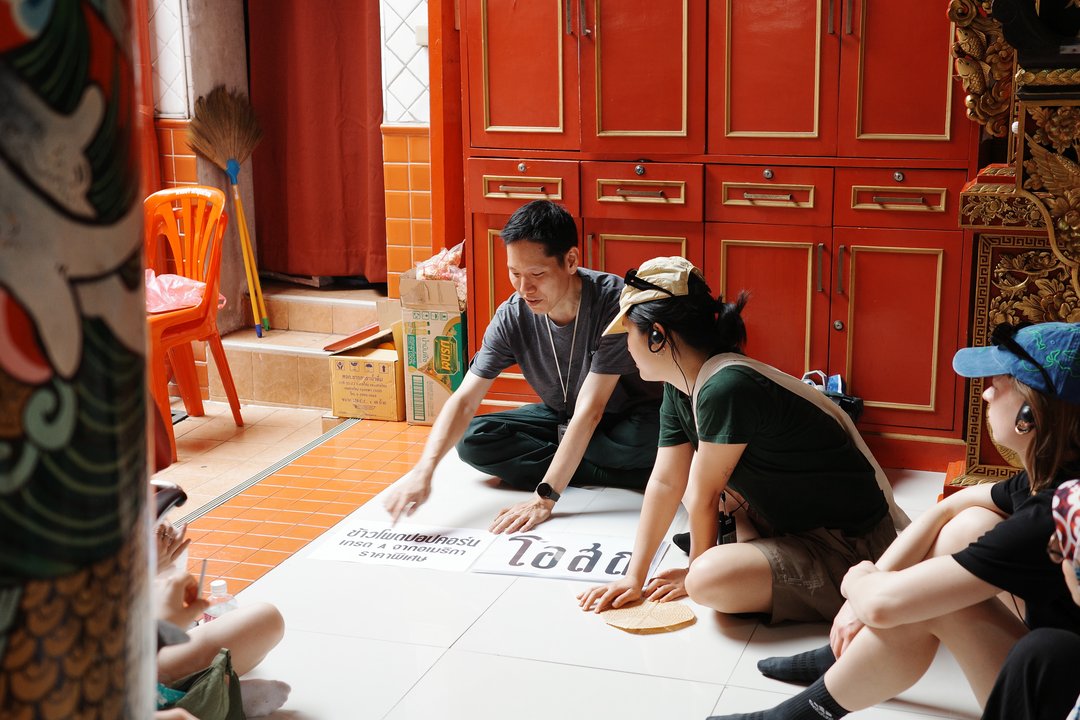
Summer University to Bangkok with first year ECAL Master Type Design students.
MEDIA & INTERACTION DESIGN
with Mario Von Rickenbach
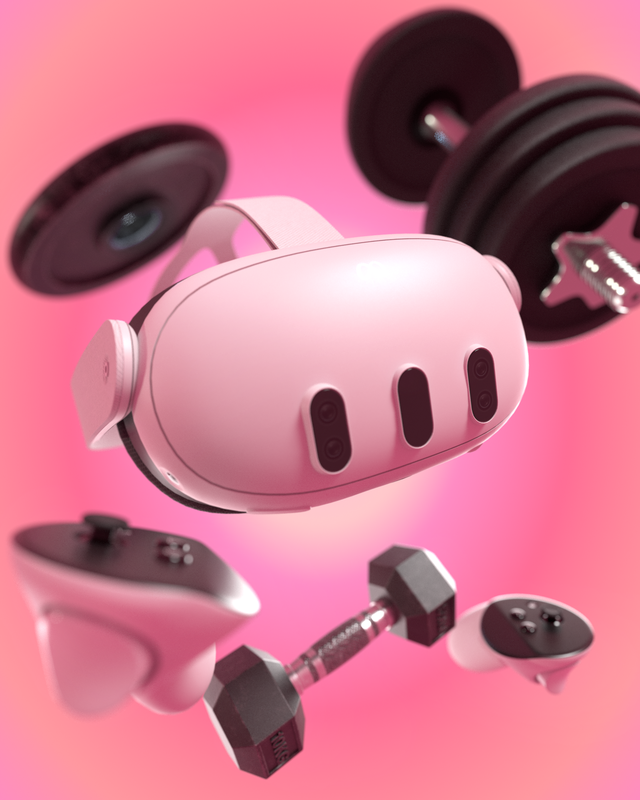
This project brings together a series of experiments created by students exploring the intersection between physical reality and immaterial imaginary worlds. Using a mixed reality headset, they transform their environment into experimental spaces where real elements become supports for digital creations.
MEDIA & INTERACTION DESIGN
with Alain Bellet
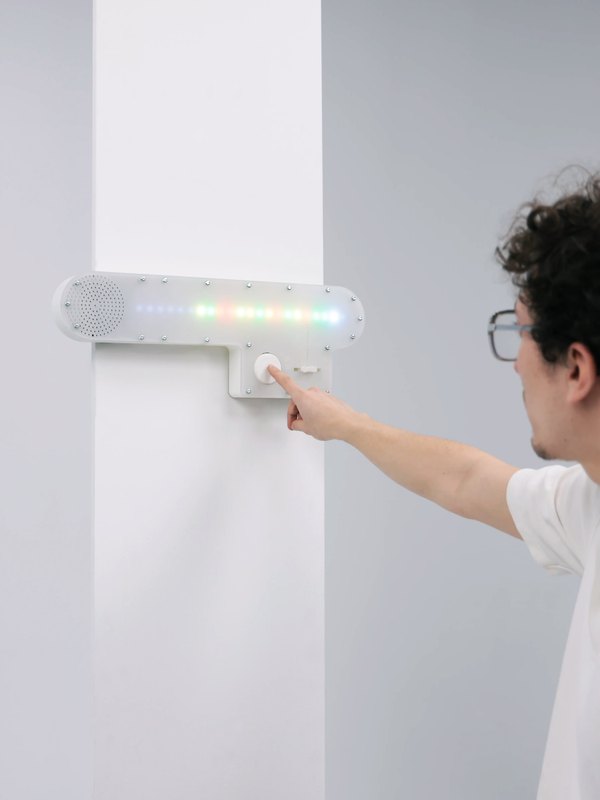
By combining code, electronics, and physical prototyping, first-year students design interactive objects that react, respond, and invite interaction, gathered under the title Talk To Me. Using dialogue as playground and inspired by conversational interfaces, the projects transform physical objects into new forms of interaction.
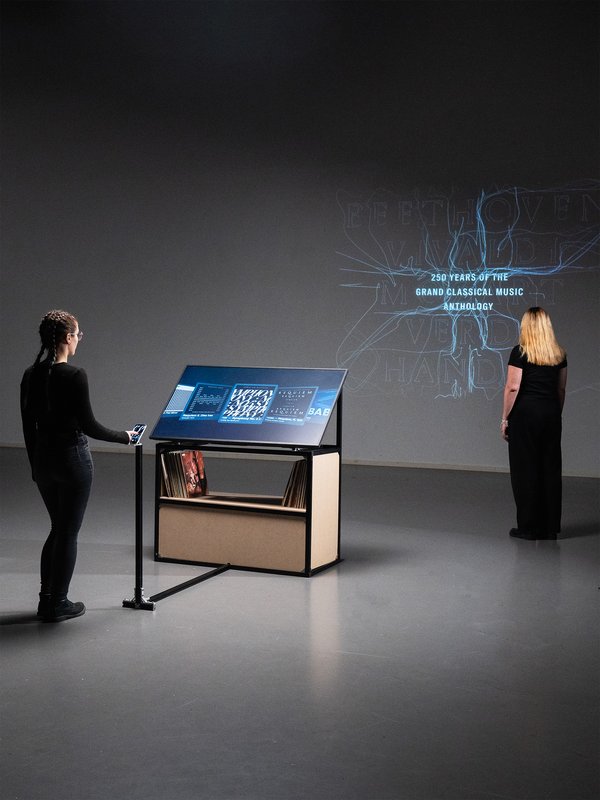
DIGITAL EXPERIENCE DESIGN
with Antonin Waterkeyn
From connected watches to large-scale billboards, digital interfaces now operate across all scales. Designing a visual identity in this context requires thinking in terms of systems that can adapt to multiple formats, uses, and rhythms. This workshop explores the creation of modular, animated identities for a fictional music label, drawing on motion design and procedural logic. Using Cavalry, students develop dynamic visual systems that transform according to precise rules, while maintaining graphic coherence and a strong relationship to the sound universe.
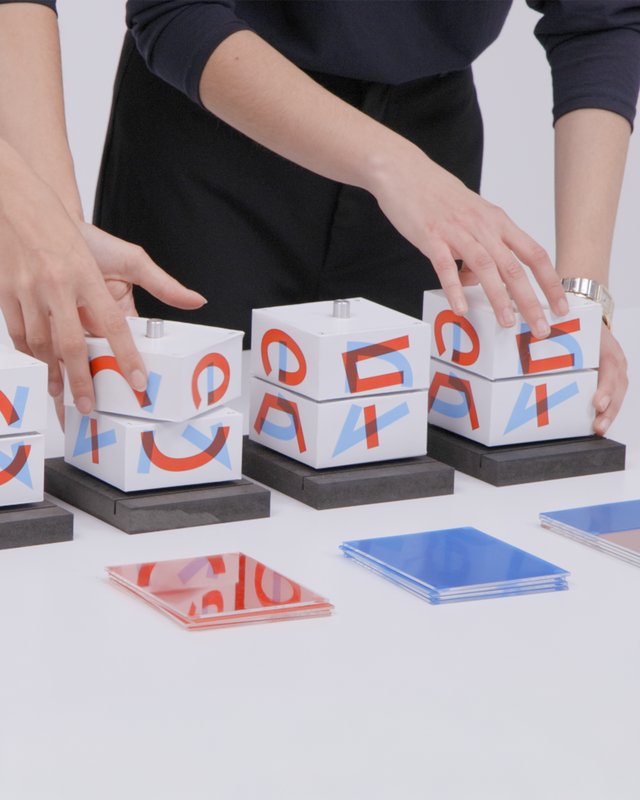
MEDIA & INTERACTION DESIGN
with Angelo Benedetto
Beyond the screen - is a series of interactive machines developed by students in their first year of Bachelor Media & Interaction Design. These systems are inspired by the relationship between instructions and execution within a computer system. These machines create text through a modular typographic system.
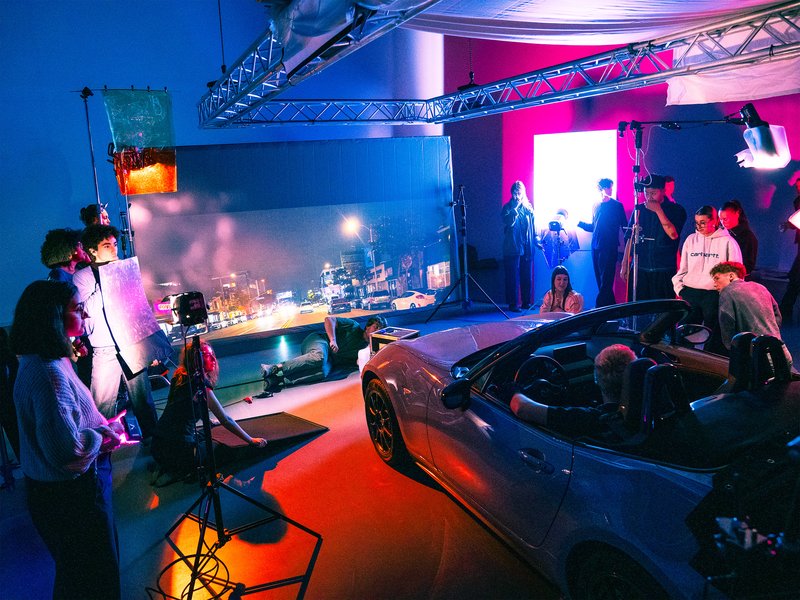
FILM STUDIES
Workshop led by Michael William Farino, Jonathan Ricardo Argudo and Herbert Mayer and given to students in the Bachelor's degree programmes in Cinema and Industrial Design.
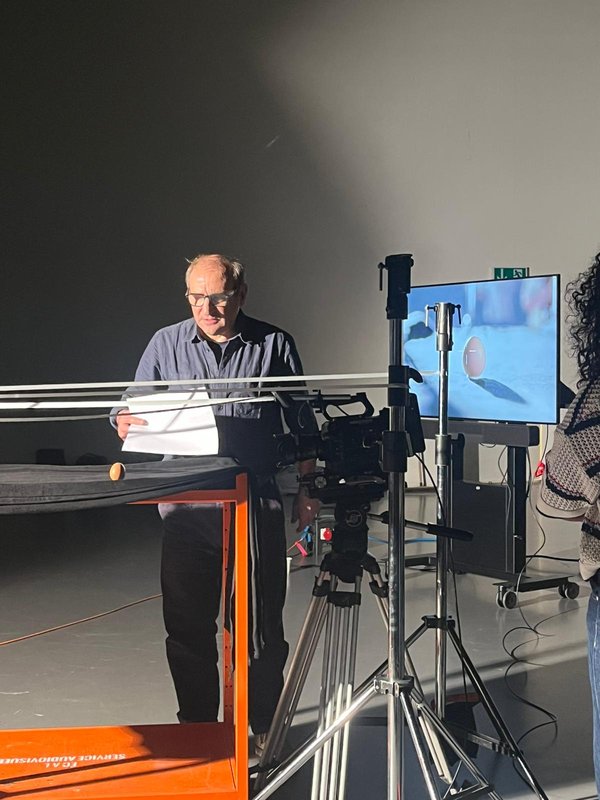
FILM STUDIES
by Noé Bregnard, Eva Rust, Victor Durand Matinella, Lou Haenggi, Samuel Harari, Hana Magimel, Nolan Grando, Mileny Viera de Andrade, Zélia Zanone
Second-year Bachelor's students attended a workshop with Belgian cinematographer Benoît Dervaux, known for his work on the Dardenne brothers' films. He was responsible for the cinematography on the Swiss films Laissez-moi by Maxime Rappaz (2023) and À bras-le-corps by Marie-Elsa Sgualdo (2025).