BA FINE ARTS
MA FINE ARTS
MAC MA CI
The Assembly of Writings
with Federico Nicolao
A collective exploration of the new relations between contemporary writing and artistic practice.

This research project questions what has come of youth – a conceptual, aesthetic, and political figure that was born with modernity – in the visual arts, popular culture, and the humanities. Conversely, the project addresses what the problematic category of “youth” has brought about in contemporary art and thought.
Research project (2023) with Vincent Normand, Stéphanie Moisdon
If youth is a classic object for anthropological, sociological, or historiographical studies, the contemporary grasp of its aesthetic and political contours has proven to be a much more difficult task. Indeed, it is seen as an ill-defined object, constantly shifting, difficult to dissociate from the historical background against which it arises – to such an extent that, by being so much a part of the present in its most atmospheric dimension, youth seems to become its image, its most exhaustive yet also most fleeting portrait, meant to be renewed at each moment of history. It is at this precise point that this research project seeks to grasp its logic, not only to describe youth, but to use it as its very method.
This project does not intend to reproduce the categories that sociological or anthropological studies of youth have constructed, nor to reiterate the clichés that cultural industries have projected onto it, but to make the inextricable nature of the aesthetic and political dimensions of youth perceptible and intelligible. By exploring the processes by which youth is constituted through its forms of representation, this project seeks to grasp it as an allegory that will help rethink the “contemporary” through its most lively milieu.
Vincent Normand
Vincent Normand
Philippe Azoury
Stéphanie Moisdon
Lecturers and researchers
Julie Ackermann, Mohammed Almusibli, Ludivine Bantigny, Eric Baudelaire, Persis Bekkering, Federico Campagna, David Douard, Florian Gaité, Agnès Gayraud, Tristan Garcia, Guillaume Heuguet, Ingrid Luquet-Gad, Julia Marchand, Caroline Poggi, Simon Reynolds, Gisèle Vienne, Jonathan Vinel
Shirin Yousefi
September 2021 – September 2023
Le Consortium (Dijon, France)
ECAL/École cantonale d’art de Lausanne
Réserve stratégique de la HES-SO (RCDAV)


BA FINE ARTS
MA FINE ARTS
MAC MA CI
with Federico Nicolao
A collective exploration of the new relations between contemporary writing and artistic practice.
MA FINE ARTS
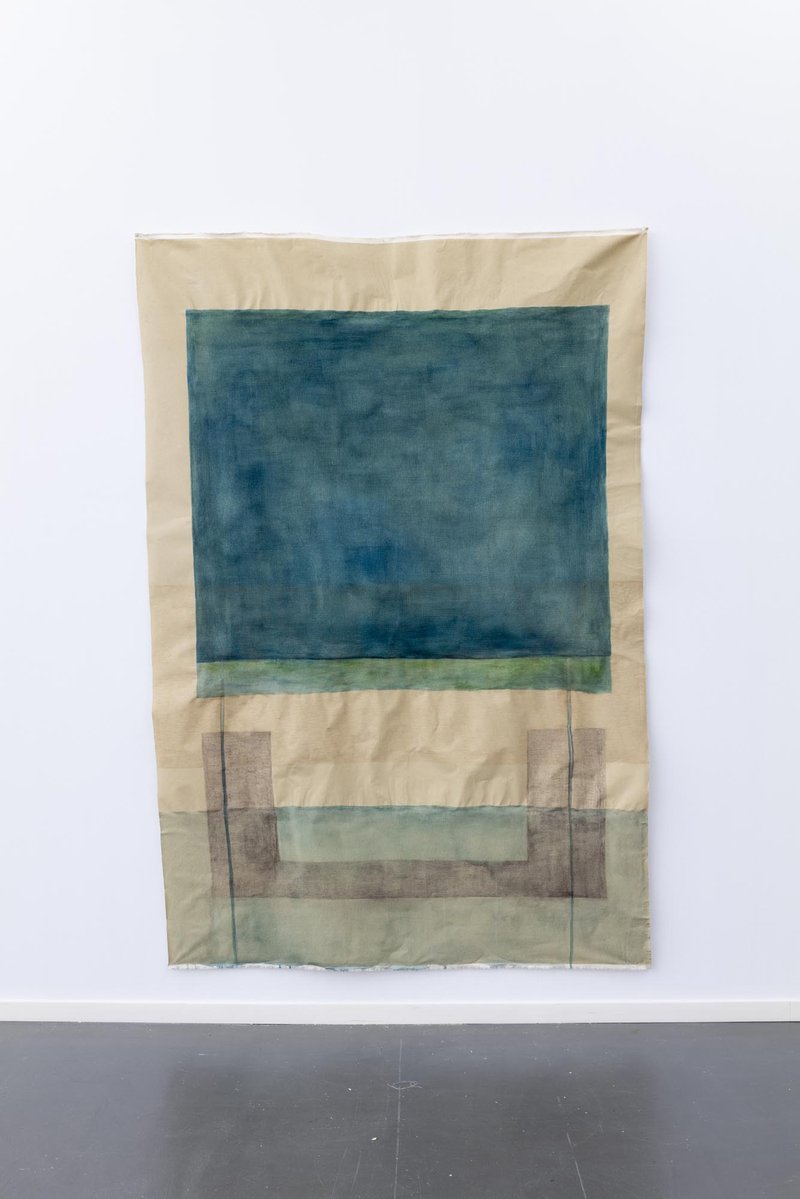
by Alessandra Ghiazza
In the empty spaces I find pieces of dreams fields and water, of the forgotten green. A stratification of memories that leads to reveal experiences in natural landscapes, real but also places suspended between memory and the dreamlike, creating through geometric and repetitive shapes a space of contemplation on places, to find them again; postcards of a fragile and continuously changing landscape.
MA FINE ARTS
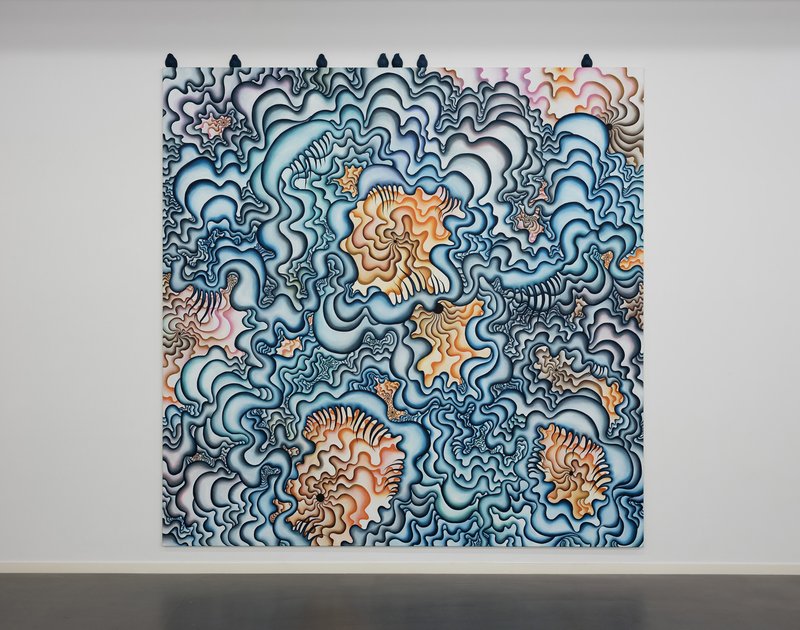
by Axel Mattart
Tired of Fighting Against Your Brain ?
MA FINE ARTS
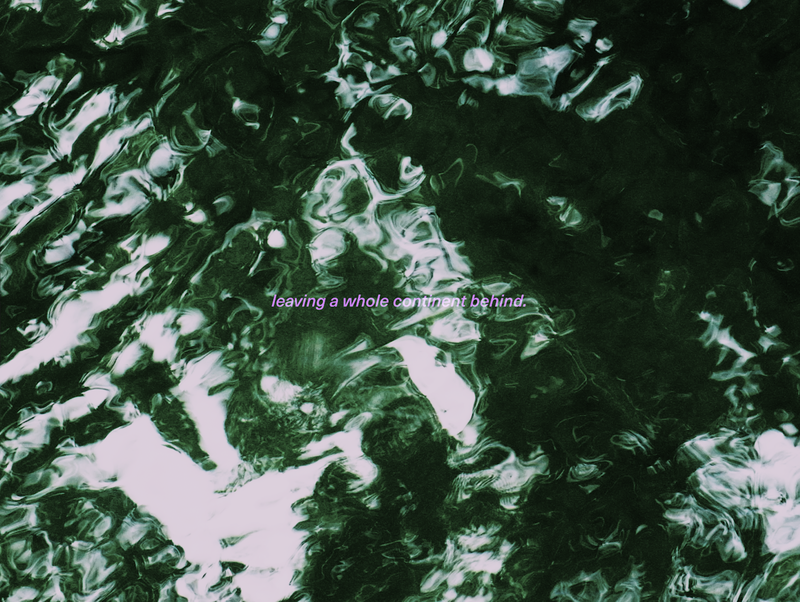
by Camila Polania
Some say the body arrives first, and the soul takes longer. This installation begins with that delay, in the tension between presence and absence. Instructions of Rematriation is a video installation projected onto a wind-moved fabric, a surface that never fully settles. In front, white Rimax chairs evoke everyday spaces of waiting across Latin America: porches, patios, sidewalks. The work follows the passing of a single day, tracing the slow return to the body after displacement. Through video, writing, textile, and sound, the installation holds a kind of return, not geopolitical, but personal and ancestral: a political and spiritual reconnection with what was once left behind.
MA FINE ARTS
by Giorgio Cassano
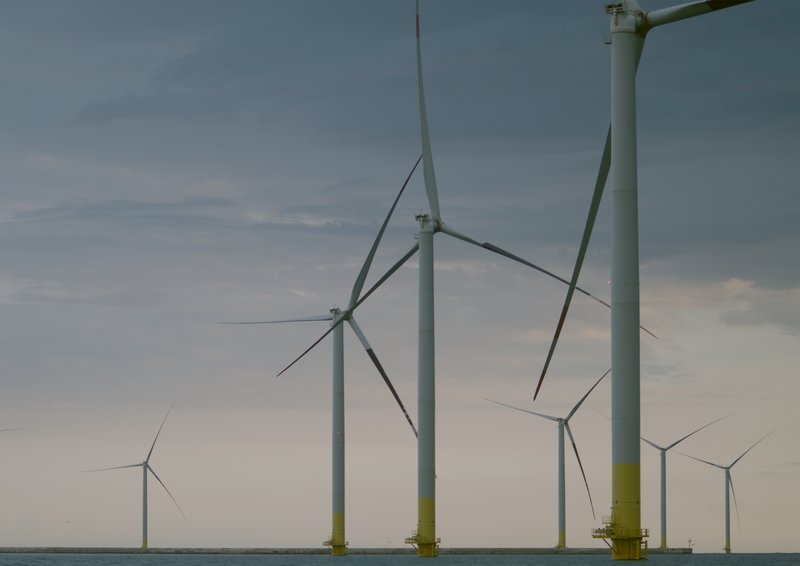
ZONA DI SACRIFICIO is a film study that fuses documentary, ethnography, and poetic montage around the Fiume Tara—Taranto’s revered “miracle river.” Through a tapestry of memories, legends, visions, and personal testimonies, the film explores how this sacred source has sustained local identity and resilience, even as the encroachment of the ILVA steelworks has turned the surrounding landscape into a literal “sacrifice zone.” It is both a visual elegy to a once-pure watercourse and a poignant reflection on environmental violence, tracing the uneasy coexistence of spiritual reverence and industrial devastation in a community striving to reclaim its voice.