2026 Diplomas – Bachelor Industrial Design

Published
June 24, 2026

Discover the diploma projects from the Bachelor Industrial Design.


Projects

Anouck Morlon – Multiples

INDUSTRIAL DESIGN

Anouck Morlon – Multiples

by Anouck Morlon

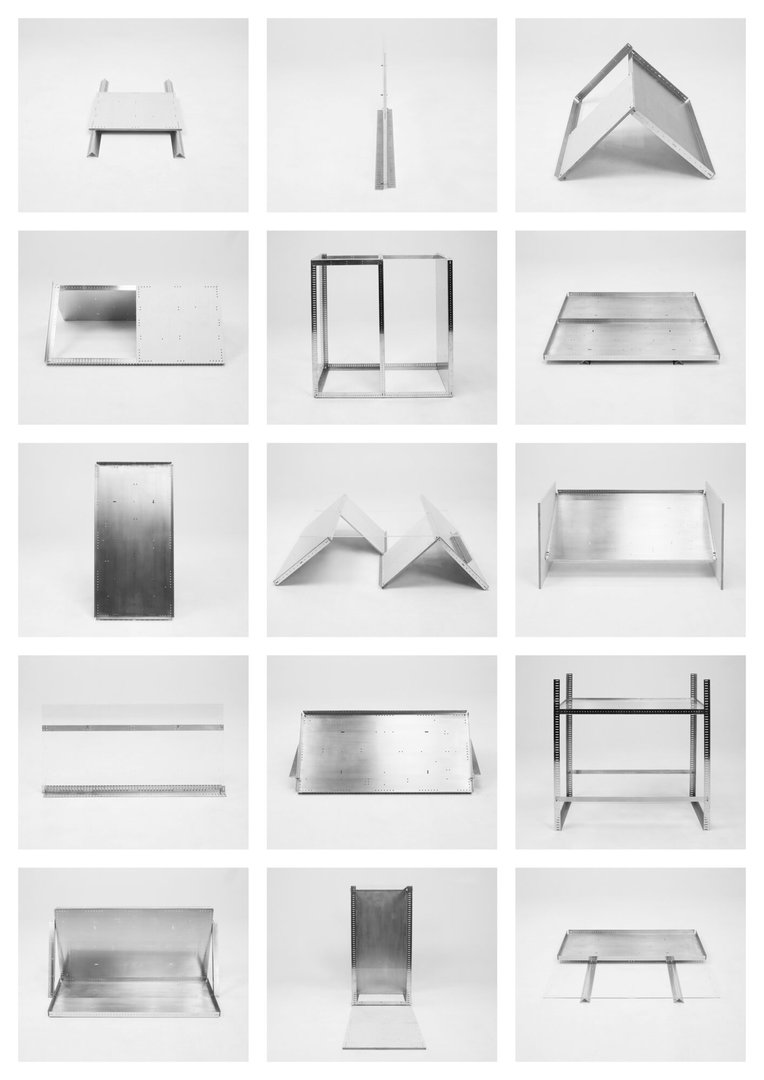
Composed of six modular panels, the flat-pack vitrine system Multiples generates a wide range of display configurations and spatial arrangements. Designed as a flexible tool, it can be assembled, disassembled, transported, and reconfigured to adapt to different contexts. The project explores the role of display and investigates how modes of presentation shape the perception of artworks and objects. By questioning the idea of display as a neutral support, it highlights its influence on the relationship between object, space, and viewer. Positioned between exhibition design and industrial design, Multiples considers display as an active component of the viewing experience.

Aurélie Richard – Rideaux de lumière

INDUSTRIAL DESIGN

Aurélie Richard – Rideaux de lumière

by Aurélie Richard

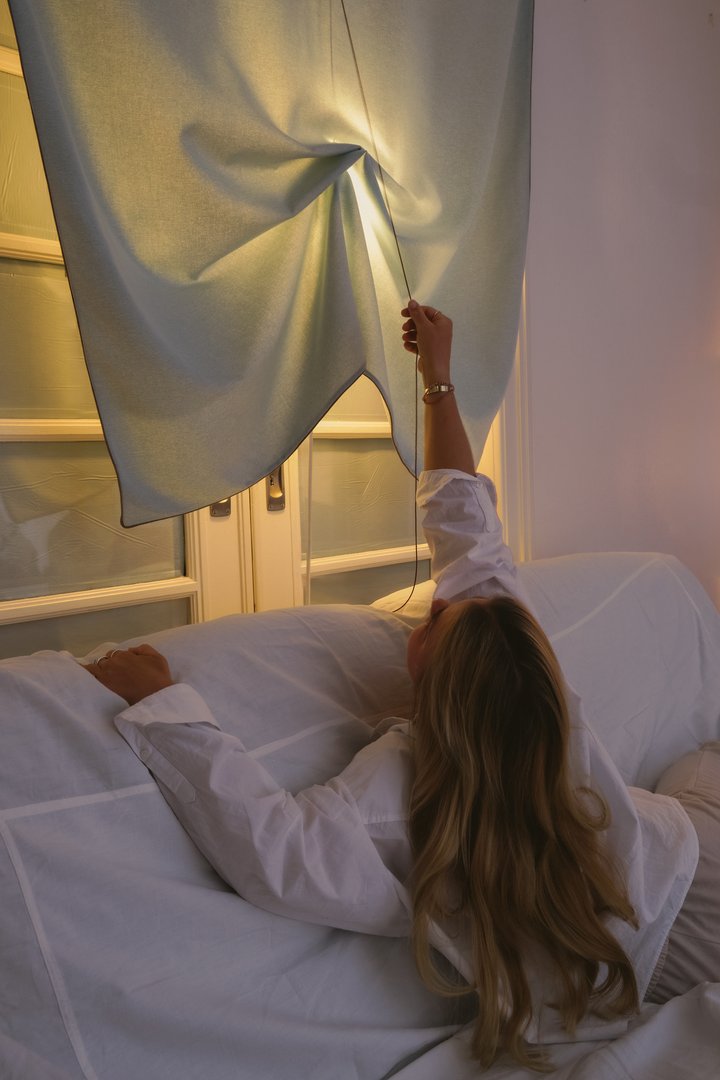
Inspired by the movement of curtains, the series of textile lamps Rideaux de lumière explores how light can be modulated by material. Each piece consists of a fabric surface behind which a light source can be moved using a cord. This movement creates a pleating effect that transforms the diffusion of light and alters the resulting luminous effects. Across different formats, these lamps inhabit space as textile and luminous presences, inviting a simple interaction that reveals the sensitive qualities of both fabric and light.

Clara Uzunovic – Les Javelles

INDUSTRIAL DESIGN

Clara Uzunovic – Les Javelles

by Clara Uzunovic

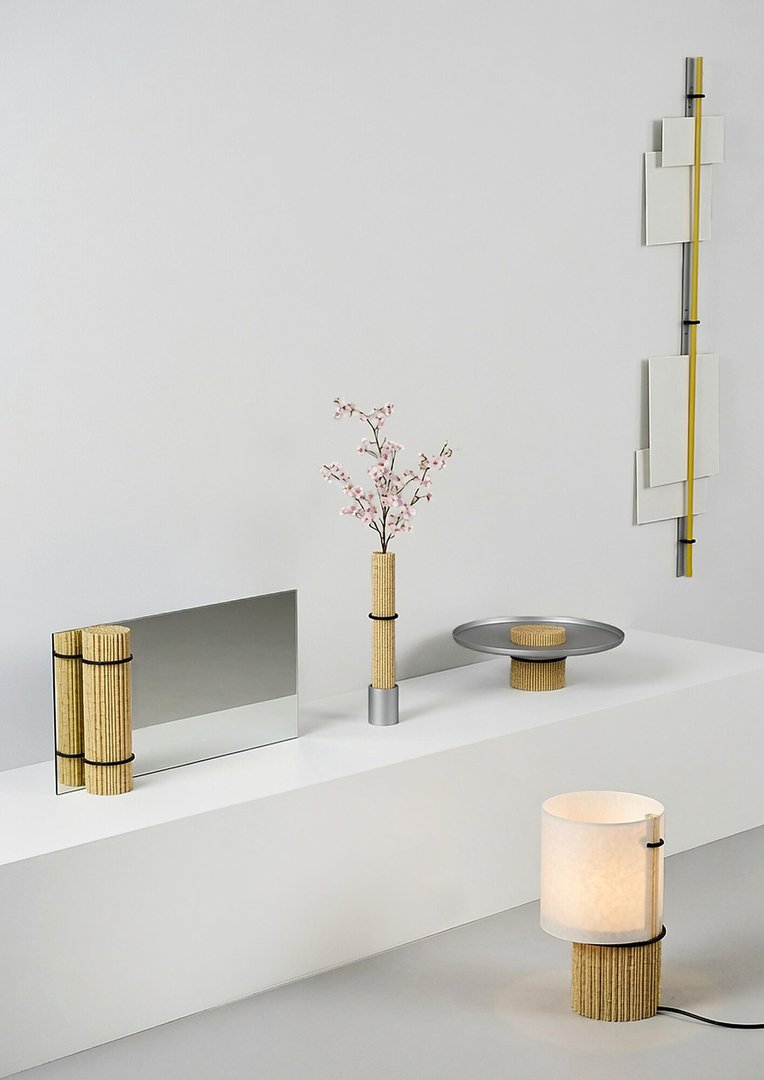
Born out of a collaboration with Jean-Luc Rodot, a rye straw producer, Les Javelles brings together five objects resulting from a research process centered on this material. Traditionally used for chair seating, thatched roofs, and marquetry, rye straw becomes here a structural element. Inspired by the gestures and processes of its harvest, this project explores new applications to reveal its material and aesthetic qualities. Through an experimental approach combining craftsmanship and material exploration, Les Javelles investigates the potential of a centuries-old material and expands its scope of application.

Mathilda Zubek – VANTA DT-1

INDUSTRIAL DESIGN

Mathilda Zubek – VANTA DT-1

by Mathilda Zubek

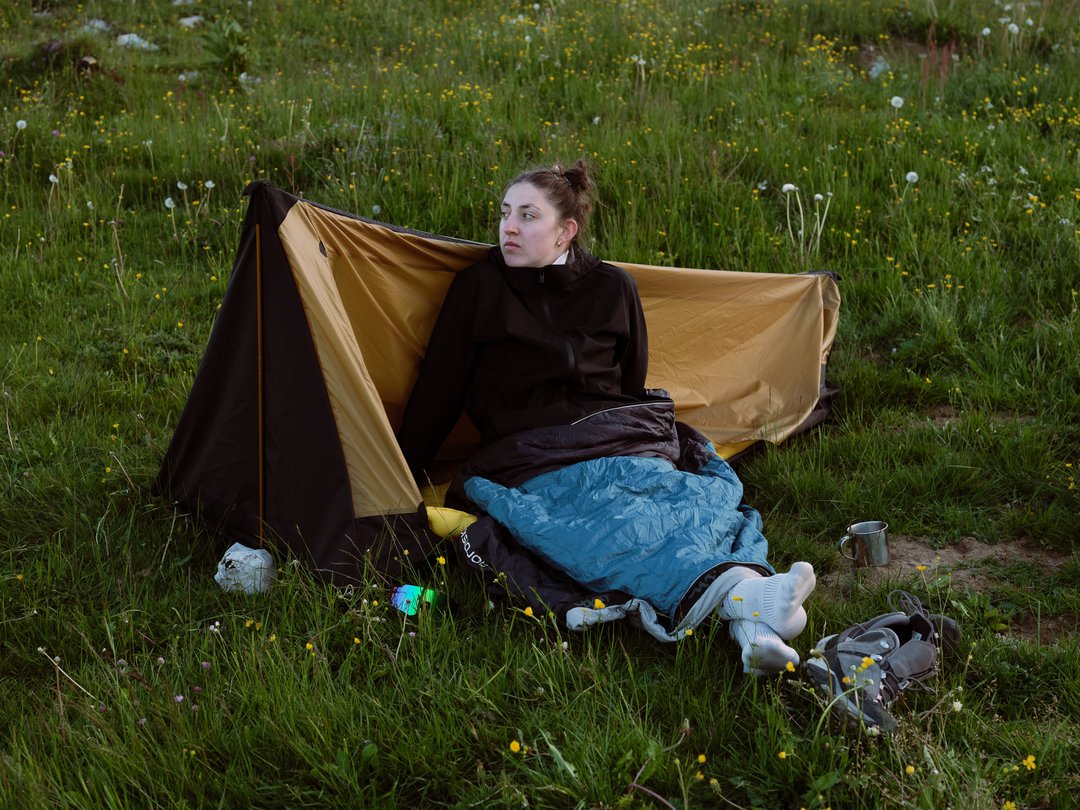
VEKTA-DT1 is a dual terrain shelter designed for solo adventurers. Combining the functionality of a ground tent and a suspended hammock tent, it adapts to changing environments without requiring additional equipment. The central structural poles serve two purposes: positioned vertically, they supports the tent in ground mode, repositioned horizontally, they become the structural spreader that stabilizes the suspended shelter between two trees. This dual use system enables rapid adaptation to uneven, rocky, wet, or otherwise unsuitable terrain. Lightweight, compact, and versatile, VEKTA-DT1 offers a reliable shelter solution wherever the journey leads.
Archibald Simon – Séjour

INDUSTRIAL DESIGN

Archibald Simon – Séjour

by Archibald Simon

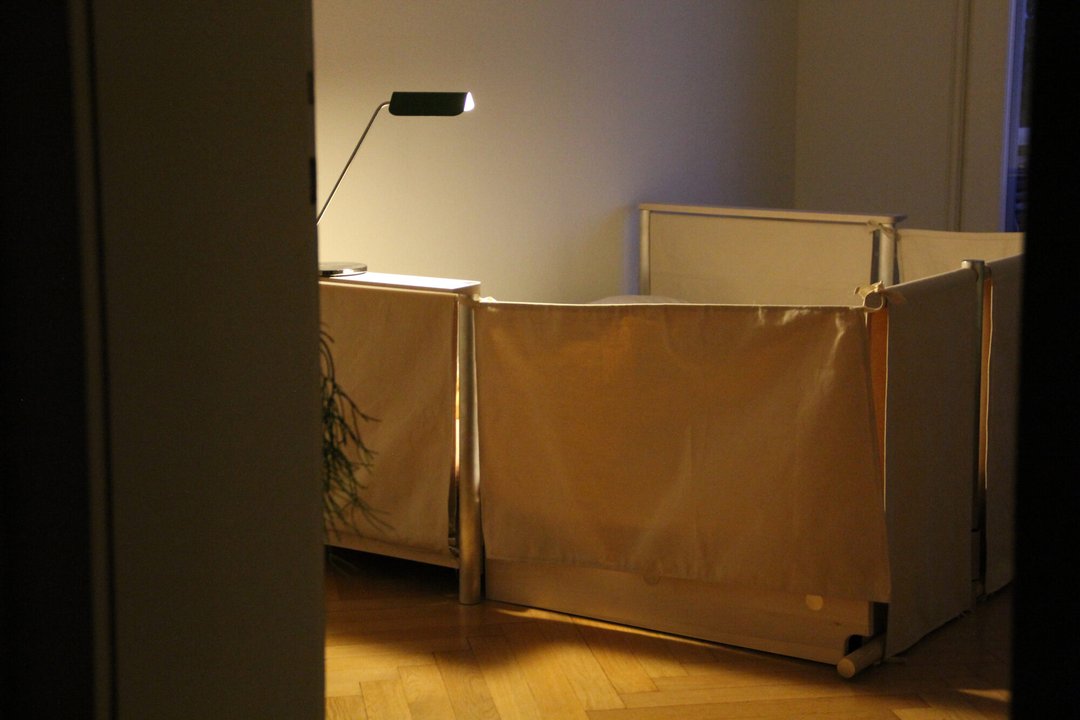
While the French word "séjour" refers, on the one hand, to the act of residing somewhere, it also denotes the living room of a home. It is precisely this multiple meaning that informs the Séjour project: a sofa bed designed for hospitality in all its forms — sharing and conviviality with guests, then comfort and privacy when used as a bed. When the sofa converts into a double bed, its backrest transforms into a screen, creating a private space for the occupant and shielding them from the hustle and bustle of the living room, so they may feel right at home.

Matthieu Rigelo – Doll Museum

INDUSTRIAL DESIGN

Matthieu Rigelo – Doll Museum

by Matthieu Rigelo

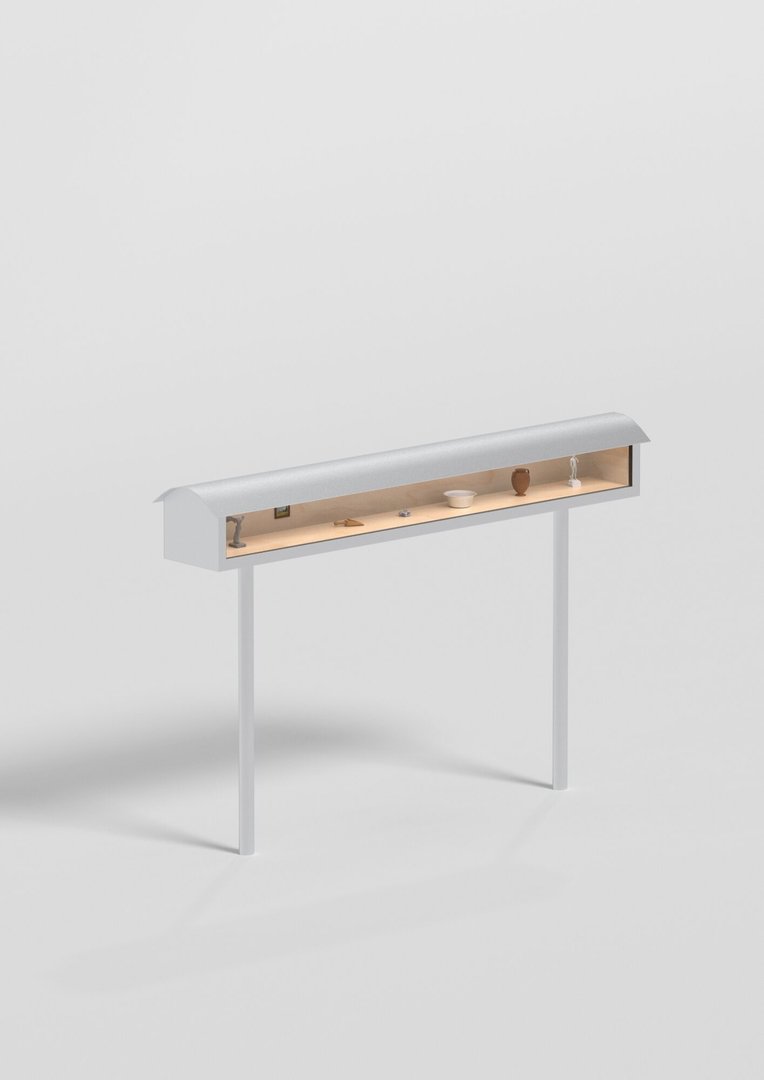
Several Swiss cities now reserve their advertising spaces exclusively for culture, sports, and local initiatives. Doll Museum is an urban showcase dedicated to the promotion of local museums. As a three-dimensional alternative to traditional posters, it displays objects from ongoing exhibitions, offering a more immersive preview to spark curiosity and invite people into museums. Its double-walled stainless steel structure and safety double-glazing preserve the exhibited pieces while making culture more accessible to the public.

Romain Ricci – Rooster

INDUSTRIAL DESIGN

Romain Ricci – Rooster

by Romain Ricci

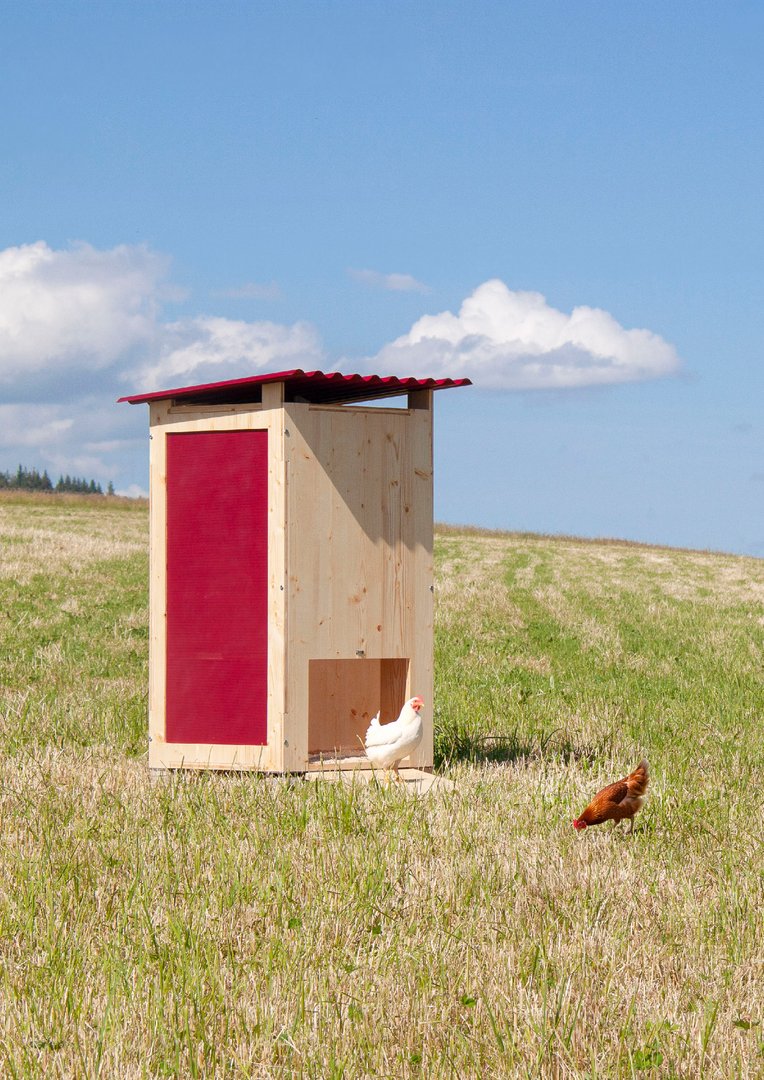
Rooster is a modular flat-pack chicken coop designed to promote autonomy and local food production. Its concept is based on modularity: a base module for two chickens, expandable up to six chickens. Designed for people with no DIY experience, it uses CNC-machined three-ply spruce panels. Assembly is easily done with a power drill, thanks to a threaded insert system. The wood is treated with linseed oil to ensure its longevity outdoors. This transparent approach emphasizes repairability, as each part can be easily replaced. Inside, the layout features a roosting bar and a nesting box.

Flavia Renaud – Soft Room

INDUSTRIAL DESIGN

Flavia Renaud – Soft Room

by Flavia Renaud

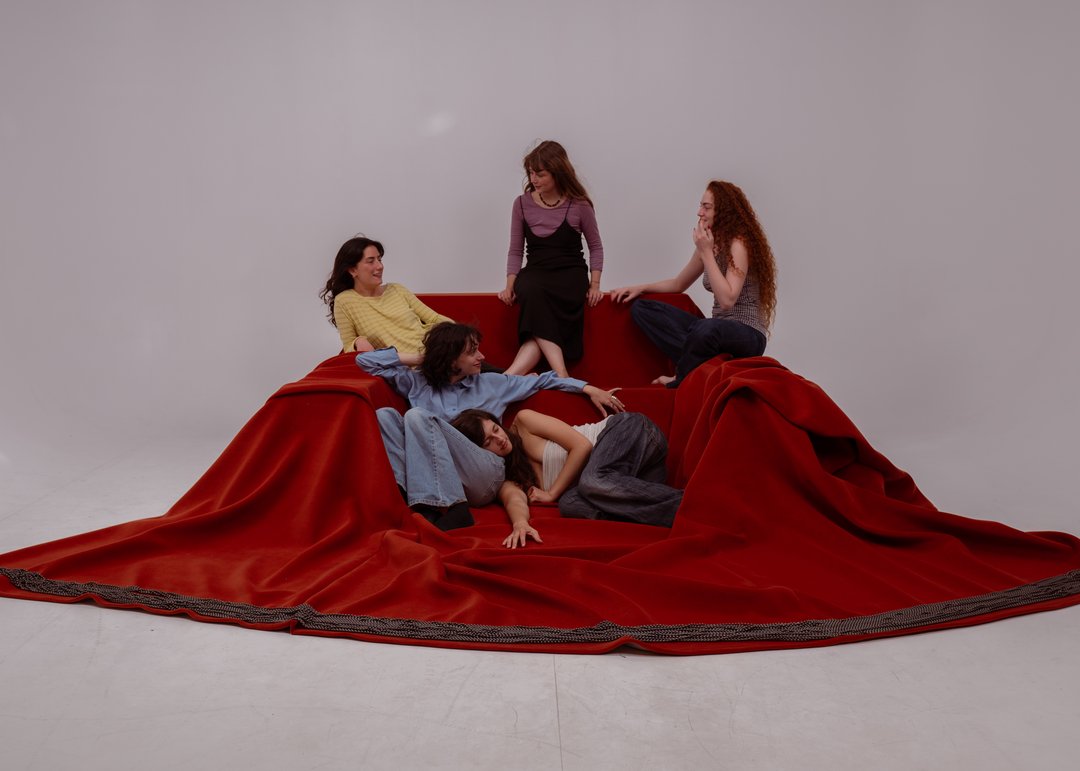
Soft Room is a hybrid object that connects sofa and rug to create a space for sharing moments with friends, family or flatmates. It almost creates a small room outlined by the rug, where people gather to do everything or nothing together. The low sofa and rug extend the resting surface so that everyone, seated or lying down, stays on the same level. The wooden structure, fully covered with foam, offers several angles to feel comfortable and cocooned, and to find one's favourite spot. The loosely draped Kvadrat fabric forms folds that replace cushions and add comfort. A heavy fringe controls the way the fabric falls and keeps it in place, while reinforcing the character of the piece.

Anouk Quillet – Poucet

INDUSTRIAL DESIGN

Anouk Quillet – Poucet

by Anouk Quillet

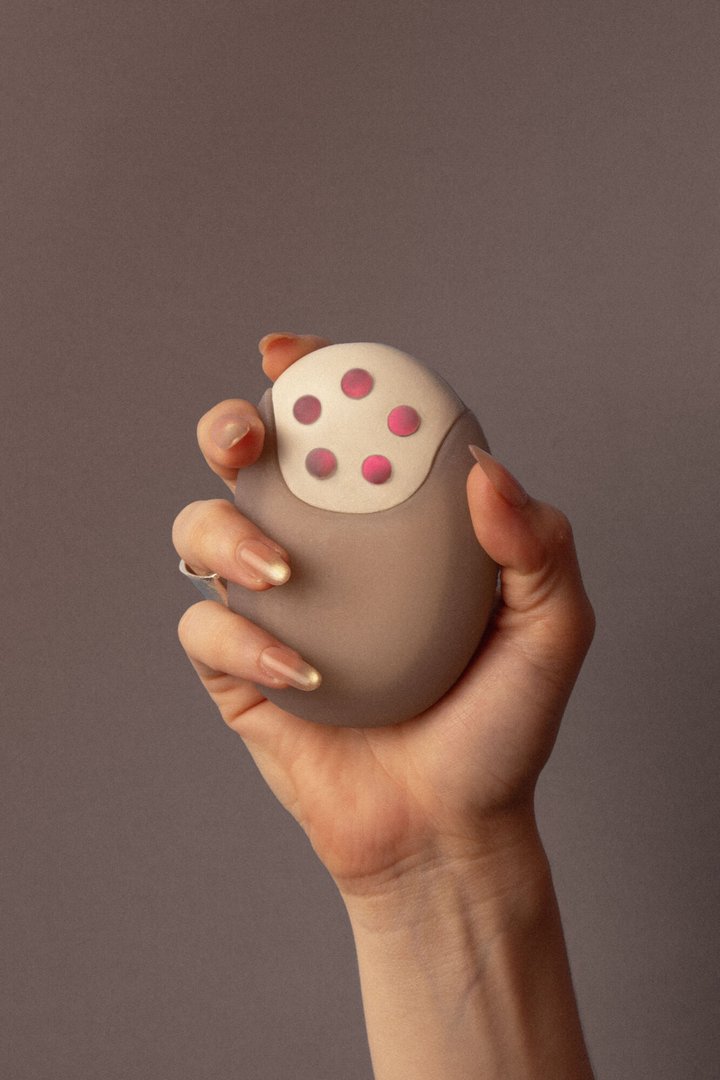
"No one knows your body better than you do. Poucet simply helps you listen." Poucet is a connected device that brings menstrual cycle tracking back to the user's body: it records a symptom based on the pressure applied to a silicone pebble. The stronger the pressure, the higher the intensity. The gesture is instinctive, takes three seconds, and transforms tracking into a ritual rather than a chore. A companion app stores the user's history, reveals patterns, and gives them full control over their data. Every symptom, every cycle parameter can be customized: Poucet adapts to any profile, any reality.

Léa Perrelet – LOBI

INDUSTRIAL DESIGN

Léa Perrelet – LOBI

by Léa Perrelet

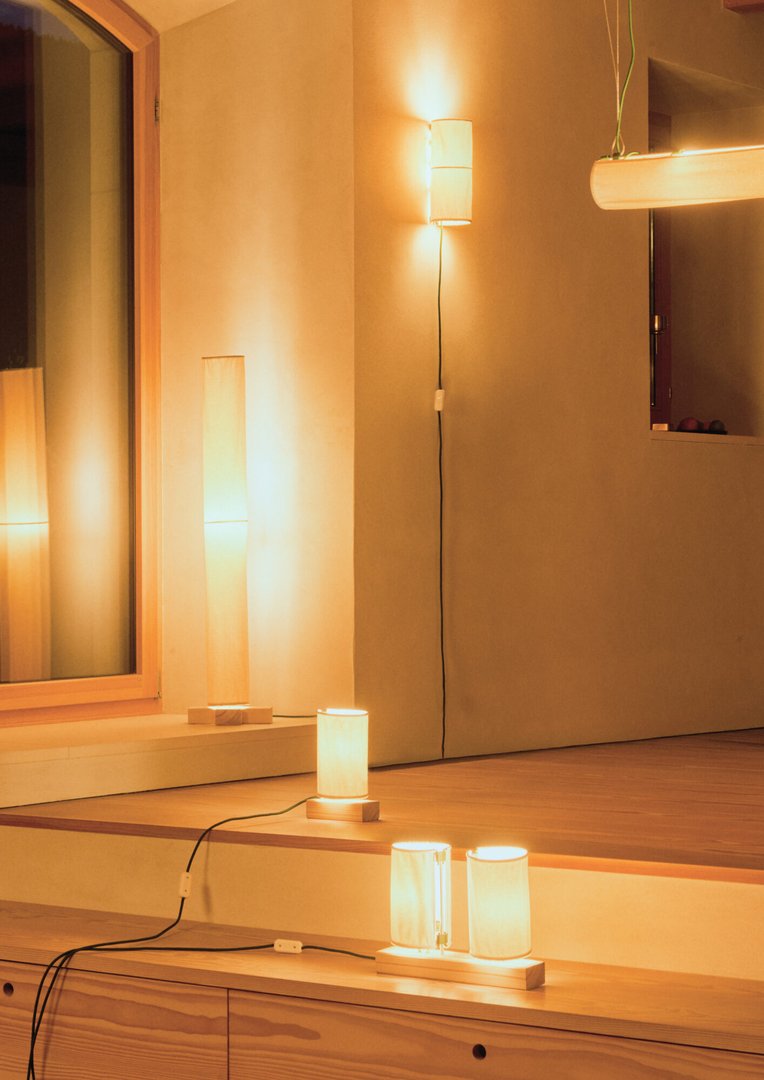
LOBI is a collection of five lamps made from components available at the Swiss craft store OBI. This project explores ways of making design more accessible by creating objects that anyone can build themselves. All the necessary parts can be purchased in a single location and easily assembled at home without requiring advanced technical skills. By encouraging autonomy through DIY practices, the project also questions the conventional use of industrial products by repurposing components originally designed for other functions. LOBI hence reveals the creative potential hidden within ordinary everyday materials, transforming them into new objects.

Leo Niksch – Tonno

INDUSTRIAL DESIGN

Leo Niksch – Tonno

by Leo Niksch

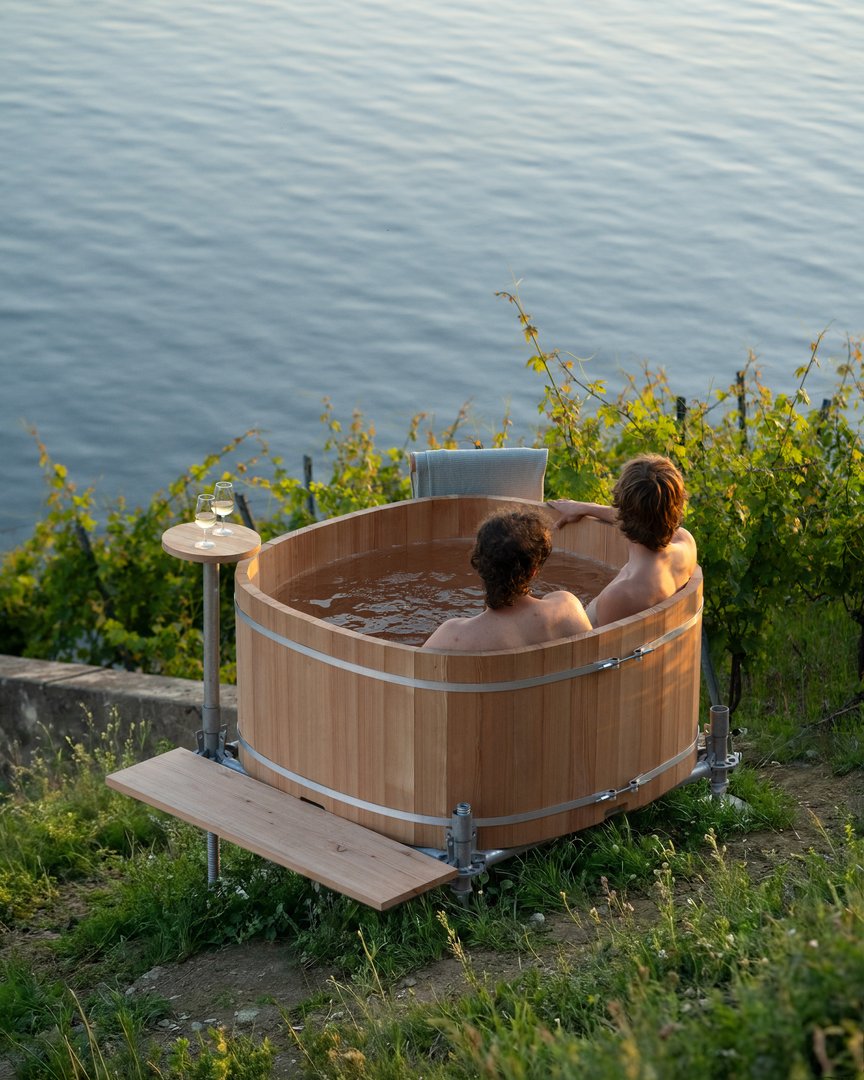
Every winter, news about the Swiss wine industry is dominated by the increasing uprooting of vineyards. This phenomenon, driven by the economic challenges faced by winemakers, leaves the land bare and the wood ready to be burned without any benefit derived from its combustion. This is especially true in Lavaux, a region characterized by varied slopes, terraces, and streams. In this context, Tonno offers a temporary structure that transforms waste into supplemental income. Suitable for any plot in Lavaux, it harnesses the heat generated by burning wood to welcome wine lovers into warm waters during what was once considered the off-season.

Arthur Németh – Sofra – 2026 #2

INDUSTRIAL DESIGN

Arthur Németh – Sofra – 2026 #2

by Arthur Németh

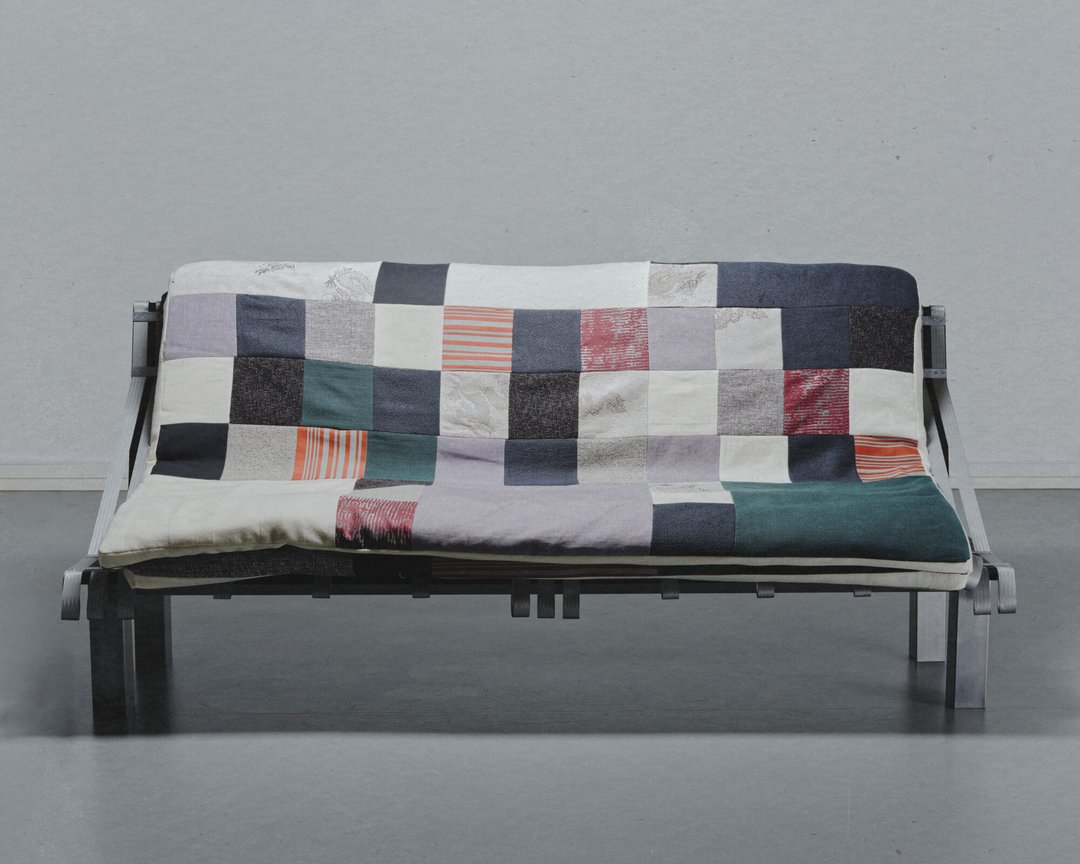
Sofra is a couch you sink into at the end of the day. But when the people you love arrive and the table needs to grow, it transforms. The mattresses that make it up lift and rearrange into a welcoming surface, turning a living room into a place of genuine gathering. Its name comes from "Supra" the communal cloth spread across Georgia, around which families and friends sit close together to share a meal. This term has always referred to more than eating. It means care, proximity, and the warmth of being truly welcomed at someone's table. Sofra carries the same idea. A couch in its quiet moments, a table when it matters. Designed to save space, but really designed to bring people closer.

Melchior Myard – Zeste

INDUSTRIAL DESIGN

Melchior Myard – Zeste

by Melchior Myard

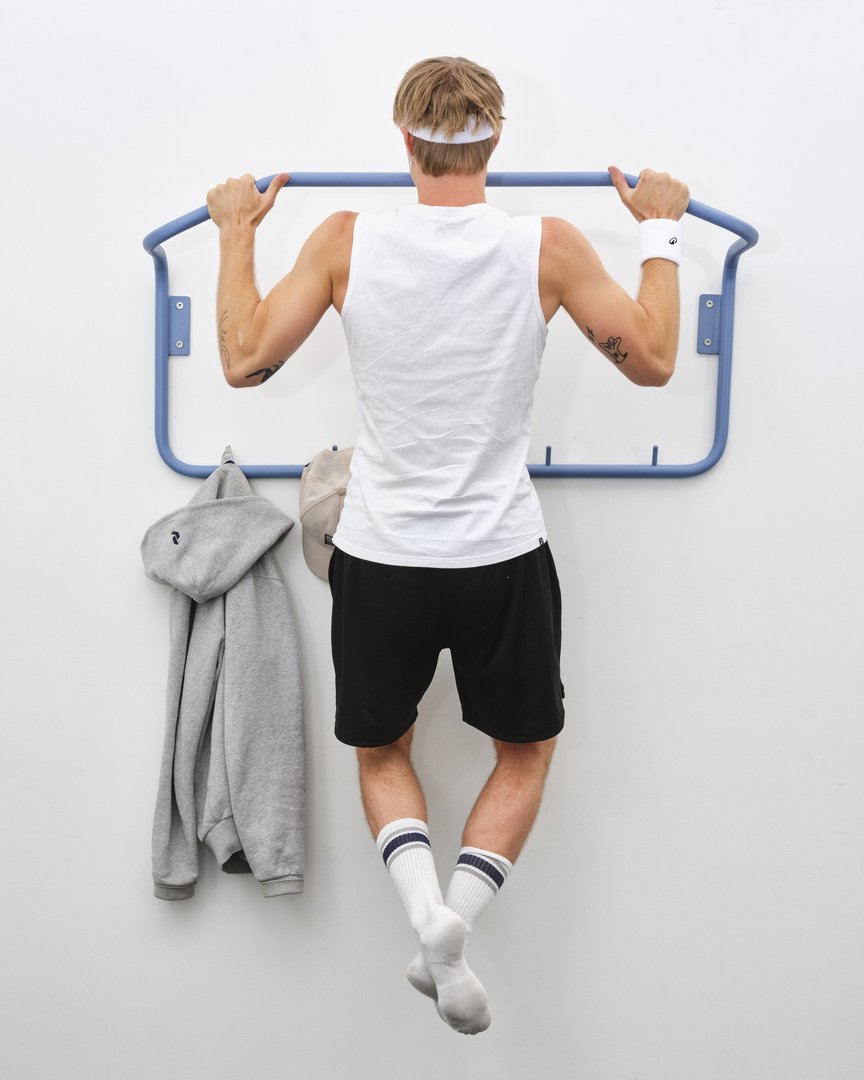
Zeste is a series of five hybrid objects that combine furniture and physical activity. Designed for students and young professionals living in small spaces, the project addresses both limited living areas and sedentary lifestyles. Far removed from any notion of performance or training, Zeste encourages a more active way of life through brief interactions embedded in everyday routines. Each object combines a furniture function with a natural invitation to move. Distributed throughout the home, they create an indoor activity path that transforms everyday objects into opportunities for movement. The combination of cork, wool, and softly coloured metal creates a warm and calming atmosphere, placing well-being at the heart of the experience rather than performance.

Arthur Moreillon – Buisson

INDUSTRIAL DESIGN

Arthur Moreillon – Buisson

by Arthur Moreillon

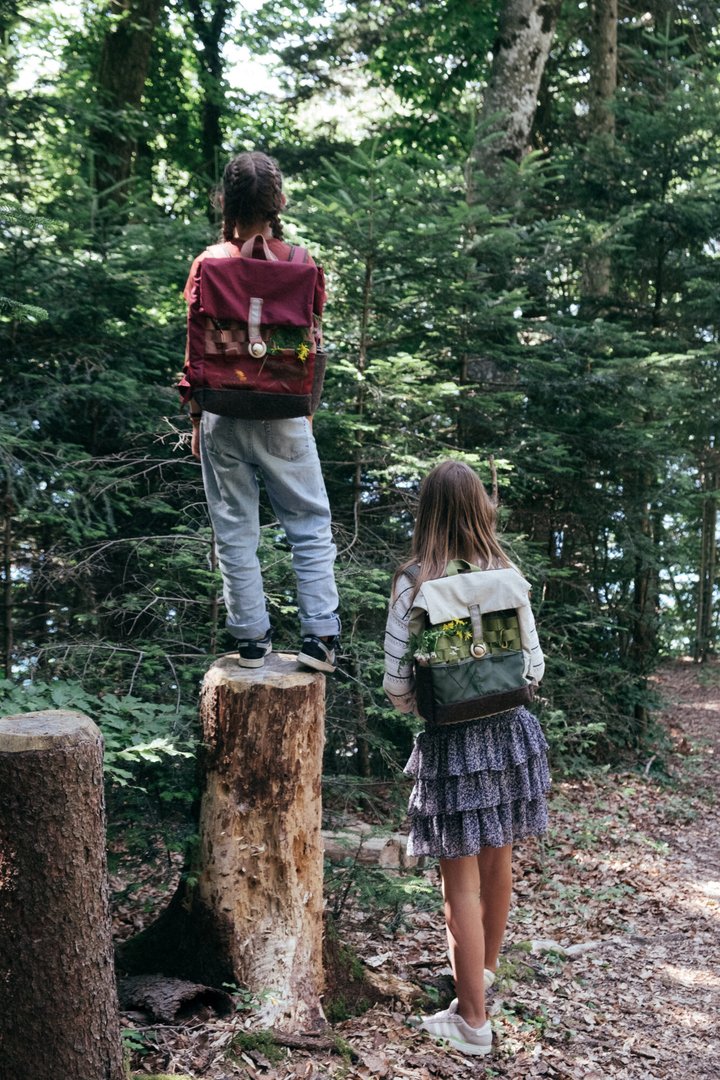
Learning outside takes organisation. Outdoor lessons are multiplying in Swiss schools, and with them, the need for equipment designed for nature. Buisson was born from that reality, accompanying students and teachers on their regular outings, from course materials to lunch and everything in between, without compromising on comfort or durability. Made from Swiss wool and Etaproof ripstop fabric, this bag is built for all weathers. But beyond its resilience, it encourages curiosity. Tucking away a stone, slipping in a leaf, keeping a piece of moss. The bag becomes a space for collecting as much as carrying, a field companion that grows with every outing. Because learning outside shouldn't be complicated.

Mélissa Da Silva Nicolet – No Wings

INDUSTRIAL DESIGN

Mélissa Da Silva Nicolet – No Wings

by Mélissa Da Silva Nicolet

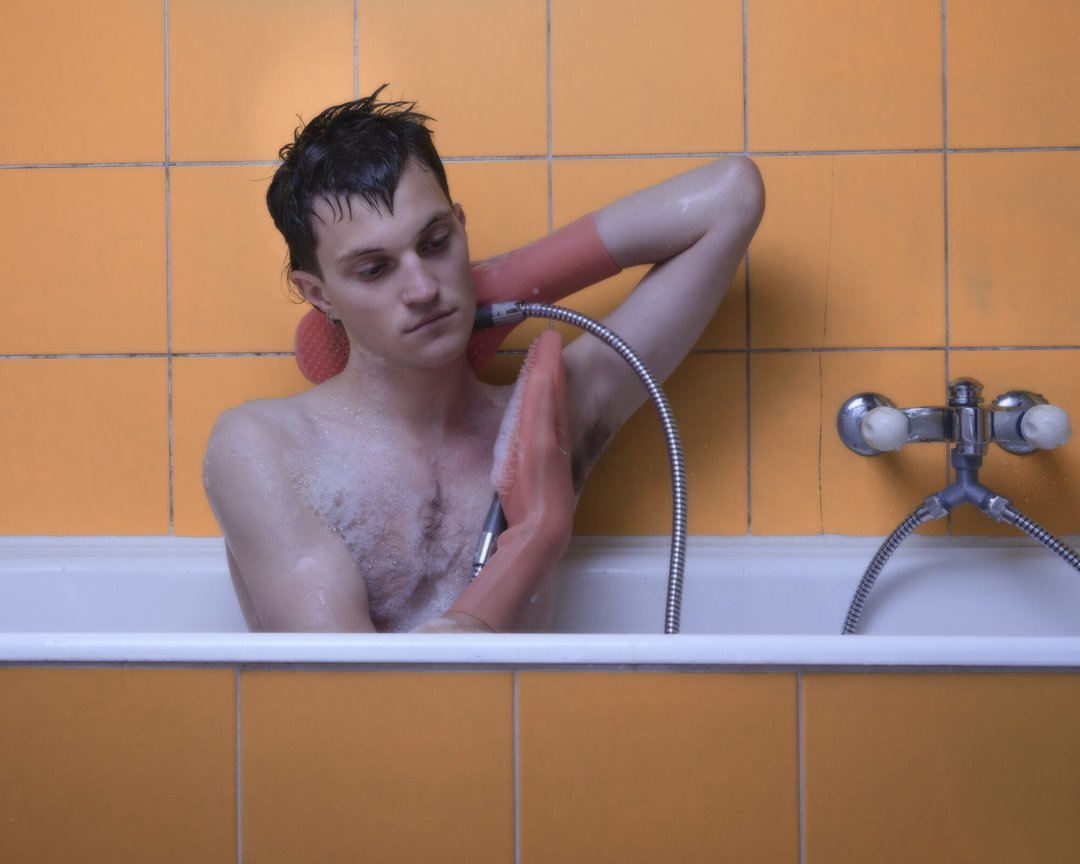
There is someone who lives alone and wants to be a bird. We don't know why they stopped going out. We don't know why they decided to become a bird. It happened gradually. The apartment transforms in silence, in a quiet and luminous strangeness. From this script, three objects were designed, each tied to a scene from this character's daily life: a perch, a bathing object, and a sleep wrap. Each one answers a human need, translated through the logic of a bird's life. The project takes the form of a set built around these objects, an atmosphere, a fragment of the life of someone who chose, in their own way, to live differently.

Benjamin Claus – UKS

INDUSTRIAL DESIGN

Benjamin Claus – UKS

by Benjamin Claus

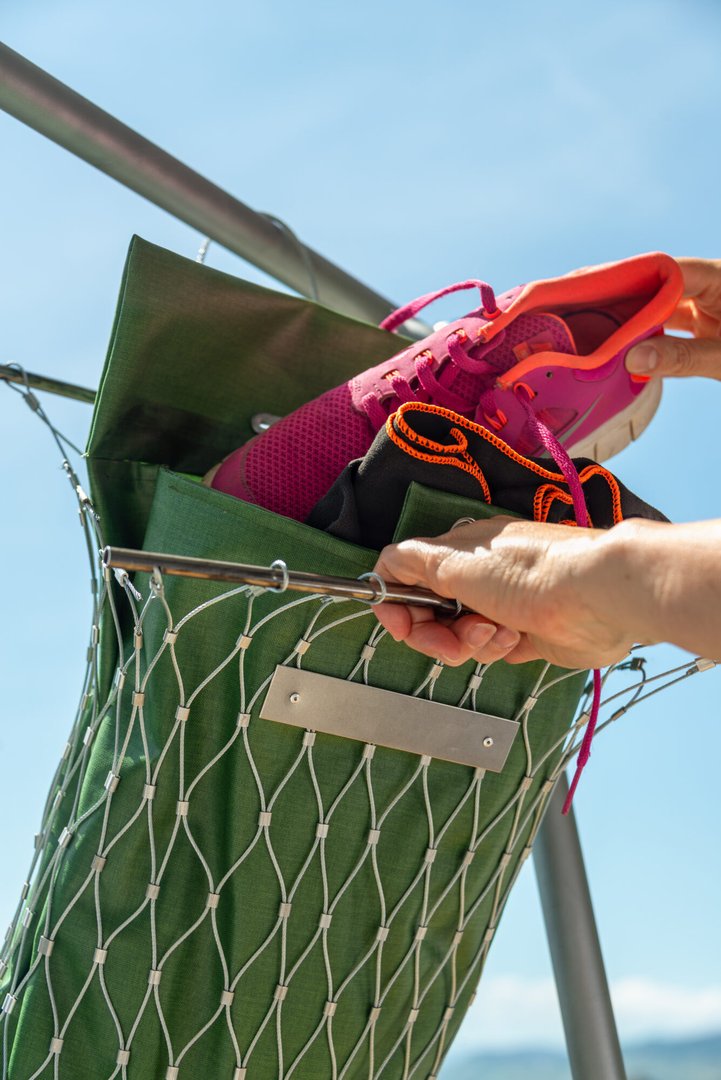
UKS (Urban Keep Safe) is an urban storage system designed for municipalities and event organisers. Conceived for temporary deployments, festivals, marathons or seasonal installations, it offers a simple infrastructure for users to secure their personal belongings. The flexible bags rely on a stainless steel mesh combined with water-resistant fabric to offer a lighter and more compact solution to traditional lockers, while remaining weather-resistant and theft-deterrent. UKS fits on a standard pallet when disassembled, ready to be stored away and redeployed the following next big event.

Dona Levy – PRELUDE

INDUSTRIAL DESIGN

Dona Levy – PRELUDE

by Dona Levy

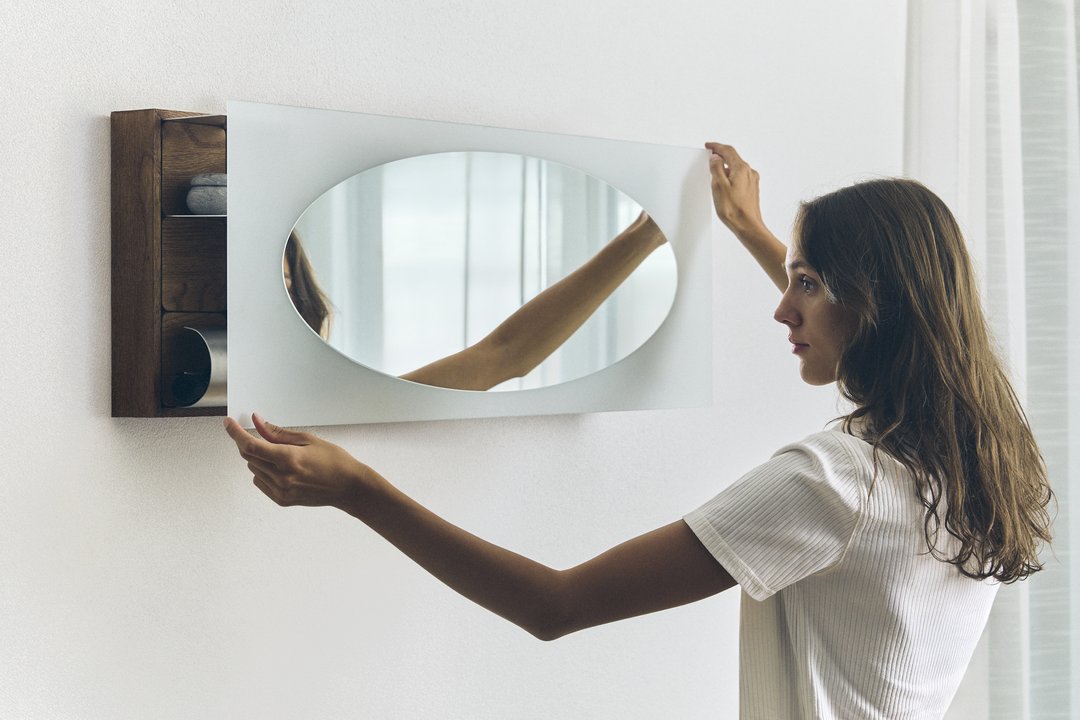
PRELUDE reinterprets the traditional dressing table to respond to contemporary lifestyles and the reduction of domestic living space. Designed as a compact wall-mounted object, it recreates a dedicated space for the ritual of personal grooming. Its opening mechanism is the central element of the project: rotating the mirror from a horizontal to a vertical position unlocks the object and reveals the products stored inside, transforming storage into a display. Hidden behind the mirror, an integrated lighting system illuminates the face through a sandblasted section of the mirror. Inside, removable metal compartments can be freely rearranged, allowing each user to organize the space according to their habits, products, and needs.

Séraphin Monnard – Selah

INDUSTRIAL DESIGN

Séraphin Monnard – Selah

by Séraphin Monnard

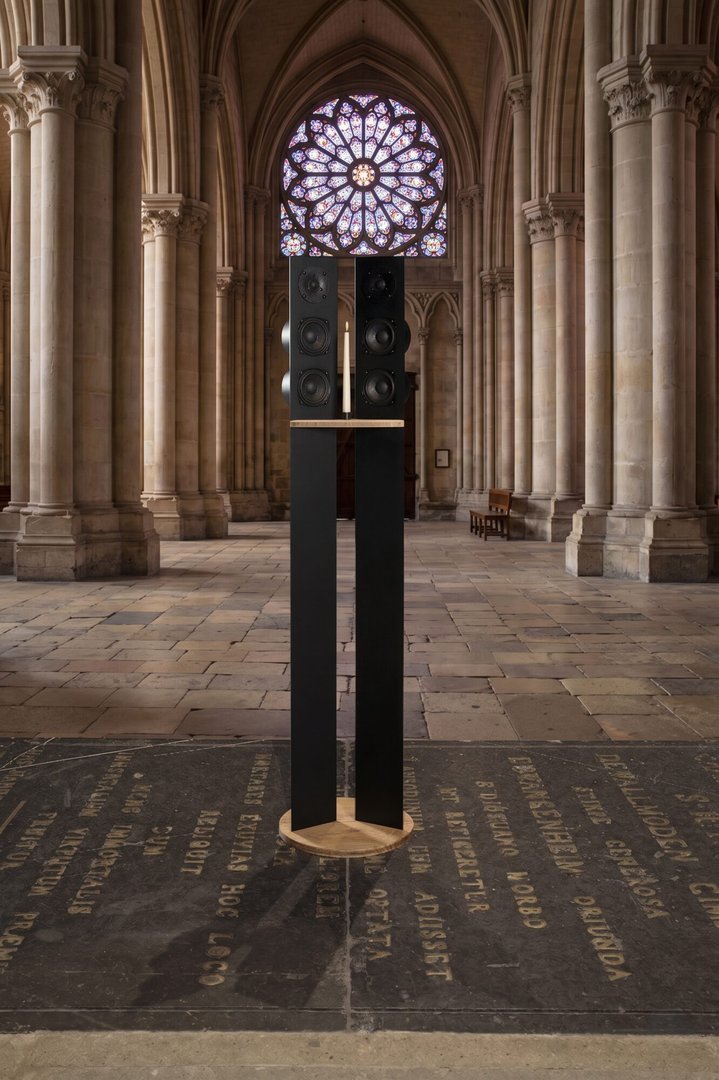
Selah is a scenographic installation inviting the public to wander through Lausanne Cathedral to listen to its history. Three sculptural loudspeakers embody the site's major milestones: origins, mutations, and openings. They broadcast six soundscapes retracing its evolution: initiation, construction, the golden age, the reformation, restorations, and living heritage. The culmination of his research in acoustic design, Selah also resonates deeply with the designer's Protestant heritage.

Jonas Meynet – Latzoum

INDUSTRIAL DESIGN

Jonas Meynet – Latzoum

by Jonas Meynet

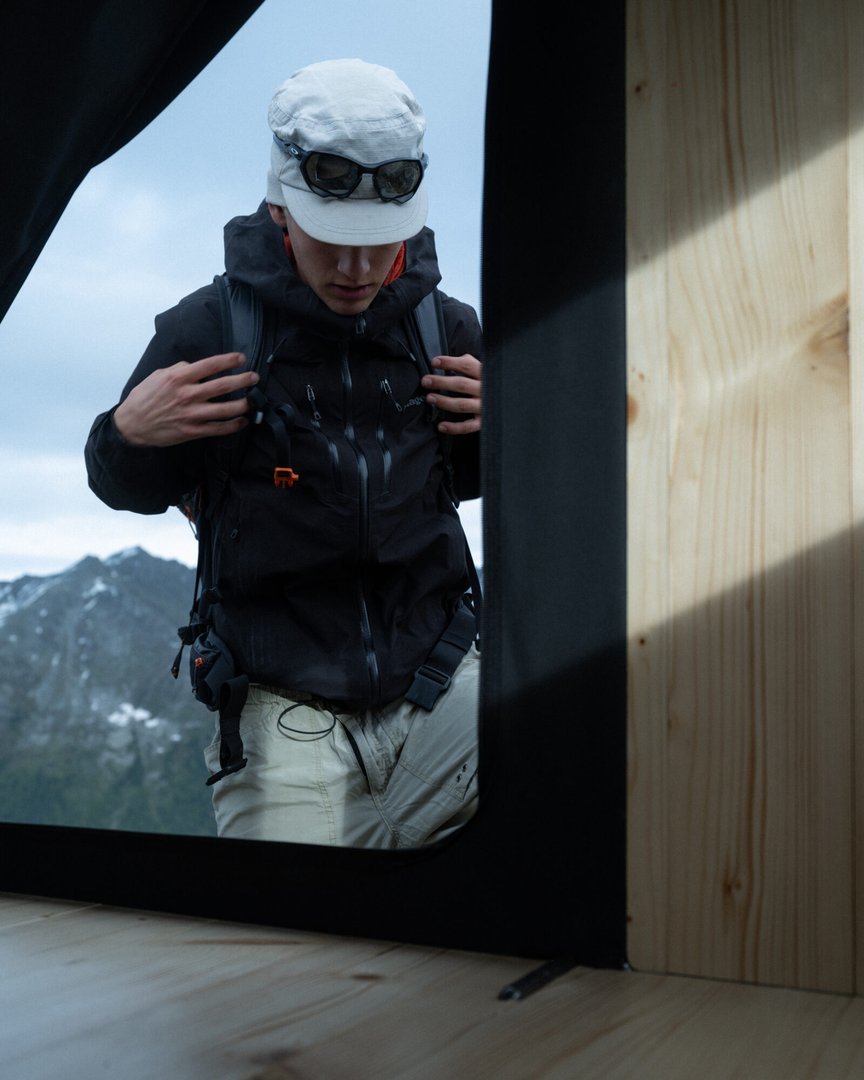
Latzoum is a compact emergency refuge designed to protect two people from harsh weather conditions in remote alpine environments. The shelter provides the minimum space required for two occupants to stay safely for up to 72 hours. Closed when not in use, it unfolds when occupied, transforming from a small box to a functional living space. Bright pink details act as visual landmarks within the mountain landscape, making the shelter easier to identify from a distance. Lightweight and easy to transport by helicoptere, the refuge can be installed in isolated locations and adapted to uneven terrain. Designed to operate independently with minimal maintenance, Latzoum offers a reliable and durable solution for emergency protection in the mountains.

Zoé Letoucque – Vagabond

INDUSTRIAL DESIGN

Zoé Letoucque – Vagabond

by Zoé Letoucque

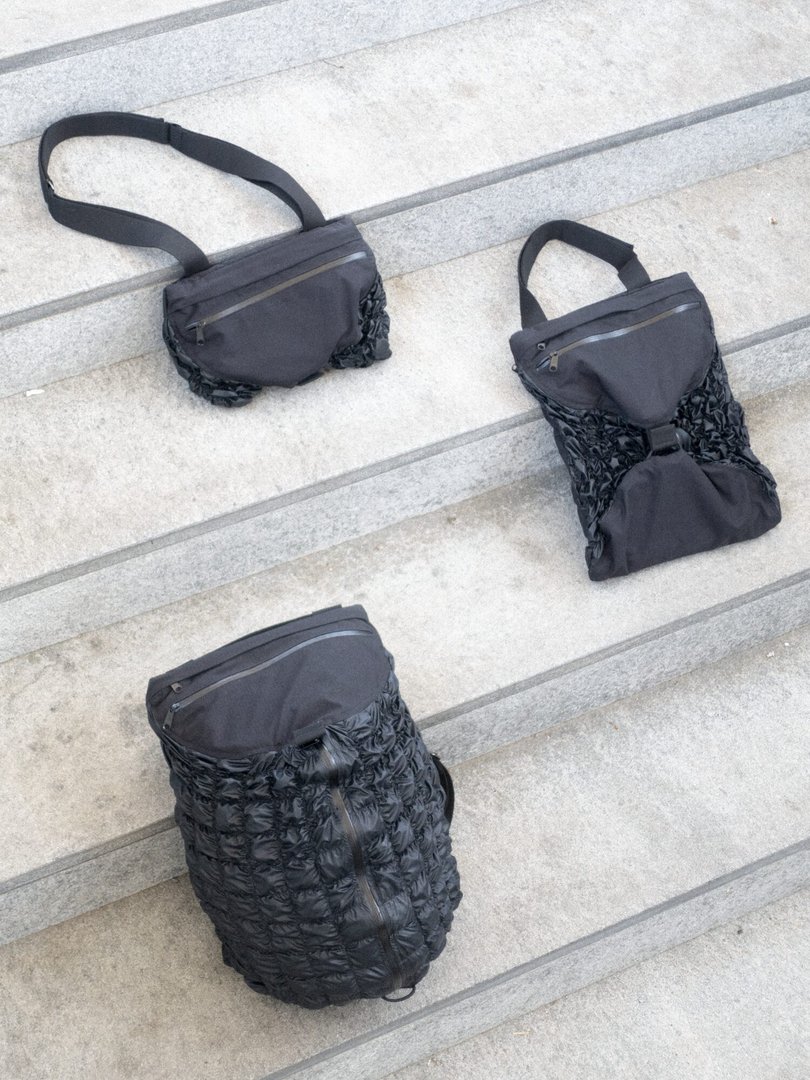
Vagabond is a bag designed for short trips, born from a simple observation: when travelling, we often end up with several bags ; one for transport, another for use at our destination. This project aims to combine these uses into a single object. Through its stretchable fabric, the bag can shift from 35 litres to 3 litres, adapting to different situations and scales of use. Velcro straps allow its configuration to be adjusted, while various zips offer multiple ways of opening it. It can thus become a pouch, a tote bag or a backpack. The project is based on research into elastic thread stitching as a way of generating both form and function.

Valentin Meghit – Axe X

INDUSTRIAL DESIGN

Valentin Meghit – Axe X

by Valentin Meghit

Axe X is a hybrid piece of furniture designed for museums, entrance halls, and multifunctional public spaces. Through a simple rotation around its axis, the object transforms from a seat into a high table, allowing a space to be quickly adapted to different uses such as waiting, informal discussions, conferences, exhibition openings, or workshops. Designed to support the growing need for flexibility in cultural and professional environments, it combines multiple functions within a single object while minimizing clutter. Made of metal, compact plywood, and textile, Axe X follows a sustainable design approach in which each component can be disassembled, facilitating maintenance, reuse, and material recycling.

Gabrielle Lefèvre – Anina

INDUSTRIAL DESIGN

Gabrielle Lefèvre – Anina

by Gabrielle Lefèvre

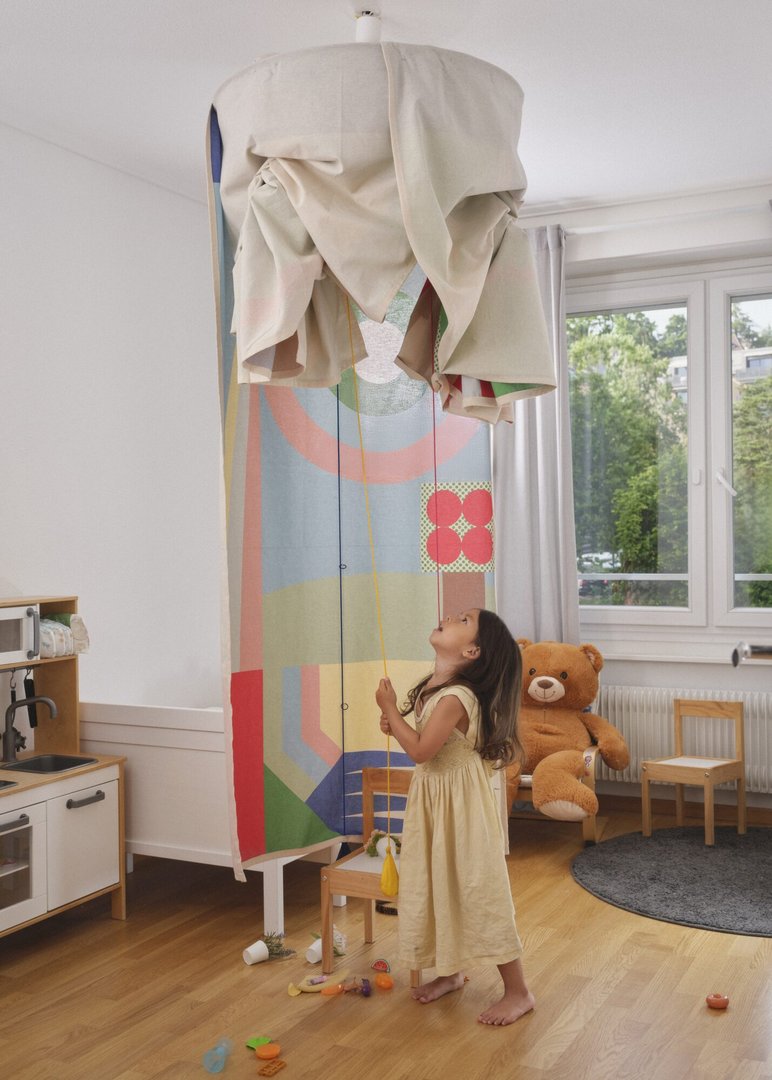
Anina is a children's playhouse that hangs from the ceiling and invites adventure. Children need colors, contrasts, and shapes to stimulate their curiosity about the world, which are somtimes hard to incorporate within a neutral interior. Anina elegantly solves this dilemma: discreet from the outside, it reveals a rich and stimulating graphic universe on the inside, developed in collaboration with graphic designer Candice Aepli, who specializes in creating for children. Once play time is over, a few cords are all it takes to pull the fabric back up: the playhouse folds away and disappears into the room. Anina can also be fitted with a ceiling light fixture and function as a lampshade.

Chloé Hamel – Tilt – 2026

INDUSTRIAL DESIGN

Chloé Hamel – Tilt – 2026

by Chloé Hamel

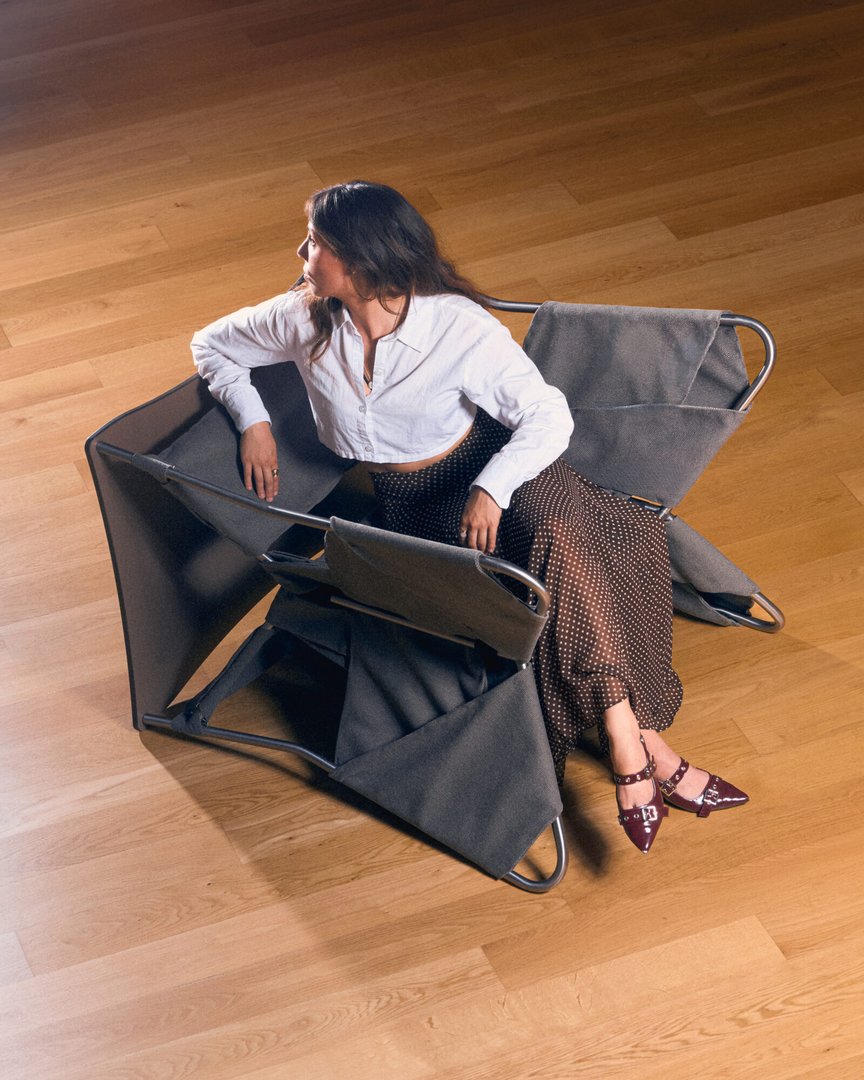
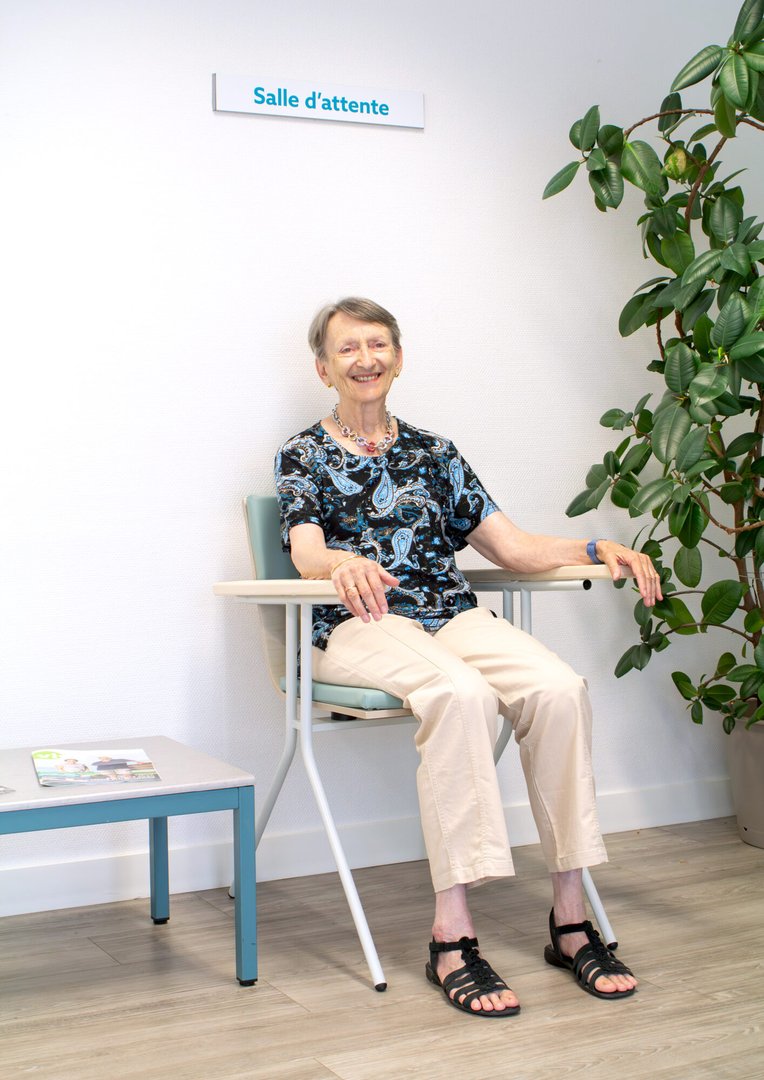
Tilt is a rocking chair designed for the waiting room of the pain management unit at the hospital. Waiting still can be difficult, especially for the patients with physical pain for whom immobility only enhance their pain. Thanks to the four rubber tubes placed under the seat, Tilt offers a soft and silent rocking motion which helps enhancing comfort and patience by activating the parasympathetic nervous system, responsible for relaxation and well-being. Furthermore, the balanced tilt helps patients transition from a sitting to a standing position: when the chair leans forward, it welcomes and accompanies the lower body. The various parts composing Tilt can be disassembled and replaced if need be, to ensure its durability.

Nicola Gut – Smash

INDUSTRIAL DESIGN

Nicola Gut – Smash

by Nicola Gut

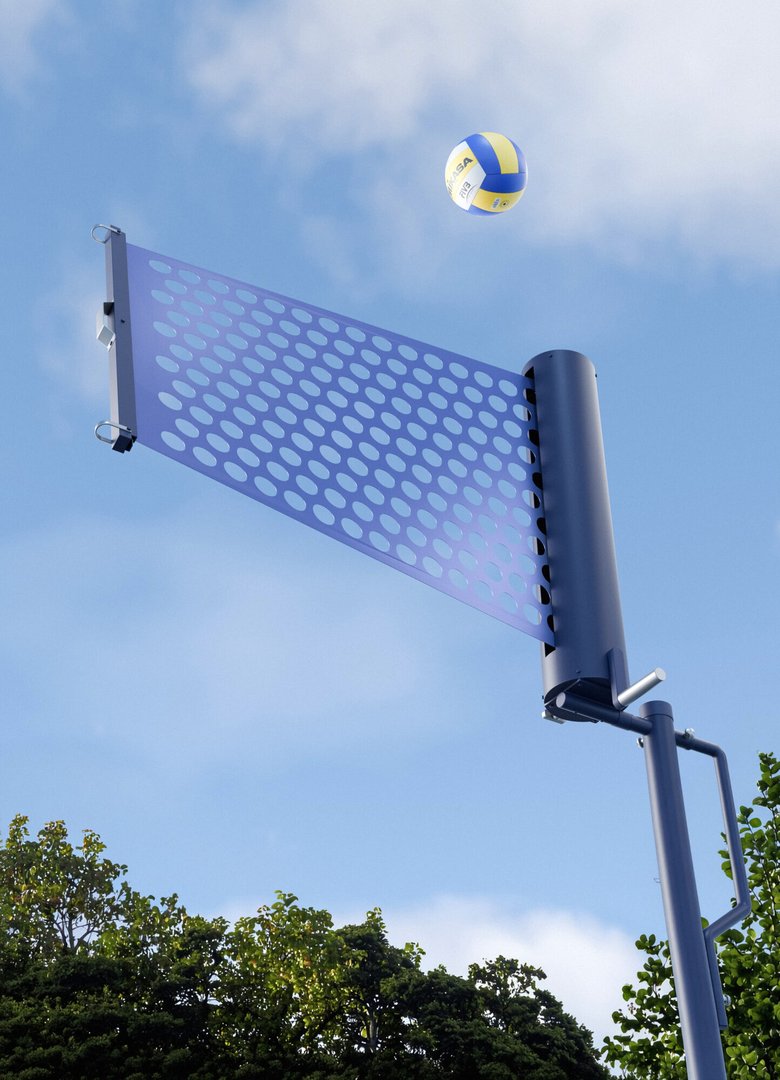
Smash is an urban sports net designed to make volleyball and badminton accessible in public spaces through a single adaptable structure. Traditional installations for these sports often require large, permanent infrastructure that is costly to install, maintain, and store, limiting their presence in urban environments. Smash addresses this challenge with a compact system featuring a retractable net that rolls into its case when not in use, minimizing its footprint while protecting the equipment. A rotating handle allows users to quickly adjust the net height, switching between volleyball and badminton in seconds. Designed for parks, alleys, and existing sports areas, Smash encourages spontaneous play and brings flexible sporting opportunities into the urban landscape.

Laura Cipriano – Roll3

INDUSTRIAL DESIGN

Laura Cipriano – Roll3

by Laura Cipriano

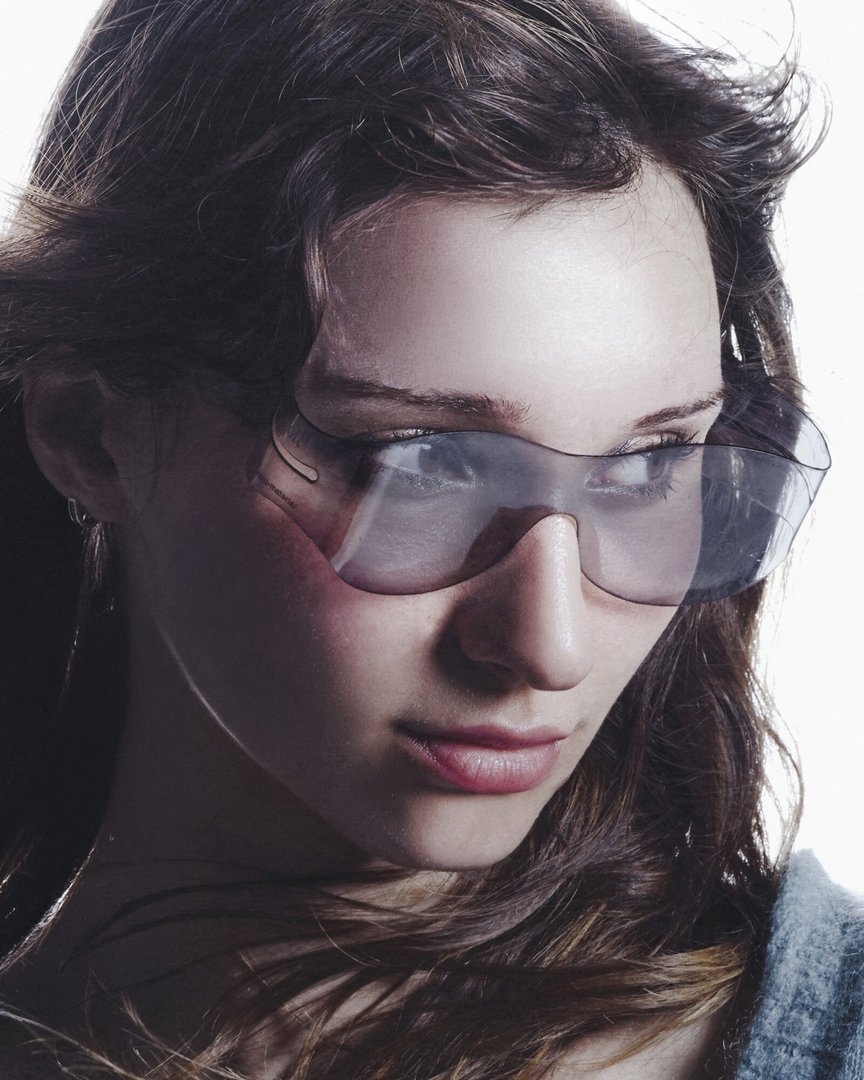
Roll3 is a universally adjustable pair of 3D glasses that explores a new way of inhabiting vision. Flexible, rollable, and made from a single material, it adapts to different face shapes as well as to the wearing of prescription glasses. It replaces traditional temples with a support system based on gentle pressure at the temples, allowing for quick and intuitive placement, either directly on the face or over other glasses. Made from PET, it simplifies manufacturing and facilitates recycling at the end of its life cycle. In a context where around 640,000 pairs of 3D glasses were used in Switzerland in 2025 and 81% of the population wears some form of visual aid, Roll3 questions the sustainability of these ephemeral objects and their potential for transformation.

Damien Barman – Terrasse en place

INDUSTRIAL DESIGN

Damien Barman – Terrasse en place

by Damien Barman

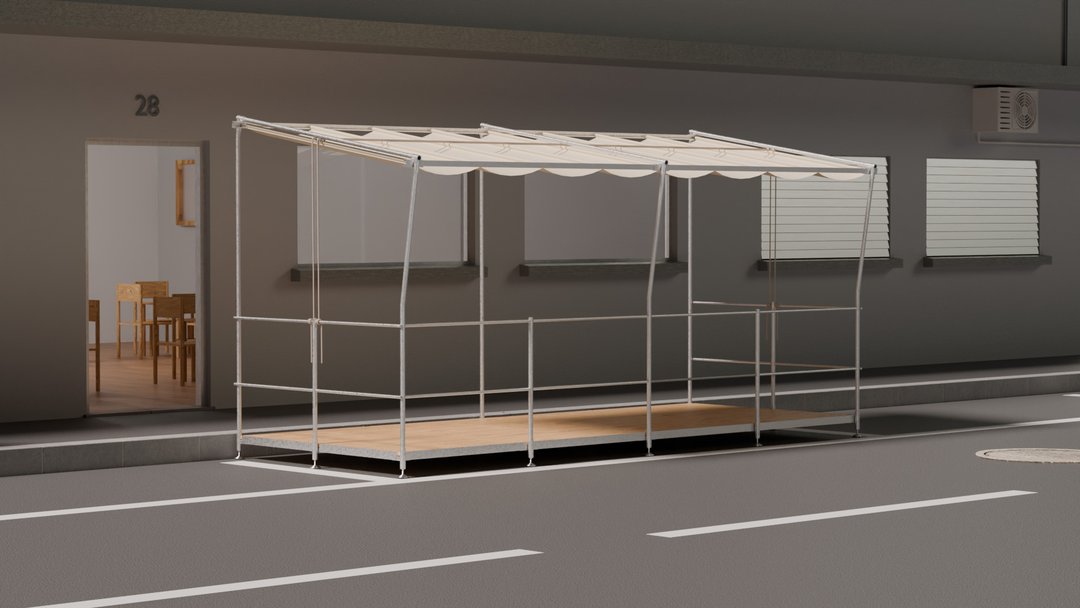
Modular Parking Terrace Designed for restaurants that temporarily occupy parking spaces during the summer, this modular terrace offers a standardized alternative to custom-built installations. It is a reusable solution that can be adapted to different locations and expanded when needed. The terrace is composed of half-parking-space modules that connect together to fit a variable number of parking spaces. It features a fabric roof that unfolds accordion-style along rails using a rope system, allowing it to be opened or closed from the end of the terrace without disturbing users. Fully demountable for easy winter storage, the structure is made of galvanized steel, while the flooring is constructed from maritime pine panels.

Damien Gabriel – Niv'o

INDUSTRIAL DESIGN

Damien Gabriel – Niv'o

by Damien Gabriel

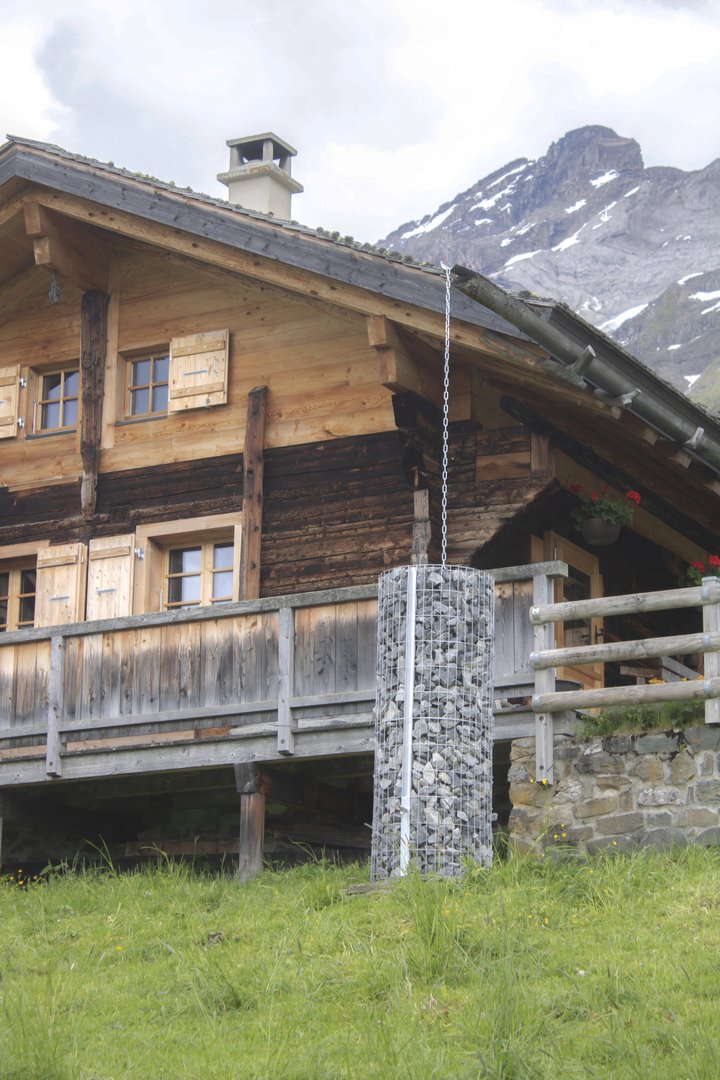
The climate is gradually transforming the Alpine landscape. Glaciers are retreating, rivers are changing course, and some lakes are drying up. In this context, mountain refuges are becoming particularly vulnerable, especially during periods of drought. By 2050, 40% of tourist refuges could face water shortages. Niv'o is a rainwater collector designed for small refuges, where water needs to be stored carefully through simple, durable, and accessible solutions. Its gabion structure is filled with stones found around the site, without requiring heavy installation or altering the place. This mineral mass protects the stainless steel tank, slows down freezing in winter, and helps keep the water cool in summer. Niv'o thus becomes a discreet, precious reserve, adapted to its environment.

Matheo Dusong – NEX-1

INDUSTRIAL DESIGN

Matheo Dusong – NEX-1

by Matheo Dusong

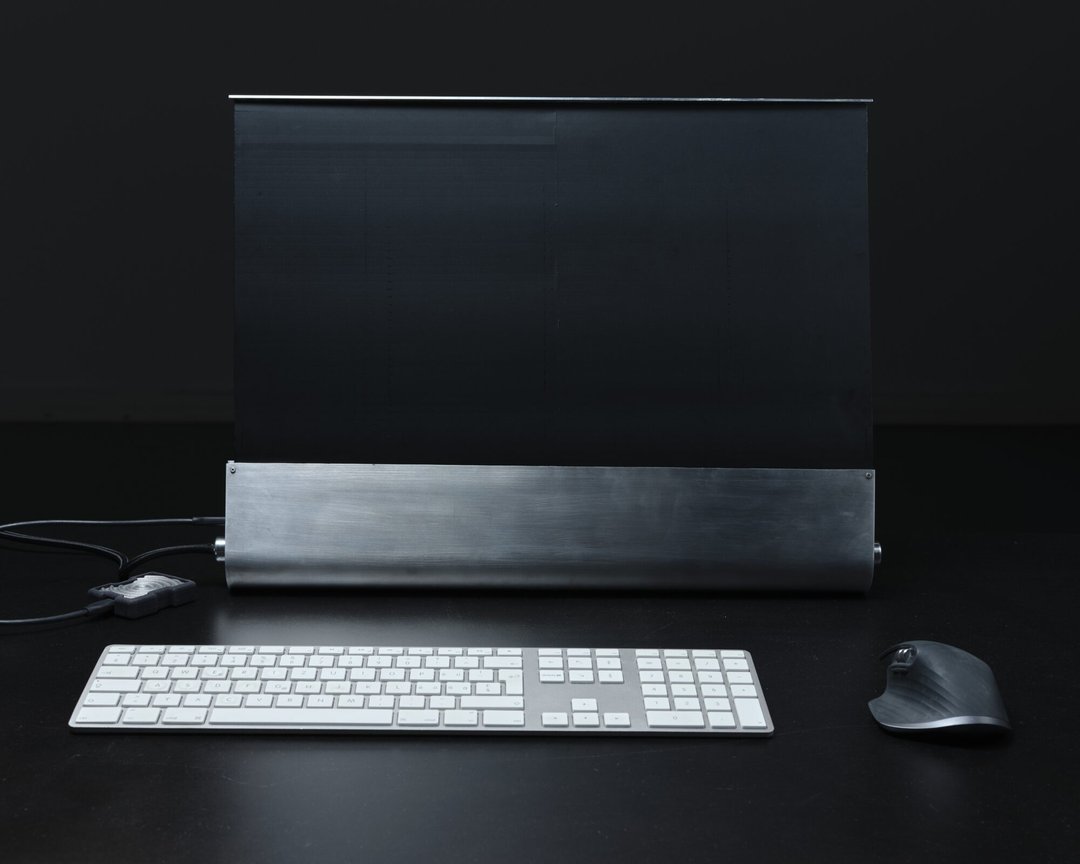
What happens to a desktop computer when not in use? In the era of remote work, this question hits close to home. Designed for those working from home, the computer often remains as an intrusive black rectangle in our living space once the workday is over. NEX-1 offers an alternative: a computer with a flexible screen that rolls into its base. Moving from a work tool to a discreet piece of furniture, it clears the visual space and helps separate personal and professional life. By redefining this typology, and while AI infiltrates every smart home device, NEX-1 chooses the opposite approach: an advanced technology capable of disappearing from our daily lives.

Thaïs Matty – Mousseline

INDUSTRIAL DESIGN

Thaïs Matty – Mousseline

by Thaïs Matty

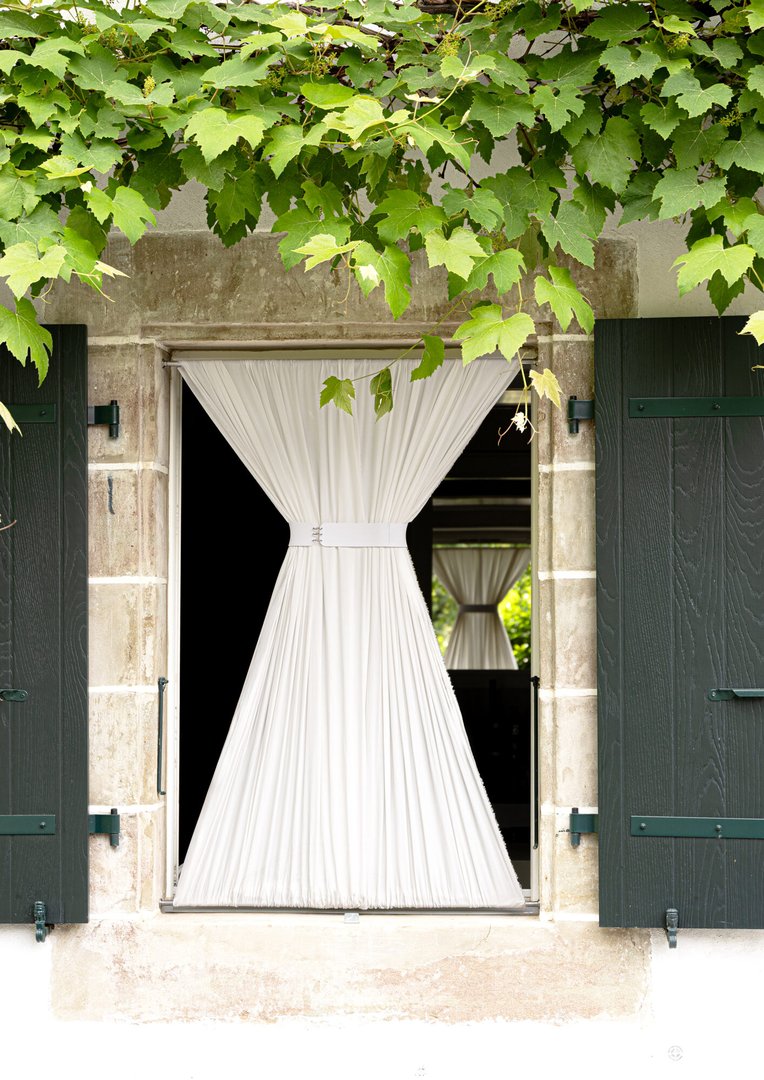
Dress up our windows, before the heat undresses us. A solution to overheated interiors has existed for millennia, suspended, silent, in the homes of Mosul. It is in this Mesopotamian city, which lent its name to the fabric, that damp sheets were hung from the windows to get through the summer. Mousseline revisits this ancestral gesture: a curtain that fits into the outer window frame through adjustable bars. A reserve of water comes to top the curtain: you hang it, fill it, hoist it back up, and the water descends slowly, impregnating the fibers. As the water evaporates, it absorbs the few extra degrees of the room. Once the heat fades, simply draw the curtain aside and let the view reveal itself.

Gion Luginbühl – FURNITURE FOR PRISON ENVIRONMENT

INDUSTRIAL DESIGN

Gion Luginbühl – FURNITURE FOR PRISON ENVIRONMENT

by Gion Luginbühl

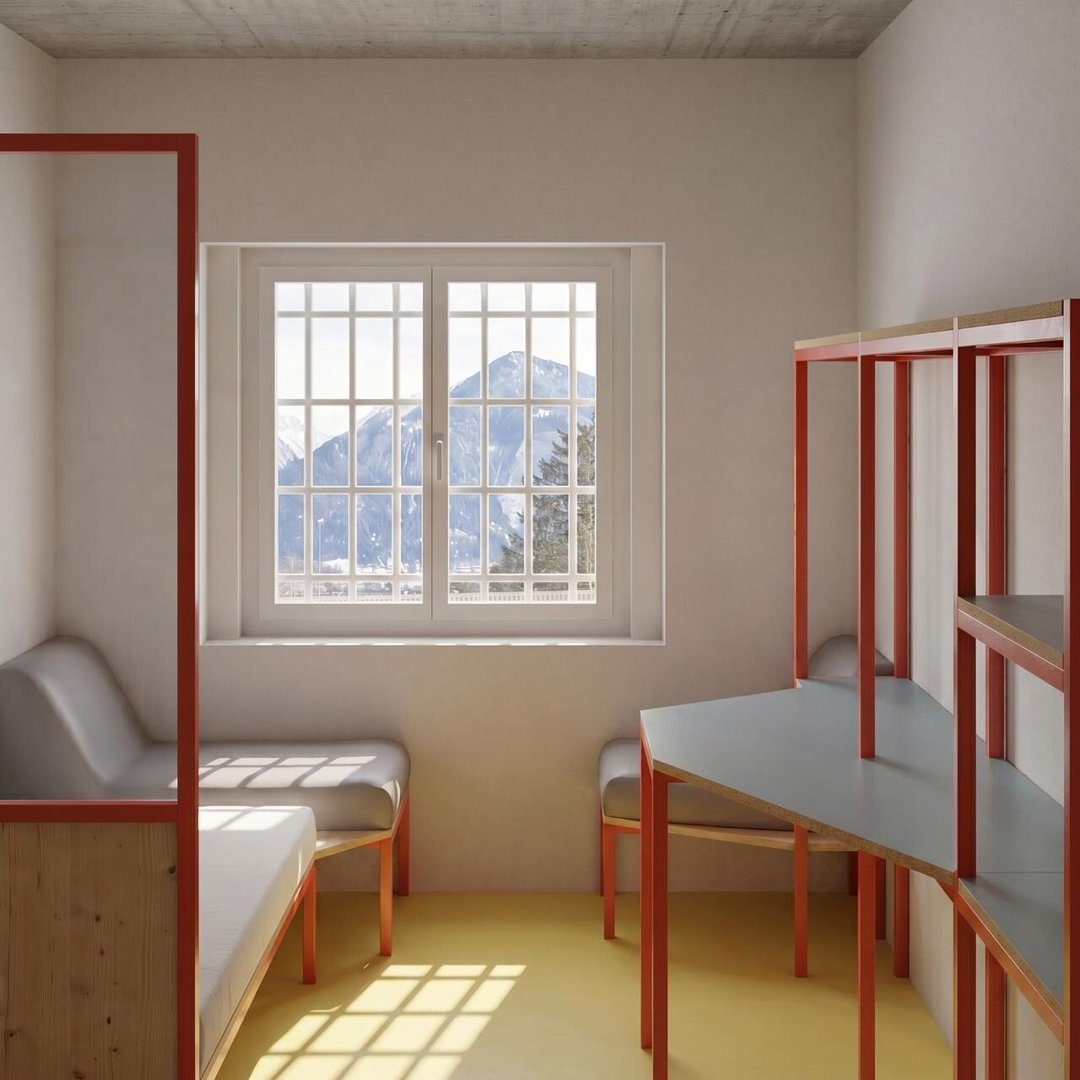
FURNITURE FOR PRISON ENVIRONMENT proposes a more humane approach to prison interiors. Designed as a modular structure fixed directly to the wall, it combines storage, work surfaces, lighting, seating, and spatial separation within a single coherent system. The construction responds to the specific requirements of prison environments: durability, safety, easy maintenance, and the possibility of local production in prison workshops. A careful selection of materials, including laminated beech, larch, plexiglas, and fire-resistant textiles, introduces warmth and variety to the cell. By strengthening the connection between the living space and the window, this project seeks to improve everyday comfort and create a stronger sense of normality.

Unlisted page: accessible only by direct link, hidden from the site and search results.