2026 Diplomas – Master Photography

Published
June 24, 2026

Discover the diploma projects from the Master Photography.


Projects

Lóa Fenzy – Remy

PHOTOGRAPHY

Lóa Fenzy – Remy

by Lóa Fenzy

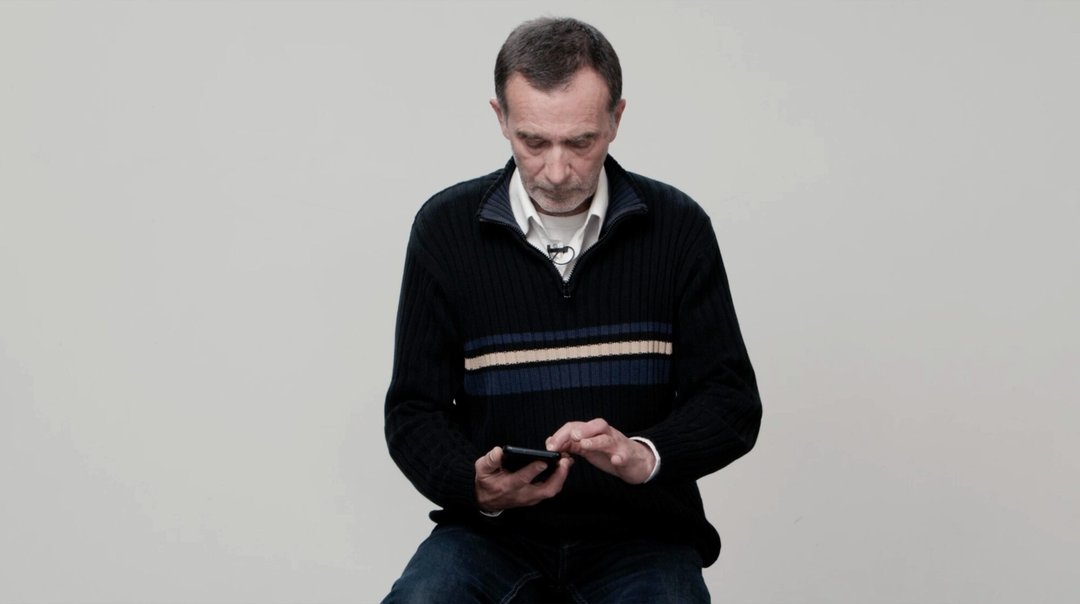
Remy is a hybrid short film that moves between constructed documentary and durational performance, using casting and rehearsal as both methodology and narrative structure. Starting from the question, “What happens if I hire actors to play my father?”, the film follows eight middle-aged men auditioning for the role of my absent father, before three are invited into increasingly intimate rehearsals and staged encounters. What initially resembles a familiar casting process slowly unfolds into a space where masculinity, authority, tenderness, and care are performed between strangers. Through repetition, direction, improvisation, and emotional negotiation, the film gradually exposes its own construction, blurring the line between sincerity and performance.
Xiao Fu – The Surrogate

PHOTOGRAPHY

Xiao Fu – The Surrogate

by Xiao Fu

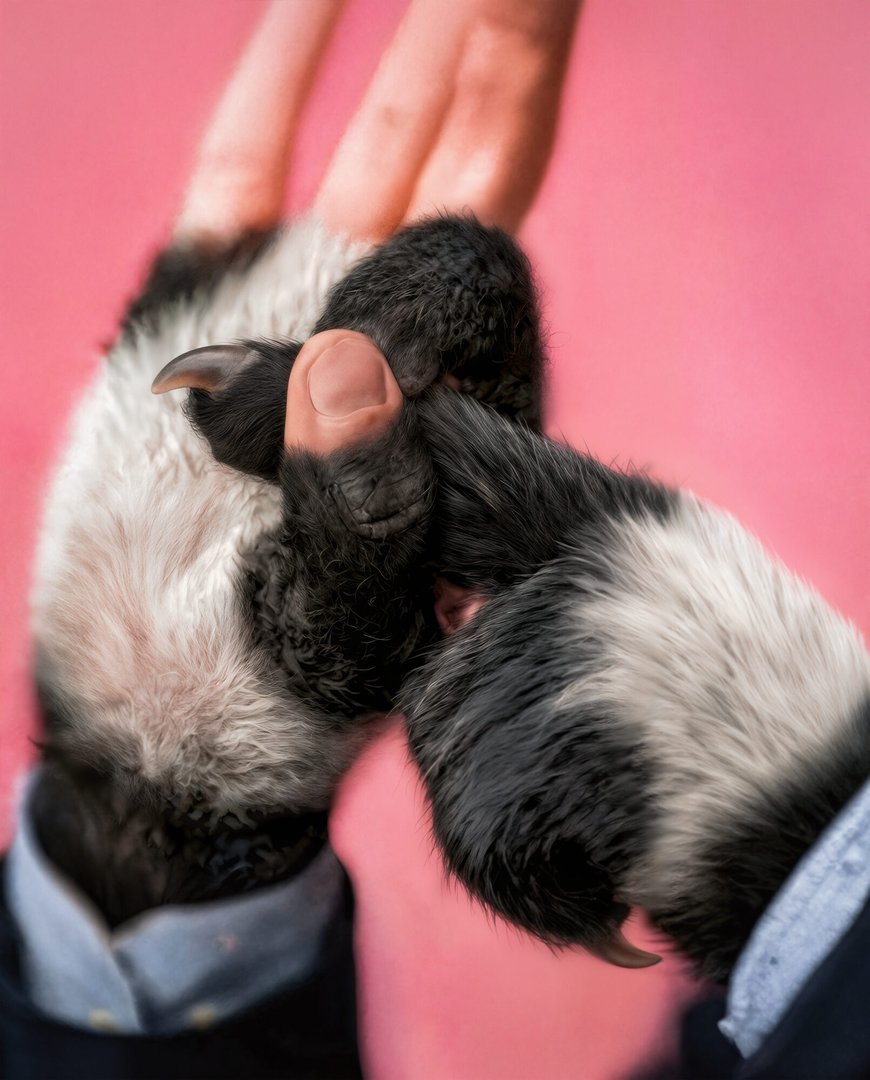
The Surrogate is a mixed media project combining video installation and physical imagery. Inspired by the parallels between the controlled reproductive life of the giant panda and Chinese queer experiences of social pressure, these works explore the complexity of identity construction through synthetic images and tactile surfaces. Using a CGI panda as a digital avatar, The Surrogate weaves a narrative that is both absurd and emotional. Bodily materials attempt to physically deconstruct the image of the panda while introducing queer sensations linked to softness, eroticism, and unease that transcend the purely visual experience. Rather than seeking a stable truth about identity, the surrogate body remains in a state of perpetual rendering while maintaining a critical stance.

Elisa Hampe – Through My Hands, Broken into Fingers

PHOTOGRAPHY

Elisa Hampe – Through My Hands, Broken into Fingers

by Elisa Hampe

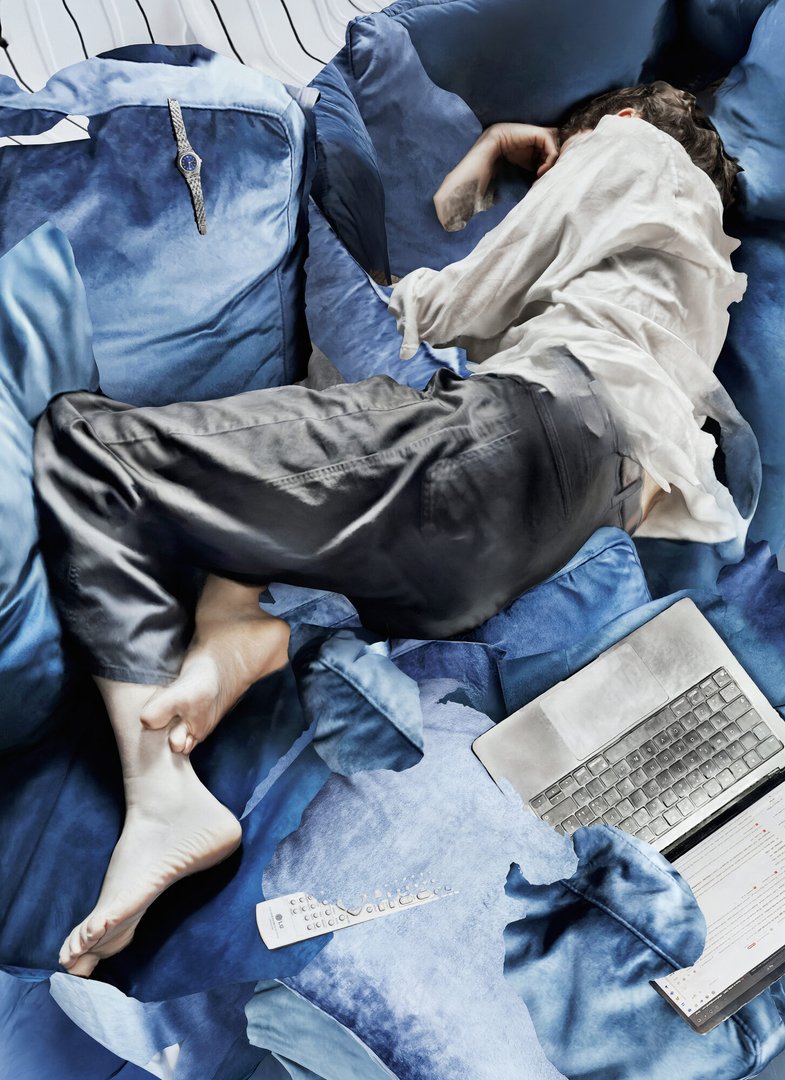
Through My Hands, Broken into Fingers is a photographic series addressing the detachment from reality through screens, from a digitally native perspective. The artist constructed painterly images by capturing objects, bodies, and spaces through photogrammetric scans made with a smartphone, and reassembling them into complex scenes using a 3D software. The resulting images depict exhausted figures suspended in states of waiting and immobility. Through the scanning process, surfaces and textures are transformed: blankets lose their softness and become rigid shells, bodies appear hollow and fragile, and familiar interiors collapse into unstable and claustrophobic environments. Alongside the wall-based images, a sculpture in printed aluminium reintroduces the mediated body back into physical space.

Binyu Lin – Still Cruising

PHOTOGRAPHY

Binyu Lin – Still Cruising

by Binyu Lin

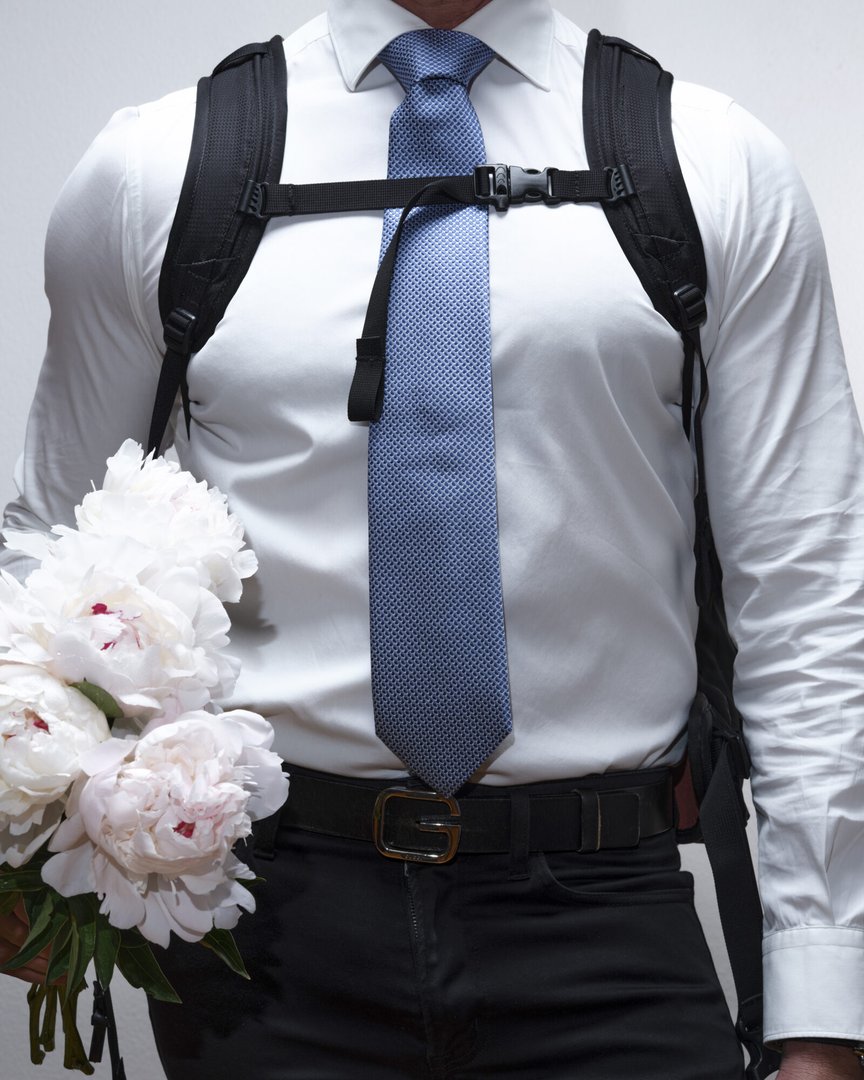
Still Cruising restages the scenes that have shaped the artist's desire. These desires are built through the accumulation of a particular queer male imagery: a body that is exposed, trained, and performed. Repeatedly consumed, these images gradually slip into a state of exhaustion. Using staged photography, this project attempts to re-enter this imagery. Through the lens, between aiming and focusing, the desired body is propped up, suspended, or revealed in states of fatigue. As the gaze drifts, attention gradually shifts from the object of desire back toward the self. Through this repeated process of reconstruction and return, Still Cruising seeks to negotiate a space between obsession and the self, a space in which to dwell.

Zhiyue Liu – Crossing the River by Feeling the Stones

PHOTOGRAPHY

Zhiyue Liu – Crossing the River by Feeling the Stones

by Zhiyue Liu

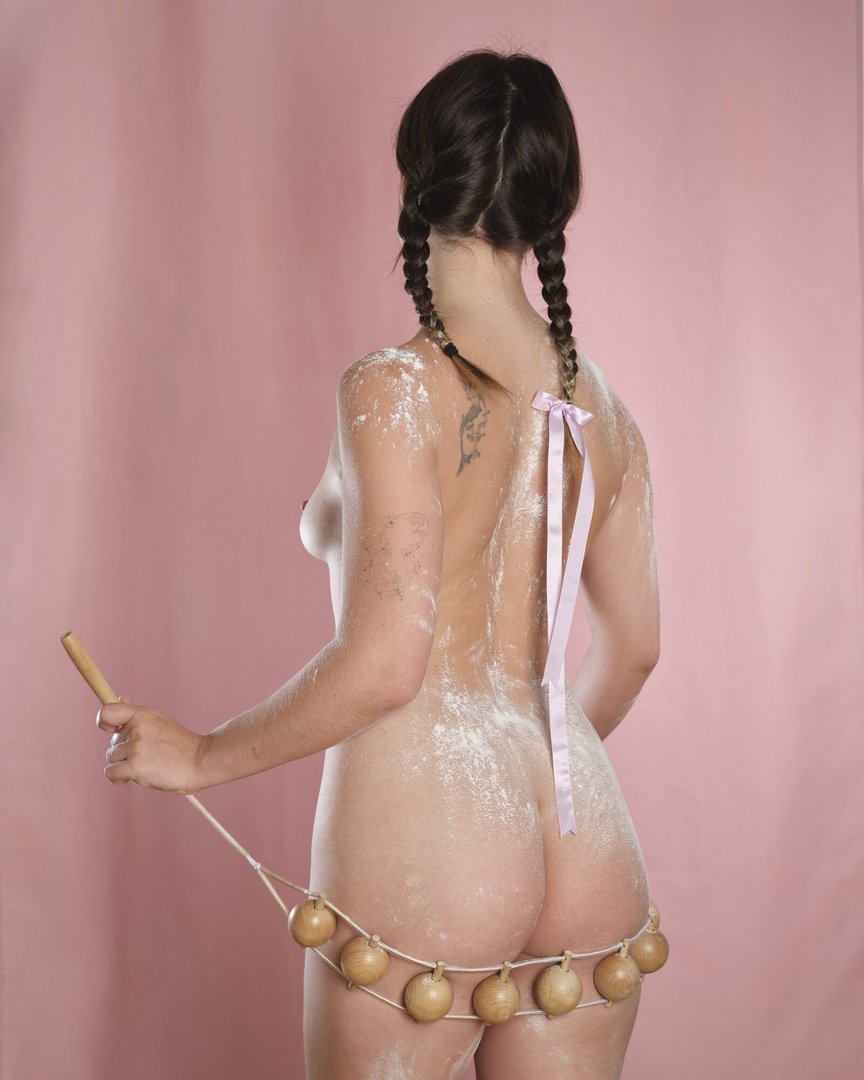
Crossing the River by Feeling the Stones originates from a concealed childhood bodily experience and unfolding into an exploration of desire, sexuality, and fantasy shaped by migration. Borrowing from a Chinese metaphor for navigating uncertainty through instinct and touch, the project reflects a state of curiosity, confusion, and searching. Through staged photographs, the artist invites female friends to perform ordinary gestures of daily life: domestic, bodily, and playful actions moving between care, routine, intimacy, and the rituals through which a home is inhabited. Drawing on fantasies and desires repressed within the Chinese cultural context, the images complicate conventional ways of looking at the female body, inhabiting sapphic eroticism, exposure, curiosity, and strangeness.

Andrey Lopatin – Flies

PHOTOGRAPHY

Andrey Lopatin – Flies

by Andrey Lopatin

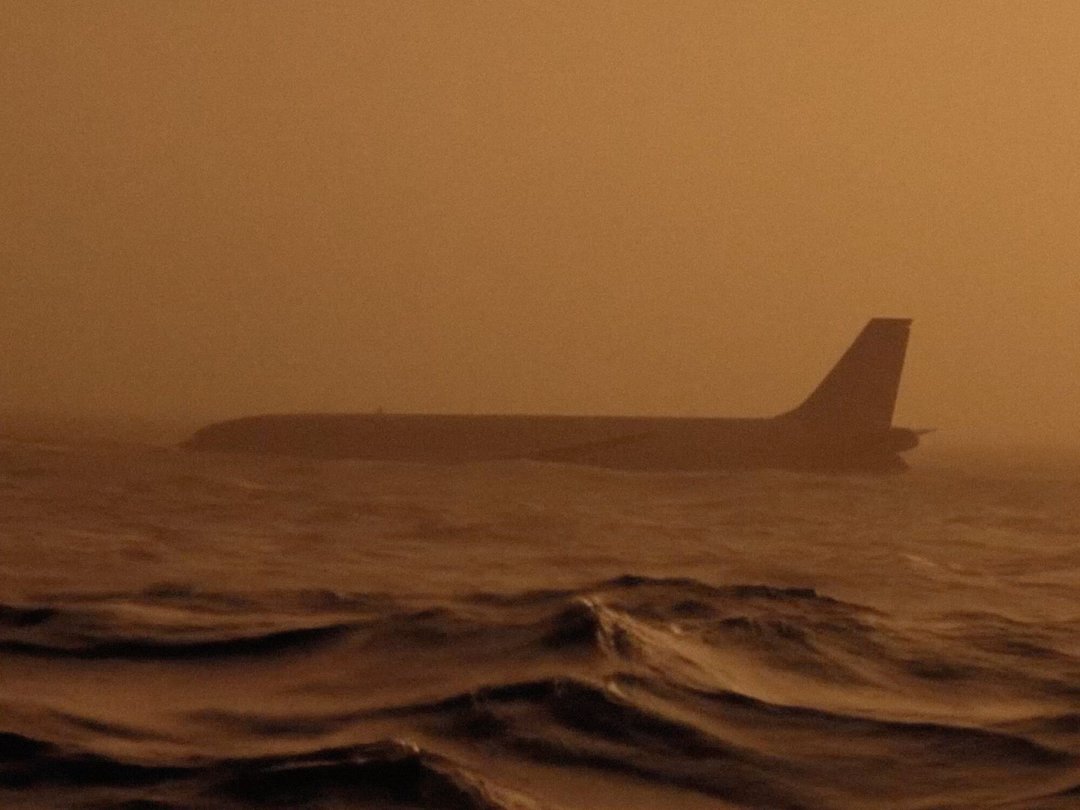
Flies is a short film built around the image of a plane crash. It blends AI-generated domestic environments and hallucinatory landscapes inhabited by puppets with archival footage from NASA's 1984 Controlled Impact Demonstration crash test, following a young dummy boy obsessed with aviation disasters. Its two visual registers work as metaphors for a world saturated with disaster imagery, and a condition in which reality and simulation grow indistinguishable. The puppets appear human and vulnerable, yet they are artificial things manipulated from outside. Moving between pilot, passenger, child, and impossible dream-like viewpoints, the film lets simulation, memory, fantasy, and documentation collapse into one another. The fly drifts across these realities as a fragile, persistent witness.

Thomas Martin – To Dream a Night, Gently, Through a Glass, Darkly

PHOTOGRAPHY

Thomas Martin – To Dream a Night, Gently, Through a Glass, Darkly

by Thomas Martin

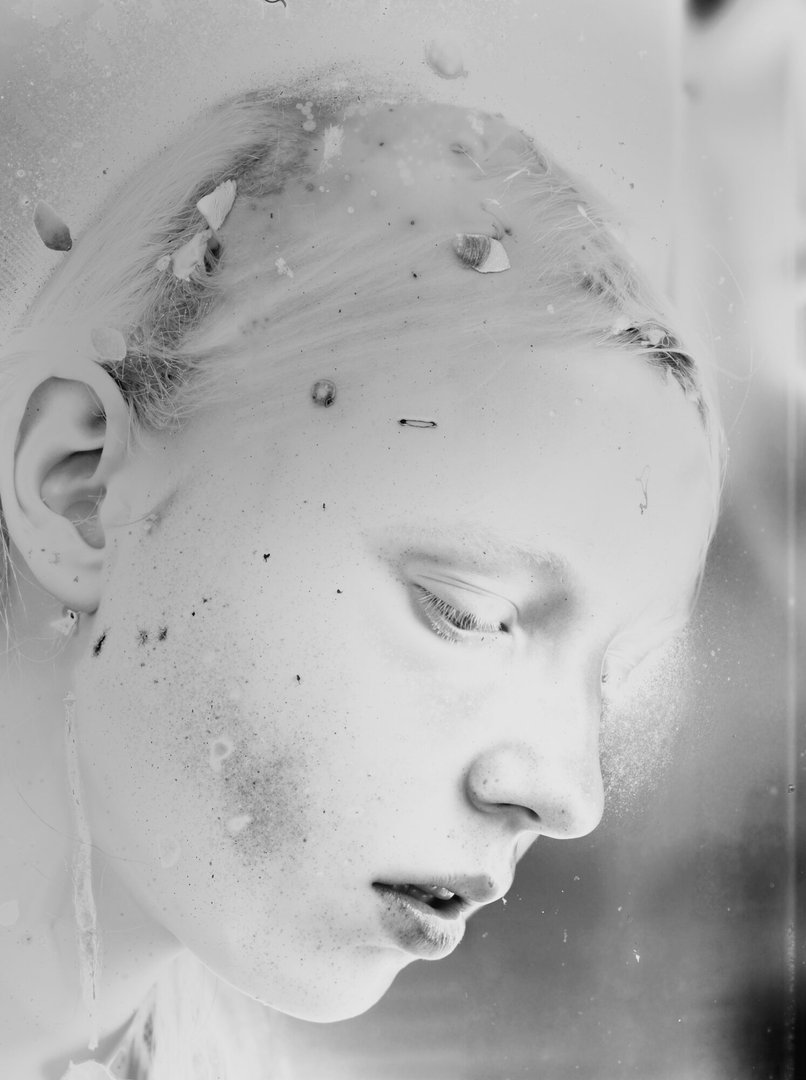
To Dream a Night, Gently, Through a Glass, Darkly explores the fear of losing sight, rooted in a personal risk, and utilizes it as a metaphor for a broader loss of clarity, belief, and imagination. Through generative AI images and the appropriation of mass-media AI misinformation imagery, the work takes the form of both a book and a site-specific video installation. The project stages an unstable world where looking no longer guarantees understanding. It considers how neural media, political anxiety and apocalyptic narratives shape what we see, believe and imagine. This project asks whether blindness can become a form of protection, and what it means to keep looking when the future itself appears in collapse, obscured and hallucinatory.

Gaia Pierobon – Sara

PHOTOGRAPHY

Gaia Pierobon – Sara

by Gaia Pierobon

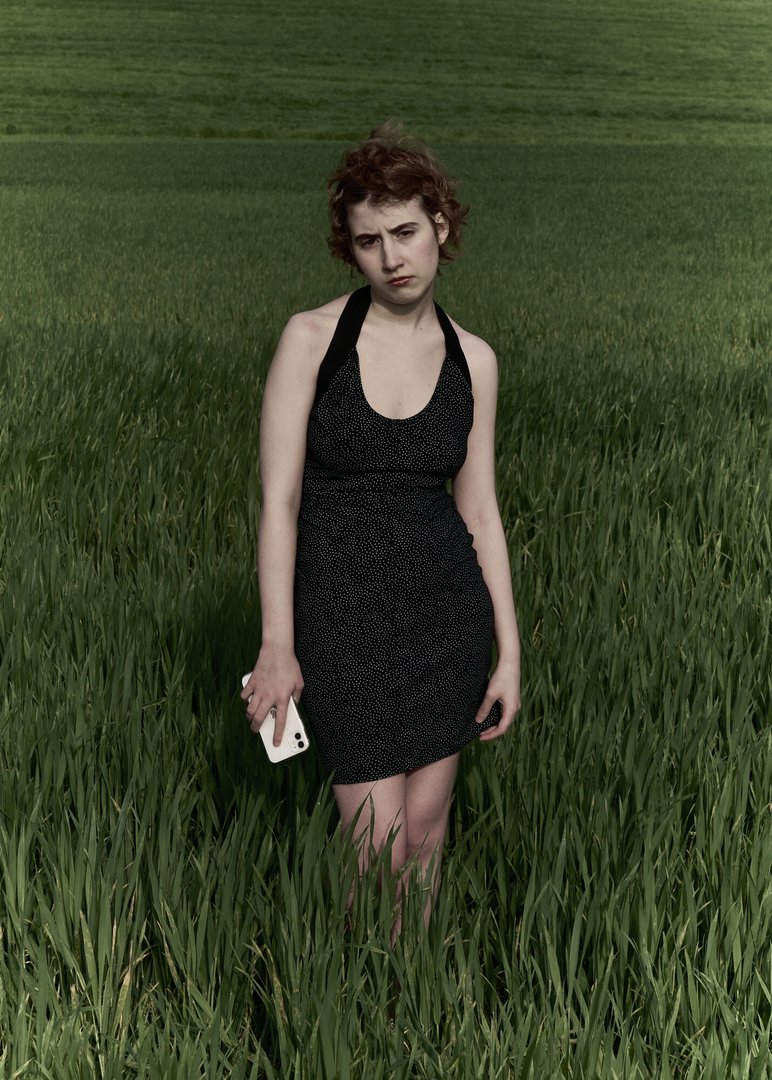
Sara is a photographic project that the artist developed with her cousin. Having grown up together before distance separated them, photography became a way to rebuild their relationship. The work follows a young woman whose world has gradually narrowed to the space of her bedroom, where screens, drawings, songs, and imagined worlds feel safer than the outside world. At its core, the project explores isolation, imagination, disability, and the complexity of navigating adulthood both physically and socially. Approaching photography as a space of care and collaboration, the project became a love letter to Sara, an attempt to show her the beauty, depth, and tenderness the artist sees in her.

Clara Stote – My Favorite Place on Earth Was Huntington, Long Island

PHOTOGRAPHY

Clara Stote – My Favorite Place on Earth Was Huntington, Long Island

by Clara Stote

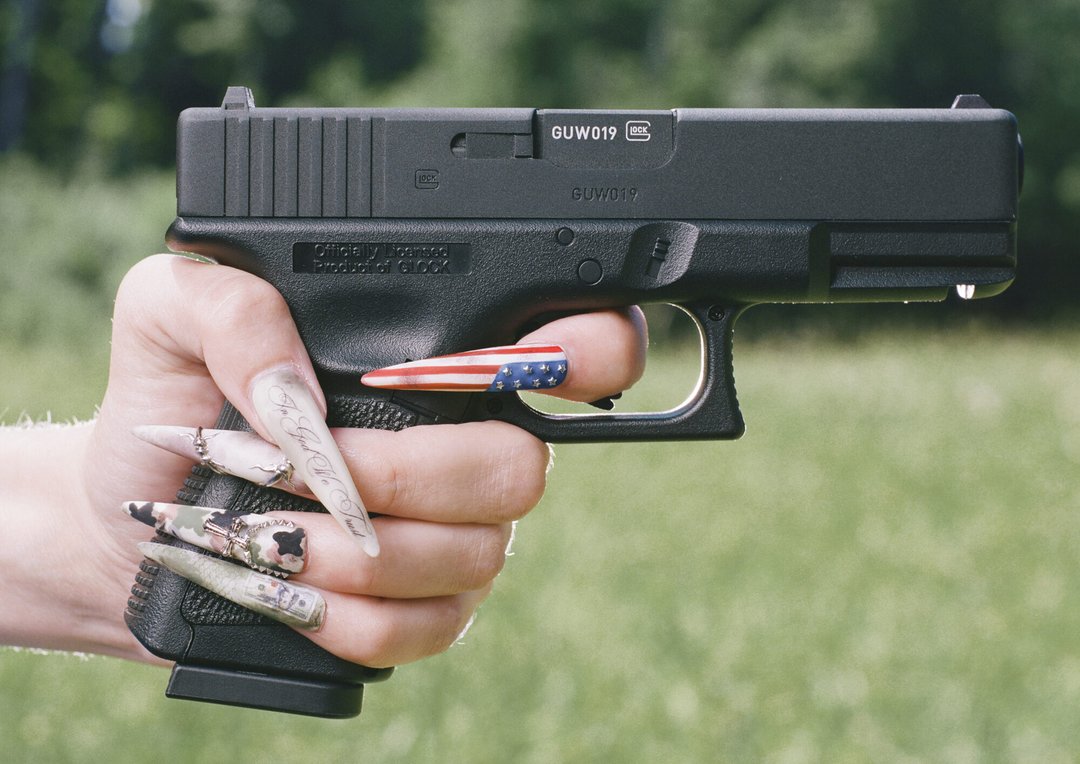
My Favorite Place on Earth Was Huntington, Long Island is a project rooted in personal conflict and questions of identity. From Belgian and American heritage, the artist was born and raised in France. As a child, she idolized her American cousins, but over time diverging values have pulled them apart. Several of her family members align with far-right Christian politics. That estrangement became the central question of this project: had the artist grown up in the United States, would she have become like them? Between nostalgia, fascination, and reality, this project reaches towards something larger. In the current American political landscape, reality and truth have become distorted, and weaponized. My Favorite Place on Earth Was Huntington, Long Island sits inside that unease: What is real? What can you trust when truth has become a commodity?

Julieta Tarraubella – Archaeology of Birth

PHOTOGRAPHY

Julieta Tarraubella – Archaeology of Birth

by Julieta Tarraubella

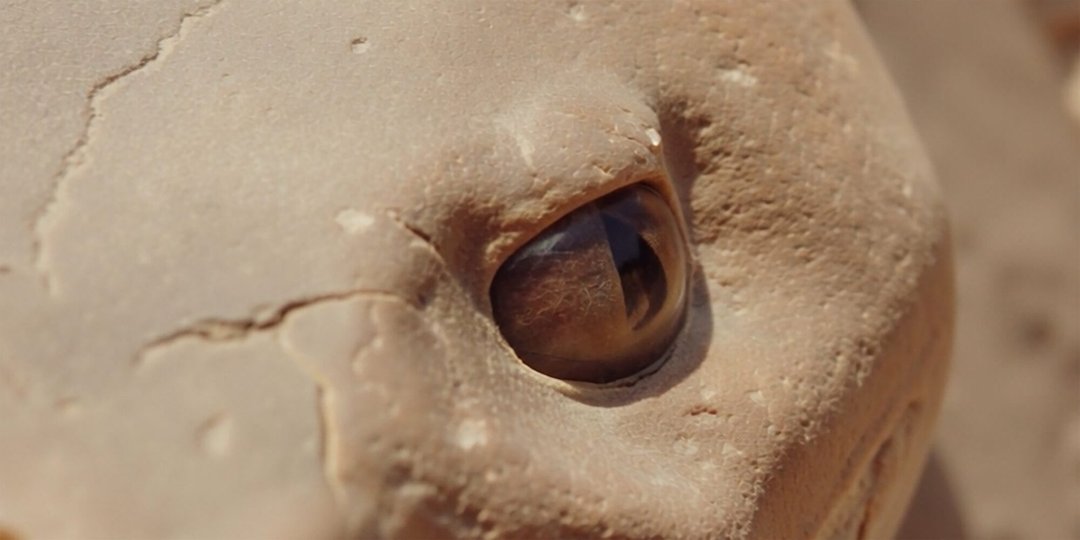
The artist was born in 1991 in Tacna, southern Perú, in the Atacama Desert. Twenty kilometres away lies Miculla, a valley of petroglyphs dating from the 5th to the 15th centuries. A week after her birth, her mother baptised the artist there and offered her life to the universe. The starting point of Archaeology of Birth is the photographic archive of Miculla taken by the artist's mother. These images were used to train an AI that reimagines what travellers saw in the desert and carved into stone. Using different representations mediated by technology, the project takes the form of an installation composed of an audiovisual fiction, vibrating petroglyph-rock sculptures, and an embracing panoramic image of the Andes. Giving agency to the elements of the desert, Archaeology of Birth reconstructs a landscape that is at once historical, inherited, and imagined.

Unlisted page: accessible only by direct link, hidden from the site and search results.