Frederik
Mahler-Andersen

Enseignements

Arboricrop — Next generation agriculture using real-time information from tree crops

Arboricrop — Next generation agriculture using real-time information from tree crops

with Stéphane Halmaï-Voisard, Younès Klouche, Frederik Mahler-Andersen Pietro Alberti, Maxwell Ashford, Alain Bellet, Laurent Soldini

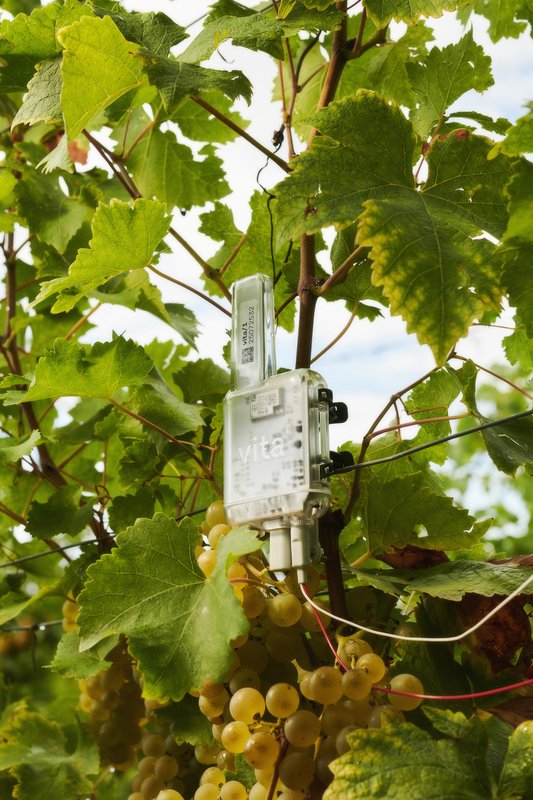
Arboricrop is a research project conducted by a multidisciplinary consortium bringing together Vivent Biosignals, Changins – University of Viticulture and Oenology, and ECAL/Ecole cantonale d’art de Lausanne (HES-SO), with the support of Innosuisse. Its objective is to develop a miniaturized plant electrophysiology sensor designed for use in real agricultural conditions: the VITA Mini Sensor.
Pixel Perfect – 2025

DIGITAL EXPERIENCE DESIGN

Pixel Perfect – 2025

with Romain Collaud, Frederik Mahler-Andersen, Lara Défayes

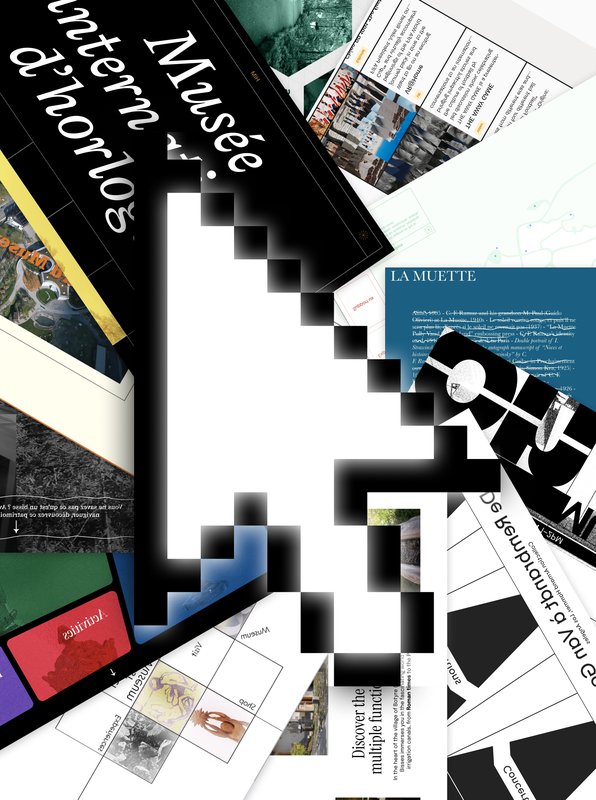
Pixel Perfect is the semester project of the Interface Design orientation module, semester I. It invites students to put into practice the methods and principles introduced in the Macro UI and Screen Grammar courses, exploring how graphic systems structure the digital user experience. Based on the analysis of an existing website, the project encourages a critical and creative reinterpretation of its visual identity and hierarchy. The challenge is to design a contemporary, coherent and expressive interface capable of renewing the original design system while respecting its uses, content and functional constraints, as well as its key principles: consistency, modularity, and the scalability of graphic and interactive components.

Projects

Frederik Mahler-Andersen – RE:STADIA

GRAPHIC DESIGN

Frederik Mahler-Andersen – RE:STADIA

with Diego Bontognali, Ian Party

The stadium is the fusion between architecture and sport, providing a structure to host spectators for various events. While the sport hasn’t changed much over the years, the architecture surrounding the field finds itself in a constant state of flux. RE:STADIA explores the future of the stadium. This catalogue enters into a dialogue between architecture and sport, and aims to compare new concepts of stadium architecture by looking at their context, forms, associations and reactions.