2026 Diplomas – MAS Design for Luxury & Craftsmanship

Published
June 24, 2026

Discover the diploma projects from the MAS Design for Luxury & Craftsmanship.


Projects

Seoho Ahn – Cascade

DESIGN FOR LUXURY & CRAFTSMANSHIP

Seoho Ahn – Cascade

by Seoho Ahn

Jewellery is often seen as an ornamental object, yet it contains structural principles. A chain forms a continuous system of interconnected links that responds to gravity and distributes forces throughout its structure. Cascade explores how this logic can be translated from the body to space. When scaled up, the chain evolves from a decorative element into a load-bearing framework. Connections between links become structural joints, while the continuous flow of the chain becomes a path for transferring and balancing forces. Rather than borrowing the aesthetics of jewellery, Cascade translates its structural principles into a furniture system, transforming a decorative chain into an architectural structure.

Anna Andersson – LYSA

DESIGN FOR LUXURY & CRAFTSMANSHIP

Anna Andersson – LYSA

by Anna Andersson

LYSA is a portable lamp designed for outdoor rituals and small everyday adventures. Inspired by the emotional connection we have to bags and objects made to be carried, the project explores how light can become something intimate and mobile. The lamp is intended for picnics, gardens, balconies, and walks in nearby nature, bringing a sense of warmth and domesticity outdoors. It features dimmable light, USB-C charging, and a protected charging port. The materials — cork, dark brown suede, and linen fabric — were chosen for their tactile and atmospheric qualities. LYSA explores fabric translucency, color tones, light diffusion, and stabilization techniques to create an object that feels soft, warm, and made to accompany quiet moments outdoors.

Maxime Billoud – Lampe trois + 1

DESIGN FOR LUXURY & CRAFTSMANSHIP

Maxime Billoud – Lampe trois + 1

by Maxime Billoud

Lampe trois + 1 is rooted in material research and innovation. At the intersection of craftsmanship and design, this ceramic and porcelain lamp reflects both the artisan's gesture and the designer's approach. It is composed of three identical legs connected by a central technical component, while molded porcelain panels are integrated into the structure. The smoked clay elements, inspired by the Japanese raku technique, contrast with the delicacy and translucency of porcelain. Designed as a flat-pack lamp that can be easily assembled, Lampe trois + 1 embodies a process of material exploration while resulting in a functional and tangible object.

Thibaud Kanty Boto – ROHY

DESIGN FOR LUXURY & CRAFTSMANSHIP

Thibaud Kanty Boto – ROHY

by Thibaud Kanty Boto

In Madagascar, rabane, a textile made from woven raffia fibers, has traditionally been used to make bags, mats, and everyday objects. Today, this weaving technique is gradually disappearing in favor of standardized production intended for export, particularly crochet-based work. Rooted in this evolving artisanal heritage, ROHY explores new possibilities for rabane. Through experimentation, by combining woven fibers with a binder and then molding them, this project reveals the structural and aesthetic potential of rabane. The collection proposes a contemporary reinterpretation of this ancestral craft through a series of accessories.

Martin Brouckaert – Brunch Service

DESIGN FOR LUXURY & CRAFTSMANSHIP

Martin Brouckaert – Brunch Service

by Martin Brouckaert

Brunch Service is a modular collection of objects that transforms Sunday brunch into an architectural landscape. It consists of containers, utensils, and cutlery that, when stacked, create abstract graphic silhouettes. Based on tubular forms, the objective of this project is to break away from industrial standards through a twist that forms sculptural compositions. This system was designed to elevate the ritual of brunch, acting as a reinterpretation of modern silverware that serves as a celebration.

Alice Brovarone – Soft Hidden Gesture

DESIGN FOR LUXURY & CRAFTSMANSHIP

Alice Brovarone – Soft Hidden Gesture

by Alice Brovarone

Soft Hidden Gesture is a stackable ceramic object composed of five elements. Assembled, they form a sculptural form inspired by the silhouette of a Japanese temple. Its true nature only emerges when it is taken apart: the object becomes a tea set. The contrast between exterior and interior colors reinforces this transition — the inside reveals a different color, visible only once the object is opened. Each element is designed digitally to ensure precise joints and formal continuity. The transition to ceramics introduces a fundamental tension, the material lives, shrinks, reacts. A further challenge is to develop a visual identity able to reflect the inner meaning of the project. The piece is intended in porcelain, a material whose delicacy suits the quiet character of the object.

Huisu Cho – BAN Lounge Collection

DESIGN FOR LUXURY & CRAFTSMANSHIP

Huisu Cho – BAN Lounge Collection

by Huisu Cho

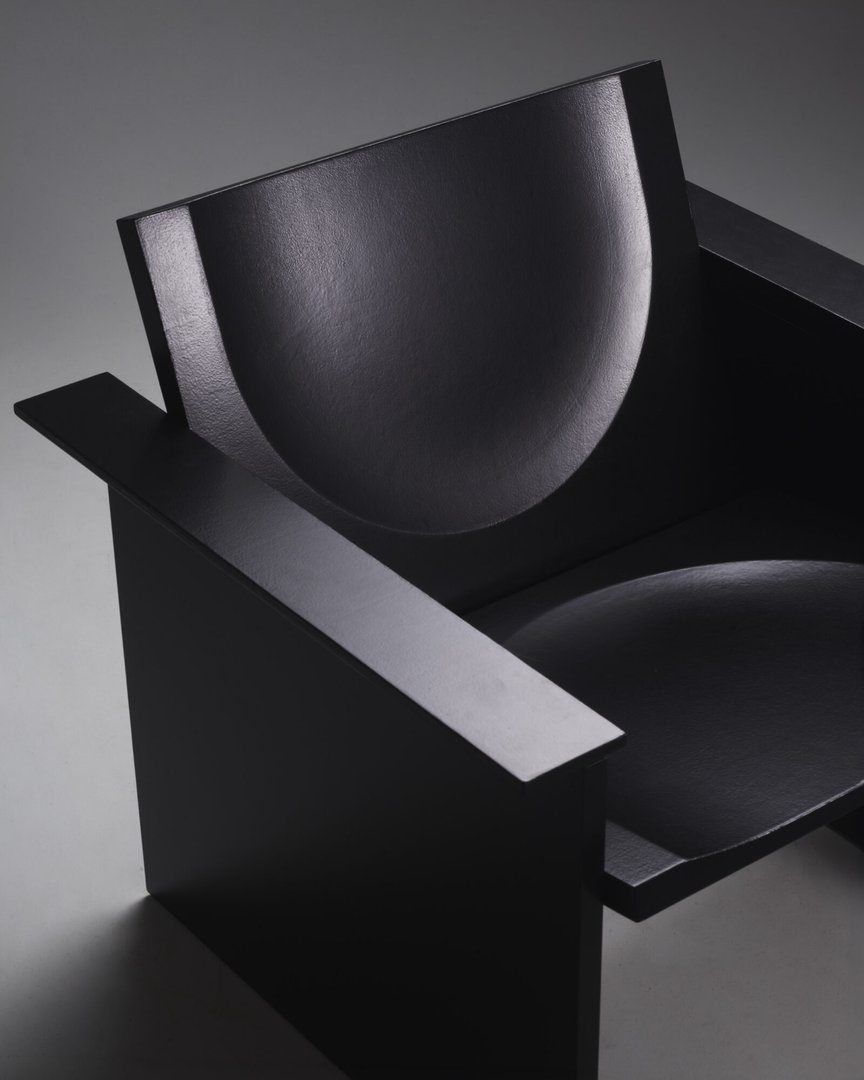
BAN Lounge Collection is a sculptural furniture experiment inspired by the East Asian concept of "BAN / 盤," meaning vessel. Originally developed through a collaborative furniture project, the collection expands a model of recessed geometries into lounge chairs, completing a furniture series for hospitality and waiting. Through repeated carved forms, the table accommodates tea trays and objects, while the lounge chair supports moments of rest and pause. Inspired by the restrained reflections of East Asian lacquer culture, the matte black finish softly reveals light and shadow. The table's central slit organizes books and magazines, supporting conversation and waiting within lounge spaces.

Joelle Cifelli – Per Fumum

DESIGN FOR LUXURY & CRAFTSMANSHIP

Joelle Cifelli – Per Fumum

by Joelle Cifelli

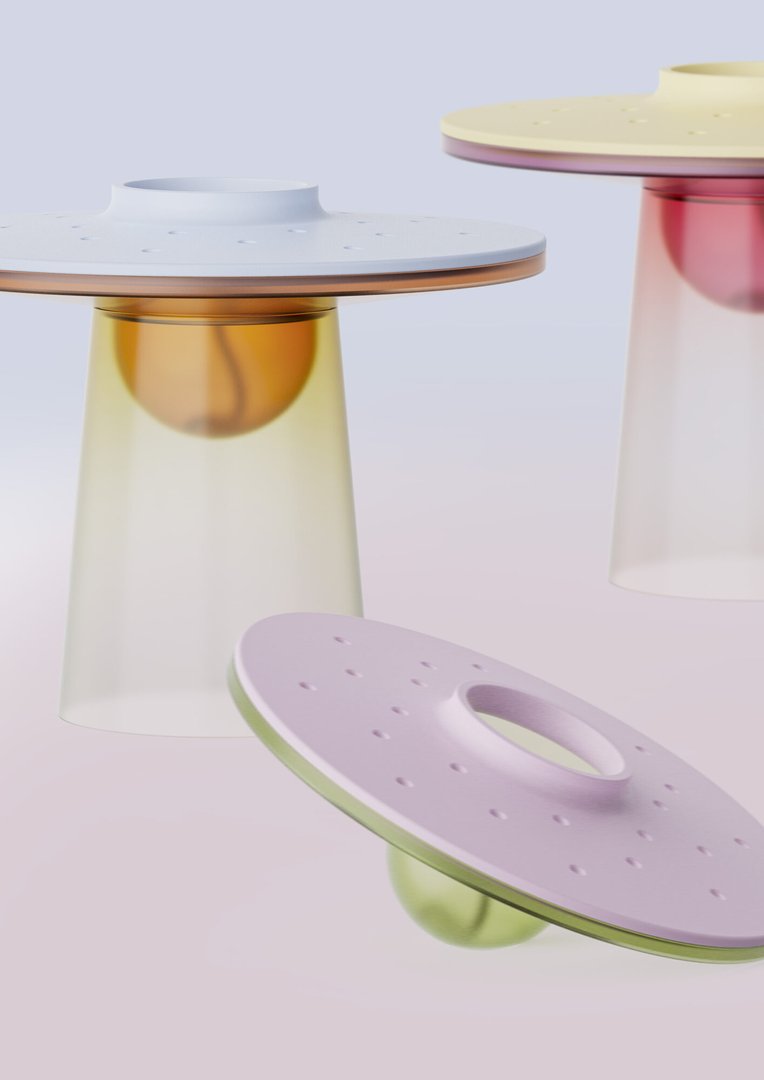
Per Fumum is a project rooted in historical, anthropological and typological research into the objects through which scent is contained and diffused. By observing recurring forms and uses, it explores the relationship between fragrance, domestic space and ritual. This research gives rise to an editorial project, Taxonomy of Scented Forms, and to the design of an oil lamp that brings both light and fragrance. Ceramic pods hold the liquid perfume, diffused by the heat of the flame, reinterpreting historical archetypes in a contemporary language. Made of glass and ceramic, Per Fumum echoes the materials of antiquity, re-establishing a material continuity with the past while proposing a renewed sensory experience: to inhabit the object of light and scent.

Júlia Claveria Baro – ONE SIXTY C — A study on ribbons: working with discarded polypropylene

DESIGN FOR LUXURY & CRAFTSMANSHIP

Júlia Claveria Baro – ONE SIXTY C — A study on ribbons: working with discarded polypropylene

by Júlia Claveria Baro

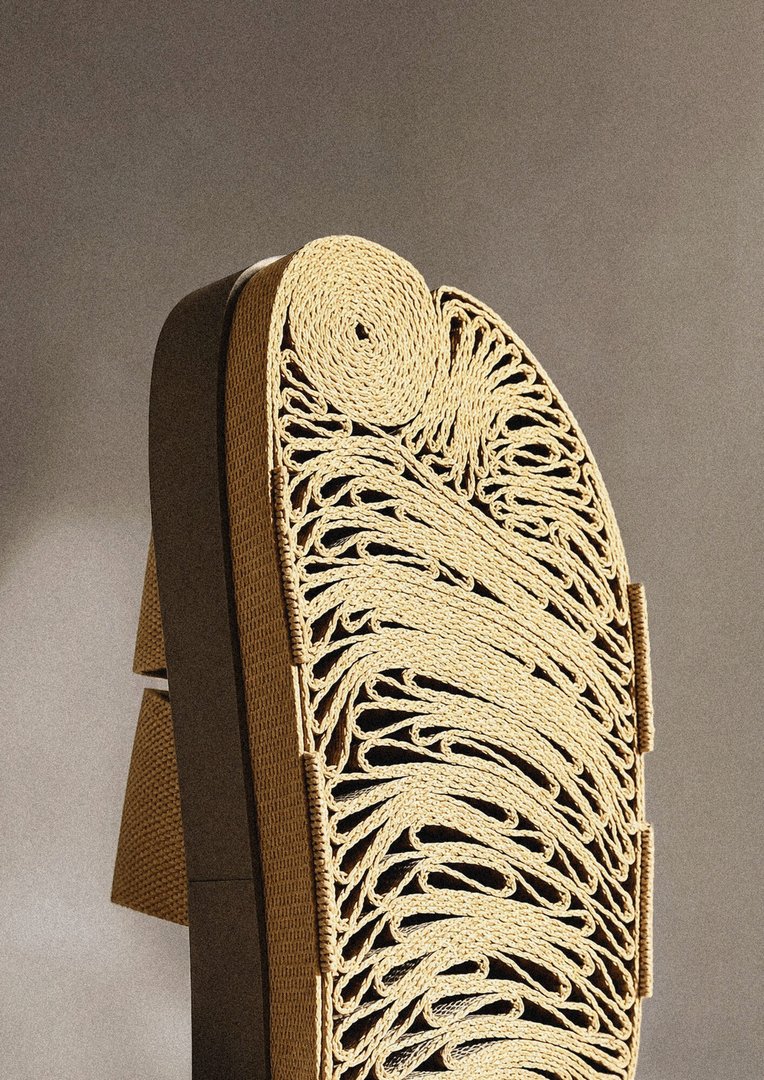
ONE SIXTY C, a fictional brand of home objects, explores how heated polypropylene ribbons can shift from soft textile to structural surface through a repeatable melting process. Rooted in a Catalan reference — the traditional espadrille — the project translates this logic into monomaterial home objects for the foot: house sandals and doormats. By fusing layers of ribbon into self supporting bases, ONE SIXTY C proposes a form of contemporary craftsmanship, where industrial leftovers are carefully reworked into precise, hand led objects for domestic use. All from a single humble ribbon.

Charlie Collet – CODE FORMEL

DESIGN FOR LUXURY & CRAFTSMANSHIP

Charlie Collet – CODE FORMEL

by Charlie Collet

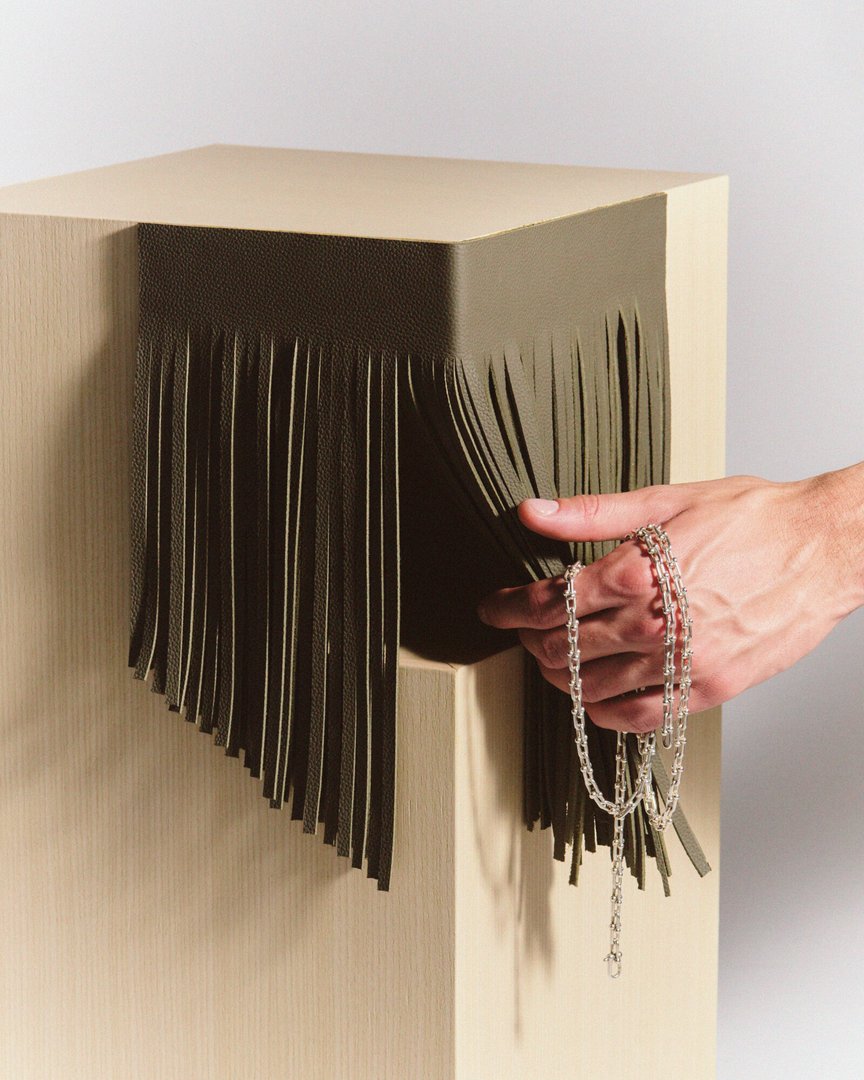
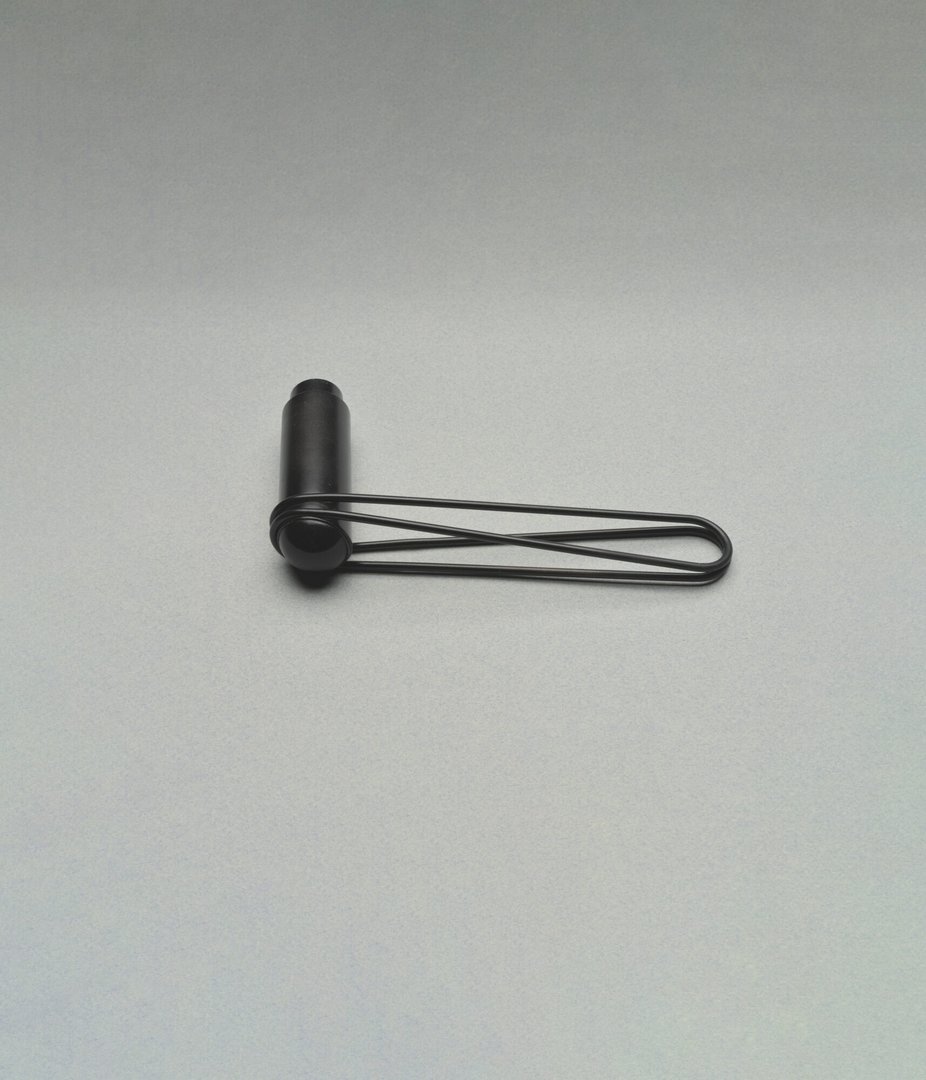
CODE FORMEL explores the formal language of accessories and its translation into the realm of domestic objects. The project investigates the relationship between structure and ornament, restraint and expression, functionality and emotional presence. Through a collection of objects, the research examines how a detail, a tension, or an assembly system can become a carrier of character and identity. Positioned at the intersection of design, material culture, and contemporary luxury, CODE FORMEL explores how pieces designed for space can embody the same emotional, tactile, and personal qualities traditionally associated with accessories.

Chiara Corno – Acolyte

DESIGN FOR LUXURY & CRAFTSMANSHIP

Chiara Corno – Acolyte

by Chiara Corno

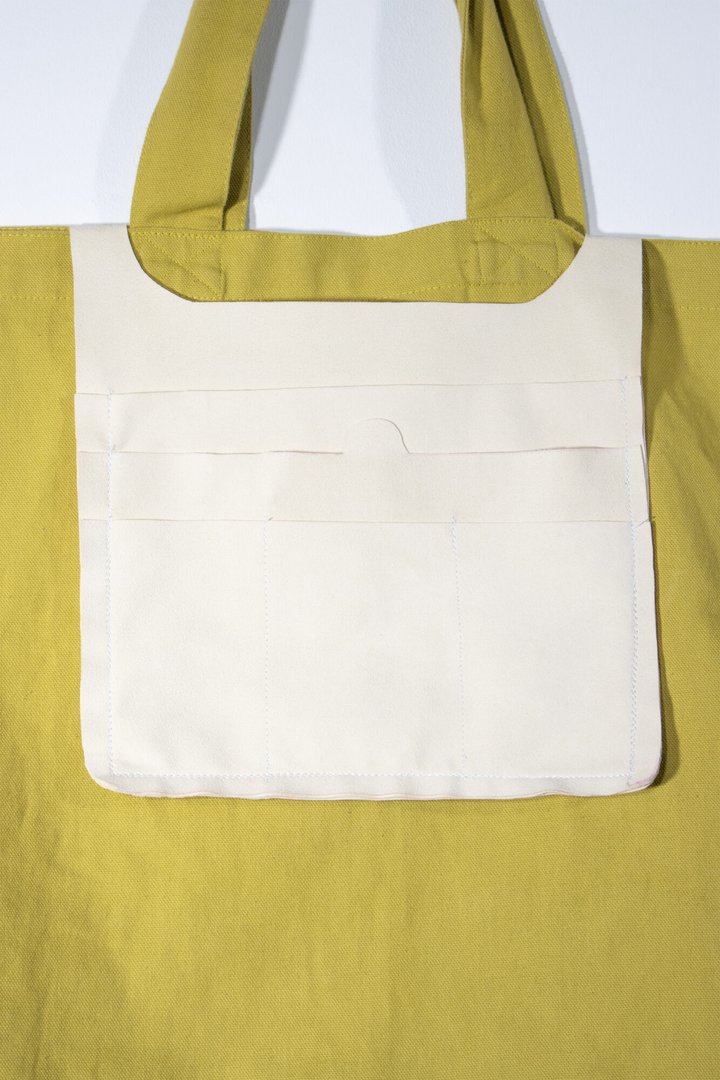
Acolyte is a collection of pouches designed to be added to various bags with handles. It is the ideal accessory for providing extra storage space to a bag that needs it. Ingenious and intuitive, this collection has been designed to be as simple as possible to use: simply slide the pouch over the bag, through the handles, and it will stay perfectly in place. These leather accessories are enhanced by stitching details reminiscent of the codes of leather goods. With their slightly rounded shapes, these pouches feature a sleek, functional and graphic design. The three models in the range have been designed to suit preferences and needs of the users: it is even possible to customise the colours of the materials.

Chun Deng – Gaze

DESIGN FOR LUXURY & CRAFTSMANSHIP

Chun Deng – Gaze

by Chun Deng

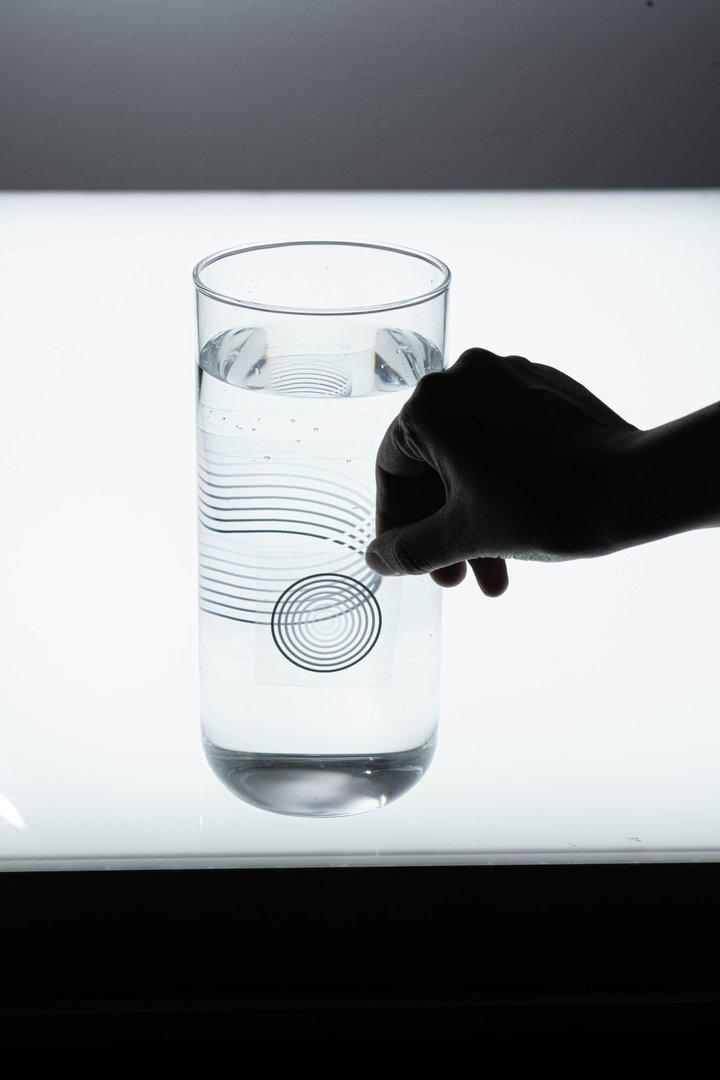
Gaze explores the optical relationship between water, glass and graphic patterns. Composed of a carafe and a glass, the set is covered with precise, restrained parallel linear motifs. When water is poured into the vessels, the refraction of the liquid disturbs the apparent order of the graphics: the lines shift, overlap and intersect, creating a dynamic effect. The object is activated only through use: filling, pouring and drinking transform a static motif into a changing visual experience. Between scientific experiment and decorative table art, Gaze treats water not as a neutral content but as an optical medium, transforming an everyday gesture into a delicate moment of perception.

Jaekyoung Kim – Lines of Support

DESIGN FOR LUXURY & CRAFTSMANSHIP

Jaekyoung Kim – Lines of Support

by Jaekyoung Kim

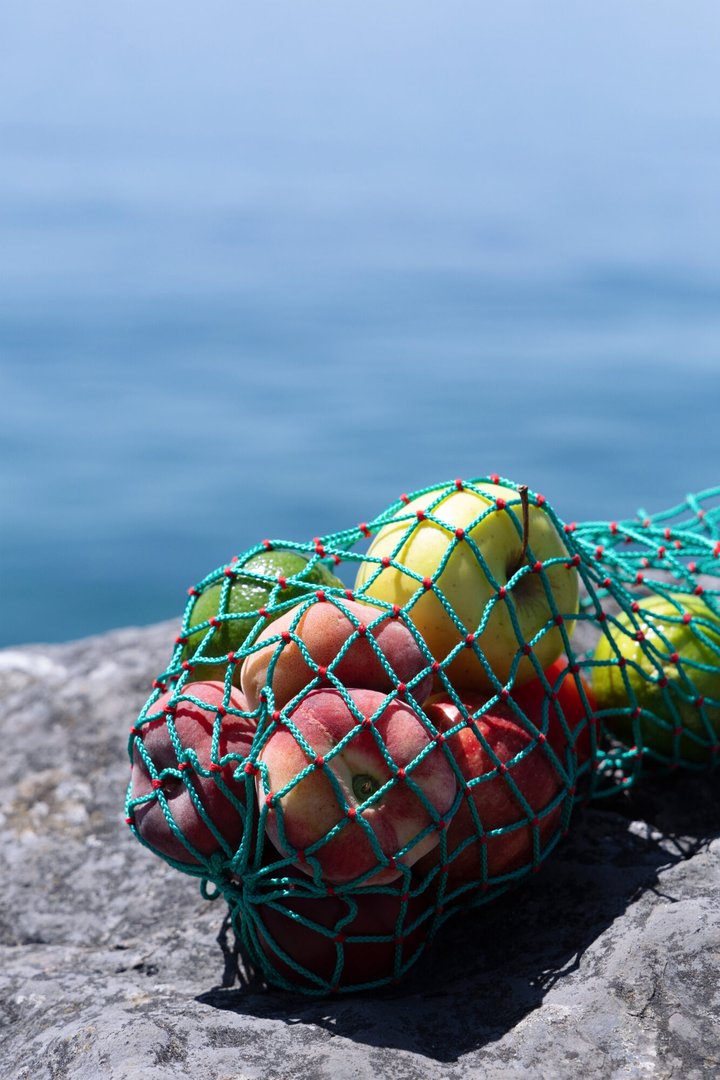
Lines of Support is inspired by the ropes, nets, and container structures found in ports and coastal environments. Ropes and nets are used to connect, support, and secure objects, while containers are designed to hold, protect, and transport goods. This project explores how functional systems of connection can be transformed into a sculptural language. Using rope and stitching as main tools, it investigates how lines and connection points on flat surfaces can develop into forms and volumes in three dimensions. Stitching is not used as a decorative element, but as a structural method that joins ropes together and supports the form. Through repetition, stitching becomes a construction technique and a visual language, and the methods of connection themselves evolve into a structural textile.

Nayun Kwon – Crème Chantilly

DESIGN FOR LUXURY & CRAFTSMANSHIP

Nayun Kwon – Crème Chantilly

by Nayun Kwon

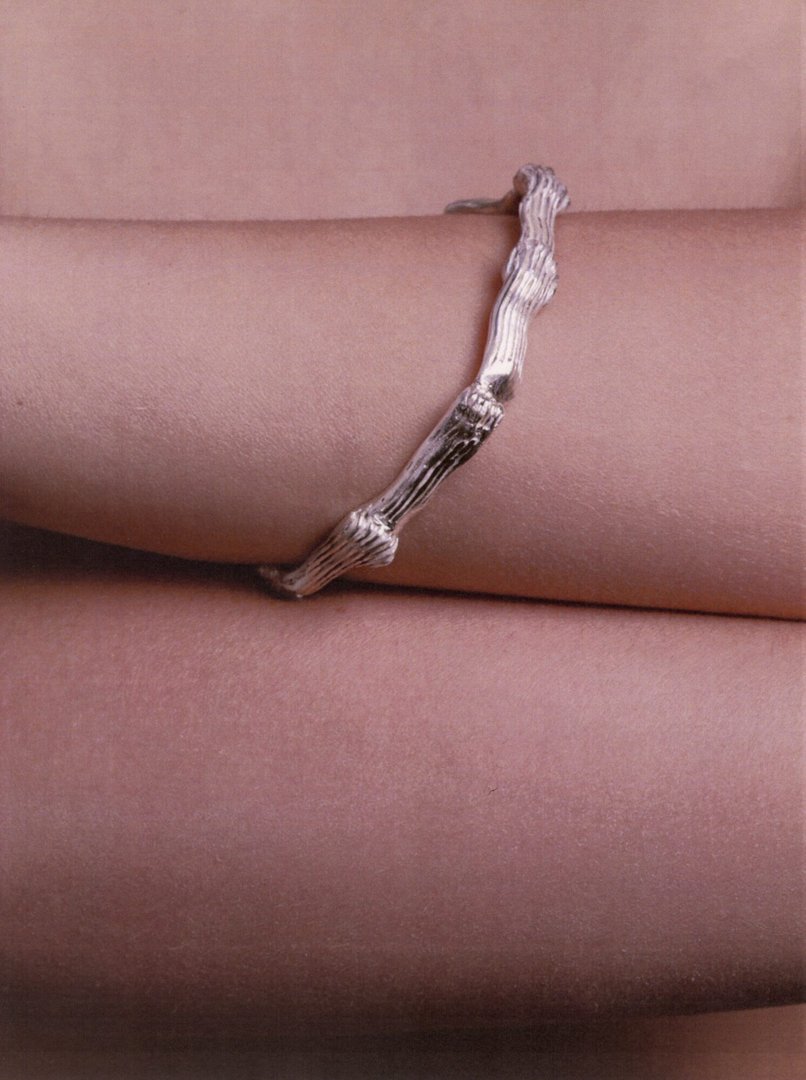
Crème Chantilly originates from a 1,300-year-old Japanese wax-working tradition. Composed of beeswax and pine resin, the material responds to the warmth of the hand: it is stretched, folded, and twisted rather than being carved. Its organic striations emerge through movement, leaving behind traces of gesture and time. Extending this material logic, this project develops an extrusion-based process that shapes the wax through compression, like piping cream. The resulting forms are translated into metal through lost-wax casting. What remains is not simply a form, but a record of movement. By preserving the fluid, viscous qualities of wax within a rigid material, Crème Chantilly challenges conventional notions of metal and proposes an alternative approach to jewelry making.

Alex Ortega – Shrine

DESIGN FOR LUXURY & CRAFTSMANSHIP

Alex Ortega – Shrine

by Alex Ortega

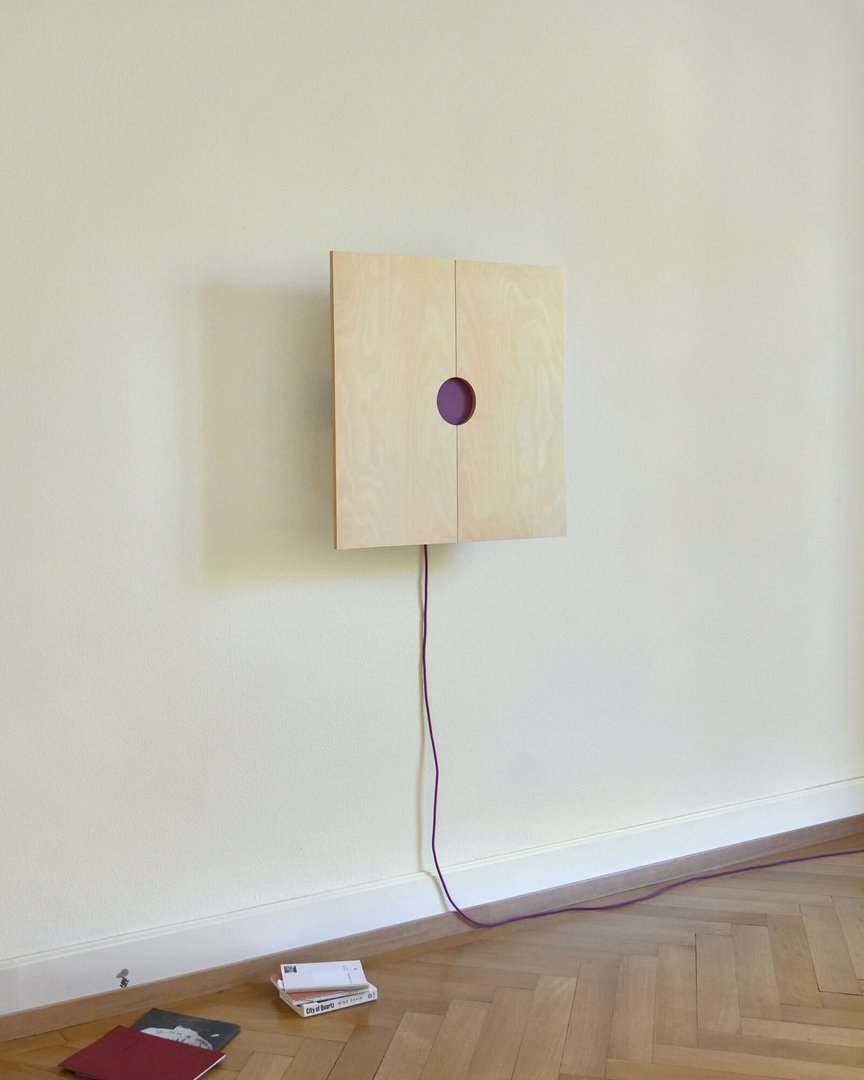
Shrine is a response to the dematerialization of contemporary audio equipment. As listening devices have increasingly become anonymous boxes, sound has become disconnected from the furniture, craftsmanship, and rituals that once shaped the domestic listening experience. Shrine is a wall-mounted cabinet designed to elevate listening into a deliberate act. The speaker is wrapped in vintage-treated fabric and minimally finished birch plywood, bringing warmth and tactility to an object category often defined by abstraction and utility. By treating audio equipment as a piece of furniture rather than a device, Shrine restores a sense of ritual, permanence, and presence to the act of listening.

Julianna Probst – Light Standard

DESIGN FOR LUXURY & CRAFTSMANSHIP

Julianna Probst – Light Standard

by Julianna Probst

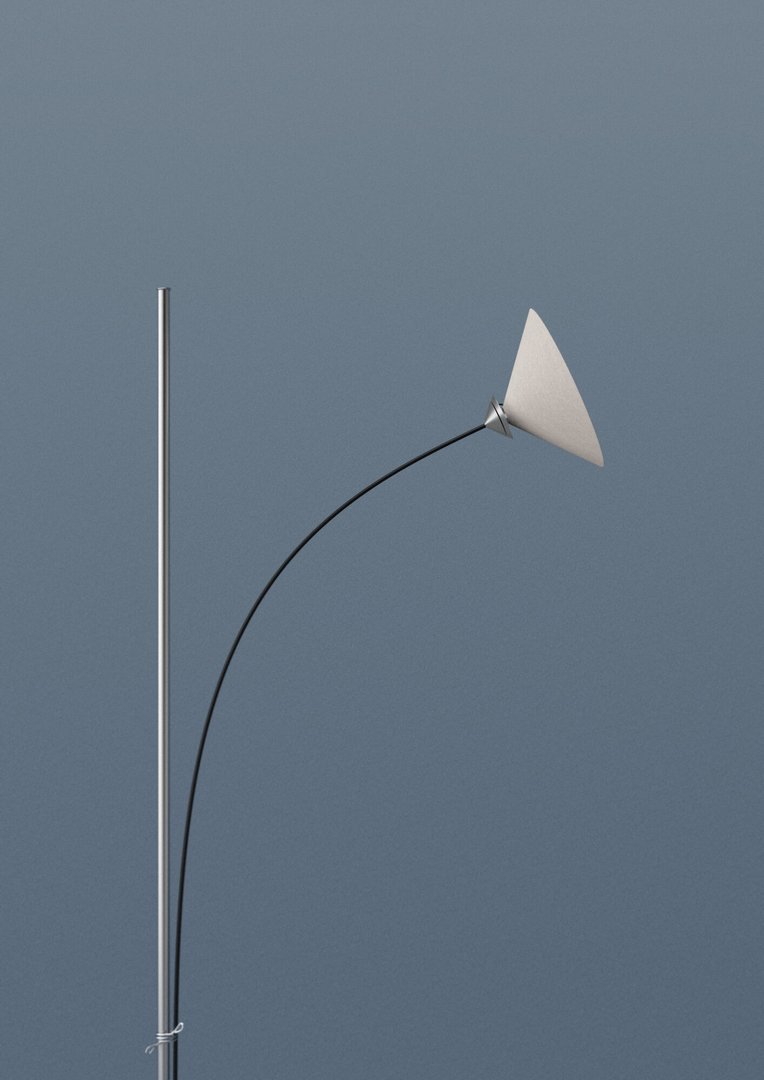
Light Standard continues the designer's ongoing exploration of craft within utilitarian systems. The design's key elements — poeticism, solitude, protection — were born from extensive study of the often-overlooked street lamp. The design process was one of observation and collection as much as creation. Thin cables nestled within a carbon fiber tube allows gravity to bend the pole in a familiar yet unexpected way. A torsion spring transforms the post lamp into a reading lamp with a playful and delicate gesture. Light Standard balances precision and craftsmanship with spontaneity.

Vanessa Shababzadeh – With & Within

DESIGN FOR LUXURY & CRAFTSMANSHIP

Vanessa Shababzadeh – With & Within

by Vanessa Shababzadeh

A constellation of dots gives rise to a continuous line that unfolds into interconnected forms and objects. Marking the entry point of the home, With & Within creates a correspondence between inside and outside through rhythm, continuity, and a dialogue both with and within the form.

Yin Sheng – Montre à Tact – A Tactile Reading of Time

DESIGN FOR LUXURY & CRAFTSMANSHIP

Yin Sheng – Montre à Tact – A Tactile Reading of Time

by Yin Sheng

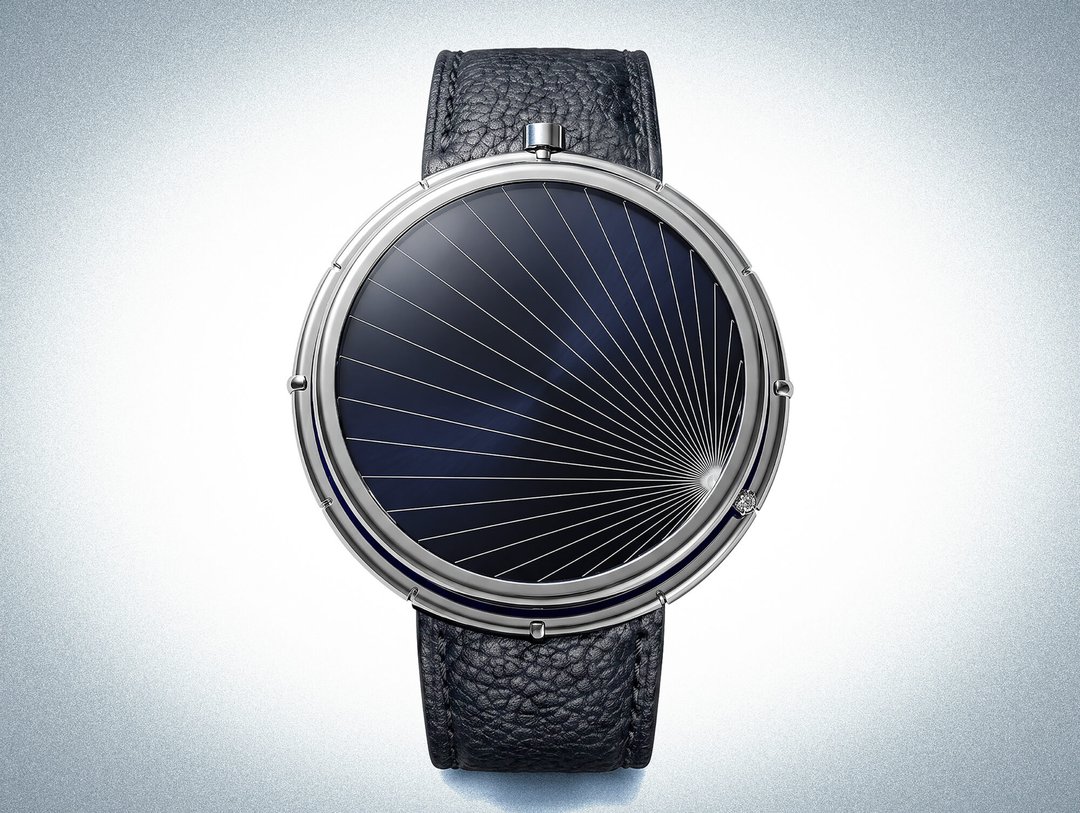
Inspired by the historical montre à tact and pocket watch culture in Europe, Montre à Tact – A Tactile Reading of Time explores a more intimate way of reading time through touch rather than sight. Historically, checking the time in social settings could be considered impolite — an impression that remains in contemporary social life, encouraging a discreet tactile reading of time. The watch consists of a closed upper dial and a tactile middle ring set with a diamond. The upper dial protects the movement and creates a restrained visual language. The tactile ring can be rotated by hand until a subtle resistance indicates the approximate hour. The diamond acts as both a precious material and a tactile anchor, creating a quiet and personal relation to time.

Unlisted page: accessible only by direct link, hidden from the site and search results.