Résultats pour “sport” (58)
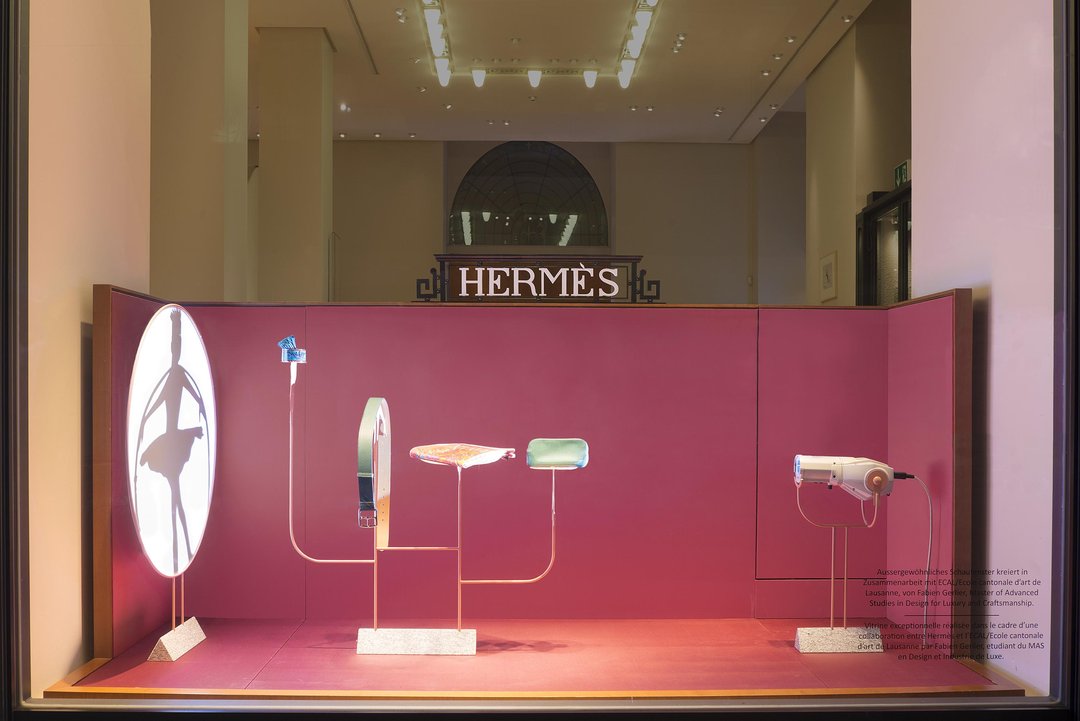
Collaboration with Hermès – 2013 The collaboration with Hermes allowed the students from the Master of Advanced Studies in Design for Luxury and Craftsmanship to discover the universe of window displays, where supports, lighting and colours need to draw your eye to the objects being showcased. Fabien Gerlier s project is a device allowing the viewer to read the display in two stages. At first the viewer sees the sculptural metal and marble displays. Then, on approaching the vitrine, the viewer sees the silhouettes of athletes in the projected shadows. The composition of the displays and Hermes products create, with the light, a series of archetypal shadow silhouettes of various athletes each practicing a different sport.
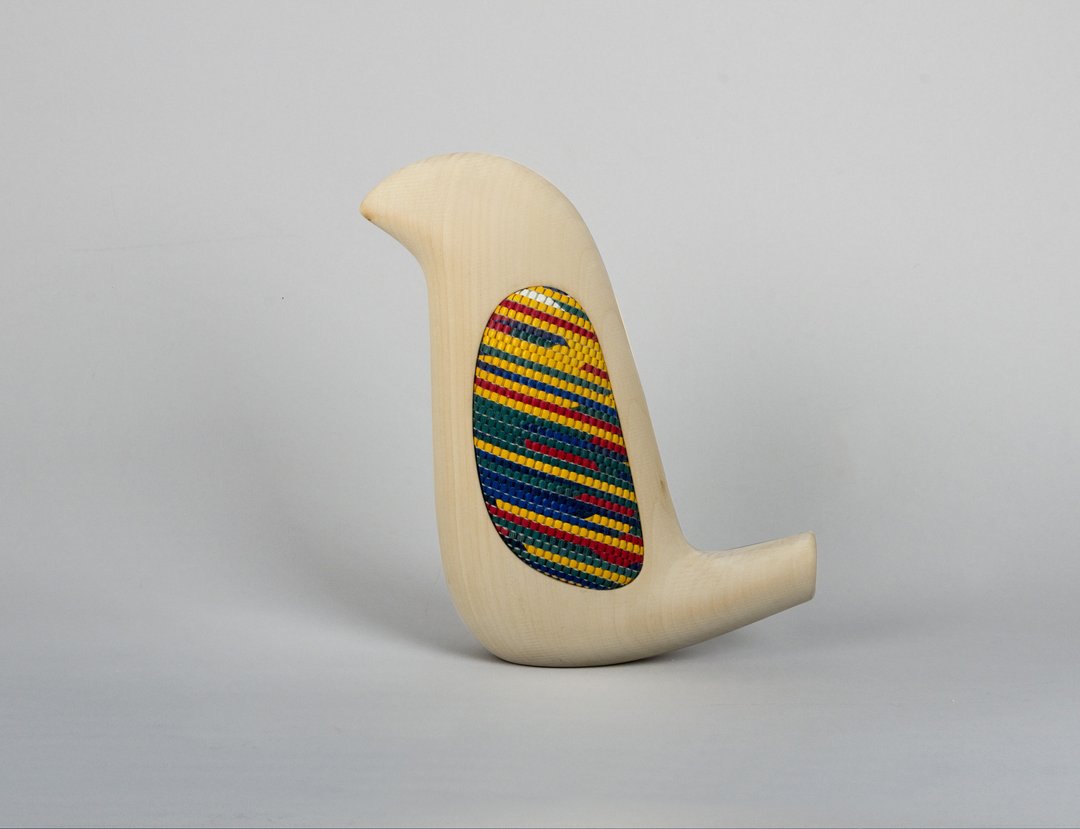
Collaboration with Charles Schambourg This new collaboration with the Maison Charles Schambourg, a small company in Brussels specialising in woven leather, the students had the opportunity to create a variety of objects out of this natural material. For Spine, by Virginie Garcia, the aim was to conceive an object which clearly shows the properties of this unique textile. Spine is a basket whose structure is created by folds in a single piece of woven leather, inspired by origami, and thin strips of spring steel. For Lampe, Josephine Choquet wanted to work on the elasticity and flexibility of woven leather. Like the hoop, or tambour, used in embroidery, the leather is stretched in a brass structure allowing for a smooth, clean surface. The oblique light given off by the neon tube at the base, reveals the beauty of the texture created by the weave. JinSik Kim chose to draw animal shapes in order to return to the leather s origin while highlighting its visual and tactile properties. Bearing in mind the endless size, colour and weave options that the woven leather brings, this series was designed with pure and relatively abstract lines whilst maintaining a varied and playful quality. For Hesychia Petra Kuon was interested in woven leather s qualities relating to sound and sound proofing. Thanks to this natural material and the fine weaving the Brussels Maison Charles Schambourg are able to produce, these modules can efficiently absorb sound. Thanks to a simple symmetrical frame, it is possible to create any composition with the colourful gradient design of the modules. The Set de tables project by Leslie Landucci aims to highlight the sculptural qualities of woven leather by using it in a 3-dimensional manner. This collection of tables takes its reference as much from ancient woodworking techniques as it does from the world of sports and even the graphic qualities of traditional boiled sweets.
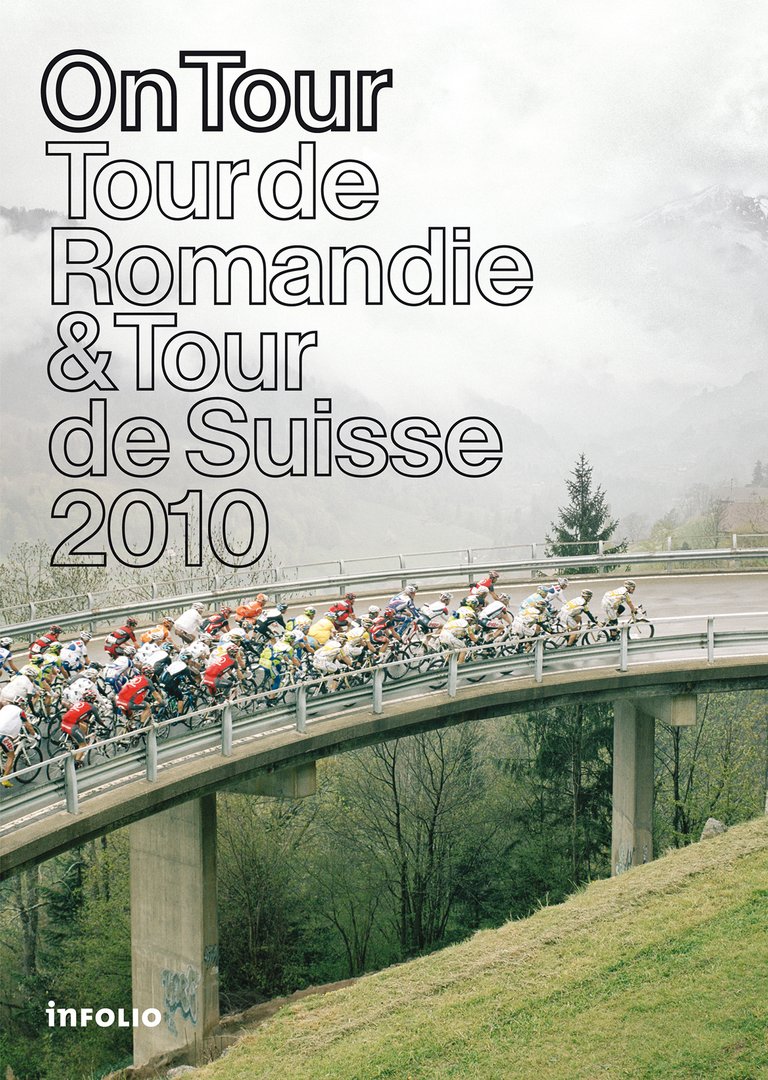
On Tour On the occasion of the 2010 editions of the Tour de Romandie and Tour de Suisse, the ECAL has made a photographic and editorial project about competitive cycling. Conducted in collaboration with La Vaudoise Assurances and Les Editions Infolio "On Tour" was primarily to explore the forms of convergence between creative photography, sports sponsorship and the world of publishing. Students in photography, under the direction of their teachers, were immersed in the world of Tours to produce views likely to exceed the stereotypes usually associated with this type of sport s events. According to their sensitivities, they were especially encouraged to inspire from innovative approaches offered by a growing number of contemporary photographers. In parallel with this prospective approach in terms of artistic and documentary photography, the goal was also to take account of recent redefinitions in the field of branding and communication and to generate original contributions, interviews and essays, on this issue. The results of this project are multiple: Production of an archive of thousands of images. Publication of "On Tour: Tour de Romandie & Tour de Suisse 2010," 3000 copies Publication of "Off Tour, compte-rendu d étapes", 500 copies, (interviews & essays) Exhibition at ECAL Edition of postcards Acquisition of photographs by La Vaudoise Assurances Press articles On line publication (La Vaudoise Assurances website) Main applicantsECAL/Ecole cantonale d art de Lausanne Pierre Fantys (project leader)Research teamFrançois Rappo (artistic direction) Nicolas Faure, Joël Tettamanti (photographers, coaching) Philippe Keanel (in charge of theoretical essays) Joël Vacheron (in charge of "Off Tour") Elise Guillod (assistant) Cédric Raccio (assistant) Erol Gemma (assistant) Robert Huber (assistant) Students of the department of visual communication / photography ECALPartnersLa Vaudoise assurances InfolioDuréeapril 2010 – september 2012 Supported byECAL/Ecole cantonale d art de Lausanne Strategic fund of the University of Applied Sciences Western Switzerland (HES-SO RCDAV)DisseminationPublication On Tour, Tour de Romandie & Tour de Suisse en 2010 © 2010, Infolio éditions, CH-Gollion / www.infolio.ch ISBN: 978-2-88474-621-2
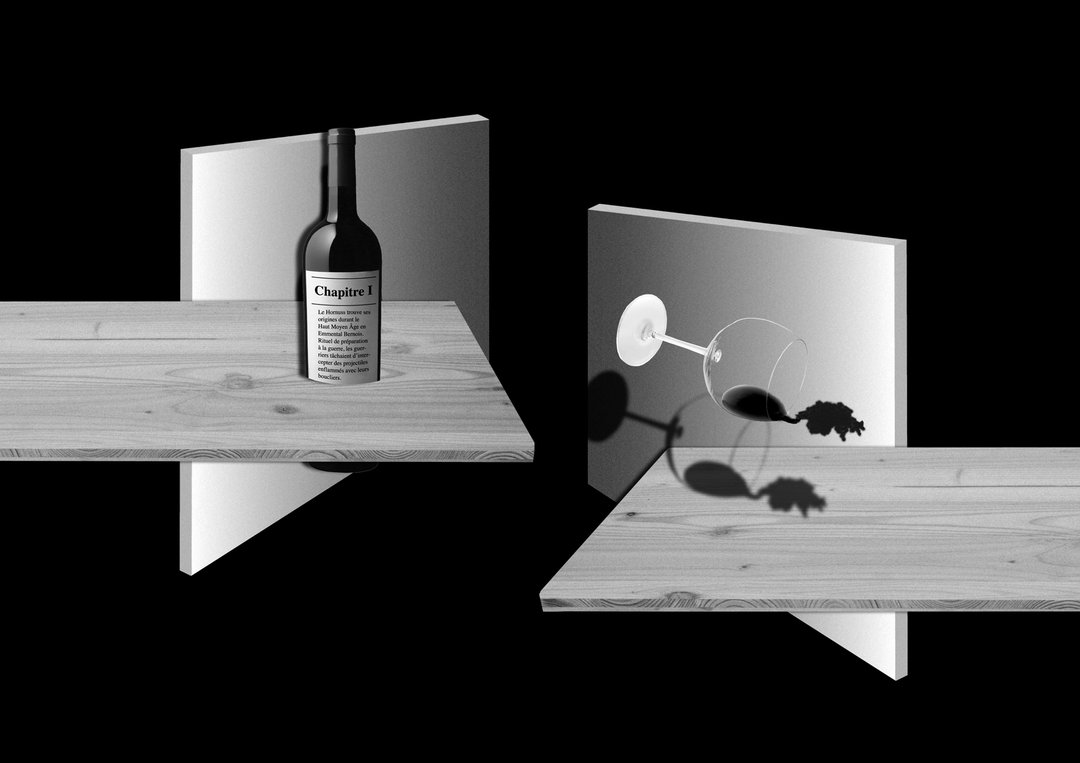
Justine Bannwart – Le Frelon Helvétique "While trying to find a diploma subject, I watched a documentary about an ancestral sport: the Hornussen. A Swiss national sport, it s mostly played in the German part of Switzerland and pratically unknown in the French part. Often qualified as the Swiss farmers sport it s sometimes deprecated by the public because of its festive characteristics. My diploma project led me to meet the followers of this sport and to learn more about my own culture. In order to share my experience with the public I created a publication for an Hornussen s retrospective at the Swiss Sports Museum. Mixing technical information and graphics about the game and more personal illustrations inspired by Swiss Poya naïve paintings, the object gives this traditional sport a contemporary look." Justine Bannwart
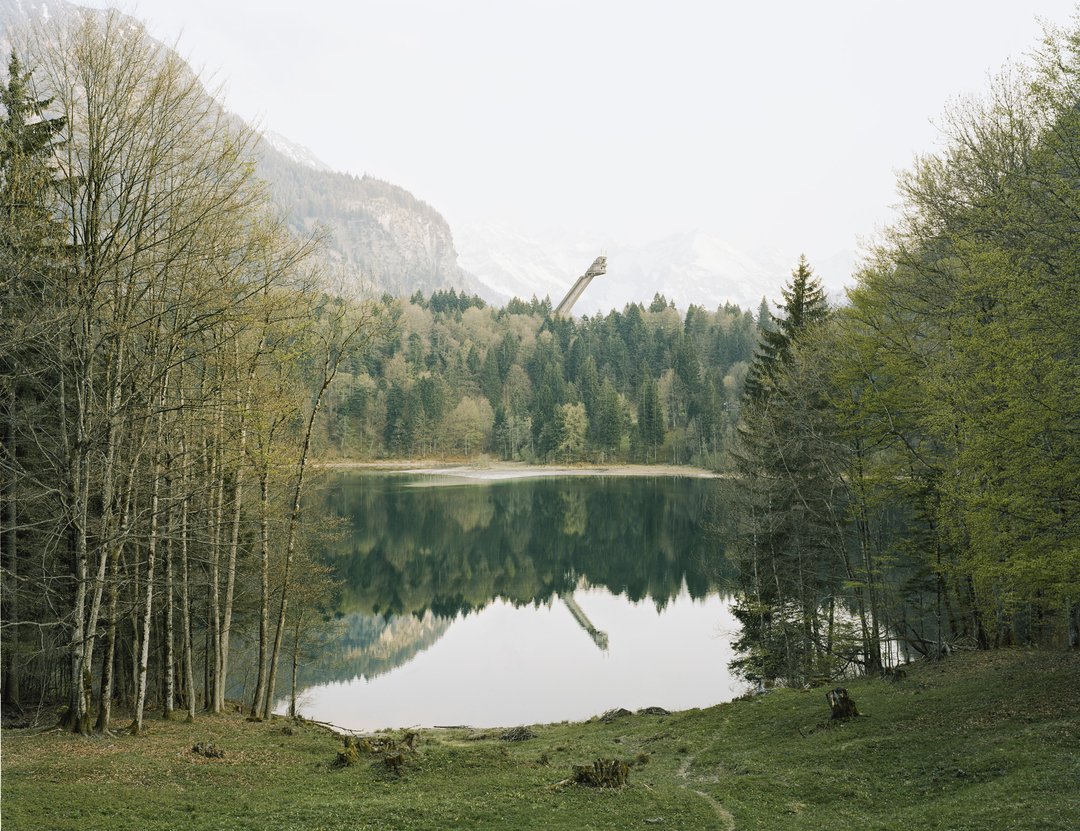
Guillaume Collignon – Flight Launching Monuments Complex and monumental, ski jumps are constructions that have a strong impact on their landscape and their environment. Although ski jumping is practiced only by a few people, its architecture requires a significant investment. Sometimes architectural monuments and prestigious showcases, sometimes relics of a past glory, I was interested in these architectural “UFOs”, wanting them to be not completely revealed, leaving room for imagination. If the strangeness of these constructions amazes the public and transformed the landscape, their rise and fall raises many questions about sports and the Olympics… Complex and monumental, ski jumps are constructions that have a strong impact on their landscape and their environment. Although ski jumping is practiced only by a few people, its architecture requires a significant investment. Sometimes architectural monuments and prestigious showcases, sometimes relics of a past glory, I was interested in these architectural “UFOs”, wanting them to be not completely revealed, leaving room for imagination. If the strangeness of these constructions amazes the public and transformed the landscape, their rise and fall raises many questions about sports and the Olympics…
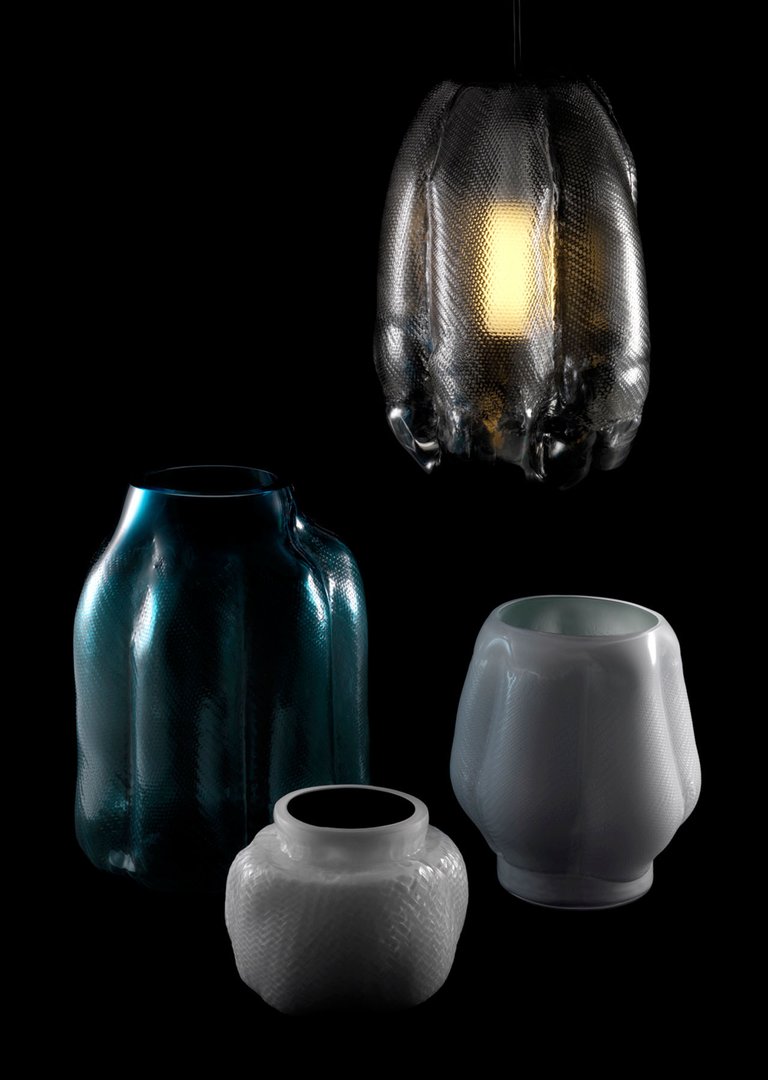
Hidden Carbon This project is a manifesto initiated by the EPFL+ECAL Lab to go beyond the high tech look of carbon so as to explore its full potential.Two major design schools, ECAL/University of art and design Lausanne in Switzerland, and Ensci-Les Ateliers in Paris, have risen to the challenge. Carbon fibre composites are gradually entering our daily life thanks to their exceptional mechanical properties – incredibly tough but extremely lightweight. Used in numerous high-end sports applications, this material has become a high tech icon – to such an extent that one often forgets its main advantage: to make uniquely light shapes and uses possible, with astonishing thermal, sound or electrical performances.The objective of the Hidden Carbon project is to rediscover the relevance of carbon fibre by investigating original object typologies and uses based on its special mechanical properties. Under the leadership of Jean-François Dingjian for ENSCI-Les Ateliers and Alexis Georgacopoulos for ECAL, the EPFL+ECAL Lab brought together thirty students on this project, in cooperation with world-leading carbon experts – the Décision shipyard and the Laboratory of Polymer and Composite Technology of the Ecole polytechnique fédérale de Lausanne (EPFL).
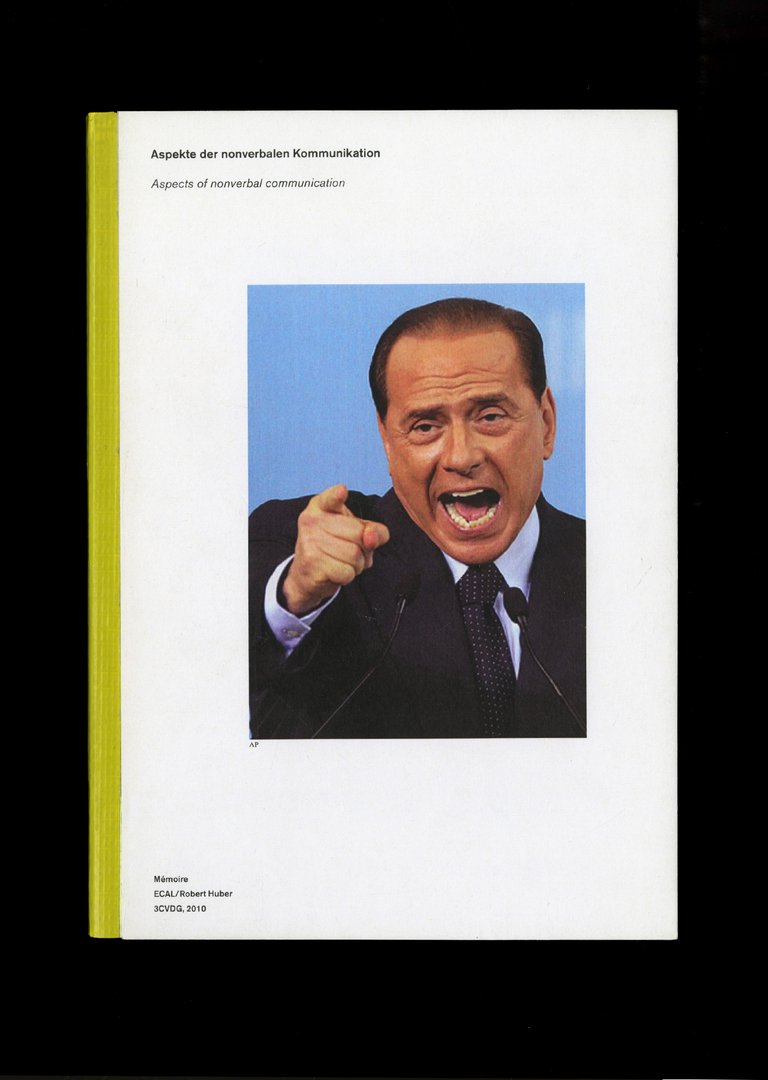
Robert Huber – Theoretical thesis Aspects of nonverbal communication Graphic design Analysis of images stemming from the political and sports press, which highlights the gesture as means of communication Main applicantsECAL/University of Art and Design Lausanne Robert Huber (project leader) André-Vladimir Heiz (professor) Period2010Supported byECAL/University of Art and Design Lausanne
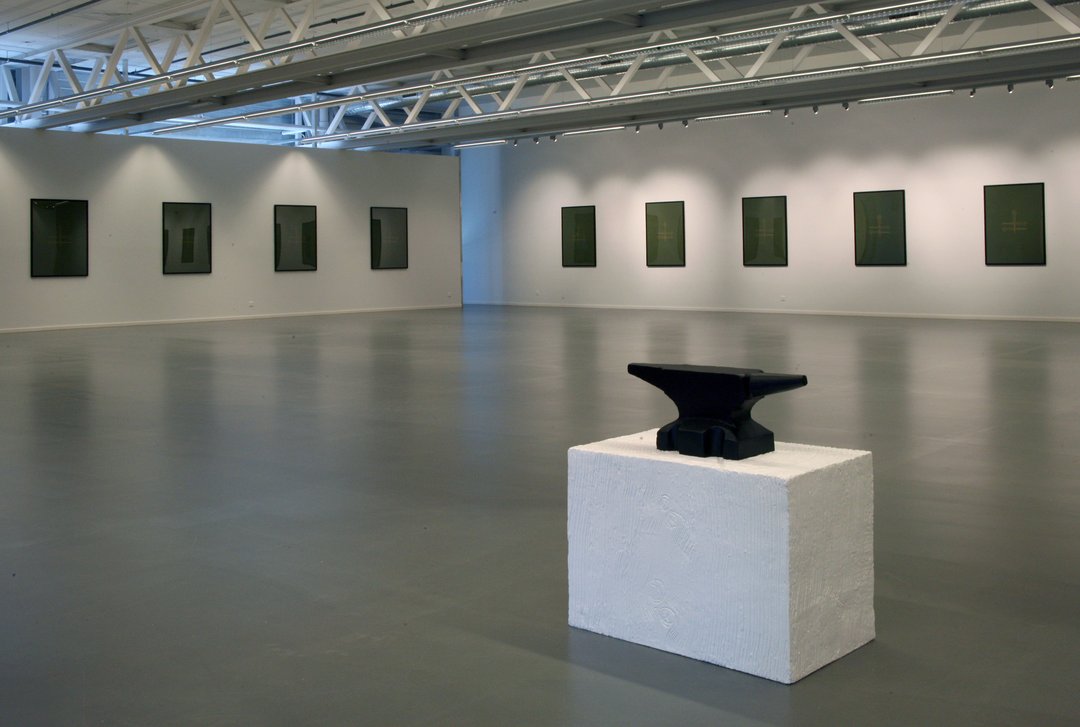
Valentin Carron: héroïque horizon,30.04–27.06.2008,Gallery l elac, ECAL "Le Valais a peut-être trouvé sa quatorzième étoile. Une future star de l art contemporain en la personne de Valentin Carron, un artiste originaire de Martigny vivant à Fully, qui au fil des ans s affirme comme un plasticien incontournable dans le paysage artistique helvétique, voire international. Pour preuve, l exposition qu il vient de présenter au Centre culturel suisse à Paris. Un joli parcours pour cet ancien étudiant de l ECAL/Ecole cantonale d art de Lausanne! Son art, qui convoque une imagerie alpine typiquement made in Wallis faite de succédanés de vin, de Schwiizer Hüsli, de vieux bois, de croix chrétiennes ou de murs en pierres sèches, s exporte désormais de Londres à New York, en passant par Berlin ou Vienne. Ainsi, fin 2007, le citoyen de la capitale de l Arvine a réalisé une belle opération en exposant en solitaire à la prestigieuse Kunsthalle zurichoise. Ce coup de maître (déjà!) a été assorti d un très beau catalogue édité chez jrp/ringier. L une de ses œuvres fut également proposée au célèbre Palais de Tokyo dans la Ville Lumière et il est représenté par de grandes galeries telles qu Eva Presenhuber au bord de la Limmat et Praz-Delavallade à Paris. Tout réussi à cet enfant du Haut-Pays. Ce Pays, le Valais, qu il compare pertinemment, dans un catalogue publié par Pro Helvetia, à une grande banlieue: «C est une zone qu on pourrait qualifier de périphérie urbaine. Il n y a pas d universités, pas de grosses industries, à l exception du tourisme. C est une longue vallée, avec comme unique centre une autoroute depuis laquelle tu t éjectes dans différents villages, petites villes et stations de sports d hiver. Chacune de ces agglomérations fait office de quartier…». Une périphérie urbaine qui est la sienne! Mélange de paradoxes qui font sa richesse, cet iconoclaste octodurien est capable d associer le rap du groupe NTM à l artisanat local ou de s inspirer de l altermondialisme tout en vivant comme dans une grande ville américaine: «C est vrai que sans voiture, tu ne survis pas ici. Une fois, j ai commencé la soirée avec des amis dans un bar de mon village, à Fully, avant d aller faire la fête à Sion, la plus grande ville de la région. Puis, on est monté prendre le petit-déjeuner à Chamonix, une station de ski française, avant de descendre à Aoste, en Italie pour y passer l après-midi. On est rentré en Suisse par le col du Grand Saint-Bernard pour aller finir au buffet de la gare de Martigny.» En résumé, Valentin est un bon vivant valaisan qui vit avec son temps. Un Valaisan qui grâce à son talent sillonne le monde par monts et par vaux, mais qui termine toujours au sud-ouest de notre beau pays… Texte de Pierre Keller, Directeur ECAL de 1995 à 2011 et Professeur EPFL. Paru dans le Nouvelliste du 28.11.2007