wwwiki - Option Media & Interaction Design

wwwiki - Option Media & Interaction Design

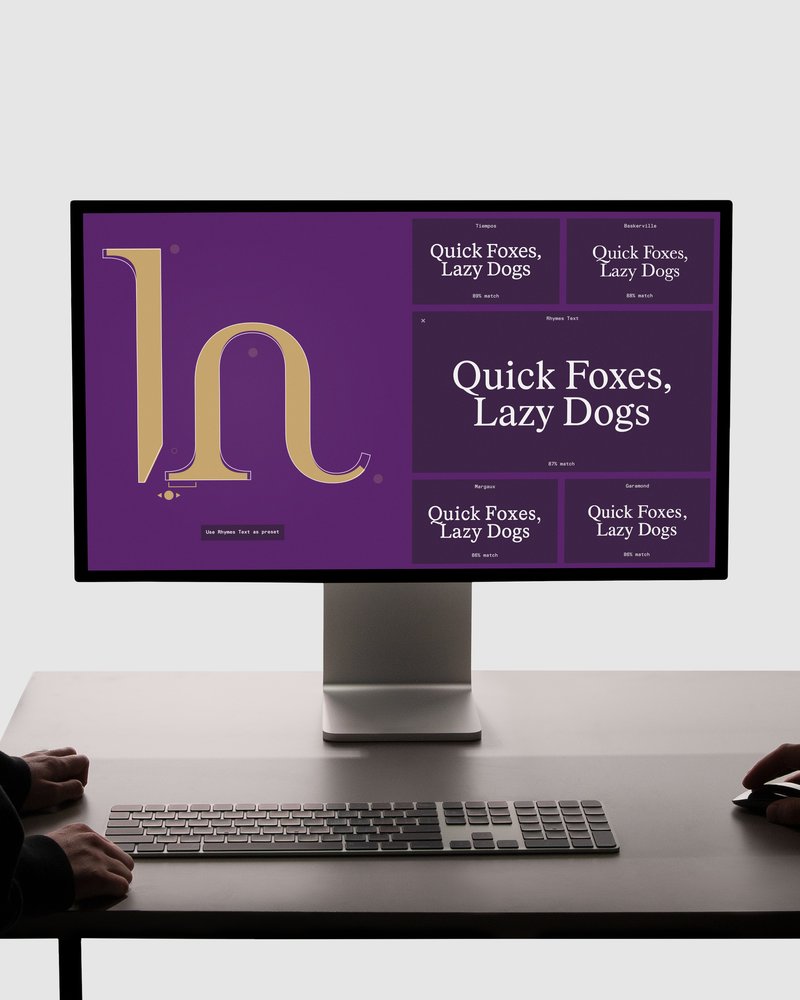
wwwiki Travaux de graphisme spécifiques d'interface de site internet conçus à partir de divers contenus de pages Wikipedia. L'objectif est d'amener par des mise en pages graphiques originales un nouveau point de vue et une réinterprétation des informations. Projets Soraya Camina Julien Caulet Salomé Dotter Samuel Dumez Mélanie Fontaine Martial Grin Jamy Herrmann Sofia Hidalgo Flores Lily Rose Hold Achille Masson Nathanaël Vianin

Know-how
UX/UI

wwwiki

Travaux de graphisme spécifiques d'interface de site internet conçus à partir de divers contenus de pages Wikipedia.

L'objectif est d'amener par des mise en pages graphiques originales un nouveau point de vue et une réinterprétation des informations.

Projects related to UX/UI

Steve Bouillant – Re:soil

BA MEDIA & INTERACTION DESIGN

Steve Bouillant – Re:soil

by Steve Bouillant

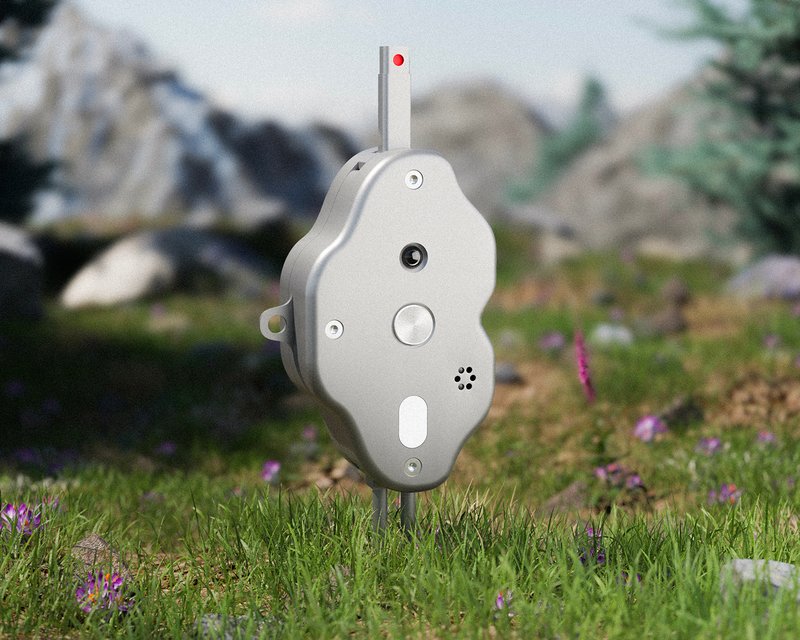
The smartphone has turned a trip to the mountains into an exercise in documentation. We take photos, tag our location, and post them: the natural world becomes content before it becomes a moment of reconnection. Re:soil offers a compact outdoor device whose sensors continuously measure humidity, light, and the transitions between environments. Its probe, planted in the ground, measures the earth's heat and compares it to that of the user's hand. Its microphone captures the soundscape of the location. Re:soil conveys these connections through vibration and light, without a screen, without performance, and without a phone. Upon the user's return, a linked app generates an ephemeral journal blending sensory interpretations, the geology of the site, and likely flora and fauna.
Beyond Clicks

MA DIGITAL EXPERIENCE DESIGN

Beyond Clicks

with Gaël Hugo, Paul Lëon

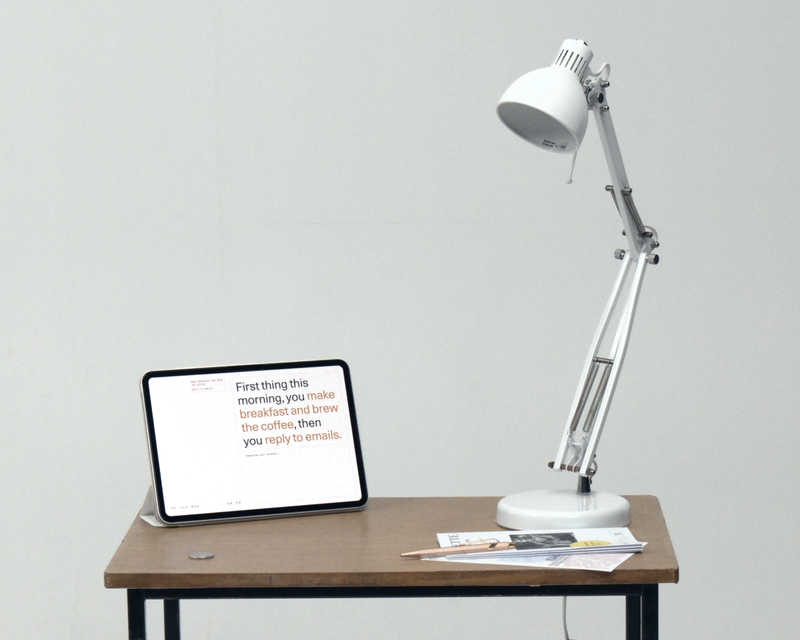
The Mind Reader Interface shifts computing from the reactive to the proactive: from a system that obeys commands to one that anticipates them. Where smart environments cast their users as pilots issuing constant instructions, this project removes the friction of instruction altogether. Intention is no longer declared through a screen or a button. It is inferred. Reading context, habit and the signals of presence, the interface acts before it is asked. It sheds the form of the device to become a Ghost in the Room that senses rather than obeys. The user no longer pilots the space; they inhabit it. The system does not read thoughts, only traces, and stages the distance between anticipation and understanding: what we gain, and what we quietly surrender, when a space begins to act on our behalf.

Yann Müller – Trame Noire

BA MEDIA & INTERACTION DESIGN

Yann Müller – Trame Noire

by Yann Müller

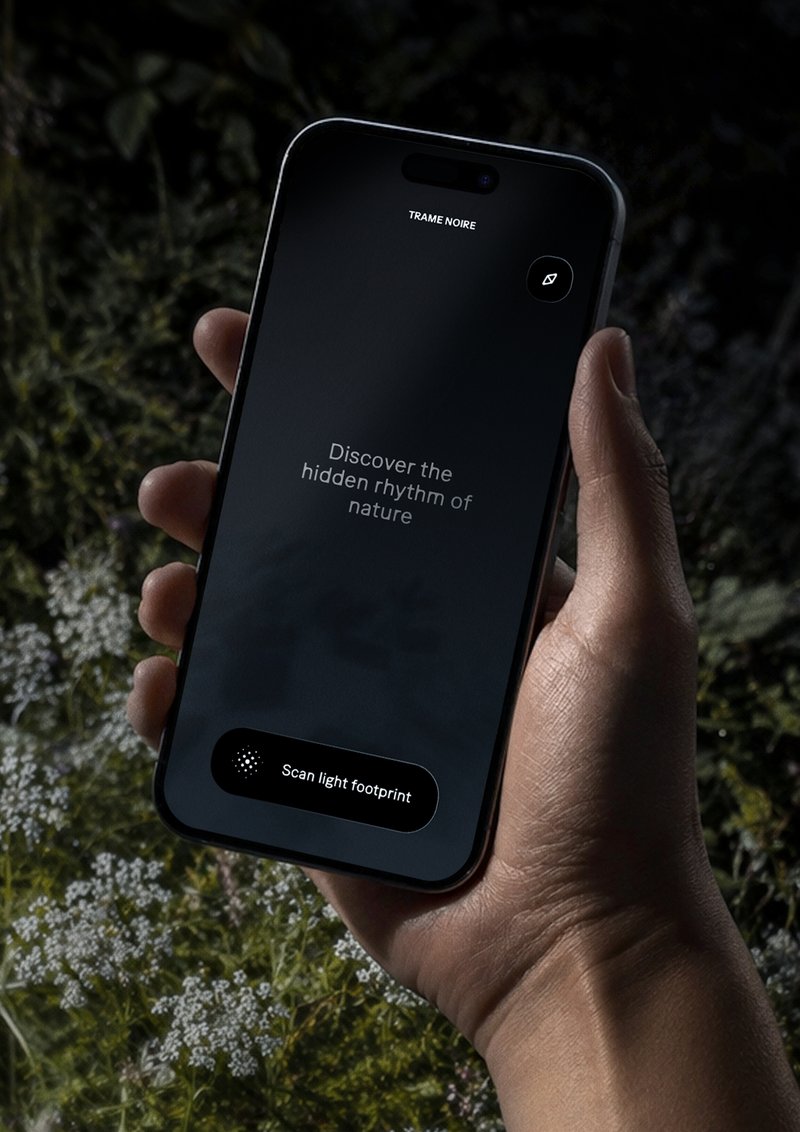
As cities light up, the night fades from our sight. Trame Noire is a night-exploration mobile app designed to raise public awareness about the impacts of light pollution on the wildlife and flora that come alive at dusk. Combining immersive experience and citizen science, the project offers a new way to observe and understand our coexistence with the living world. Guided by the seasons and natural cycles, the app invites users to explore the urban environment and capture, from one location to the next, the unique light footprint of each space. Through these explorations, Trame Noire maps a sensitive geography of the dark, bringing to light how artificial illumination alters the behavior of nocturnal life.

MICRO UI – 2026

MA DIGITAL EXPERIENCE DESIGN

MICRO UI – 2026

with Romain Collaud, Alain Bellet

Micro UI is the term project for the Interface Design introductory module in Term II. It invites students to explore how affordances and micro-animations shape the usability of digital interfaces, by analysing the principles that guide users’ behaviour even before they are aware of them. Based on a study of the visual and interactive cues that shape user expectations, the project encourages students to design subtle yet effective animations capable of improving feedback, engagement and accessibility. The challenge lies in striking a balance between aesthetics and function, so that movement and affordance work together to create fluid, responsive and meaningful interactions. The course also addresses, as a complementary topic, the issue of ‘dark patterns’ – those same principles misused for the purpose of manipulation rather than guidance.  

Teo Grajqevci – reform

BA MEDIA & INTERACTION DESIGN

Teo Grajqevci – reform

by Teo Grajqevci

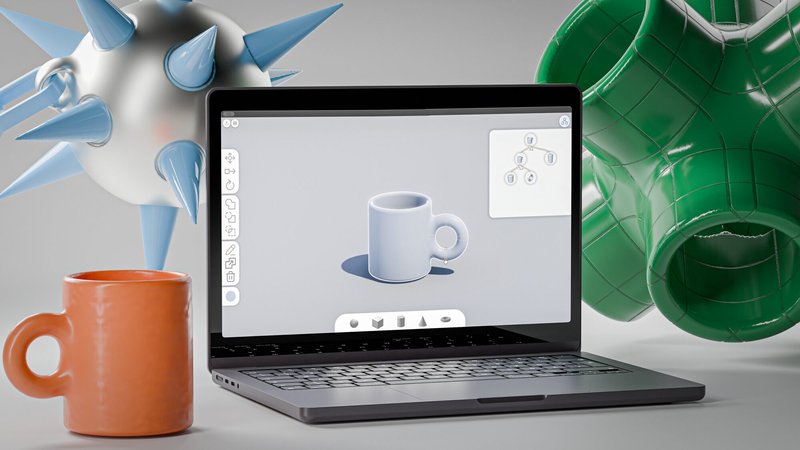
reform responds to a context in which designers are gradually losing control over their tools: creative software is becoming more automated, closed and dependent on cloud-based services. Today, generative AI can produce 3D models with ease, but often at the cost of control, understanding and ownership of the creative process. reform offers another approach: making 3D modelling easier to access, in a field that is usually complex and difficult to learn. The project takes the form of free and open-source software, built around a simplified interface, intuitive interactions and guides that support the learning of these tools. Through demonstrations and didactic exercises, reform restores the designers' motivation and means to model 3D shapes themselves.

Related courses