Summer University CUBA

Summer University CUBA

<meta charset="UTF-8">

After marking the history of the twentieth century with major episodes, Cuba must confront a new historical turning point. Obama's opening speeches and the death of Fidel Castro, leader of the Cuban Revolution of 1959, push the country towards a paradigm shift without priors. Partial liberalisation measures (restaurants, taxis and tourist activities) create an uncertain balance between mass tourism and Communist historical anchorage. 

The will of the workshop led by Milo Keller (head of photography) and Vincent Jacquier (Head of visual communication) was to rethink the visual relationship that the collective imaginary maintains with Cuba. It was for the students to get out of the tourist cliché, be it the old American car, the colorful colonial houses or the cigar.

In partnership with the Embassy of Switzerland in Cuba, this week has been punctuated by many cultural visits. Exchanges with institutions such as the Instituto Superio de Arte (ISA) and the Fototeca de Cuba, as well as meetings with photographers who have worked for decades in Cuba as Sven Creutzmann and Vives-Figueroa, allowed an understanding finer Cuban culture, with exchanges around photographic, educational and policy approaches. The architecture has been one of the major themes, whether through visits to buildings of Porro and Gottardi, or even a visit to the Swiss Ambassador's residence, designed by Richard Neutra.

With the help of the Embassy of Switzerland, the students were guided by four local photographers: Raul Canibano, Chino Arcos, Gabriel Guerra and Lissette Solórzano and they were able to get in places and invisible to tourists Havana networks.

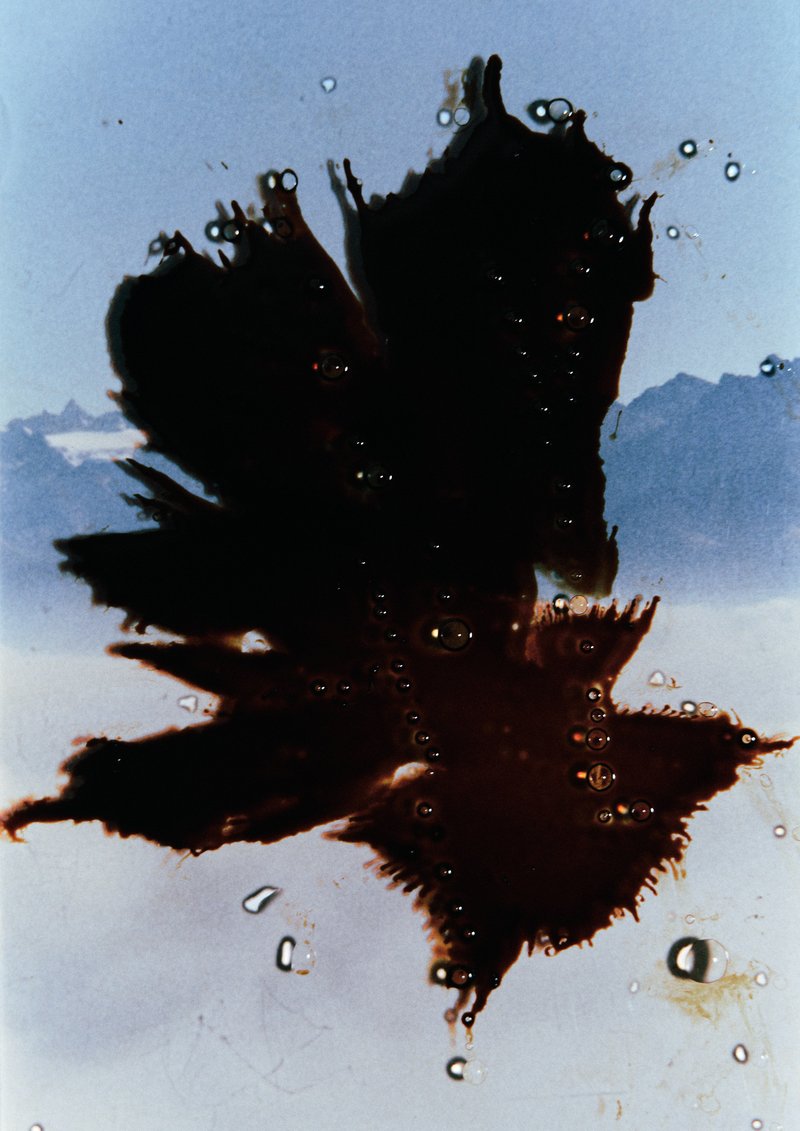
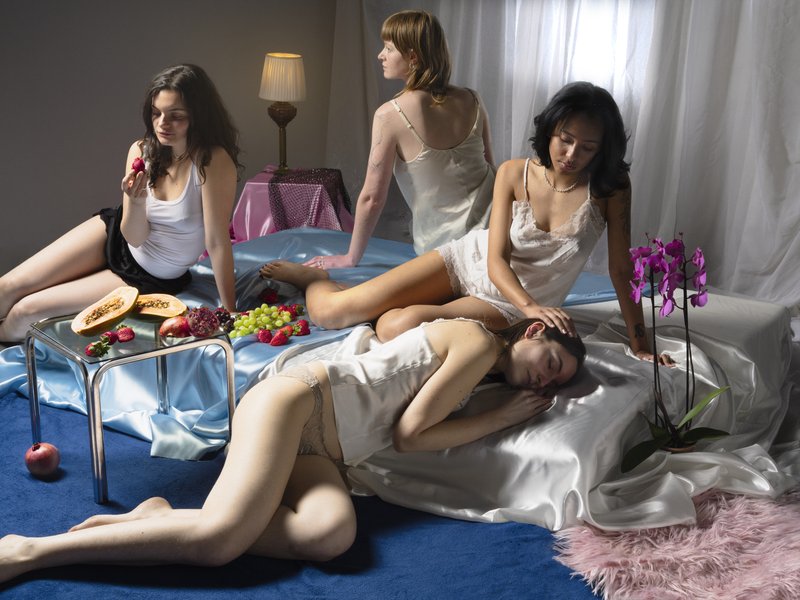
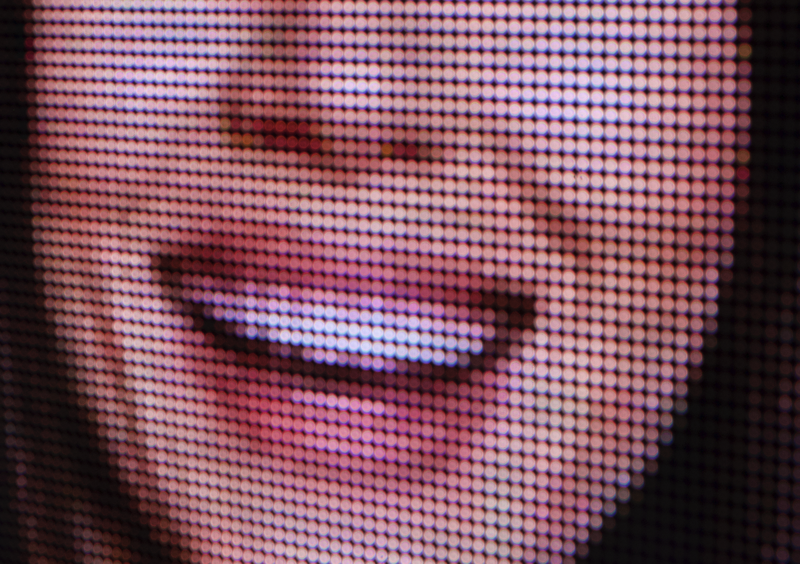
The projects are varied: technology report was addressed by Margaux Piette in a film about the hot spots Wifi scattered through the city. but also in the photos of Ivo Fovanna centered on the package, physical network for the exchange of files hacked; or in the film of Tatiana Mégevand on tourism activities Airbnb and economic change involved. The social characteristics of Cuba themselves in the series Olivia Schenker and Julien Deceroi. The first has made portraits of LGBTQ minority which enjoys a special acceptance on the island. The second makes us discover Santería, majority religion in Cuba of Christian inspiration and Voodoo. Imported cultural trends was put forward by the skaters in the movie of Pierre-Kastriot Jashari and more vernacular aspects are revealed in this series of Vincent Levrat pigeons collected on roofs by the inhabitants of Havana. The eighteen projects of this workshop were presented in the form of a projection at the Fototeca of Cuba on Vendredi8 December, in the presence of the Swiss ambassador, Mr Stutz and local photographers.

This workshop was an opportunity of discovery cultural and social, but also a framework that helped improve the autonomy and ambition projectual students.


Workshop (2017)

ECAL / Vincent Levrat

1/4

ECAL / Thaddé Comar
ECAL / Thaddé Comar
ECAL / Thaddé Comar

1/3

ECAL / Tatiana Mégevand
ECAL / Solène Gün
ECAL / Solène Gün
ECAL / Solène Gün

1/3

ECAL / Rémy Ugarte Vallejos

1/3

ECAL / Raphaele Rey
ECAL / Raphaele Rey
ECAL / Raphaele Rey

1/3

ECAL / Pierre Jashari-Kastriot
ECAL / Olivia Schenker

1/5

ECAL / Nora Smith
ECAL / Nora Smith
ECAL / Nora Smith
ECAL / Nora Smith

1/4

ECAL / Margaux Piette
ECAL / Myriame Bonaglia

1/2

ECAL / Margaux Corda
ECAL / Julien Deceroi

1/3

ECAL / Ivo Fovanna
ECAL / Ivo Fovanna
ECAL / Ivo Fovanna

1/3

ECAL / Isabelle Stauffer
ECAL / Emma Panchot
ECAL / Emma Panchot
ECAL / Emma Panchot
ECAL / Emma Panchot

1/4

ECAL / Carole Arbenz
ECAL / Anastasia Mityukova

1/3

Projets similaires

Création photographique– 2026

BA PHOTOGRAPHY

Création photographique– 2026

with Natacha Lesueur

Documentary, the power of make-believe Based on projects developed around a common theme, the students develop a personal, in-depth project around the theme of pretense. They build a project that plays with the limits of veracity in photography, using it as an artifice of deception. 

Création cinématographique– 2026

BA PHOTOGRAPHY

Création cinématographique– 2026

with Orsola Valenti

Off-camera By exploring what lies outside the frame, students develop a sensitive and reflective approach to audiovisual creation. Throughout the semester, students are encouraged to reflect on the political and formal issues surrounding the moving image, as well as the relationship between the visible and the invisible. 

Analog Medium format workshop – 2026

BA PHOTOGRAPHY

Analog Medium format workshop – 2026

with Anoush Abrar

Deconstructed Portrait The goal of this workshop, led by photographer Anoush Abrar, is to explore the meaning of the contemporary portrait.  Working with the concept of the “deconstructed portrait,” the students created an image in pairs.  The Digital Medium Format workshop week serves as an introduction to both photography equipment and specialized software.  

Staged Photography – 2026

BA PHOTOGRAPHY

Staged Photography – 2026

with Charlotte Krieger

Unseen This course introduces students to the creation of a seven-image series built around the theme Unseen. They will learn to combine set design, characters, and lighting to produce strong, coherent staged images. Through a practical and technical approach, the course develops their ability to conceive and manage a complete photographic project, direct models, work with natural and artificial light, and collaborate under conditions similar to professional editorial or commercial shoots. Students will refine their photographic vision while preparing for the creative and technical demands of the industry.

Workshop with Rineke Dijkstra

BA PHOTOGRAPHY

Workshop with Rineke Dijkstra

with Rineke Dijkstra

What is good portrait? What technique do you choose? What kind of light do you use? Daylight or flash? What location or backdrop do you choose for? How do you choose your subject? How do you approach someone you don’t know? In this workshop, the students have explored what makes a good portrait and which tools you can use to create one.

Related courses