FrameCraft

Sebastiano Gallizia – FrameCraft

Framecraft focuses on redesigning the production process of custom-made bikepacking frame bags. As a foundation for my research I have drawn upon my prior experience in a small business where I handcrafted bikepacking bags. These bags are directly strapped to the frame instead of using a traditional pannier rack but, due to the unique nature of each frame, bikepacking bag producers cannot achieve a proper fit.

To solve this, I suggest automating the manufacturing process and establishing a Micro-Factory that bridges the gap between custom craftsmanship and industrial efficiency. Every aspect of production, from pattern design to fabric cutting and graphic tracing, is fully automated. This approach addresses challenges in achieving a proper bag-to-bike fit, while promoting local production in Europe, and tackles concerns related to labour-intensive sewing.

Diploma project (2023) by Sebastiano Gallizia

Mention
Excellent
Micro-factory, sponsored by ERREX®
Automatized Pattern Creation

1/2

Sebastiano_FrameCraft_MADPDiploma2023_03.jpg
Bag-to-Bike Fit
DSC_0041.jpg
Custom designed fabric: HF weldable, ripstop, see-through
App.png
Front-End App
Custom text graphic details

1/2

Welded watertight construction

1/4

Projets similaires

ECAL AT THE FESTIVAL DES CABANES, VILLA MÉDICIS, ROME

MA PRODUCT DESIGN

ECAL AT THE FESTIVAL DES CABANES, VILLA MÉDICIS, ROME

with Camille Blin

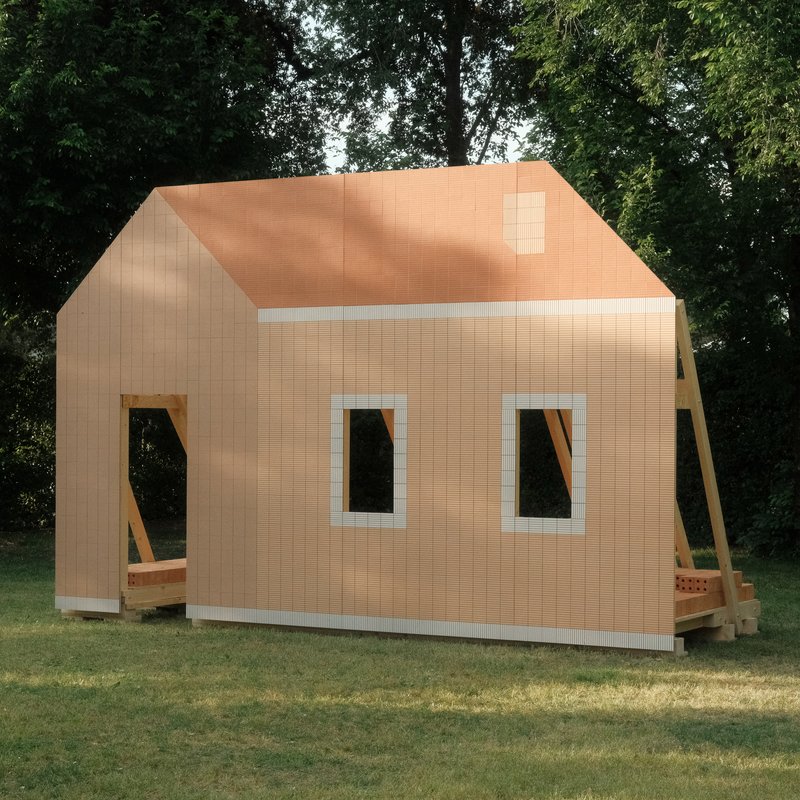
  For the 2026 Festival des Cabanes at the Villa Medici in Rome, students from the Master in Product Design were invited to develop a project related to the Villa's garden, in collaboration with the renowned Italian ceramics manufacturer Mutina. The Villa's gardens offer a rich historical and spatial context, conducive to exploring aesthetics, function, and interaction with visitors. Students had access to the entire Mutina catalogue (tiles, bricks, and other materials) to build their installations. The project was selected and mentored by the French designer Ronan Bouroullec, ECAL, Villa Medici and Mutina.  
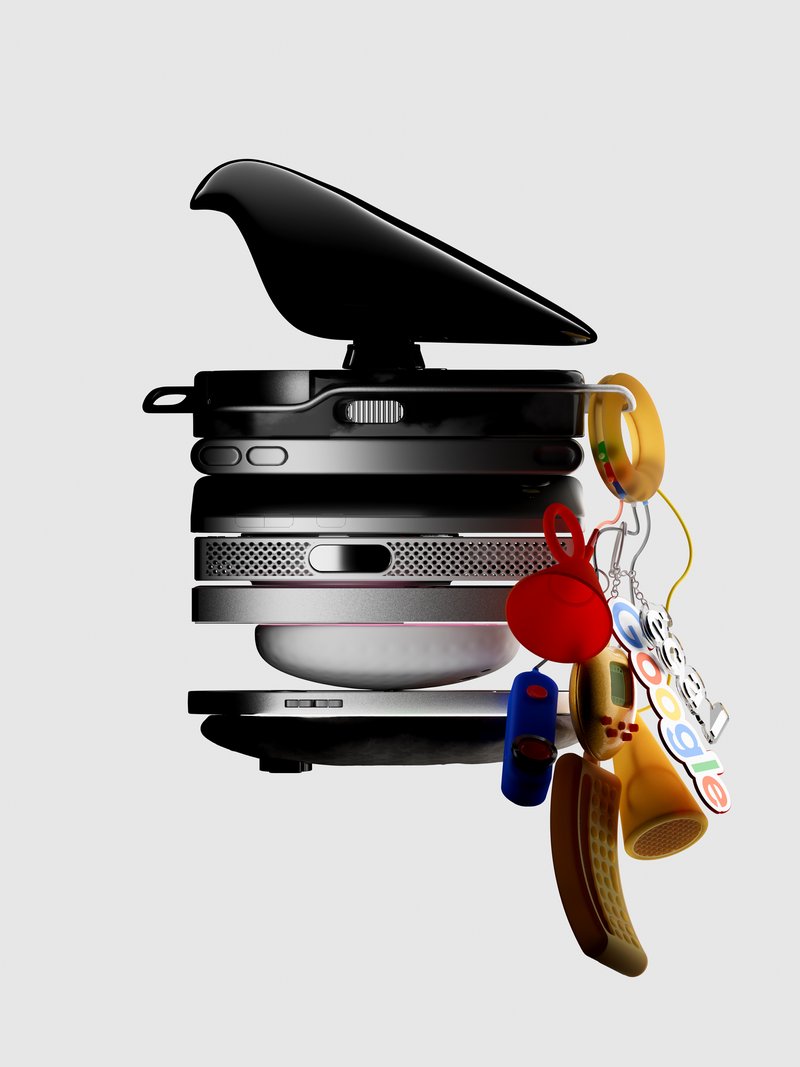
ECAL X GOOGLE - A Message From Tomorrow

MA PRODUCT DESIGN

ECAL X GOOGLE - A Message From Tomorrow

with Chris Kabel

The Industrial Design team at Google (Google ID) initiated a collaboration with ECAL/University of Art and Design Lausanne to develop a concept for a mobile-focused product inspired by a daily ritual. ECAL’s Master Product Design students were invited to envision innovative hardware engaging with contemporary habits. Through compelling storytelling, these conceptual projects consider the human dimension of mobile technology: how it shapes everyday gestures and how our relationships with devices might evolve in the future. This collaboration reflects ECAL’s forward-looking approach to design, combining experimentation, critical thinking, and a strong receptivity to emerging technologies.

Adam Friedrich – Airy

MA PRODUCT DESIGN

Adam Friedrich – Airy

by Adam Friedrich

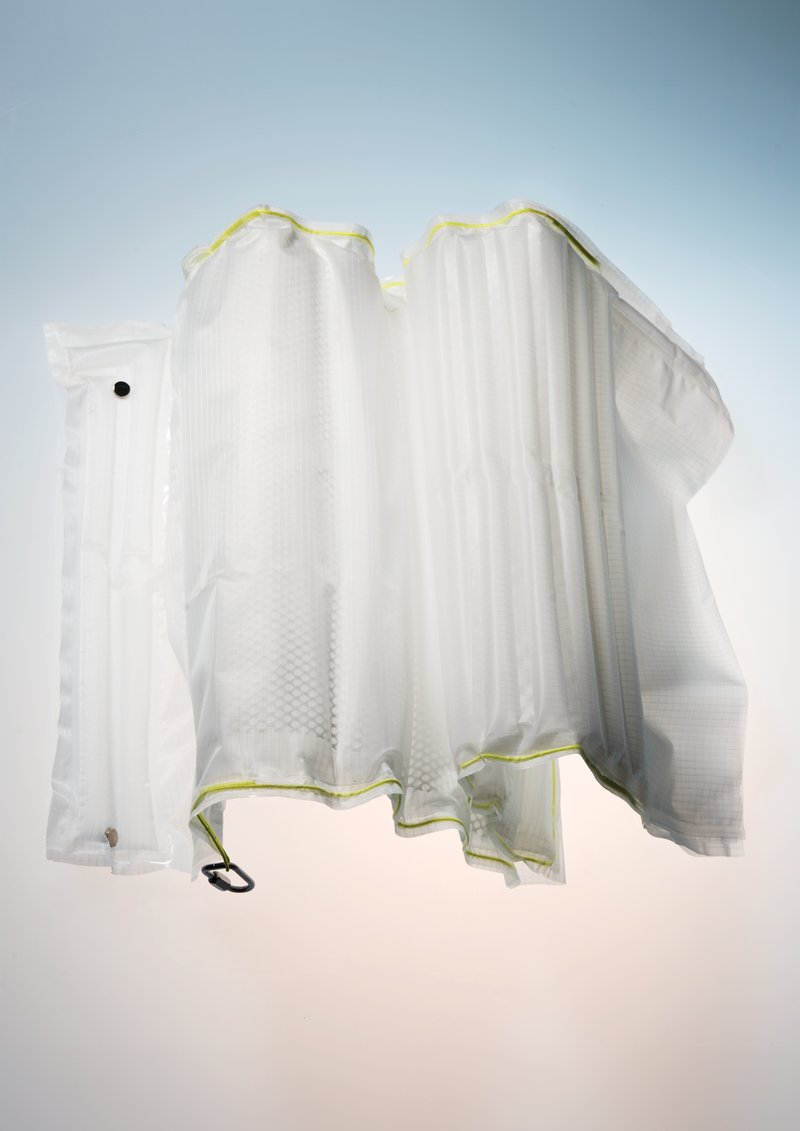
Airy is a research project that explores the use of air as a primary resource. It uses inflatable structures to protect valuable devices during travel. The design employs contemporary materials and pays particular attention to detail to offer relevant, everyday solutions for safeguarding increasingly fragile and valuable electronic devices.

Alicia Stricker – Stricker

MA PRODUCT DESIGN

Alicia Stricker – Stricker

by Alicia Stricker

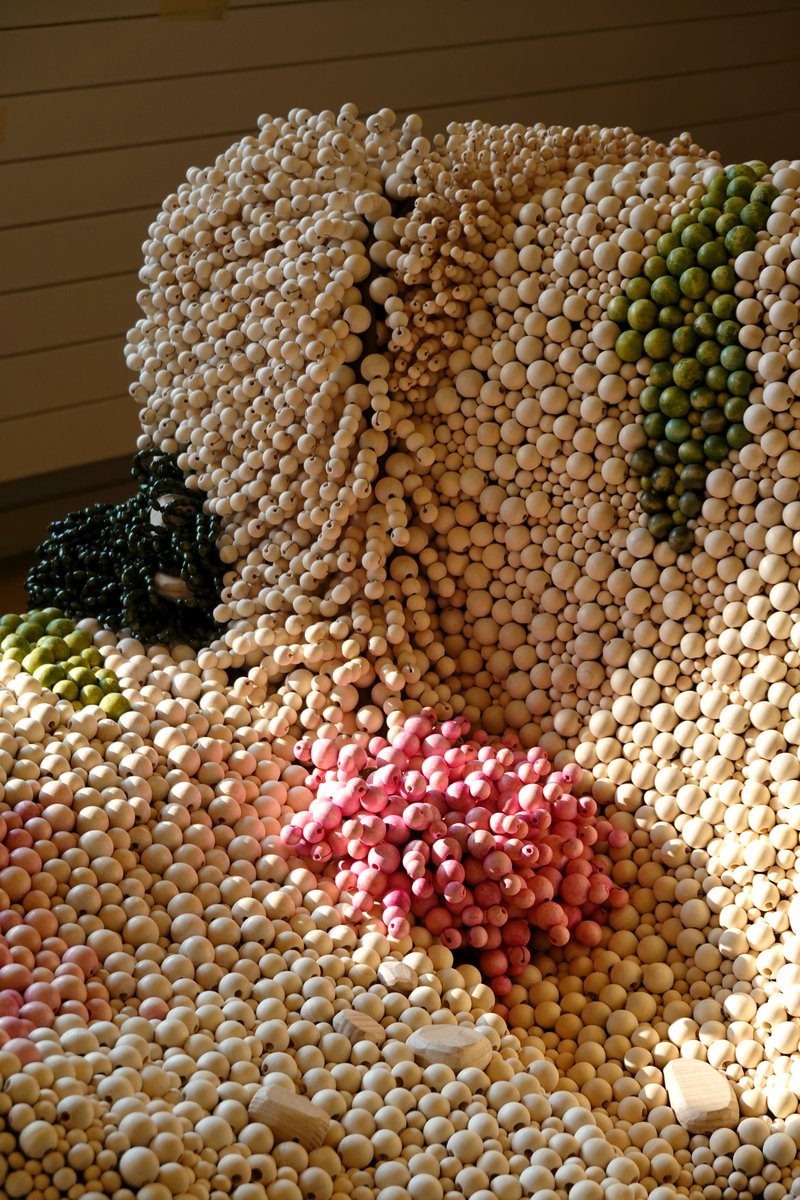
Folly approaches the craft of beaded embroidery from a product design perspective. It explores the value of tactility above the visual aspects that the technique is traditionally valued for. Consequently, the project manifested as something that is experienced by the body - a sofa. Scaling up the traditionally small beads and applying principles of beaded embroidery in the development of a textile sofa cover allowed for the sofa to transcend its classic typology, creating a three-dimensional surface with a biological sculptural presence - an object that breaks the mould of what we expect of something as familiar as a sofa and begs to be experienced through touch.

Brice Tempier – Péninsule

MA PRODUCT DESIGN

Brice Tempier – Péninsule

by Brice Tempier

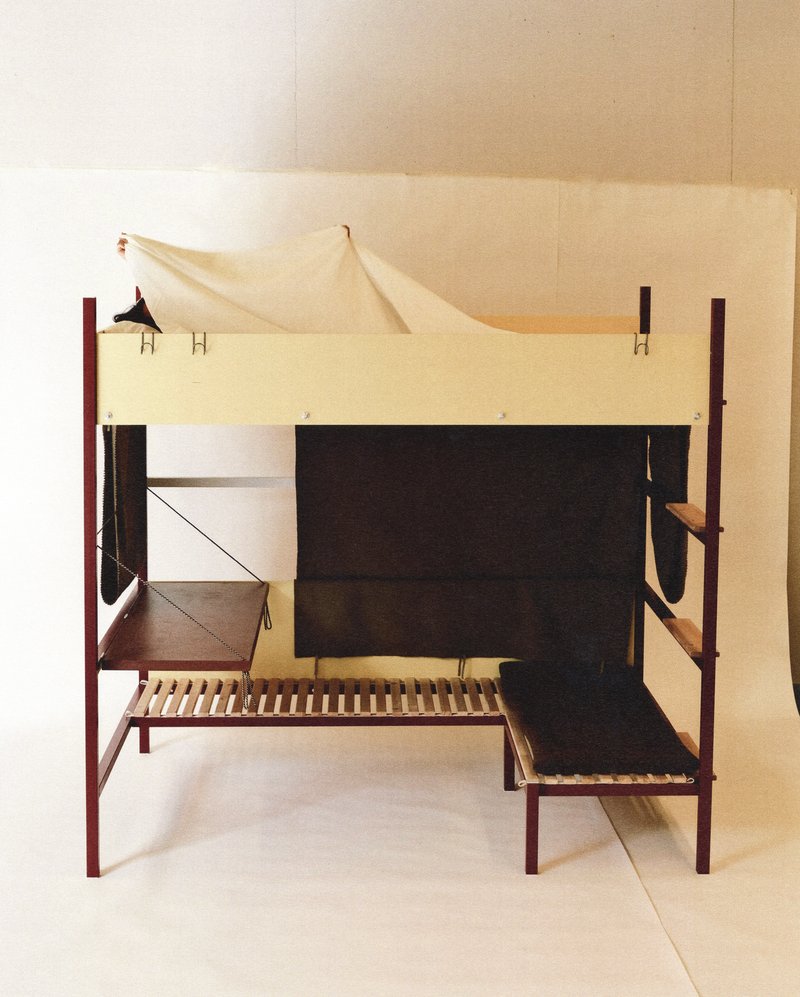
  In a context where domestic space is being reduced and reconfigured, living sometimes becomes a temporary act. Places are passed through rather than settled in, and the question is no longer so much one of layout as of presence. Inspired by the archetype of the mezzanine, Péninsule takes the form of a mobile structure the size of a bed. Set within a room, it acts as a habitable frame, delimited without being enclosed, introducing domestic depth where there was previously only an available surface. Conceived as a place of rest, retreat, and appropriation, it combines a bed, a daybed, and a folding desk, as well as mobile elements such as shelves, hooks, and curtains, modulating light, movement, and presence. Without offering formal modularity, the object provides an open support for everyday uses and movements. Péninsule is thus defined less by what it can be transformed into than by the way it is used.  

Related courses