FILM STUDIES
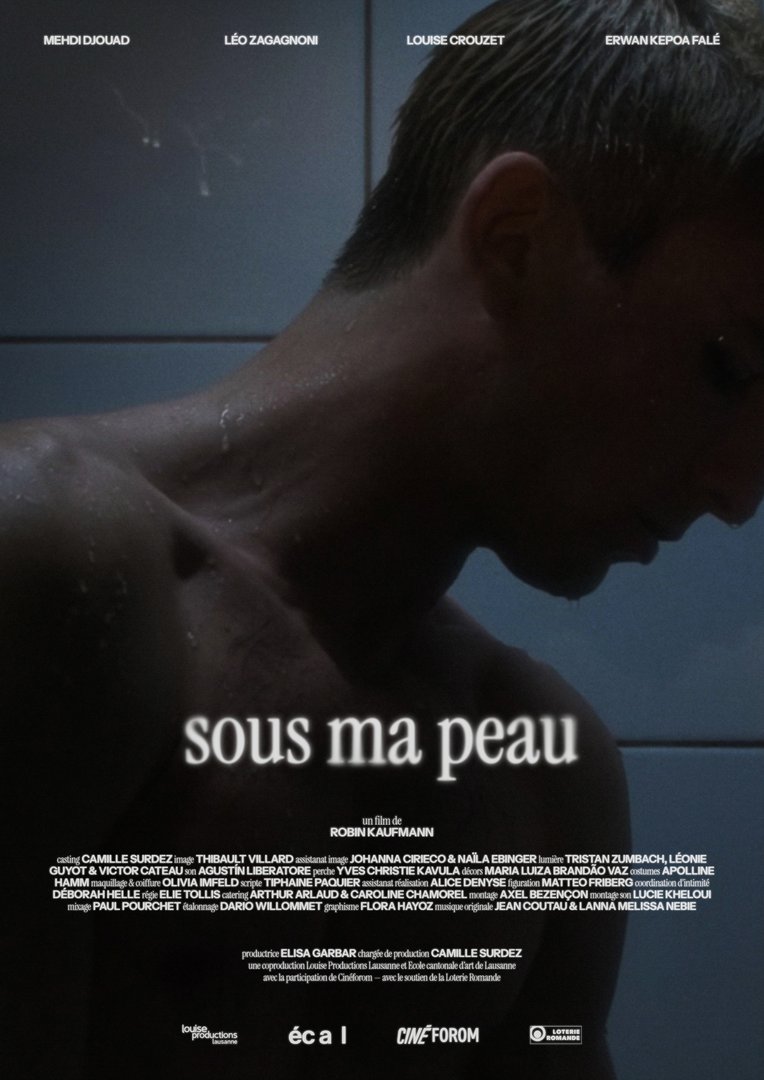
Robin Kaufmann – Sous ma peau
by Robin Kaufmann
The night Gabriel celebrates his abuser’s conviction, he is confronted with Lucien’s tenderness.
FILM STUDIES
by Robin Kaufmann
The night Gabriel celebrates his abuser’s conviction, he is confronted with Lucien’s tenderness.
Design Research for Digital Innovation (EPFL+ECAL Lab)
by Sofia Lelis
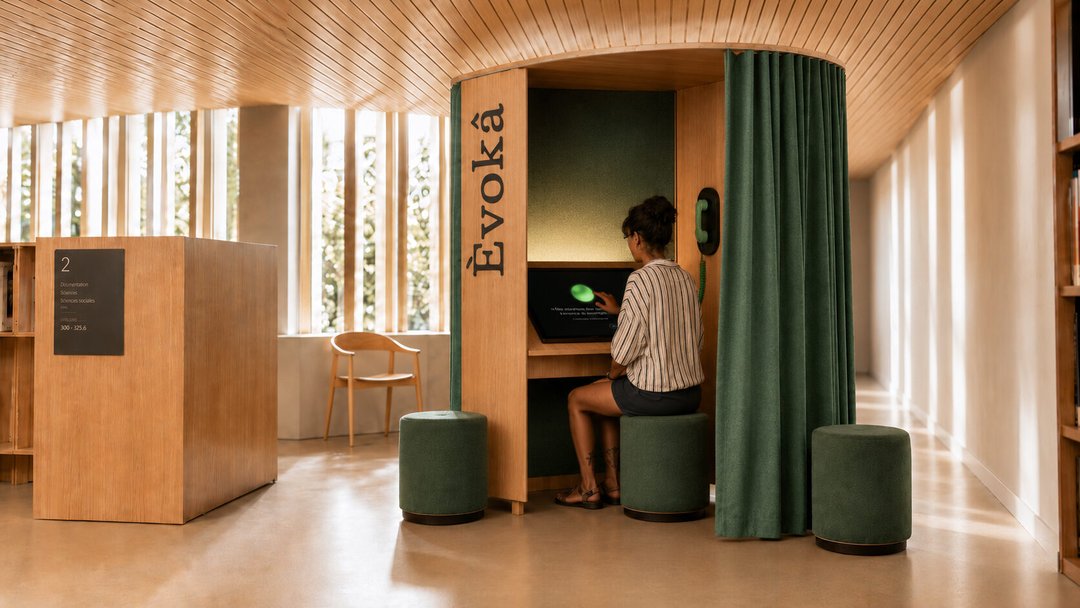
Èvokâ II is an interactive installation that invites visitors to the Cantonal and University Library of Fribourg to enter into dialogue with the archives. Through an AI-based conversational interface, a presence living within the collections gathers memories connected to the canton and, in return, reveals fragments, stories and traces of Fribourg's heritage. This design research project explores how digital archives can become more accessible and resonant, questioning what connects us to a collective identity: places, emotions, stories and lived memories. Developed with the Swiss Data Science Center and supported by the Swiss National Library, Èvokâ II transforms archival consultation into an intimate experience, between personal memory and shared history.
Design Research for Digital Innovation (EPFL+ECAL Lab)
by Côme Brocas
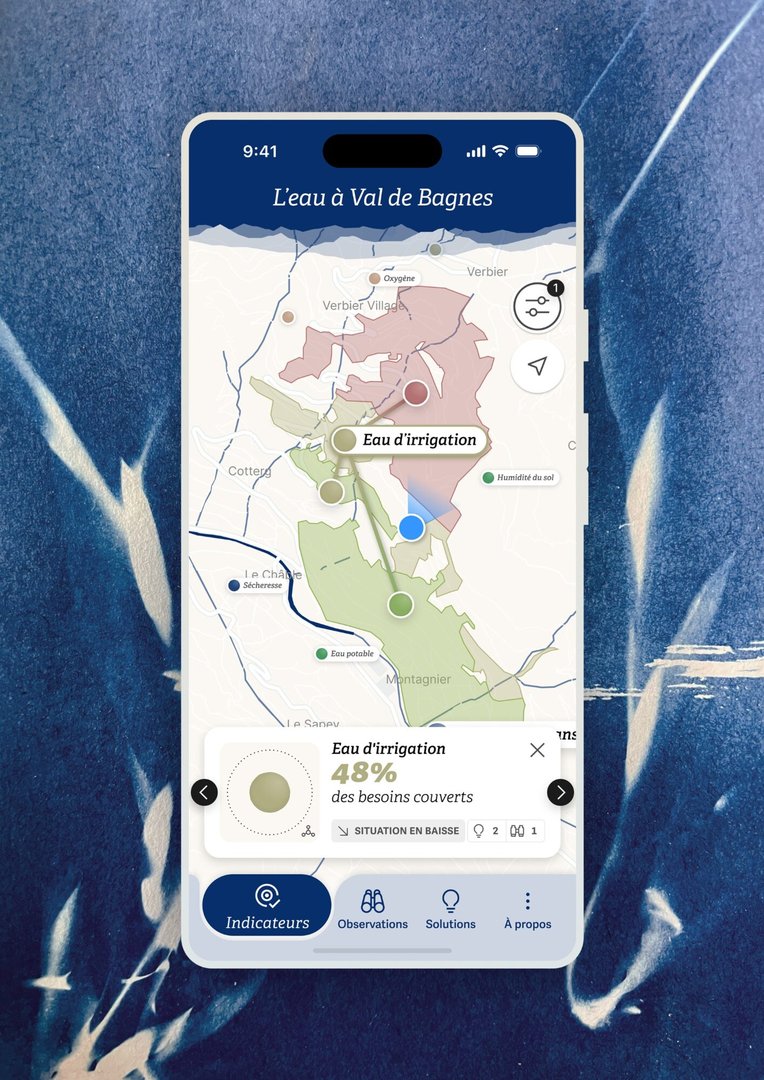
How can we facilitate dialogue, engagement, and decision-making in response to the challenges of water management and climate change in mountain regions? This replicable demonstrator from the European project MountResilience is the result of participatory and interdisciplinary research conducted in the heart of the Valais Alps. The web application brings together experts and the general public around three interconnected sections: relative indicators provide a shared overview of the situation in real time, participatory field observations foster engagement, and a catalog raises awareness of local solutions. The evaluative study of the tool identified several factors influencing engagement in the design of climate change adaptation solutions.
Design Research for Digital Innovation (EPFL+ECAL Lab)
by Zeynep Erol
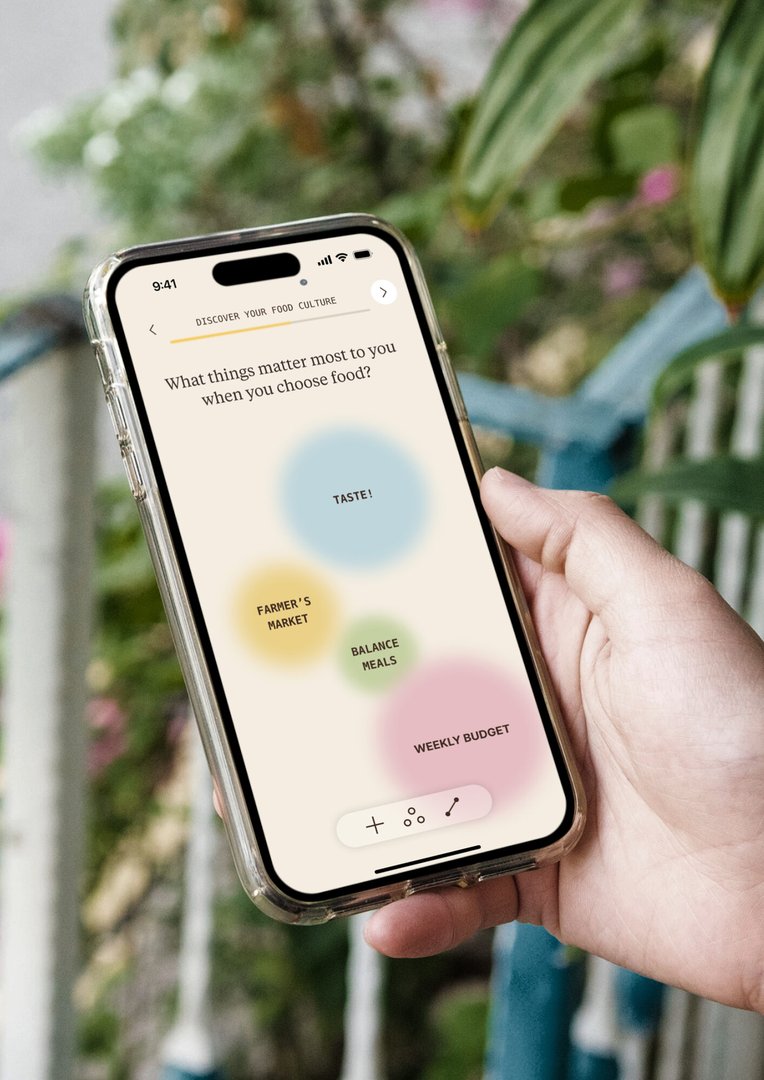
Sofra is a culturally adaptive conversational agent that supports dietary behaviour change by understanding how people relate to food. Developed within the EU SWITCH project, it builds a personal food culture from photos, mind maps, and voice notes that users provide to represent their everyday practices, motivations, and heritage. This profile shapes the agent's tone and suggestions, moving guidance from generic to grounded in each person's context. Developed through three user studies, the project shows how cultural resonance makes dietary support more relevant, respectful, and engaging. Combining interaction design and AI prompt engineering, Sofra challenges universal approaches to health technology and advocates for systems that adapt to, rather than flatten, cultural differences.
PHOTOGRAPHY
by Vittorio Franzolini
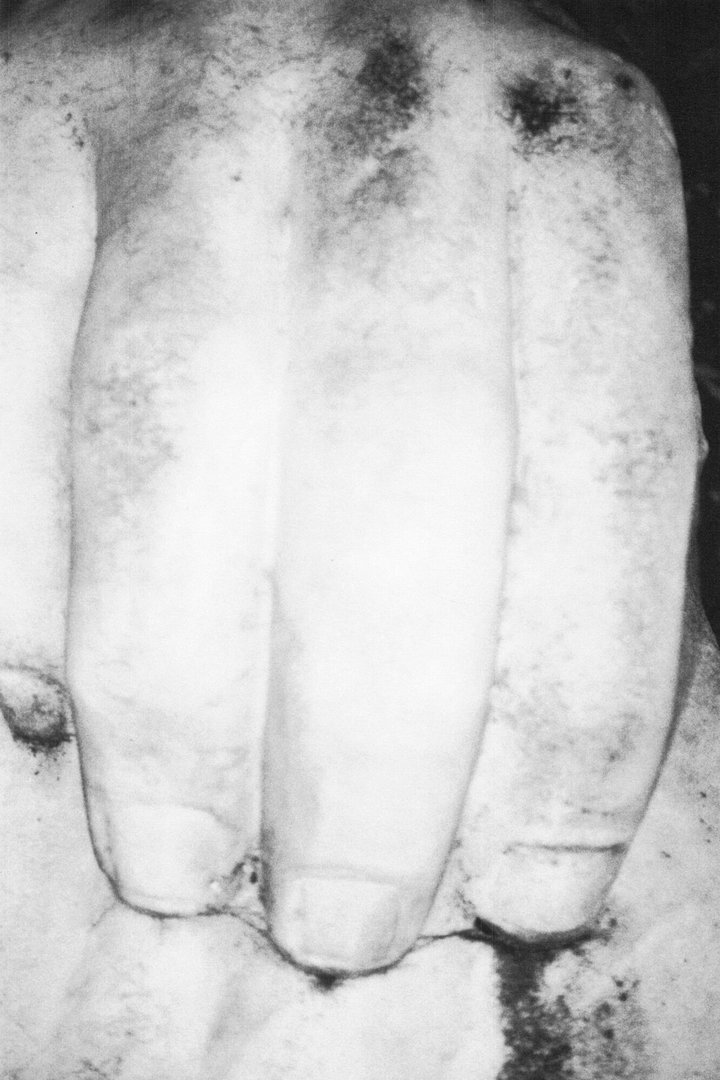
Still still investigates the legacy of Fascist-era architecture in Italy. Inspired by Futurist "parole in libertà", the title stems from the repetition of the same word, generating an ambiguity between stillness and movement. Produced between Milan and Rome using analogue photography, the project seeks to desacralize these buildings through close and displaced viewpoints, moving away from their monumental and celebratory representation. Walls and surfaces appear like skin marked by erosion, dust and traces of time, transforming symbols of power into fragile and vulnerable bodies. Still still reflects on the persistence of certain aesthetics of authority in the present and takes the form of a book and an installation printed in Comcolor.
PHOTOGRAPHY
by Lee Eggenschwiler
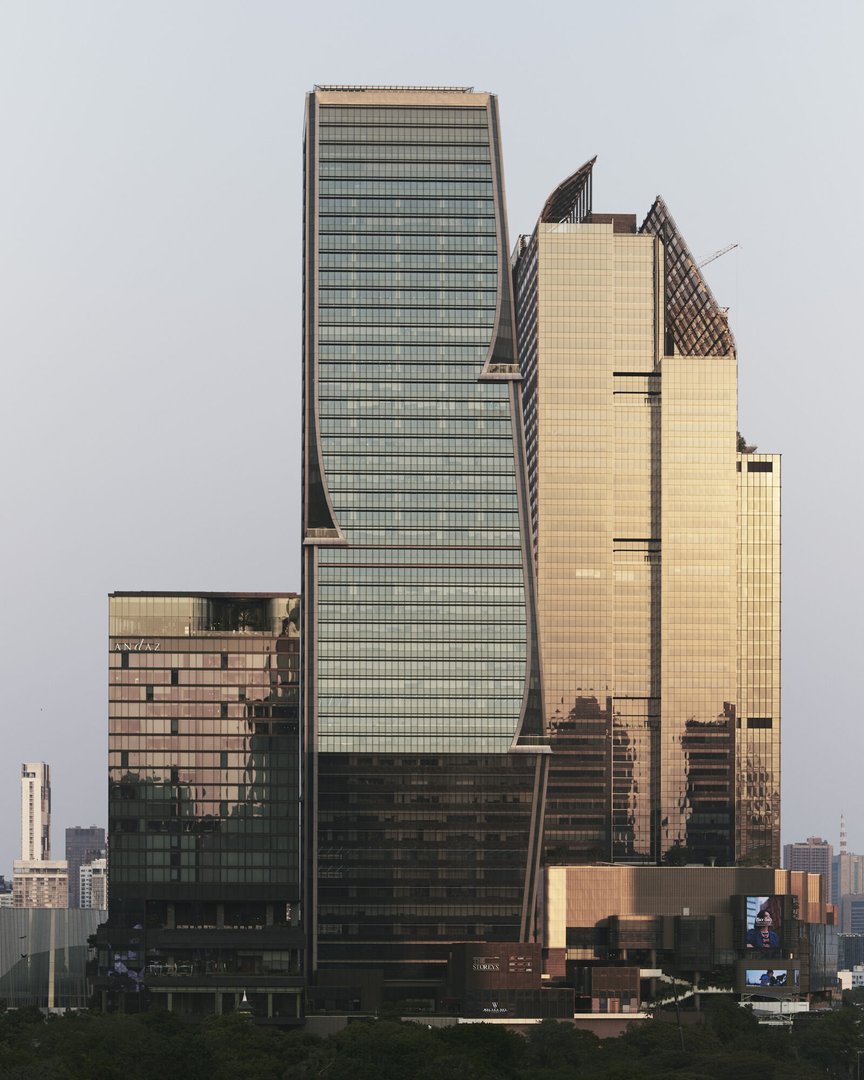
Standard Values explores the opaque economy of colored gemstones in Bangkok. Conceived as a visual investigation, this project focuses on the gray areas of this industry, capturing the precise moment when trust mechanisms and global flows transform a simple stone into a standardized ideal of luxury. The book confronts the raw materiality of the gems with the urban space, creating a dialogue between the facets of the crystals and the architecture of the skyscrapers to reveal their similarities and inclusions. Yet, the images also reveal a sense of solitude within an illusory opulence, moving between empty shops and anonymous bodies.

PHOTOGRAPHY
by Farah Mirzayeva
Inspired by a background in chemistry, ANOMALIES explores the boundary between scientific imagery and visual construction. After photographing machines which process or store data in EPFL laboratories, the images are modified by using scanning as a tool of transformation, to alter, glitch and deform. The process mimics the machines themselves: the codified images are systematically rescanned to gain new materiality, they become textured, unstable, and paradoxically analogue. The installation recreates the skeleton of a microscope seen in a laboratory, becoming a modular photographic sculpture of metal. A book completes this project: through sequencing, zooms and accumulation, it mirrors data processing in order to reveal the immateriality and abstraction of scientific research.
PHOTOGRAPHY
by Shiny Vallenas
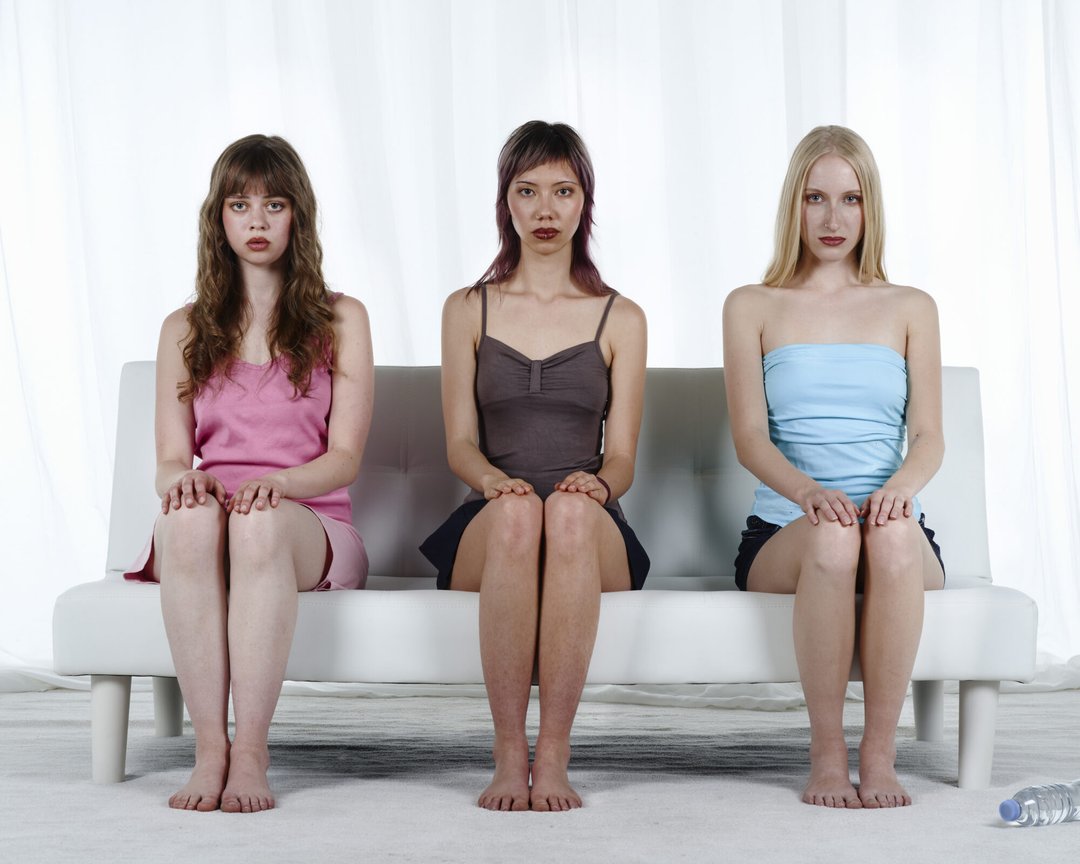
The codes of pornography have profoundly reshaped the representation of women within contemporary imagery. From the porno chic aesthetic of the 2000s to the clean girl aesthetic that dominates social media today, the same close-ups and fragmented bodies continue to circulate. Desire, being inherent to the image itself, now takes on disguised forms in response to censorship, transforming into viral trends. This project combines staged photography and AI-generated imagery to reconstruct visual dispositifs drawn from porn casting videos, OnlyFans, and the language of advertising. By tracing formal correspondences between the body, the animal, and processes of objectification, it seeks to make visible what a continuous flow of images has taught us to stop seeing.
PHOTOGRAPHY
by Léa Isoard
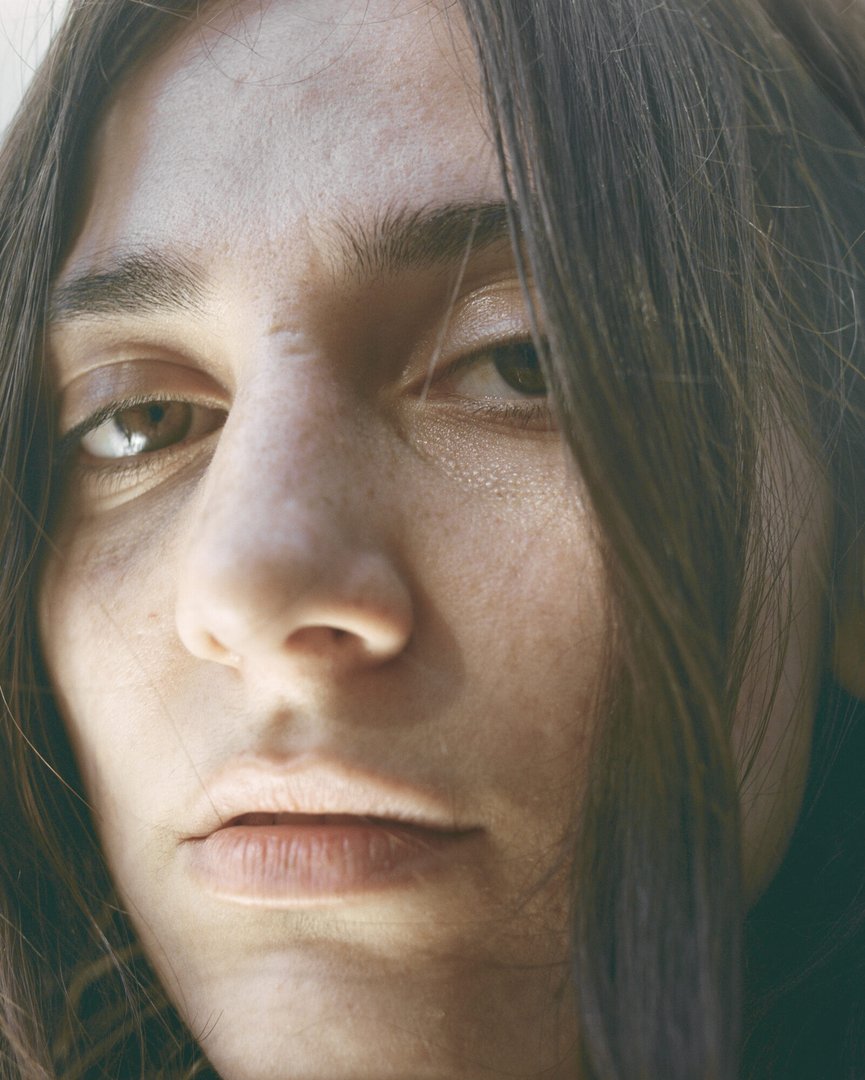
Almost Marble examines the circulation of contemporary female bodies within a visual and cultural landscape shaped by inherited representations. Using the Caryatids of the Acropolis as a reference, the project explores the persistence of ideals constructed through a masculine gaze, as well as the possibilities for their displacement. Within the Athenian labyrinth, portraits and architectural fragments come together to form a sensitive reading of a stratified city. The photographed figures can be understood as "displaced Caryatids": no longer bodies assigned to support a monument, but living presences that inhabit the city and constitute it from within.
PHOTOGRAPHY
by Salomé Billato
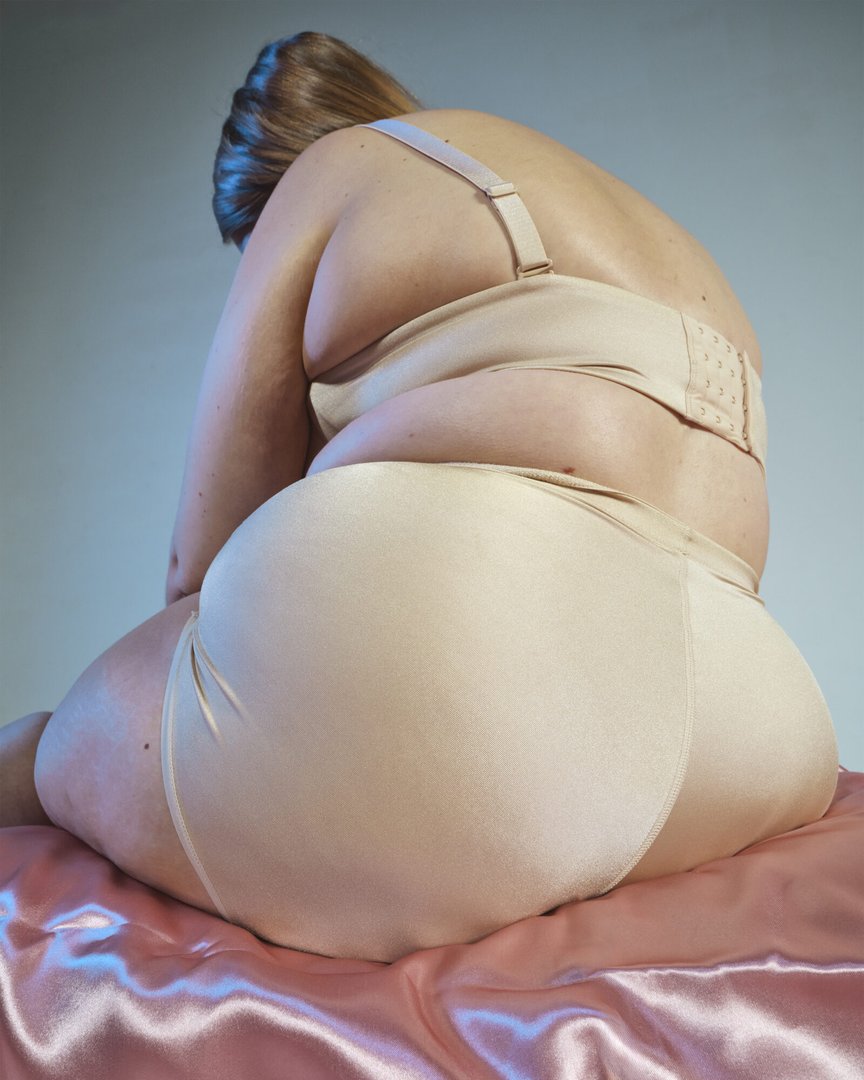
Grosse is a photographic book that combines self-portraits, documentary images, and fictional images exploring the contemporary body. By reclaiming the word "grosse", a term marked by shame and stigma, this project questions beauty standards and their hold over our relationship to the body. It draws on the artist's personal experience with Wegovy, a weight-loss treatment that intensified constant monitoring of her body. Grosse explores a central contradiction: the criticism of these norms while participating in them. The book questions how far we are willing to reshape our bodies in order to conform to socially constructed ideals.
PHOTOGRAPHY
by Rose Graf
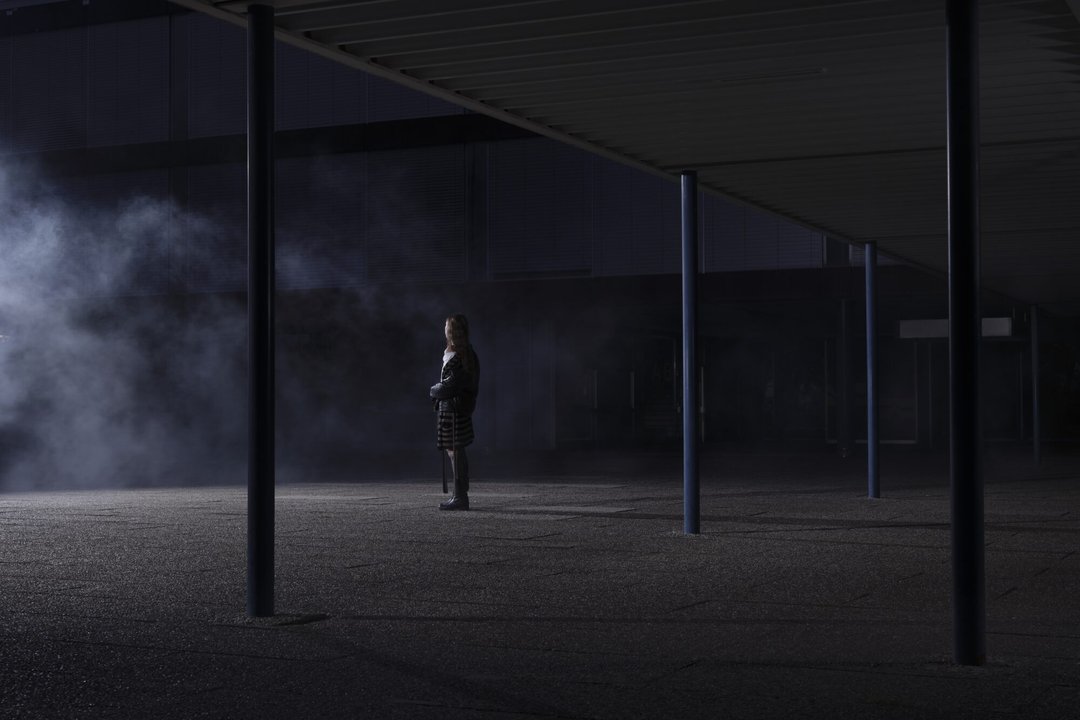
There are moments no one sees. Not because they don't exist, but because no one ever really looks. EVERYTHING FALLS QUIET grew from an intimate memory, one of school bullying. Familiar places swallowed by an unnatural darkness, bodies sharing space without ever truly meeting, a tension that lingers without breaking. Between recollection and fiction, between the real and the dreamlike. A way of taking back what was once taken. Of holding still these invisible moments, and finally giving them a face.

PHOTOGRAPHY
by Aline Savioz
Born out of a period of introspection, I feel slightly off transforms invisible emotions such as anxiety and a loss of meaning into carefully constructed scenes. Through portraits, group scenes, and still lifes, familiar situations subtly shift toward the uncanny. Inspired by the concepts of the uncanny (Sigmund Freud) and the uncanny valley (Masahiro Mori), the images play on subtle shifts that create a tension between the everyday and the unsettling. Bringing together nine large-format photographs and an image printed on a floor mat, the installation offers a reflection on the relationship to control, anxiety, and the perception of reality, while seeking to make visible intimate experiences that are often shared but rarely expressed.
PHOTOGRAPHY
by Ashley Schneiter
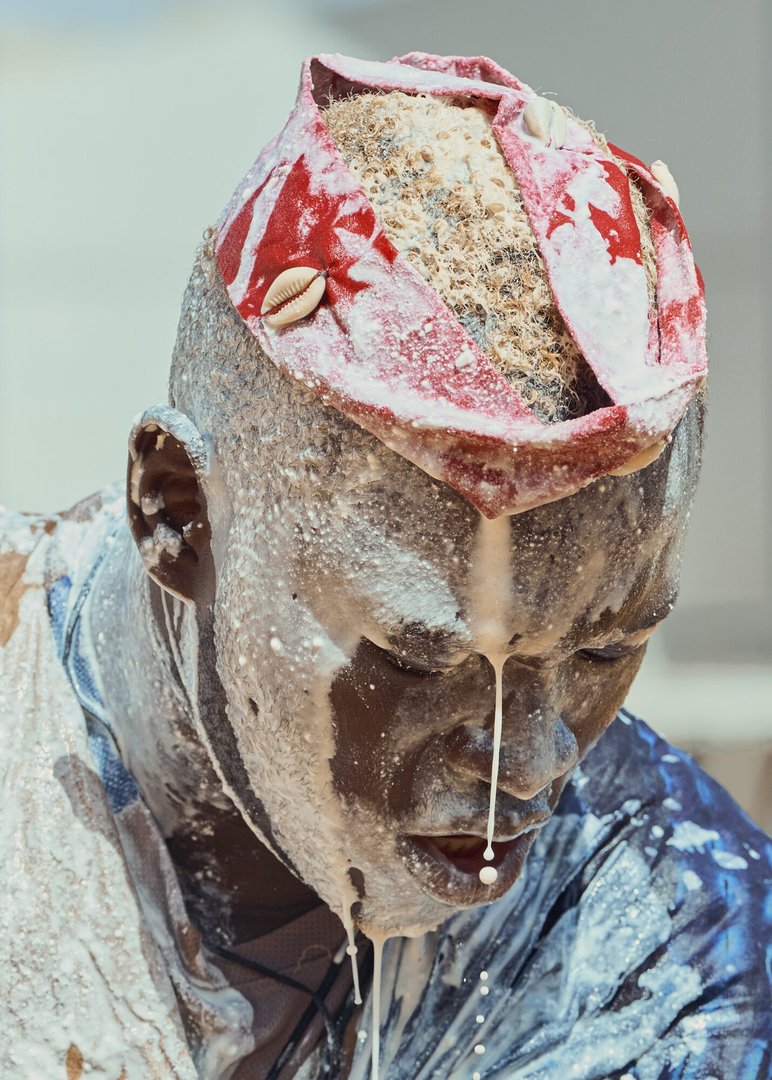
AMUL RAGAL is a documentary photographic project dedicated to lamb, a practice deeply rooted in Senegal's cultural, social, and spiritual traditions. Through this work, the artist questions the photographic representation of the Black male body and the imaginaries associated with it. Senegalese wrestling offers a field where rituals, beliefs, and contemporary culture intersect. As a woman working in an almost exclusively male environment, the artist developed a gaze sensitive to the gestures, nuances, moments of waiting, and vulnerability that escape the spectacle. The use of a shallow depth of field turns blur into a narrative tool, conveying the uncertain boundary between reality, belief, and representation.
PHOTOGRAPHY
by Antoine Genoud
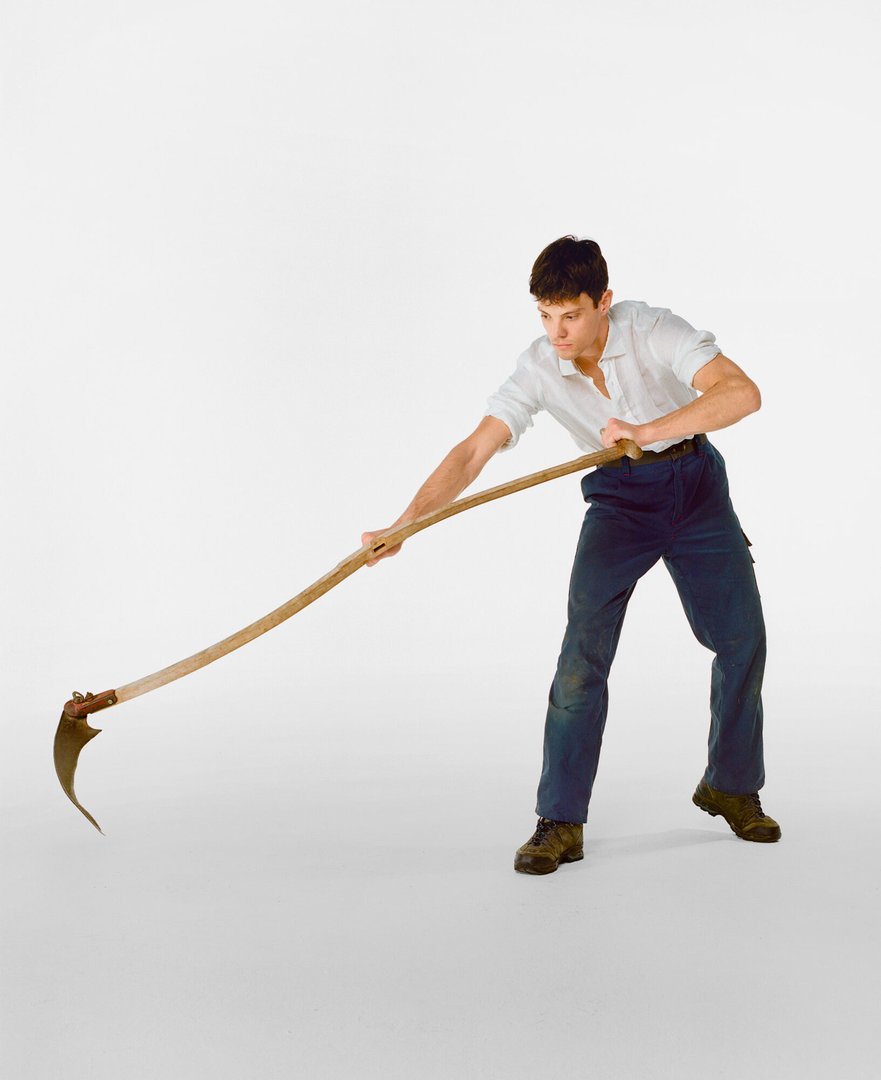
Galé j'armayi explores how the figure of the peasant is represented in Switzerland, where it is deeply intertwined with national identity. More broadly, the project invites viewers to question their relationship to an idealized and exploited past, as well as to the traditions to which they are attached, in order to reclaim them. Visually, this takes the form of a video piece and a series of self-portraits where pose, clothing, and objects combine to recreate traditional peasant imagery while introducing a certain dissonance in order to challenge it. Furthermore, the roles of men and women are played by the artist himself, questioning certain notions of gender and traditional, conservative values.

PHOTOGRAPHY
by Auriane Nicollier
Everything Will Remain Except the House is a documentary project following the residents of a squatted building over the course of nearly a year. After their eviction, some found new places to live, while others were left homeless. The project explores how intimacy is shaped within temporary, collective, and precarious living spaces. Each occupied place must be adapted, shared, and reinvented. Through this instability, a sense of home is defined more by the relationships it fosters than by the space it occupies. Presented as a publication bringing together photographs and testimonies, Everything Will Remain Except the House preserves the memory of a place that has disappeared while offering a reflection on housing precarity, collective living, and mutual aid.
PHOTOGRAPHY
by Colas Ravey
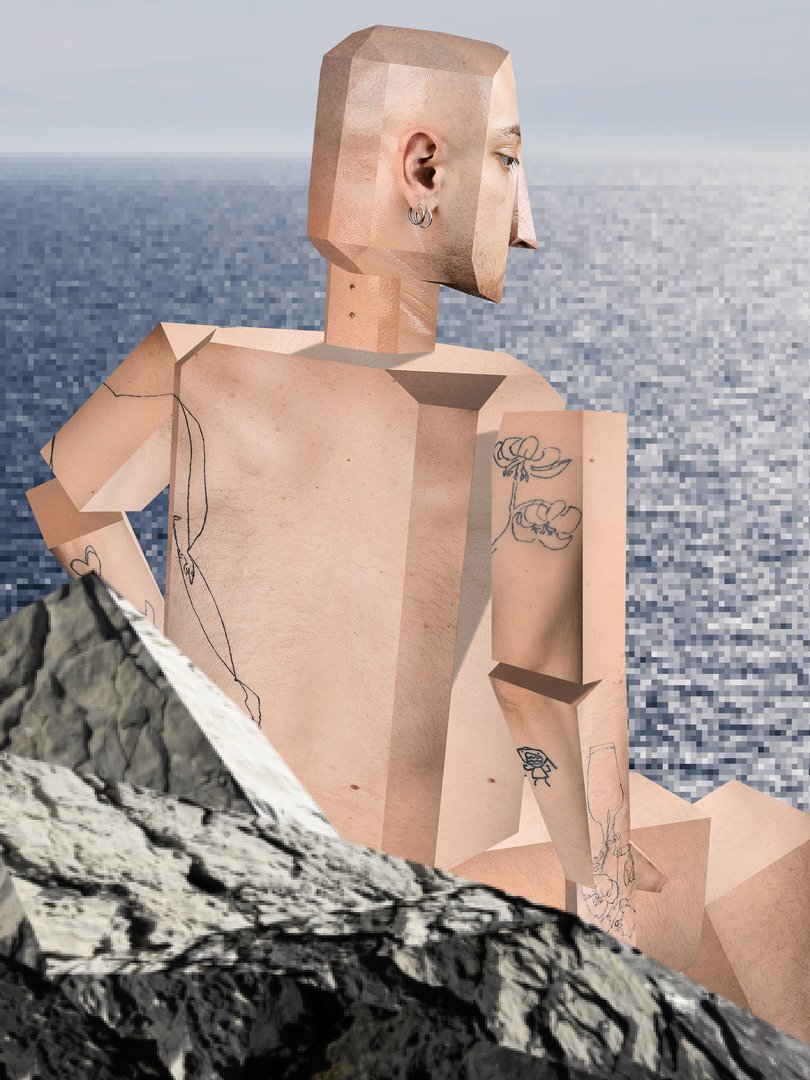
The beach, in video games as in real life, is a place dear to the artist. It is a space where people, sensations, and moments of life intertwine. A place where people's identities and sexuality are at the mercy of the sun and the heat. Un goût salé m'est resté en bouche is a reminiscence of childhood, a time when video games were pixelated worlds where anything seemed possible, free from questions about self-image and love. Drawing inspiration from low-poly aesthetics, the project evokes a suspended moment where voyeurism, sunbathing, and flirting coexist. A moment where the artist becomes the avatar of a multi-purpose game, navigating between desire and freedom, intimate and public, in a quest for something that might be love.
FILM STUDIES
by Mathys Nouspikel
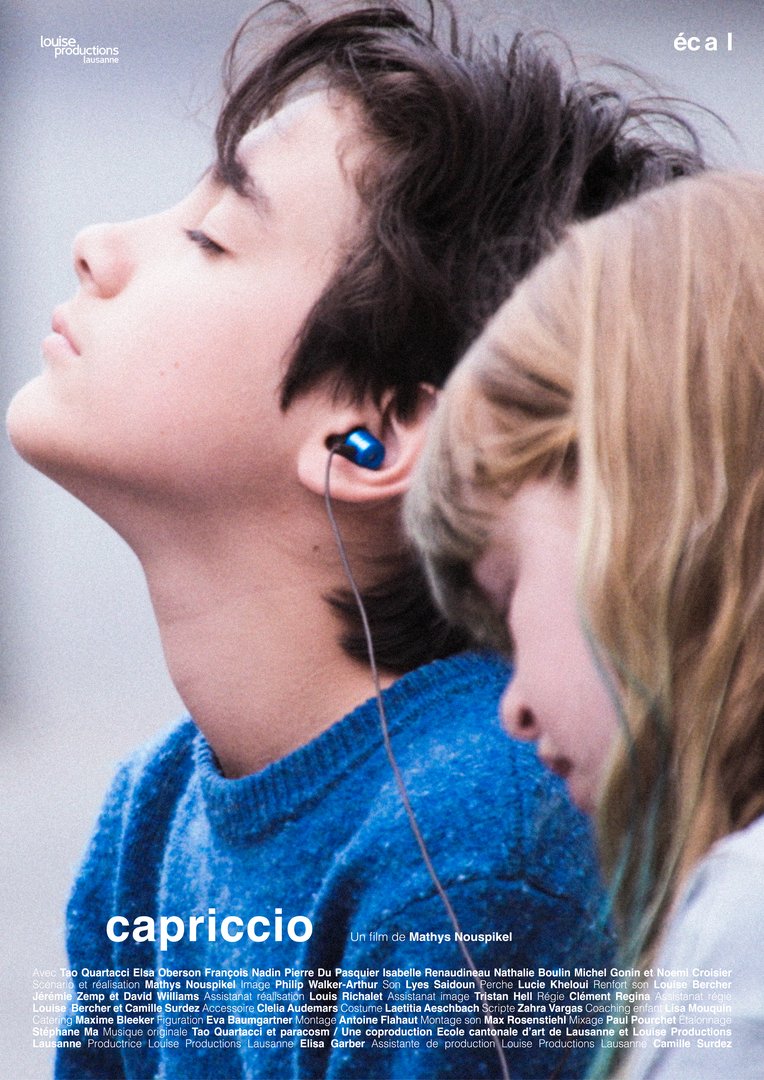
Arsène runs away before playing for his dying grandfather, but an unexpected encounter helps him find the courage to return.
FILM STUDIES
by Maéna Hirt
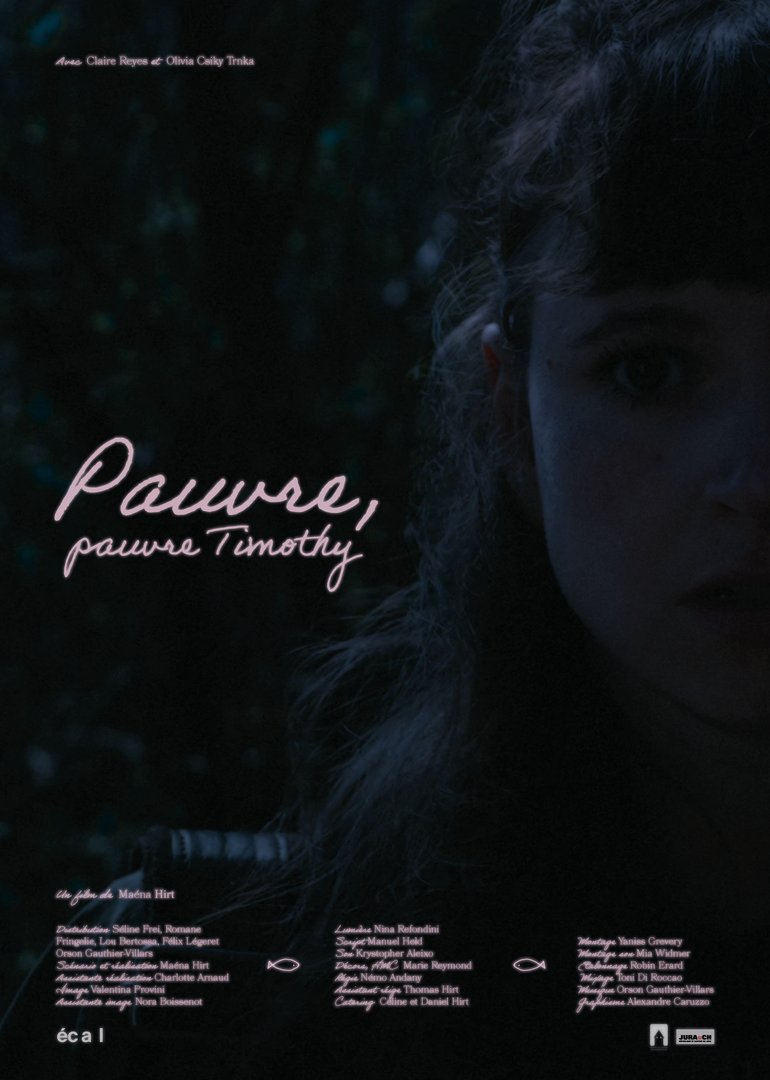
Timothy disappears. Then Astride's friends vanish, and soon the entire town seems to fade away without explanation.
FILM STUDIES
by Nafi Touré
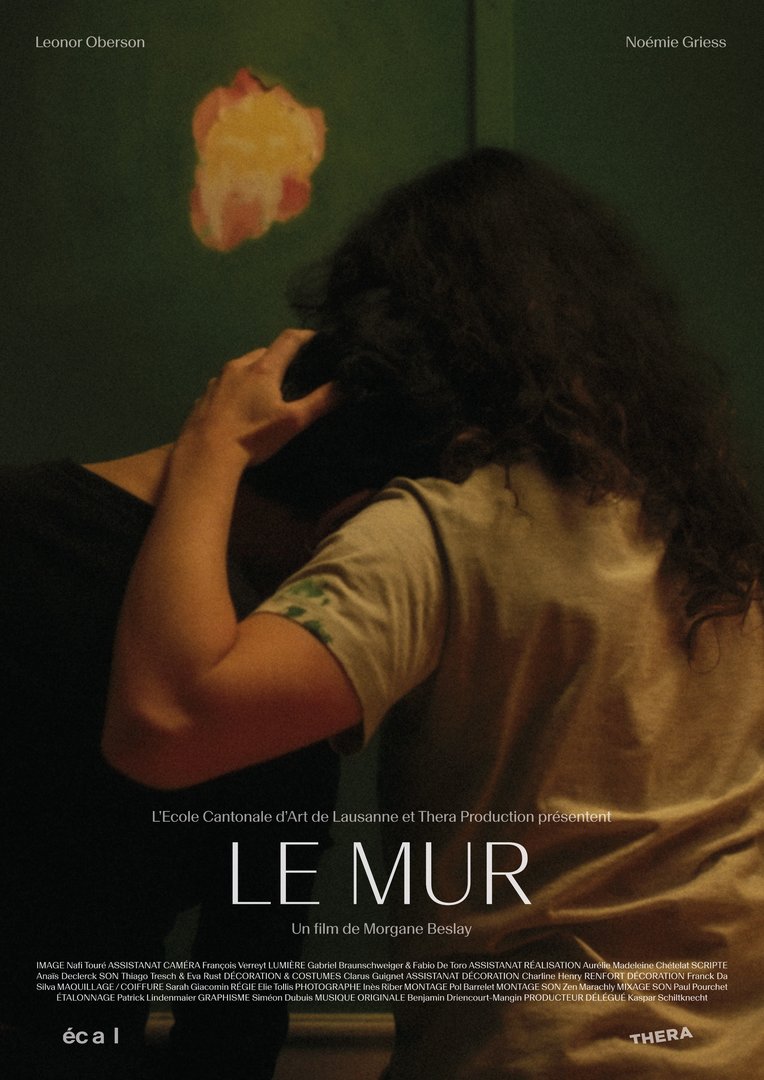
Following their difficult separation, Eliane and Laure have to repaint a wall of the house they are leaving, a wall as full of their own history as that of others before them.
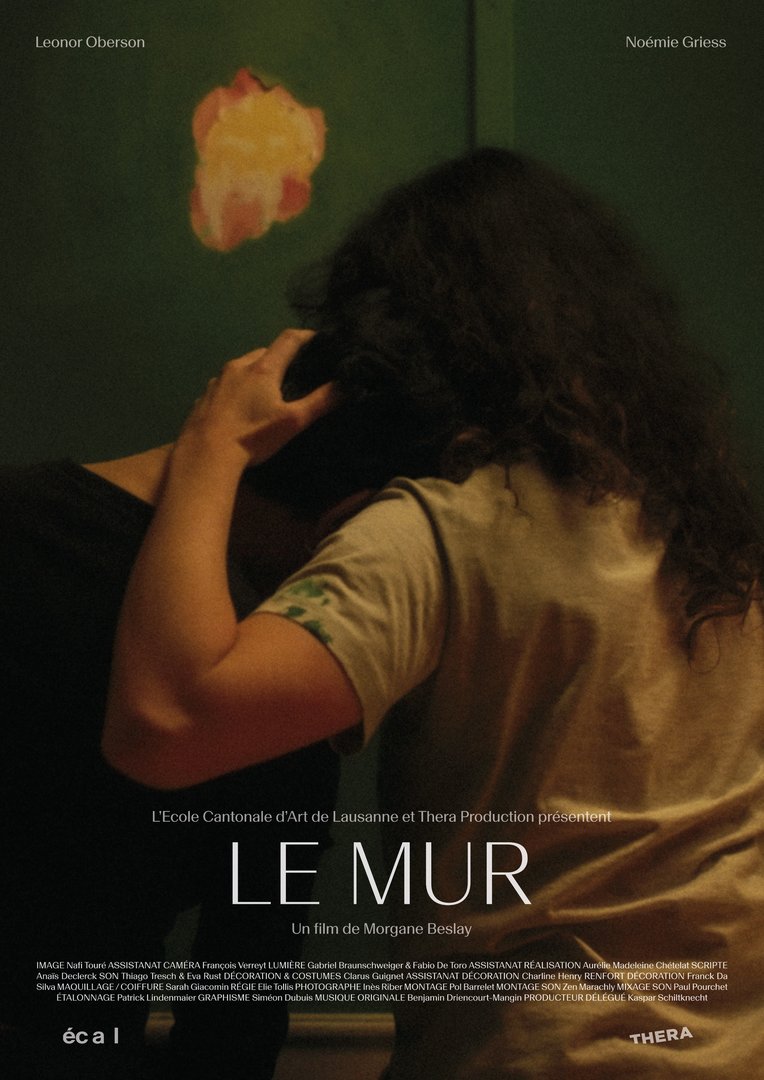
FILM STUDIES
by Morgane Beslay
Following their difficult separation, Eliane and Laure have to repaint a wall of the house they are leaving, a wall as full of their own history as that of others before them.
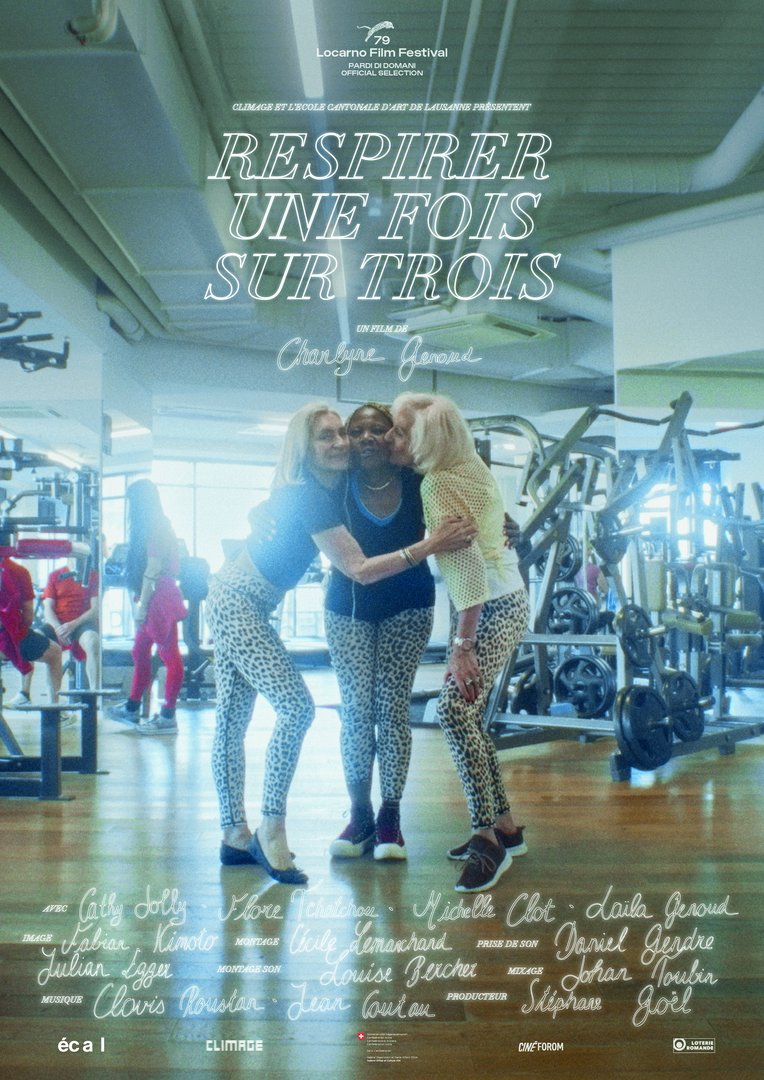
FILM STUDIES
by Charlyne Genoud
In group strength-training classes, people breathe in unison every day. Charlyne lifts weights alongside three retired women who love to sing. What if a cheerful gym could be the place to break our family curses?
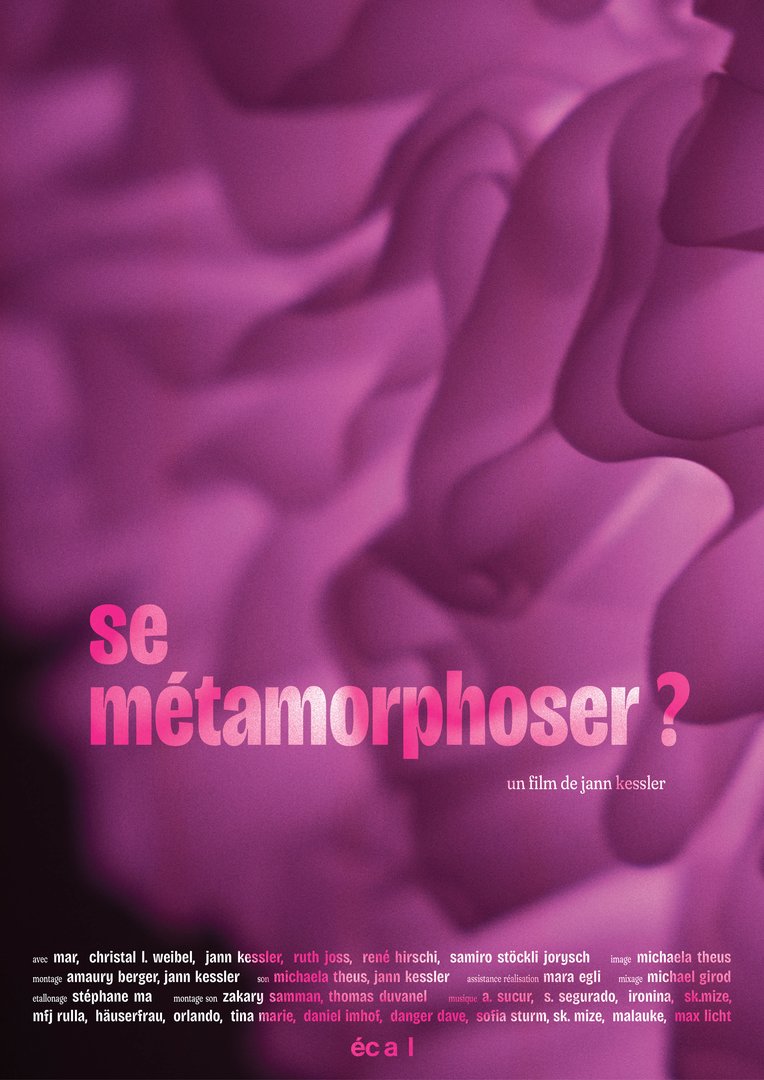
FILM STUDIES
by Jann Kessler
How do I build healthy, equal relationships? An intimate cinematic-therapeutic journey of discovery.
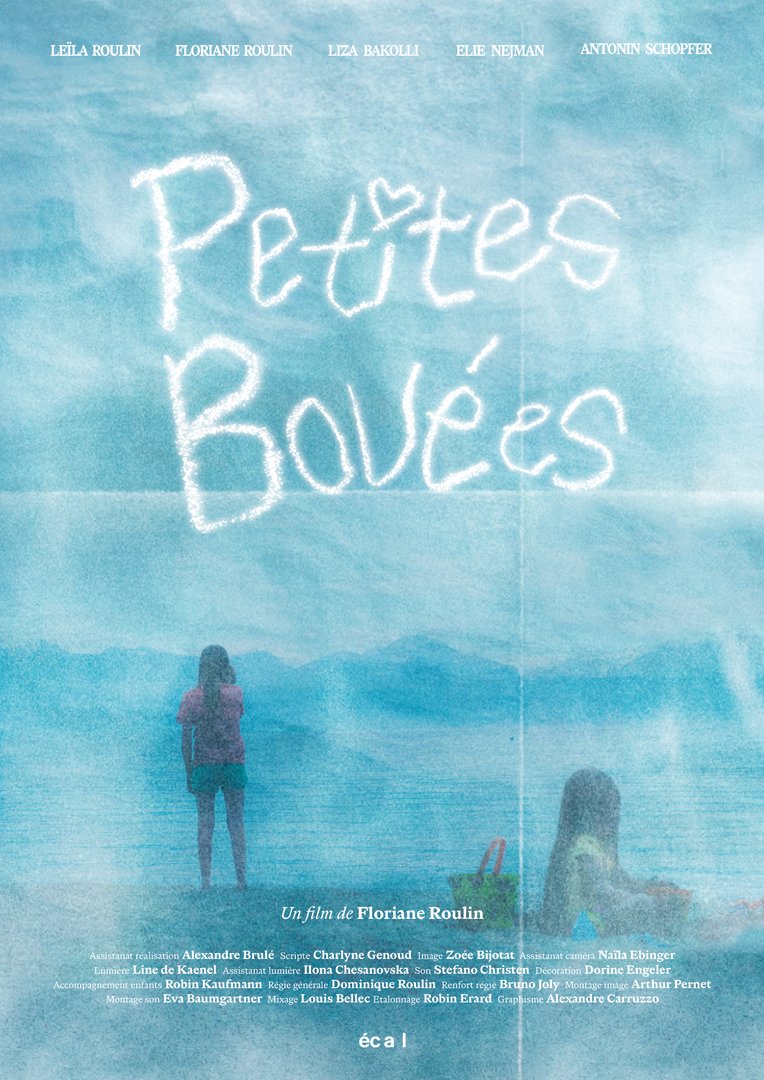
FILM STUDIES
by Floriane Roulin
During their father’s wedding preparations, Sophie and Mila are confronted with their childhood memories.
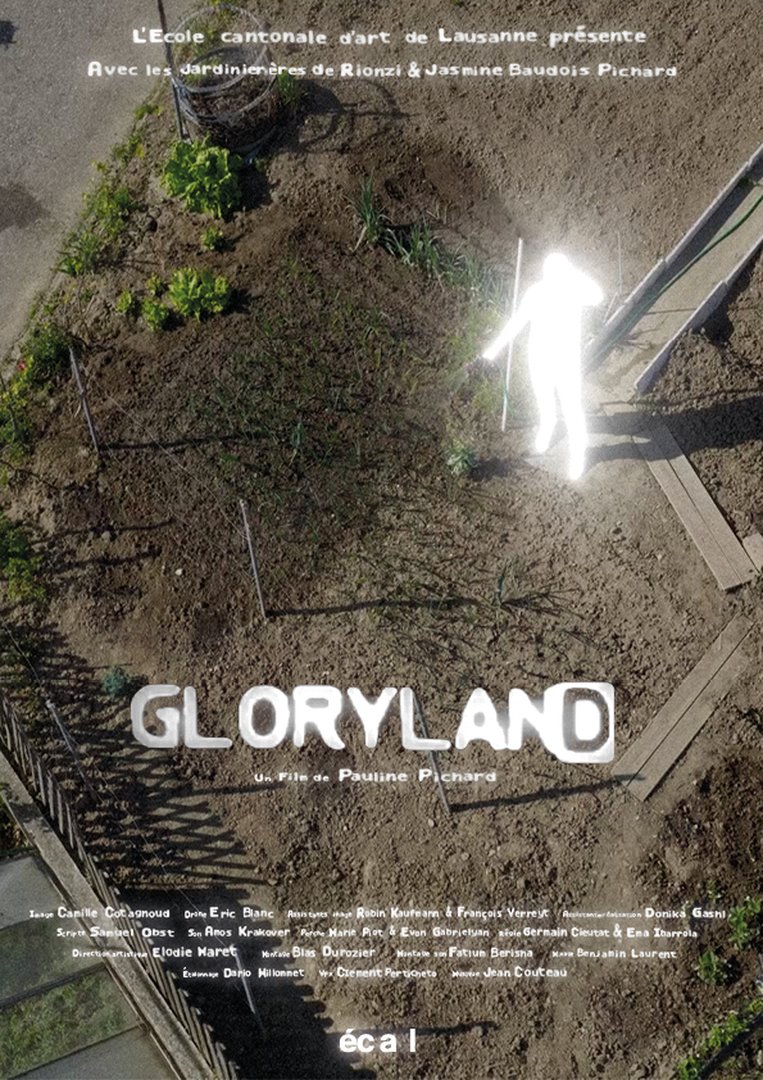
FILM STUDIES
by Pauline Pichard
Last spring, unknown lights appeared in the sky above Lausanne. In a garden, the last fragment of an ordinary Eden, tales blur with rumours after a series of strange disappearances.

MEDIA & INTERACTION DESIGN
with Pauline Saglio, Christophe Guignard, Alain Bellet, Gaël Hugo, Lara Défayes, Laura Nieder
Unbubble is an interactive installation in which a robot explores a user’s smartphone to analyze their Instagram usage. This intrusive act highlights a paradox: if it’s rare to hand one’s phone to a machine, we nonetheless do so every day by letting algorithms collect our data. Our online habits shape a tailor-made reality that filters, sorts, suggests, and sometimes limits our horizons. Unbubble questions how our digital traces construct a fragmented image of ourselves — one that is then used to guide our choices, desires, and attention. The installation invites us to become aware of these mechanisms and opens up a space to imagine other narratives, other ways of navigating, and other worlds to explore beyond the paths laid out by algorithms.
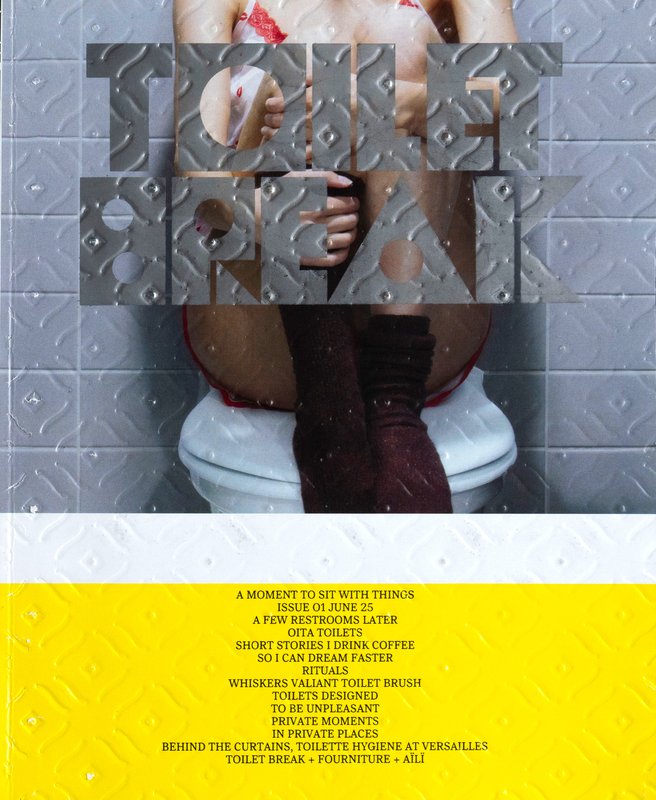
GRAPHIC DESIGN
by Lidia Molina González
It all started with taking a break. A pause. A moment alone in a shared space: quiet, ordinary, a little strange. Toilets might not be the first place you’d look for big ideas, but that’s why we chose them. Toilet Break uses this overlooked space to explore how we live together, take space, and connect. This first issue is about in-betweens: between public and private, inside and outside. It gathers voices from Switzerland, Belgium, Japan, across generations and practices. A place where ideas circulate freely, where serious things can be said with a wink. A collective and personal space to test new editorial forms, listen more carefully, and believe in detours as a way forward. To take, quite literally, a moment to reflect and sit with things.
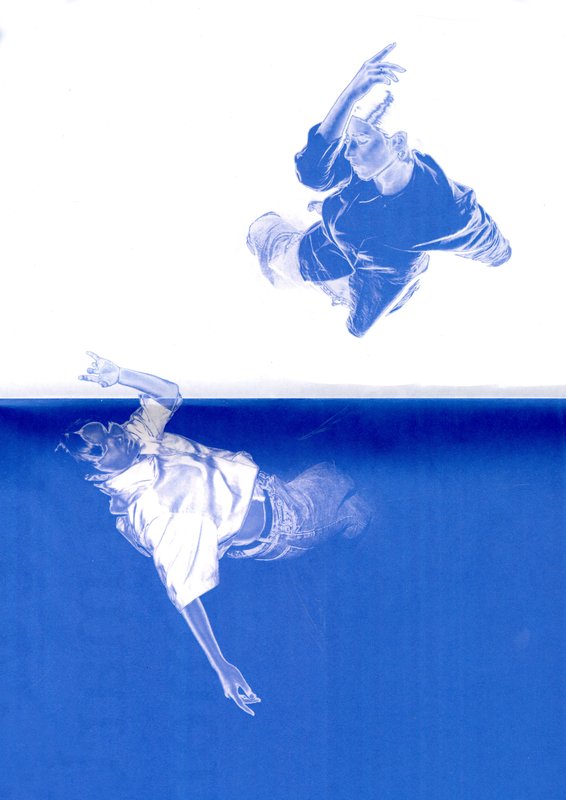
GRAPHIC DESIGN
by Flora Hayoz
FACE À FACE is an exploration of loneliness through two mediums: dance and graphic design. This project brings together two practices to give shape to a hybrid creation. On one hand, a choreographic piece co-choreographed with Gaia Menchini, centred on states of loneliness and then captured on video. The second medium is a publication that extends the piece. By questioning the book as an object, it is designed to be read by two people and becomes a tool for dialogue and listening. The publication thus diverts from its usual uses, creating a sensory experience. The two media interact with each other, inviting us to experience solitude both in movement and in the sharing of reading. Thus, FACE À FACE offers an experience where solitude becomes the starting point for an encounter.

GRAPHIC DESIGN
by Paul Paturel
Grime Index is an interactive VJ-ing project that centralizes, visualizes, and enables navigation through iconic moments of grime — a chaotic genre born on London’s pirate airwaves. By turning audio data into visual identity and live signage, the project makes a performance-based, oral, and improvised culture more readable. Designed for both newcomers and longtime fans, it is built around three interchangeable modules — MC, instrumental, and lyrics — honoring the culture of sampling, MCing, and mixing. Diarization, transcription, dynamic typography, and real-time effects combine to reveal grime’s living and navigable memory.
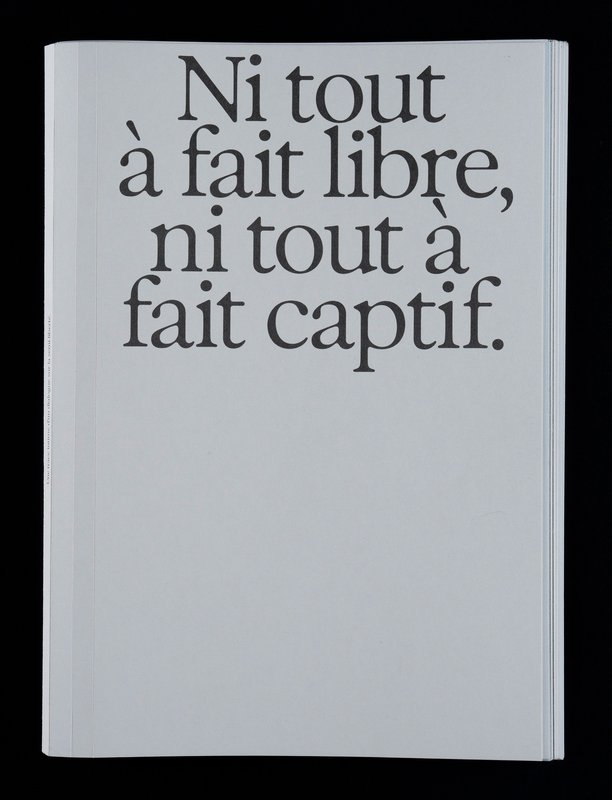
GRAPHIC DESIGN
by Léa Corin
Neither Fully Free, Nor Fully Captive explores the theme of day parole. Through a video installation and a book, this project archives and documents the activities of an association dedicated to reintegration. The projection, conceived as an emotional archive, combines experimental videos with sound testimonies from individuals on day parole supported by the association, revealing the complexity of this transition. The book, as a complement, adopts a documentary and sensitive approach, blending stories and visual creations. This project transcends graphic form to foster social dialogue and shed light on an essential yet often overlooked issue.
GRAPHIC DESIGN
by Marc Facchinetti
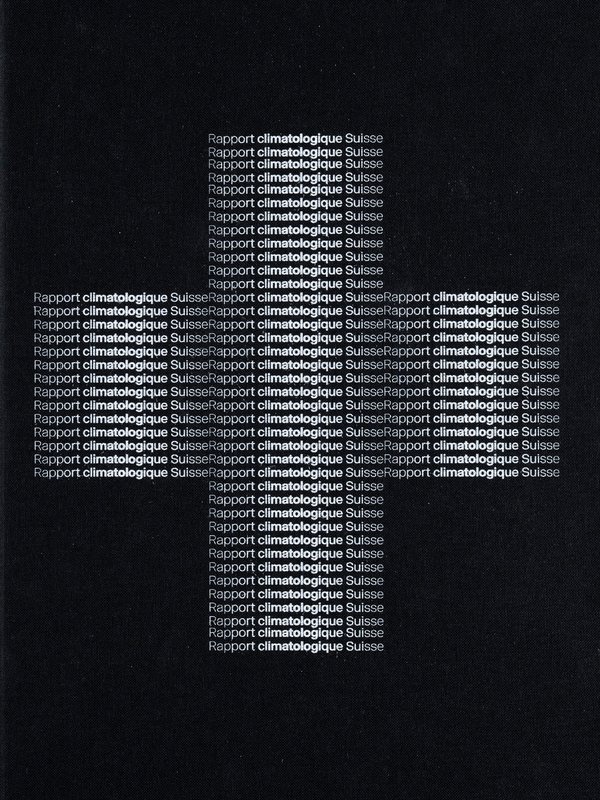
The Swiss Climate Report is an editorial design project that explores climate change through data. Based on recent meteorological records, put into perspective with historical averages sometimes dating back more than 150 years, the book is supported by plugins custom-developed for InDesign. These tools translate scientific data such as temperatures, UV radiation and Dobson units into typographic variations and ASCII forms. This experimental approach offers an alternative reading of climate information. The project offers a raw and precise computer graphics perspective.
GRAPHIC DESIGN
by Mathilde Driebold
This book exists for what remains of us—and perhaps, of you. Fragments of an intimate past inscribed in, and lost within, a social context that goes beyond us. This diploma project takes the form of an editorial narrative, blending personal stories and social archives. Through this work, I explore the traces left by addiction within a family setting, bringing individual and collective memory into dialogue. Ce qu'il reste de nous also demonstrates that graphic design can be used as a tool to question social realities, give shape to sensitive subjects, and break the silence.
GRAPHIC DESIGN
by Hugo Scholl
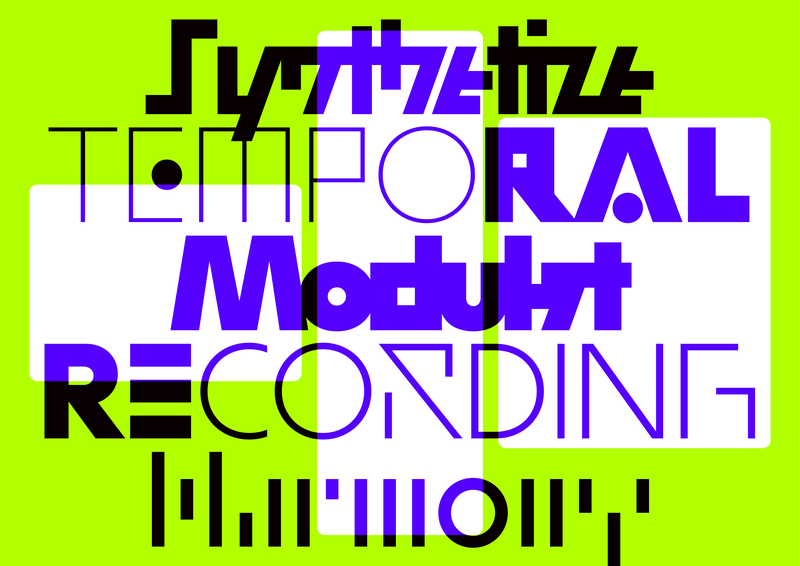
MODULAT is a variable typeface designed around the concept of a musical visualizer. Starting from a neutral design, it branches out into multiple character sets, each allowing adaptation to different graphic and sonic worlds. Its variation axes enable it to adjust to a wide range of display formats, making it suitable for use across various digital platforms. Conceived as a modular tool, it questions how a typeface can accompany music while maintaining visual coherence. The project combines formal experimentation with a search for graphic adaptability.

GRAPHIC DESIGN
by Emilie Müller
It is good to believe that the library is resilient. Not as a relic of the past, but as a presence that reinvents itself, oscillating between the tangible and the intangible. It's not a question of denying the digital, nor of clinging to our yellowed pages. But to understand that if we accept the library as a moving space, an organism that mutates with the times, then its future may not be so bleak. My diploma is a non-linear immersive library, conceived as a virtual house. Each piece evokes one of six themes from the Jan Michalski Foundation's Varia collection. In the form of a web interface, the project celebrates the serendipity inherent in physical libraries, while questioning how digital technology can translate the book experience.

GRAPHIC DESIGN
by Eliot Dubi
At the individual level, we can neither predict nor prevent the next disaster; we can only arm ourselves with the right reflexes to face it. JUST IN CASE is a website that gathers, through four scenarios — large wildfires, dam failures, industrial accidents and earthquakes — the key actions to remember when everything turns upside down. A clear tree-like navigation, concise texts and flat-style illustrations keep learning accessible without resorting to sensationalism. A triptych of posters promotes the site to the wider public. Designed for a generation flooded with anxiety-fuelled alerts, the project turns worry into simple, immediate actions — just in case.
GRAPHIC DESIGN
by Coraline Beyeler
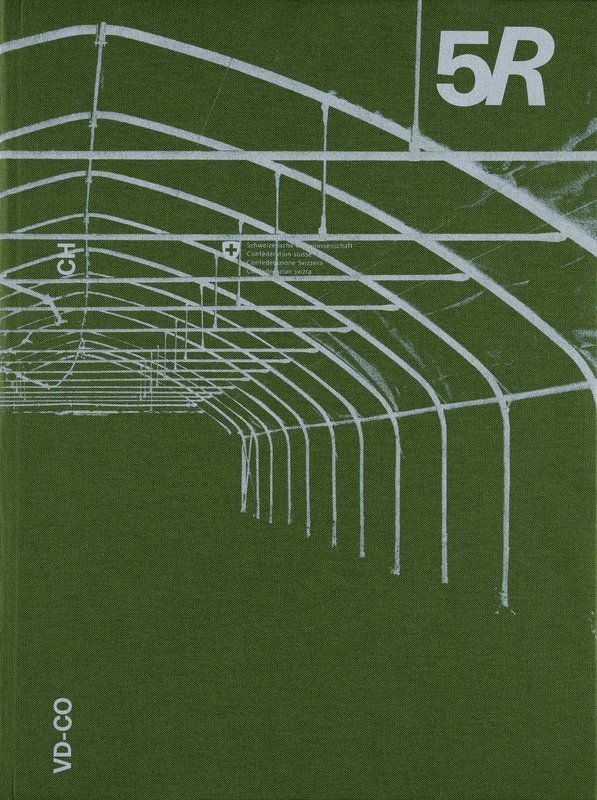
5R is a documentary book explores the contrast between urban and rural agriculture, focusing on developments driven by new generations. It addresses issues related to pollution as well as social, health, and economic challenges.
GRAPHIC DESIGN
by Delphine Brantschen
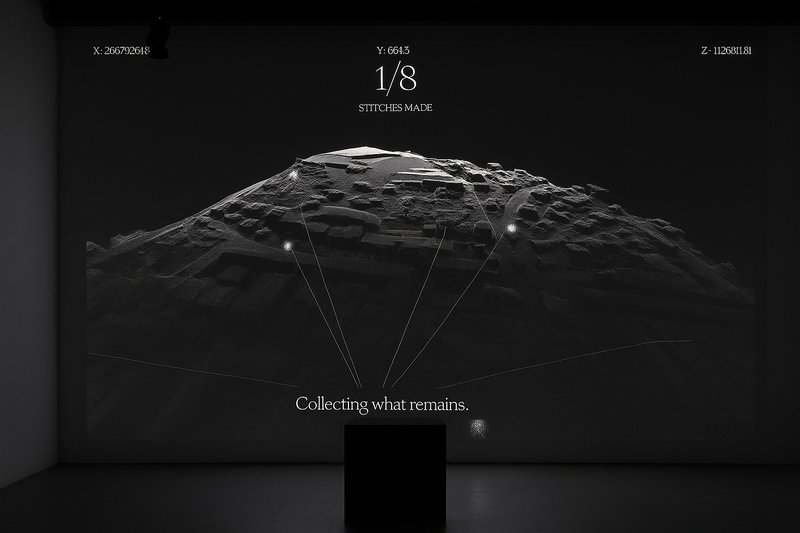
What Remains to Be Stitched is an interactive website shaped as a memory palace. Through her mother's oral accounts, the graphic designer weaves together Brazil's past into 3D icons and narrative fragments. No objects or images have been preserved from this life — only words. These words are my only inheritance. But what remains when even she no longer remembers them? Blending graphic design, modeling, point clouds and spatial storytelling, the project explores a poetic form of transmission, stitching memories to preserve a fragile link between memory, culture and identity.
GRAPHIC DESIGN
by Candice Aepli
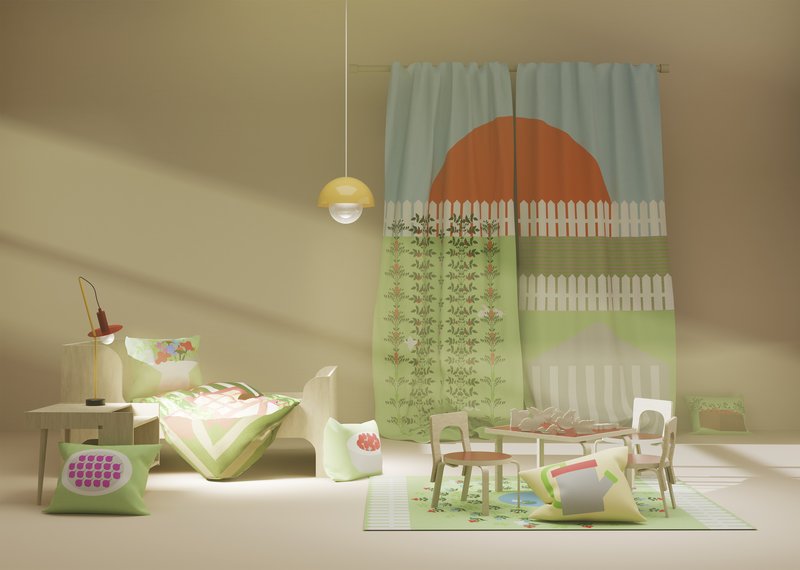
Brindille et Azilise invite you to imagine children's space differently, by offering a lively, playful universe in their bedrooms. Here, the story is not read between the pages, but lies on the floor and climbs up the windows. It slips under an arm. It tucks in dreams. It's a whole world at children's level, where ecosystems come to life through furniture, transforming everyday life into a playground for exploration. Le jardin, collection no. 1 The gardener has slipped seeds into the soil, the bright sun warms the petals, the mouse nibbles on the sly, and in this corner full of life, everyone is busy and smiling.
GRAPHIC DESIGN
by Diego Steiner
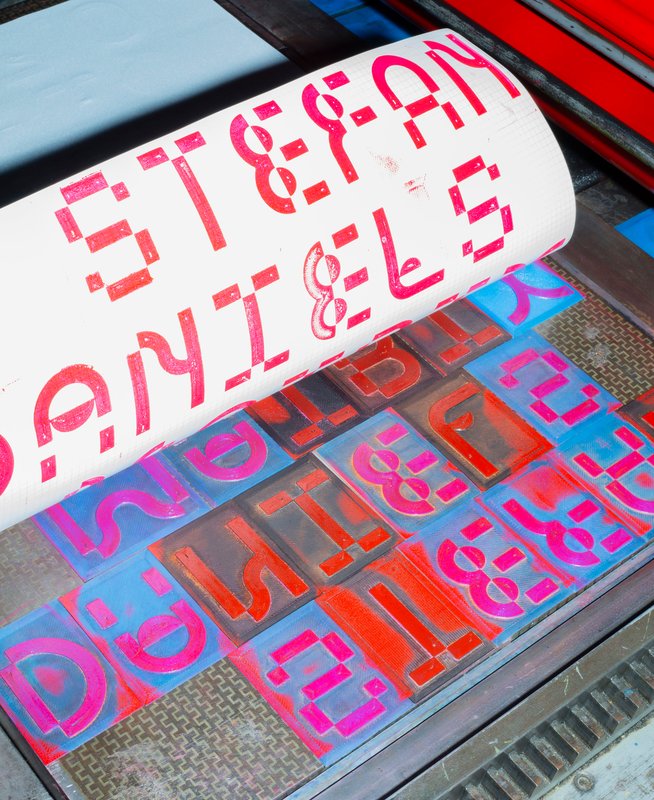
Hybrid Modules explores the link between traditional craftsmanship and contemporary technologies through the creation of a 3D-printed modular typographic tool for use with a manual letterpress. Designed on a grid, the modular alphabet becomes a set of physical dies, which can be inserted by hand into the press. The slow, repetitive process becomes an integral part of the visual language, making visible the time and care of the gesture. A series of A2 posters promotes a series of fictitious conferences entitled “ART, CRAFT & TECHNOLOGY - Guests in Switzerland”.

GRAPHIC DESIGN
by Cyprien Valenza
Patterna is an experimental variable typeface designed around two axes: Weight and Weaving. Inspired by Cassandre's Bifur from the 1930s and the arrangement of threads on Jacquard looms, Patterna is based on a rigorous grid that structures shapes and spacing. Its modular layering system allows for graphic experimentation with variations, making each composition dynamic. Numerous alternates reinforce its formal richness. Patterna challenges fashion conventions by offering a modular, dense typeface designed as both a graphic tool and a writing system.
GRAPHIC DESIGN
by Constance Mauler
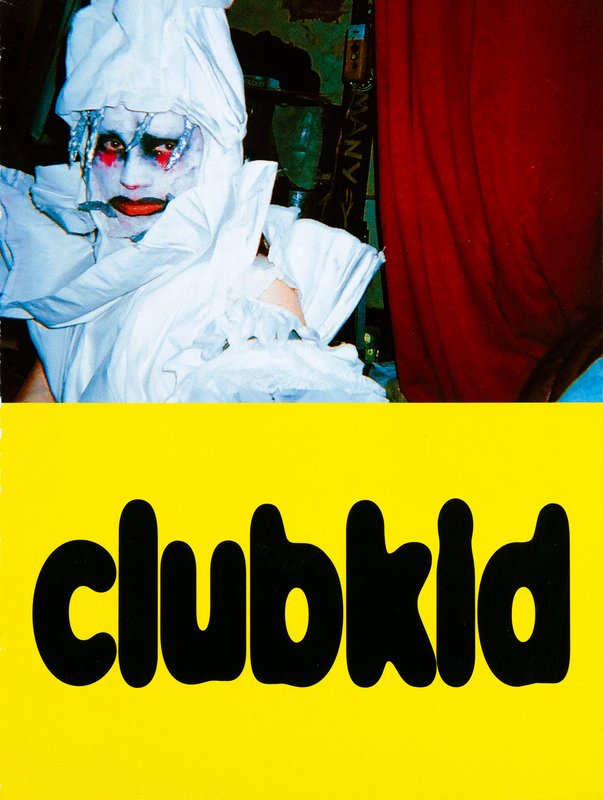
My project explores the Club Kid scene. Born in the 1980s in New York, this movement emerged as a radical response to artistic and social elitism. Led by queer and marginalized individuals, it transformed nightlife into a space of freedom, resistance, and self-invention. This publication aim to create a dialogue between the original generation of Club Kids and the contemporary scene, to show how this movement continues to challenge norms, invent new codes, and assert liberated identities. An immersion into a flamboyant and deeply political subculture.
GRAPHIC DESIGN
by Amélie Bertholet
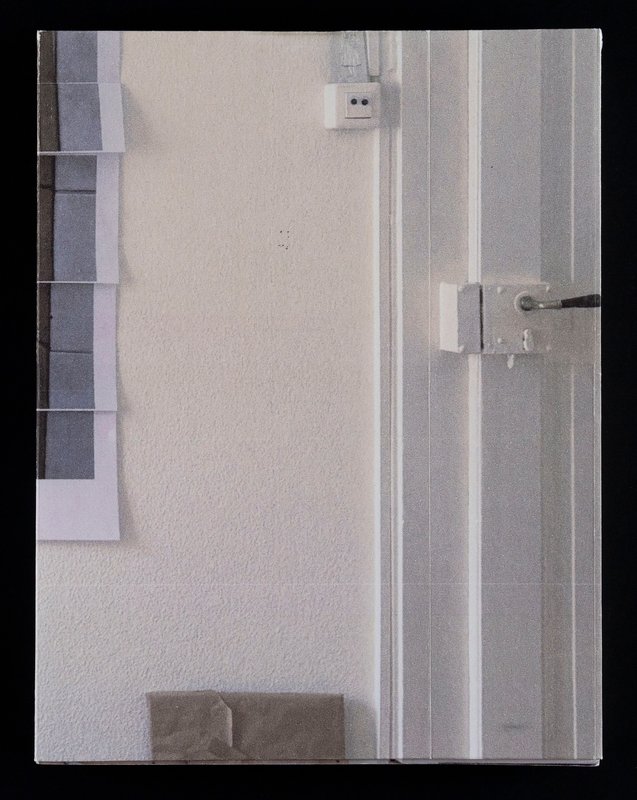
a room of our own is an editorial project born from the relationship between my flatmate, Flavia, and myself. This book explores how a relationship lives and evolves within a shared space: our apartment. Often seen as a transitional phase, cohabitation here becomes a long-term space of emancipation and sisterhood. Nurtured by feminist references—beginning with its title, borrowed from "A Room of One’s Own" by Virginia Woolf—the project questions the place of women within spaces of creation and intimacy. Through symmetry and collection, the book translates the experience of a lived space into an editorial object. The layout's grid, drawn from the apartment’s floor plan, creates shifts in scale and layout to reflect the transformation of 3D space into the 2D printed page.
PHOTOGRAPHY
by Mirielle Alina Rohr
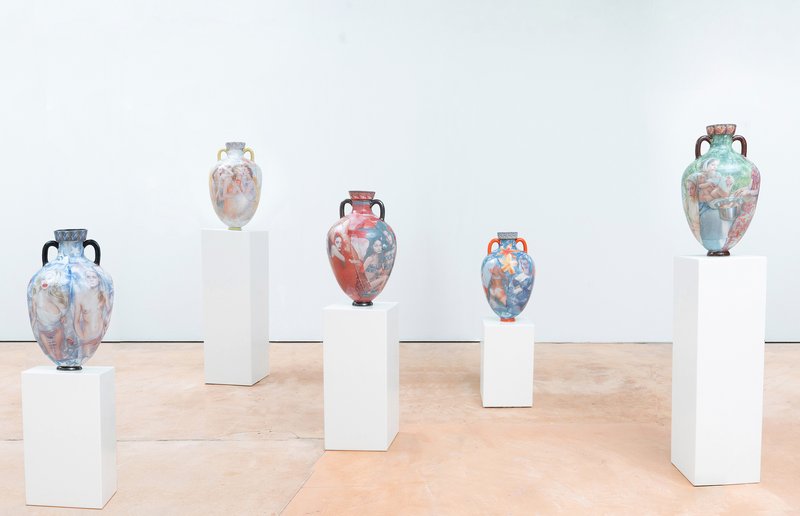
Girls Manufactured is a series of five ceramic vases, each representing a social media–driven aesthetic identity such as the Tradwife or Femme Fatale. These identities commodify femininity through strict visual and lifestyle codes that often lean towards conservative ideals and pleasing the male gaze. The photographer generated images with AI using datasets that I tied to each identity and integrated her own face to reflect her dual role as viewer and target scrolling through social media. The images I then transferred onto the vases using a technique that merges image and clay. The vases reference femininity through containment and decoration, while their form, based on Panathenaic amphorae, once awarded to male victors in ancient Greece, links ancient symbols of patriarchy to today's curated ideals.
PHOTOGRAPHY
by Jose Martin Martinez
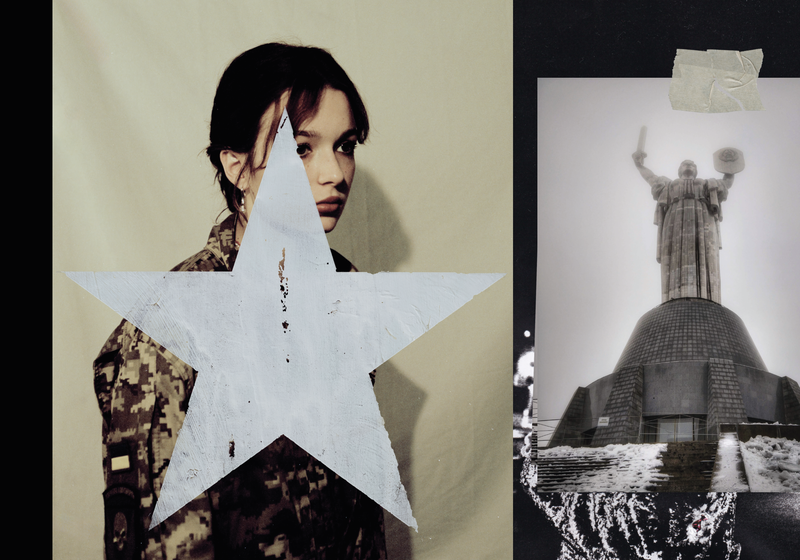
Briefly after leaving his country, the photographer met his first friends, Serhii and Yelyzaveta, two Ukrainian teenagers, and past lovers, forced to flee together the Russian occupation of Ukraine. Thus, a two year passage begun, with the trials and tribulations that come from love, death, war and solitude. L'Eternité Reste (Eternity Remains) is a documentation, at times abstract, at times literal, often cinematographic, of this story. An unapologetic coming of age story, released from the idealized, fantastic and vulgar narratives showcased in Hollywood and social media. This book functions as an "exchange currency" of sorts against the distorted social apparatus of "reality". Furthermore, the book, pretends to leave an indelible record of this "love story", inextricably linked to a contemporary historical conflict.
PHOTOGRAPHY
by Nabarun Gogoi
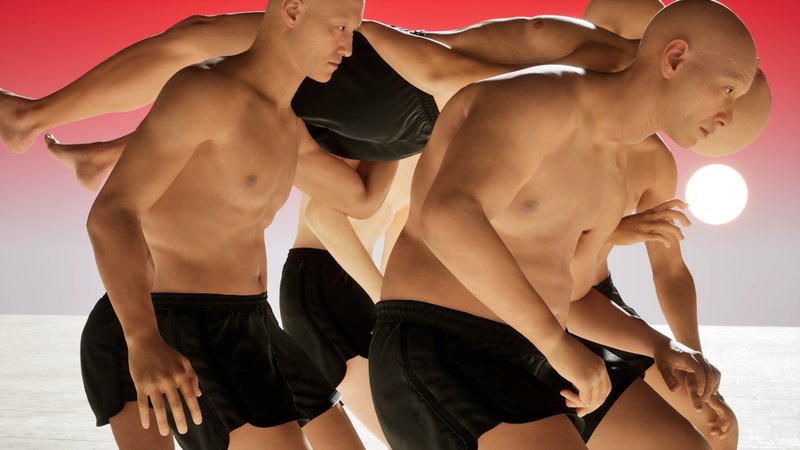
In this short film, the photographer used a CGI (Computer Generated Imagery) avatar to address and question contemporary notions of masculinity and the complex relationship it shares with love. Inspired by the photographer's own apprehensions related to connecting with other men, the short film uncovers the subtle yet forceful indoctrination of masculine perceptions of power and control. These perceptions clash vehemently with the vulnerability that comes with loving another and the emotions it evokes, thus condemning men to an internal prison of shame and self-betrayal. Created using a gaming engine, the film aims to confront this dilemma and hints at the need to adopt a more nuanced version of masculinity - one where the self is no longer compromised to cater to the insecurities of the many.
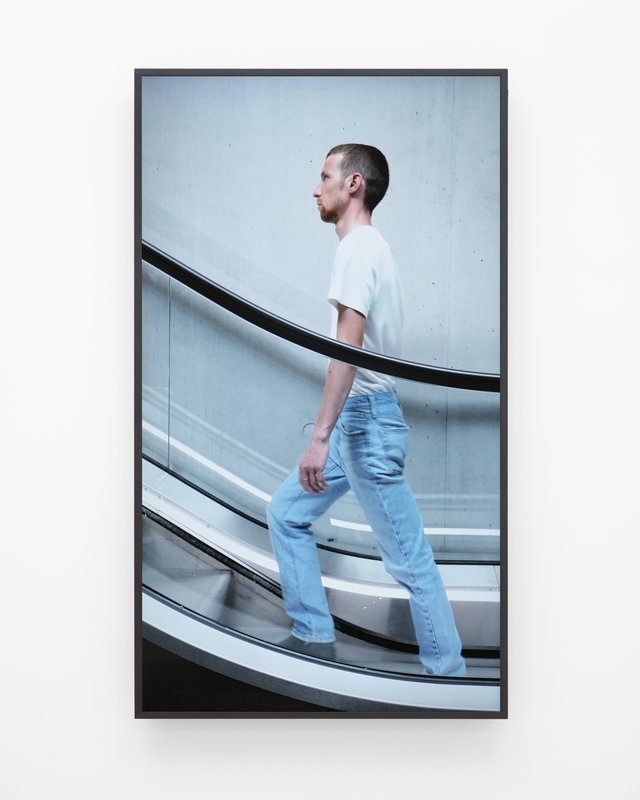
PHOTOGRAPHY
by Riccardo Androni
Exhaustion is a critical and ironic response to the performance-driven society the photographer inhabits — one that demands constant motion, visibility, and productivity. Through absurd and site-specific gestures in public spaces, he confronts machines of efficiency and elevation with deliberate resistance. The photographer climbs down an escalator, blocks a door with his head, bends to stay in frame. These futile acts follow a strict protocol and expose the tragic emptiness behind endless self-performance. With dry humor and physical endurance, Exhaustion seeks to unmask a system that rewards conformity and erases meaning — until all that remains is exhaustion.
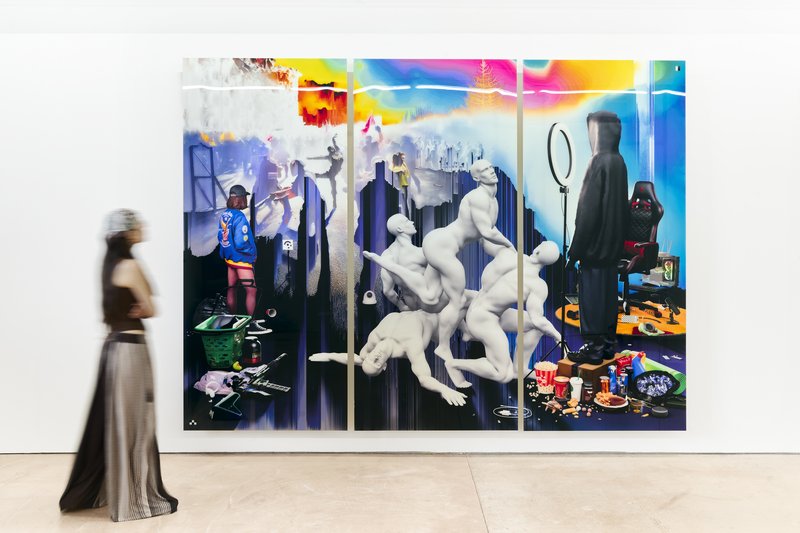
PHOTOGRAPHY
by Visvaldas Morkevicius
Ergot is a toxic fungus used as a metaphor for digital intoxication. Drawing on psychopolitics, simulacra, and techno-feudalism, this work explores how identity, pleasure, and power are distorted under platform capitalism. It constructs a pixel world of hypermasculine avatars, stylised violence, and dopamine-fuelled objects using AI, CGI, photogrammetry, and glitch. Vapes, crystals, and supplements reflect commodified desire, while dancing police and custom weapons expose gamified violence. Realised as a triptych of three 110×250 cm plexiglass panels, the piece mirrors the seductive toxicity it critiques.
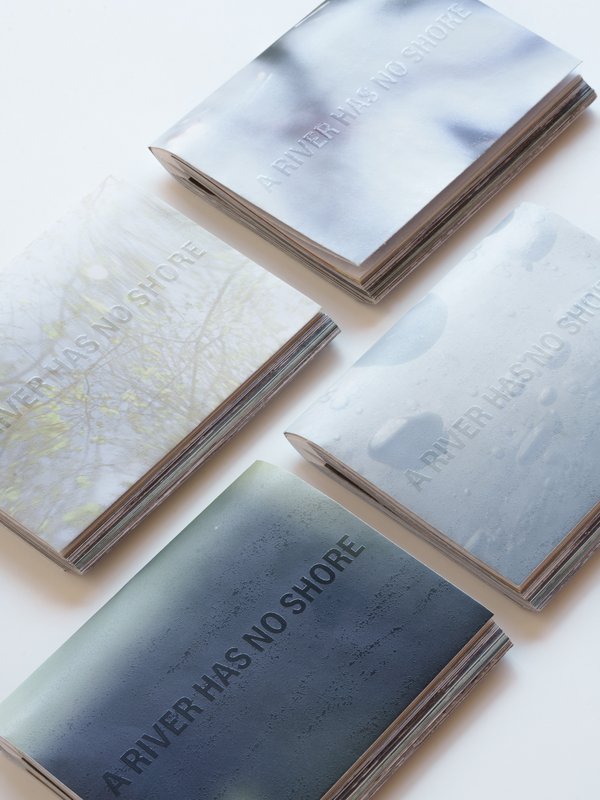
PHOTOGRAPHY
by Daniel Martinez
Flowing from an Alpine glacier to the Mediterranean Sea, the Rhône River runs through ice caves, forests, cities and industrial sites. It sustains ecosystems, defines geographies and connects cultures across space and time. However, the boundless flux of the world’s waters today faces increasing stories of tragedy and collapse. Climate change doesn’t manifest only on a material level but also overwhelms the emotional dimension of human life. Today, the psychological toll of environmental crisis amplifies states of eco-anxiety and solastalgia, triggered by lived experiences, mediated imagery and narratives of apocalyptic breakdown. A River Has No Shore reflects on the distress caused by climate change and its representation by looking at the water along the Rhône River in its endless forms.
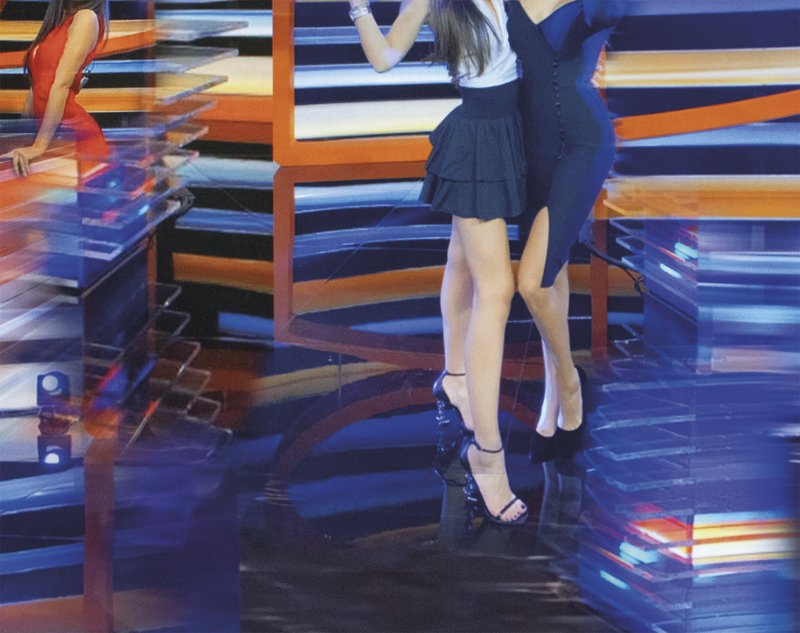
PHOTOGRAPHY
by Eva Manuela Rivas Bao
Starting from the trial of former Italian president Berlusconi, An Italian Story examines Italian-Moroccan model and aspiring sports journalist Imane Fadil. Attending the ex-president’s parties, she was a key witness, confessing abuse of power and underage prostitution at his residence in Arcore, near Milan. In 2019, she died at 34, weeks after announcing her upcoming book. Berlusconi reduced the representation of women in Italy to few pixels. The book manipulates "photographic leftovers" and documentary pictures at Imane’s Milan house with AI, aiming to recreate missing images that Fadil shared in court. Deconstructing "an Italian story" - famouspropaganda zine of the ex-president - to reconstruct another Italian story, a collective memory from the rubble of the "Italian failed Me Too" (2010-2023).
PHOTOGRAPHY
by Doyoung Kim
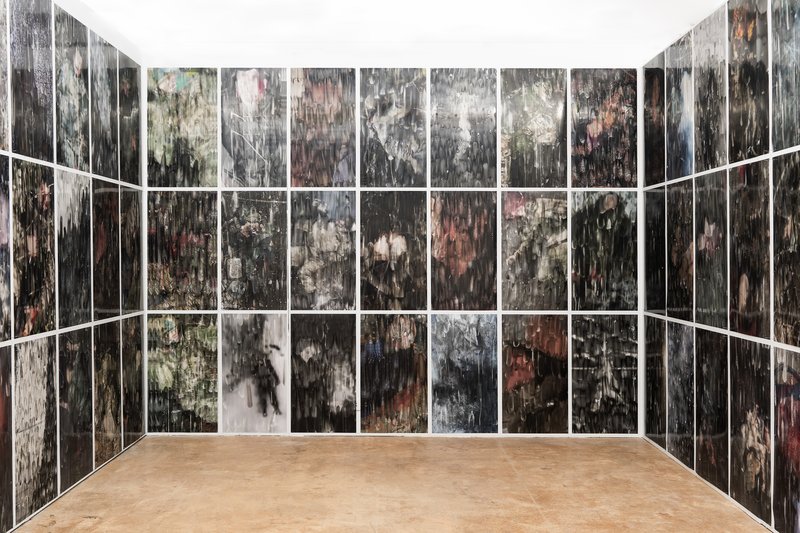
The work Flattened Roughness explores war image consumption and resulting guilt. The photographer collects and prints images of death then lick and absorb them physically, confronting the emotional and physical distance created by media. Suicide drones’ cameras constantly calculate distance to humans for destruction. In this process, the distance between humans is forgotten. To overcome this distance, he brings the images into my body. This act, where intimacy and brutality coexist, transforms voyeurism into mourning and care, confronting my lost humanity. Through sensory performance, he bridges the gap between himself and mediated death, exploring the clash of dulled emotion and sensation. This confessional, physically exhausting work explores alternative sensory approaches for the recovery of broken humanity.
DESIGN FOR LUXURY & CRAFTSMANSHIP
by Erwann Harrison
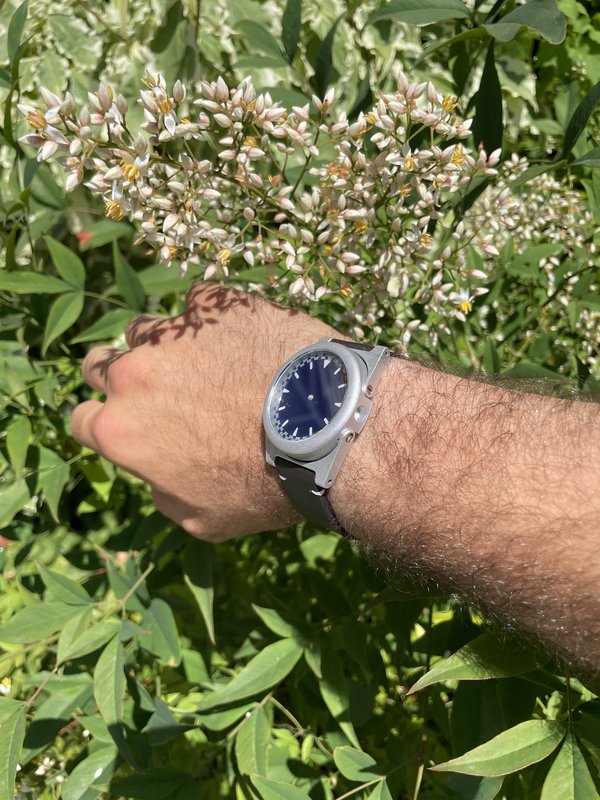
Passionate about horology, I designed a watch case and bracelet featuring moving lugs that allow the timepiece to wrap comfortably around any sized wrist. Made from titanium, the design aims to fit a rugged, playful and elegant aesthetic and remind the wearer that every second counts. This continues with the hands and dial, especially through the outer. After exploring what it would take to bring the watch to market, I also created a brand and promotional strategy selling a lifestyle as well as the watch. This includes a specific mission of high quality, comfort, and making every second count, for a specific target audience of people that are in control of their lives, all compiled into a magazine-style publication.