
ECAL Open Day 2026,28.11.2026,ECAL, Renens ECAL opens its doors and invites you to discover its activities in the fields of Fine Arts, Cinema, Industrial Design, Graphic Design, Digital Design, and Photography. ECAL opens its doors for you to discover its activities in the fields of Fine Arts, Film, Industrial Product Design, Graphic & Type Design, Media & Interaction Design and Photography, Saturday 28 November, from 9am to 5pm. Lectures given by department heads will present our courses. Graduates will be on hand to talk about their experiences in the professional world, shedding light on career opportunities. The variety of our disciplines will be highlighted by the Diplomas 2026 exhibition, featuring editions, photographs, typography, art and interactive installations, films and objects. Activities will invite you to explore the building and its infrastructure: gallery, workshops, printing and technology centers, photo and film studios. The results of the latest works in progress will give you a glimpse of the diversity of projects created by students. Academic Service will also be on hand to answer any questions you may have about admission requirements, prerequisites and application deadlines.DATES & SCHEDULESSaturday 28 November 2026 9am–5pm Free entry from 8.30amADDRESSECAL/Ecole cantonale d art de Lausanne Av. du Temple 5 1020 RenensCONFERENCES PROGRAM09:00am - 10:00am Foundation Year – IKEA Auditorium 10:15am - 11:00am Bachelor Graphic Design – IKEA Auditorium Bachelor Cinema – Leenaards Auditorium 11:15am - 12:00pm Bachelor Photography – IKEA Auditorium Master Cinema – Leenaards Auditorium 12:15pm - 1:00pm Bachelor Media & Interaction Design – IKEA Auditorium Master Photography – Leenaards Auditorium 1:15pm - 2:15pm Foundation Year – IKEA Auditorium Master Fine Arts – Leenaards Auditorium MAS Design for Luxury & Craftsmanship – Nussbaumer Auditorium 2:30pm - 3:15pm Bachelor Industrial Design – IKEA Auditorium Bachelor Fine Arts – Leenaards Auditorium Master Digital Experience Design – Nussbaumer Auditorium 3:30pm - 4:15pm Master Product Design – IKEA Auditorium Master Type Design – Leenaards Auditorium CAS Creative Leadership – Nussbaumer Auditorium You would like to start studying art or design: We recommend that you attend the Foundation Year conference, as well as the Bachelor conferences in the fields that interest you.WORKSHOP & EXHIBITION PROGRAMComing soon
Innovation by Design Challenge 2026 – Awards Night,18.11.2026,ECAL, Renens Dive into the heart of innovation on November 18th at ECAL, and discover the collaborations that turn design into a tool for transformation. This event will be an opportunity to discover how collaborating with designers can turn ideas into concrete projects and contribute to companies success. Programme 18h00 – Start of the event 18h05 – Pitch session: Results of the five teams design sprints 18h20 – Talk: Hervé Rigal, founder and CEO of Base Design 18h50 – Awards ceremony 19h15 – Cocktail reception Free entry upon registration: register here Visuel ©Mylène Dreyer WEBSITEInnovation by Design ChallengePARTNERSECAL · PRISM · Ville de Renens · Canton de Vaud · Canton du Valais · EPFL · Pro Helvetia

ECAL at Paris Photo: Soft Photography,12–15.11.2026,Paris On the occasion of Paris Photo 2026, ECAL presents Soft Photography – Human Emotions and Machine-Generated Images in two exhibitions at the Grand Palais and at the Espace Commines. Accompanied by a publication, this research project explores the role of AI-generated images in contemporary visual culture. How do we react to AI-generated images? What role do these representations play in contemporary visual culture? Human Emotions and Machine-Generated Images offers a reflection on the use of generative photographic technologies through the lens of emotion. Developed as part of ECAL Master Photography, this research project explores the central role of our emotional reactions to the constant stream of images on social media, ranging from “oddly satisfying” videos and ASMR to rage-bait and propaganda. By combining artistic experimentation and theoretical research, Soft Photography examines how images are increasingly designed to hold our attention indefinitely. On the occasion of Paris Photo, two exhibitions and a publication, edited in collaboration with Les presses du réel, present a selection of projects that explore how the engineering of emotion has become a defining force in contemporary photographic culture.ADRESSGrand Palais Avenue Winston-Churchill 75008 ParisÉVÈNEMENTThursday, November 12, 5:00 p.m. Talk Fragile images. Photographic emotions in CGI and AI imaging Charlie Engman & Marco De MutiisINFOS & TICKETSparisphoto.comDATES & TIMESNovember 12–15, 2026, 1:00 p.m.–8:00 p.m. Closes at 7:00 p.m. on SundayEDUCATIONAL PROJECT – GRAND PALAISEXHIBITION – ESPACE COMMINESADRESSEspace Commines 17, rue Commines 75003 ParisOPENING RECEPTIONThursday, November 12, 6:00 p.m.GUIDED TOURSaturday, November 14, 11:00 a.m. – in EnglishDATES & TIMESNovember 13 & 14, 2026 11am-7pmABOUT SOFT PHOTOGRAPHYWEBSITEsoft-photography.ch

FALL WORKSHOP LECTURES,02–13.11.2026,IKEA Auditorium, ECAL On the occasion of the workshop weeks in the Bachelor programs, ECAL invites international artists and designers to present their work from November 2 to 13, 2026. PROGRAM Monday 2nd November 2026 1PM-1.20PM: Atelier Bingo, Graphic Designers – France 1.20PM-1.40PM: Kourtney Roy, Photographer & Film Maker – Canada Tuesday 3rd November 2026 1PM-1.20PM: Robin Bervini, Photographer et CGI artist – Switzerland 1.20PM-1.40PM: Vrints-Kolsteren, Graphic Designers – Belgium Monday 9th November 2026 1PM-1.20PM: Baron Lanteigne, Digital Artist – Canada 1.20PM-1.40PM: Liv Schulman, Artist – Argentina 1.40PM-2PM: David Ericsson, Designer – Sweden Tuesday 10th November 2026 1PM-1.20PM: Franz Impler, 3D Artist – Germany 1.20PM-1.40PM: Zuqiang Peng, Artist – France/Holland 1.40PM-2PM: Michel Charlot, Designer – Switzerland Wednesday 11th November 2026 1PM-1.20PM: BORA, Digital Artist – France 1.20PM-1.40PM: Soft Baroque, Designers – England 1.40PM-2PM: Baker Wardlaw, Artist – SwitzerlandVisuals: Mathys Mauron and Gaëtan MauclairDATES & SCHEDULES2–13.11.2026 Free entry Catering available on siteVENUEAuditoire IKEA ECAL/Ecole cantonale d art de Lausanne Avenue du Temple 5 1020 Renens
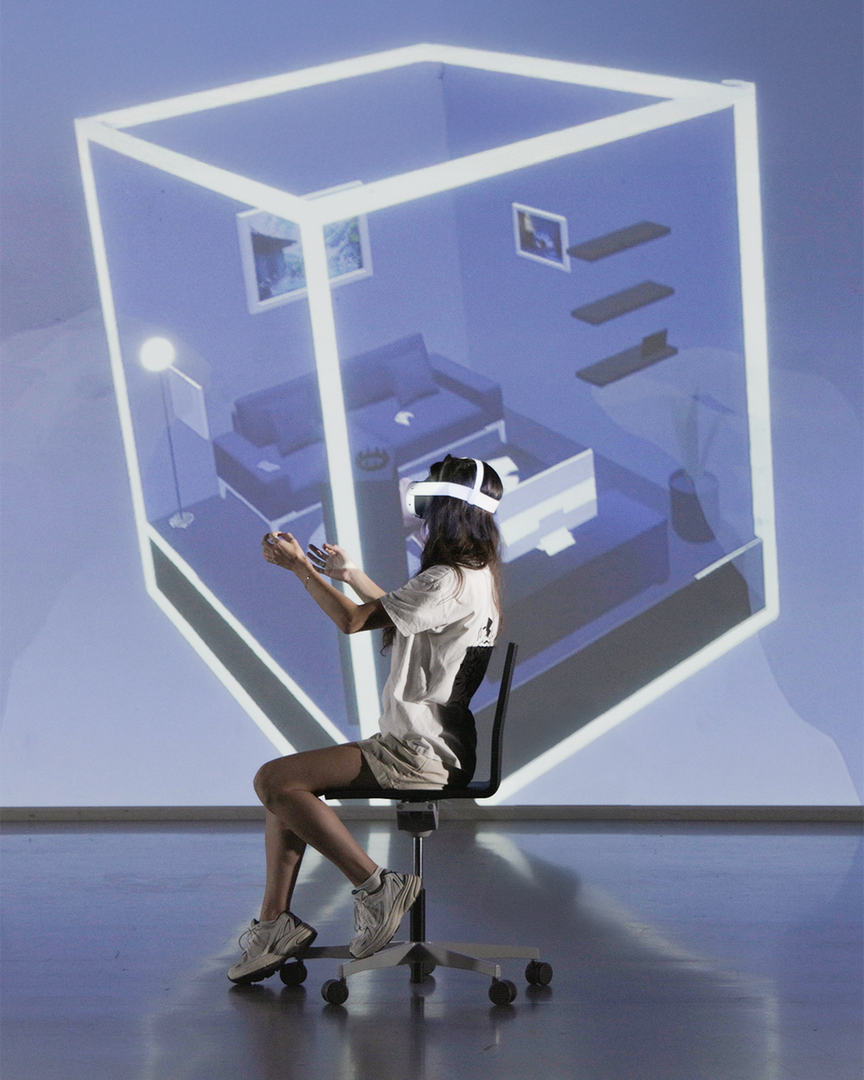
ECAL at GIFF Festival 2026,30.10–08.11.2026,Geneva From October 30 to November 8, ECAL Bachelor Media & Interaction Design will be present at the GIFF Festival 2026. The largest space in Switzerland dedicated to immersive arts, GIFF is Geneva s oldest film festival and one of Europe s leading events. A crossroads of genres and disciplines, it is a place of experimentation and exchange. Each year, for ten days, it presents films, series, interactive installations, and virtual reality works to around 50,000 visitors. For its 32st edition, the Bachelor Media & Interaction Design will be present at the GIFF Swiss Interactive Sessions (GIFF pro) with: She Kept Playing by While women make up half of all gamers in Europe, they account for only 7% of participants in esports competitions. The VR project "She Kept Playing" explores the causes of this disparity. Although esports is a relatively young sector, gender stereotypes and misogyny remain. By listening to short stories based on testimonials from professional female gamers, participants directly discover the systemic obstacles these women face. Carried by influential players like Kayane and Loupiote, they serve as powerful role models for the next generation, empowering female gamers to carve out a place in the field without having to worry about gender bias. Memory Pieces by and Memory Pieces is an immersive virtual reality experience set in a world in ruins. Fragments of memories and ancient streets intertwine, forming a fictional and abstract universe in constant flux. Here, destruction becomes creation: each collapse gives rise to new forms, revealing an unexpected and vibrant world.VENUEGeneva, SwitzerlandDATESFrom 30 Octobre to 8 November, 2026WEBSITEgiff.ch
EXHIBITION ECAL DIPLOMAS 2026,30.10–04.12.2026,ECAL, Renens From 30 October to 4 December, ECAL presents the Diploma Projects 2026. Opening on Thursday 29 October at 6 pm. ECAL puts the spotlight on its 2026 graduates. The wide variety of diploma projects is presented in an exhibition and an evening screening showcasing all our disciplines. DIPLOMA 2026 PROJECT EXHIBITION OCTOBER 30 TO DECEMBER 4, 2026 at ECAL ECAL presents a selection of Bachelor and Master 2026 diploma projects. Through editions, photographs, typography, artistic and interactive installations, films and objects, this exhibition invites visitors to discover the talents of tomorrow. & AT ANY TIME ONLINE Discover all Diploma 2026 projects through descriptions, photos and videos on ecal.chDATES & SCHEDULE30.10–04.12.2026 Monday to Friday, 11 am to 5 pm Free entryVENUEECAL/Ecole cantonale d art de Lausanne Av. du Temple 5 1020 RenensOPENINGThursday 29 October at 6 pm
ECAL at Glass Days,30–31.10.2026 ECAL is organising a live workshop during the Ariana Museum s Glass Days on 30 and 31 October 2026 in Geneva. Glass surrounds us, passes through us, and connects us. Both an ancient material and resolutely contemporary, it lies at the intersection of artistic, technological, and societal issues. The Glass days invite you to dive into the heart of the world of glass. The perspectives of artists, the craftsmanship of artisans, and the visions of designers, historians, researchers, collectors, enthusiasts, and the simply curious all intersect, engage in dialogue, and enrich one another. ECAL x NIESENGLASS WORKSHOP 30 & 31 October, live at the museum Students in ECAL s Master in Design for Luxury and Craftsmanship are taking over the museum space to explore their ideas and create glass pieces, using a portable kiln provided by NiesenGlass. Combining research, materials, and craftsmanship, this is a rare opportunity to witness the art of glassblowing right in the heart of the museum. The pieces created during this workshop will then be exhibited at the Ariana Museum until 7 January 2027.DATE & TIME30–31.10.2026 10pm–5am CHF 10.- for both days Free entry for studentVENUEMusée Ariana Swiss Museum of Ceramics and Glass Avenue de la Paix 10 1202 GenevaWEBSITEmusee-ariana.ch

Screening of diploma films 2026,27.10.2026,Cinémathèque suisse, Lausanne On Tuesday October 27, the ECAL presents the graduation films of the Bachelor and Master Cinema at the Cinémathèque Suisse. This double feature will showcase the graduation films of students from the ECAL Bachelor Cinema and the ECAL–HEAD Master Film Studies. The first set consists of works by graduates in the Direction and Image Options: , , , , , , , and . The Master s short films were directed by , , , , and . These films also showcase the editing work of , , and ; the sound work of ; and the production work of . Some of these films were co-produced by the French-speaking Swiss production companies Climage, Daphnée Films, Louise Productions Lausanne, and Thera Productions. They also received support from the FOC and Cinéforom. DATES & SCHEDULETuesday, October 27, 2026 Bachelor projection at 7:00pm Master projection at 7:30pm Free entry whitin the limits of available places, reservations recommended: - Bachelor screening - Maste screening (full)VENUECinémathèque suisse Cinéma Capitole Avenue du Théâtre 6 1005 LausanneWEBSITEcinematheque.ch
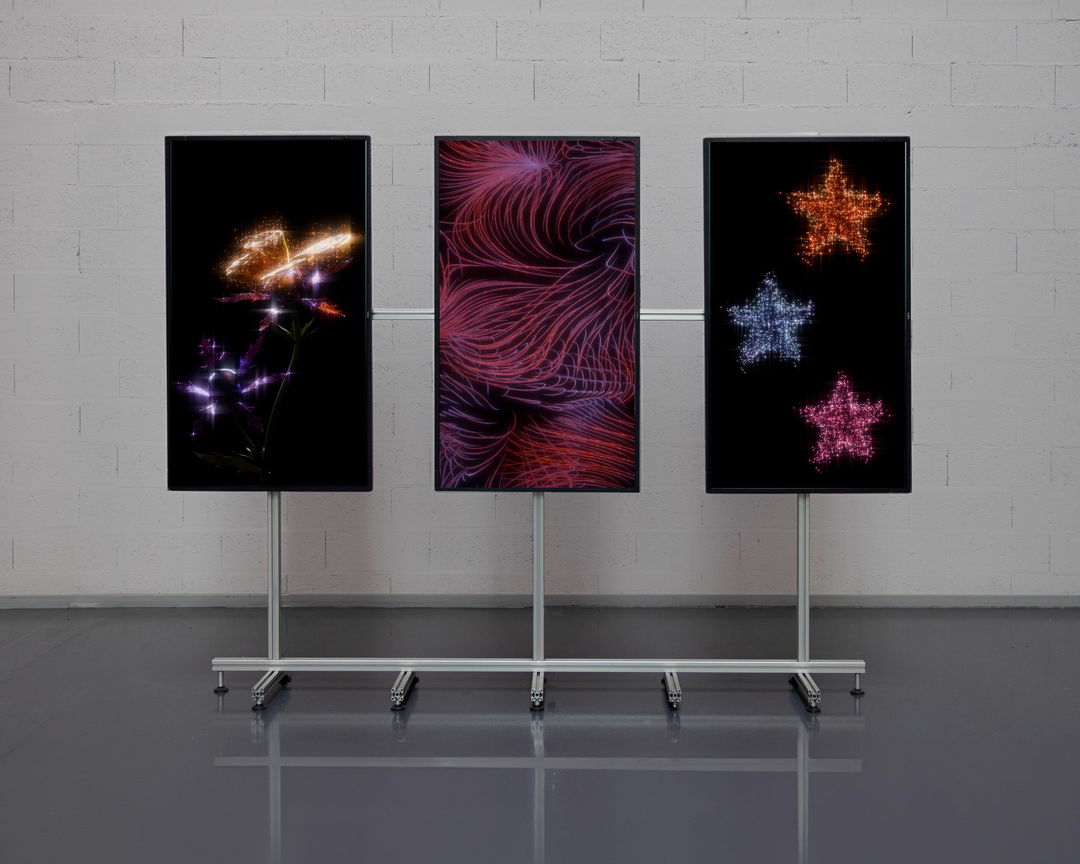
ECAL AT KIKK FESTIVAL 2026,22–25.10.2026,Namur, Belgium ECAL Bachelor Media & Interaction Design is taking part in the KIKK Festival 2026 in Namur, Belgium, from October 22 to 25, 2026 with a selection of projects. At the heart of the Interactive Lab exhibition, Bachelor Media & Interaction Design students from ECAL/University of Art and Design Lausanne invite you to explore a wide range of projects, spanning from hyperrealistic CGI images to interactive environments. Featuring a rich selection of game experiences developed in Unreal Engine, virtual reality films, animated music videos, interactive sound toys on tablets, and web portfolios with hyper-experimental interfaces, this exhibition offers a comprehensive and forward-looking view of new media. The exhibition also addresses contemporary themes, such as the implications of AI-driven personalization (How Do They Know? by ) or the tangible representation of digital filter bubbles (Unbubble by ). By bringing together these diverse approaches combining technology, play, and critical thinking, ECAL s Interactive Lab invites you to reconsider your relationship with digital tools and play with your perception of everyday digital interactions. The following student and assistants projects will be featured: – Soundverse et Idle Car – Pluck – RivalConsoles Melodica Steve Bouillant – Memory Arc – Parapluie – How do they know? – Papillons – Statuette Théo Déchanez – Memory Pieces – Unbubble Nyria Graber Teo Grajqevci – Château sable et Sur la route des vacances – Anémone – Low Clara Hoya – Memory Arc – RivalConsoles Melodica et Iteration Protocol Joanna Metz – Vision of self et Iteration Protocol – Memory Pieces et The road of Solisya Melanie Rengifo Daniel Rocha – Trail Sync – Truchet Soundtoy et Homme Tirroir – Spira Memoriae – Chrome – Vision of self et The road of Solisya VENUENamur, BelgiumDATESOctober 22 to 25, 2026HEAD OF PROGRAMMEWEBSITEkikk.beASSISTANTS,, ,
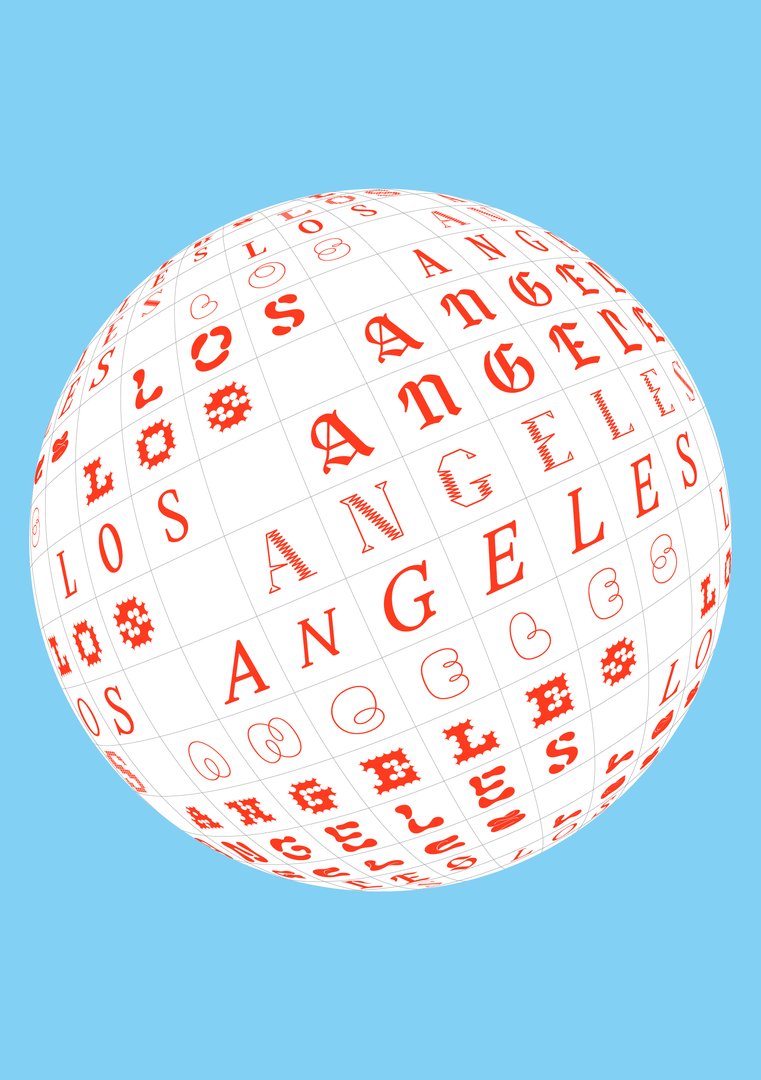
ECAL A Typographic Atlas in Los Angeles,21.10–18.12.2026,Hoffmitz Milken Center for Typography Third stop of its North American tour, the Hoffmitz Milken Center for Typography, ot the ArtCenter College of Design in Los Angeles, presents the exhibition ECAL A Typographic Atlas. RELATED EVENTSADDRESSHoffmitz Milken Center for Typography 950 South Raymond Avenue, Pasadena, CA 91105HEAD OF PROGRAMS, OPENING & ROUNDTABLEWednesday October 21, 2026 6pm – PANEL DISCUSSION The State of Type: Inside & Outside the Classroom , Art Director , ECAL Director Greg Lindy, Type Designer & Teacher at ArtCenter Moderated by Pamela Olecki 7pm – OPENINGDATES & OPENING TIMES21.10–18.12.2026 Open daily from 8am to 7pm Free entryWEBSITEHMCT ArtCenterWITH THE SUPPORT OFPrésence SuissePARTNERConsulate General of Switzerland in San FranciscoCurated by Master Type Design and Bachelor Graphic Design programmes, the ECAL A Typographic Atlas project takes the form of a traveling exhibition and a book that present a wide selection of 300 typefaces created by ECAL students from around the world. Typography is treated as a visual, cultural and linguistic practice, from experimental forms to functional families and multiscript projects, encouraging us to reconsider how type mediates everyday communication. For its third stop of its North American tour, ECAL A Typographic Atlas passes through the Hoffmitz Milken Center for Typography (HMCT). Located at ArtCenter College of Design in Pasadena, California, the HMCT is an internationally recognized center dedicated to the study, research, and advancement of typography, graphic design, and visual communication. Founded in 2015 in memory of renowned type designer and educator Leah Hoffmitz Milken, the center serves as an educational forum, creative laboratory, and research hub for students, educators, designers, and scholars from around the world. In Pasadena, the exhibition is complemented by a selection of work created over the past ten years by ArtCenter College of Design students as part of Greg Lindy s Font Design 1 & 2 courses. Bringing these two bodies of work together highlights the role of education in shaping contemporary type design practices and the diversity of approaches to the field. The classroom becomes a kind of archive, one that records how tools and ways of thinking about letters change over time. Previous stops Turin – Circolo del Design Leipzig – HGB Hochschule für Grafik und Buchkunst Paris – Program/me New York – The Cooper Union for the Advancement of Science and Art Montréal – Université du Québec Next stops Lausanne – ECAL Zurich Tokyo – SKWAT Kameari Art Centre and more to come...

ECAL X LA BECQUE 2026 RESIDENCE : Fabien Cappello An interview with designer Fabien Cappello, an ECAL resident at La Becque during the fall semester of 2026. The ECAL Residencies in La Becque, which are part of the partnership between ECAL and La Becque, offer an international guest the opportunity to pursue a personal project in La Becque while teaching at ECAL for one semester. After graduating from ECAL in 2007, Fabien Cappello has collaborated with numerous international brands and has been running a furniture and product design studio in Mexico for the past decade. Twenty years after earning his degree, these six months at ECAL thus mark a symbolic return. "This residency makes a lot of sense, both personally and professionally, because it offers me a break in a familiar environment, one that has, at the same time, changed significantly." The French-born designer did indeed complete his studies at the former ECAL campus in Bussigny. "We studied in an industrial building that hadn t been specifically renovated to house an art school. But that was also interesting because we could do anything. There were lots of small spaces where we could give free rein to our creativity." This special time will also be an opportunity to reconnect with the academic world. "I m going to take advantage of the classes I ll be teaching at ECAL this semester to get a feel for the school s atmosphere, spend time in the library, and talk with teaching assistants and professors. As for La Becque, I ll continue working with my team, who have stayed in Mexico. Since I have several clients in Europe, this will make it easier for me to stay in touch with them, especially since we ll be in the same time zone." During the fall semester of 2026, Fabien Capello will teach courses to the Bachelor Industrial Design students and lead a workshop with the Master Product Design students. "The project with the Bachelor students is very structured, involving a real client and a specific space where the work will be realized." The project will indeed take shape at the Ouchy-Olympique metro station, commissioned by the Olympic Museum, Lausanne Public Transportation, and the City of Lausanne. The work planned with the Master students, on the other hand, is intended to be more conceptual. "I m providing them with a production technique called hojalata, which in Mexico refers to the crafting of iron objects such as watering cans, buckets, vases, and all kinds of everyday items found in local markets or city centers. The idea is for the students to design pieces based on this technique, and then for me to have them produced in Mexico." With nearly twenty years of professional experience since graduating from ECAL, Fabien Cappello has the necessary perspective to offer students valuable advice… And if he had to choose just one piece of advice? "The most important thing is to remember that what we learn in art school, and especially in industrial design, can be applied on a wide range of scales and in many different contexts. We must never get stuck on the preconceived notion, common in the early 2000s, that designers work exclusively for large companies within specific industries. Today, the concept of public space is much more prominent. Twenty years ago, I never would have imagined what my practice would look like today. We cannot predict the future of design. That is why it is essential for students to remain open to the various fields of application for the skills and knowledge they are acquiring." fabiencappello.com @fabien.cappello labecque.ch
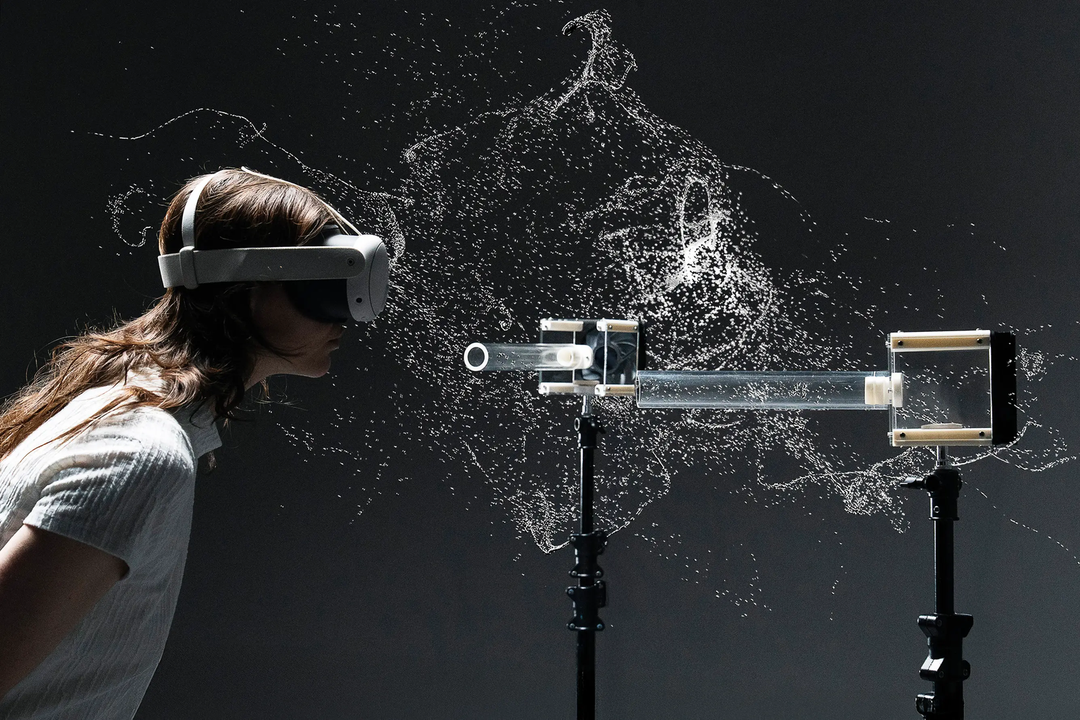
ECAL at MESH Festival 2026,14–18.10.2026,Basel From 14 to 18 October, ECAL will be present at the Mesh Festival 2026. Held in Basel, Mesh is a biennial festival dedicated to art and technology in Basel. Through exhibitions, performances, screenings, workshops and talks, this year s edition asks the following questions: how is technology changing the way we live together? For its second edition, the Bachelor Media & Interaction Design will be present with: SPIRA MEMORIAE by In a world where ecosystems are dying out and certain smells are evaporating, what is happening to the places and stories that gave them form? Spira memoriae is an immersive olfactory experience in virtual reality that invites users to journey through a fragmented sensory world. Original fragrances, created in collaboration with perfumer Tennessee Macdougall, extend the reflection through the language of odours. Beacons of an abstract landscape, they reveal rare materials, sometimes extinct, but still present in our collective memory. Spira memoriae explores the tensions between disappearance and persistence, industry and territory, reality and reconstruction. Smell becomes a vehicle for storytelling, transmission and shared fiction. UNBUBBLE by Unbubble is an interactive installation in which a robot explores a user s smartphone to analyze their Instagram usage. This intrusive act highlights a paradox: if it s rare to hand one s phone to a machine, we nonetheless do so every day by letting algorithms collect our data. Our online habits shape a tailor-made reality that filters, sorts, suggests, and sometimes limits our horizons. Unbubble questions how our digital traces construct a fragmented image of ourselves — one that is then used to guide our choices, desires, and attention. The installation invites us to become aware of these mechanisms and opens up a space to imagine other narratives, other ways of navigating, and other worlds to explore beyond the paths laid out by algorithms.VENUEBasel, SwitzerlandDATESFrom 14 to 18 October, 2026WEBSITEmeshfestival.ch

Environment Index – Contemporary Product Design Methodologies (EI-CPDM) This project develops a manuscript for later book publishing, framing the contemporary state of product design in relation to the environmental crisis. The most significant challenge of our time is the environmental breakdown; it is fundamental that humanity optimises its practices for the sake of all life on Earth.1 Since the 1970 s resource consumption and pollution have been at detrimental thresholds.2 As the global population expands further and consumption accelerates, product design is an ever more critical sector to address, as underscored by the multitude of governmental initiatives, including the EU Circular Economy Action Plan3 and Sustainable Development Goals. Now in 2026, just past the quarter mark of what is the most crucial century for living conditions, planetary health is in its most critical state in recorded history.3 Numerous, predominantly theoretical, methods for addressing environmental impact in design exist; however, what remains significantly complex for designers is navigating what constitutes genuine impact, what is most relevant, and how such methods can be both feasibly and viably applied to address global issues at scale today. In summary, this raises the question of the current state and application of contemporary design. The project aims to clearly articulate practical design pathways for effectively addressing global environmental challenges. Refs: 1 United Nations, n.d.; World Health Organization, 2021. 2 Global Footprint Network, n.d. 3 United Nations Environment Programme, 2025.Principal investigatorMaxwell AshfordPeriod01.09.2026 – 29.02.2028Bailleurs de fondsHES-SO, Réseau de Compétences Design et Arts Visuels RCDAVResearch teamNicolas Bernklau Chrystel Dayer Simon Descarpentries Christophe Guberan Alexandre Guillon Paula Mühlena
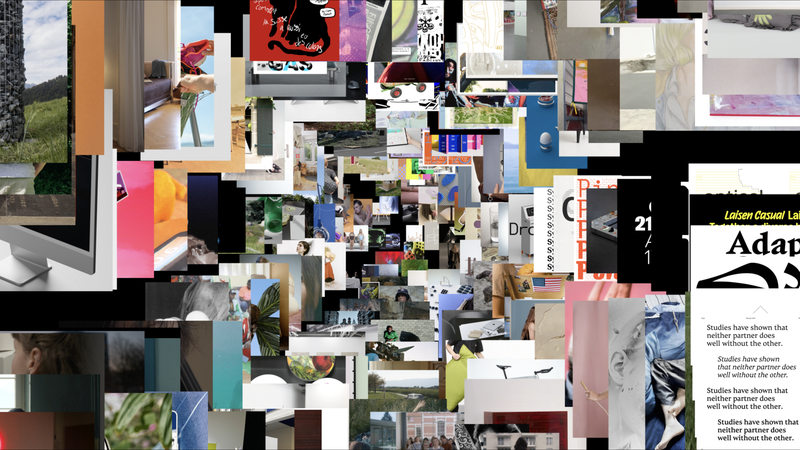
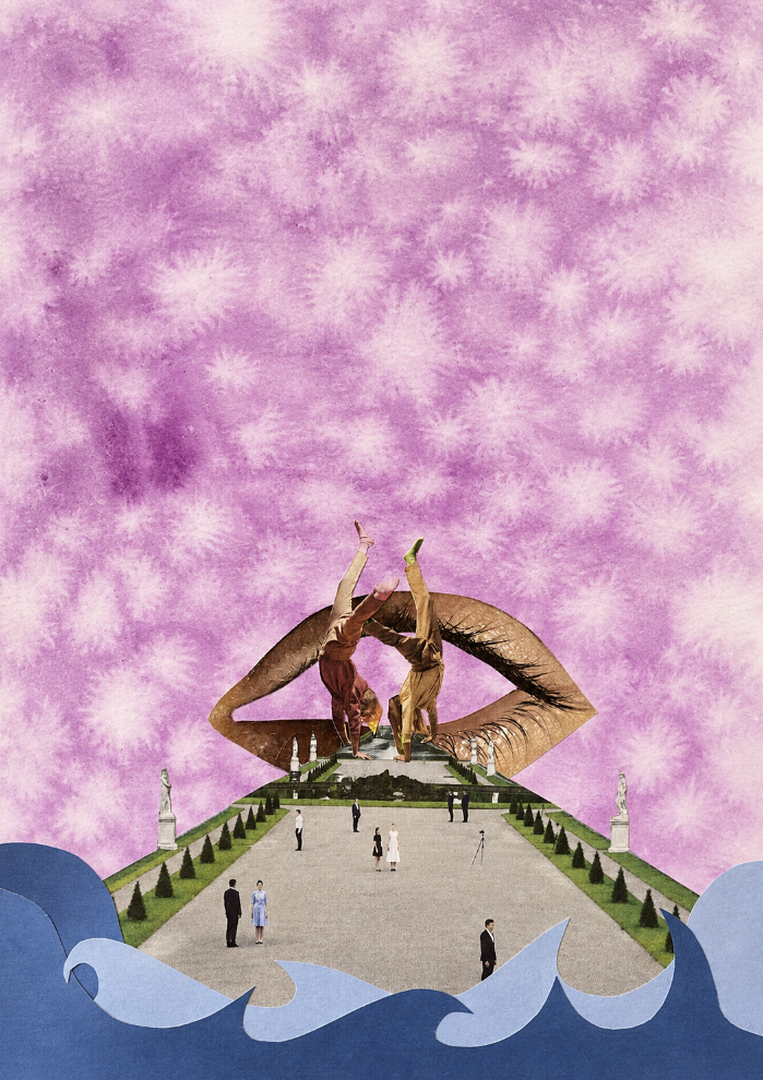
Trampolino for the Future,09–31.10.2026,New Galerie, Paris Trampolino for the Future is a project created for New Galerie in Paris by students of ECAL s Master Fine Arts program. Taking as its starting point the evolution of the arbitrary conventions of the group show — thematic, aesthetic, geopolitical, or generational groupings —t he exhibition poses a simple question: What can still bring together works that share neither form, subject, nor program? Here, the school serves as both a space and a temporary connection — a source of collective inventiveness — where practices, genres, and ideas develop through proximity and influence, without seeking to create unity or guarantee a sense of community. A project by students of ECAL s Master Fine Arts programDATES & OPENING TIMES09.10–31.10.2026 Tuesday–Saturday : 2:00pm–7:00pm Free entryADDRESSNew Galerie 2 Rue Borda, 75003 Paris, FranceSTUDENTSRoberta Argenta · · Mykola Churmantaiev · · Zora Decherf · Tristan Duval · · Axel Ganesh Gradito · Sophia Haid · Martin Herengt · · · · · Jana Mosconi · Olguniyaz Muhammetgulyyeva · Fotima Sharipova · CURATORS · OPENING RECEPTIONOn October 9 at 6 p.m