Warming by the Devil’s Fire

Julien Savioz – Warming by the Devil’s Fire

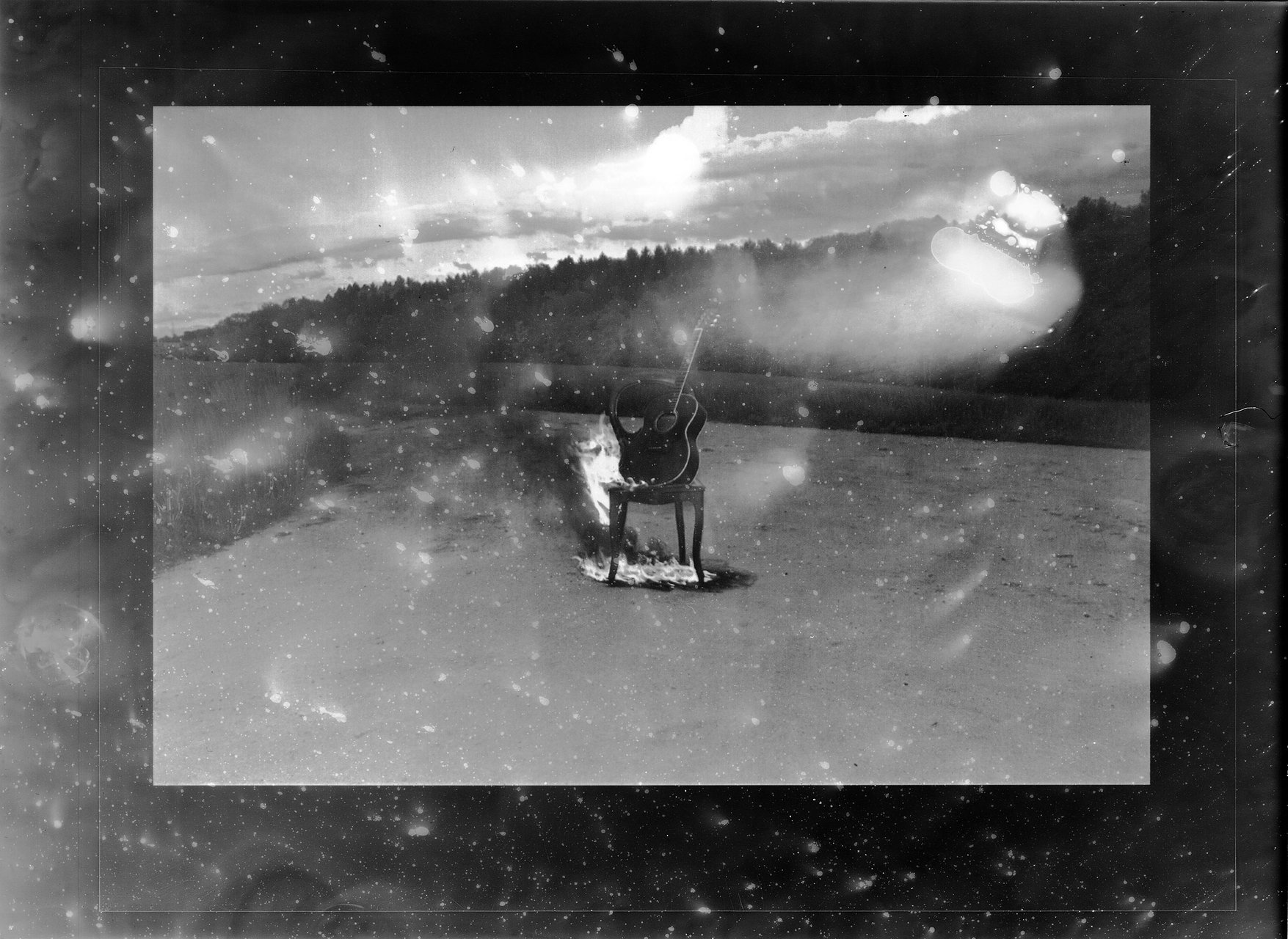
Warming by the Devil’s Fire recounts the life of Robert Johnson. Considered today as one of the fathers of early Blues Music, he died in fact anonymously in 1938 at the age of 27 and fell into oblivion. It was only during the 60’s that white folk and rock musicians rediscovered his 2 albums and started being interested in his life. In 30 years though, his story had been told so many times and in so many different ways that it had turned into a tale. Theories, white fascination and romantic visions completed the myth, to which – as a European fan – I decided to contribute by telling my own version.

Diploma project (2013) by Julien Savioz

Warming by the Devil’s Fire recounts the life of Robert Johnson. Considered today as one of the fathers of early Blues Music, he died in fact anonymously in 1938 at the age of 27 and fell into oblivion. It was only during the 60’s that white folk and rock musicians rediscovered his 2 albums and started being interested in his life. In 30 years though, his story had been told so many times and in so many different ways that it had turned into a tale. Theories, white fascination and romantic visions completed the myth, to which – as a European fan – I decided to contribute by telling my own version.

ECAL_Savioz_Julien_1WEB.jpg

Projets similaires

Contextual Design – BA2 S2 2026

BA GRAPHIC DESIGN

Contextual Design – BA2 S2 2026

with Adeline Mollard

  Genius Loci, or the spirit of the place, refers to the unique identity or essence of a location. In architecture, this principle suggests that the specific characteristics of a place should be reflected and extended in a design. In the case of the second-year graphic design students, they have applied this principle to communication projects focused on promoting or extending the identity of a particular place through design. Their work likely explores how to visually capture and communicate the essence of a space, using graphic design elements that resonate with the architectural features or history of the place.    

Visual Identity - “?”  - BA1 S2 2025-2026

BA GRAPHIC DESIGN

Visual Identity - “?” - BA1 S2 2025-2026

with Adeline Mollard

Last year, the Marché du Temple, an iconic grocery store located in front of ECAL, closed its doors, leaving behind precious memories and a warm atmosphere that had enlivened the neighborhood for decades. This semester, students had the opportunity to reinvent this space by designing a complete visual identity for a new fictional business. Their work resulted in a poster and its animated version, a booklet, and a proposal for a new storefront. To celebrate the end of the semester, an exhibition was organized in the former premises of the Marché du Temple.  

Image Creation - Mirrored Motifs (ECAL × Chillon) - BA1 2025-2026

BA GRAPHIC DESIGN

Image Creation - Mirrored Motifs (ECAL × Chillon) - BA1 2025-2026

with Guy Meldem

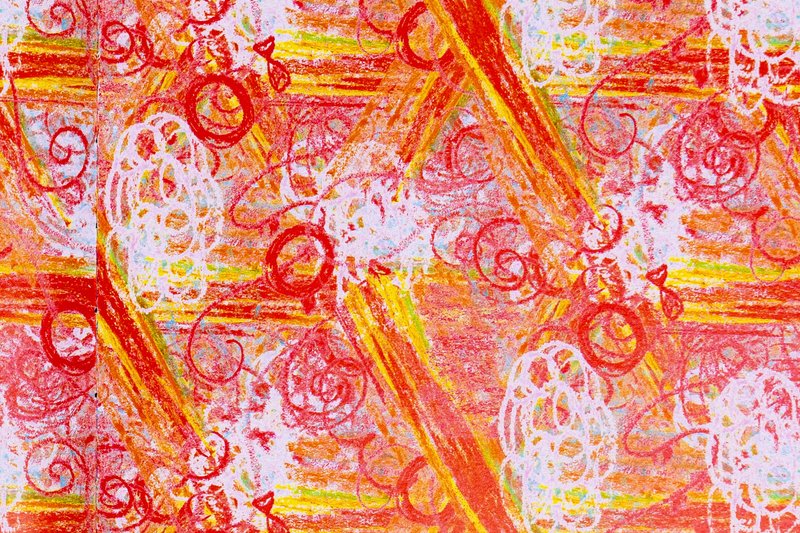
As part of the ECAL x Chillon exhibition, which will take place at the eponymous castle, the students of the Bachelor in Graphic Design have created patterns inspired by the castle’s features. Under the supervision of Guy Meldem, they developed a variety of graphic systems. These patterns will be printed as hangings in the armory hall of Chillon Castle.

Type Design - BA1 S2 2025-2026

BA GRAPHIC DESIGN

Type Design - BA1 S2 2025-2026

with Robert Huber

The creation of a logotype involves establishing a distinct visual identity, embedded in a clearly defined universe. First-year Graphic Design students designed a fully hand-drawn logotype, connected to a subject, a concept, or an environment of their own choice. This work was based on thorough research in typographic archives. Each student compiled a reference notebook and developed a set of specimens, in order to enrich and structure their graphic and formal thinking.

Screen Design - Flexible Event - BA1 S2 2025-2026

BA GRAPHIC DESIGN

Screen Design - Flexible Event - BA1 S2 2025-2026

with Harry Bloch

As part of the Screen Design course with Harry Bloch, students freely chose an event as the starting point for their project. Using documentary, textual, and iconographic research, each student developed a digital edition conceived as an interactive and flexible poster, responsive to changes in screen format and dimensions. The project thus explores layout as a living system rather than a fixed composition. Each proposal is accompanied by conceptual and formal reflection, connecting event content with experimentation in the screen medium.

Related courses