Contextual Design – BA2 S2 2026

Contextual Design – BA2 S2 2026


Genius Loci, or the spirit of the place, refers to the unique identity or essence of a location. In architecture, this principle suggests that the specific characteristics of a place should be reflected and extended in a design.

In the case of the second-year graphic design students, they have applied this principle to communication projects focused on promoting or extending the identity of a particular place through design. Their work likely explores how to visually capture and communicate the essence of a space, using graphic design elements that resonate with the architectural features or history of the place.


Studio project (2026) with Adeline Mollard

Assistants
Olympe Boutaghane
Students
Emma Morisseau, Sara Pedersoli, Lucie Pittet, Hélène Prongué, Alice Refachinho, Justine Renevey, Gaspard Schlatter, Laura Simons, Isabelle Virnot, Vu Toni Thien Duc, Maïa Yassin, Jonas Zesiger
Know-how
Poster, Imagemaking, Editorial

Justine Renevey
Justine Renevey
Justine Renevey
Justine Renevey
Justine Renevey
Justine Renevey
Justine Renevey
Justine Renevey
Justine Renevey
Justine Renevey
Justine Renevey
Justine Renevey
Justine Renevey
Justine Renevey
Justine Renevey
Justine Renevey
Justine Renevey
Justine Renevey
Justine Renevey

1/19


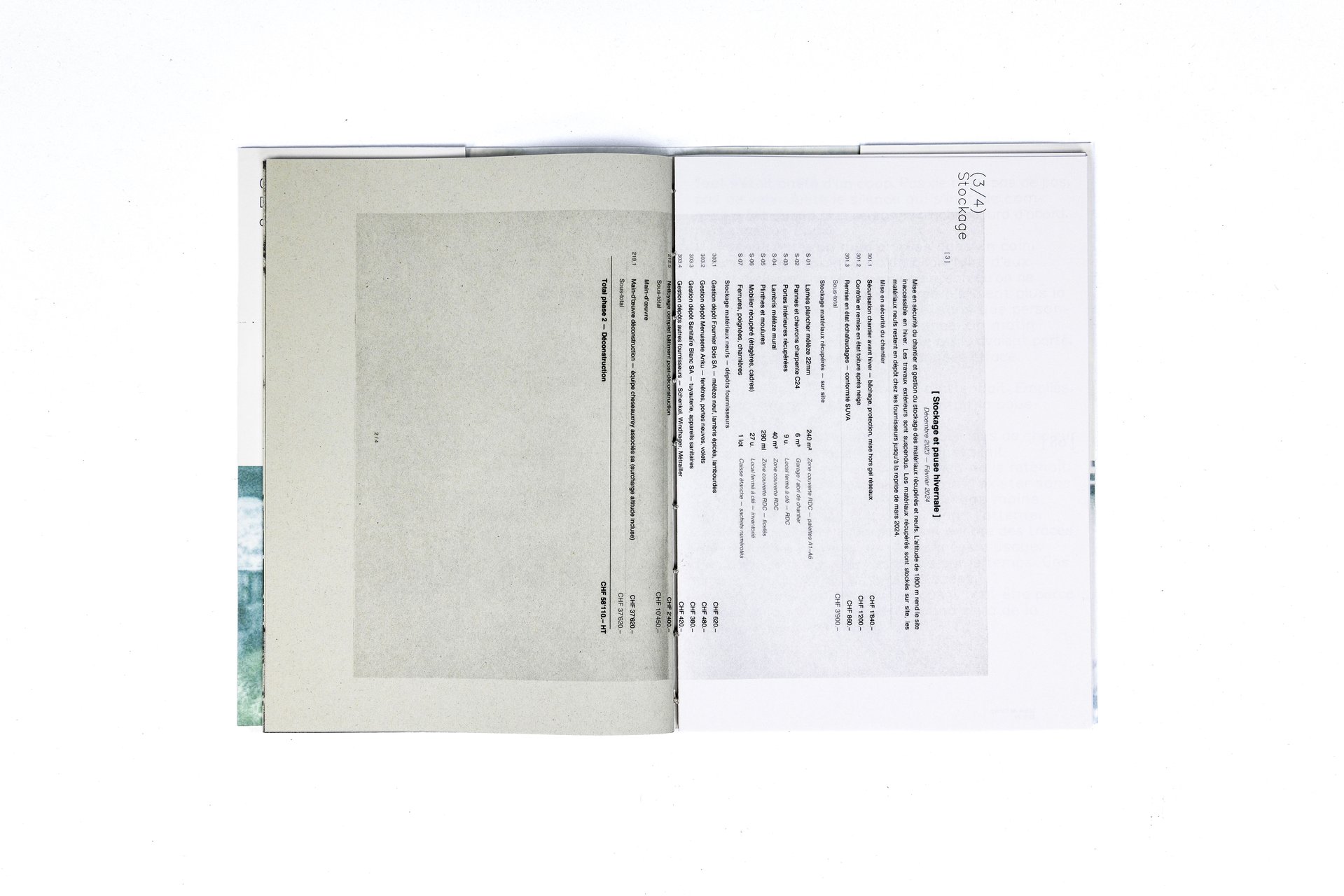
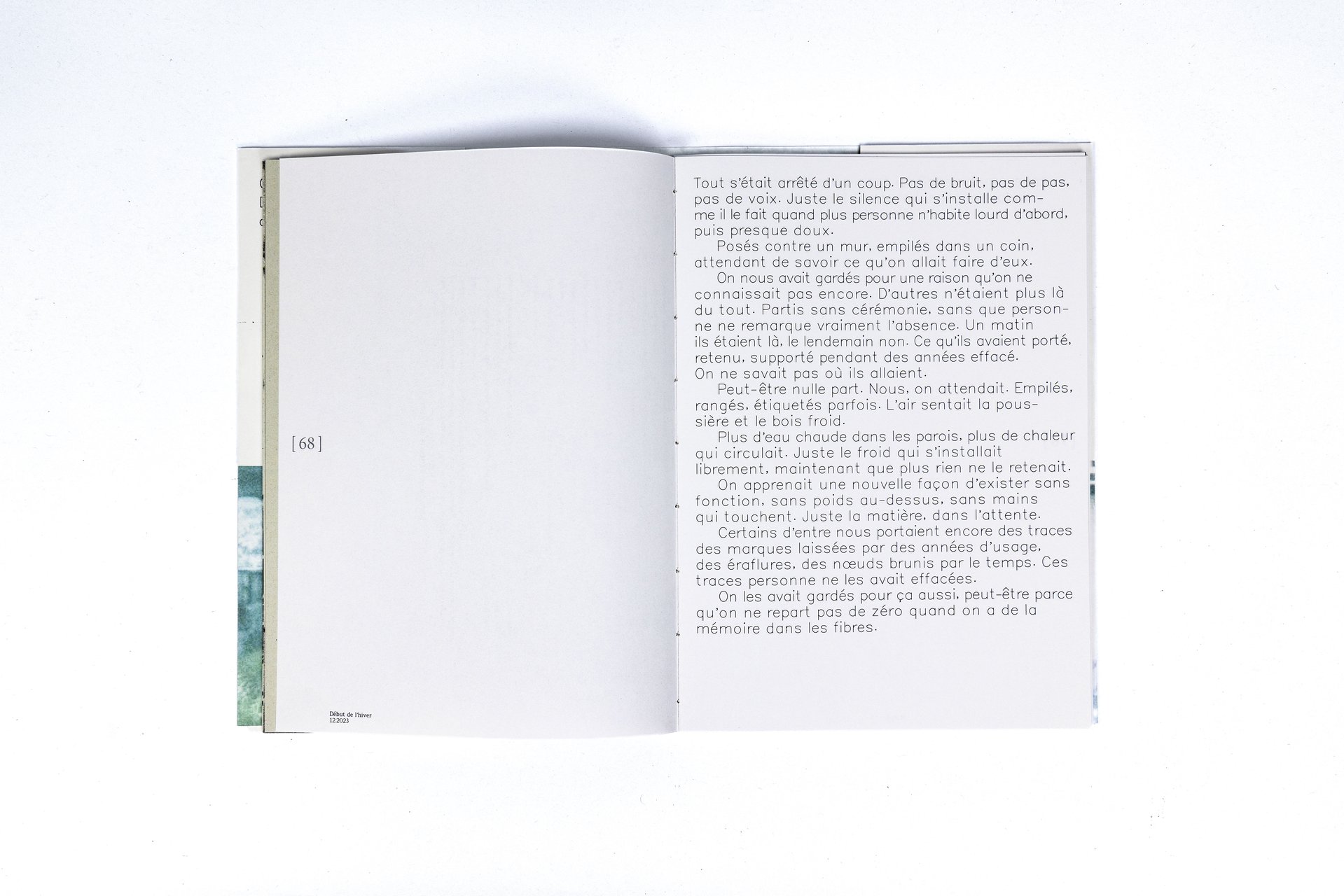
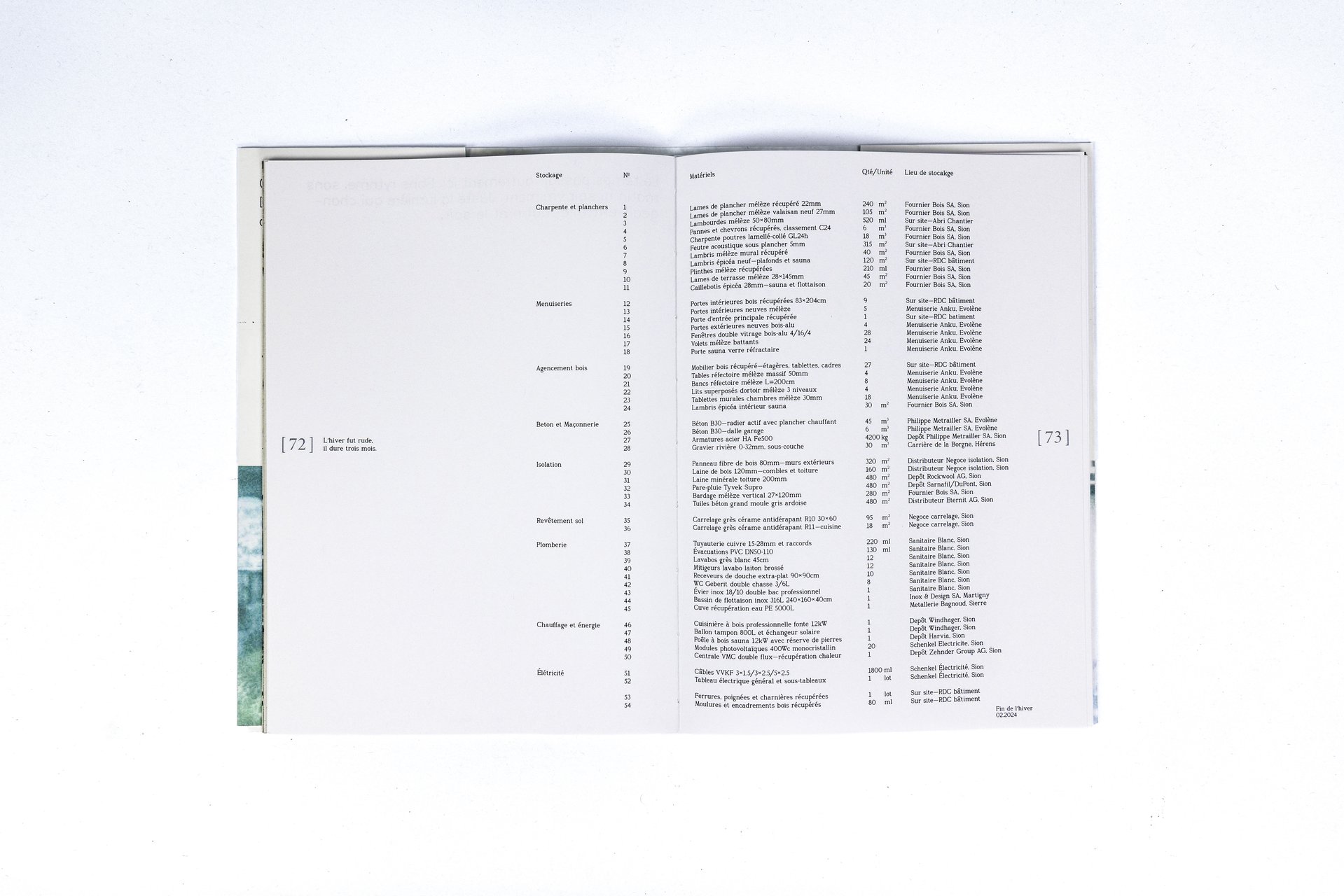
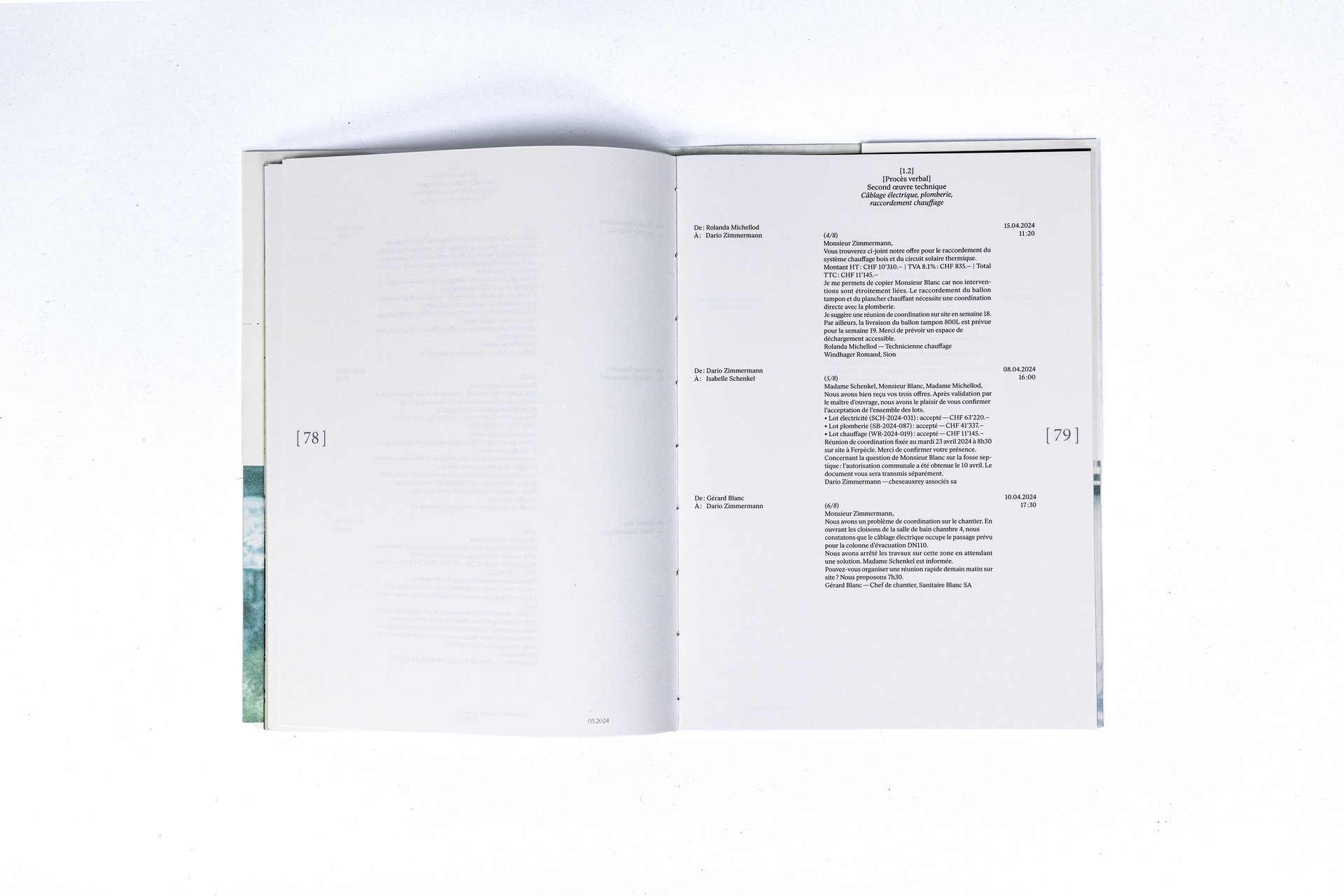
[ La cabane qui murmurait ]

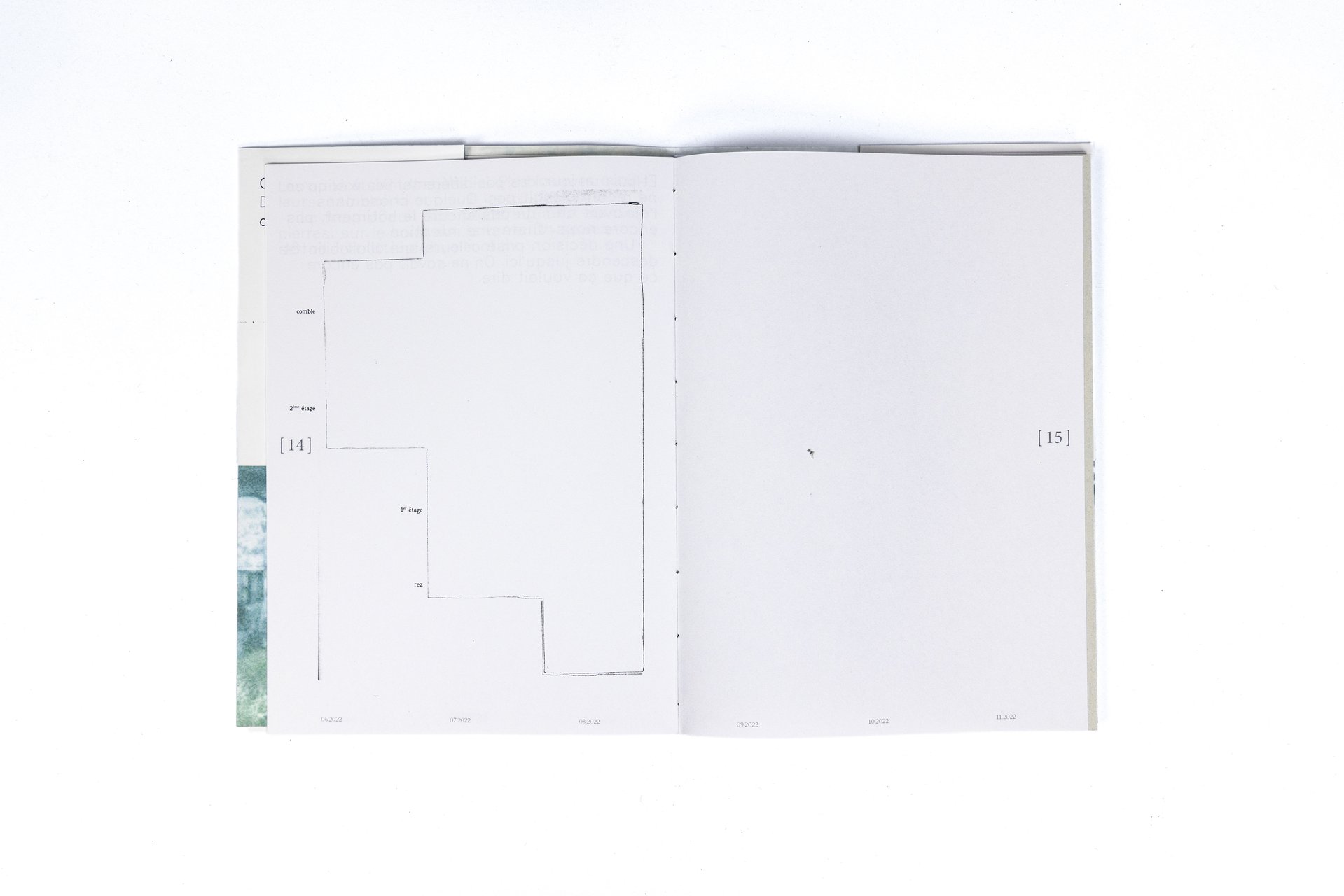
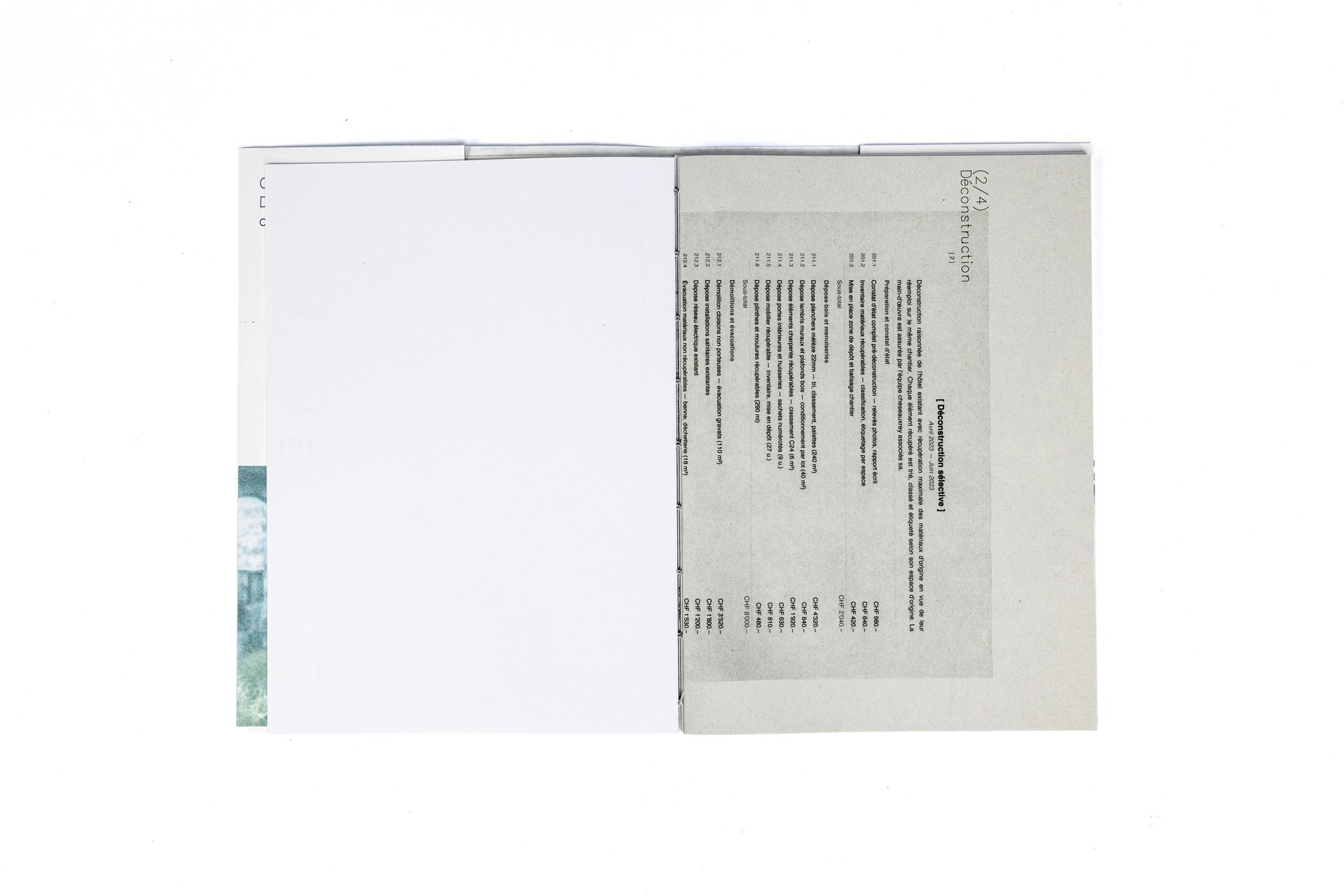
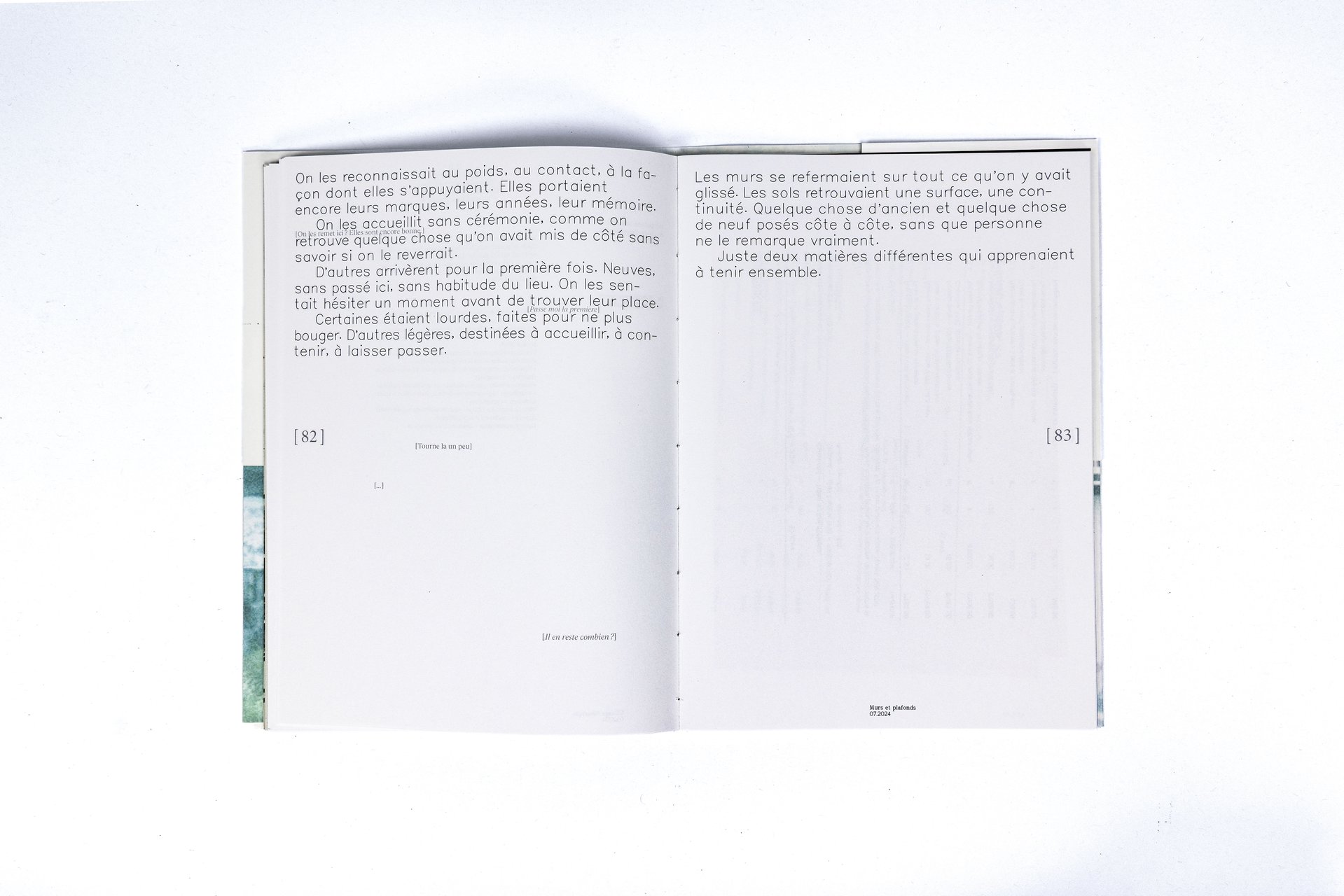
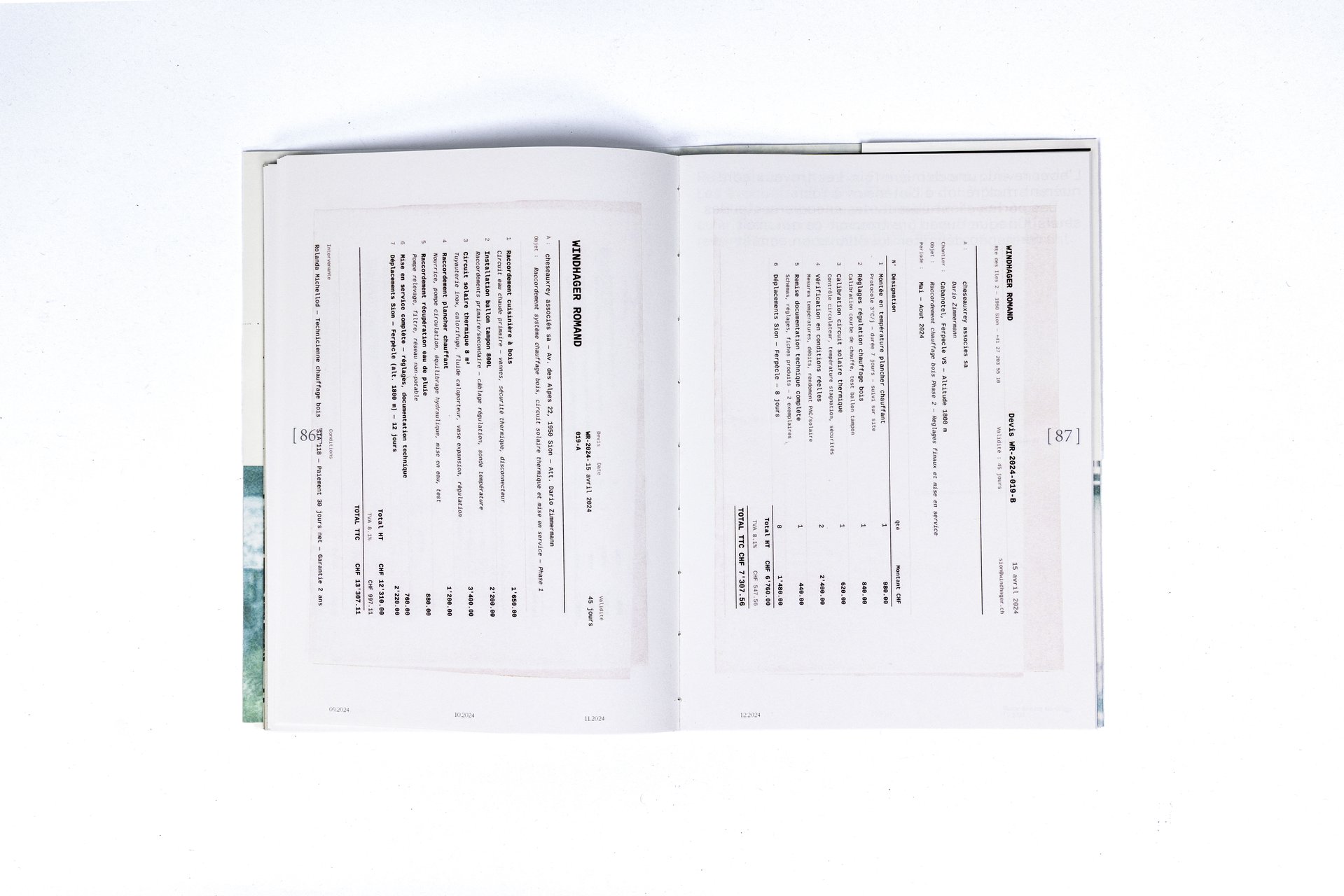
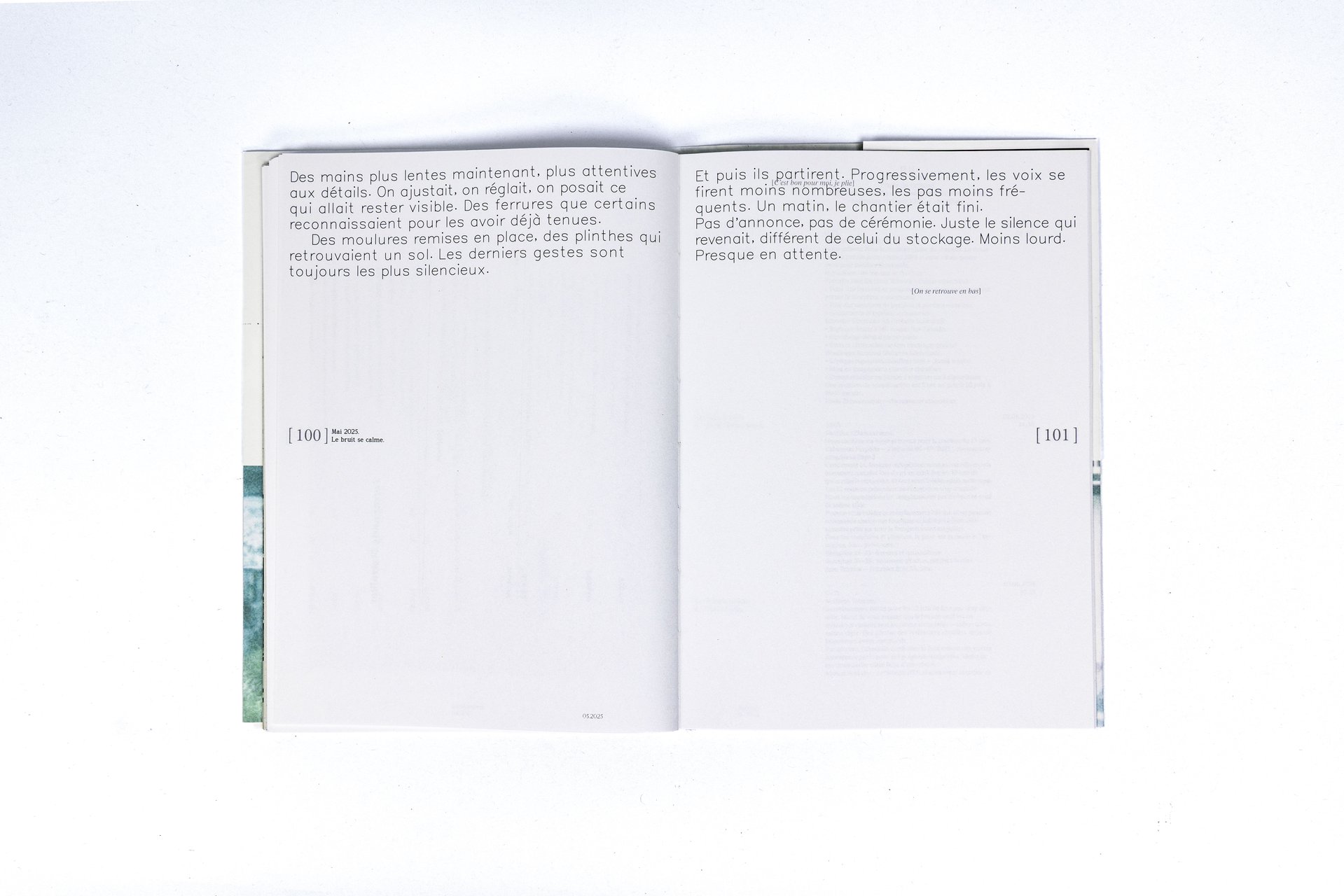
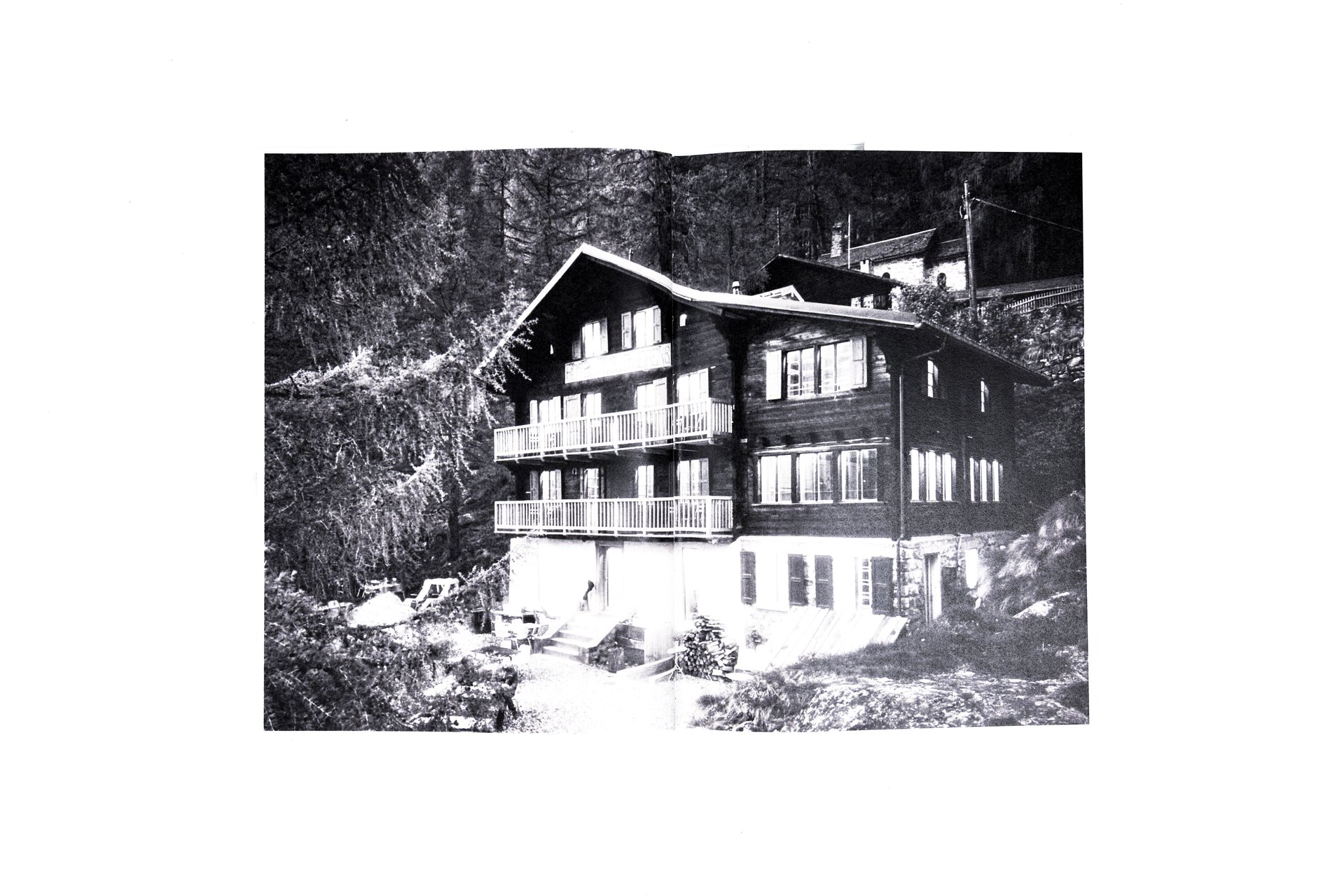
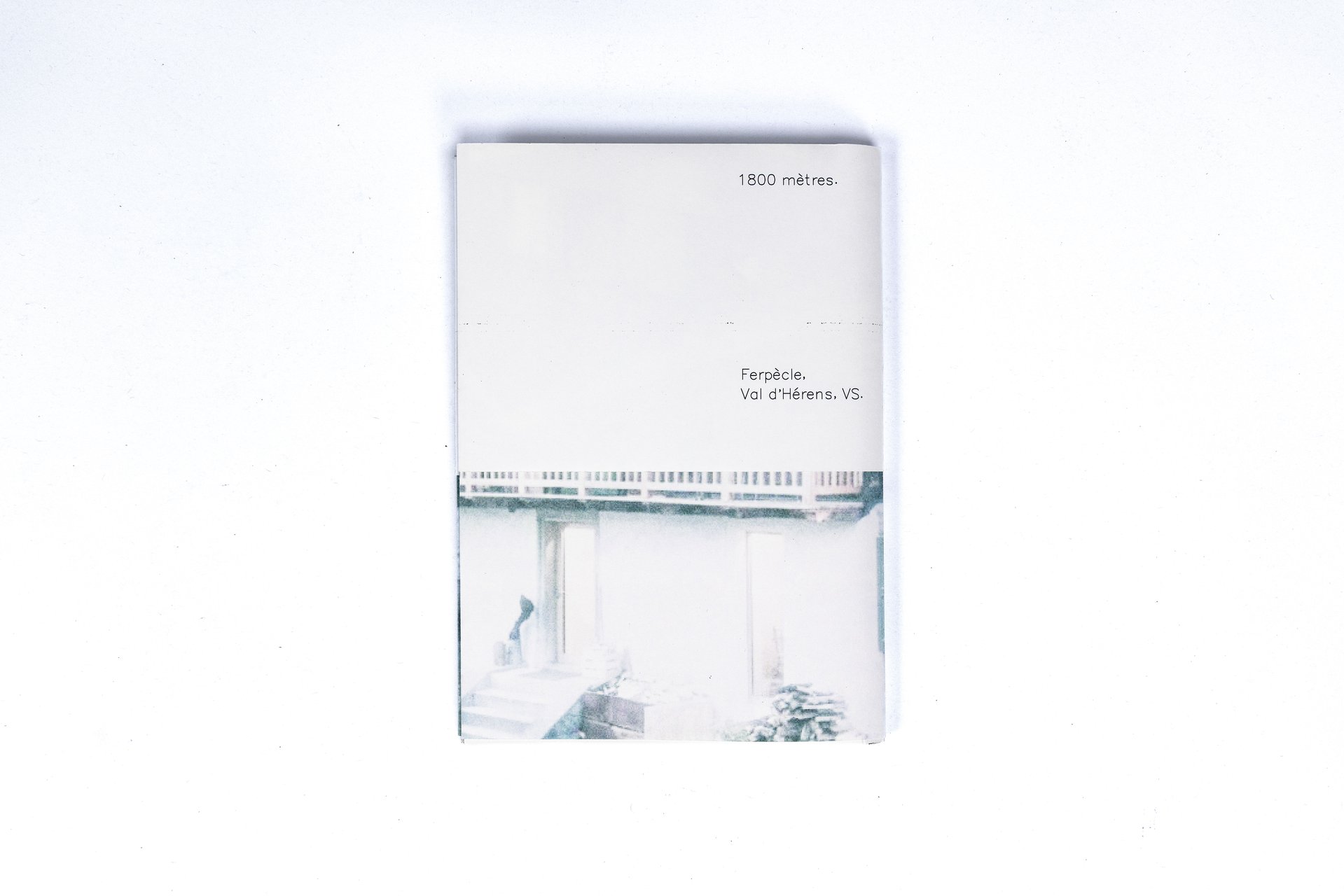
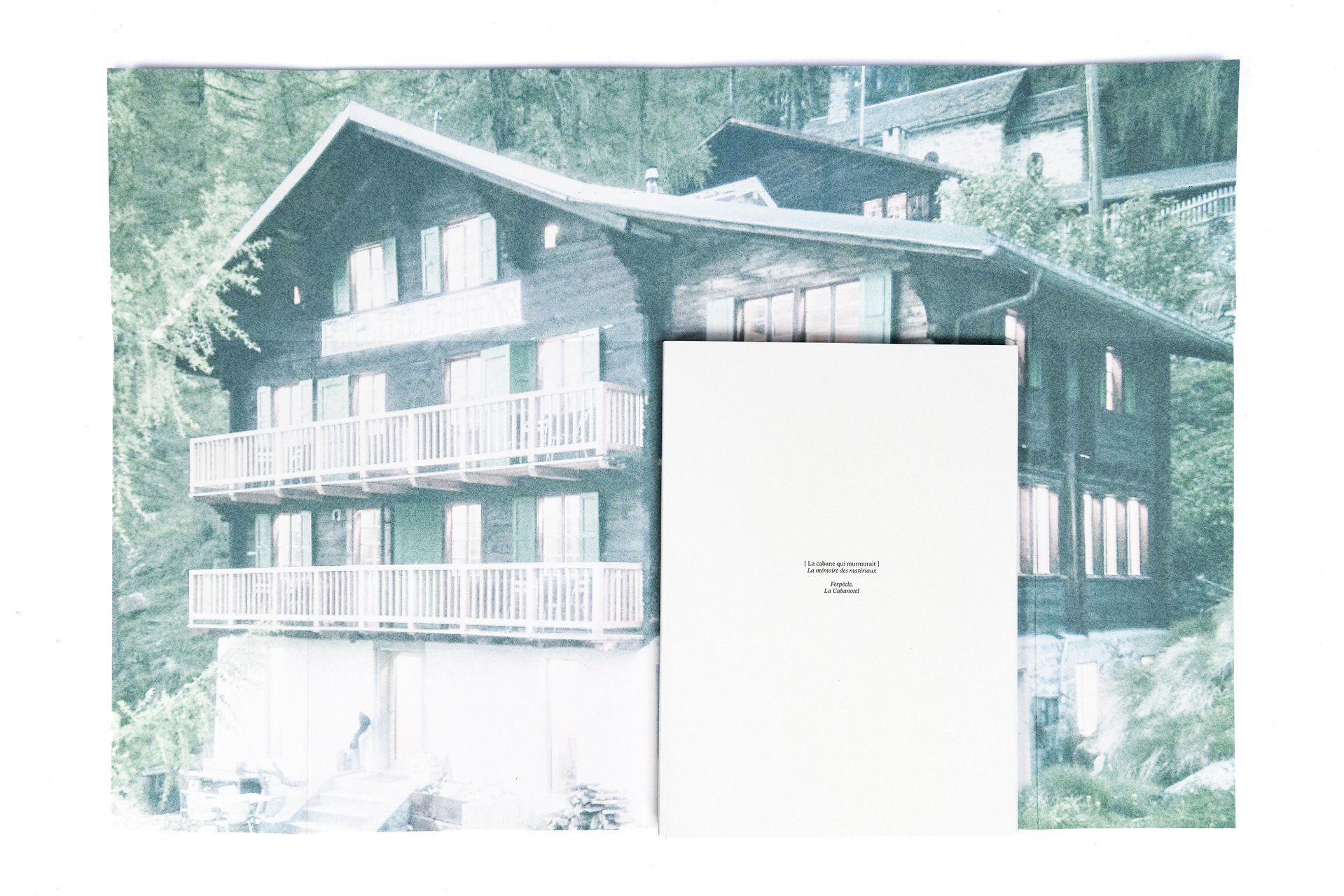
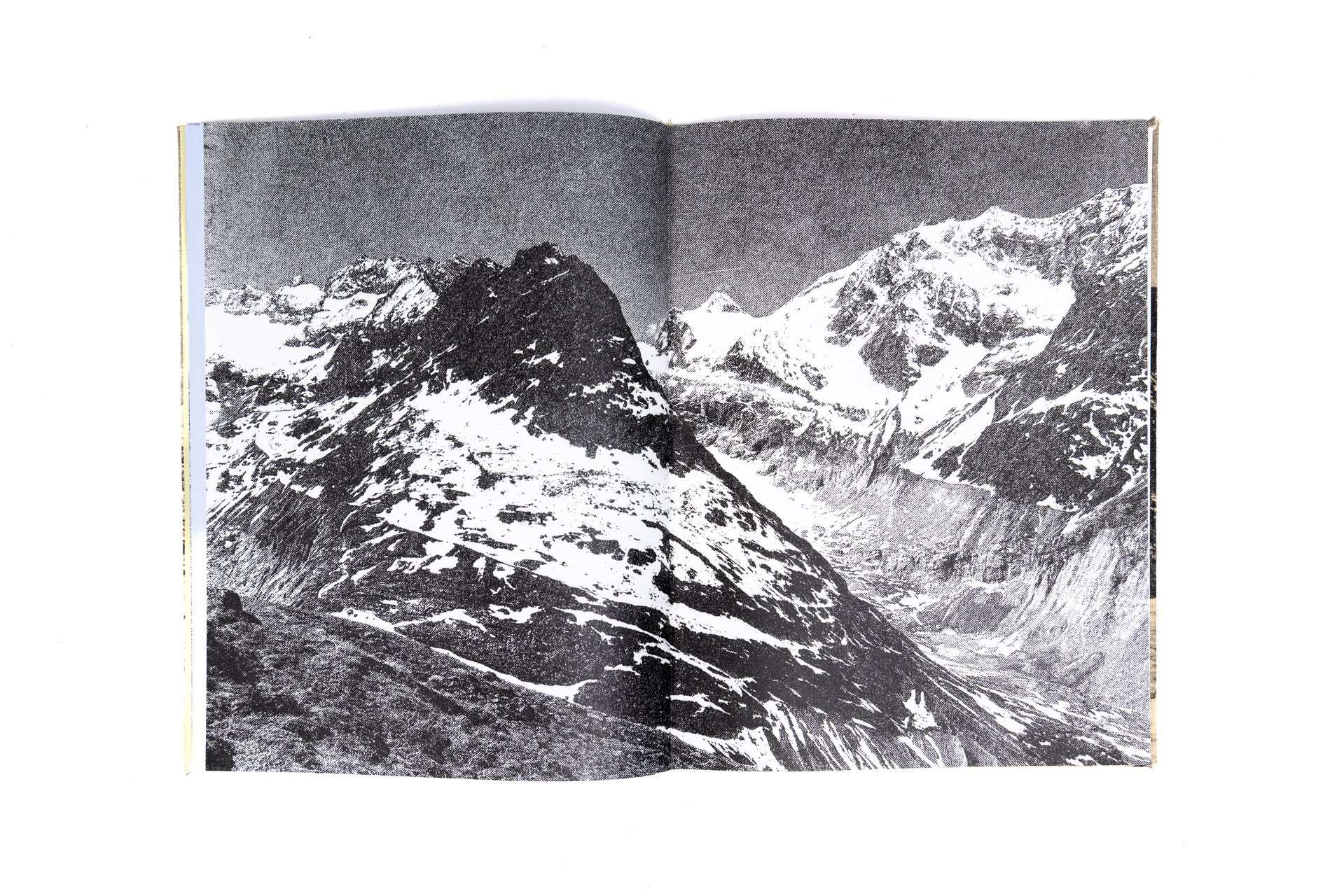
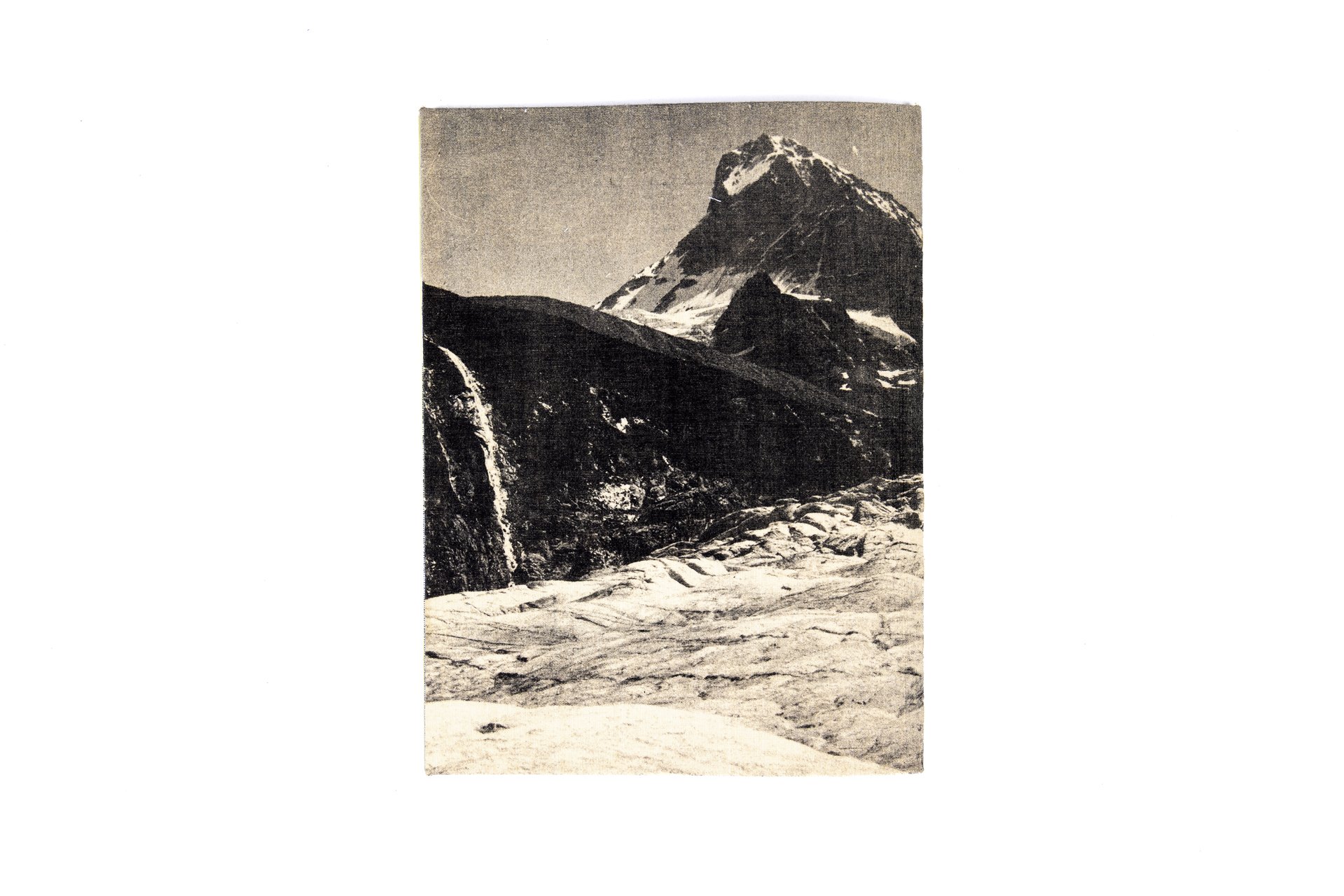
The Cabanotel, perched at 1,800 metres in the Val d’Hérens in Valais, was born from the transformation of the Hôtel du Col d’Hérens, built in 1876. Neither hut nor hotel, but both at once, it retains its outer shell while its interior has been entirely redesigned through a logic of reuse, short supply chains, and territorial anchoring.

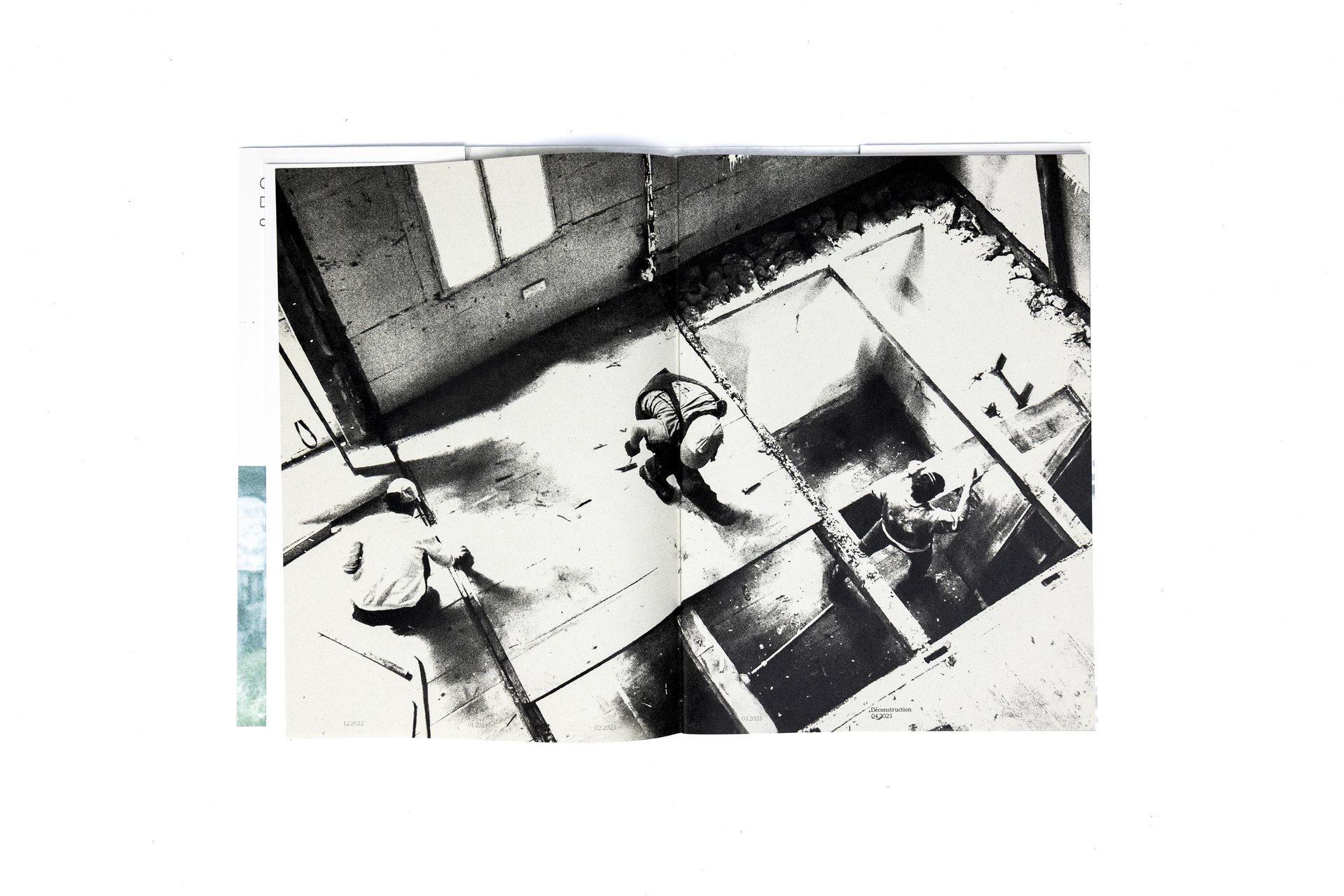
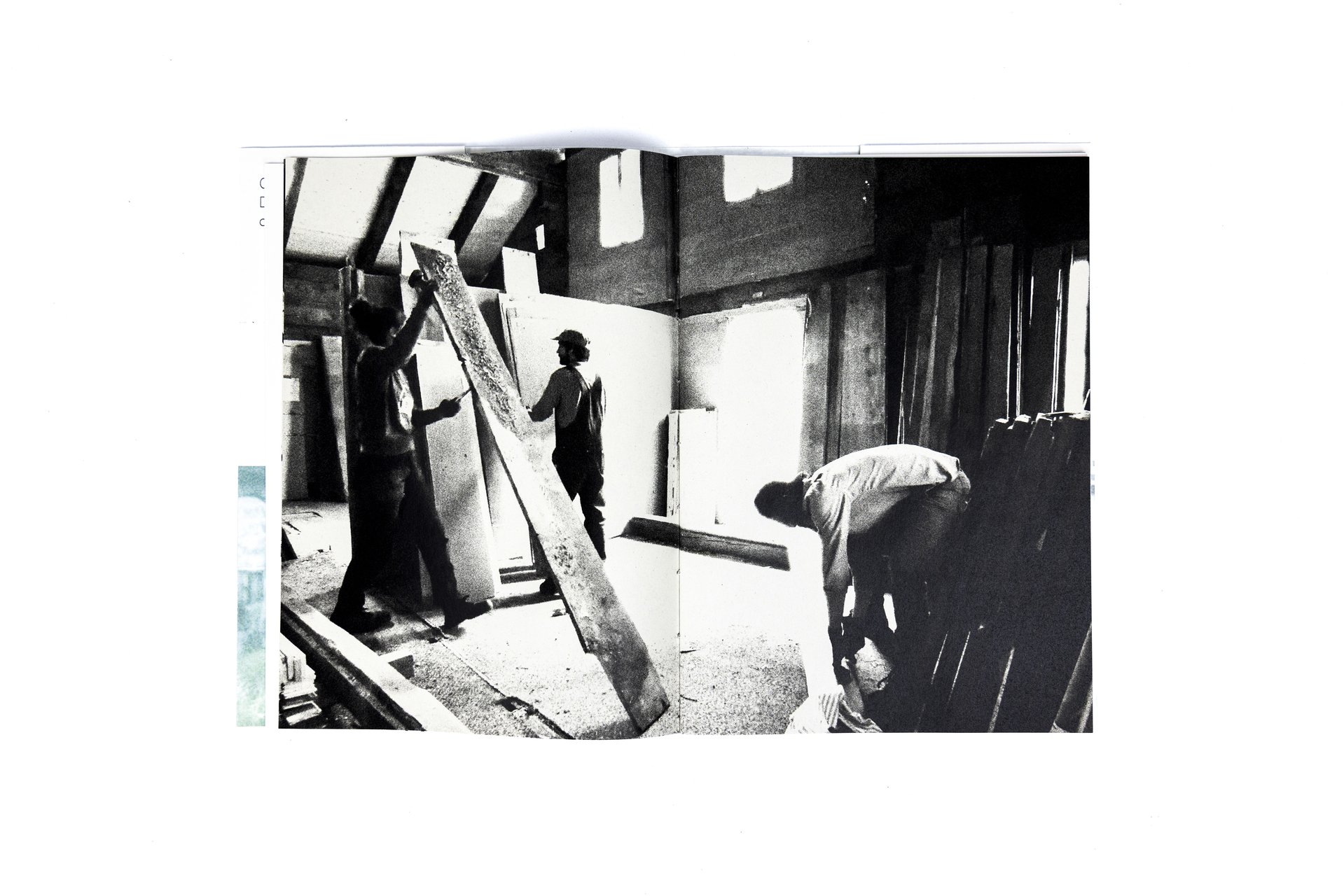
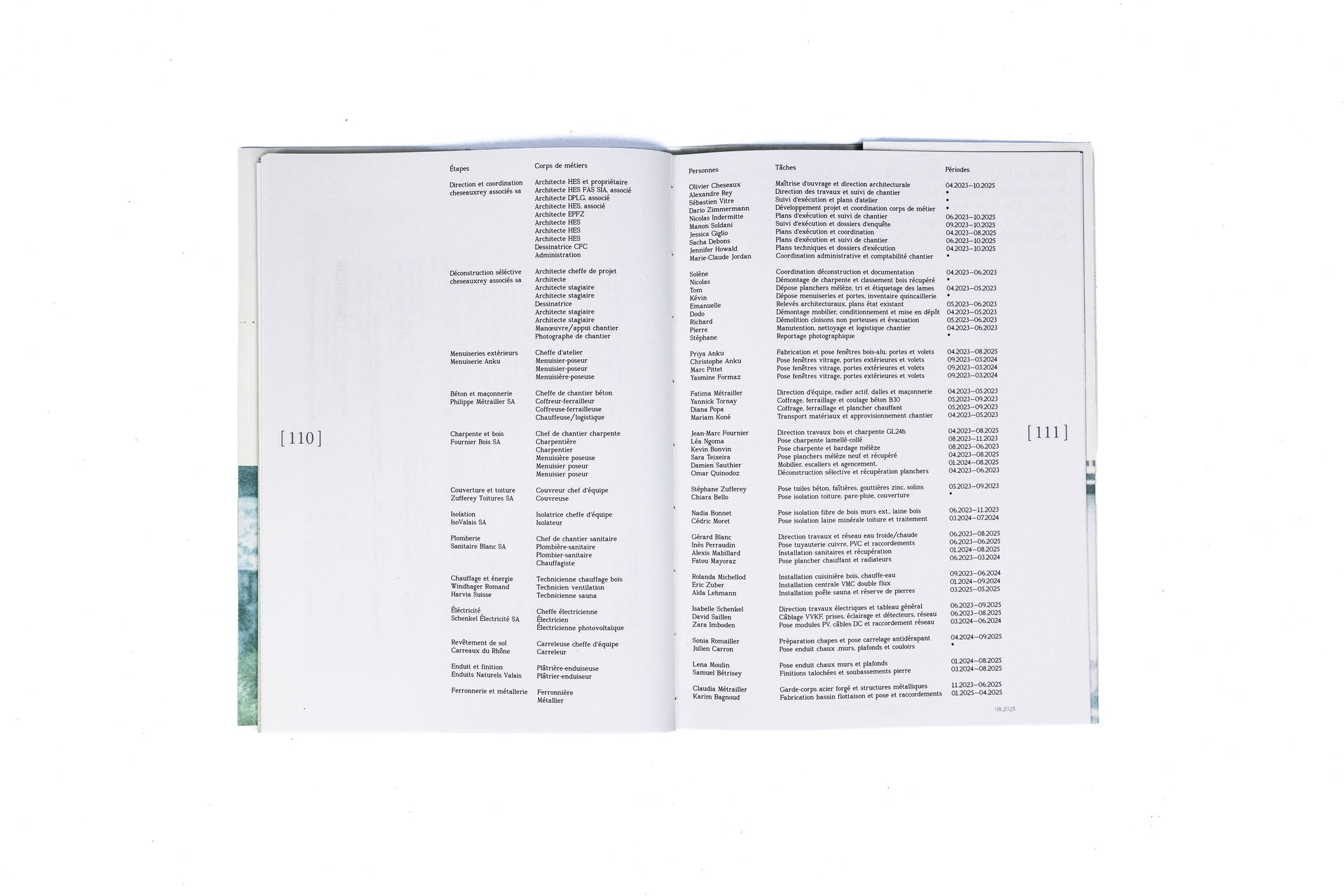
This book takes the building as its starting point, not to document its architecture, but to give voice to what remains silent within it: reclaimed, moved, and reinstalled materials, and the people involved throughout the construction process. Structured in four chapters—construction, deconstruction, storage, and reconstruction—it brings together the voice of the house and that of the building site.

Time is a character in its own right. In the mountains, the seasons slow down the construction process and open up space between stages. This book seeks to make perceptible what cannot be seen, what the house itself remembers.
 

Par Justine Renevey


Maïa Yassin
Maïa Yassin
Maïa Yassin
Maïa Yassin
Maïa Yassin
Maïa Yassin
Maïa Yassin
Maïa Yassin
Maïa Yassin

1/9

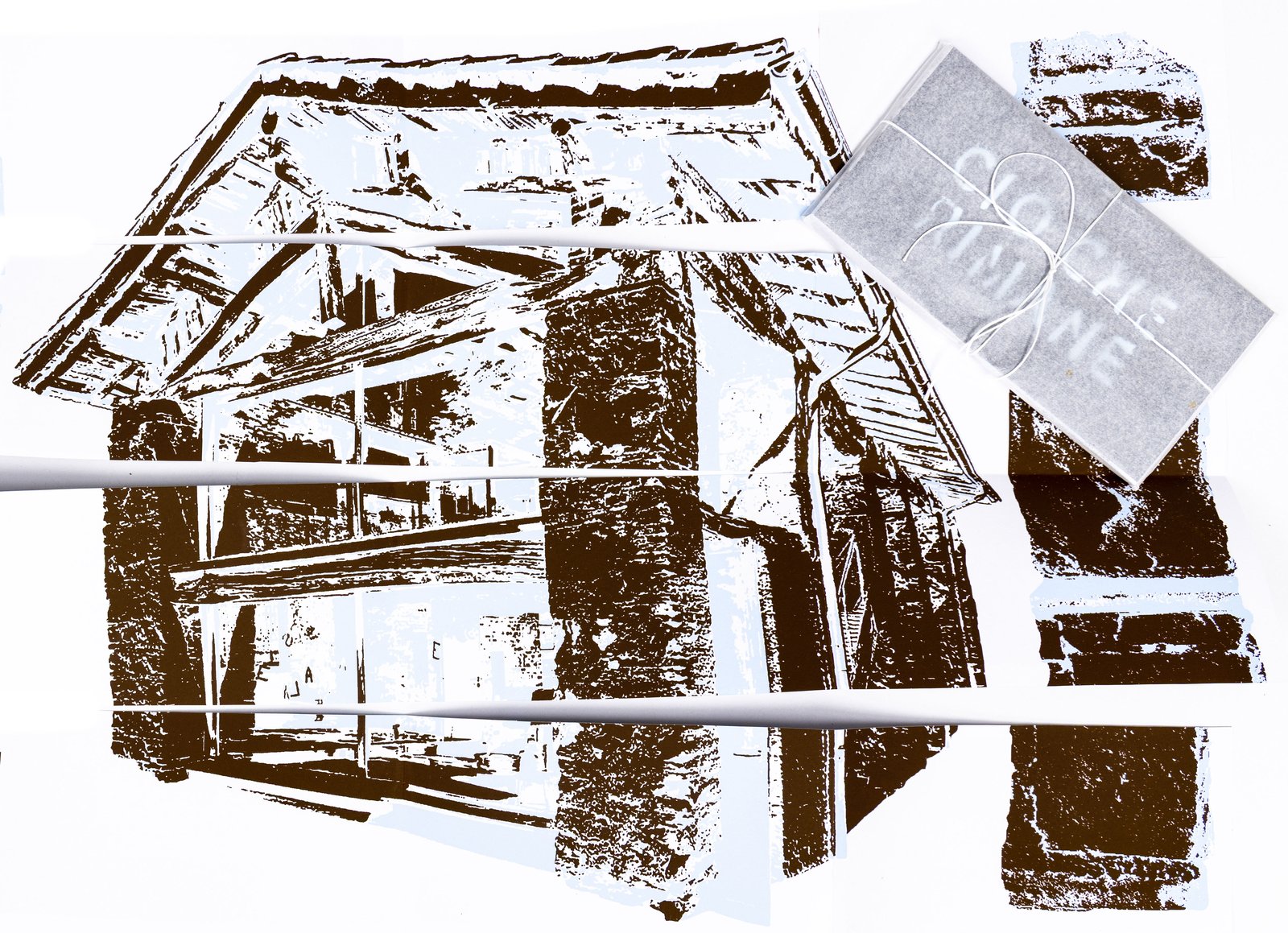
Cio che Rimane

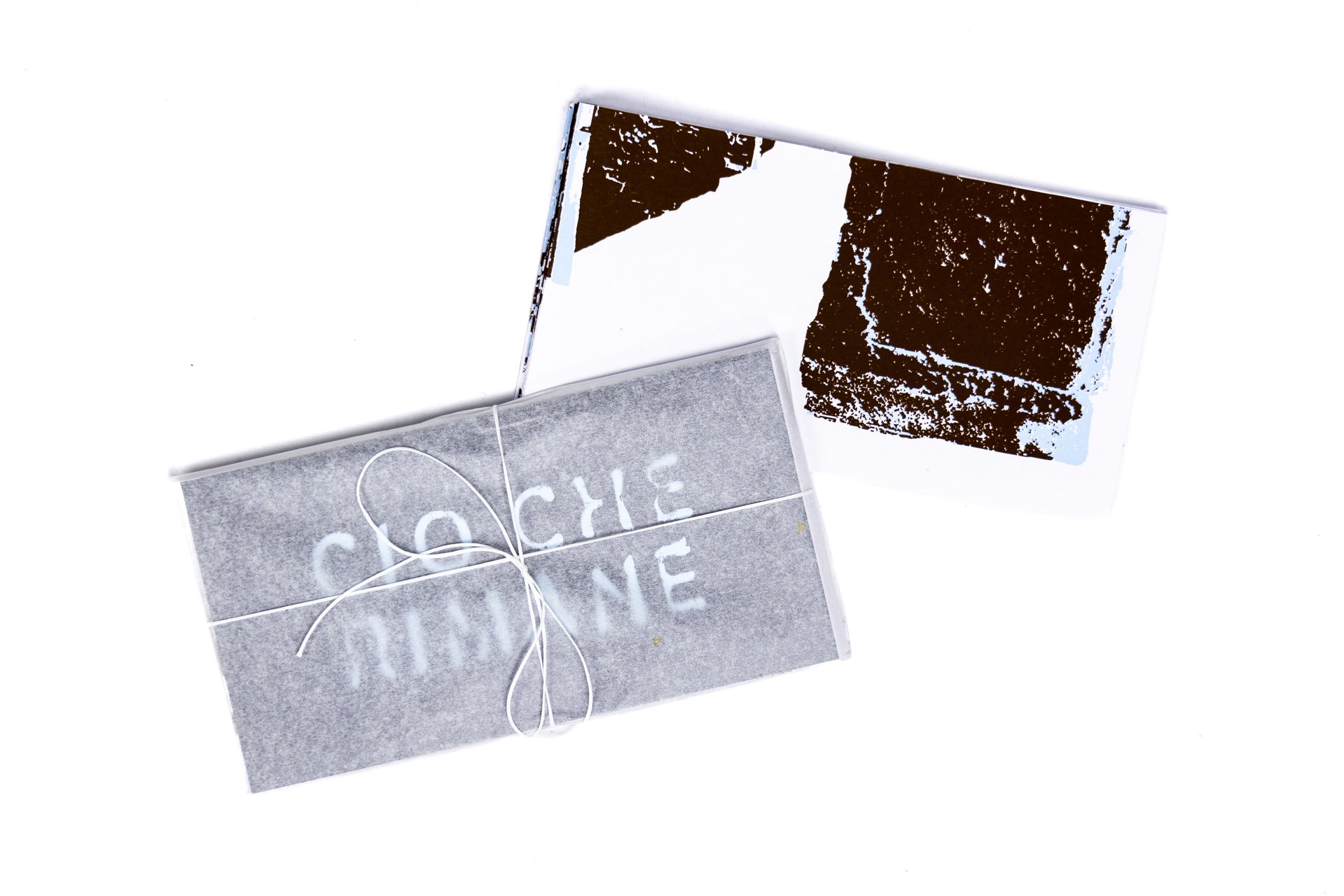
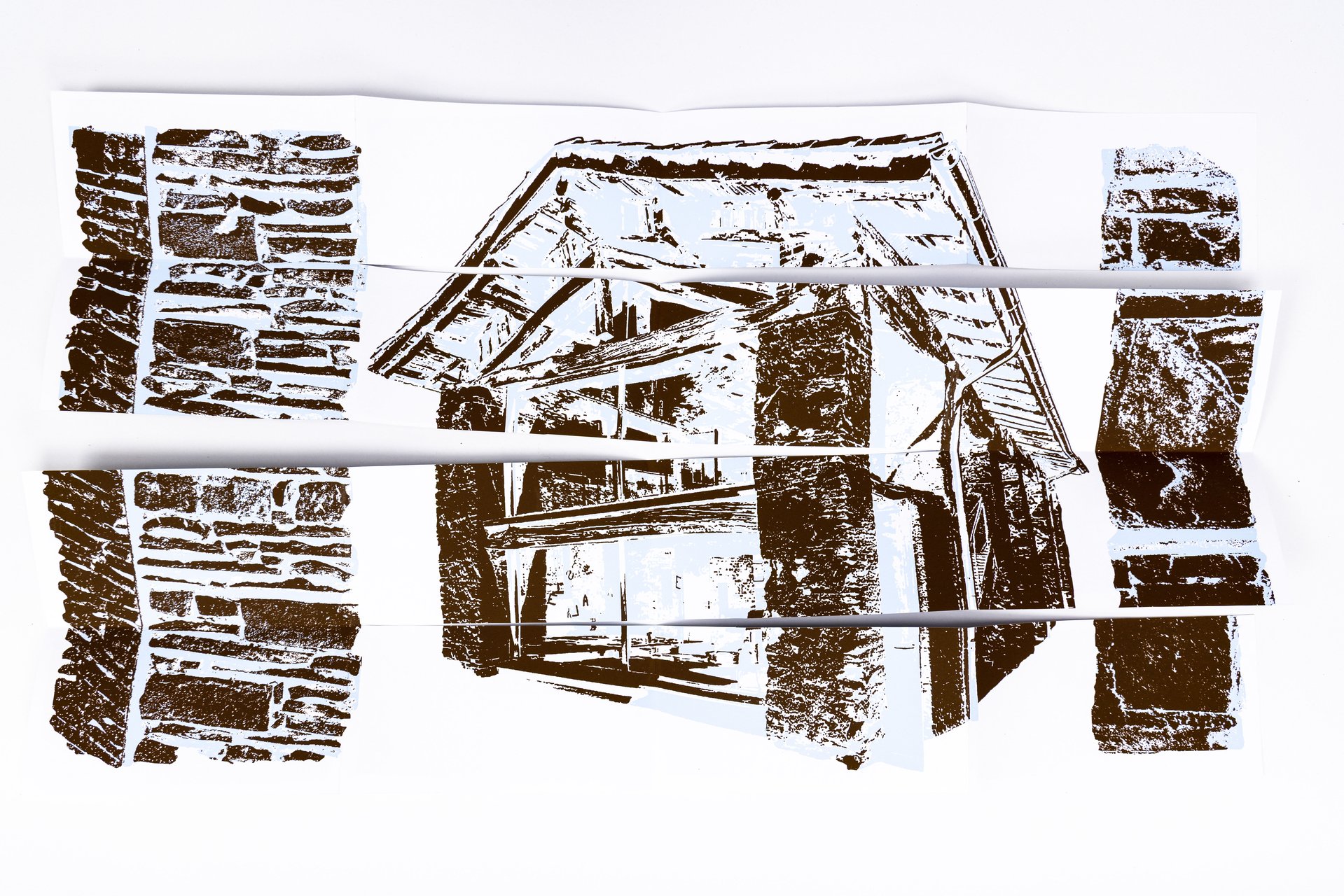
The Fornaci di Riva San Vitale, on the shores of Lake Lugano, are a former site for the production of clay bricks. The rehabilitation project aims to preserve the existing structures and the traces of this activity, while supporting the transformation of the site through reuse and the conservation of certain elements.

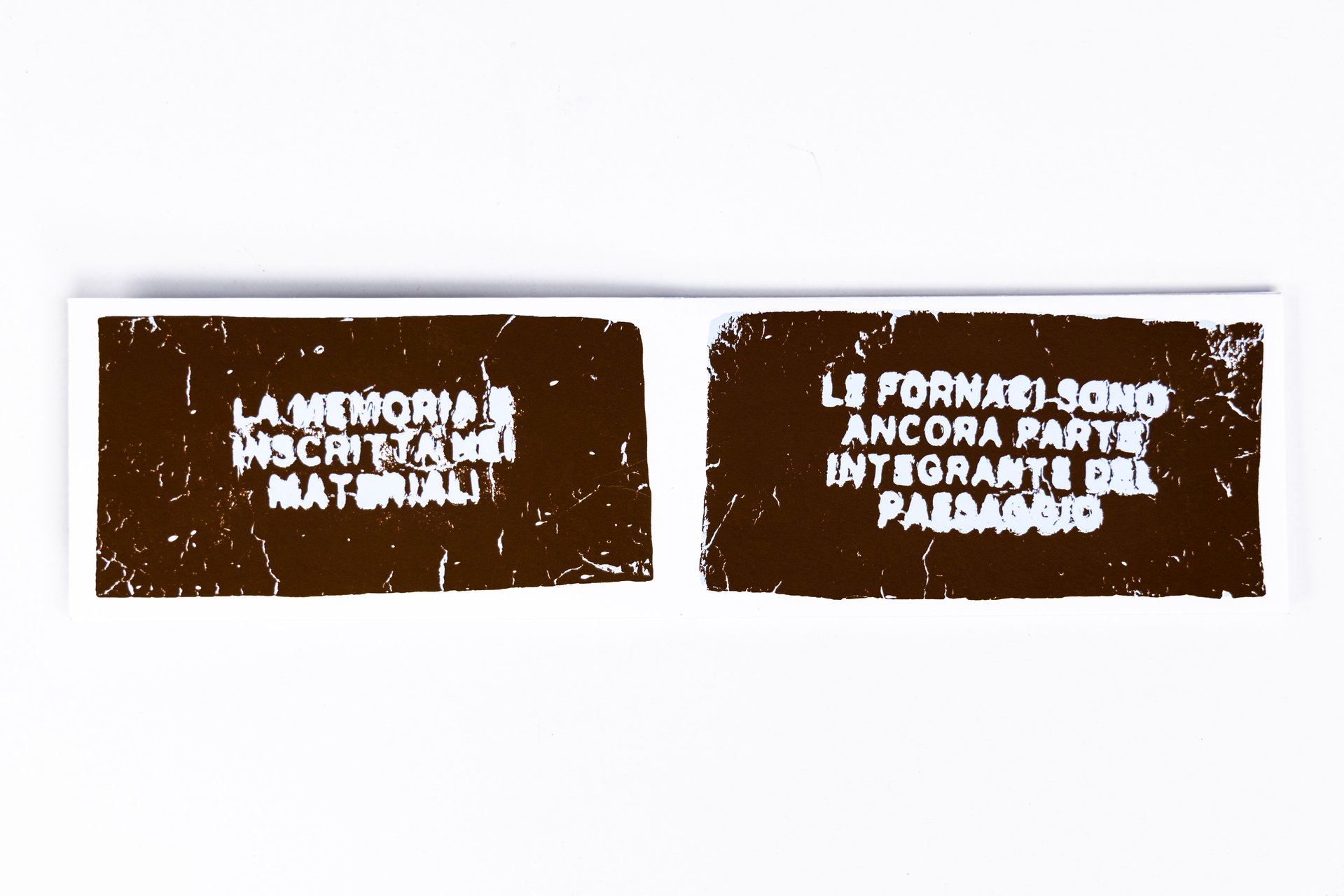
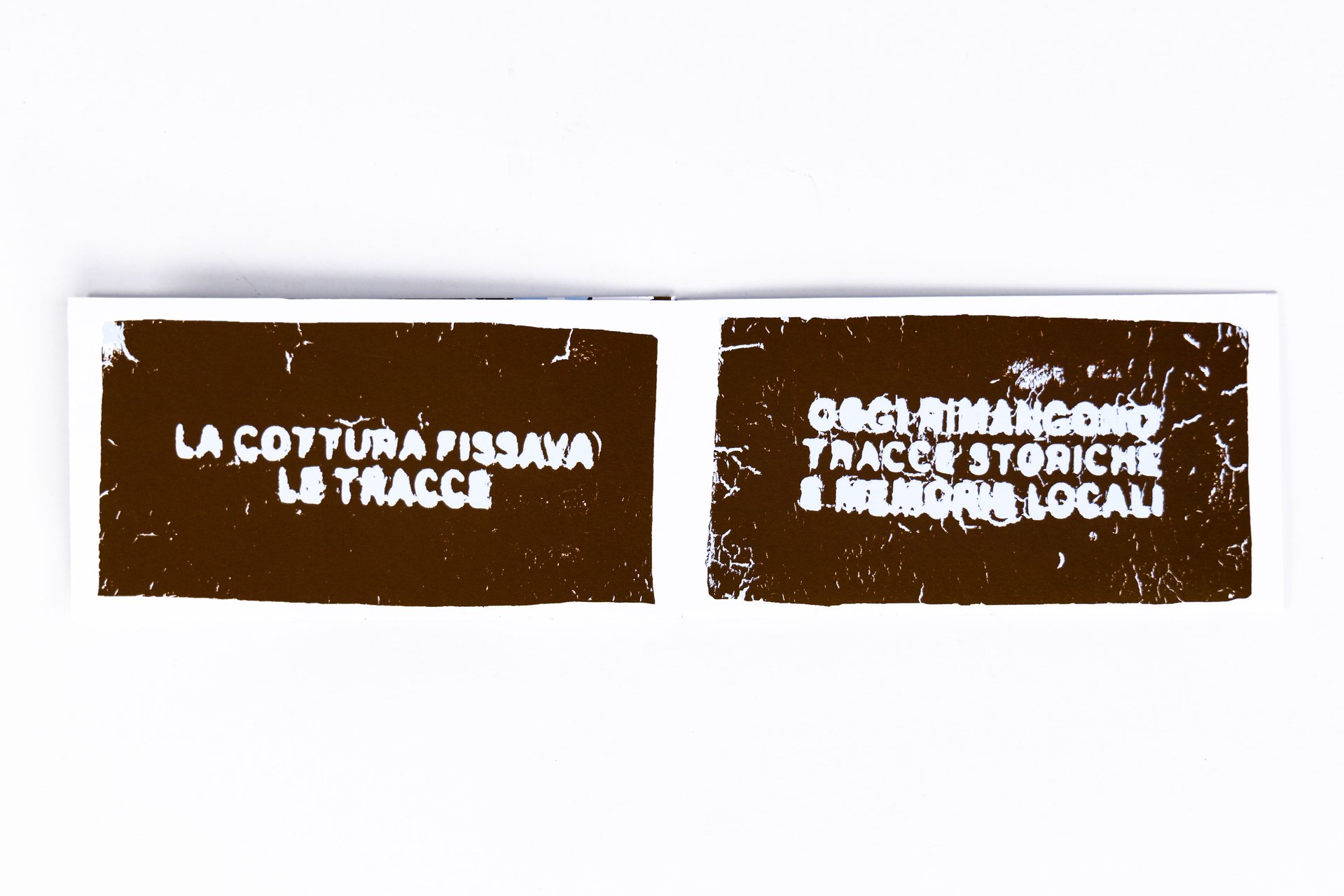
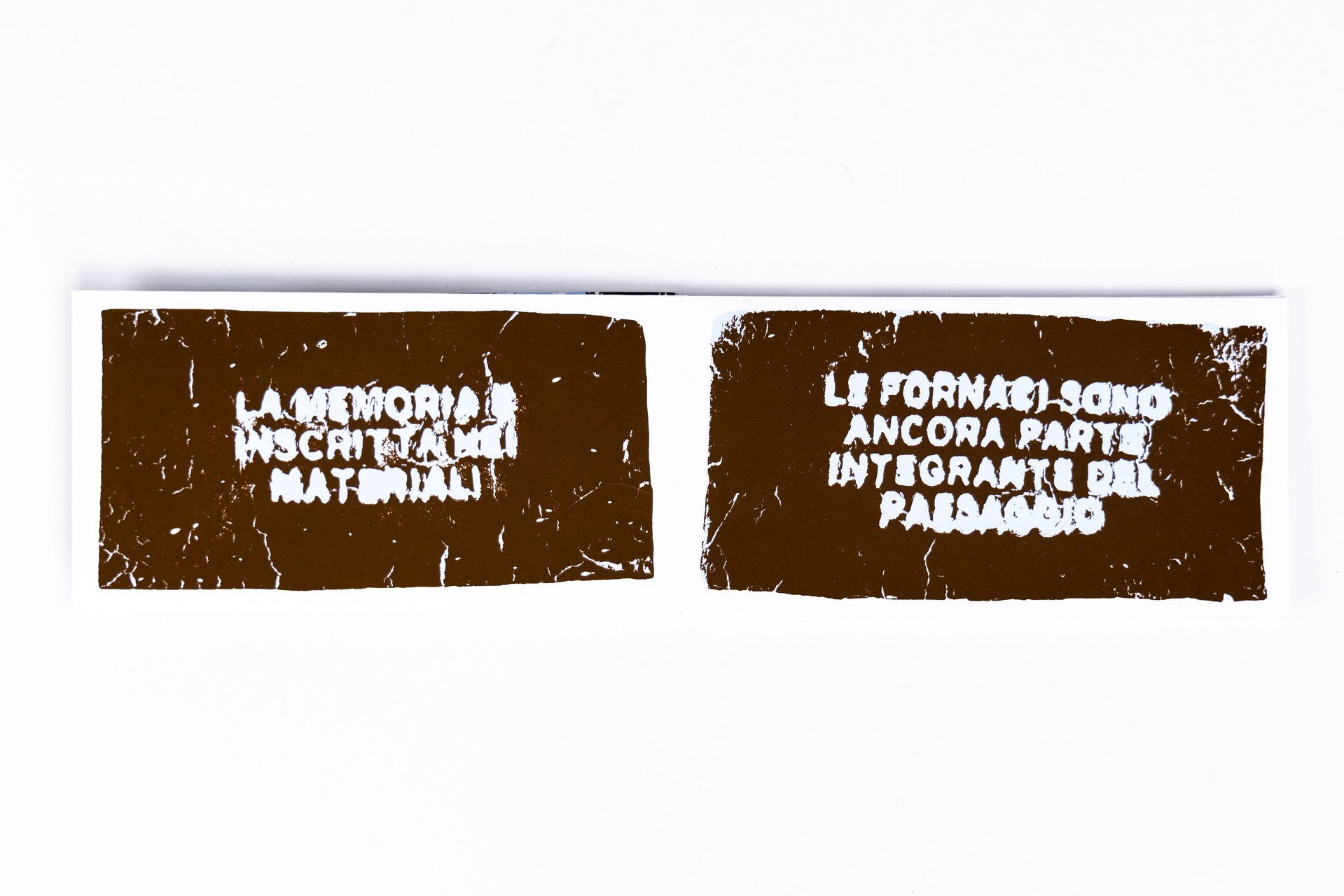
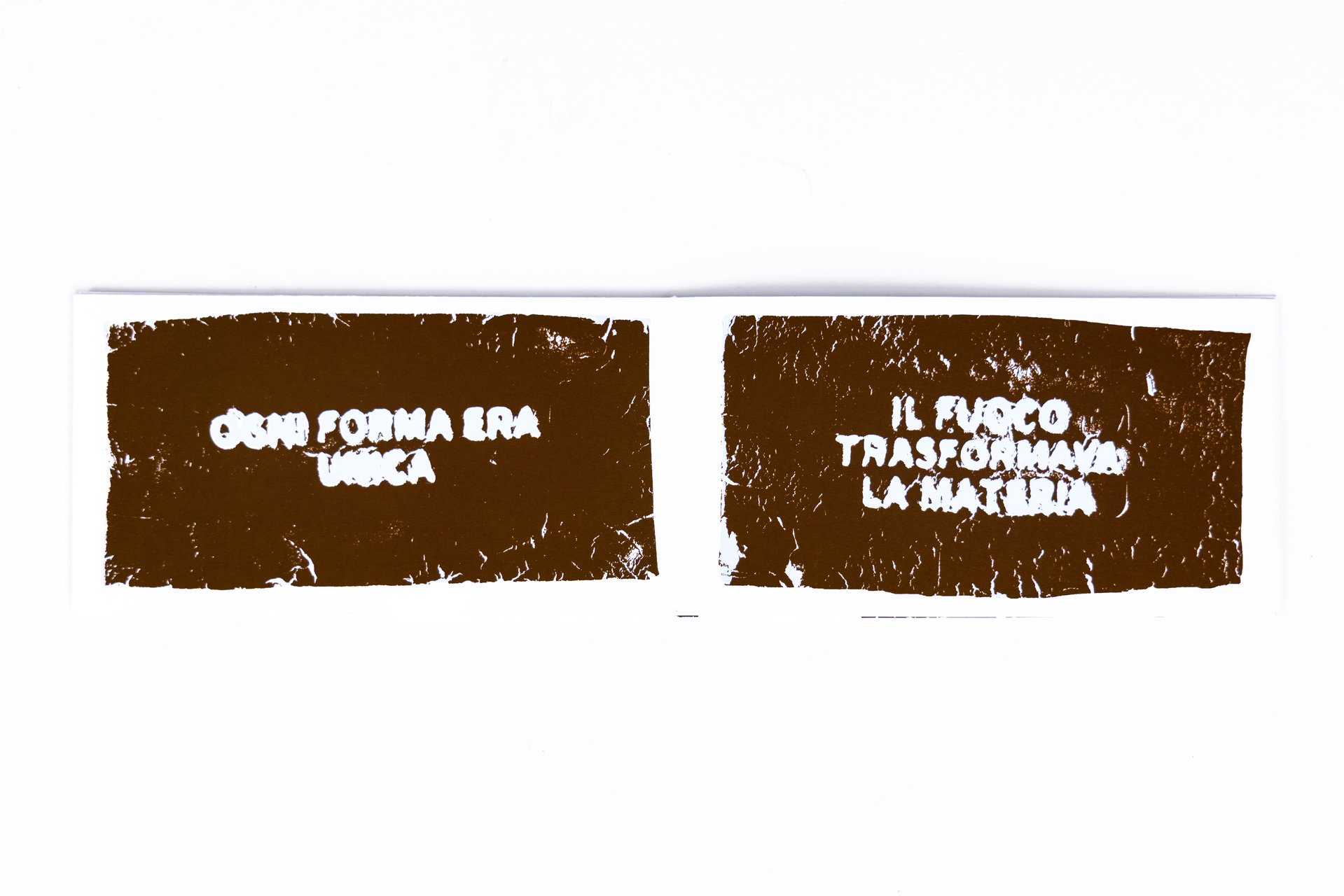
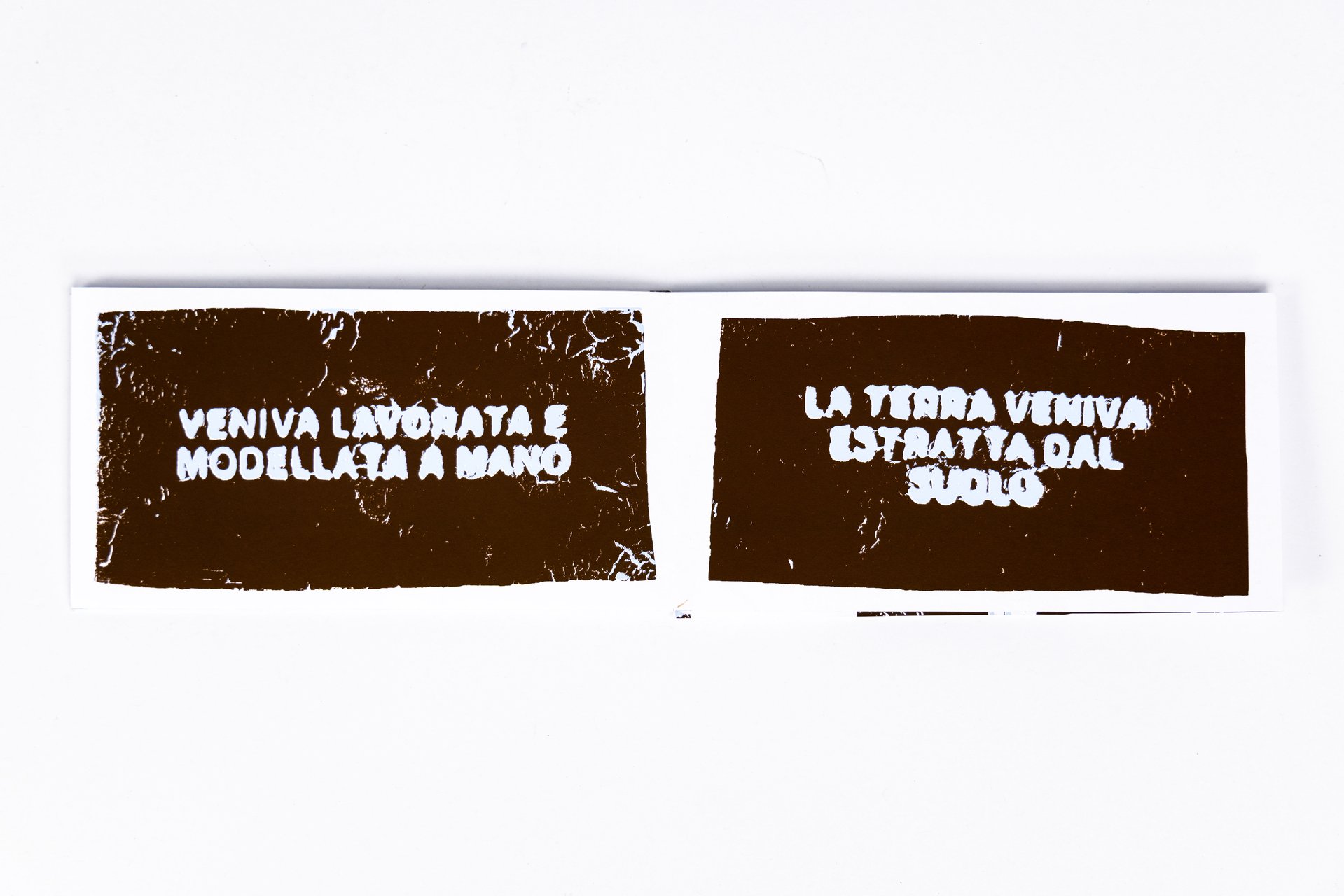
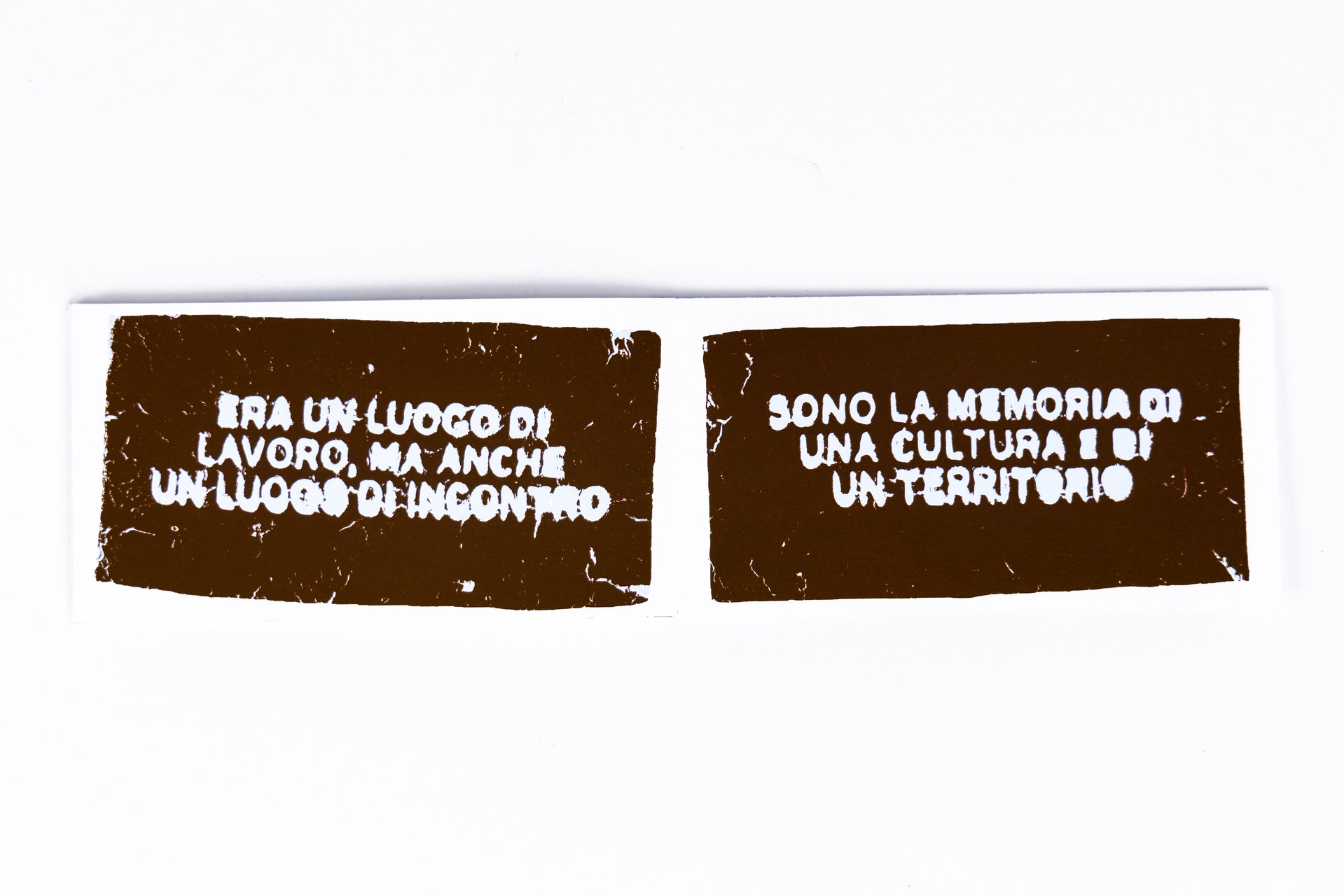
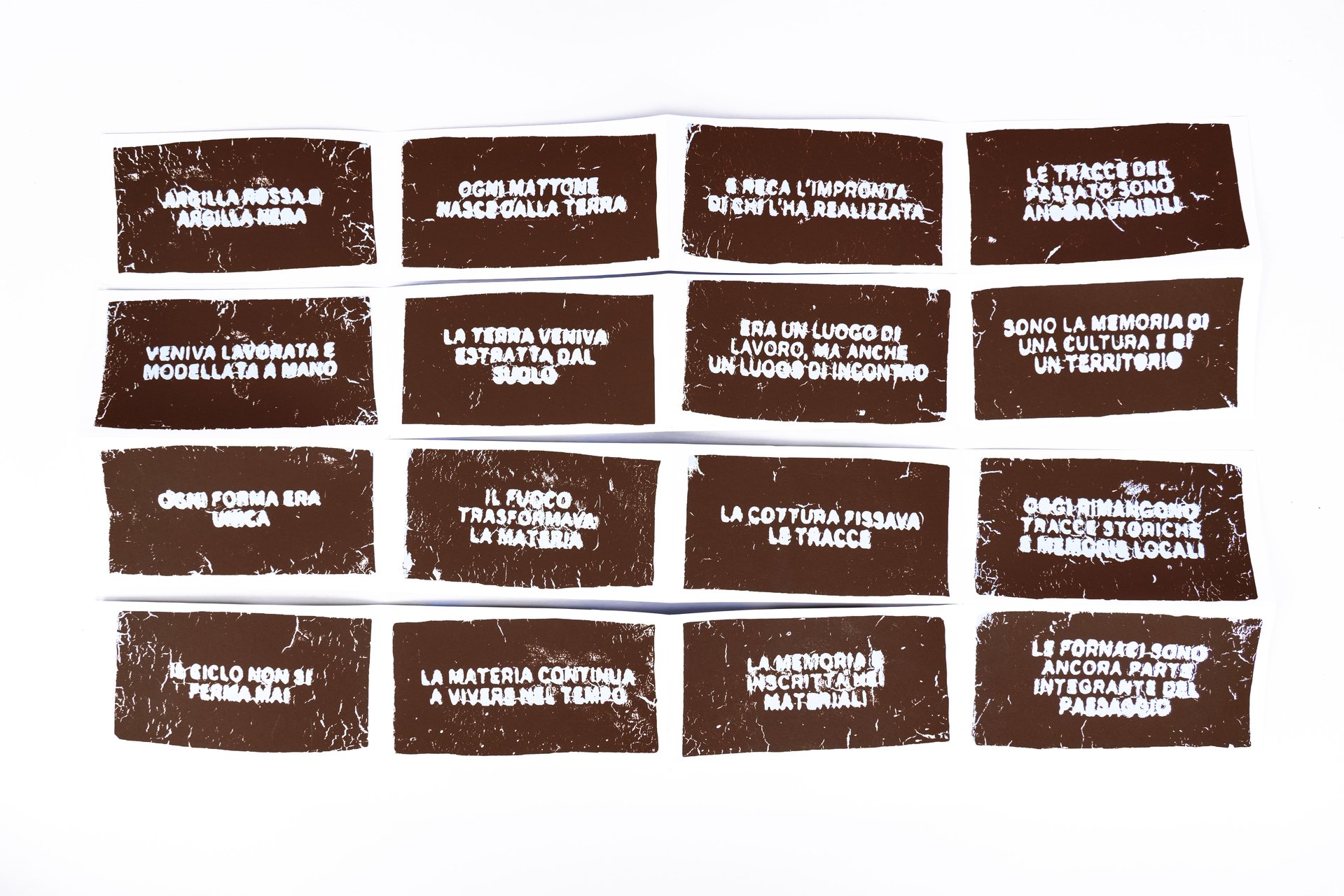
Cio che Rimane is inspired by the cycle of clay, extracted, shaped, fired, and reused. From this process, the project develops a series of fragments in the form of bricks. The texts are printed directly into the clay, preserving the trace of the gesture.

Each brick functions as an autonomous trace. Once the leporello is unfolded, they reconstruct the place where memory, territory, and material continue to coexist.

Par Maïa Yassin


Schloss Rapperswil

crepaccio e mulini, PARK ARCH AG, 2025

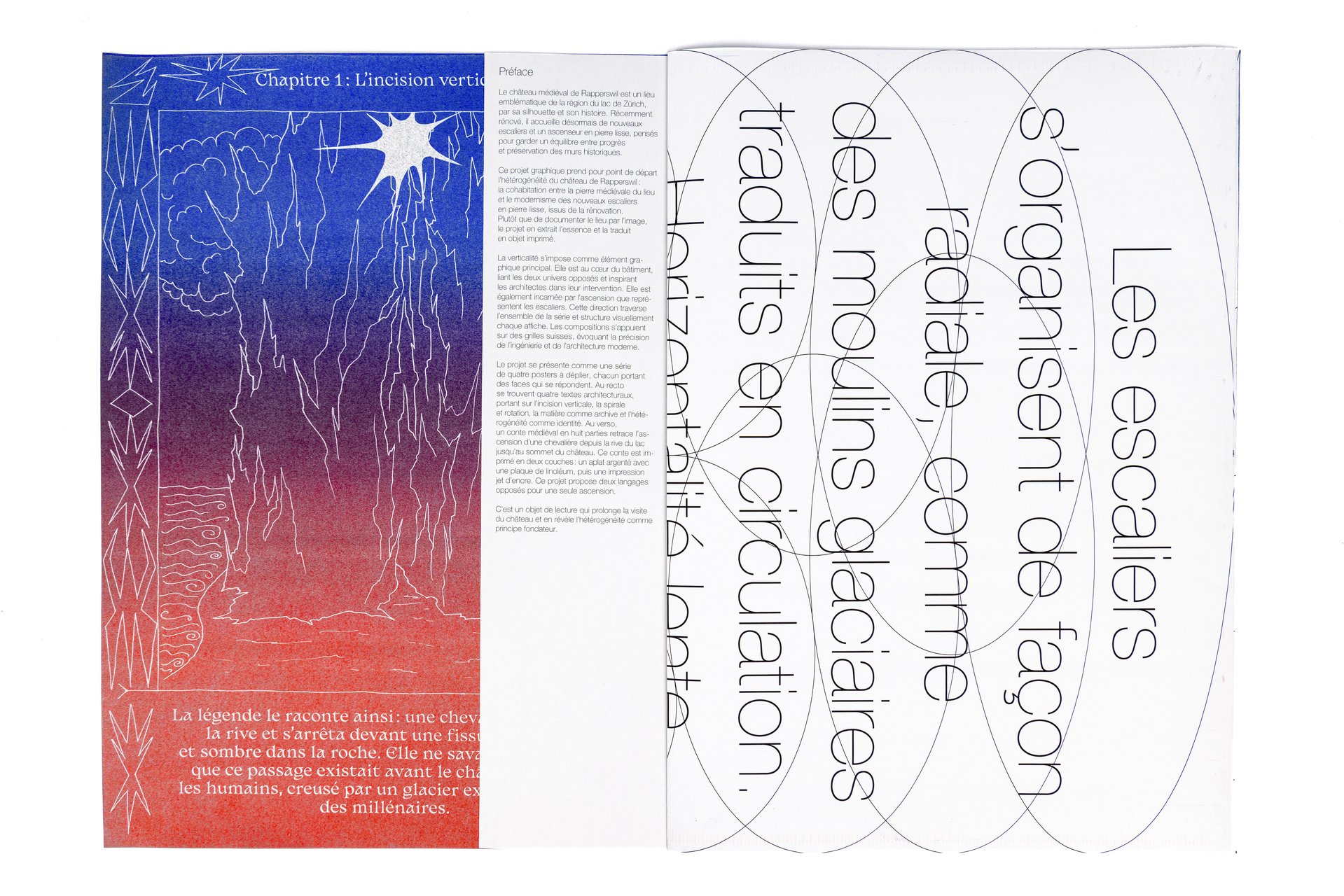
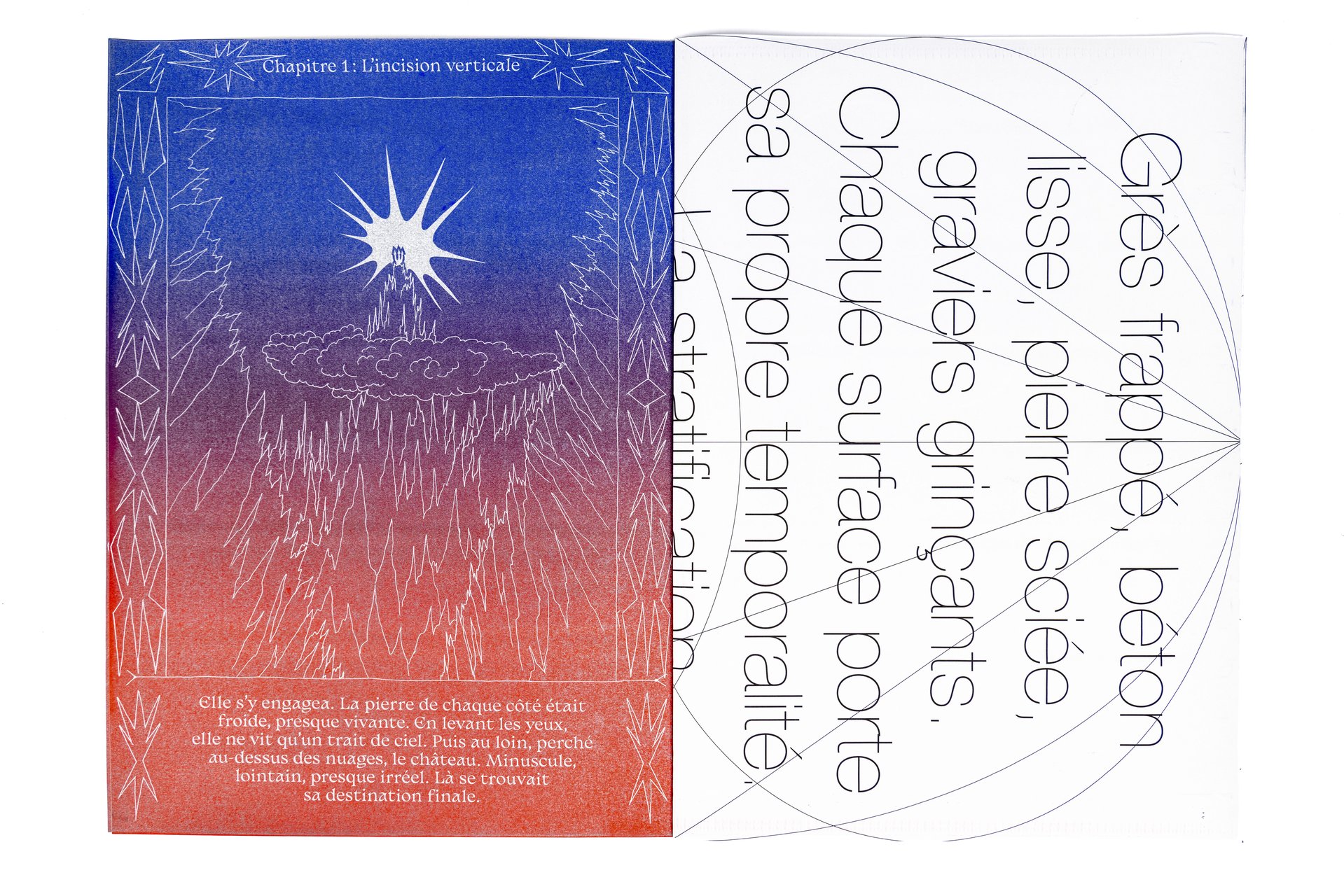
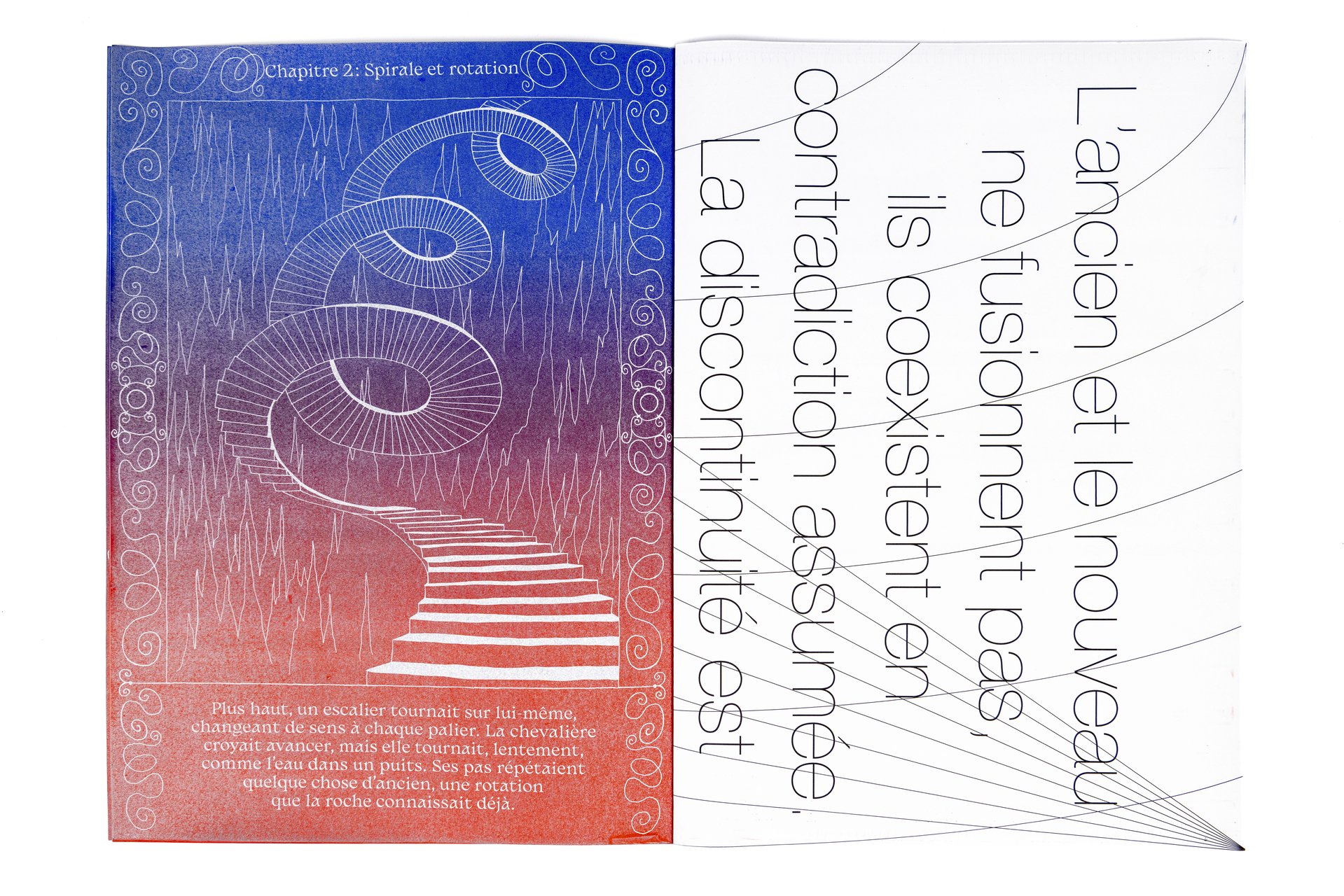
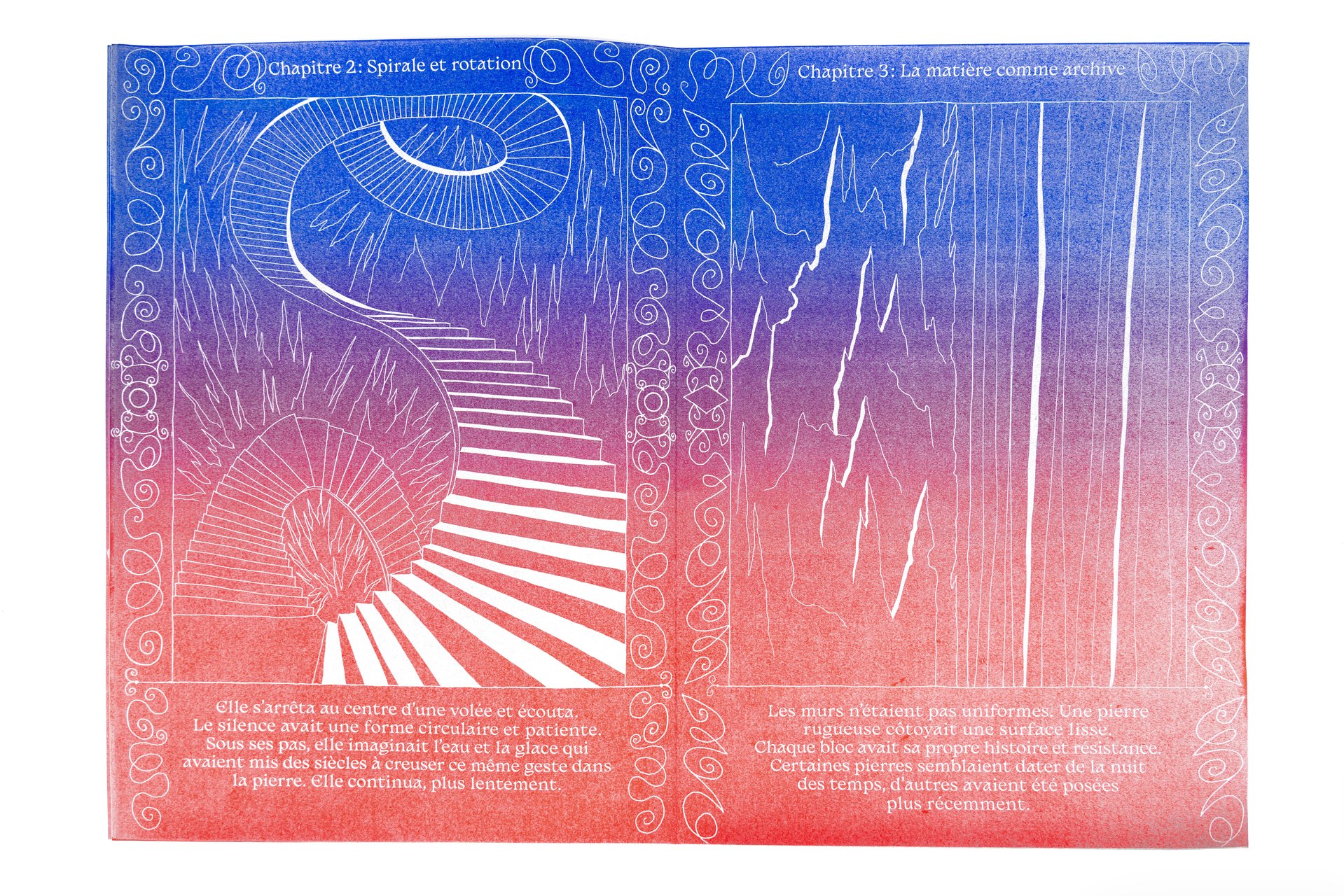
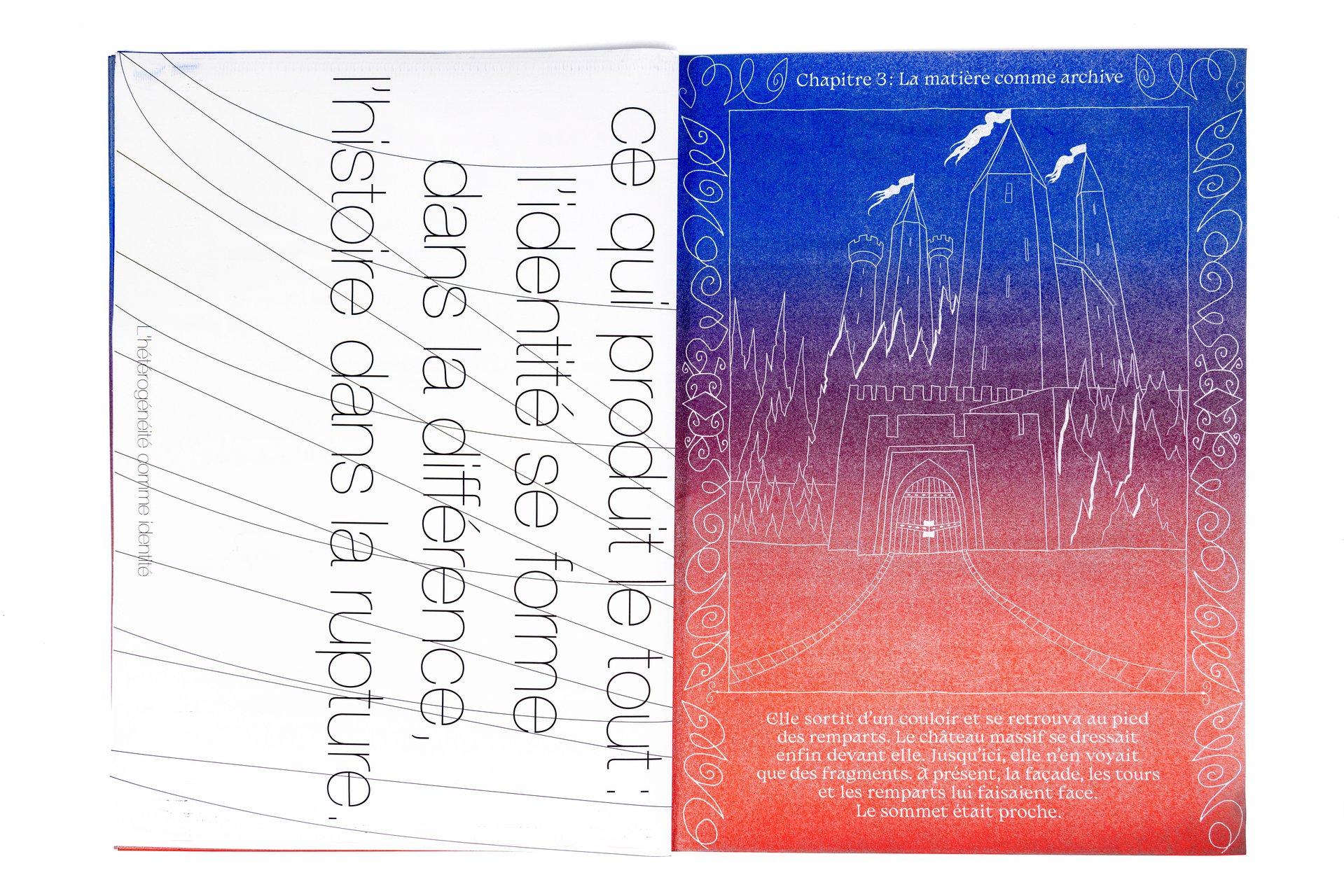
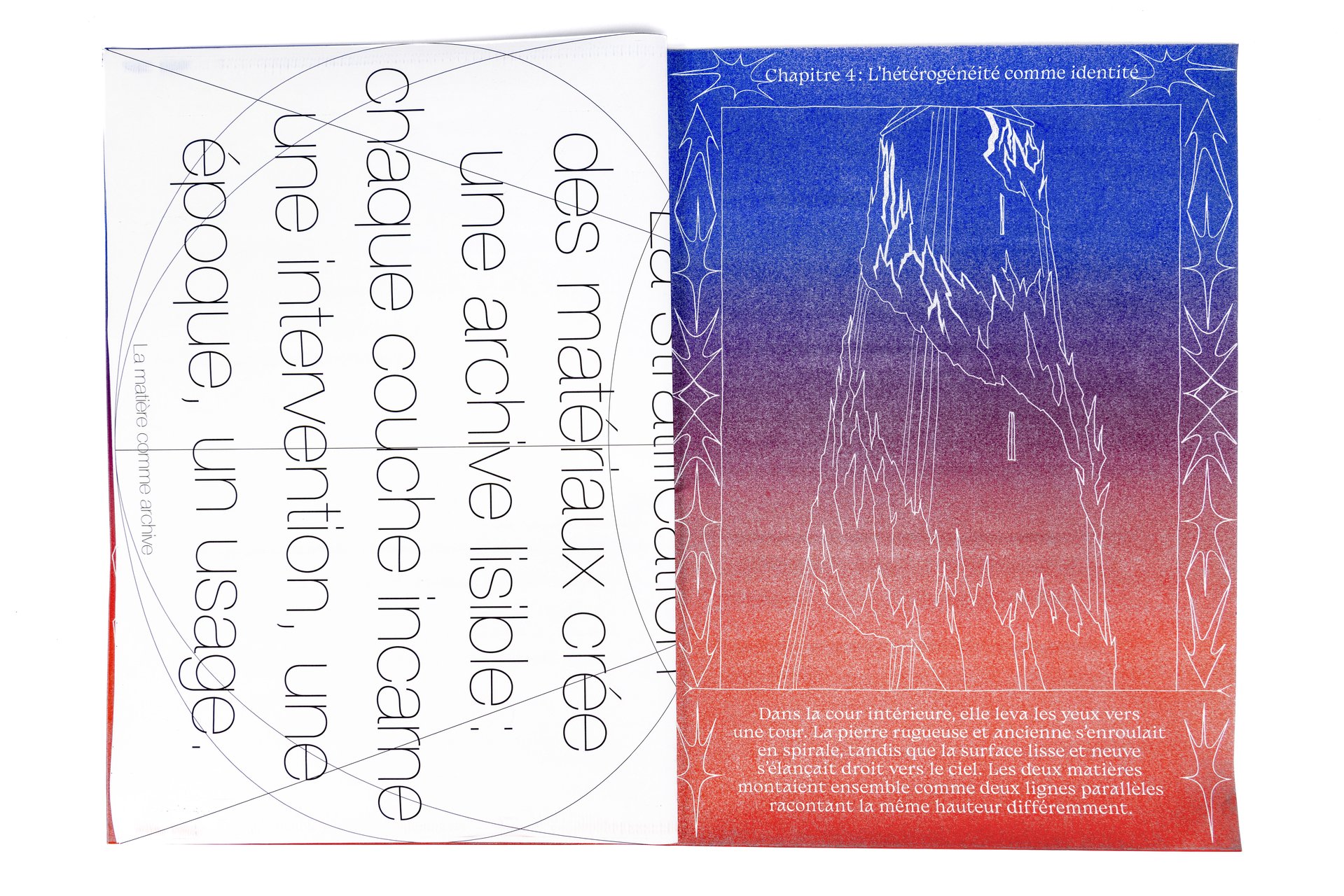
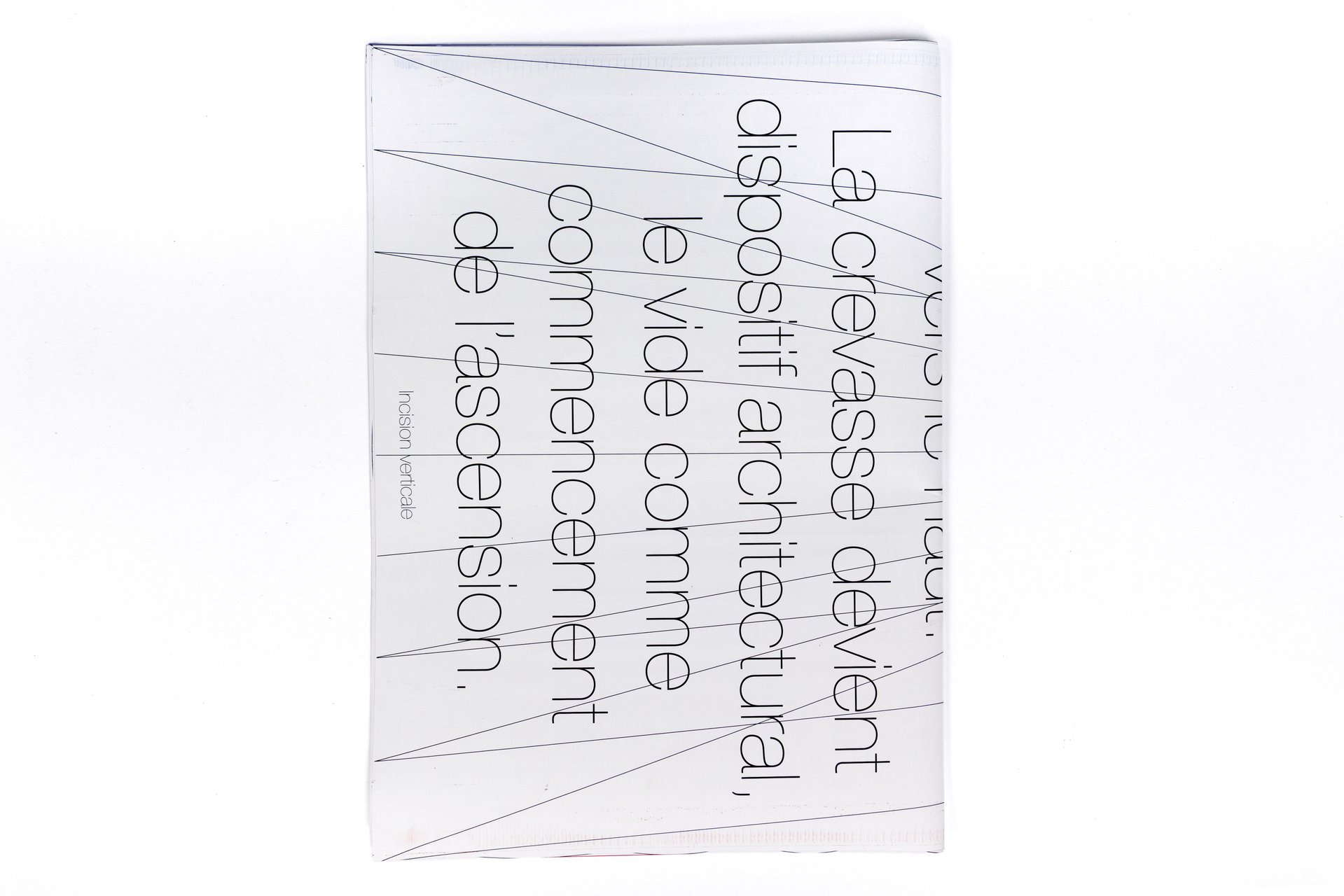
Four fold-out posters, two languages, a single ascent. A printed object translating the encounter between the medieval stone of Rapperswil Castle and contemporary interventions.

Taking the recent renovation of the castle as its starting point, the project distills its essence rather than documenting its image. Structured by verticality, at the core of both the building and its architectural intervention, the series consists of four posters. On the front, four architectural texts. On the back, a medieval tale in eight parts, printed in two layers, retraces the ascent of a female knight to the top of the castle.
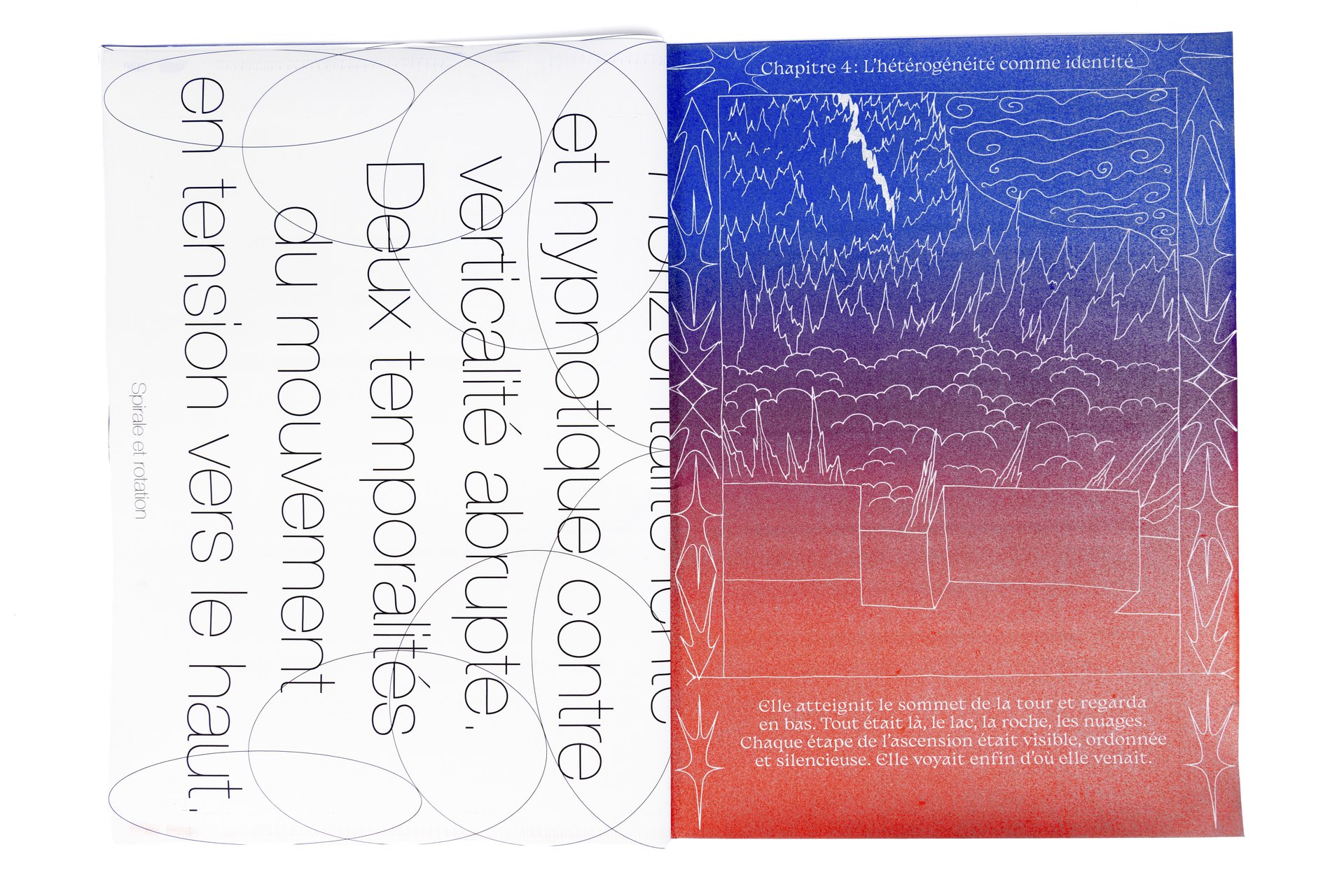
Designed as an object for reading, the project extends the visit to the castle and reveals the dialogue between these two temporalities.

Par Hélène Prongué


Hélène Prongué
Hélène Prongué
Hélène Prongué
Hélène Prongué
Hélène Prongué
Hélène Prongué
Hélène Prongué
Hélène Prongué
Hélène Prongué

1/9


Lucie Pittet
Lucie Pittet
Lucie Pittet
Lucie Pittet
Lucie Pittet
Lucie Pittet
Lucie Pittet
Lucie Pittet
Lucie Pittet
Lucie Pittet
Lucie Pittet
Lucie Pittet
Lucie Pittet
Lucie Pittet
Lucie Pittet
Lucie Pittet
Lucie Pittet

1/17

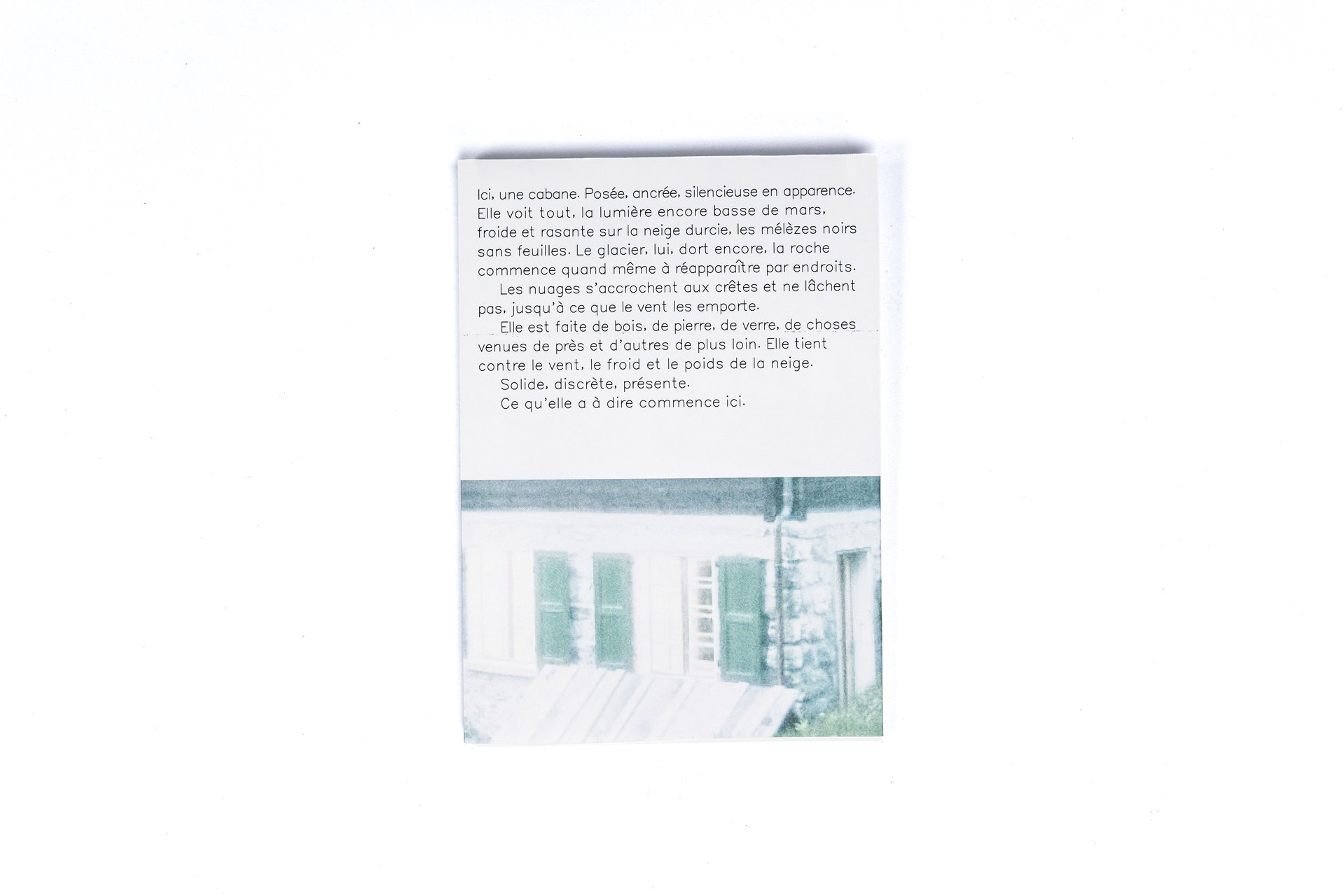
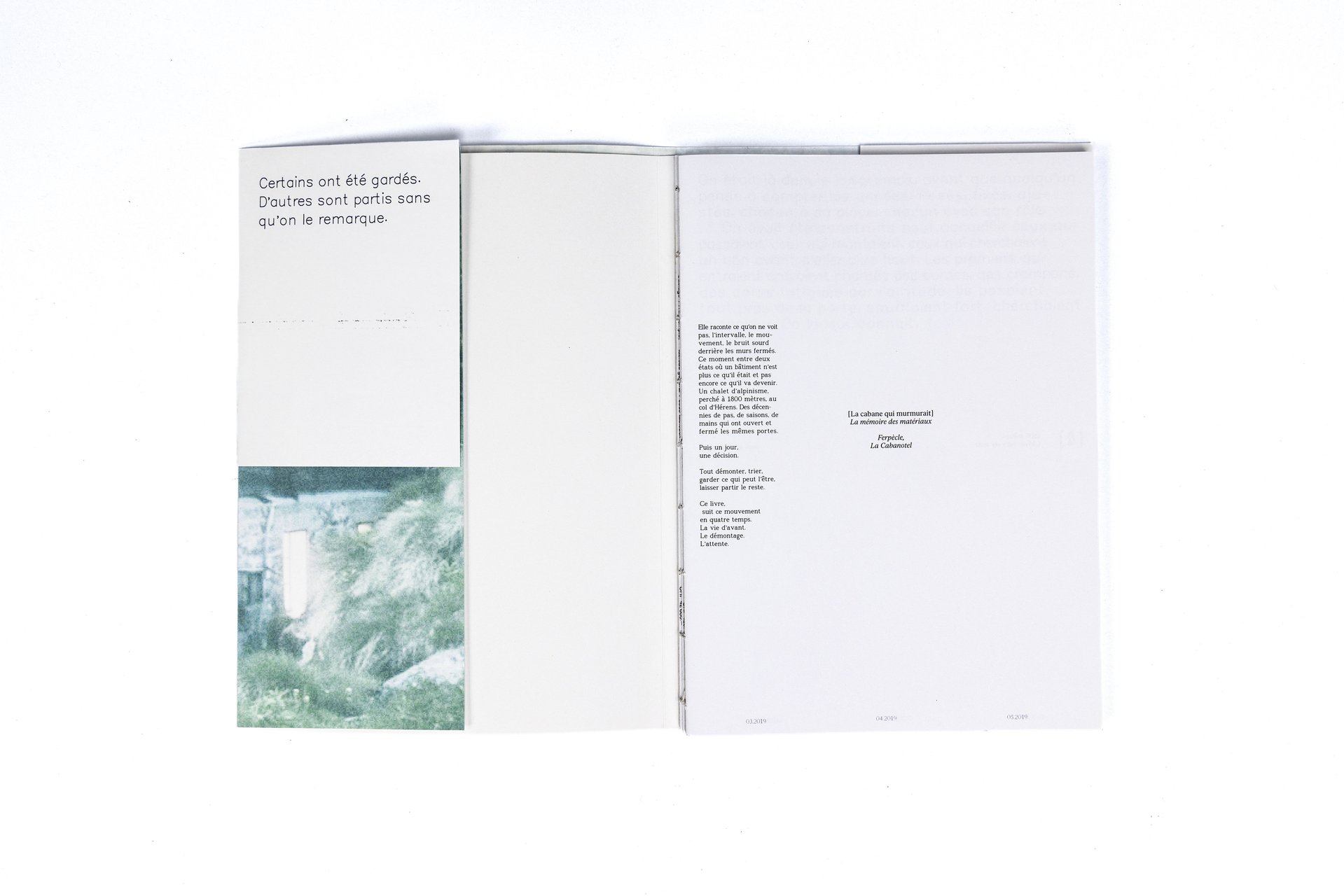
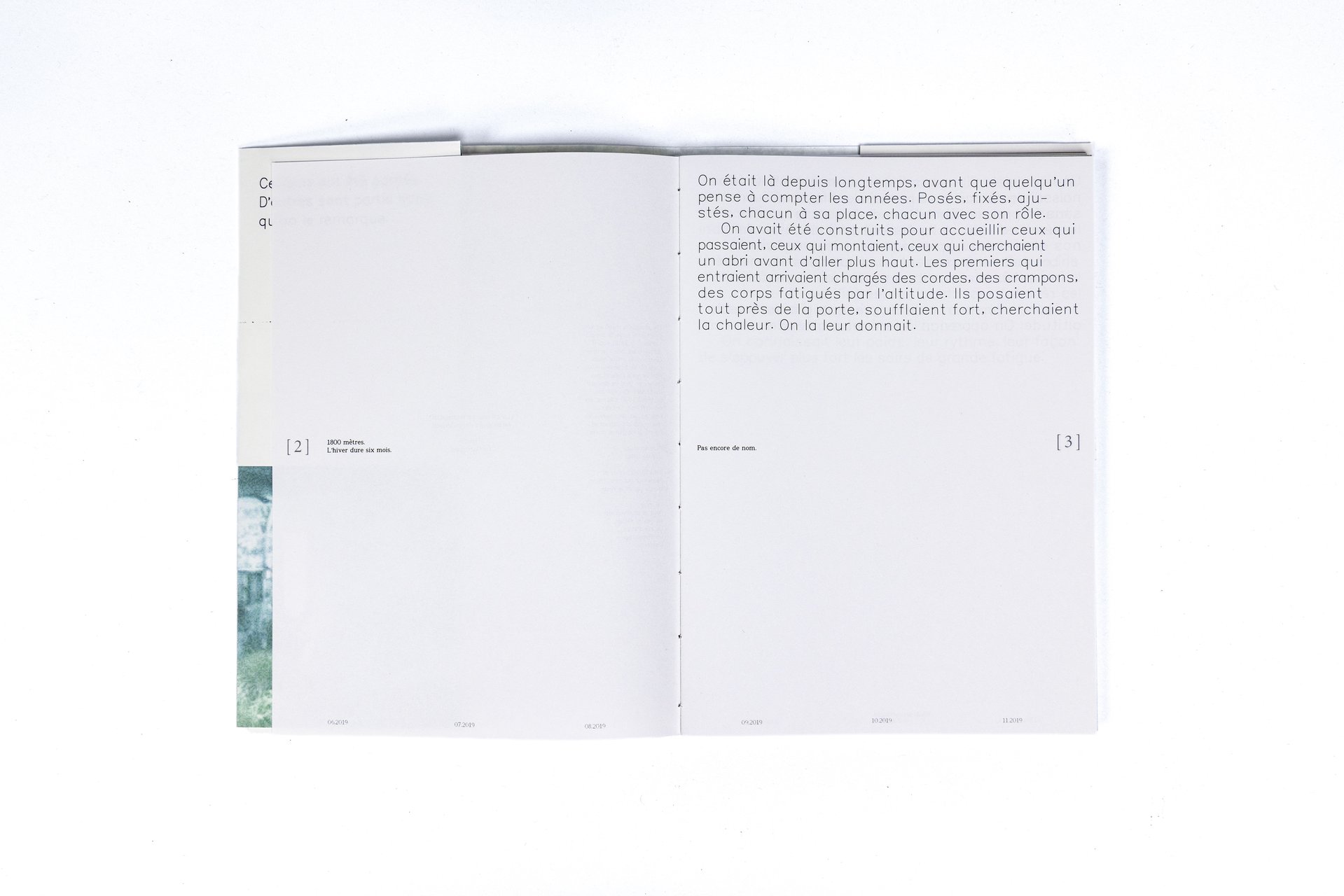
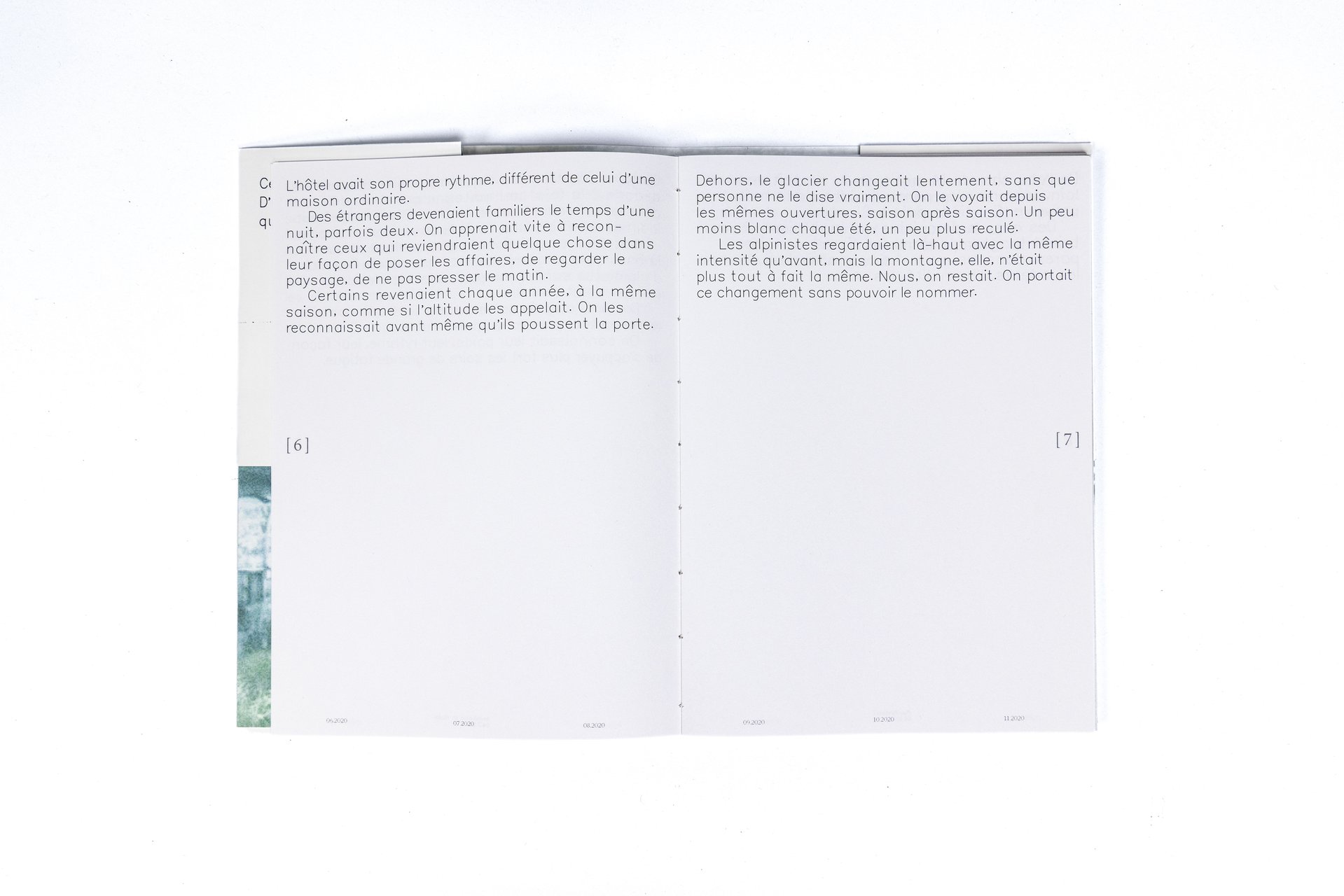
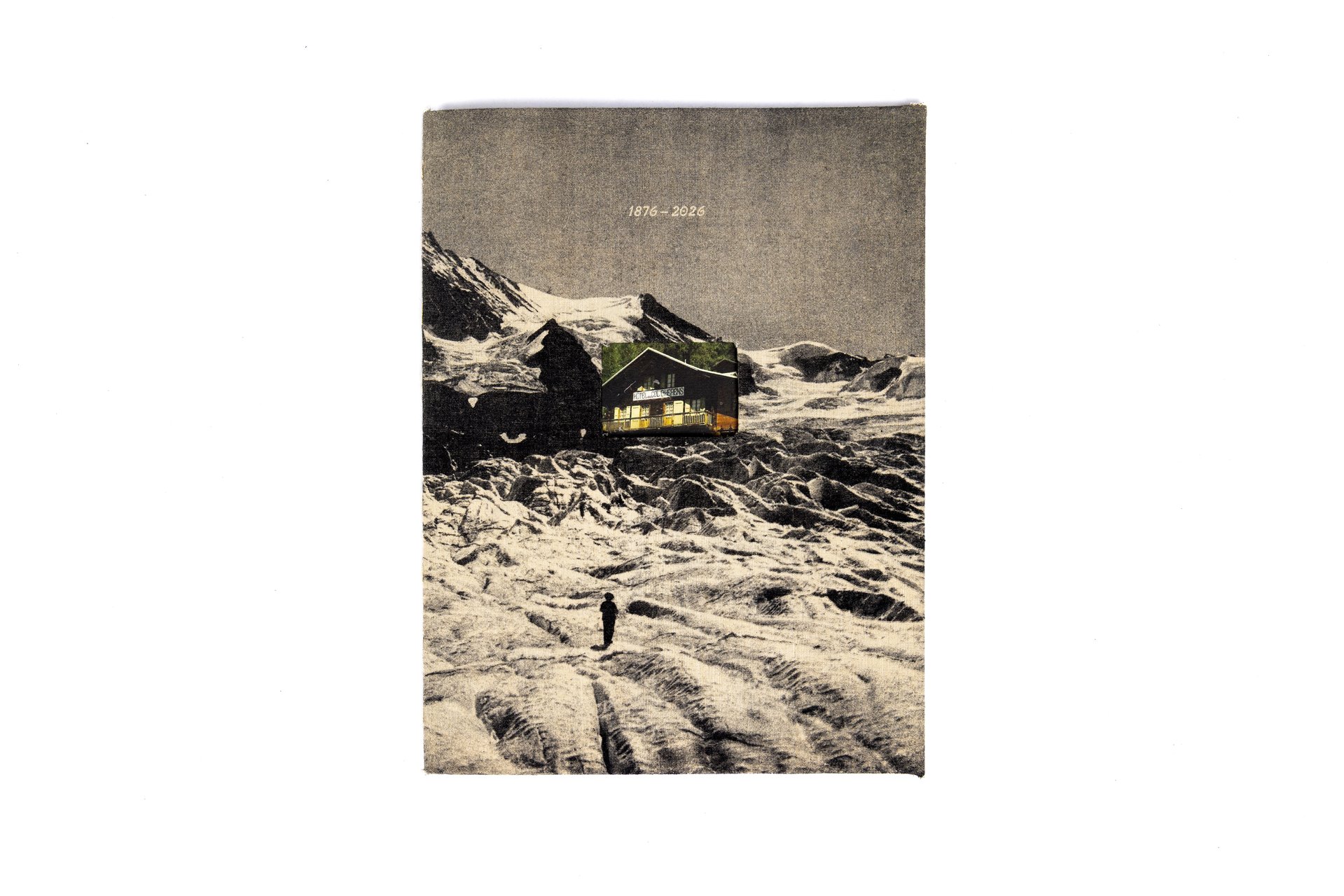
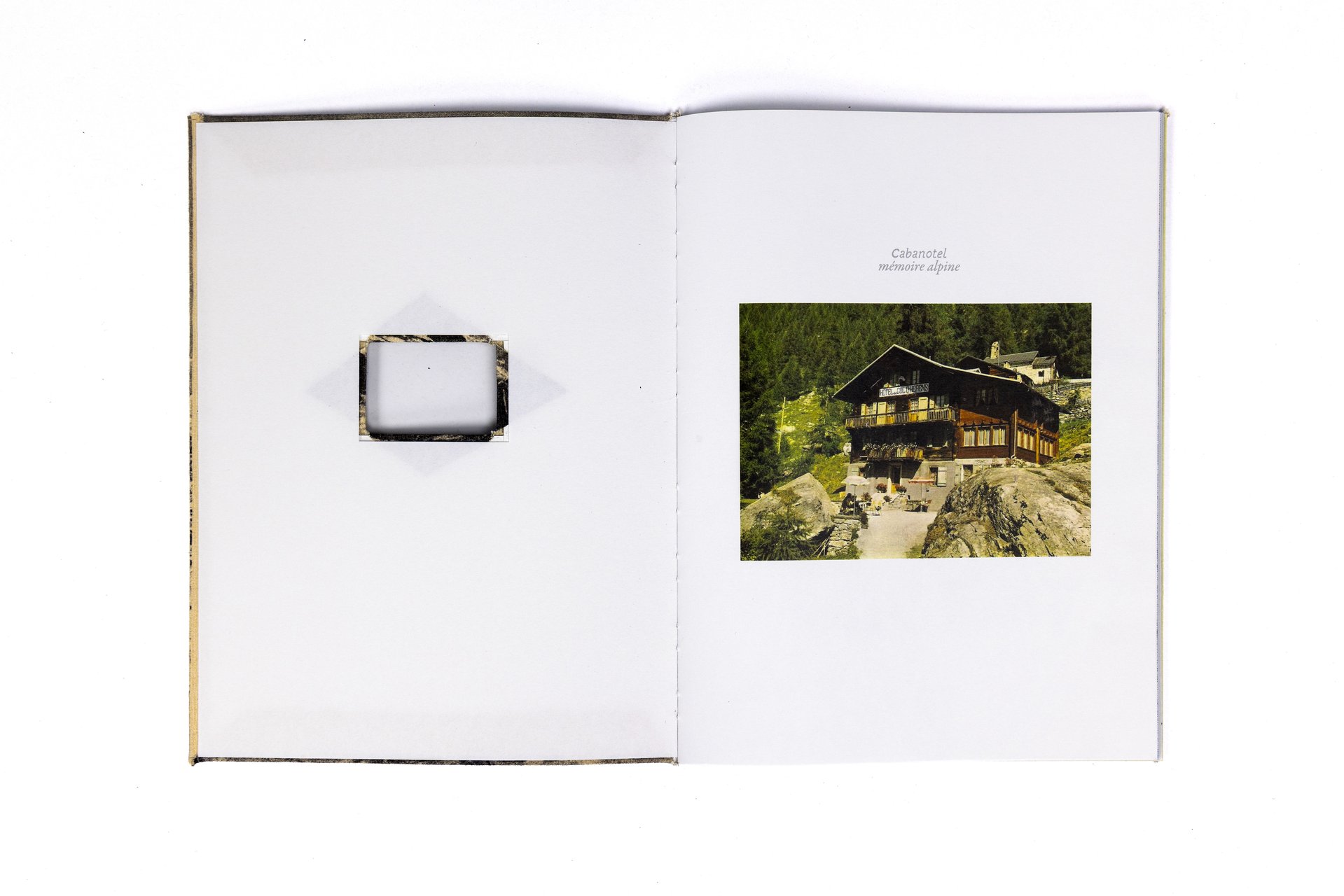
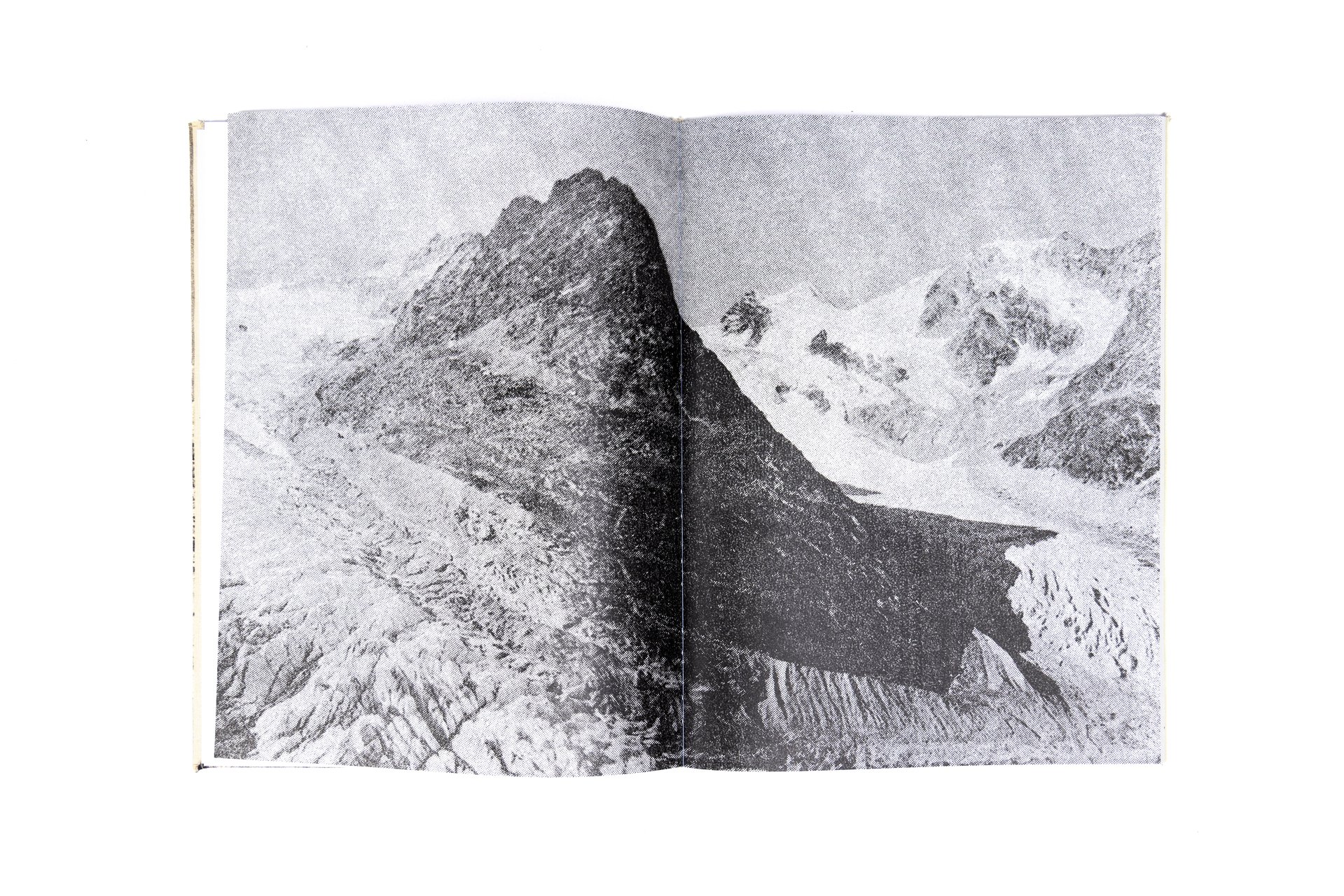
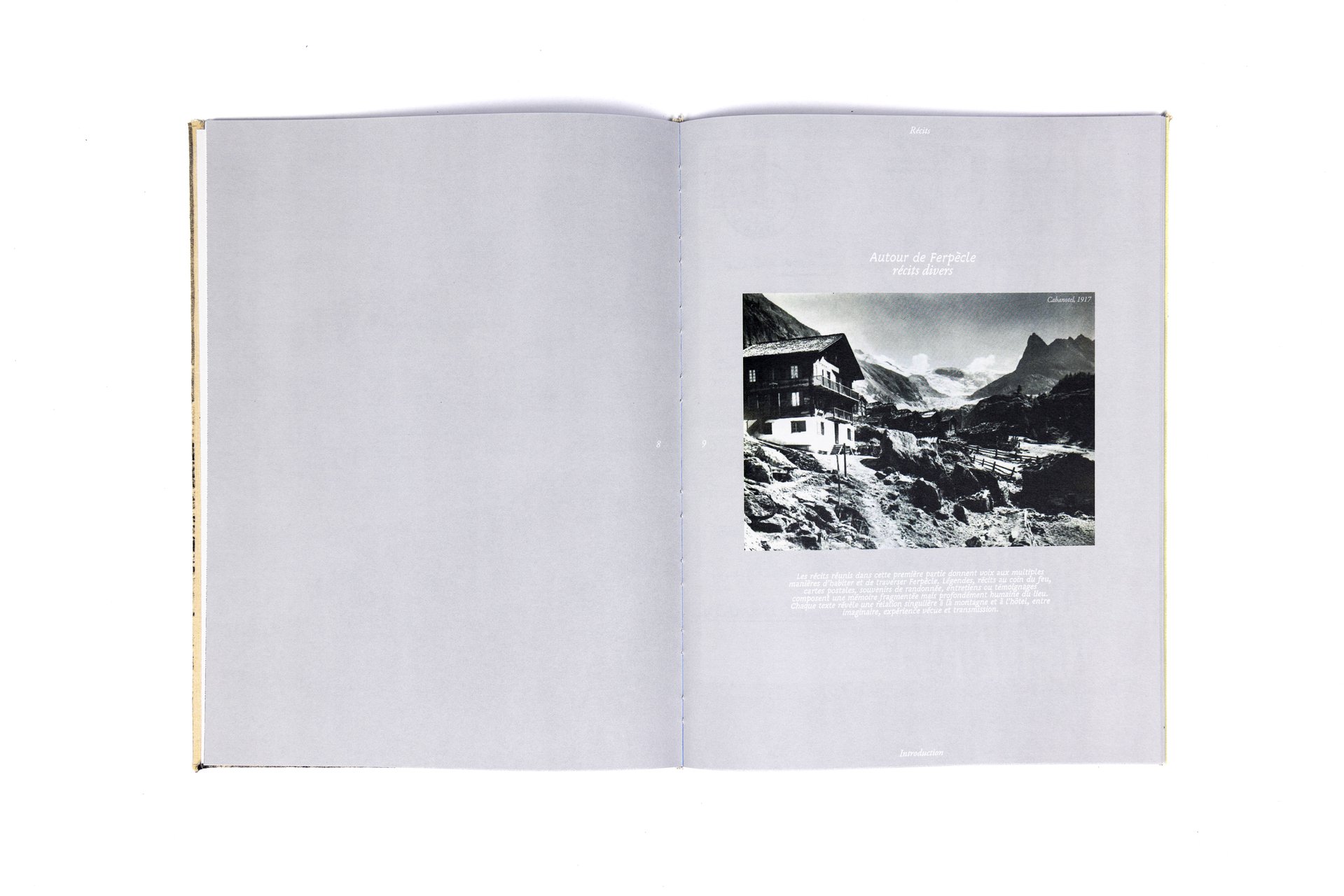
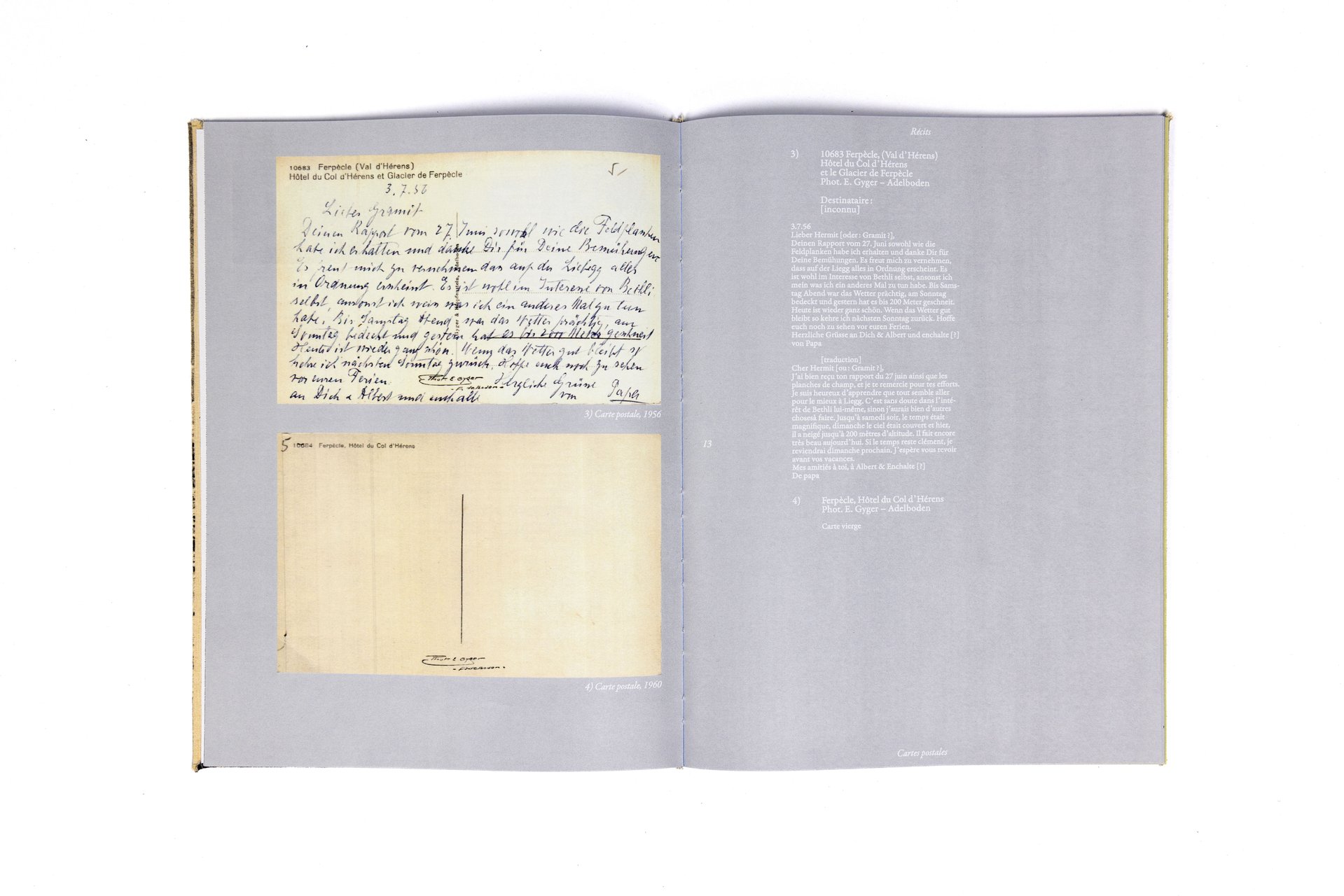
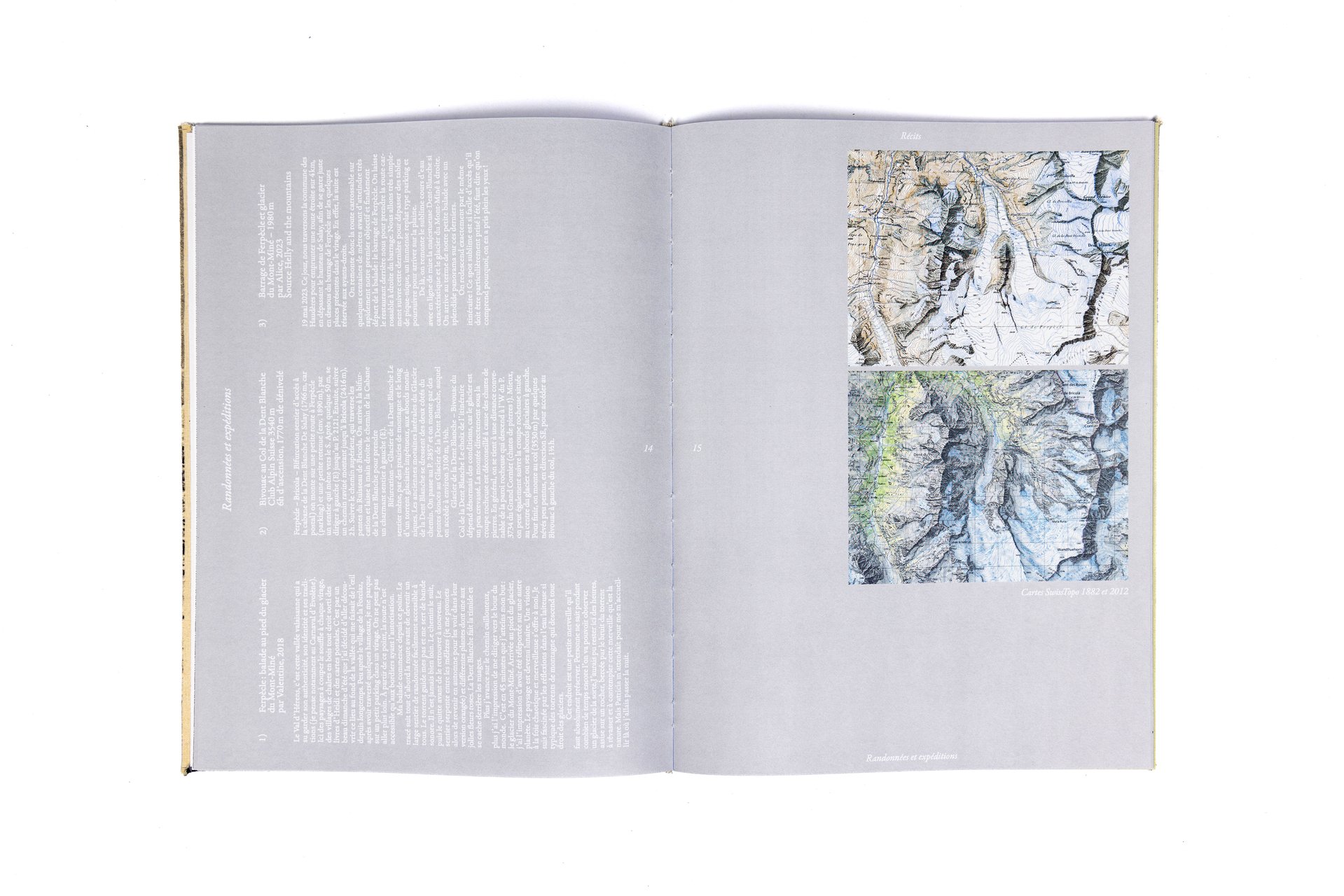
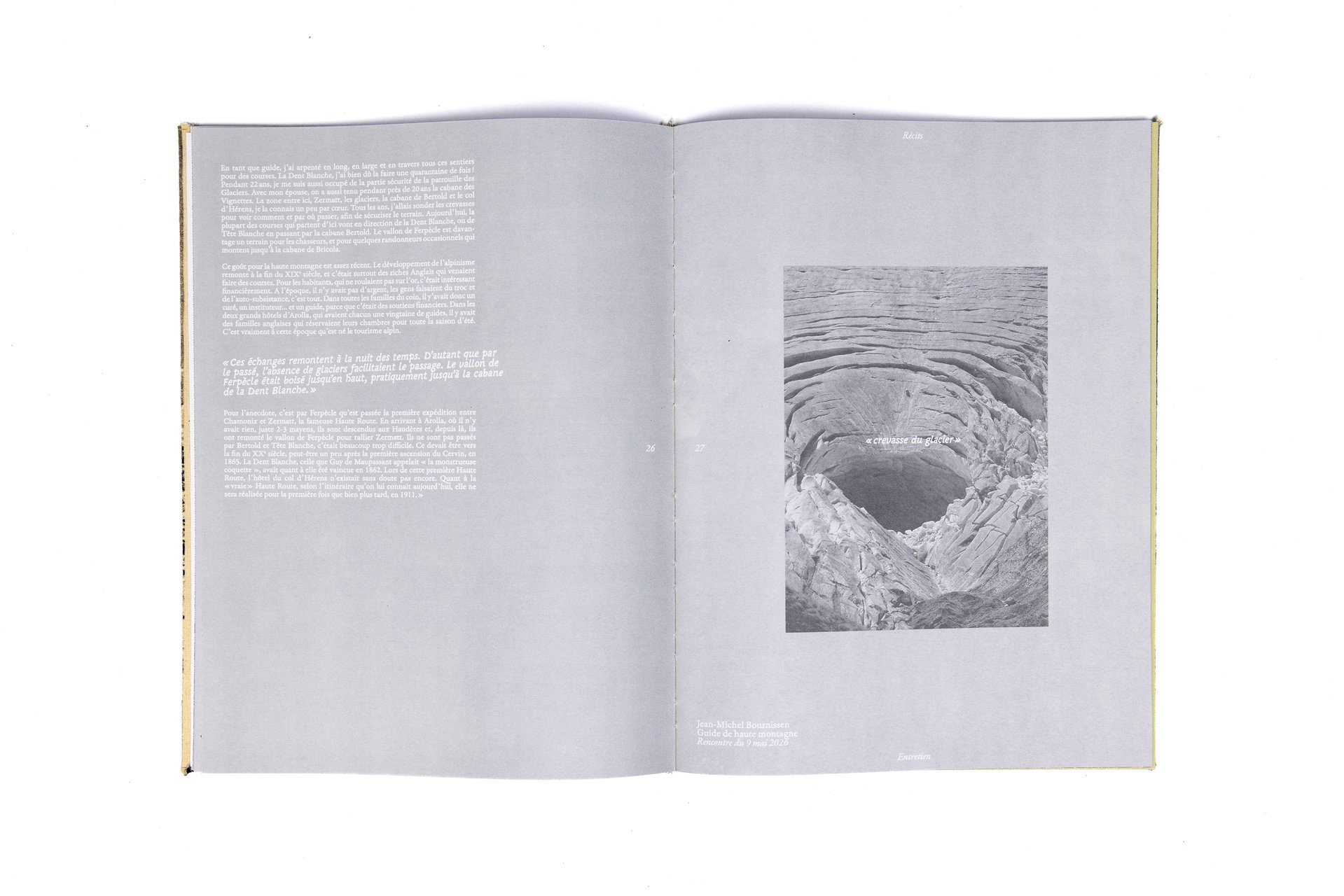
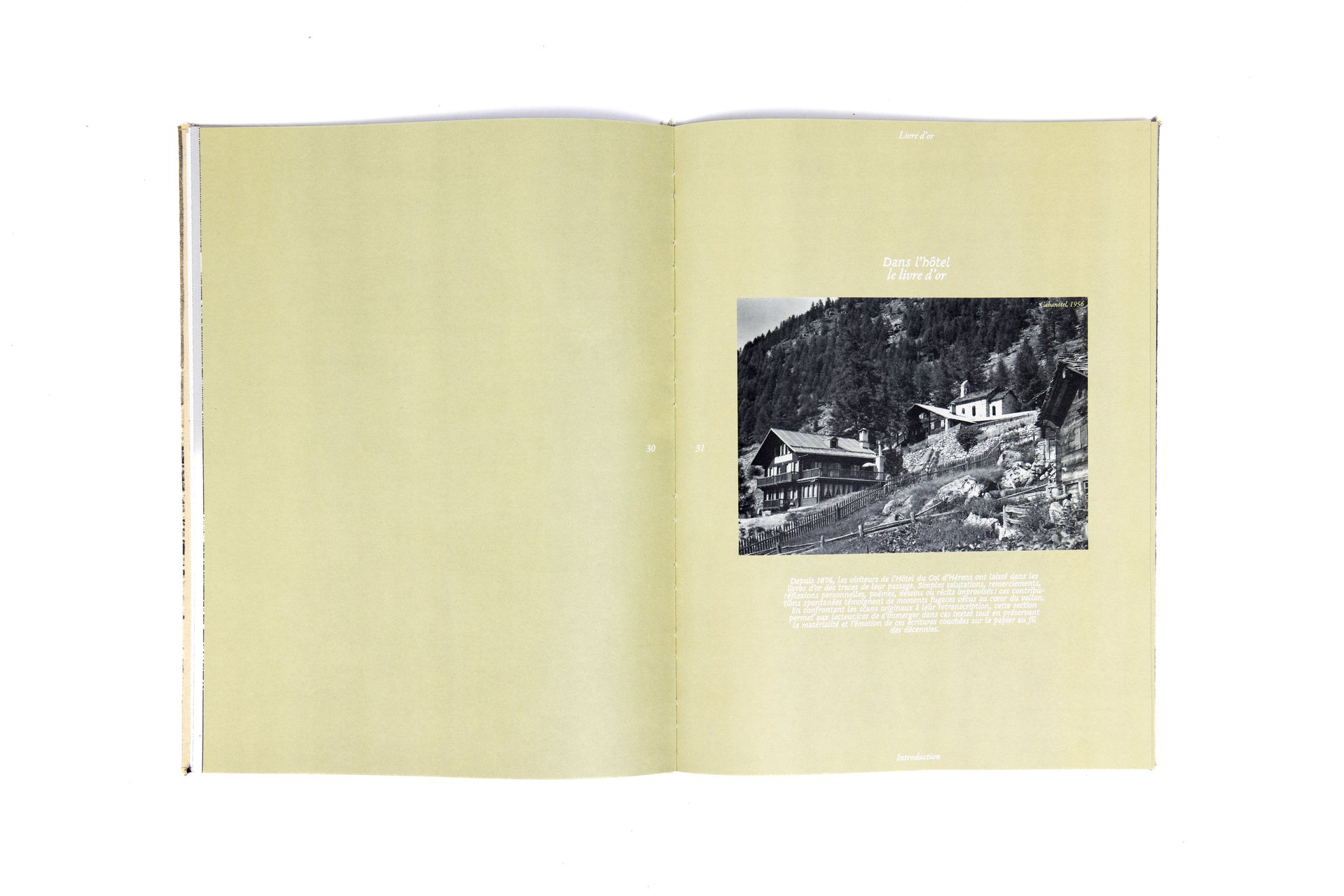
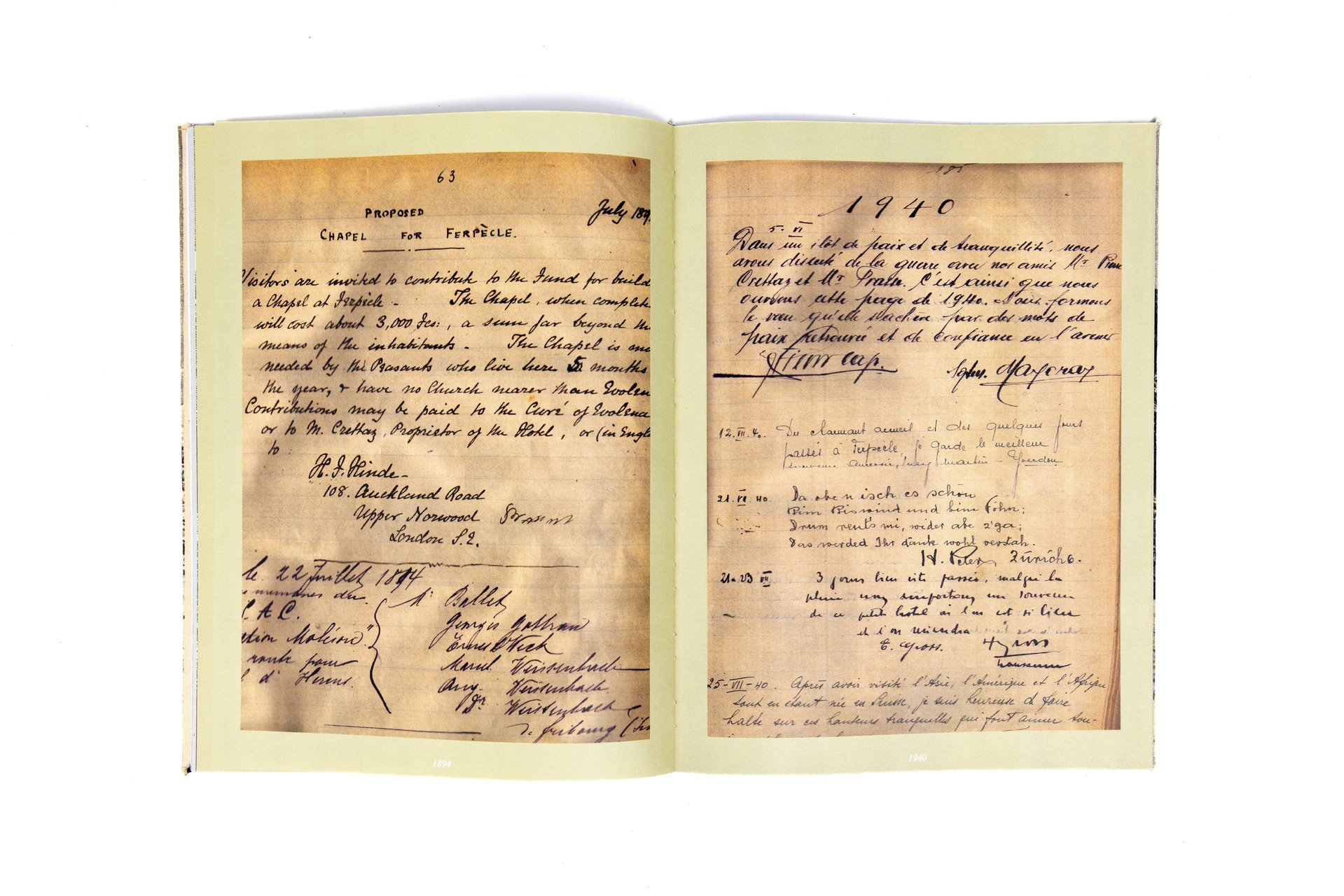
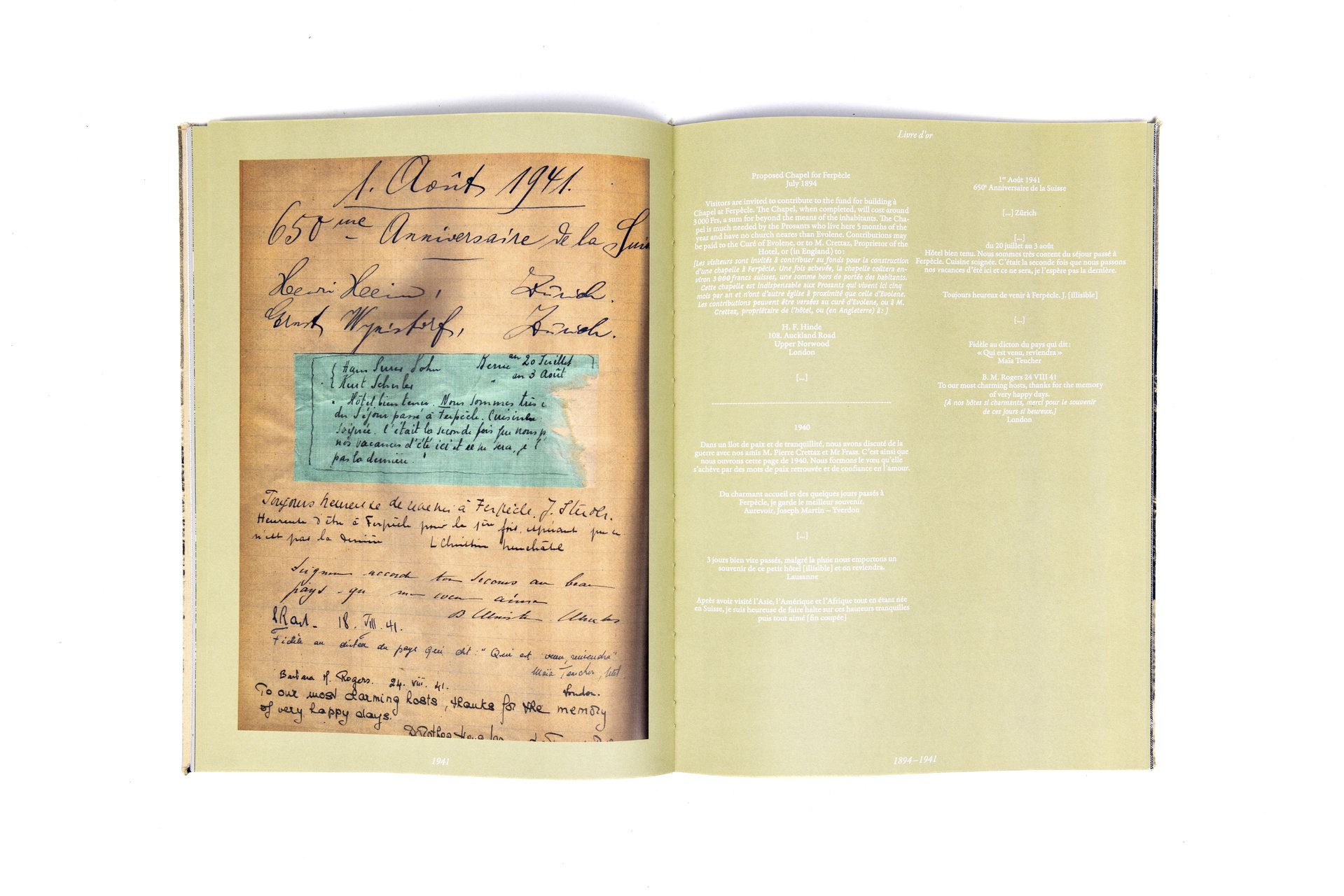
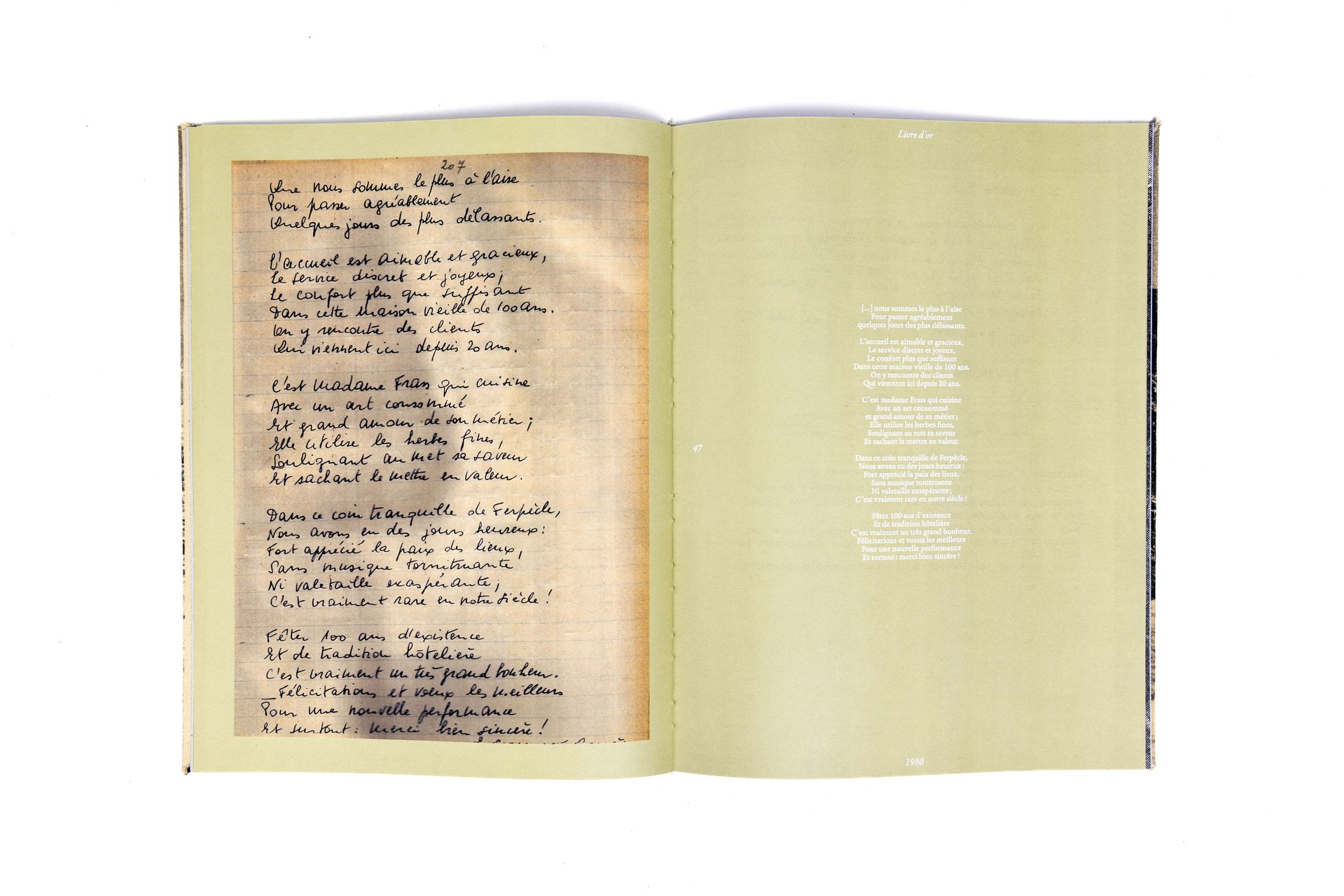
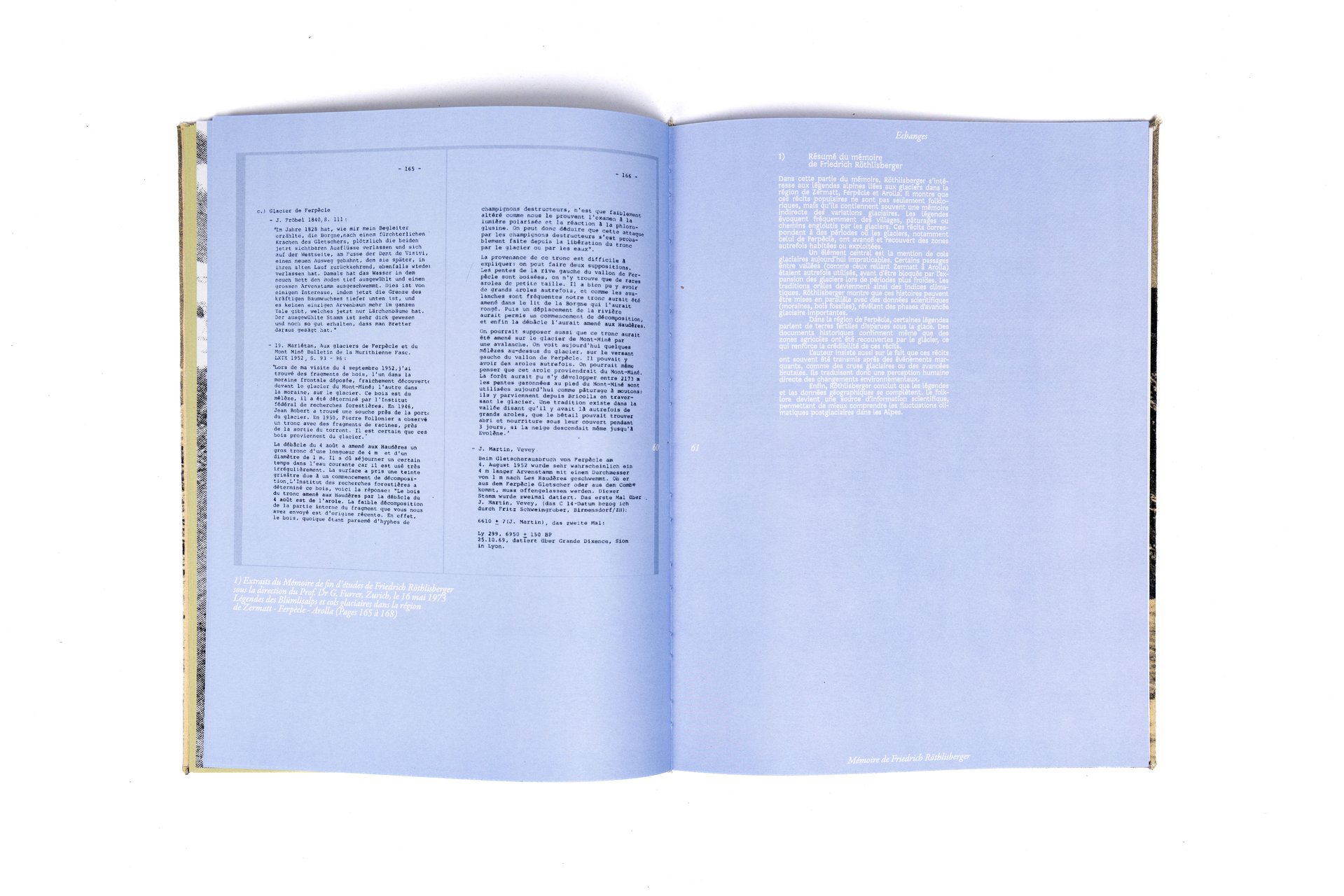
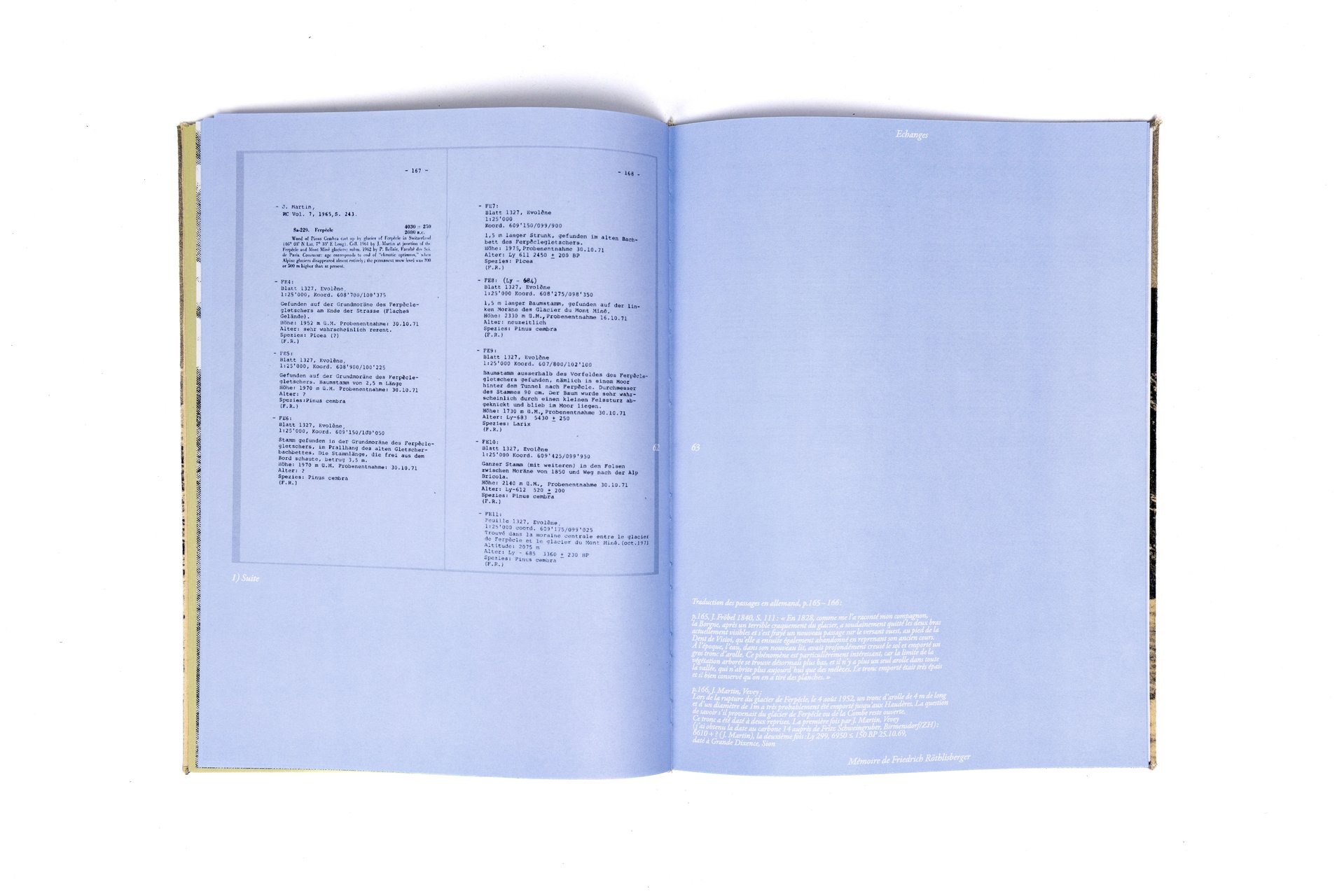
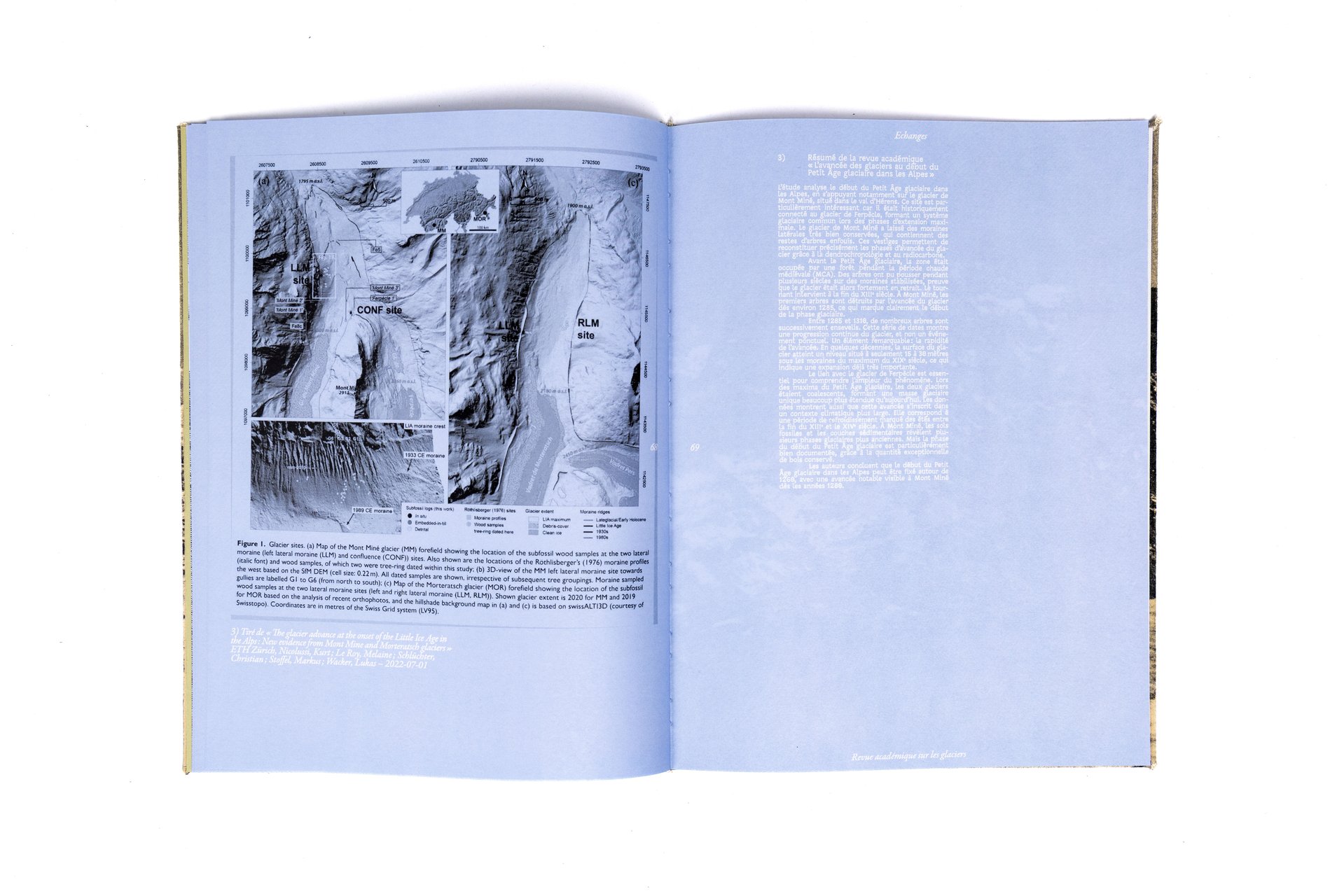
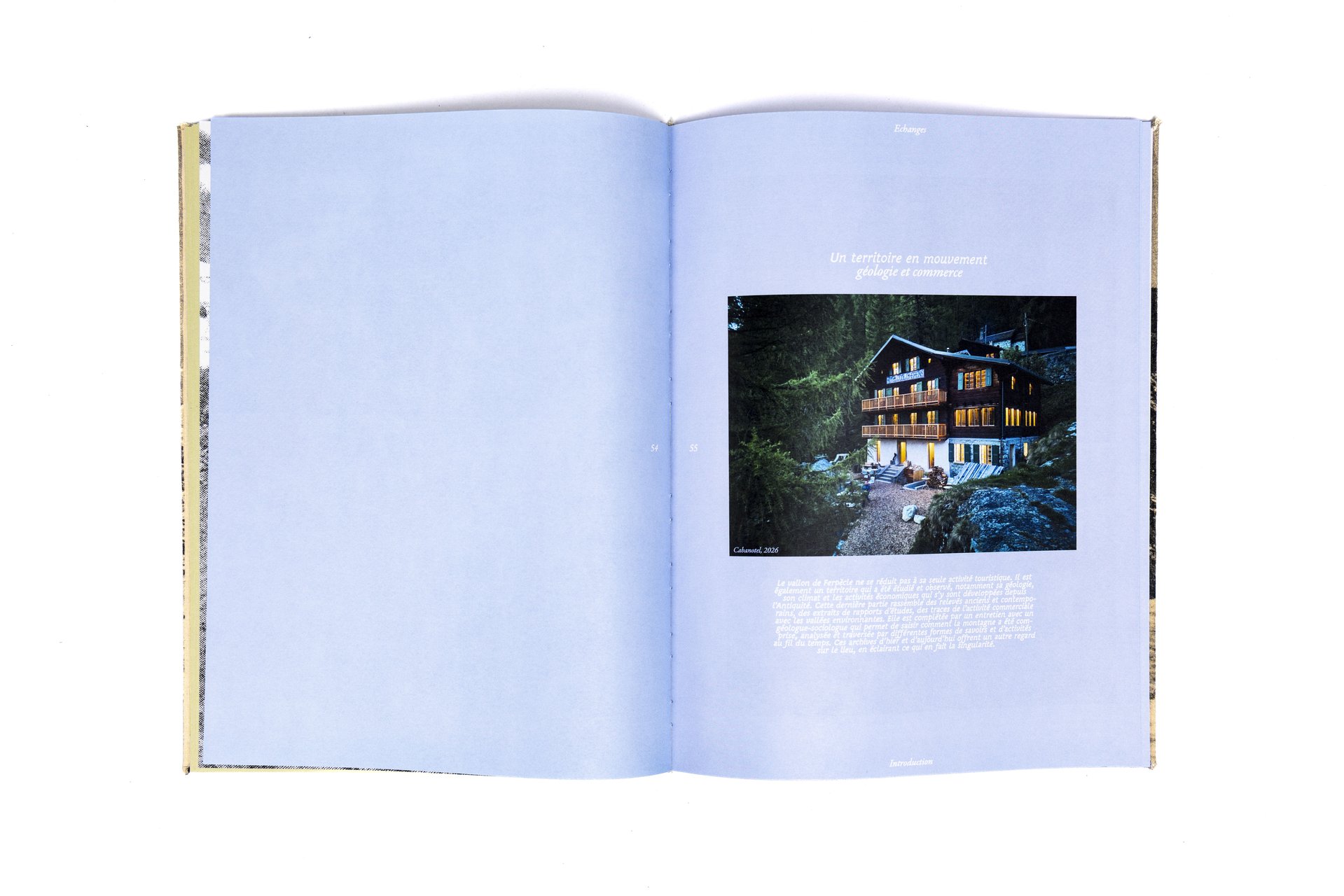
Cabanotel, mémoire alpine

In the heart of the Val d’Hérens, the Cabanotel carries on the legacy of the Hôtel du Col d’Hérens, built in 1876 and kept within the same family for nearly a century and a half. In 2021, its transfer to the Valais architect Olivier Cheseaux marked the beginning of a careful renovation, respectful of the building and its history.

On the occasion of the hotel’s 150th anniversary, this book retraces this human story through testimonies, archival documents, mountain narratives, and observations of the surrounding territory. It is structured around three temporalities: that of the Alpine landscape, unchanged and timeless; that of the building, passed down and transformed across generations; and that of the people who have inhabited, passed through, or kept it alive.
 

Par Lucie Pittet


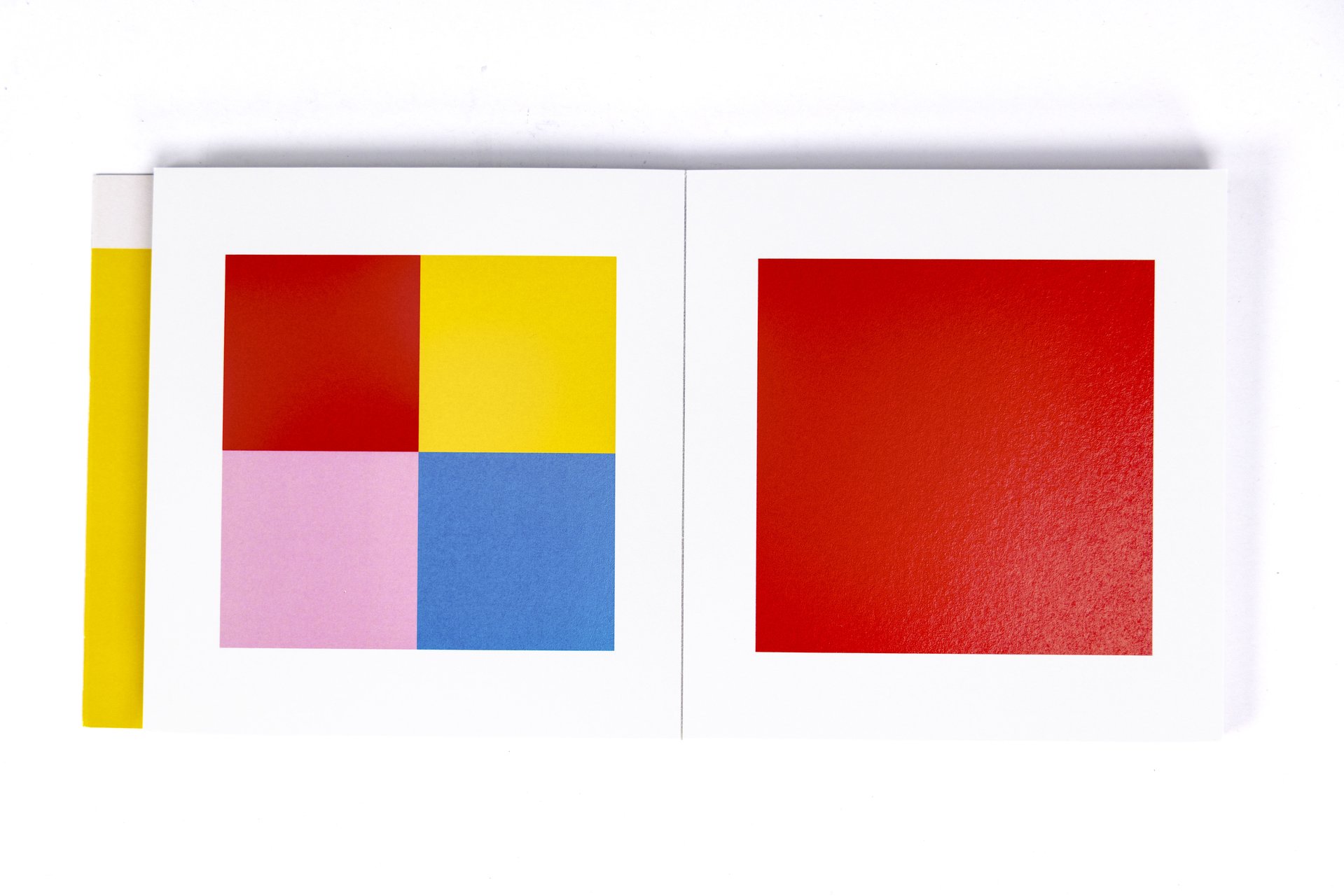
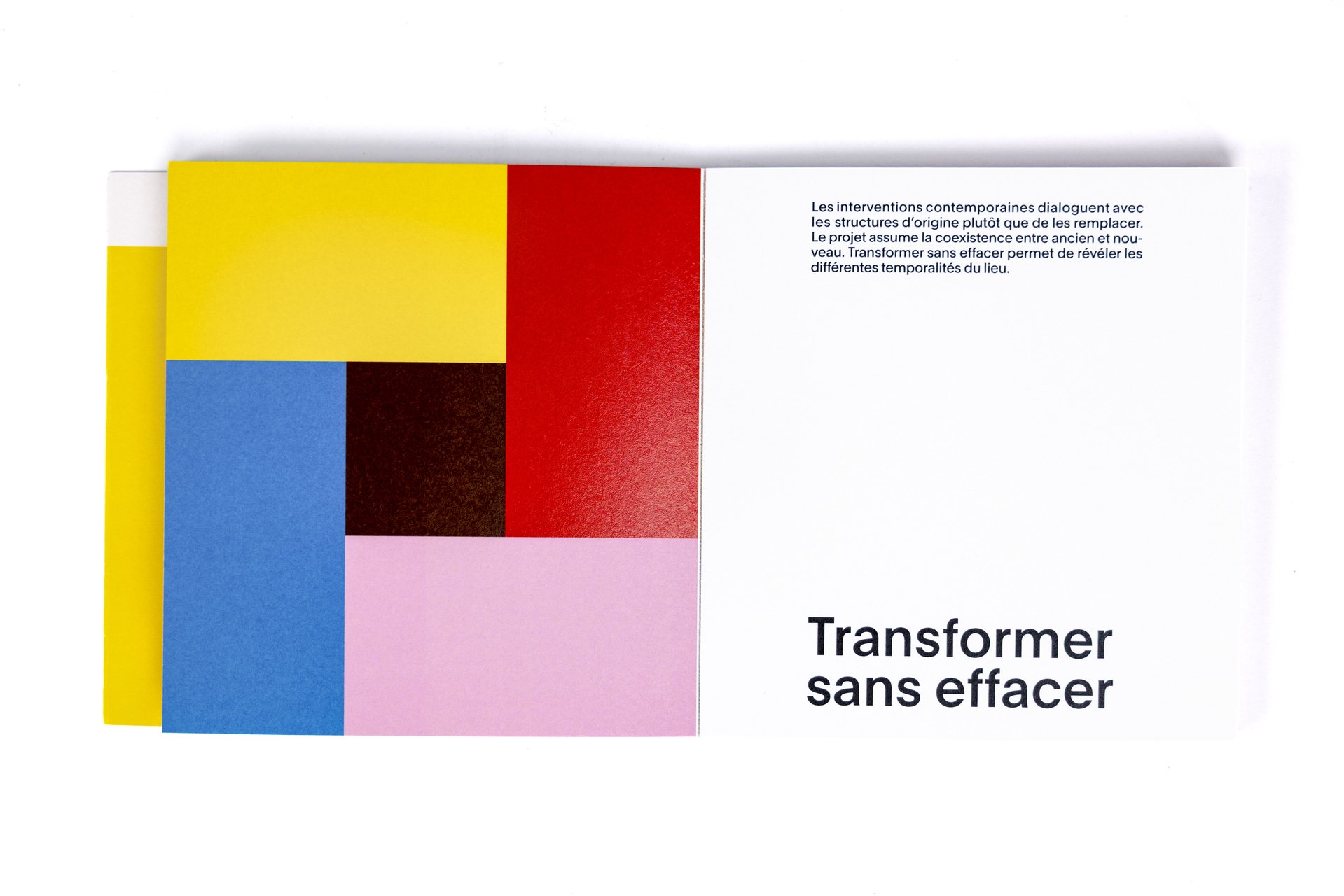
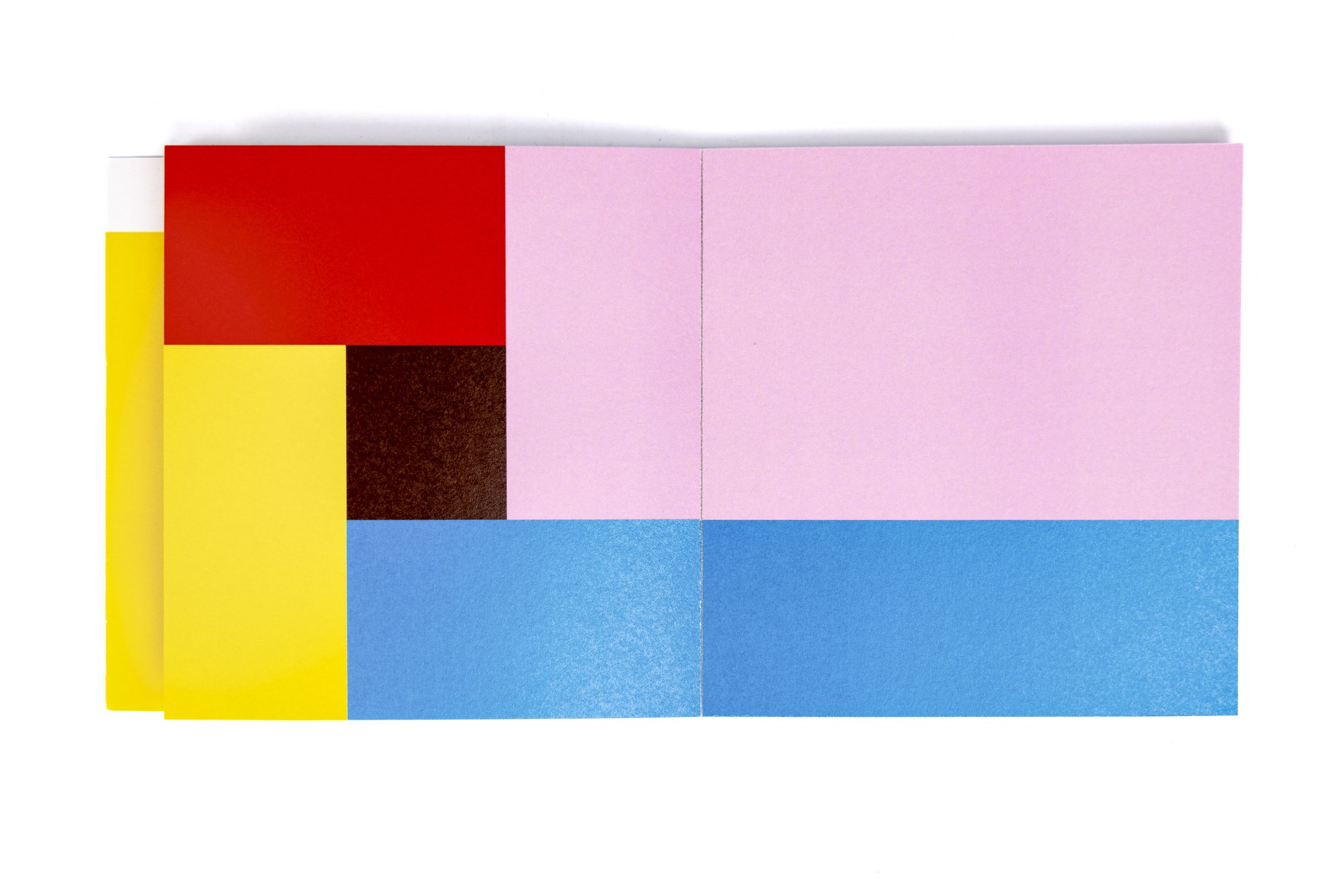
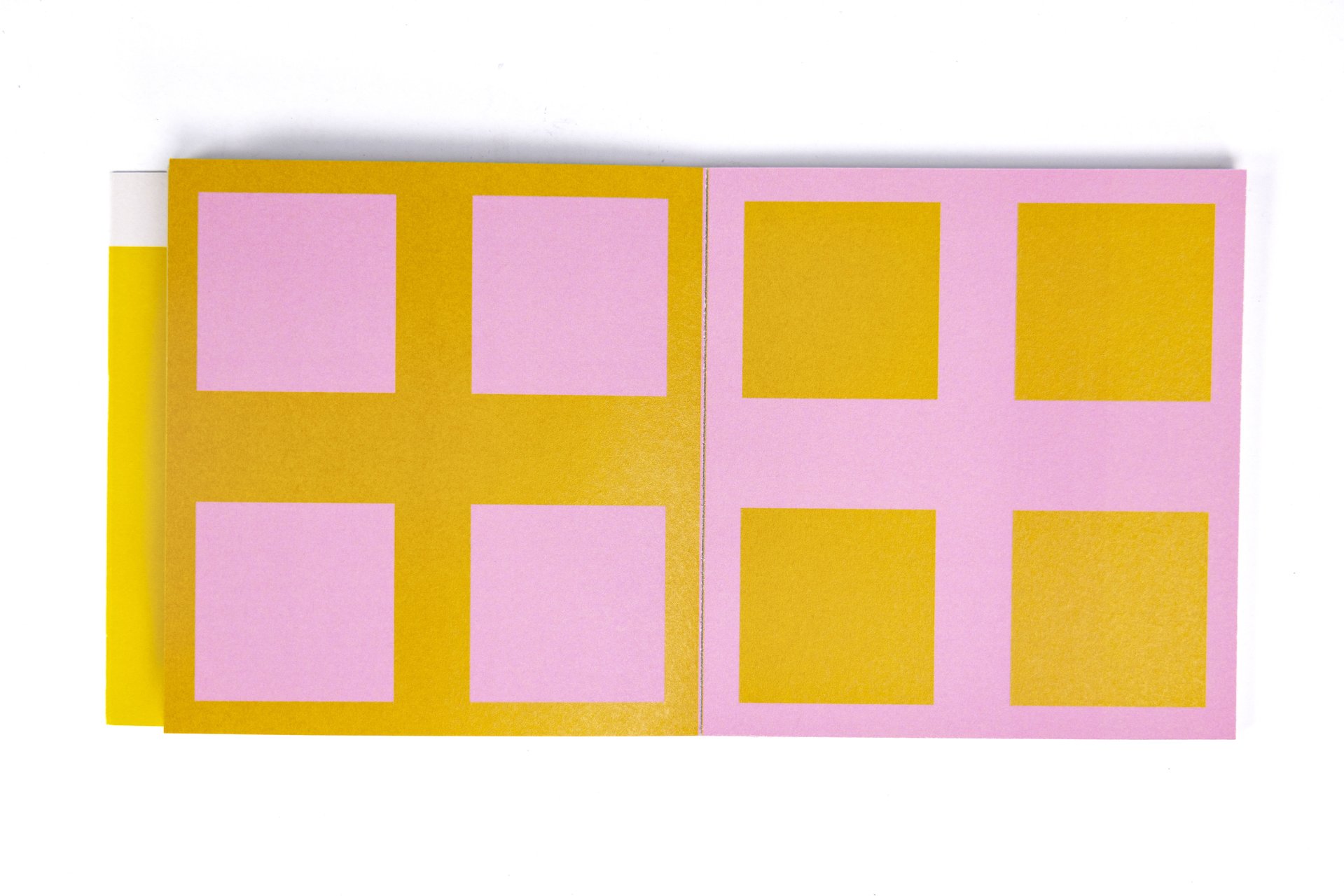
Jardin d’enfants Mööslistrasse

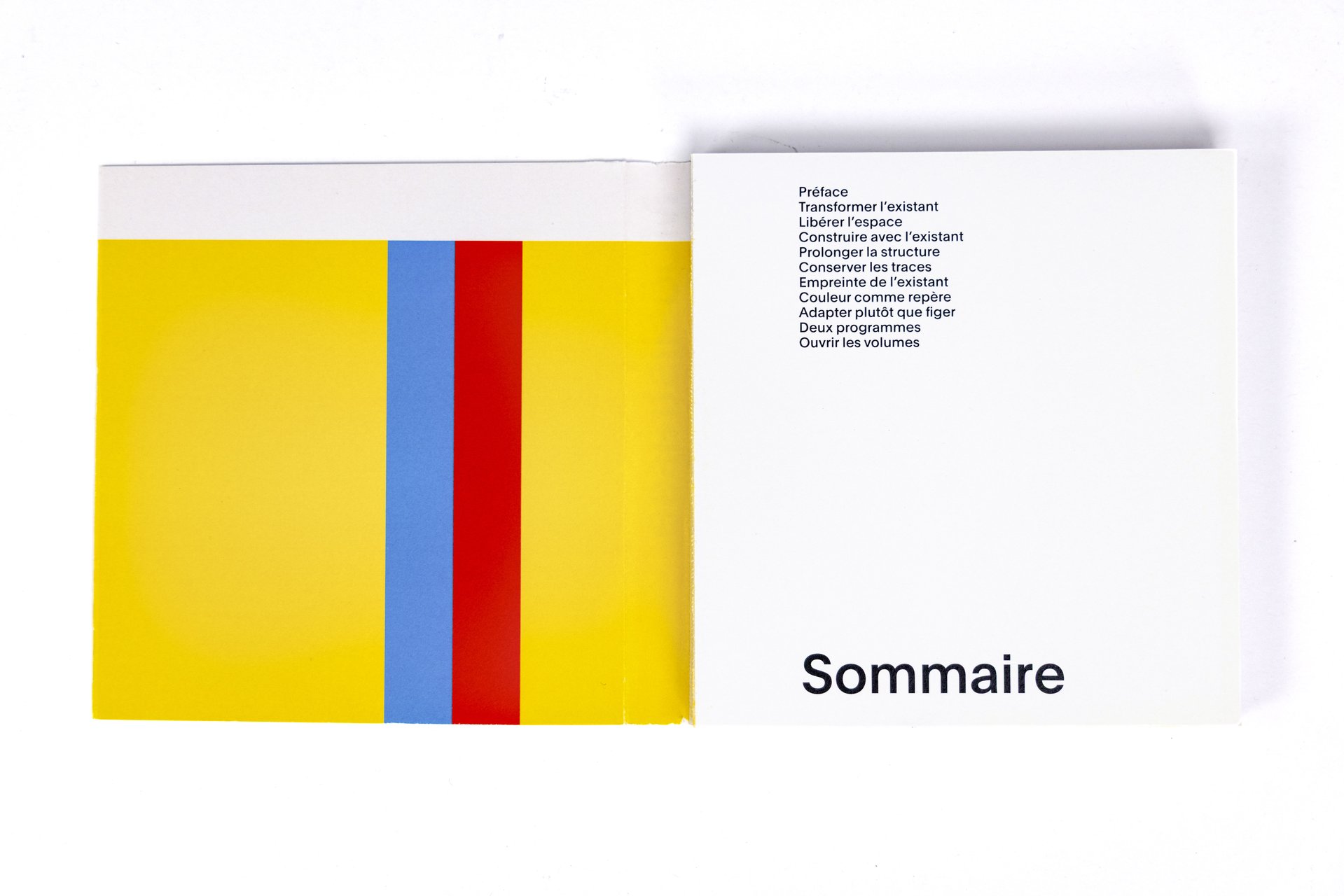
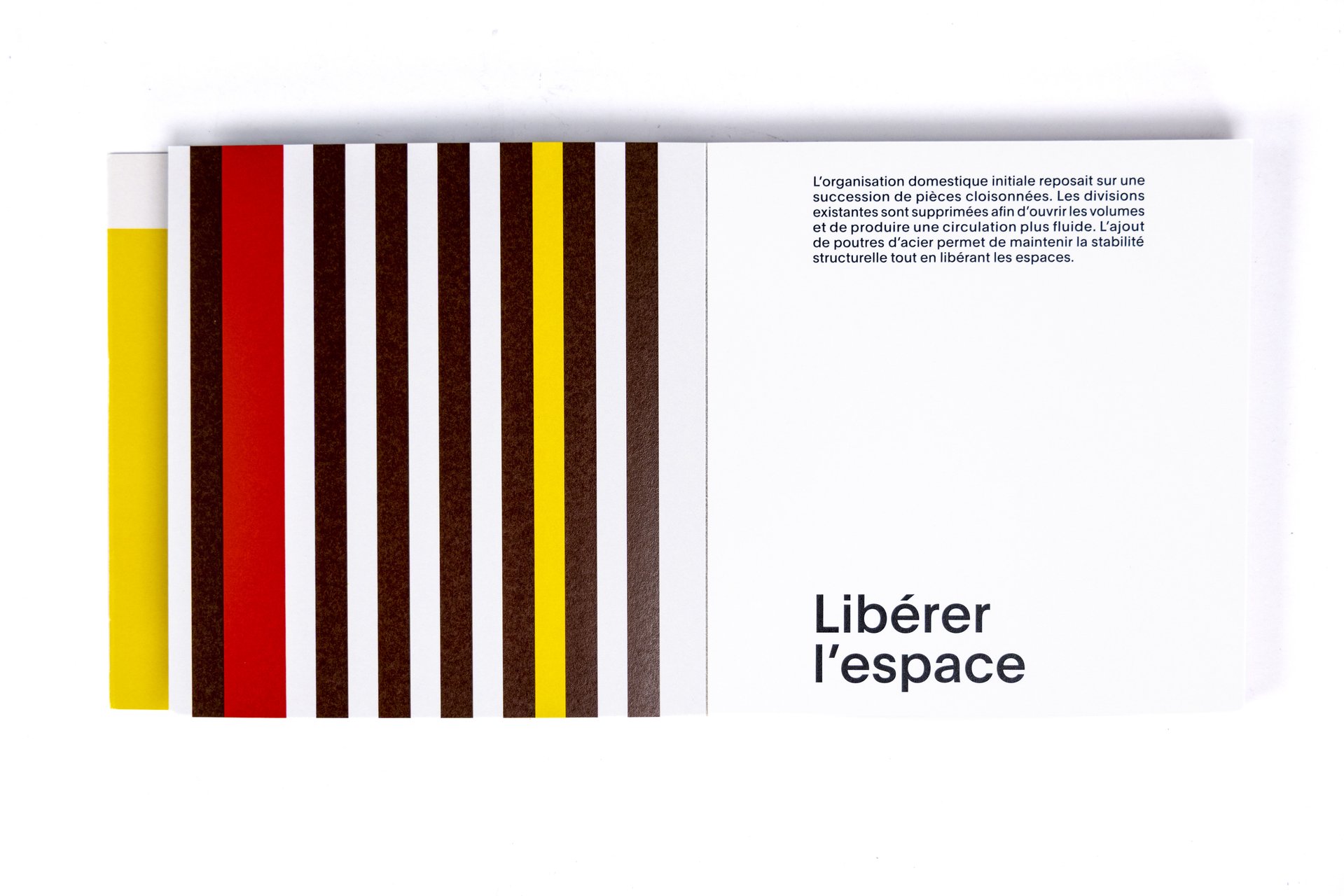
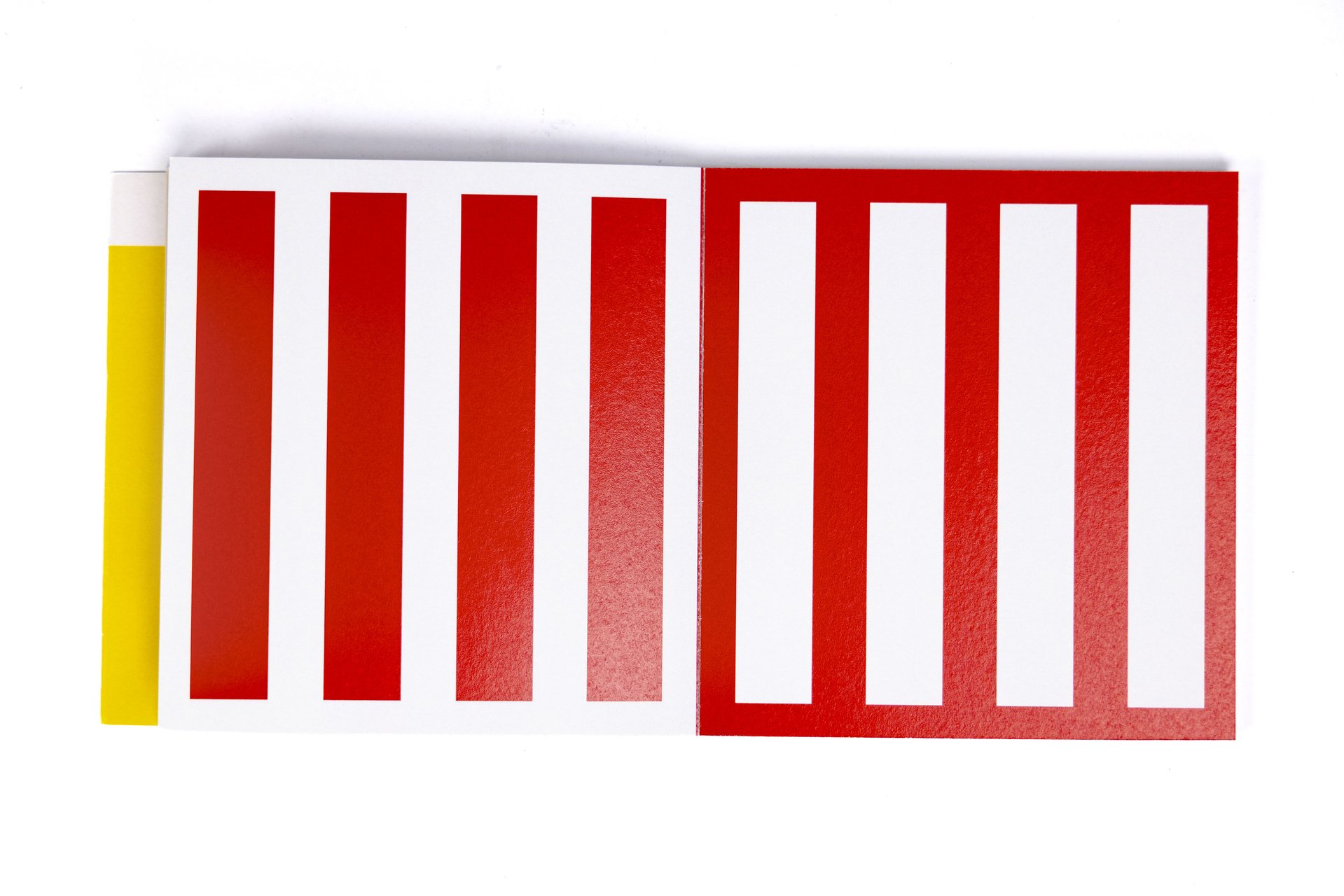
The Mööslistrasse kindergarten is a transformation project in Zurich, developed from former residential units integrated into a municipal depot from the 1930s. Faced with a lack of space for early childhood facilities, the architects chose to transform the existing rather than build anew. The project is based on reuse and continuity: reclaimed materials, preserved elements, and new interventions coexist within a single spatial system. The removal of partitions allows for a redistribution of uses and an adaptation of the building to a collective function.

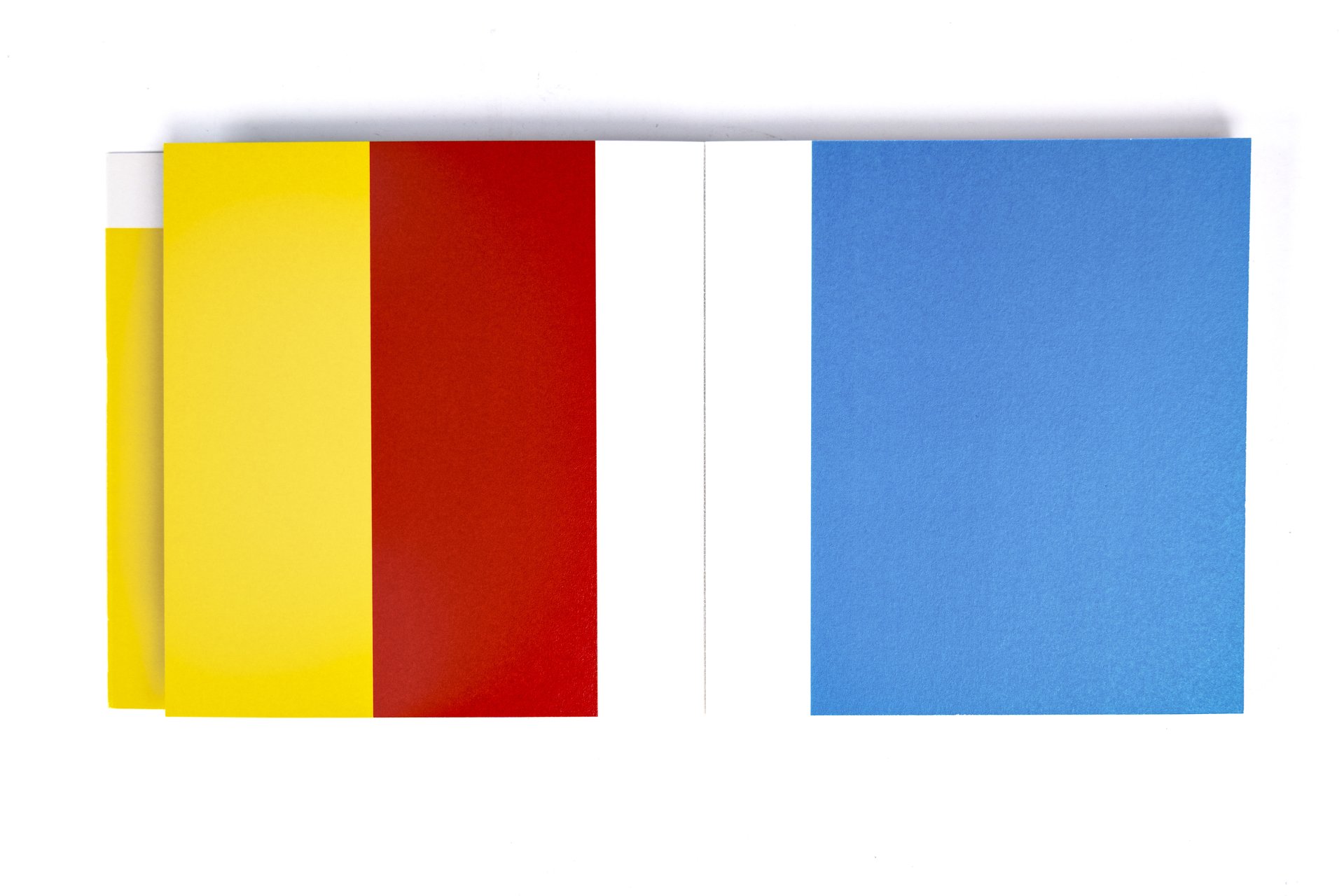
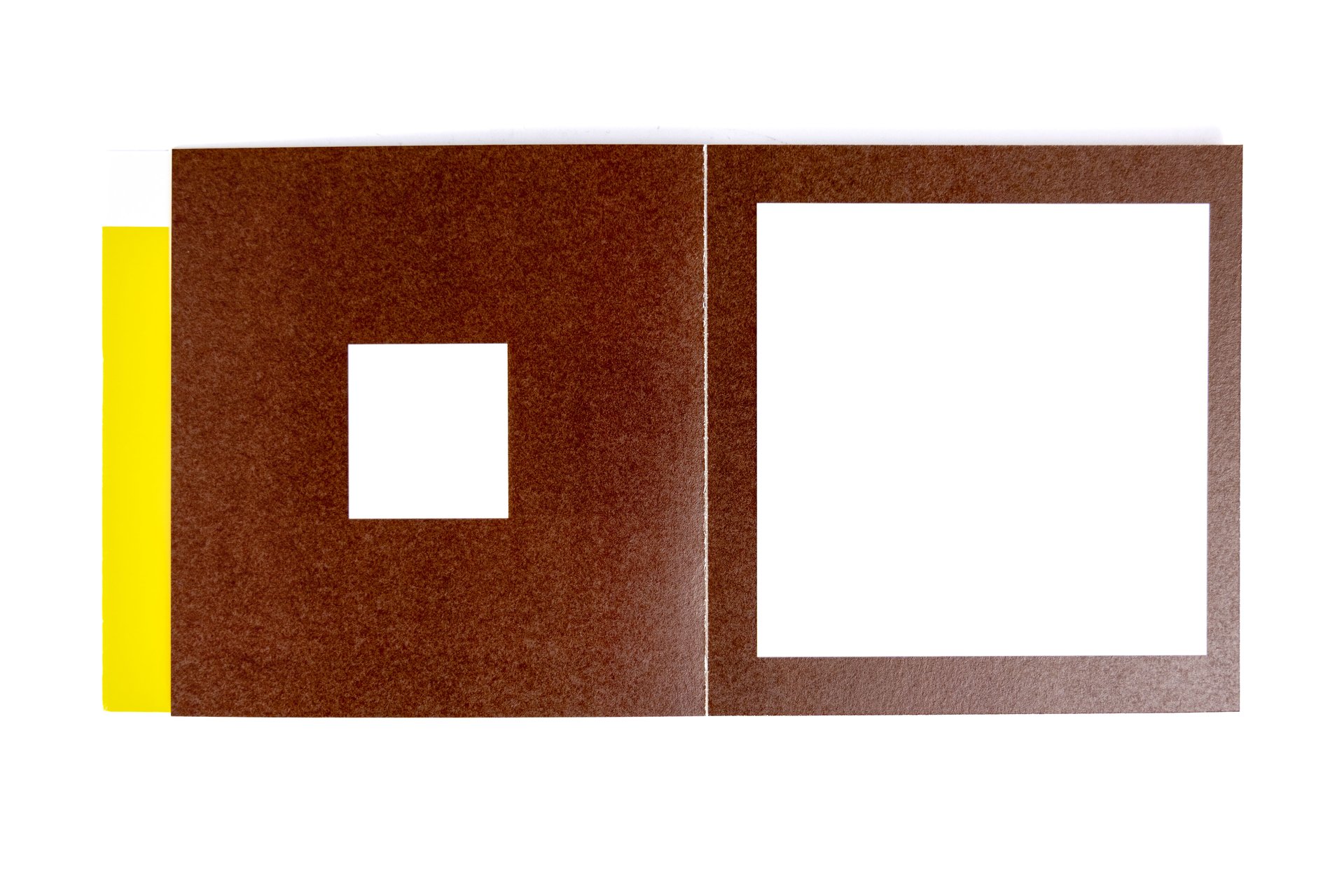
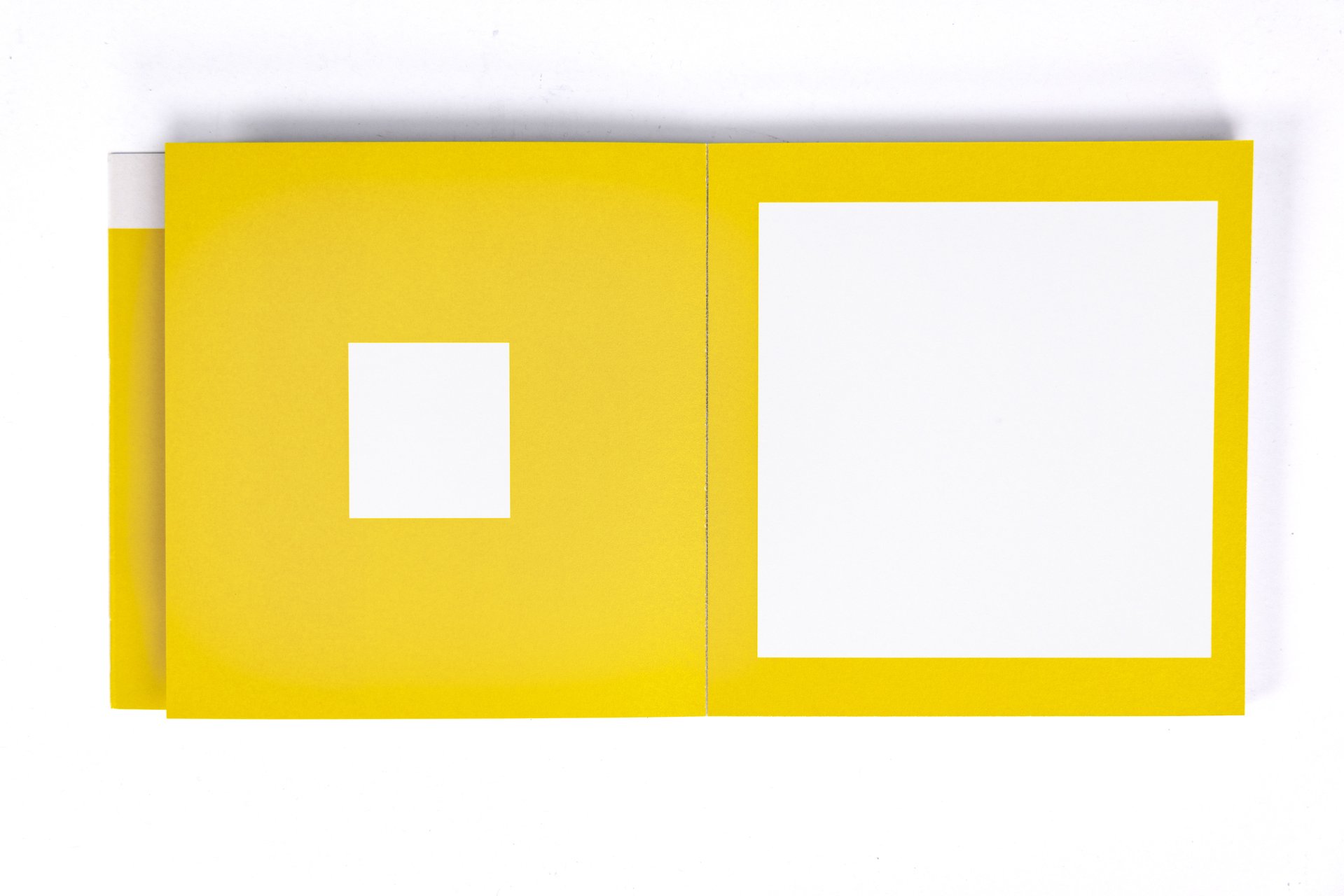
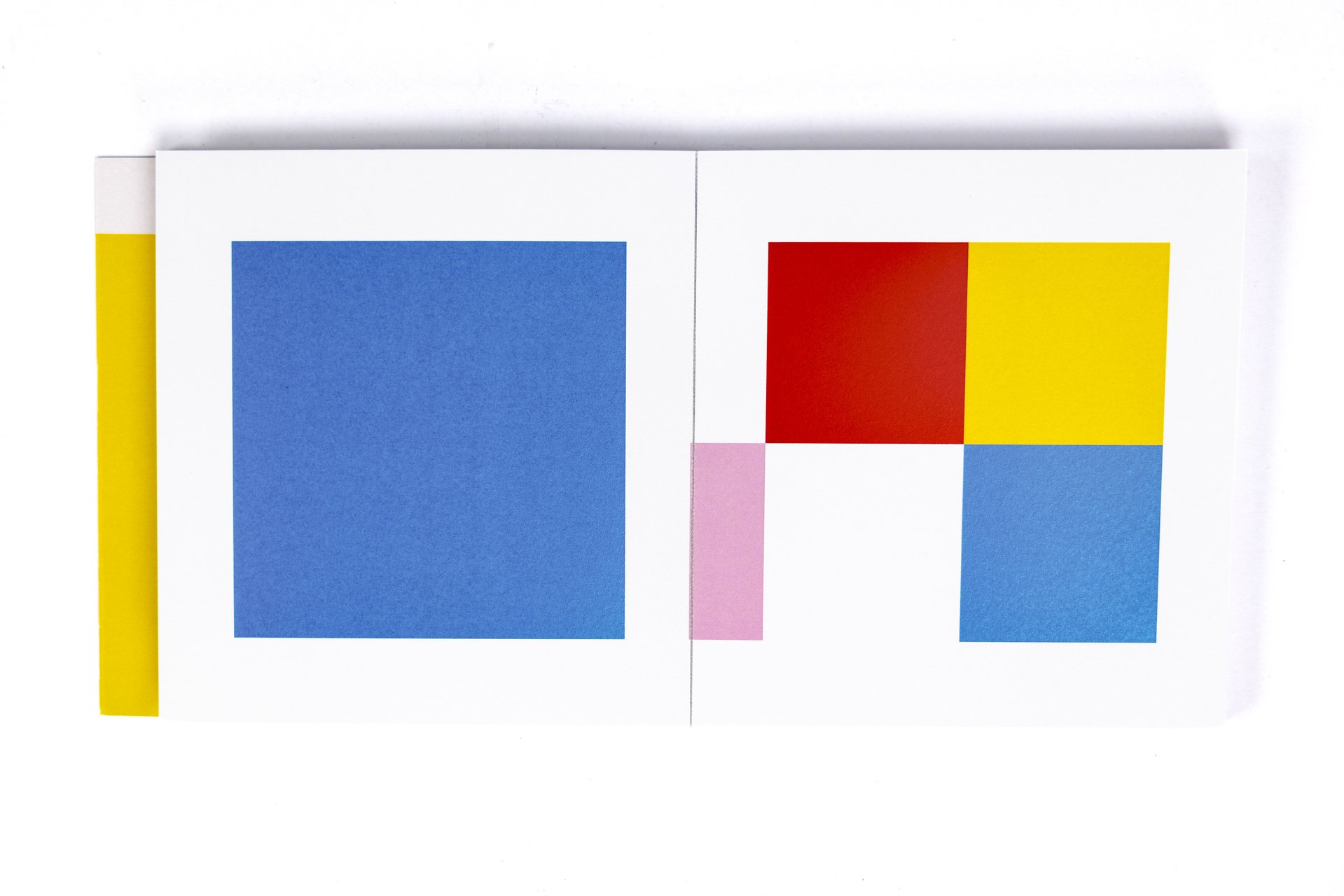
My editorial project translates these principles into an abstract graphic language. Simple forms, flat colour fields, and minimal compositions aim to make visible the ideas of de-partitioning, reuse, and transformation of the existing.

The texts, short and direct, take the form of architectural manifestos. The choice of a cardboard-bound book echoes the world of childhood and reinforces the idea of a simple, tactile, and pedagogical object.

The publication becomes an extension of the architectural project: transforming without erasing, building with what already exists, and proposing a new reading of space through minimal interventions.


Par Alice Refachinho


Alice Refachinho
Alice Refachinho
Alice Refachinho
Alice Refachinho
Alice Refachinho
Alice Refachinho
Alice Refachinho
Alice Refachinho
Alice Refachinho
Alice Refachinho
Alice Refachinho

1/11


Buswartehäuschen Ilanz

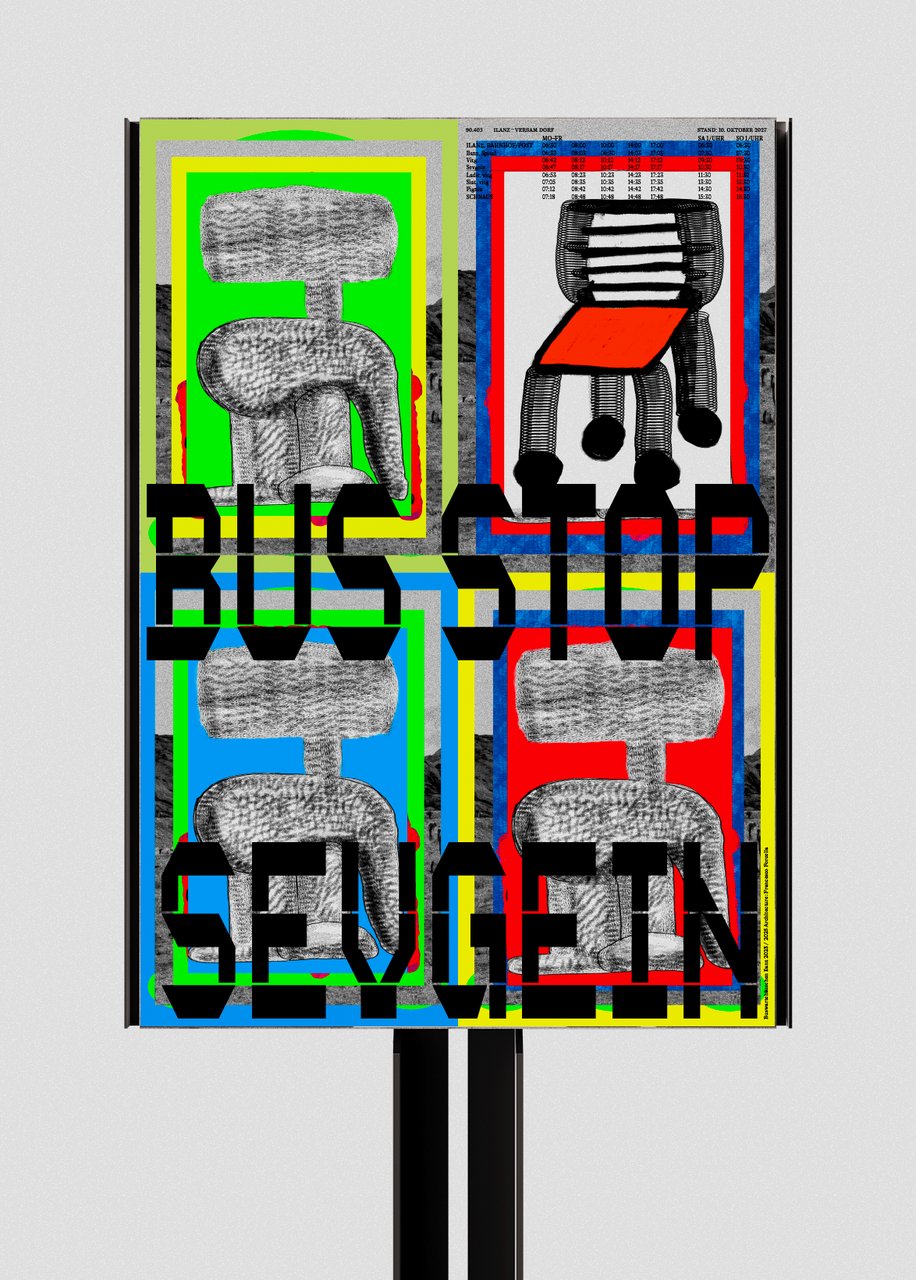
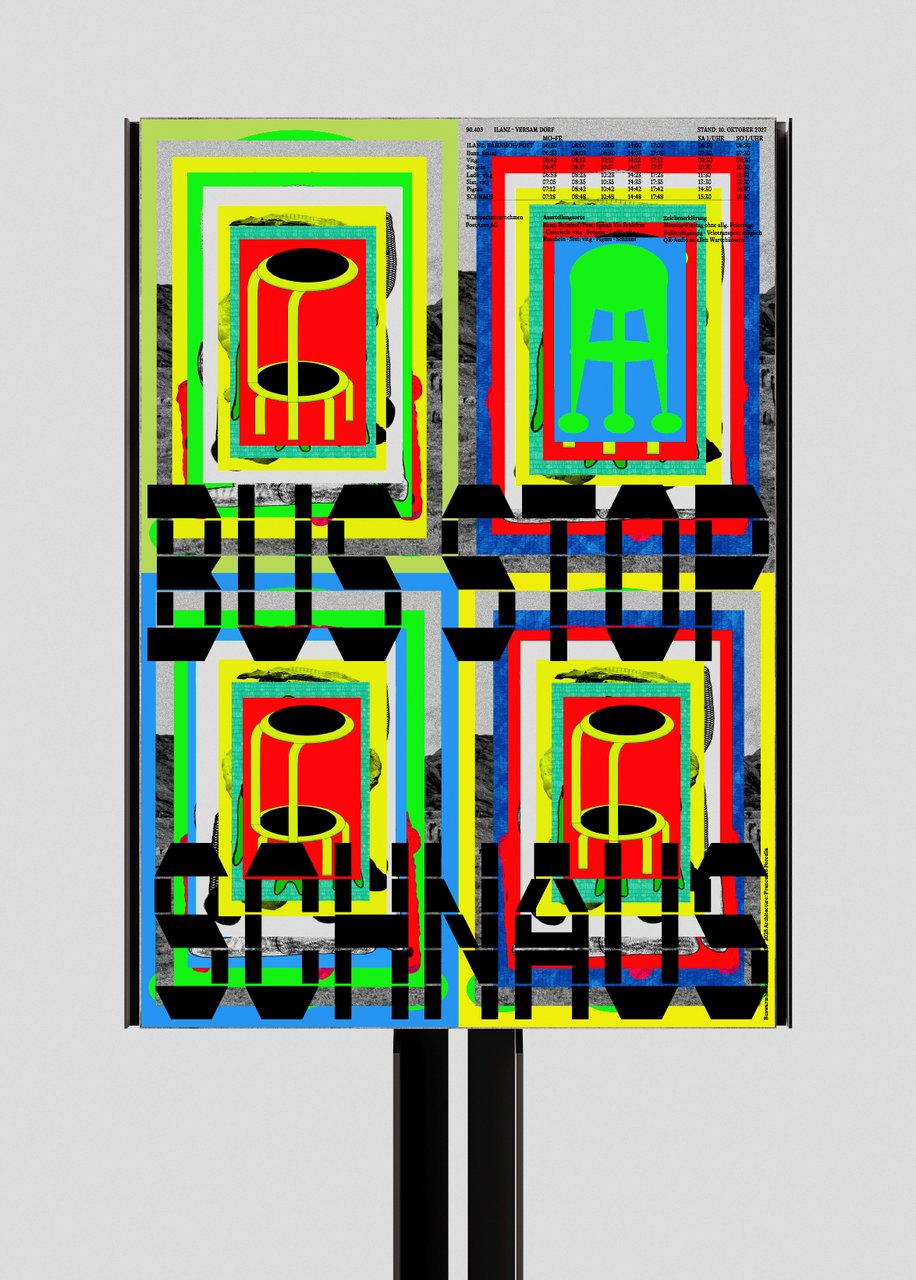
The project takes as its starting point the dispersion of bus shelters in Ilanz. Separated from one another, they offer a fragmented experience of the territory. Each shelter thus becomes part of a larger whole.

The project consists of a series of posters integrated into the bus shelters. They combine timetable information with a fragmented image. As one moves between stops, the images gradually complete and overlap. The whole reflects principles of assembly and layering found in architecture.
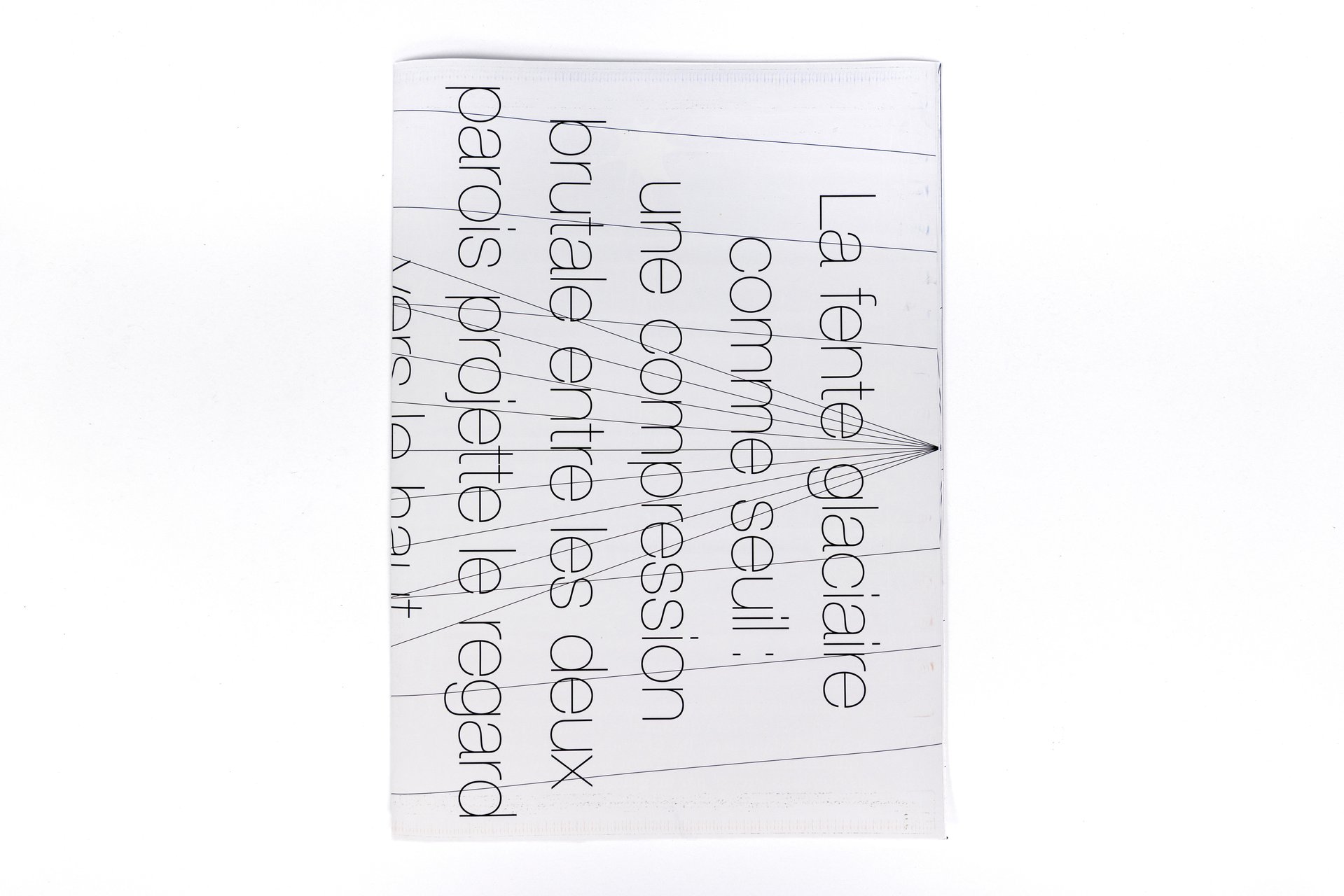
Each shelter becomes a fragment of an image that users reconstruct through their journeys.
Par Jonas Zesiger


2.png
3.png

Projects related to Poster

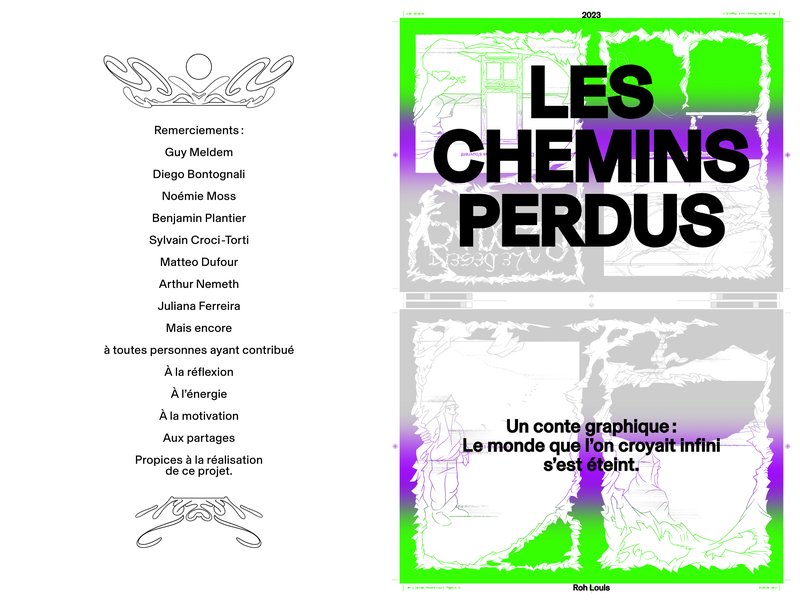
Louis Roh – Les chemins perdus

BA GRAPHIC DESIGN

Louis Roh – Les chemins perdus

with Guy Meldem, Diego Bontognali

Millennia ago, humankind discovered electricity and never stopped exploiting and reinventing it, unconcerned, considering this resource to be infinite. This book, Les Chemins Perdus, opens up new horizons, between dream and fiction, through realistic and poetic notions. What if all the lights went out? It stimulates the imagination and offers readers light, childlike speculation. Interest in illustration, storytelling and printing techniques brings this graphic tale to life. This journey of colours and images appeals to a multi-generational audience, tapping into the potential of children’s books in these tense and confusing times.
Service Design - 2025

BA GRAPHIC DESIGN

BA MEDIA & INTERACTION DESIGN

BA PHOTOGRAPHY

Service Design - 2025

with Angelo Benedetto, Vincent Jacquier, Pauline Saglio, Calypso Mahieu

During the Service Design course, the 3rd year of the Graphic Design, Photography and Media & Interaction Design bachelors had to create multi-media projects. A collaboration of the Visual Communication department which had as subject the SDGs (*Sustainable Development Goals). The theme was called "For a good cause, make the SDGs a reality" and its objective was to allow students to develop a cause that is close to their hearts. Each project consists of at least two different media, one primary and one secondary. These projects could take any form that the students deemed relevant, be it a website, editions, posters, a video sequence or virtual reality.

Service Design - 2024

BA GRAPHIC DESIGN

BA MEDIA & INTERACTION DESIGN

BA PHOTOGRAPHY

Service Design - 2024

with Angelo Benedetto, Vincent Jacquier, Pauline Saglio, Calypso Mahieu

During the Service Design course, the 3rd year of the Graphic Design, Photography and Media & Interaction Design bachelors had to create multi-media projects. A collaboration of the Visual Communication department which had as subject the SDGs (*Sustainable Development Goals). The theme was called "For a good cause, make the SDGs a reality" and its objective was to allow students to develop a cause that is close to their hearts. Each project consists of at least two different media, one primary and one secondary. These projects could take any form that the students deemed relevant, be it a website, editions, posters, a video sequence or virtual reality.

Staged Photography – 2026

BA PHOTOGRAPHY

Staged Photography – 2026

with Charlotte Krieger

Unseen This course introduces students to the creation of a seven-image series built around the theme Unseen. They will learn to combine set design, characters, and lighting to produce strong, coherent staged images. Through a practical and technical approach, the course develops their ability to conceive and manage a complete photographic project, direct models, work with natural and artificial light, and collaborate under conditions similar to professional editorial or commercial shoots. Students will refine their photographic vision while preparing for the creative and technical demands of the industry.

Encyclopedia of Demons

BA GRAPHIC DESIGN

Encyclopedia of Demons

with Atlas Studio

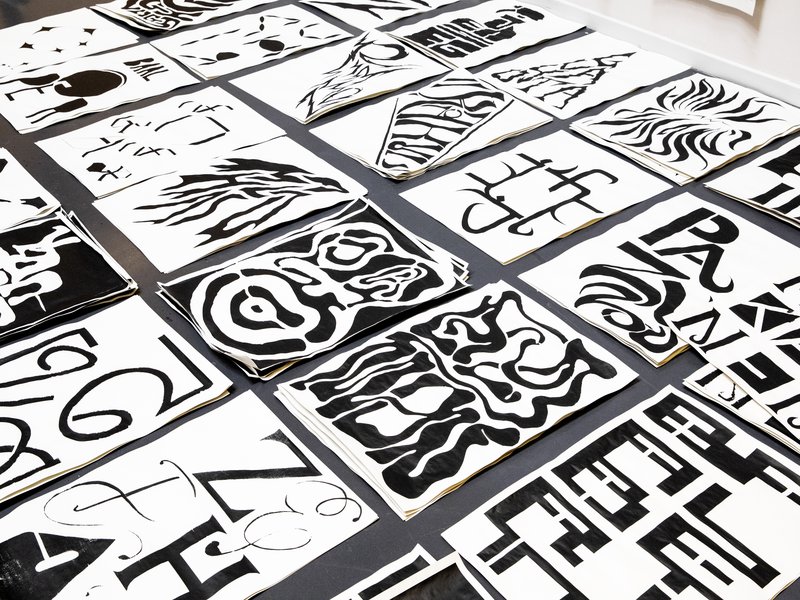
After choosing a demon from Theresa Bane's Encyclopedia of Demons, each student had to visually reinterpret the characteristics of their demon in several ways. A stencil printing technique (cutting a sheet of paper) allowed students to create their visuals on the spot and independently.

Related courses