FILM STUDIES
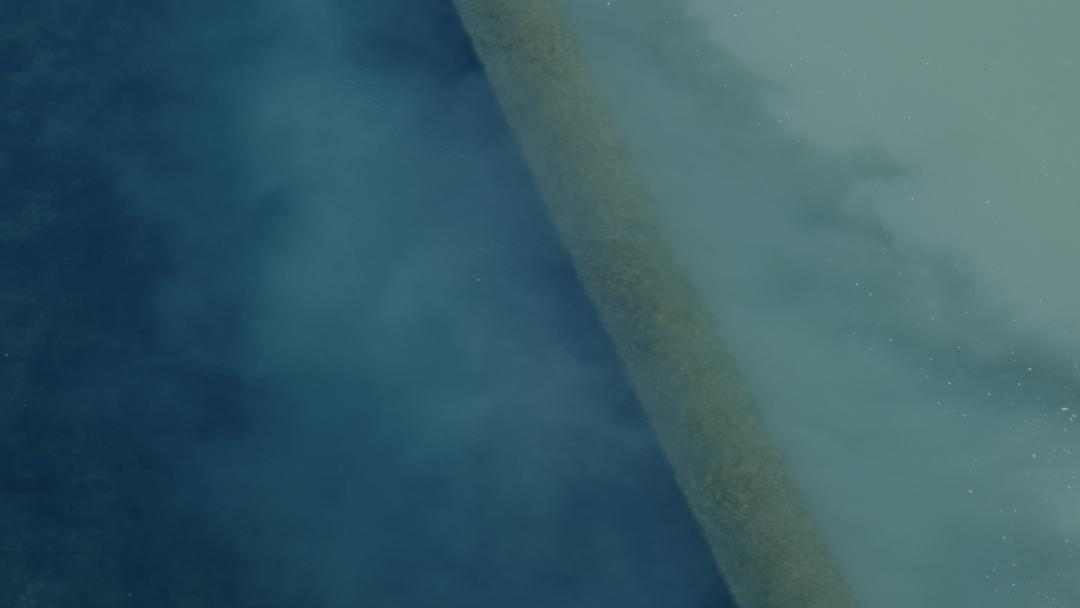
Documentary film workshop with Verena Paravel - 2026
with Verena Paravel
The 2026 documentary film workshop for 2nd year students was lead by french director and visual anthropologist Verena Paravel.
FILM STUDIES
with Verena Paravel
The 2026 documentary film workshop for 2nd year students was lead by french director and visual anthropologist Verena Paravel.
FILM STUDIES
with Marie-Eve Hildbrand
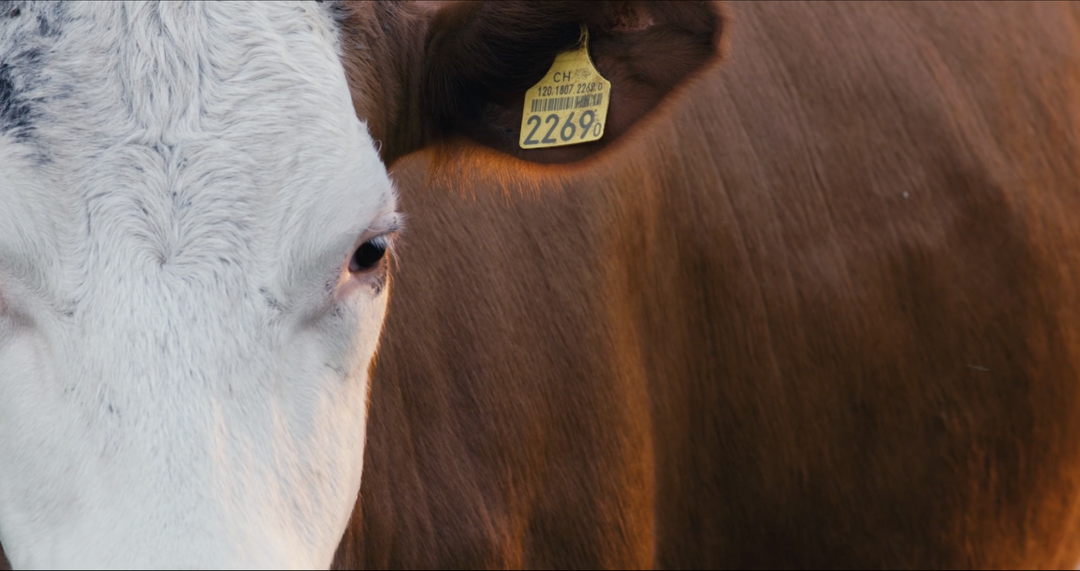
The 2026 documentary film workshop for 1st year students was lead by swiss director Marie-Eve Hildbrand.
GRAPHIC DESIGN
with Aurèle Sack
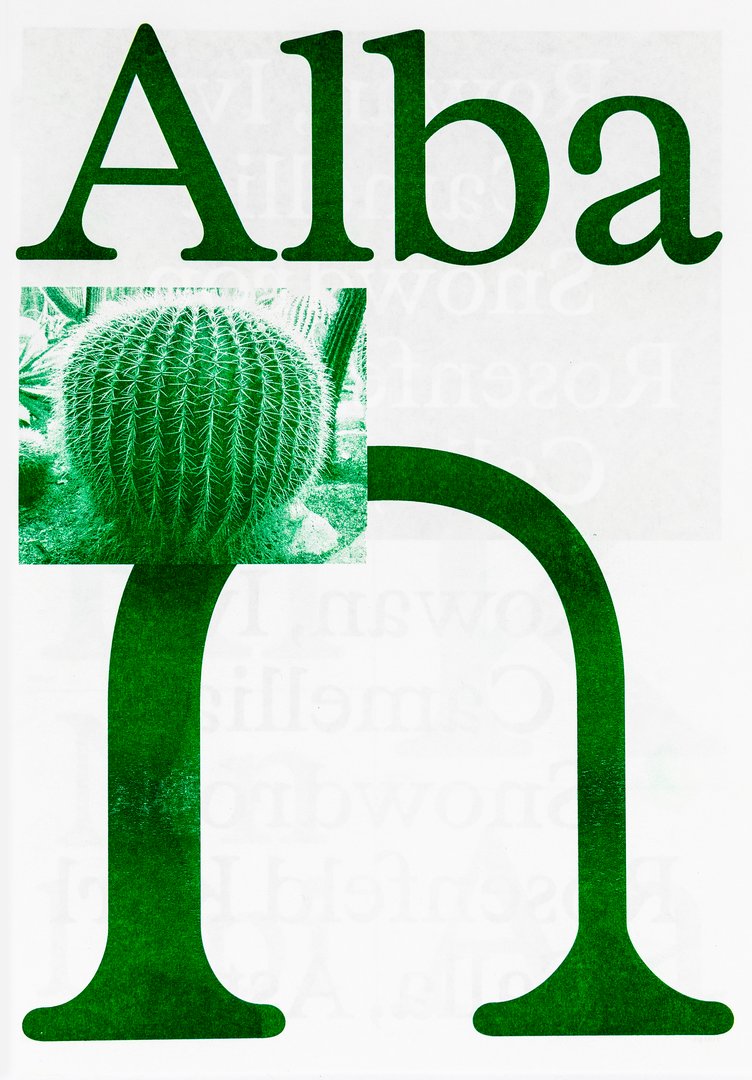
Second-year students were required to develop the whole alphabet for one typeface.
GRAPHIC DESIGN
with Diego Bontognali
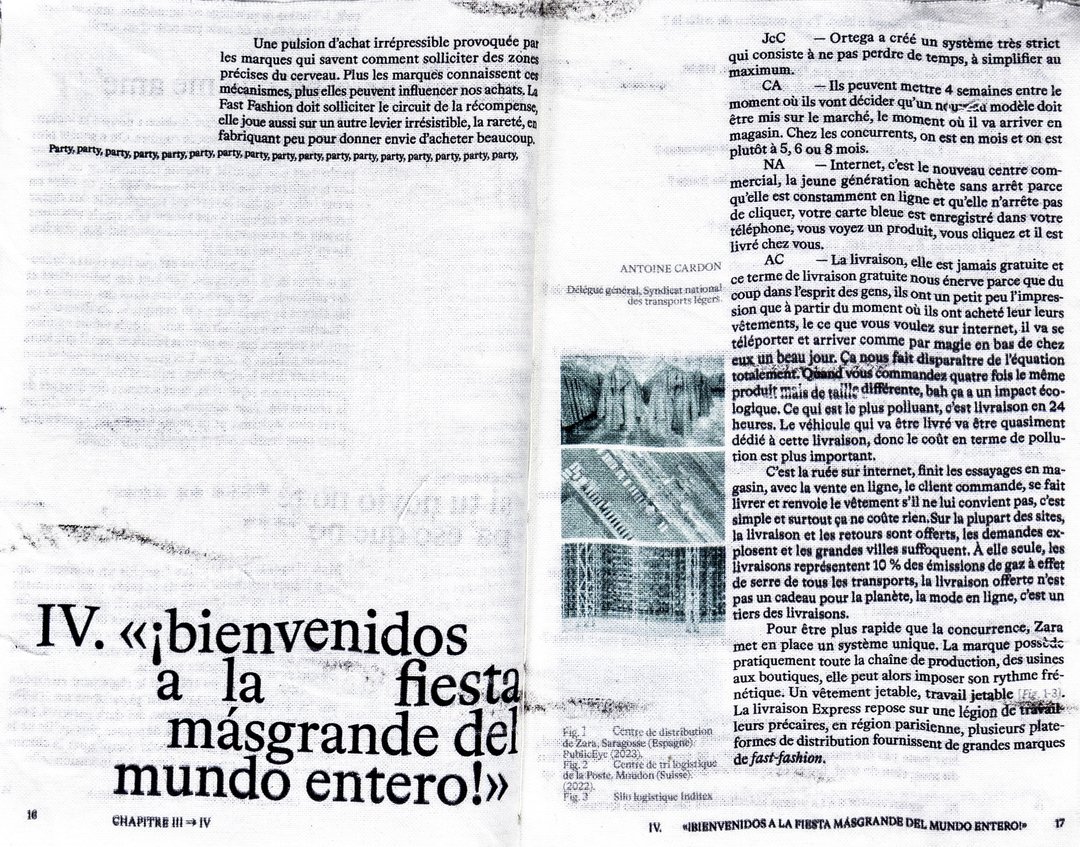
As part of this editorial design course, students developed a research-based project focused on the selection and design of texts around a shared theme. Based on a curated set of sources, each project presents two editions with identical content, produced in both a large and a small format.
GRAPHIC DESIGN
with Adeline Mollard
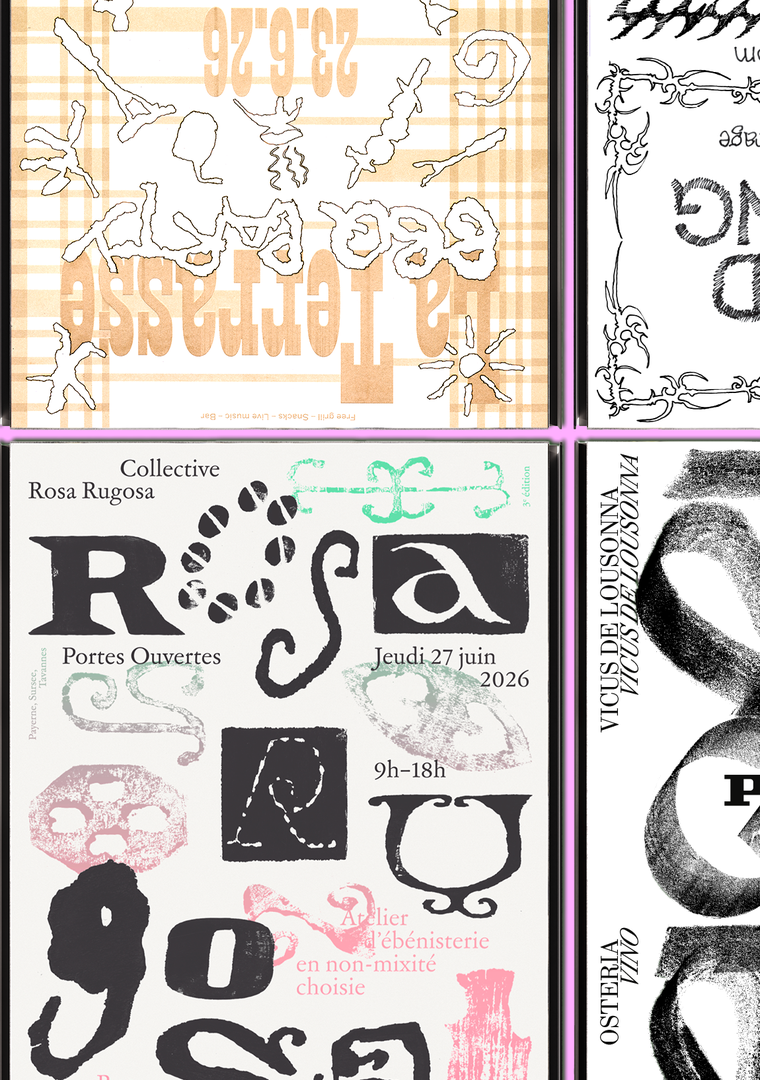
As part of the visual identity course with Adeline Mollard, the students developed a visual identity based on a randomly drawn business card. By appropriating a graphic element and its title, each project offers a singular interpretation of it. Each proposal also involves the selection of a tool linked to the associated event (tattoo machine, sander, lithography equipment, etc.), used as a conceptual and graphic extension of the project. The identity is deployed across a range of formats, from business card to F4 size, including posters, flyers, business cards, as well as an animated poster.
GRAPHIC DESIGN
with Adeline Mollard
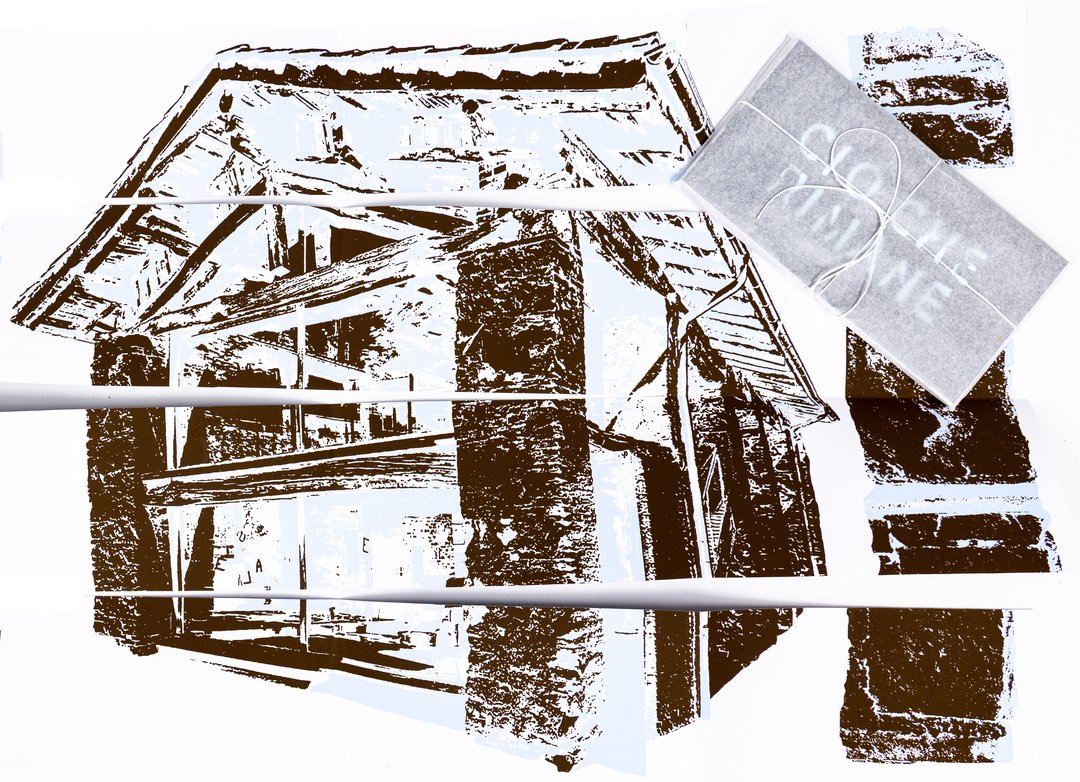
Genius Loci, or the spirit of the place, refers to the unique identity or essence of a location. In architecture, this principle suggests that the specific characteristics of a place should be reflected and extended in a design. In the case of the second-year graphic design students, they have applied this principle to communication projects focused on promoting or extending the identity of a particular place through design. Their work likely explores how to visually capture and communicate the essence of a space, using graphic design elements that resonate with the architectural features or history of the place.
GRAPHIC DESIGN
with Guy Meldem
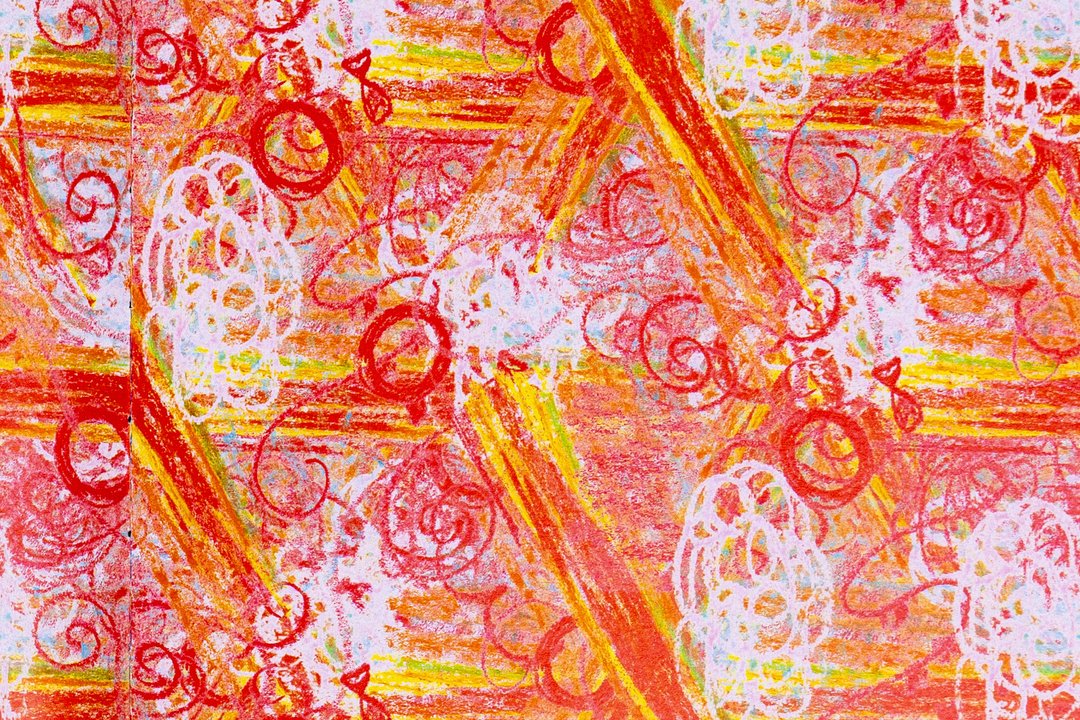
As part of the ECAL x Chillon exhibition, which will take place at the eponymous castle, the students of the Bachelor in Graphic Design have created patterns inspired by the castle’s features. Under the supervision of Guy Meldem, they developed a variety of graphic systems. These patterns will be printed as hangings in the armory hall of Chillon Castle.

GRAPHIC DESIGN
with Adeline Mollard
Last year, the Marché du Temple, an iconic grocery store located in front of ECAL, closed its doors, leaving behind precious memories and a warm atmosphere that had enlivened the neighborhood for decades. This semester, students had the opportunity to reinvent this space by designing a complete visual identity for a new fictional business. Their work resulted in a poster and its animated version, a booklet, and a proposal for a new storefront. To celebrate the end of the semester, an exhibition was organized in the former premises of the Marché du Temple.

GRAPHIC DESIGN
with Harry Bloch
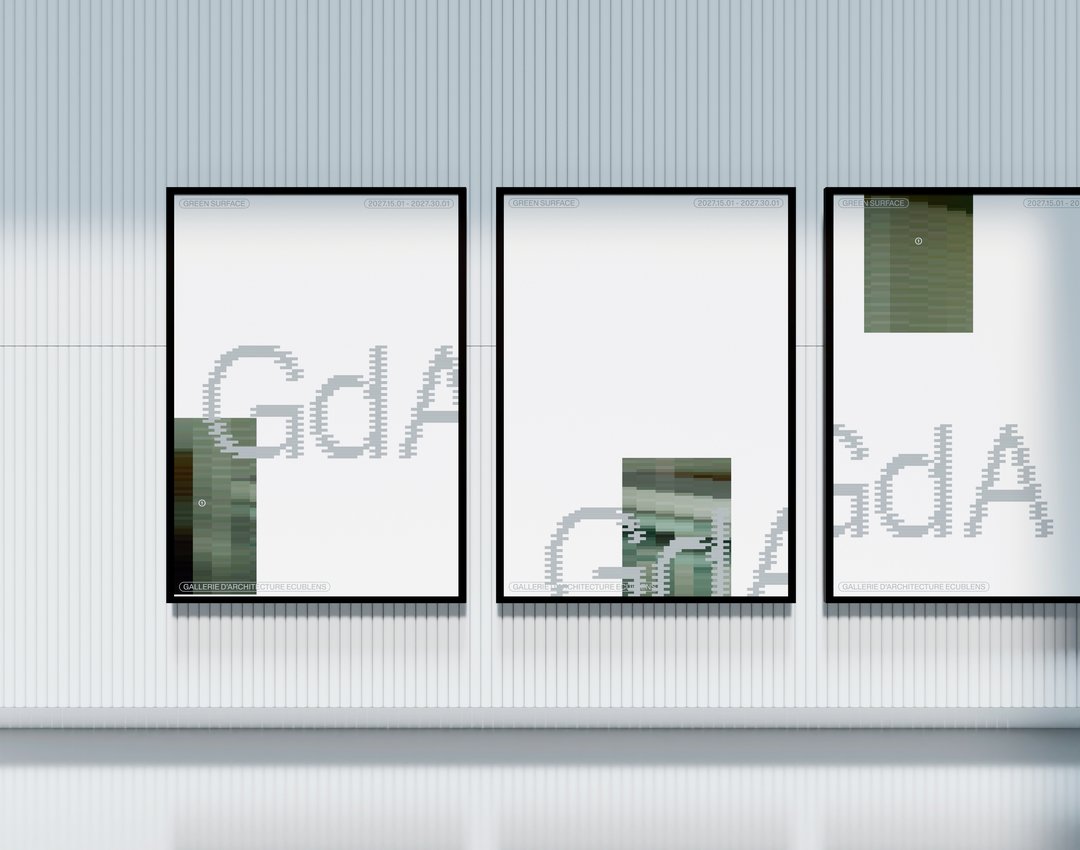
As part of the Screen Design course with Harry Bloch, students freely chose an event as the starting point for their project. Using documentary, textual, and iconographic research, each student developed a digital edition conceived as an interactive and flexible poster, responsive to changes in screen format and dimensions. The project thus explores layout as a living system rather than a fixed composition. Each proposal is accompanied by conceptual and formal reflection, connecting event content with experimentation in the screen medium.

GRAPHIC DESIGN
with Robert Huber
The creation of a logotype involves establishing a distinct visual identity, embedded in a clearly defined universe. First-year Graphic Design students designed a fully hand-drawn logotype, connected to a subject, a concept, or an environment of their own choice. This work was based on thorough research in typographic archives. Each student compiled a reference notebook and developed a set of specimens, in order to enrich and structure their graphic and formal thinking.
MEDIA & INTERACTION DESIGN
with Angelo Benedetto
First-year students designed visual identities for fictional museums. As part of the Dynamic Display course led by Angelo Benedetto, this project led them to create graphic universes that that express the character of each imaginary exhibition site.
DIGITAL EXPERIENCE DESIGN
with Gaël Hugo, Paul Lëon
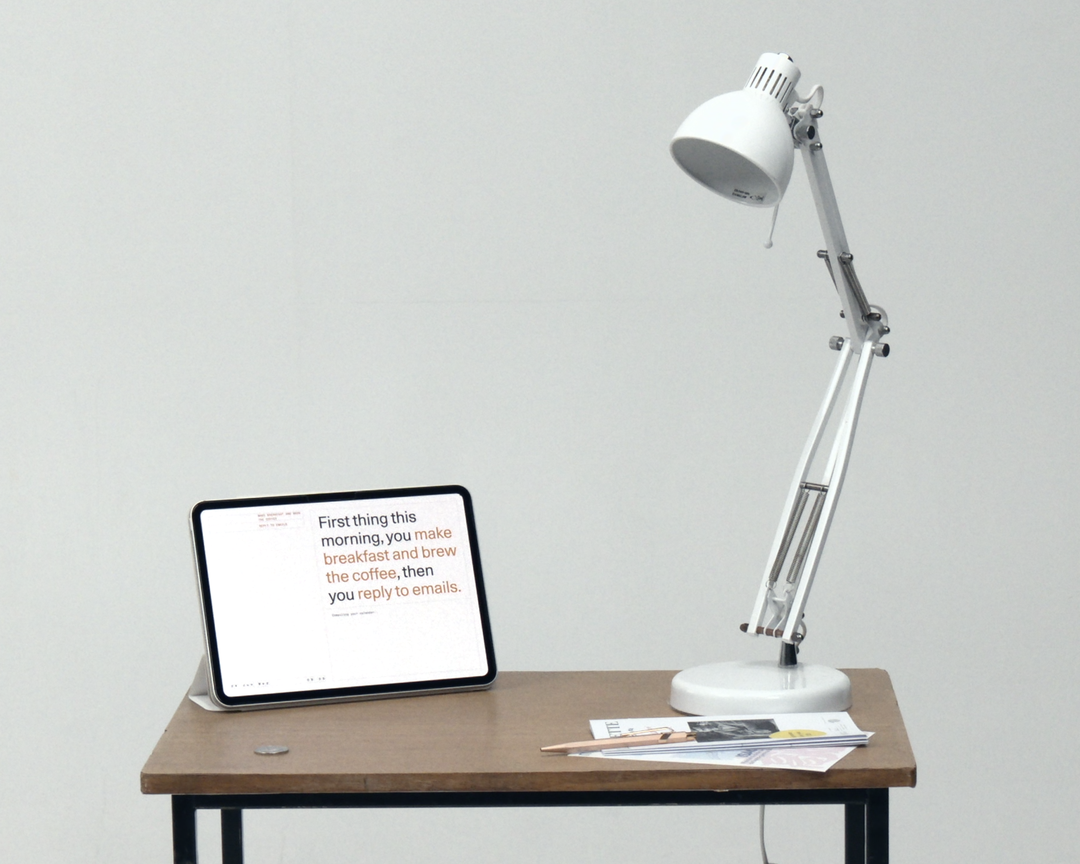
The Mind Reader Interface shifts computing from the reactive to the proactive: from a system that obeys commands to one that anticipates them. Where smart environments cast their users as pilots issuing constant instructions, this project removes the friction of instruction altogether. Intention is no longer declared through a screen or a button. It is inferred. Reading context, habit and the signals of presence, the interface acts before it is asked. It sheds the form of the device to become a Ghost in the Room that senses rather than obeys. The user no longer pilots the space; they inhabit it. The system does not read thoughts, only traces, and stages the distance between anticipation and understanding: what we gain, and what we quietly surrender, when a space begins to act on our behalf.
PHOTOGRAPHY
with Charlotte Krieger
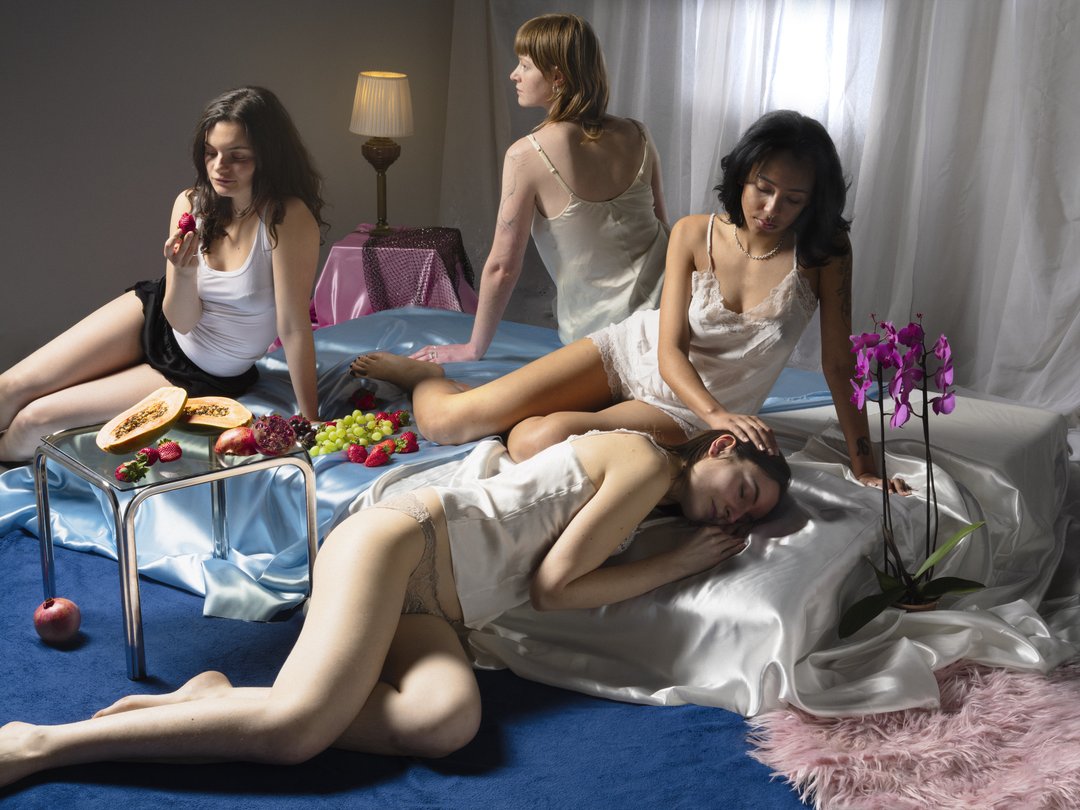
Unseen This course introduces students to the creation of a seven-image series built around the theme Unseen. They will learn to combine set design, characters, and lighting to produce strong, coherent staged images. Through a practical and technical approach, the course develops their ability to conceive and manage a complete photographic project, direct models, work with natural and artificial light, and collaborate under conditions similar to professional editorial or commercial shoots. Students will refine their photographic vision while preparing for the creative and technical demands of the industry.
PHOTOGRAPHY
with Orsola Valenti
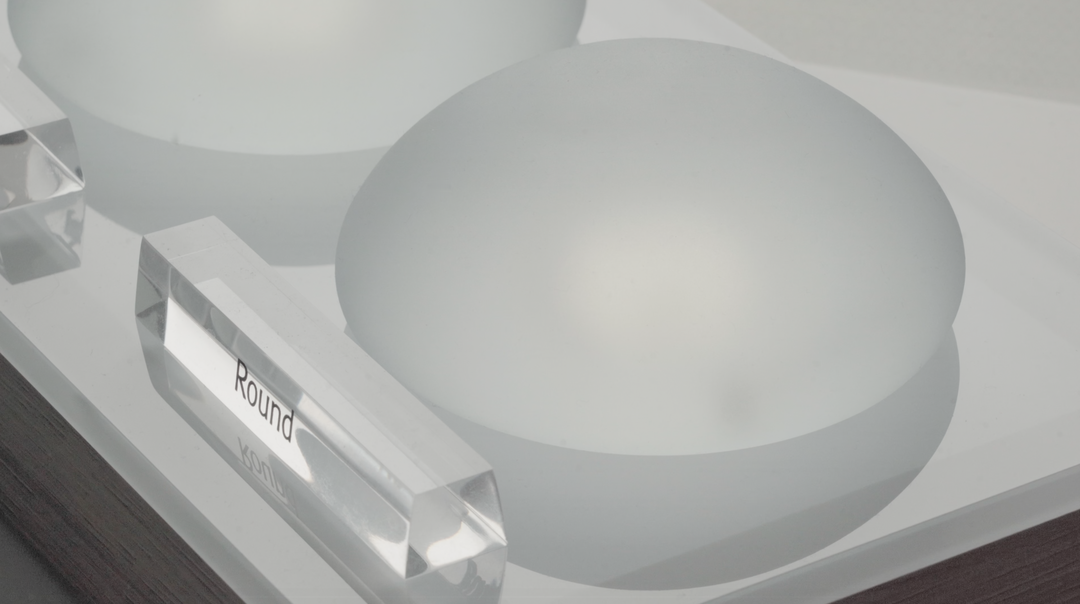
Off-camera By exploring what lies outside the frame, students develop a sensitive and reflective approach to audiovisual creation. Throughout the semester, students are encouraged to reflect on the political and formal issues surrounding the moving image, as well as the relationship between the visible and the invisible.
PHOTOGRAPHY
with Natacha Lesueur
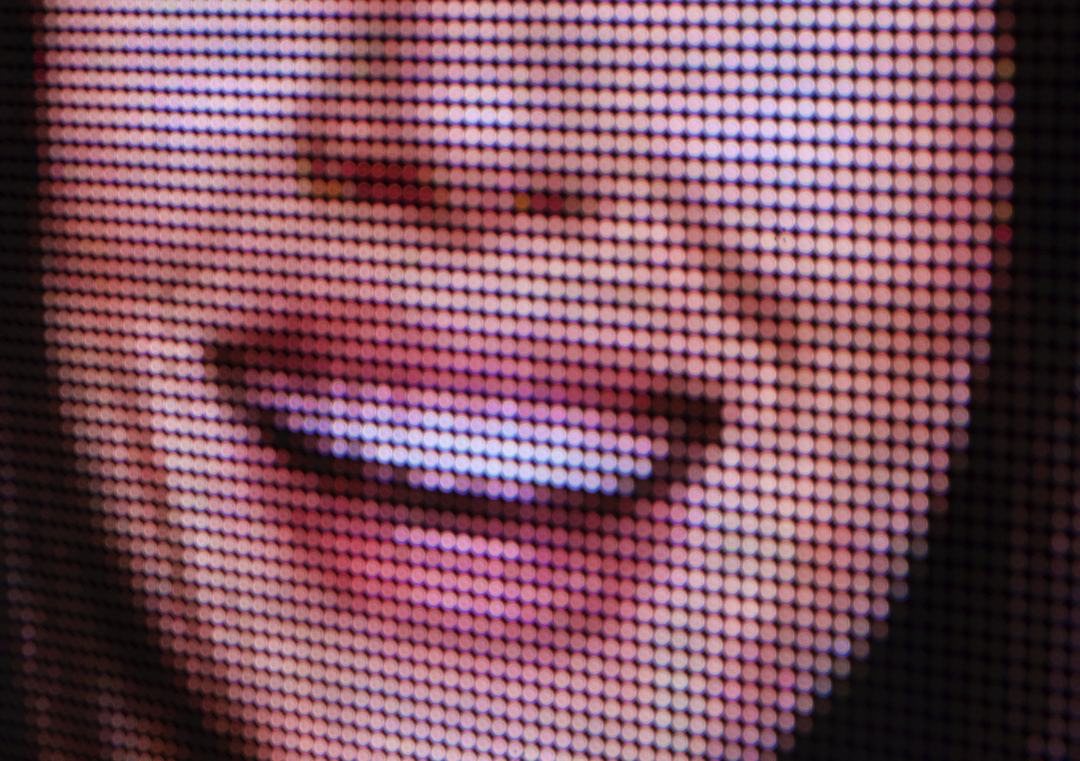
Documentary, the power of make-believe Based on projects developed around a common theme, the students develop a personal, in-depth project around the theme of pretense. They build a project that plays with the limits of veracity in photography, using it as an artifice of deception.
MEDIA & INTERACTION DESIGN
with Gaël Hugo
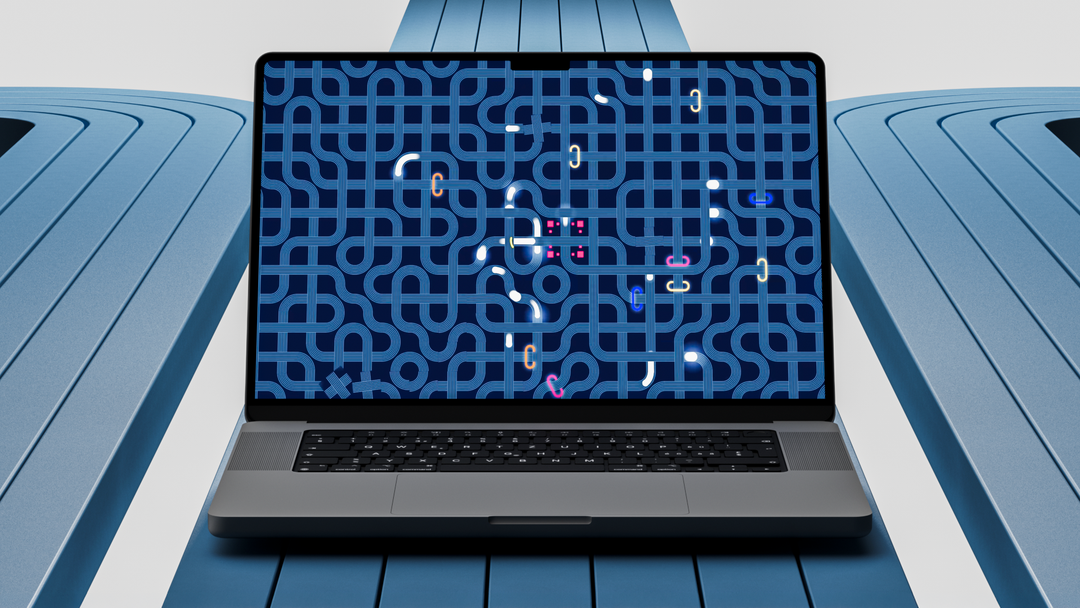
Soundtoys coded by 1st year Bachelor students in Media & Interaction Design as part of a semester project led by Gaël Hugo.

GRAPHIC DESIGN
with Aurèle Sack
The third-year students had to develop a typeface and digitize it.
PRODUCT DESIGN
with Camille Blin
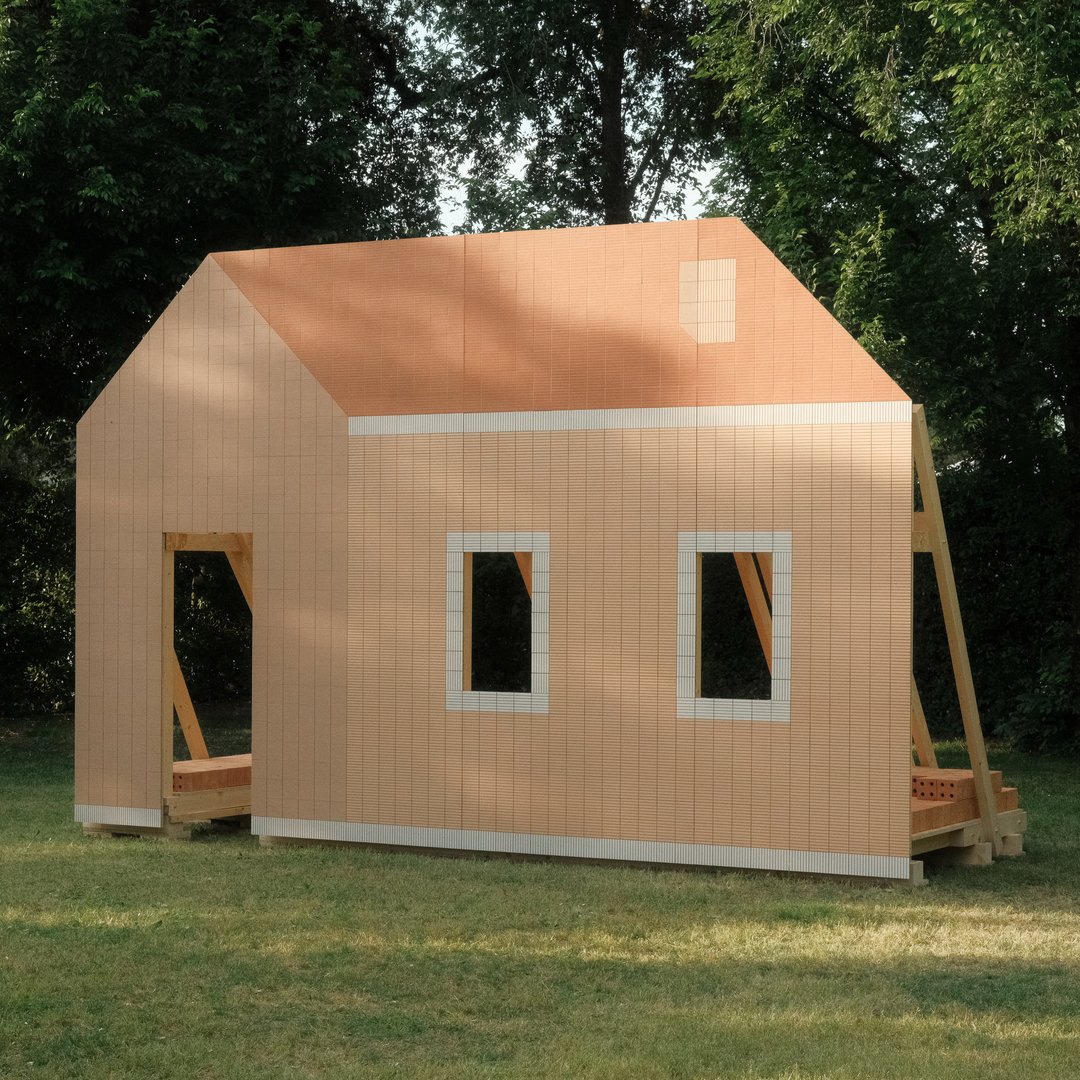
For the 2026 Festival des Cabanes at the Villa Medici in Rome, students from the Master in Product Design were invited to develop a project related to the Villa's garden, in collaboration with the renowned Italian ceramics manufacturer Mutina. The Villa's gardens offer a rich historical and spatial context, conducive to exploring aesthetics, function, and interaction with visitors. Students had access to the entire Mutina catalogue (tiles, bricks, and other materials) to build their installations. The project was selected and mentored by the French designer Ronan Bouroullec, ECAL, Villa Medici and Mutina.
DIGITAL EXPERIENCE DESIGN
with Irene Pereyra
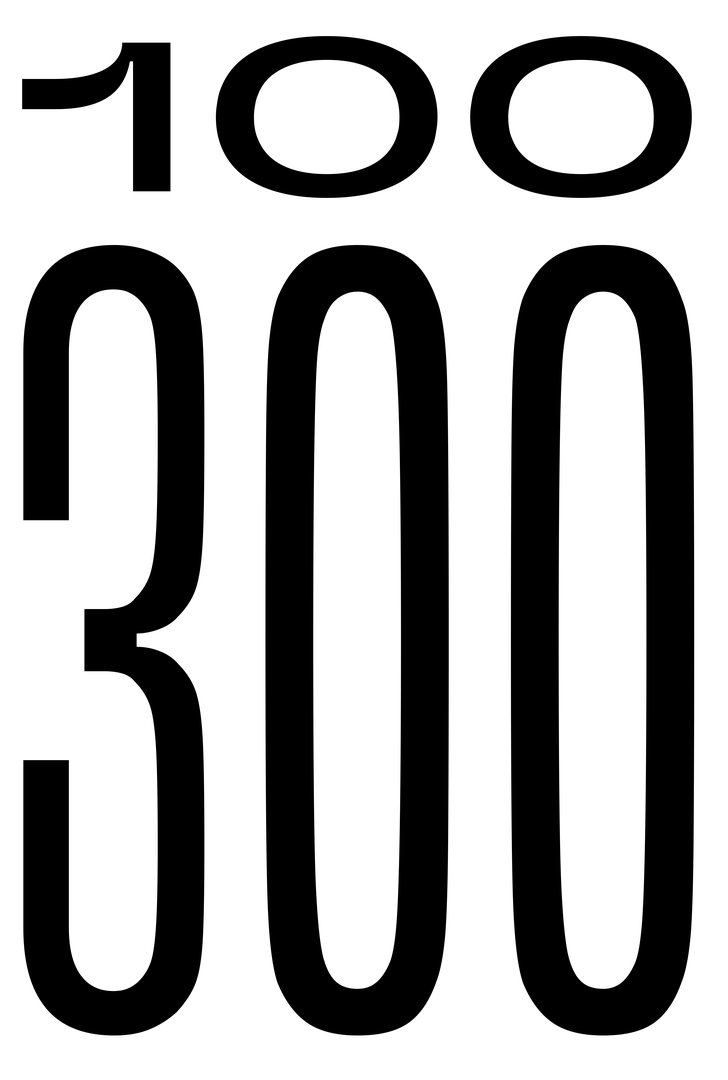
Ethical, Accessible & Mindful Design is a one-week module that trains students to examine the ethical dimensions of design decisions. Through practice, students learn to design experiences that are inclusive, transparent, and considerate of their broader social impact. This semester, the module took low-vision accessibility as its central design constraint. Working under the brief Goodbye to All …, students were asked to guide a user through a permanent, irreversible, and non-negotiable farewell. Beyond WCAG compliance, the exercise required sustained attention to contrast across all interface states, legible typography, keyboard-only navigation, focus visibility, and layout integrity at both 100% and 300% zoom, without loss of hierarchy or readability.

GRAPHIC DESIGN
with Guy Meldem
Third-year students had to produce an edition over half a semester, discovering as their subject an event that appeared in the newspaper on the date of the first lesson.
PHOTOGRAPHY
with Laurence Bonvin
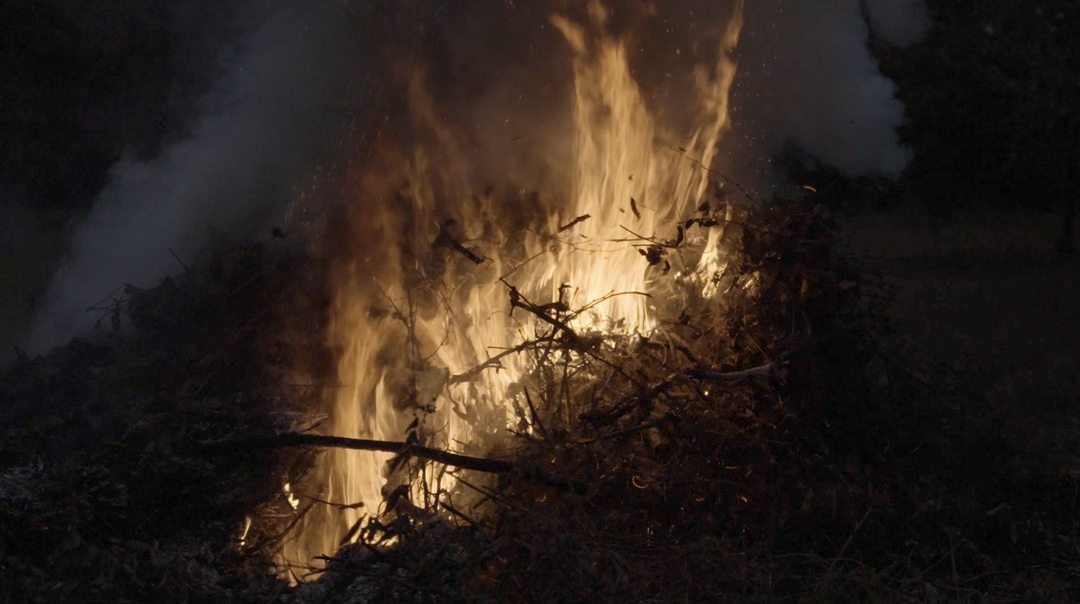
Take risks, experiment, and try out new approaches or techniques in relation to a current or past project, or their future graduation project. Encourage them to take a project or idea further by experimenting with methodology, technique, and production methods, rather than relying on familiar processes, solutions, know-how, or tried-and-true formulas.

PHOTOGRAPHY
with Natacha Lesueur
“What is clearly conceived can be clearly expressed, and the words to say it come easily.” Nicholas Boileau, *L’art poétique*. As students embark on their final year of study at ECAL, with their interests and methods taking shape, this final project offers an opportunity to challenge their own rules, established practices and influences, to refuse to settle for the status quo and to take risks.
PHOTOGRAPHY
with Julien Bourdeille
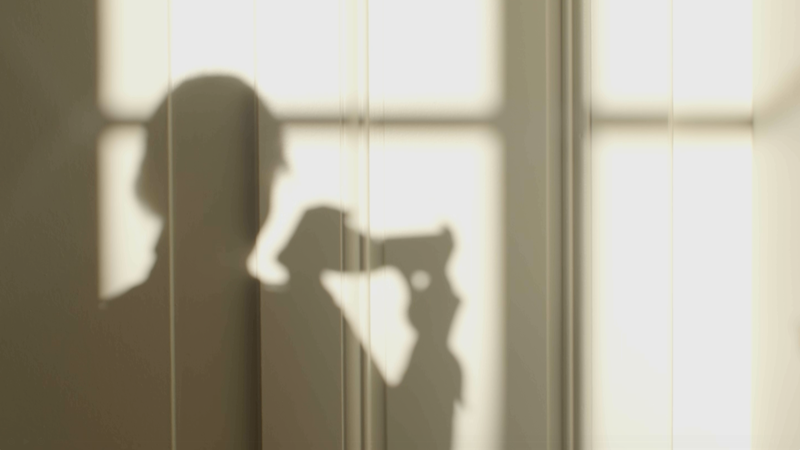
Événement Lumineux Through an in-depth exploration of light as a narrative and sensory medium, first-year students created a short film on the theme “Luminous Event.” This project allows them to learn how to manage a complete audiovisual project while mastering the tools of filming, framing, and camera movement.

PHOTOGRAPHY
with Nicolas Poillot
By conceptualizing and producing visual content as part of an editorial series, students will explore the concept of applied photography in a practical, creative, and professional manner, working closely with Art Director Nicolas Poillot.
PHOTOGRAPHY
with Maxime Guyon
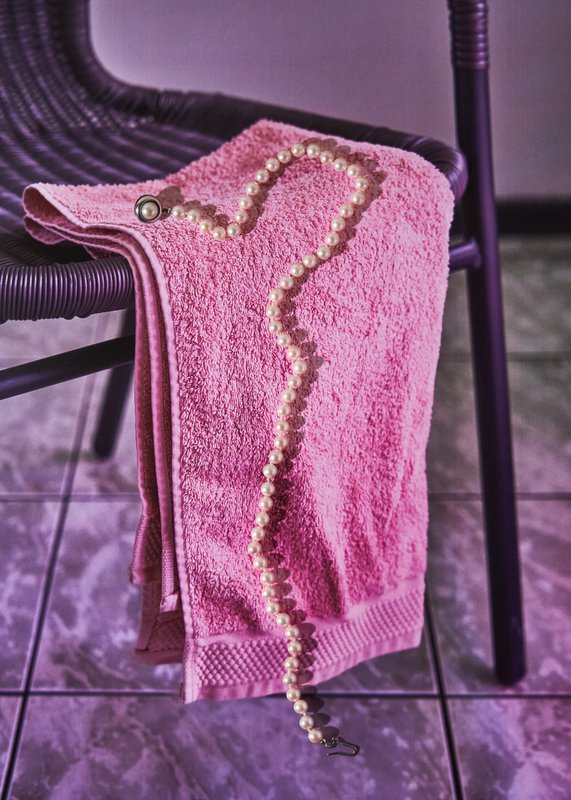
This semester, students will explore how reflective surfaces transform our relationship to image and object. They become thresholds: what the object shows sometimes matters less than what its reflection reveals. Like a photosensitive material, they capture and replay the world, even embodying a form of technological and consumerist sterilization. Mirror-objects disrupt perception: as simulacra, they distort, double, multiply, or elude like a trompe-l’œil. They question what lies beyond the frame, showing what the object “sees” rather than what it is, and can become a space for self-reflection a mirror of their creator sometimes even fostering a narcissistic dimension.

PHOTOGRAPHY
with Natacha Lesueur
Abracadabra! Starting with projects centered on a common theme, students develop their own in-depth work exploring the concept of “magic” in photography. They create a project that explores the relationship between reality and the imagination, using photography as a tool for revealing, transforming, and interpreting reality.

PHOTOGRAPHY
with Calypso Mahieu
Le temps des Fleurs This course, which is both practical and technical, requires students to develop a true photographer’s eye. Its goal is to introduce students to, or help them refine their skills in various photographic genres, such as still life, portraiture, and architecture, as well as documentary and staged photography. These disciplines demand particular attention and great precision in the selection of models, locations, and objects. Mastery of composition, framing, and the management of light, whether natural or artificial, is essential for a successful shot. Throughout the course, students are guided to refine their observational skills and their ability to create images that are both precise and expressive.
GRAPHIC DESIGN
with Jonathan Hares
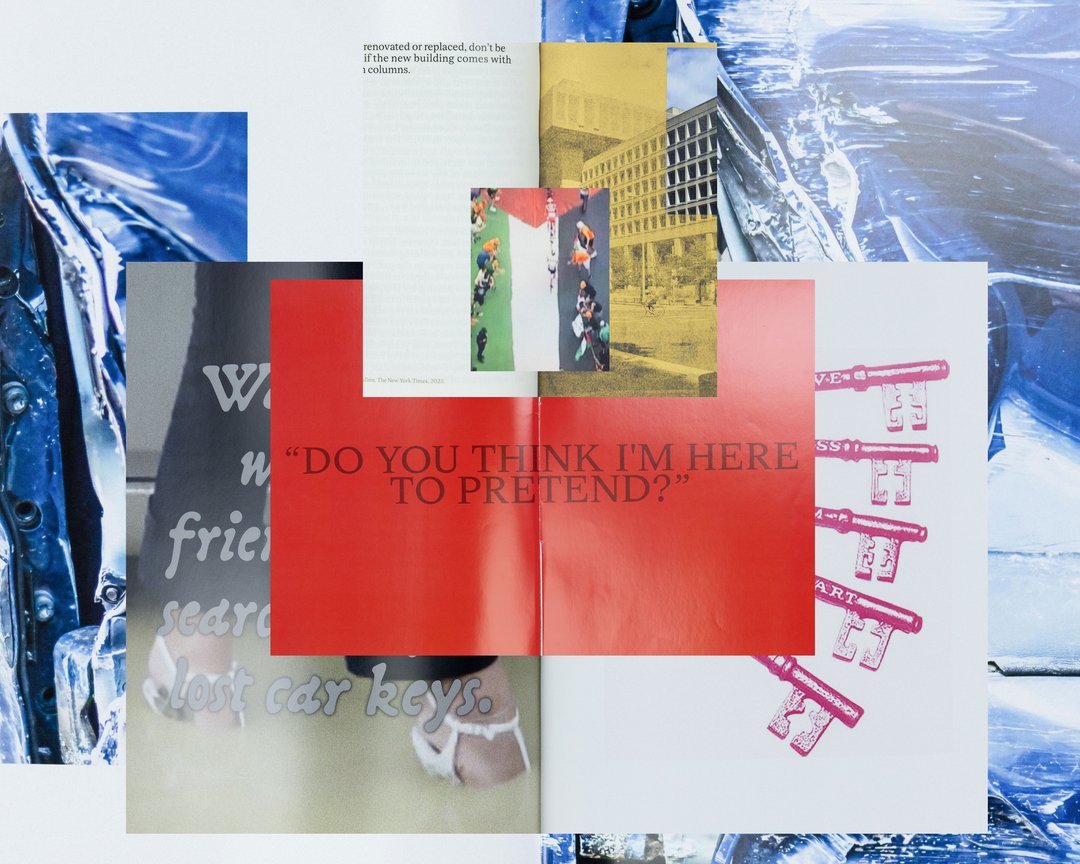
Third-year students had to produce an edition over half a semester, discovering as their subject an event that appeared in the newspaper on the date of the first lesson.

GRAPHIC DESIGN
with Gilles Gavillet
Through the lens of visual identity, this project explores issues related to graphic language and art direction. Each stage of the project examines a different aspect of visual identity development: research, concept, visual language, design, and communication.
MEDIA & INTERACTION DESIGN
with Valerio Meschi
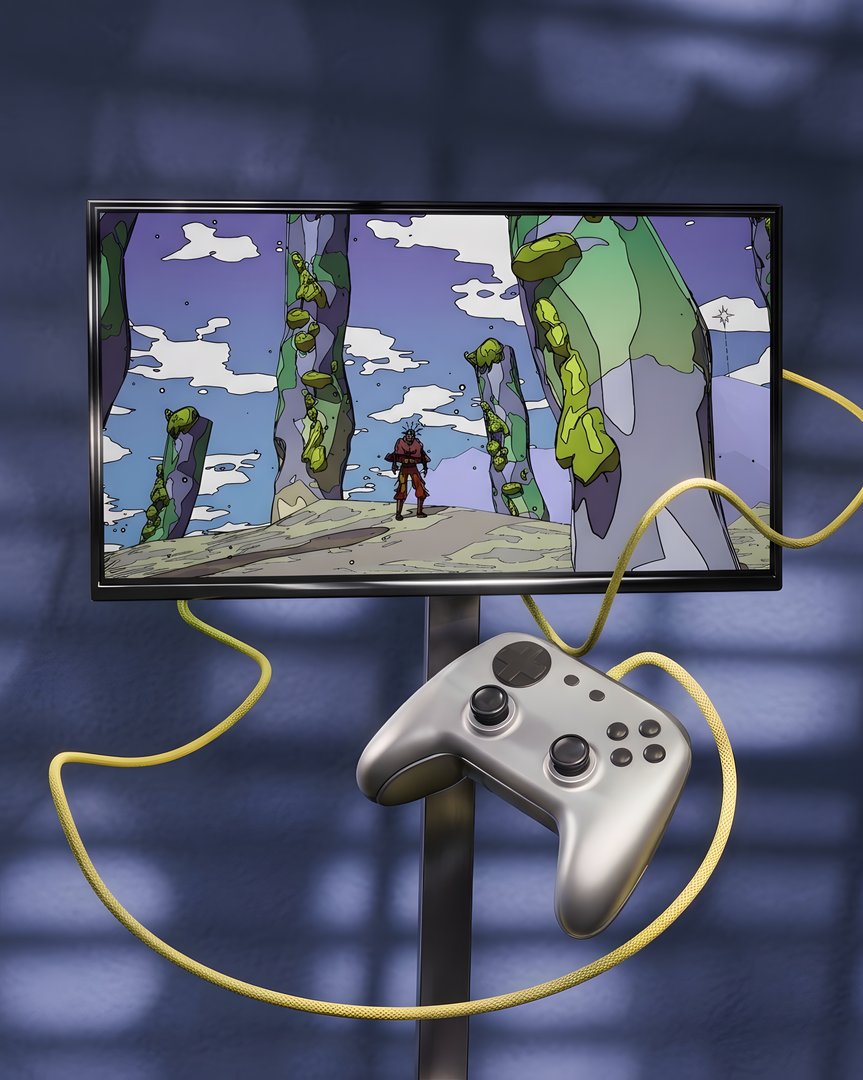
During the Realtime Narratives course, second-year students had to create a real-time narrative experience using Unreal Engine software. The aim of the project was to raise students awareness of the use of 3D realtime engines and the various links with other software specific to each stage of development.
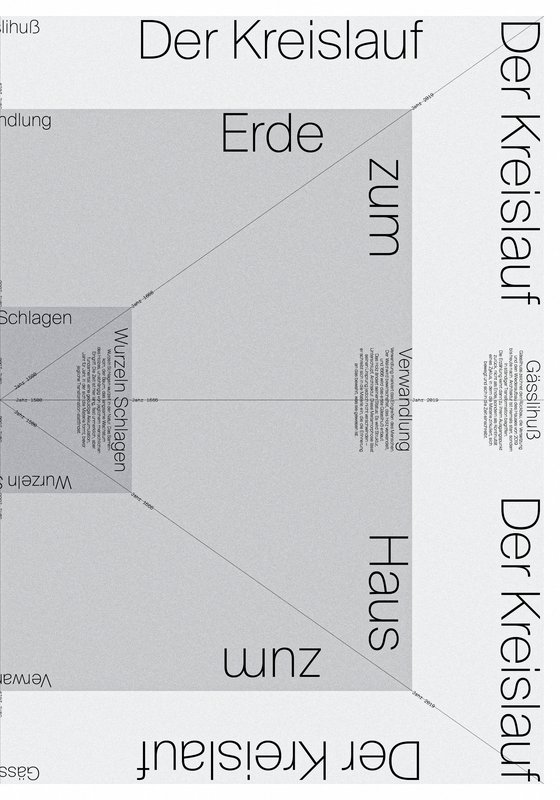
GRAPHIC DESIGN
with Nicole Udry
Genius Loci, or the spirit of the place, refers to the unique identity or essence of a location. In architecture, this principle suggests that the specific characteristics of a place should be reflected and extended in a design. In the case of the second-year graphic design students, they have applied this principle to communication projects focused on promoting or extending the identity of a particular place through design. Their work likely explores how to visually capture and communicate the essence of a space, using graphic design elements that resonate with the architectural features or history of the place.
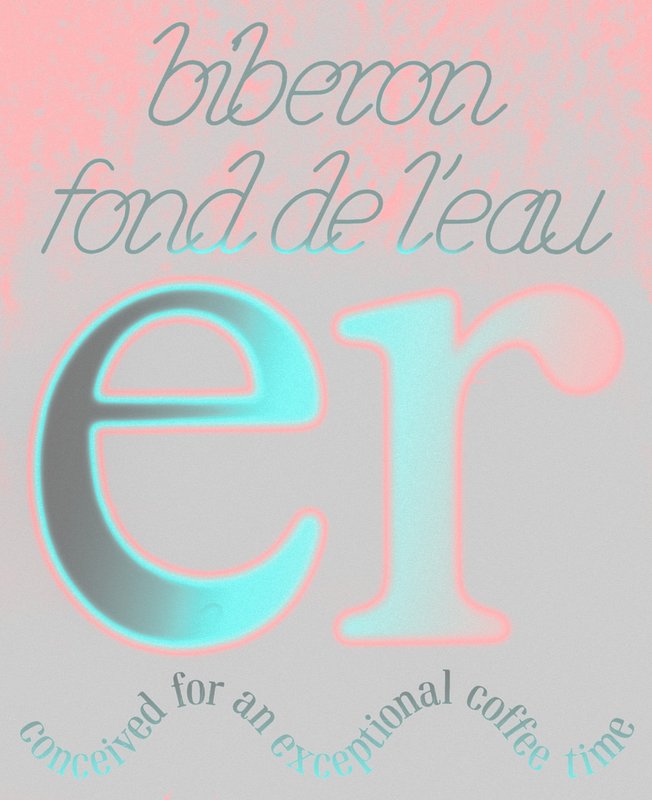
GRAPHIC DESIGN
with Aurèle Sack
Second-year students were required to manually develop the lowercase letters of two typefaces.
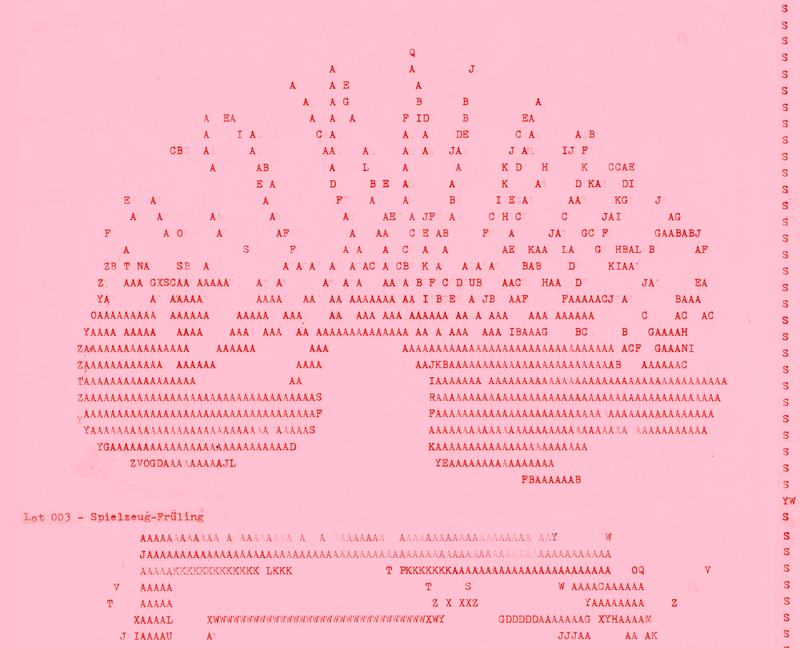
GRAPHIC DESIGN
with Adeline Mollard
As part of the visual identity course led by Adeline Mollard, students developed a visual identity starting from a randomly selected business card. By appropriating one of its graphic elements and its title, each project offers a unique interpretation. The identity is then expanded across a range of formats, from business cards to F4 posters, including posters, flyers, business cards, and an animated poster.
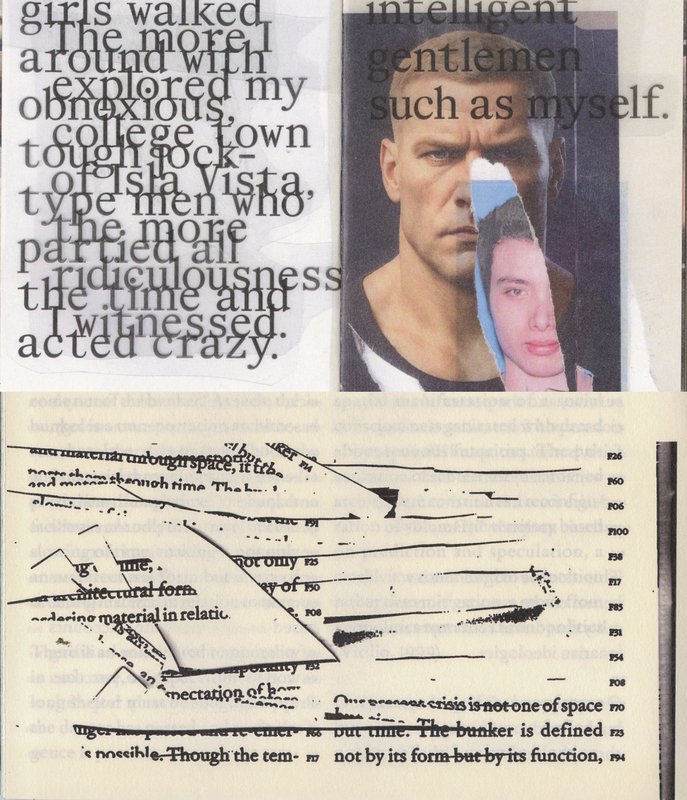
GRAPHIC DESIGN
with Diego Bontognali
As part of this editorial design course, students developed a research-based project focused on the selection and design of texts around a shared theme. Based on a curated set of sources, each project presents two editions with identical content, produced in both a large and a small format.
GRAPHIC DESIGN
with Guy Meldem
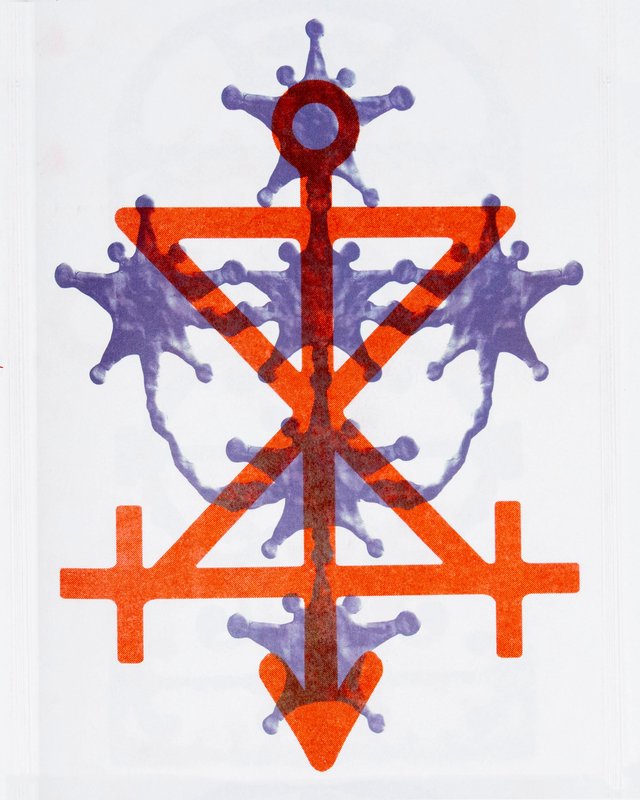
First-year students were invited to design a 16-page publication. By experimenting with duotone through various printing techniques, they structured a dual reading experience dependent on the printed colors.

GRAPHIC DESIGN
with Harry Bloch
During the editorial design course with Harry Bloch, the first-year students each laid out a chapter of Charles Dickens' Great Expectations. A final edition compiling all the chapters was produced for the occasion.

GRAPHIC DESIGN
with Adeline Mollard
During the visual identity course, the 1st year of the Graphic Design bachelor had to carry out a poster project from a random event. They had to define their own visual system and explored a search for hand-made typographic posters. The visual identity of the event was developed through a poster and a flyer, accompanied by a research notebook grouping their entire creative process.
GRAPHIC DESIGN
with Robert Huber
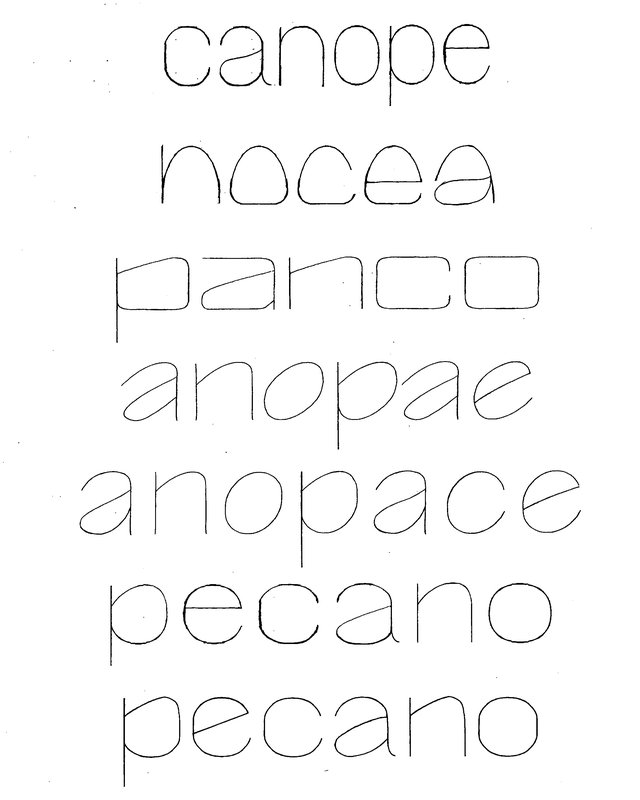
First-year students were invited to manually sketch the typographic skeleton of lowercase alphabet letters. The objective was to maintain the proportions, curves, and characteristic axes of each letter while paying close attention to visual coherence and consistency in the drawing.
DIGITAL EXPERIENCE DESIGN
with Romain Collaud, Frederik Mahler-Andersen, Lara Défayes
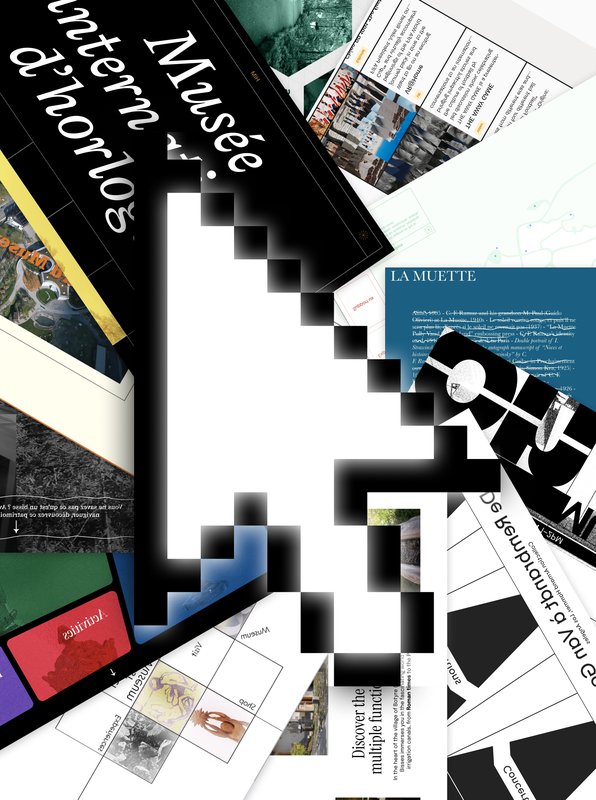
Pixel Perfect is the semester project of the Interface Design orientation module, semester I. It invites students to put into practice the methods and principles introduced in the Macro UI and Screen Grammar courses, exploring how graphic systems structure the digital user experience. Based on the analysis of an existing website, the project encourages a critical and creative reinterpretation of its visual identity and hierarchy. The challenge is to design a contemporary, coherent and expressive interface capable of renewing the original design system while respecting its uses, content and functional constraints, as well as its key principles: consistency, modularity, and the scalability of graphic and interactive components.

INDUSTRIAL DESIGN
with Elric Petit
Newspaper is an industrial design project whose objective is to enable a personal stance on a topic of one’s choice. The project is based on an article taken from a newspaper or a specialized magazine, used as a conceptual and critical starting point. Through the analysis, interpretation, and translation of this written content, the project invites the development of a design reflection, questioning the issues, forms, and uses related to the chosen theme.

FILM STUDIES
with Marie-Elsa Sgualdo
The 2026 fiction film workshop for 2nd year students was lead by swiss director Marie-Elsa Sgualdo.
INDUSTRIAL DESIGN
with Adrien Rovero
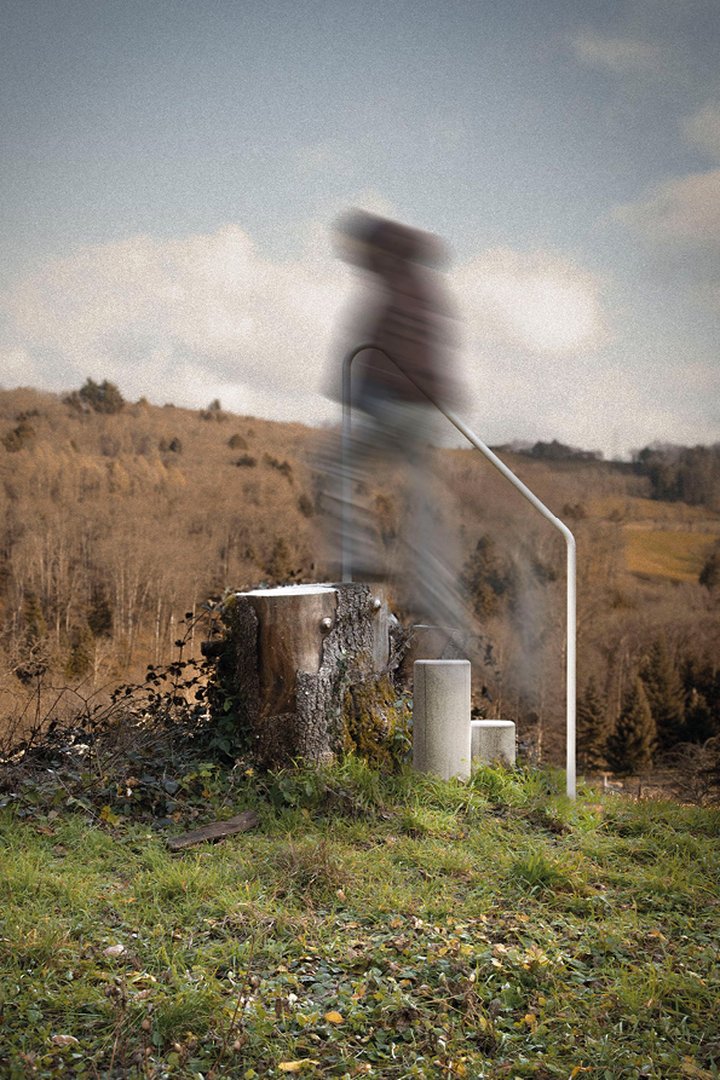
Museum Trail is a project that explores Swiss museums in all their diversity. Rather than focusing solely on the large, well-visited institutions, the project explores what the term "museum" means today in a country that is home to over a thousand museums, one of the highest densities in the world.
FILM STUDIES
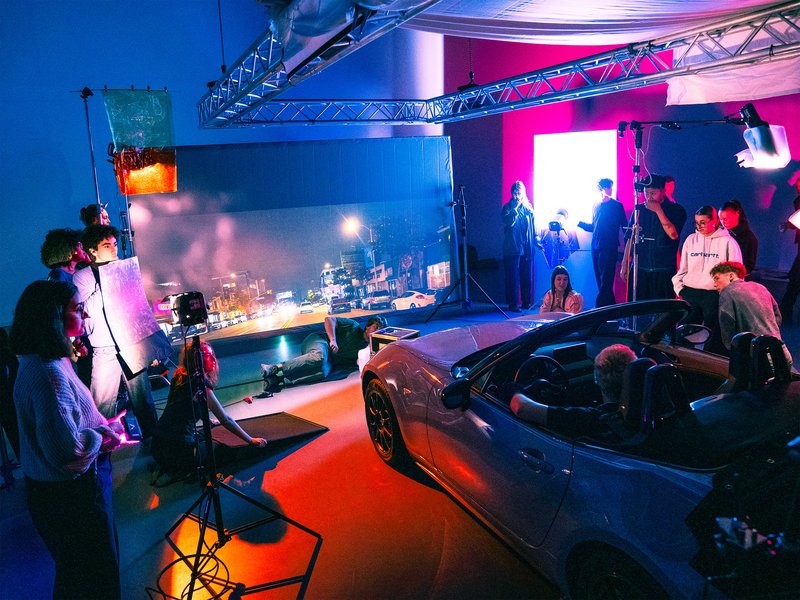
Workshop led by Michael William Farino, Jonathan Ricardo Argudo and Herbert Mayer and given to students in the Bachelor's degree programmes in Cinema and Industrial Design.
FILM STUDIES
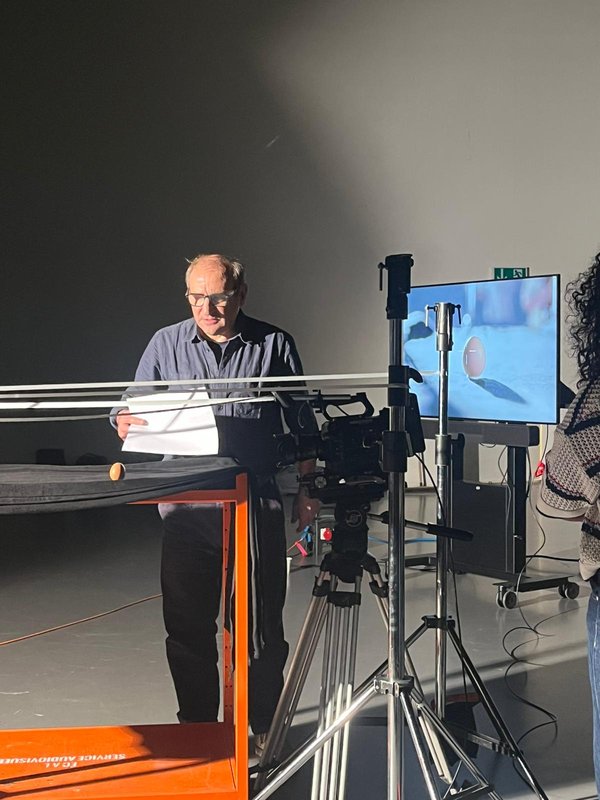
by Noé Bregnard, Eva Rust, Victor Durand Matinella, Lou Haenggi, Samuel Harari, Hana Magimel, Nolan Grando, Mileny Viera de Andrade, Zélia Zanone
Second-year Bachelor's students attended a workshop with Belgian cinematographer Benoît Dervaux, known for his work on the Dardenne brothers' films. He was responsible for the cinematography on the Swiss films Laissez-moi by Maxime Rappaz (2023) and À bras-le-corps by Marie-Elsa Sgualdo (2025).
DIGITAL EXPERIENCE DESIGN
with Emily Groves, Margherita Motta
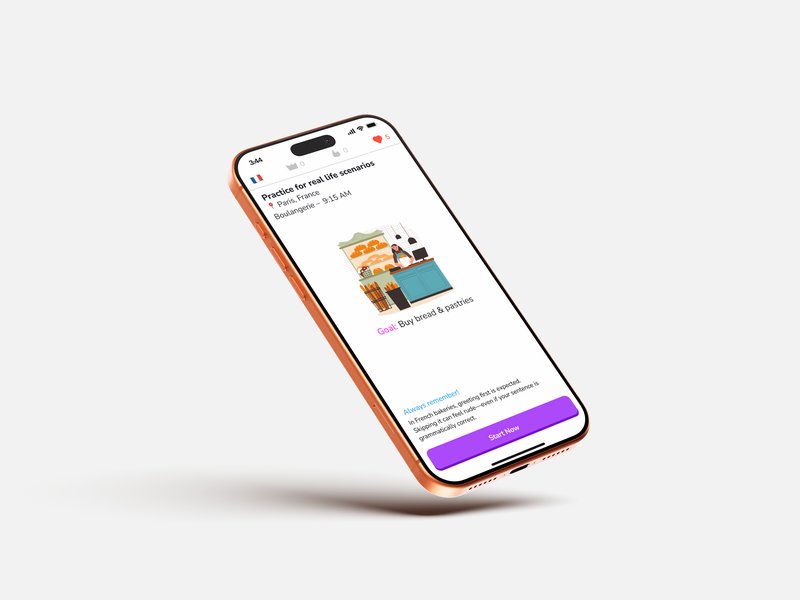
Reality Check is a hands-on course that applies the theoretical foundations of the Human Lens module through real-world qualitative research and transforming insights into concrete design proposals. Students reimagined the human experience of digital services. Engaging with real people through interviews, diary studies and other research methods, they defined and prototyped new directions for existing services that bring meaningful experience to the fore.
PHOTOGRAPHY
with Elisa Medde
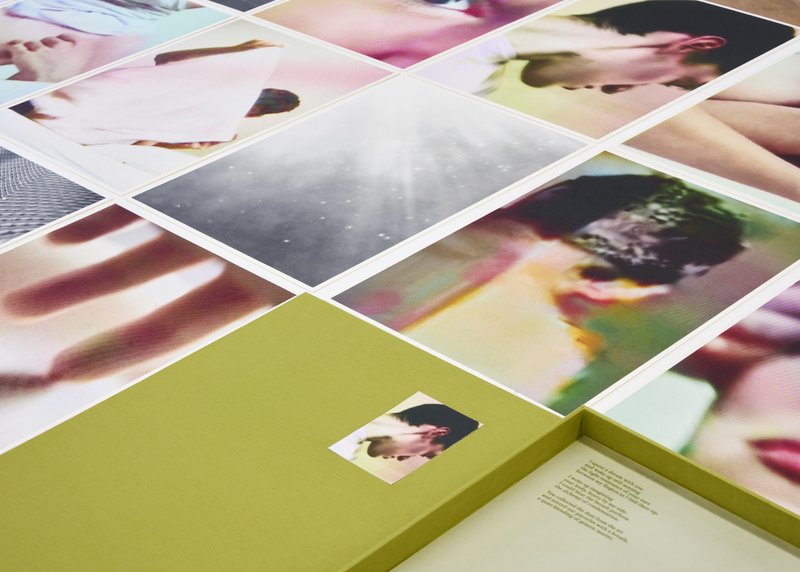
This module assists the students to develop into a finalized work a project that further expands their interests and research. The module gives the opportunity to take some of the ideas, skills and themes explores in the first semester and make into a brand new work that can take any possible form: a book, an installation, an online project, a performance.
PHOTOGRAPHY
with Marco De Mutiis
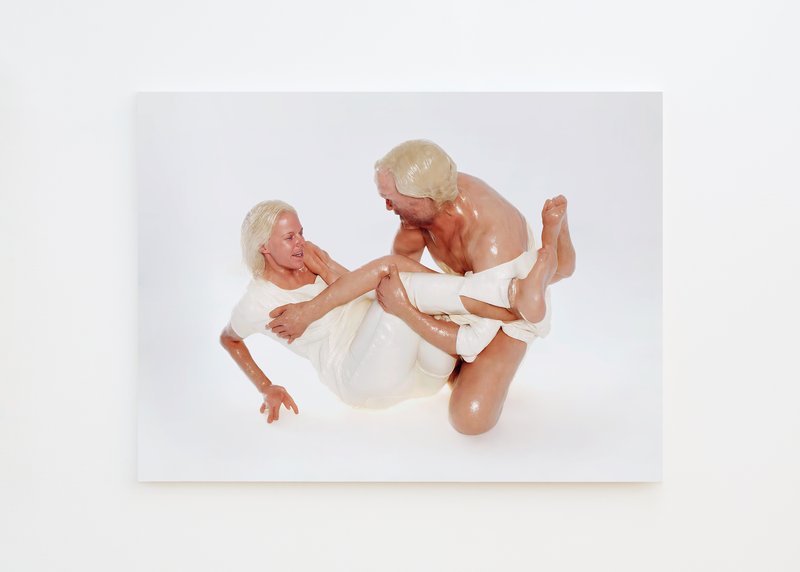
The course, tutored by Marco De Mutiis, explored how emotions are being exploited and transformed by social media practices and aesthetics (e.g. influencer photography and CGI, operational beauty and weaponized cuteness), as well as through recent image technologies (e.g. generative AI platforms and text-to-image services).

PHOTOGRAPHY
with Mazaccio & Drowilal
The purpose of this class is to examine the relationships between photography — in a context shaped by the digital — and its various modes of display. Students will have to consider what a photograph may be materially and explore how an image’s meaning is derived from both the mode of its distribution and the material form that it assumes. Although the final outcome has to include photography in a third dimensional way ( installation ), projects may use and combine image-based practices such as digital photography, collage, CGI, projection, printmaking, sculpture, objects, or performance, to encourage an expanded approach to photographic practice. The idea is to challenge the different types of engagement possible with pictures today.
PHOTOGRAPHY
with Clothilde Morette
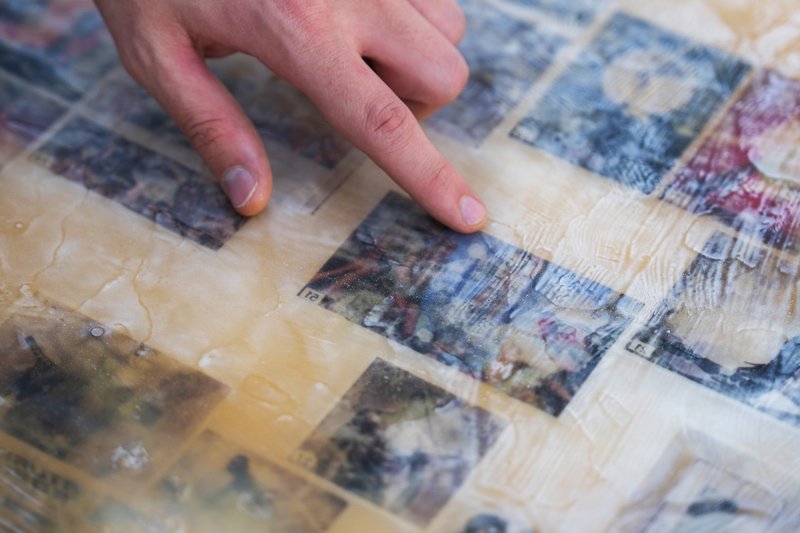
The course explores the history of photography and related media through an approach that dissolves boundaries between academic and popular culture, and between photography and other artistic practices. Drawing on references from science, science fiction, literature, cinema, and the visual arts, students engage with a broad history of images from the early twentieth century to today. Based on key exhibitions of the Independent Group, the course introduces open themes such as technology, motion, and imagined worlds. Through research, appropriation, and the development of a mind-map accompanied by a theoretical text, students are encouraged to build connections across disciplines and reflect on the conceptual and narrative dimensions of their practice.
PHOTOGRAPHY
with Charles Negre, Milo Keller
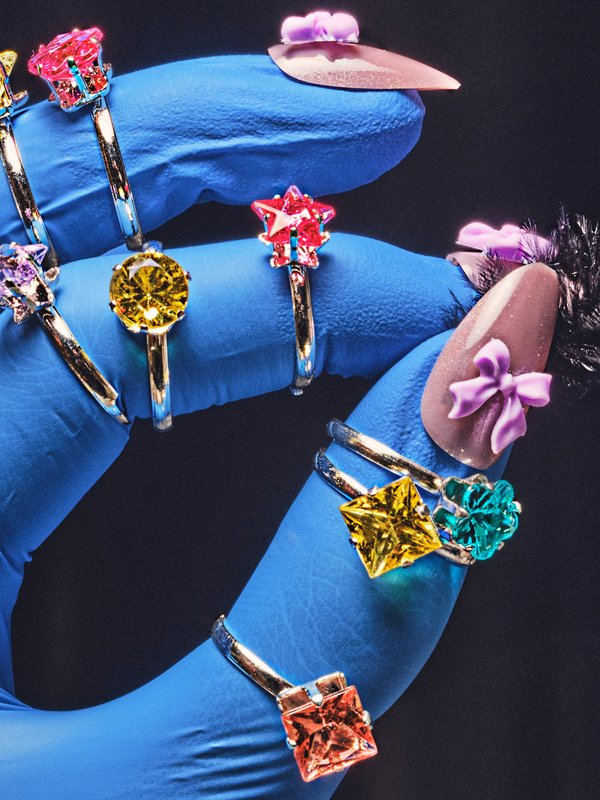
The course focuses on developing the ability to respond to a commission within one’s own artistic practice, through an introduction to studio photography and constructed image-making. With an emphasis on still life, students refine their sensitivity to photographing and interpreting objects. Assignments revolve around transforming everyday objects into objects of desire, using the tools of commercial and product photography. Through styling, lighting, and visual storytelling, students explore how to reframe the ordinary as something compelling, working across both traditional and improvised studio setups.