TEXTMODE

TEXTMODE

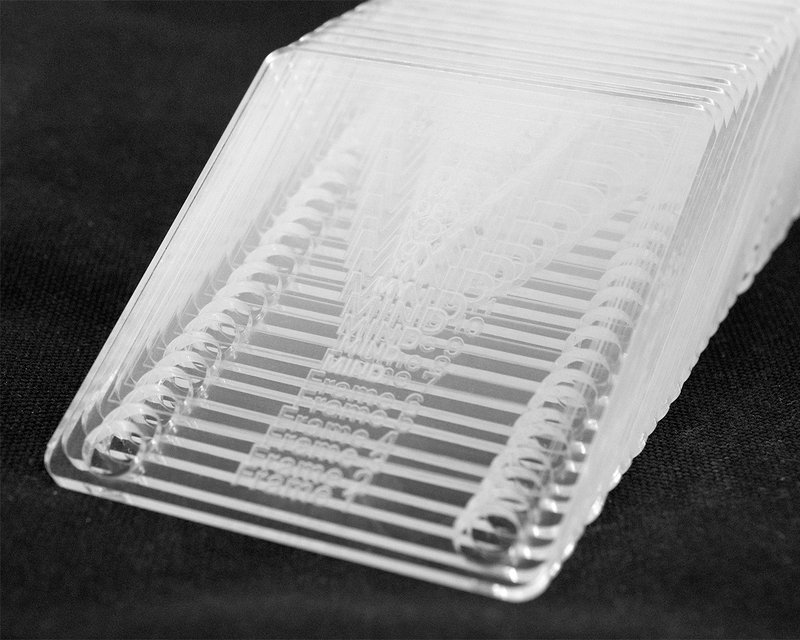
Modes of display and use of text as creative material: raster, ASCII art, emoticons and poetry.

Projects created in the first year Bachelor Media & Interaction workshop TEXTMODE given by Andreas Gysin.

Workshop assisted by Paul Lëon.

Workshop (2020) with Andreas Gysin

Students
Adryan Barrilliet, Tickie Bindner, Elina Crespi, Paul Nouvelhomme, Sasha Iatsenia, Jérémie Kursner, Arthur Lucchesi, Caroline Ryser, Alexandra Sensi, Jeanne Weber, Niki Zaal
Know-how
Creative coding

Projects related to Creative coding

Teo Grajqevci – reform

BA MEDIA & INTERACTION DESIGN

Teo Grajqevci – reform

by Teo Grajqevci

reform responds to a context in which designers are gradually losing control over their tools: creative software is becoming more automated, closed and dependent on cloud-based services. Today, generative AI can produce 3D models with ease, but often at the cost of control, understanding and ownership of the creative process. reform offers another approach: making 3D modelling easier to access, in a field that is usually complex and difficult to learn. The project takes the form of free and open-source software, built around a simplified interface, intuitive interactions and guides that support the learning of these tools. Through demonstrations and didactic exercises, reform restores the designers' motivation and means to model 3D shapes themselves.
Beyond Clicks

MA DIGITAL EXPERIENCE DESIGN

Beyond Clicks

with Gaël Hugo, Paul Lëon

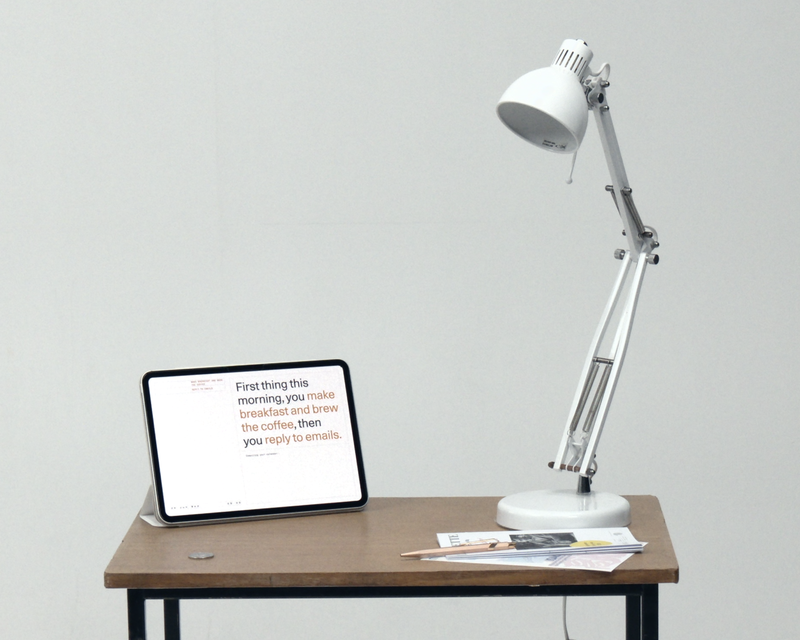
The Mind Reader Interface shifts computing from the reactive to the proactive: from a system that obeys commands to one that anticipates them. Where smart environments cast their users as pilots issuing constant instructions, this project removes the friction of instruction altogether. Intention is no longer declared through a screen or a button. It is inferred. Reading context, habit and the signals of presence, the interface acts before it is asked. It sheds the form of the device to become a Ghost in the Room that senses rather than obeys. The user no longer pilots the space; they inhabit it. The system does not read thoughts, only traces, and stages the distance between anticipation and understanding: what we gain, and what we quietly surrender, when a space begins to act on our behalf.

MATHEMATICAL MUSIC – 2026

BA MEDIA & INTERACTION DESIGN

MATHEMATICAL MUSIC – 2026

with Gaël Hugo

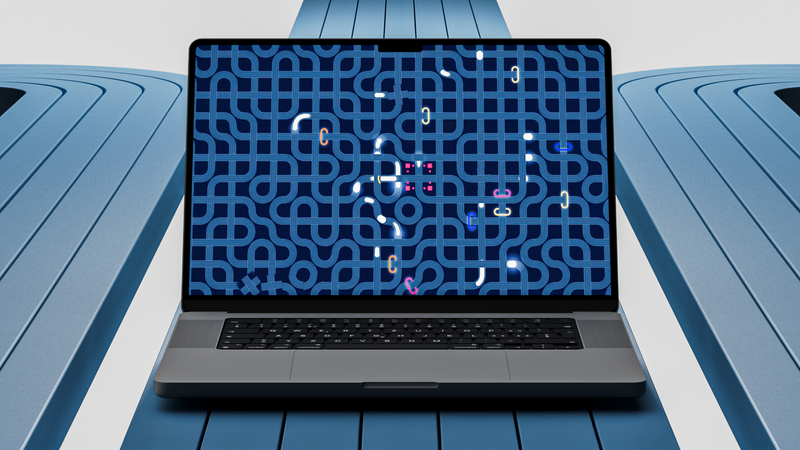
Soundtoys coded by 1st year Bachelor students in Media & Interaction Design as part of a semester project led by Gaël Hugo.

A Matter of Frames - Workshop avec Vera van de Seyp

BA GRAPHIC DESIGN

BA MEDIA & INTERACTION DESIGN

A Matter of Frames - Workshop avec Vera van de Seyp

by Malik Ahmed, Alexander Anhorn, Melissa Appelon, Marc Auderset, Olivia Bindon, Baptiste Boulanger, Suriya Brambilla, Diego Buccelloni, Marta Casemi, Davia Ciccoli Trannoy, Alizée Clavien, Timoféi Cruz, Ethan Degano, Nora Dizeko, Andrea Domínguez Formet, Mathias Dugenne, Mathias Gelin, Tanguy Genier, Lila Gomez Gaillet, Juliana Granato, Xenia Grange, Bérangère Gremion, Helena Hell, Rocio Hernandez, Salomé Huwiler, Rebecca Indermühle, Kevin Jeangros, Nolan Latorre, Jose Pardo Pariente, Zachary Ramelet, Gabrielle Richard, Théo Rizzo, Alessia Rollini, Malcolm Semedo Barreto, Anastassia Siebold, Philippe Strässle Zuniga, Baptiste Sultana, Luna Tavernier, Margaux Tinguely

Traduire le mouvement en matière

Yann Müller – Trame Noire

BA MEDIA & INTERACTION DESIGN

Yann Müller – Trame Noire

by Yann Müller

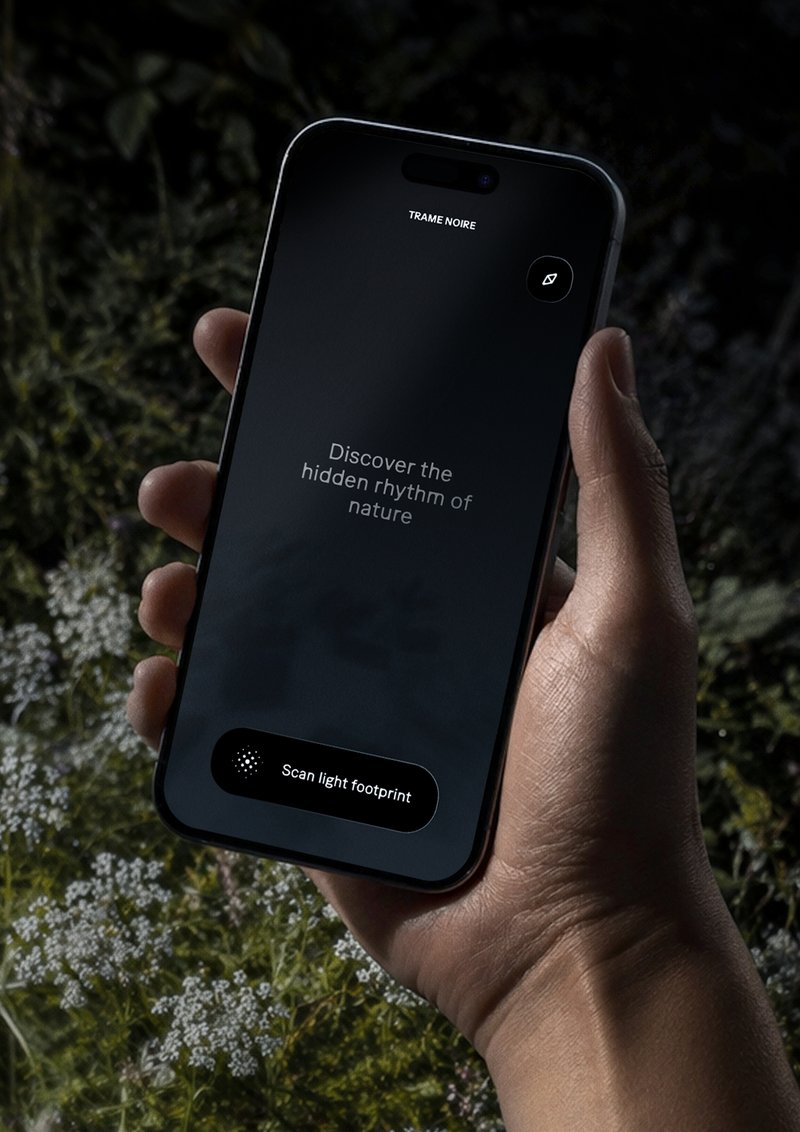
As cities light up, the night fades from our sight. Trame Noire is a night-exploration mobile app designed to raise public awareness about the impacts of light pollution on the wildlife and flora that come alive at dusk. Combining immersive experience and citizen science, the project offers a new way to observe and understand our coexistence with the living world. Guided by the seasons and natural cycles, the app invites users to explore the urban environment and capture, from one location to the next, the unique light footprint of each space. Through these explorations, Trame Noire maps a sensitive geography of the dark, bringing to light how artificial illumination alters the behavior of nocturnal life.

Related courses