Ototo meets ECAL

Ototo meets ECAL

Sound production has never been more accessible, it’s now possible to make music on everyday computers, smartphones and tablets. The processes that generate the sounds are invisible inside these black boxes, and the traditional link between the action and the result from acoustic instruments is lost to both the performer and audience.

This workshop uses Ototo, a printed circuit board synthesiser developed by Dentaku to which conductive materials and sensors to quickly prototype sound interactions. With this as a starting point we will explore how we can represent sound as a physical processes, and create a large scale music making machine!

Workshop (2013)

Know-how
Tangible Interaction, soft goods / accessories, Sound, Electronics

Projects related to soft goods / accessories

Laurine Gigandet – CLAWS

BA MEDIA & INTERACTION DESIGN

Laurine Gigandet – CLAWS

by Laurine Gigandet

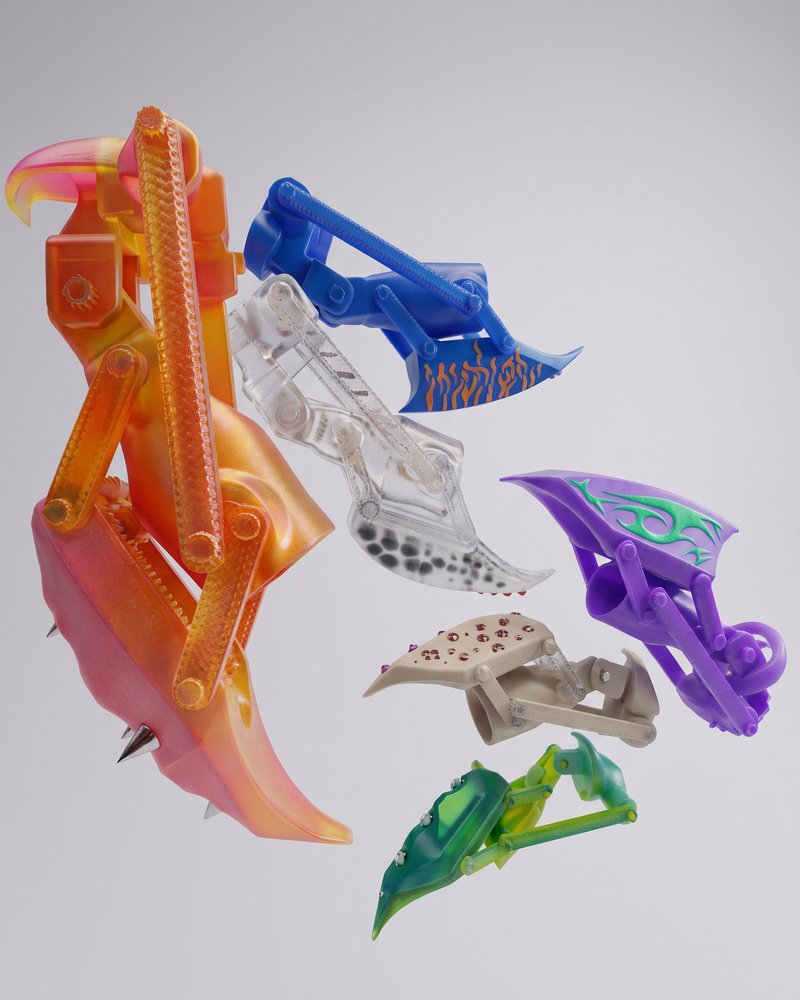
CLAWS is a collection of interactive accessories designed for a connected community. Worn on the fingertips, these devices enable users to assert their presence and engage with their surroundings on their own terms. Blurring the line between prosthetics and augmented nail art, the project explores how bodily ornamentation can transform the body into an interface with the physical, digital, and social worlds. Each CLAW is customizable : textures, colors, and patterns become symbols of identity and belonging. Inspired by Afrofuturist visions, the project centers on the concept of "digital marronage" through fugitive, self-organizing technologies. CLAWS acts as a political and cultural extension that resists the standardization of mainstream contemporary technology.
Steve Bouillant – Re:soil

BA MEDIA & INTERACTION DESIGN

Steve Bouillant – Re:soil

by Steve Bouillant

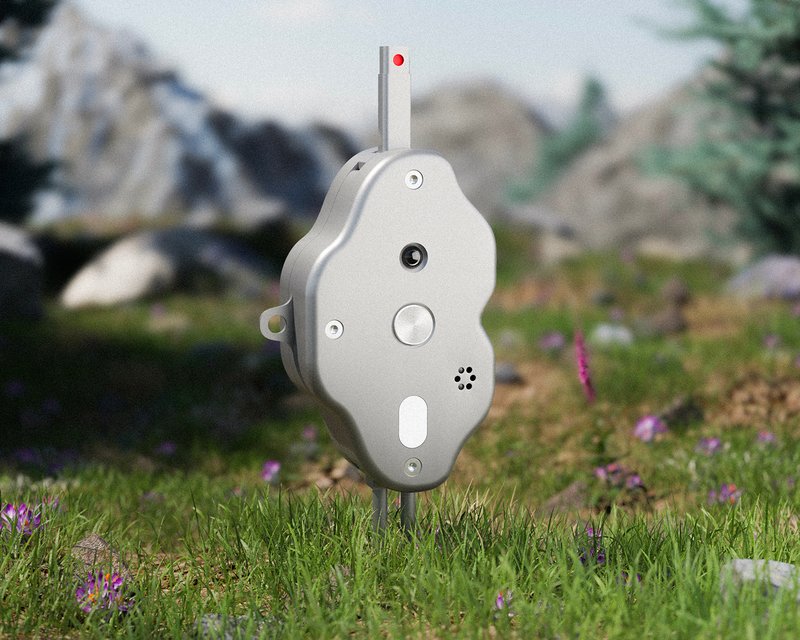
The smartphone has turned a trip to the mountains into an exercise in documentation. We take photos, tag our location, and post them: the natural world becomes content before it becomes a moment of reconnection. Re:soil offers a compact outdoor device whose sensors continuously measure humidity, light, and the transitions between environments. Its probe, planted in the ground, measures the earth's heat and compares it to that of the user's hand. Its microphone captures the soundscape of the location. Re:soil conveys these connections through vibration and light, without a screen, without performance, and without a phone. Upon the user's return, a linked app generates an ephemeral journal blending sensory interpretations, the geology of the site, and likely flora and fauna.

Andreas Abbaszadeh – KIN

BA MEDIA & INTERACTION DESIGN

Andreas Abbaszadeh – KIN

by Andreas Abbaszadeh

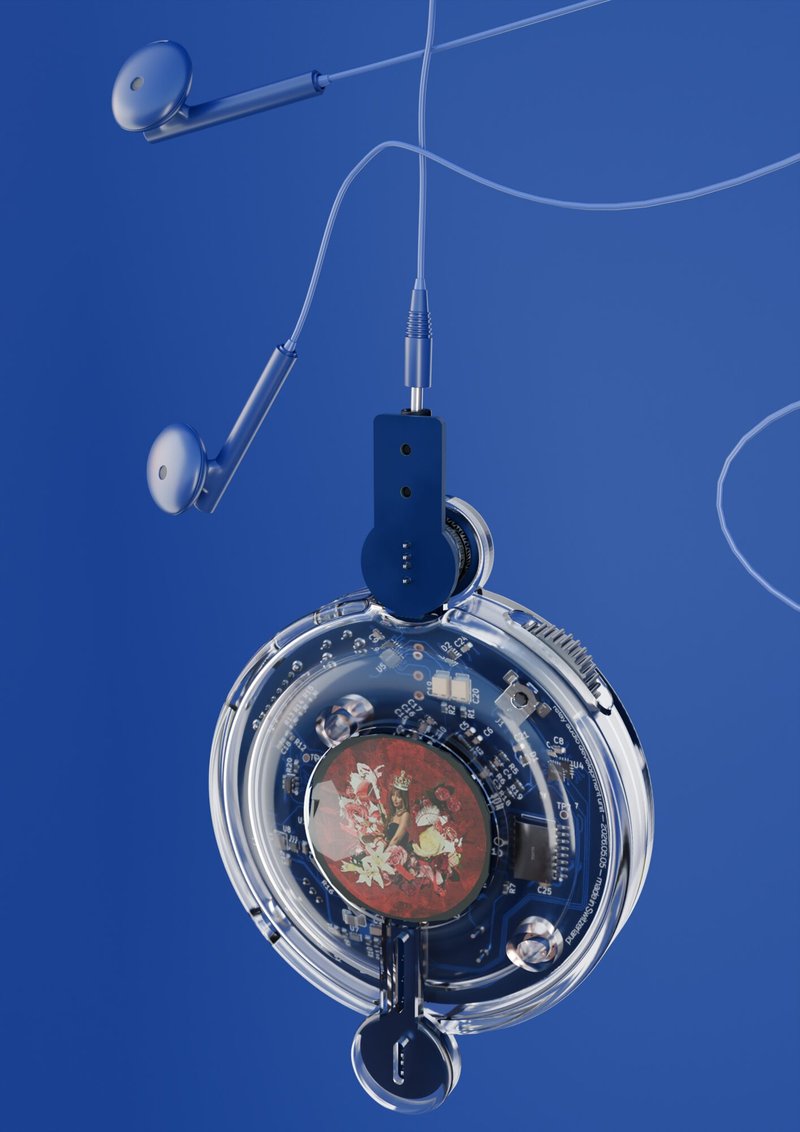
Streaming made music infinite and weightless: access to everything, ownership of nothing. This dynamic frayed the bond between artists and the people who listen to them. KIN rematerializes listening. It's a portable player that holds only a handful of tracks, like a mixtape. Its magnetic connectors let two devices touch to exchange their music, hand to hand: sharing becomes a gesture between two people again. Built around scarcity and ritual; custom electronics, a translucent body, physical controls, a screen that reflects light rather than emitting it, KIN slows the circulation of music to give back its value and its human weight.

When Objects Dream

BA MEDIA & INTERACTION DESIGN

When Objects Dream

with Alain Bellet, Cyril Diagne, Vincent Jacquier, Florian Pittet (Sigmasix), Pauline Saglio, Eric Morzier (Sigmasix)

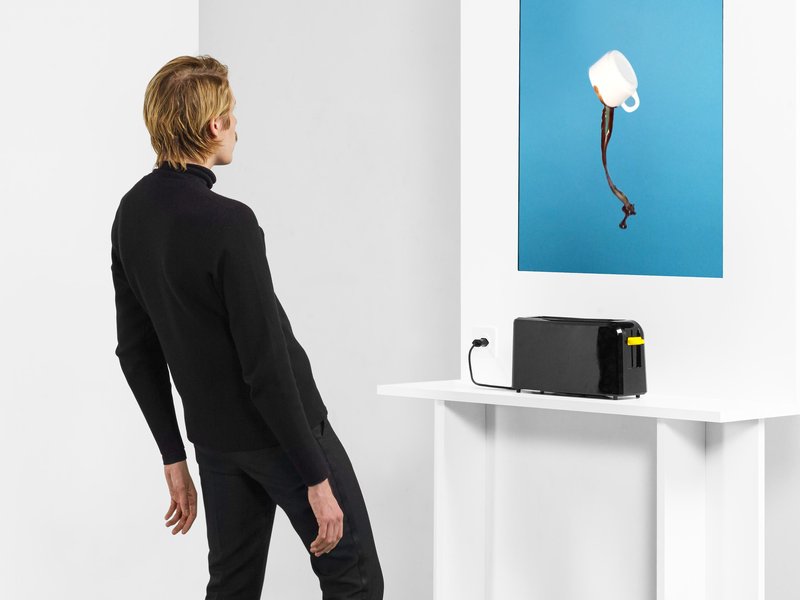
Do objects sometimes dream about themselves? What if we could enter their dreams? Virtual reality? Connected objects? On the occasion of the Milan International Furniture Fair 2016, the ECAL students of the Bachelor Media and Interaction Design present a collection of interactive experiments.

Tessa Donati – Viwo

BA MEDIA & INTERACTION DESIGN

Tessa Donati – Viwo

with Alain Bellet, Christophe Guignard, Gaël Hugo

Sound, illustration and construction are the key elements of the Viwo box, which contains 16 little wood blocks prepared to disclose six amusing illustrations. By placing these living cubes in the right place it will be possible to discover the supporting role of sound in solving the puzzle. This first game encourages children to examine the shapes of the objects, stimulates them to recreate the images accurately and increases their listening skills. To get started, just touch the word Viwo. The lid of the box and the available cards function as an amazing game! The senses involved are mainly touch, hearing and sight. In planning and building this box, my aim was to combine the traditional qualities of a wood game with those of modern games that capture children’s attention.

Related courses