Tilt

Rodolphe Pupille – Tilt

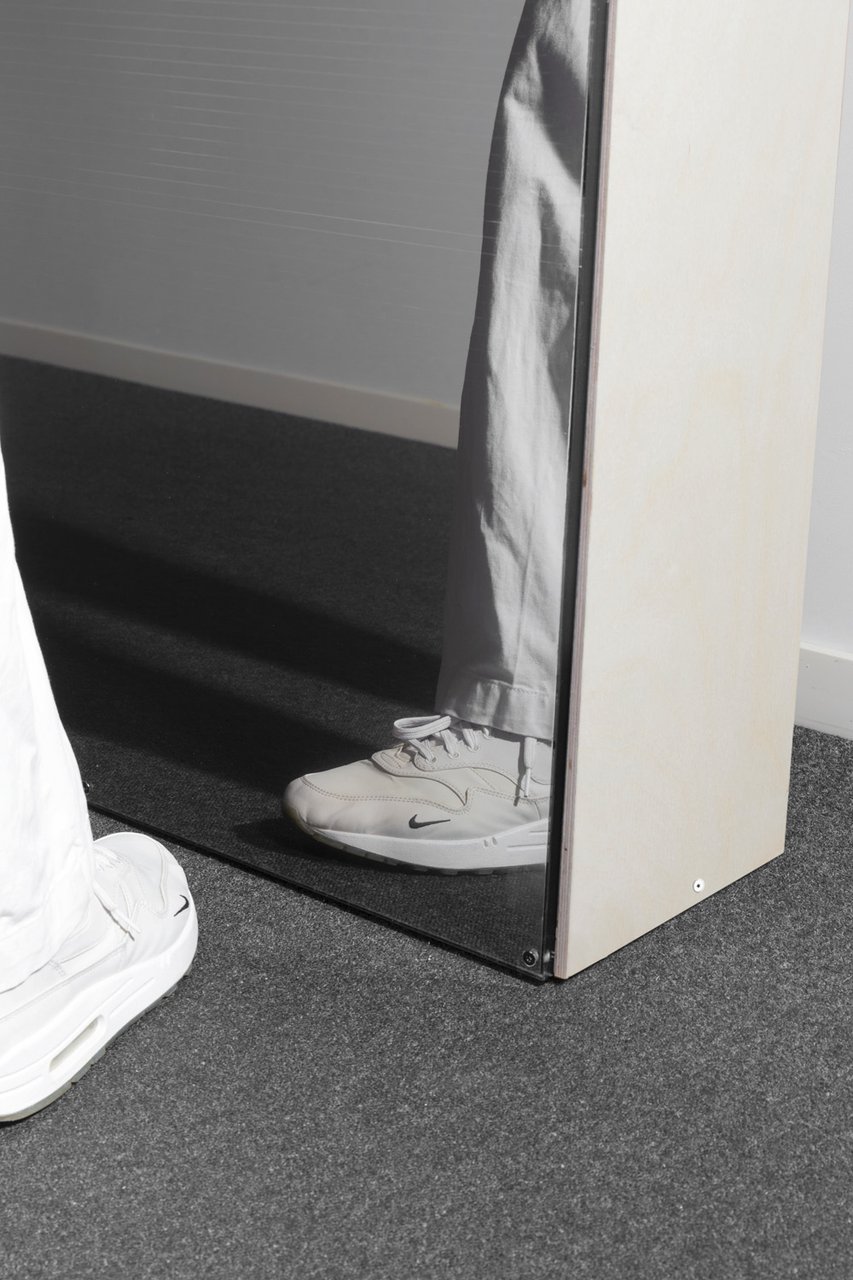
“Tilt” is a shoe rack made of birch plywood. The two-way mirror front enables users to see themselves while providing a showcase for the shoes on display. The opening direction of the drawer is adjustable, meaning the “Tilt” shoe rack can be placed in a corner or in the middle of a wall. The inside of the drawer is lined with linoleum as a reference to collectable furniture. The neutral background enhances the details of each shoe while protecting the wood. Finally, a gradation in the opacity of the mirror highlights the worn pair, as a reinterpretation of angled shoe mirrors in shoe shops.

Diploma project (2020) by Rodolphe Pupille

Assistants
Benoît Chastenet de Gery
Know-how
soft goods / accessories, Furniture, Fashion
Tilt
Tilt

1/2

3pj88rd8.jpg
Tilt
Tilt
Tilt
Tilt
Tilt

1/4

sassbpjf.jpg
Tilt

Projects related to Fashion

ECAL x FREITAG - Access over ownership

BA INDUSTRIAL DESIGN

ECAL x FREITAG - Access over ownership

with Christophe Guberan

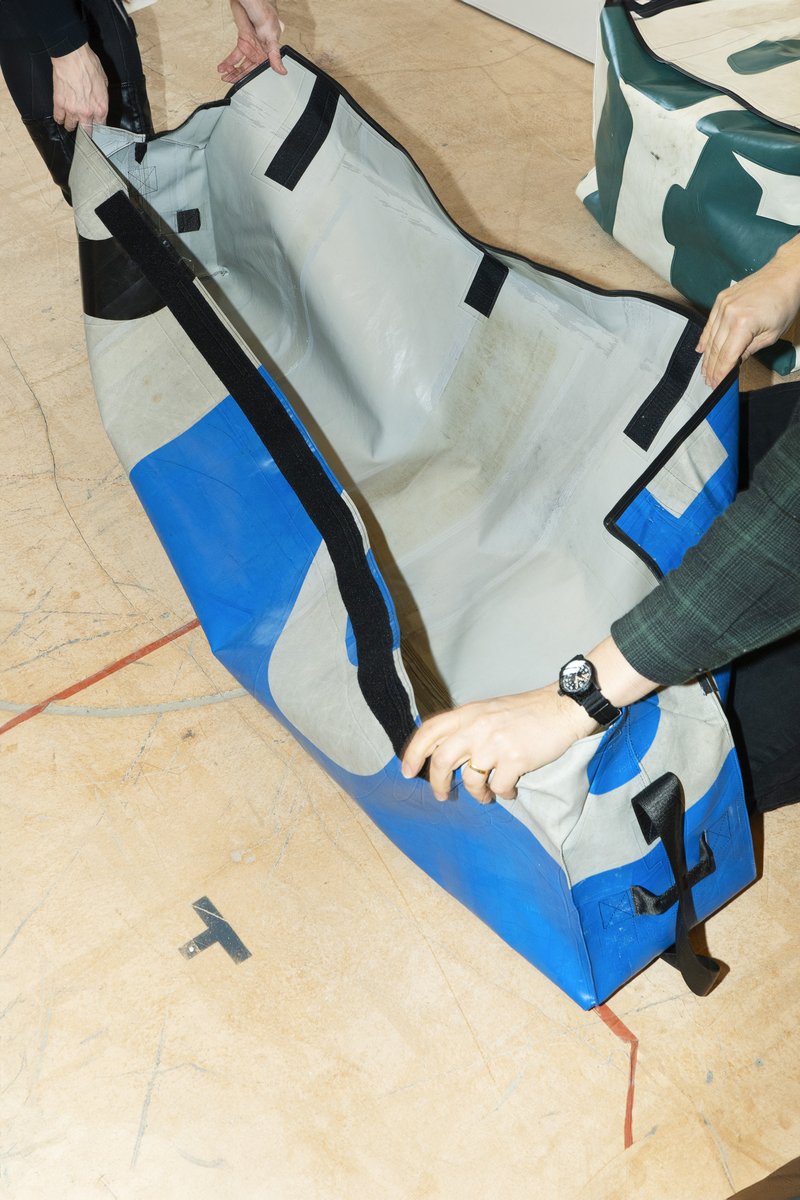
Second-year industrial design students collaborated with Zurich-based brand FREITAG Lab, leveraging their expertise in environmental awareness, material upcycling, and the circular economy. Using the FREITAG manifesto as a foundation, they developed new shared products centered on the principle of "access over ownership."  

Charitini Gkritzali – Topology of a Body

MAS DESIGN FOR LUXURY & CRAFTSMANSHIP

Charitini Gkritzali – Topology of a Body

by Charitini Gkritzali

Deriving inspiration from 20th century orthopaedic braces, Topology of a Body is a series of body jewellery items that closely conform to the human anatomy and resemble the body’s structural elements. Each piece is composed by solid geometrical shapes and organic curves that are created with silver or steel wire. The thickness of the wire is altered in a dynamic rhythm, highlighting the morphology of the body. The metal structure, which is carefully designed to envelop the human figure, ultimately takes on a sculptural form. Just like orthopaedic braces, the pieces of jewellery are designed to allow the body to move, yet seem to keep it in a constant state of immobility. This paradox eventually raises a question: do these objects enable or restrain the body’s movements?

ECAL x MICASA - HOMEWORKS

BA INDUSTRIAL DESIGN

ECAL x MICASA - HOMEWORKS

with David Glättli

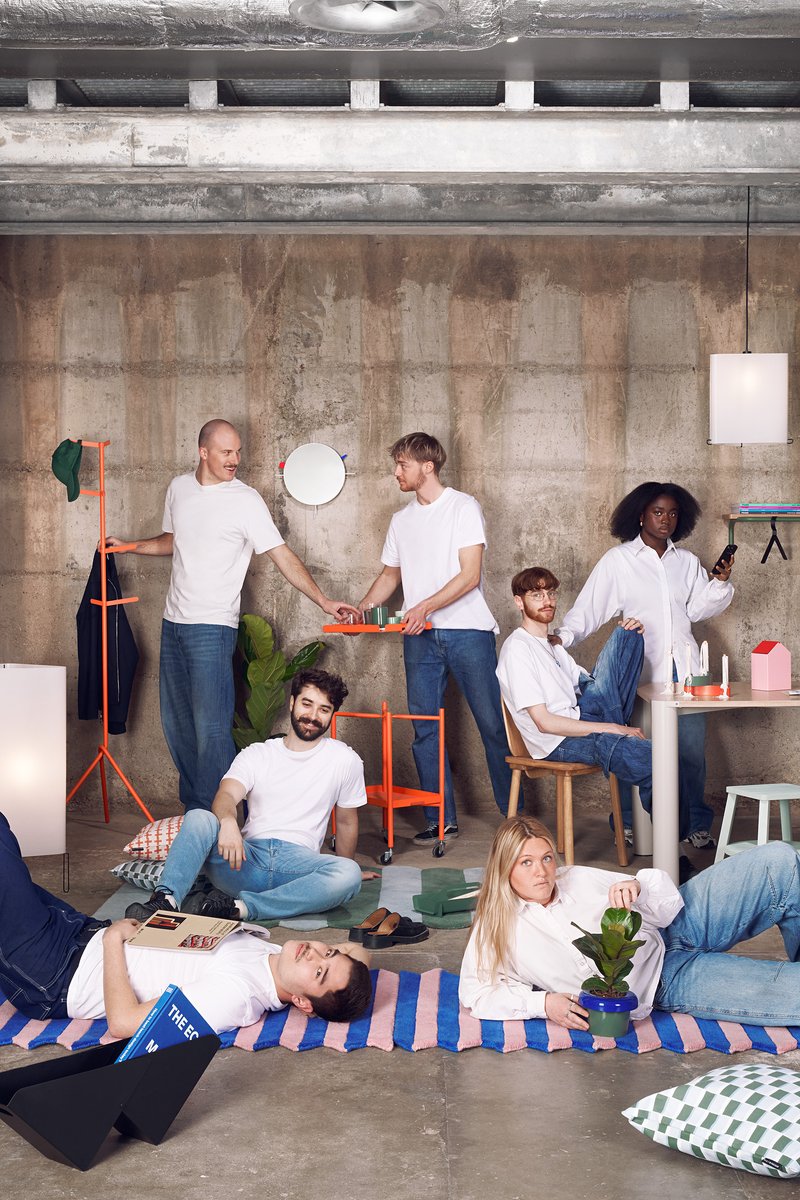
Founded in 1981, micasa has built its reputation on accessible, high-quality design and has grown into Switzerland’s leading furniture brand. Committed to democratic design that integrates seamlessly into everyday life, the company partnered with ECAL to develop HOMEWORKS, a limited-edition collection that invites a new generation to reconsider how living spaces are shaped and how design can become an active, meaningful presence in daily routines.

Robin Luginbühl – Disassembly Lab

BA INDUSTRIAL DESIGN

Robin Luginbühl – Disassembly Lab

with Stéphane Halmaï-Voisard, Christian Spiess, Carolien Niebling

The Disassembly Lab is a conceptual and formal study aimed at creating shoes integrated into a sustainable marketing system. Disassembly extends the life of a shoe, making it repairable, restorable, replaceable and recyclable. The aim is to rethink and redefine the way we build and assemble sneakers. This research takes inspiration from various references and explores several distinct concepts. Each concept evolves over the course of the research process, culminating in three shoes, offering a variety of functional and aesthetic solutions. These shoes, with their TPU soles and 3D knitted uppers, are reduced to the essentials, enabling simple, rapid production and assembly and easy recyclability.

Mattia Cook – 1000ppm

BA INDUSTRIAL DESIGN

Mattia Cook – 1000ppm

with Stéphane Halmaï-Voisard, Christian Spiess, Carolien Niebling

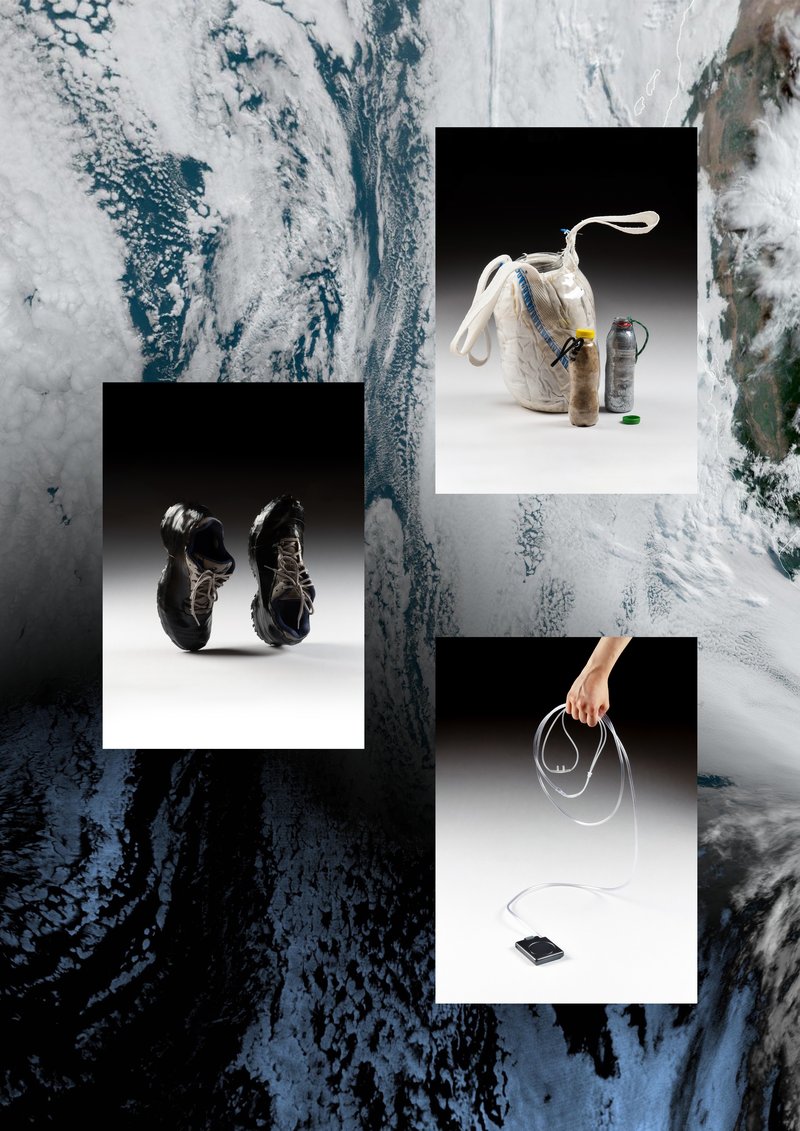
Drawing inspiration from the IPCC’s most dire projections and from numerous reports, I envision a future where carbon concentration reaches a staggering 1000 ppm by the end of the century. What will this world look like? To capture this vision, I have designed three distinct objects, each drawing from unique narratives rooted in my hypothetical scenario. Firstly, a low-tech water bottle, ingeniously insulated to withstand the challenges of climatic migration. Secondly, a repair technique specifically designed to mend and waterproof worn-out tennis shoes, embodying resourcefulness in the face of the scarcity of certain resources. Lastly, a nasal device, boas- ting advanced technology capable of filtering and purifying polluted air, serving as a shield against the looming threat of atmospheric contamination.
Related courses