Metamorphoses

Elina Crespi – Metamorphoses

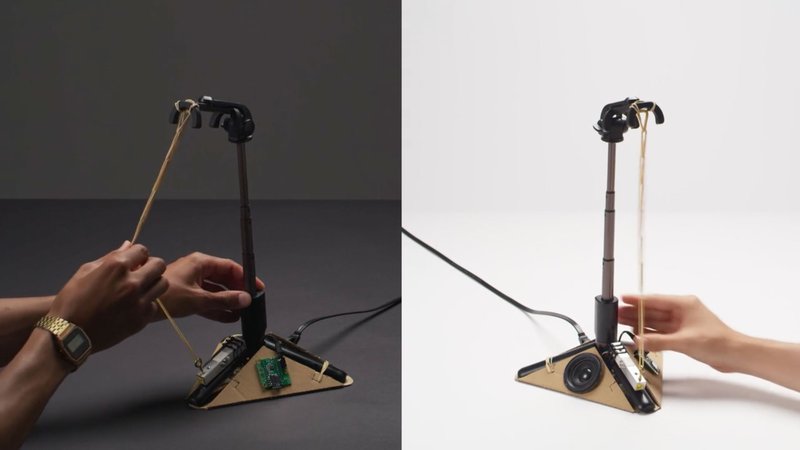
Metamorphoses is a video game installation that lets you develop your world by exploring its different dimensions.

It is an organic machine that represents a harmony of opposites, a duality between machine and human. There is a balance to be found: should the machine adapt to the human or the human to the machine? Human to human? Machine to machine?
By participating in Metamorphoses, players are invited to create connections by plugging in a jack cable to solve enigmas. They actively engage in the narrative and interact with the environment. The organic machine embodies a duality by making natural and technological elements coexist in an interactive and changing environment, thereby prompting introspection about our own world.

Diploma project (2023) by Elina Crespi

Know-how
Tangible Interaction, UX/UI, Game, Electronics
metamorphoses_ECAL_CrespiElina_2.png
elina-3.jpg

Projects related to Electronics

Livia Schmid – Trail Sync

BA MEDIA & INTERACTION DESIGN

Livia Schmid – Trail Sync

with Pauline Saglio, Christophe Guignard, Alain Bellet, Laura Nieder, Gaël Hugo, Lara Défayes

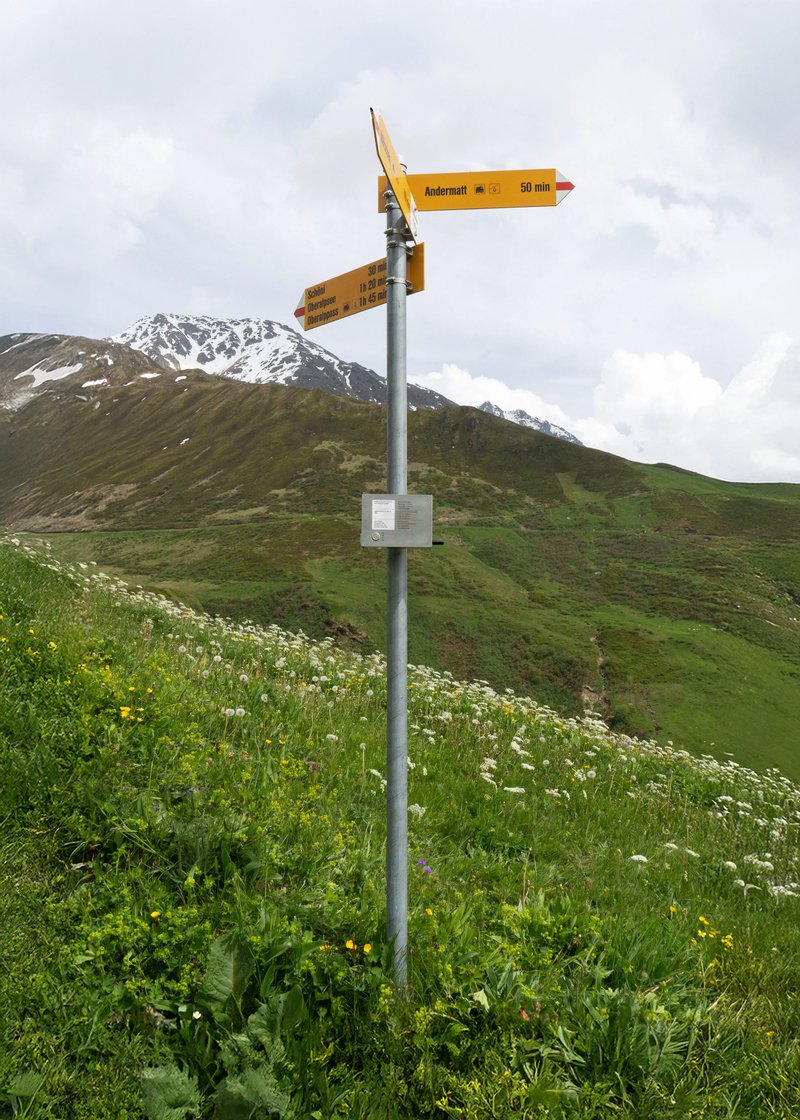
In remote alpine regions, access to reliable information – such as trail conditions or weather alerts – becomes difficult in the absence of network coverage. Trail Sync addresses this challenge through a participatory and decentralized approach: local information boxes, integrated into hiking infrastructure, are passively updated by hikers using an offline mobile application. Each person passing near a box synchronizes contextual data, leaving a digital trace that benefits those who follow. Reinforcing existing signage without increasing technological dependency, the system is rooted in the mountain values of collective responsibility and solidarity.
Malik Sobgoui – Oblique Reasoning

BA MEDIA & INTERACTION DESIGN

Malik Sobgoui – Oblique Reasoning

with Alain Bellet, Christophe Guignard, Gaël Hugo, Laura Nieder, Pauline Saglio

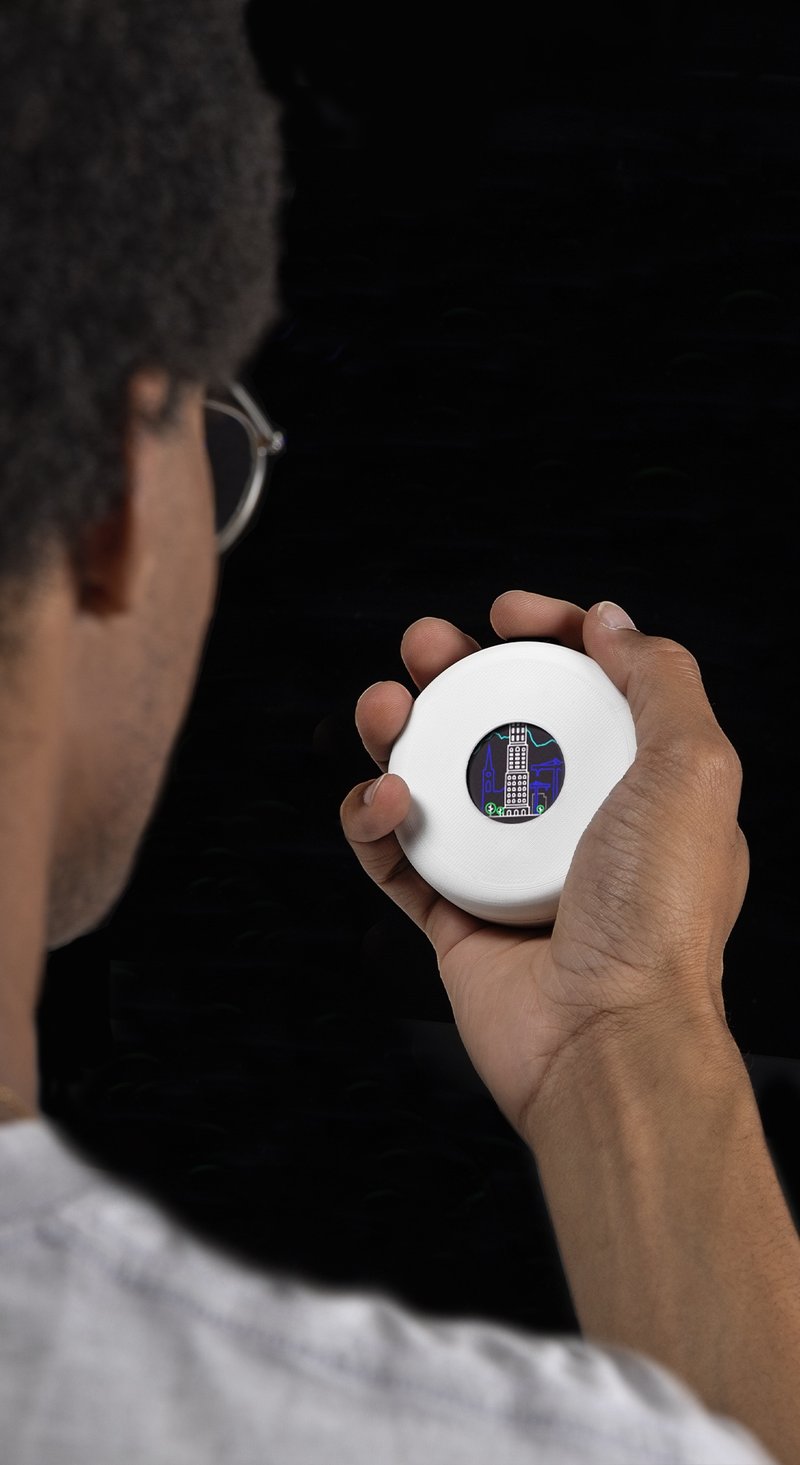
Nowadays, almost all of us have adopted the unconscious reflex of pulling out our smartphone when we are faced with some form of loneliness or passivity. Hence, it has become difficult for us to cope with waiting without the help of our cell phones. The aim of Oblique Reasoning is to invite users to question notions of attention economy and FOMO (Fear Of Missing Out) while offering, in the manner of Oblique Strategies, reflections and alternatives. By recording unread notifications and quantifying them in units of time, this portable device offers us the possibility to step back and rethink our relationship with the smartphone.

Steve Bouillant – Re:soil

BA MEDIA & INTERACTION DESIGN

Steve Bouillant – Re:soil

by Steve Bouillant

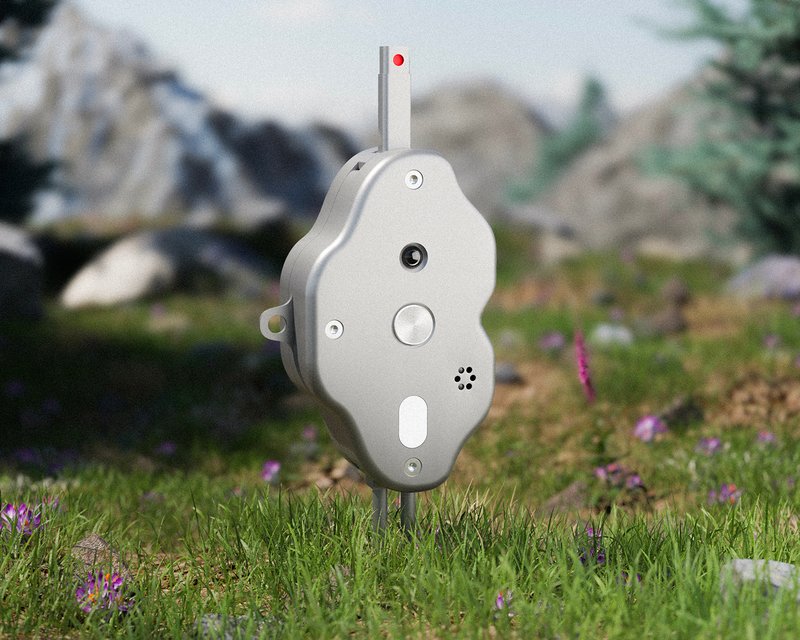
The smartphone has turned a trip to the mountains into an exercise in documentation. We take photos, tag our location, and post them: the natural world becomes content before it becomes a moment of reconnection. Re:soil offers a compact outdoor device whose sensors continuously measure humidity, light, and the transitions between environments. Its probe, planted in the ground, measures the earth's heat and compares it to that of the user's hand. Its microphone captures the soundscape of the location. Re:soil conveys these connections through vibration and light, without a screen, without performance, and without a phone. Upon the user's return, a linked app generates an ephemeral journal blending sensory interpretations, the geology of the site, and likely flora and fauna.

HERE AND THERE

BA MEDIA & INTERACTION DESIGN

HERE AND THERE

with Marcelo Coelho, Gaël Hugo, Pauline Saglio

A new educational model for a post-pandemic world

Viktor Gagné – Serialized Saplings

BA MEDIA & INTERACTION DESIGN

Viktor Gagné – Serialized Saplings

by Viktor Gagné

The weight of materials produced by humans is now believed to exceed that of all terrestrial biomass. How will these artifacts integrate into the rest of the environment in a million years? Serialized Saplings is an interactive installation that speculates on a potential form of vegetation to come, heavily altered by the excesses of human production, here crystallized through the symbol of the electrical outlet. By manipulating the connections of several power strips, the participant is invited to program the "genetic code" of hybrid plant species that do not yet exist and whose appearance resembles our industrial standards. This generated vegetation is then classified in the form of a digital herbarium that can be consulted and studied.

Related courses