Much Faster / Much Slower – 25-26

Much Faster / Much Slower – 25-26

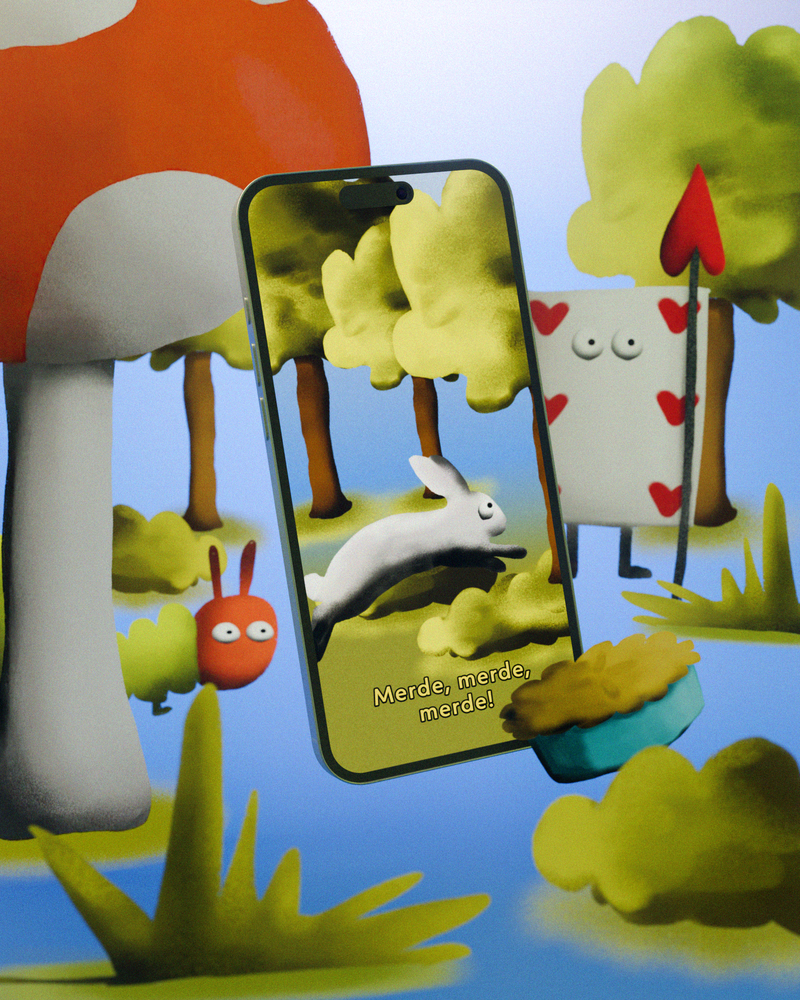
Second-year Interaction Design students imagined and prototyped a mobile application exploring the theme “Much Faster / Much Slower.”
The project examines our fascination with speed and slowness in digital interfaces, and how technology shapes our perception of time, attention, and communication.

Building on this tension, students developed app concepts that propose alternative ways of communicating, consuming, or creating content, where rhythm becomes a central element of interaction design. Each project takes the form of an interactive prototype, offering a distinctive and sometimes deliberately non-immediate experience that questions our everyday digital habits.

Studio project (2025) with Alain Bellet

Students
Blendi Mazreku, Matthieu Noël, Jade Picard, Benjamin Vermot
Know-how
UX/UI, Web

Collab

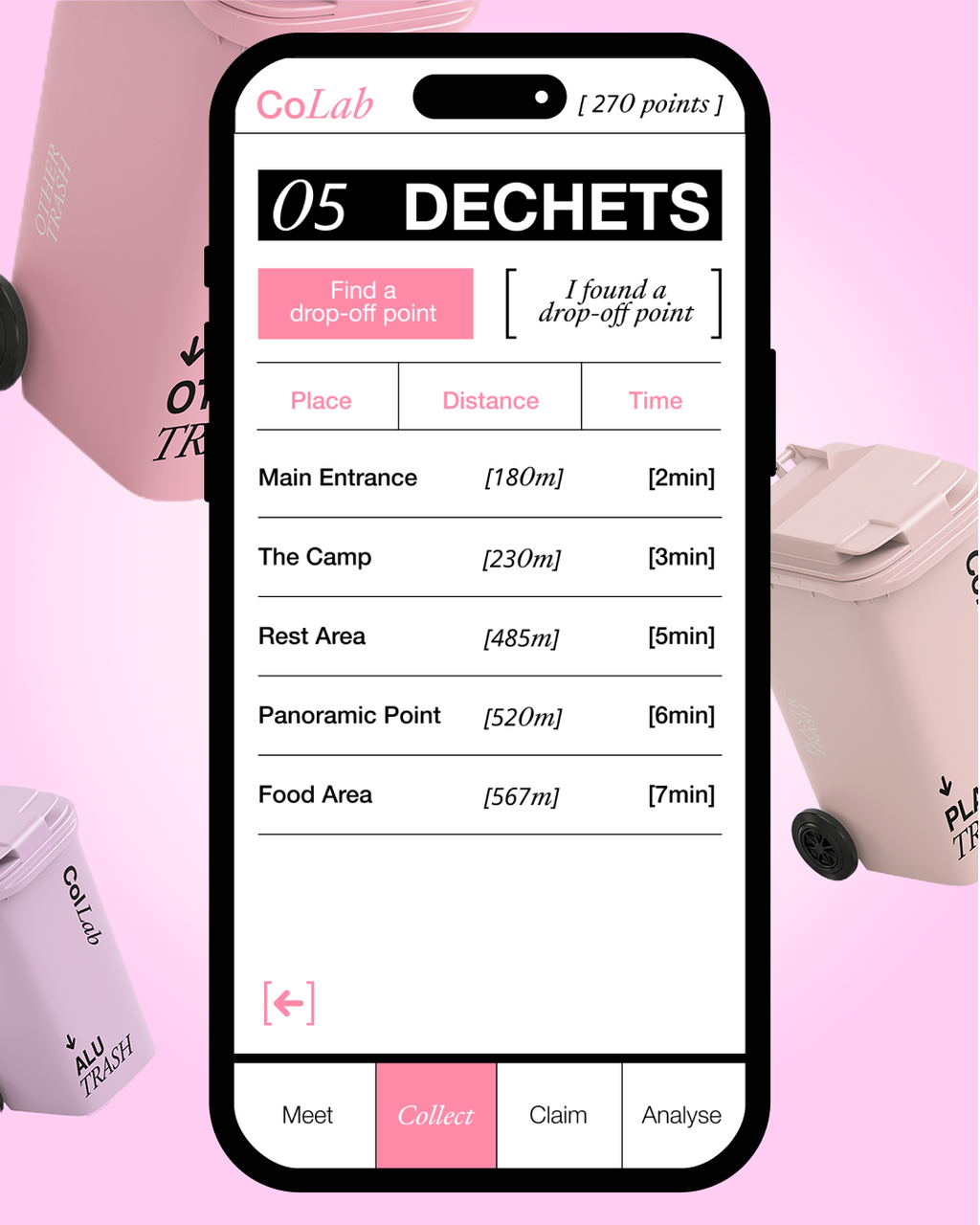
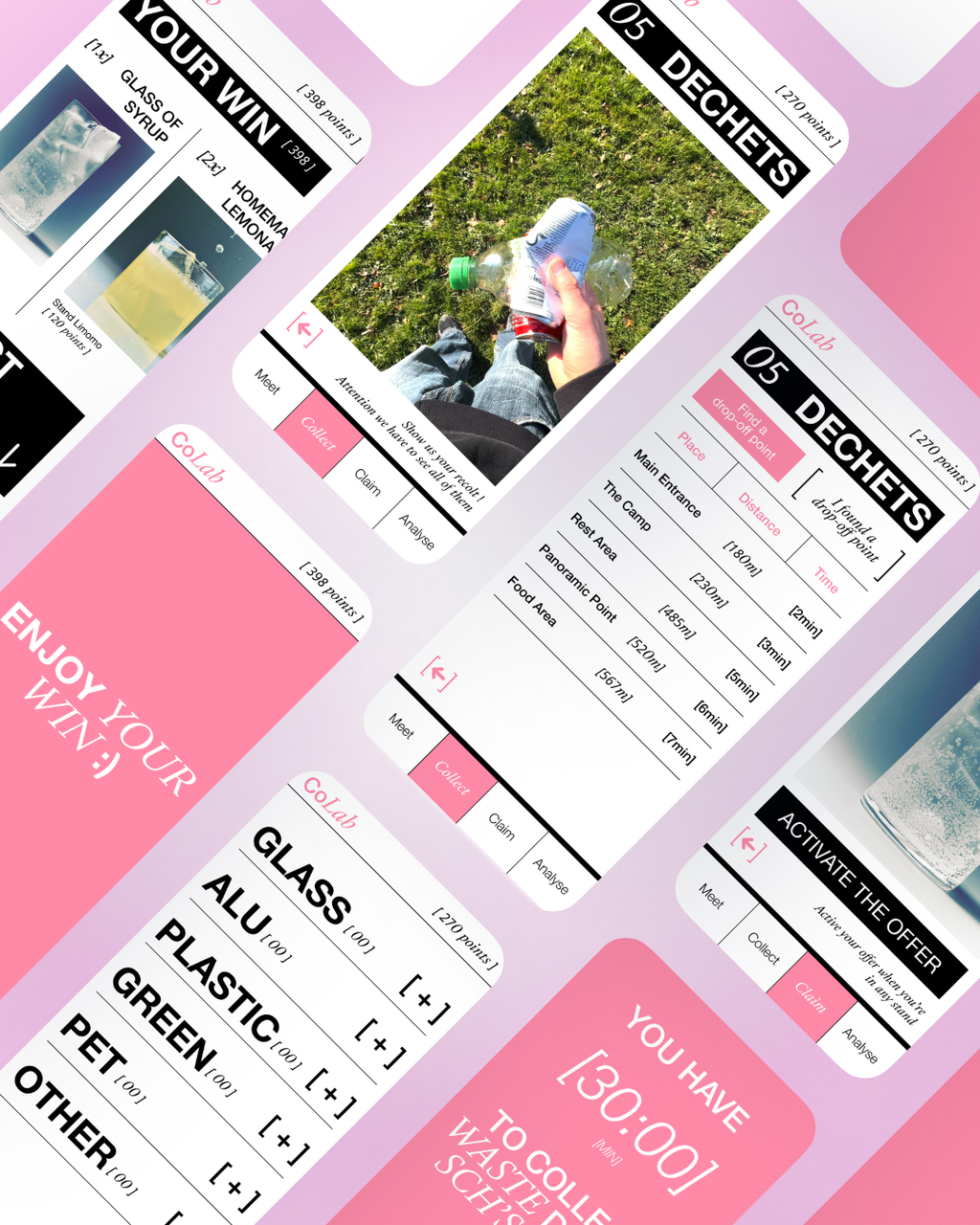
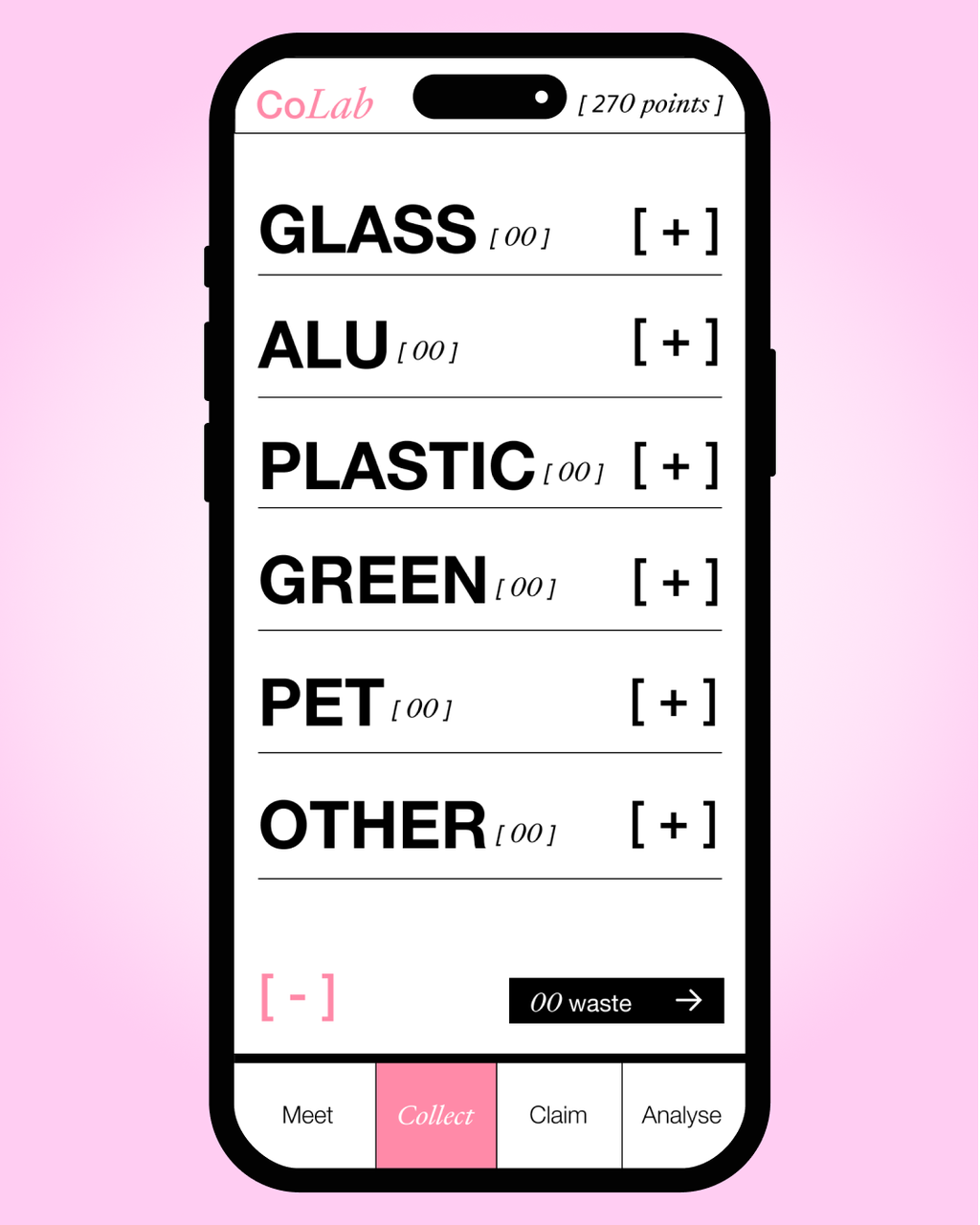
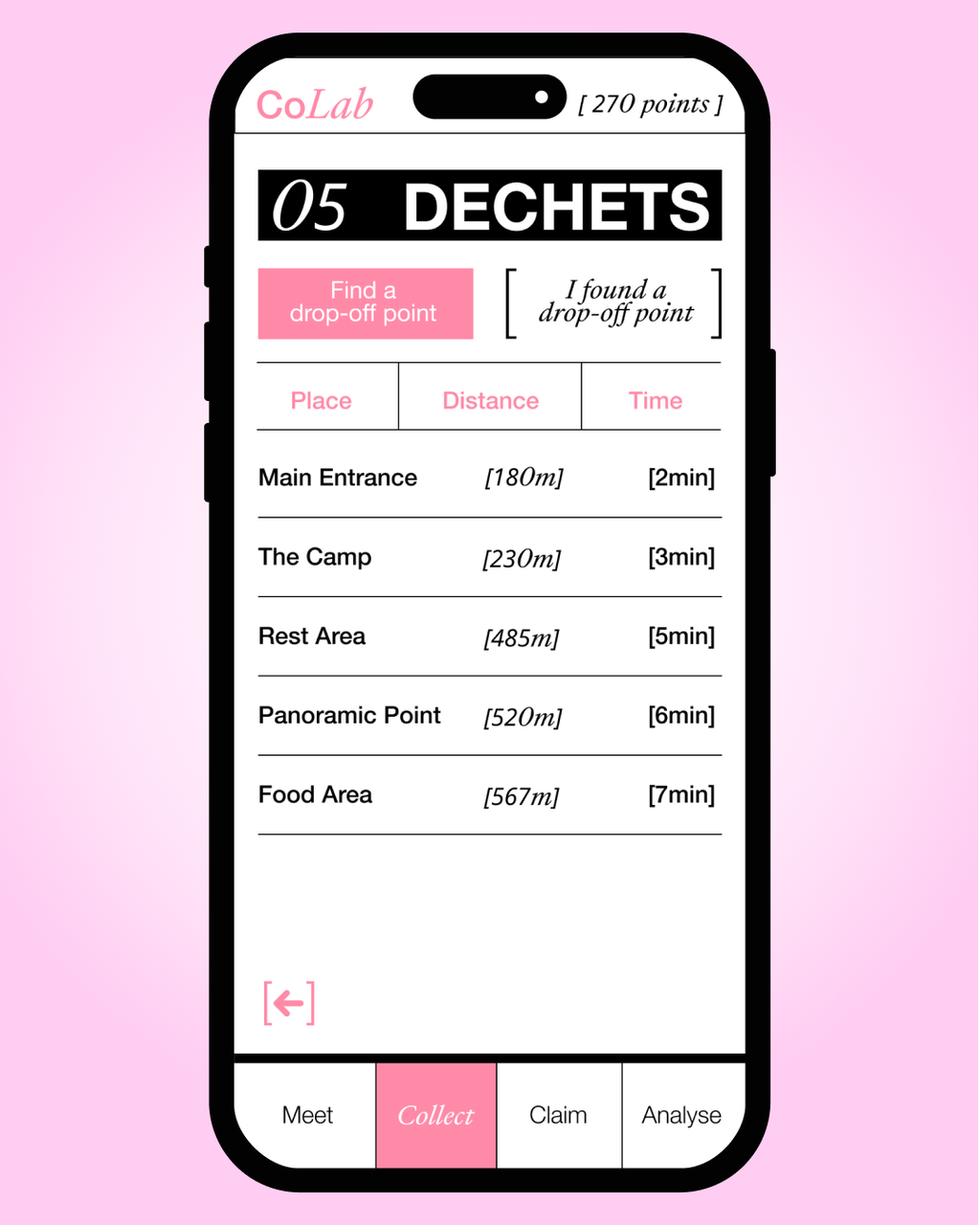
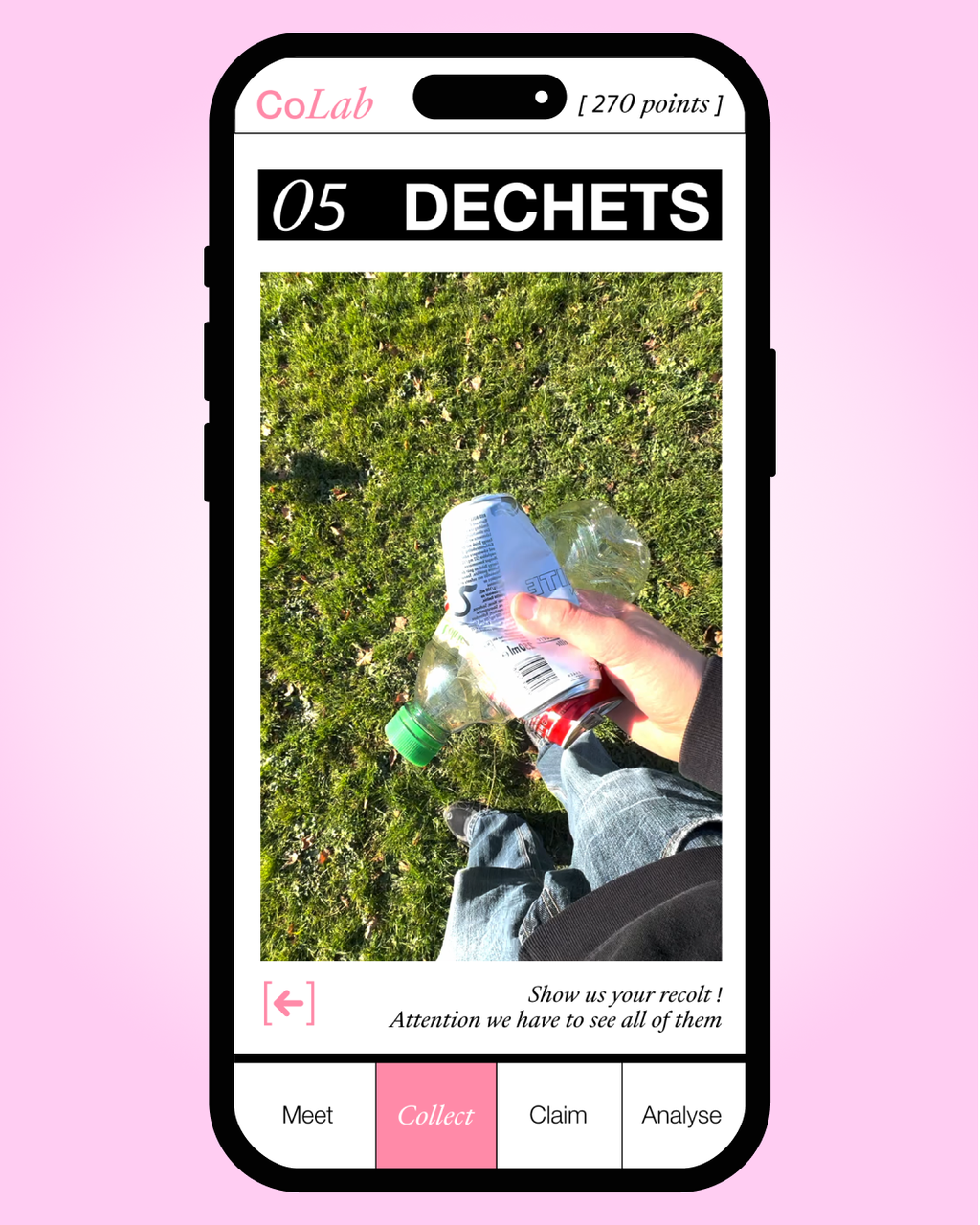
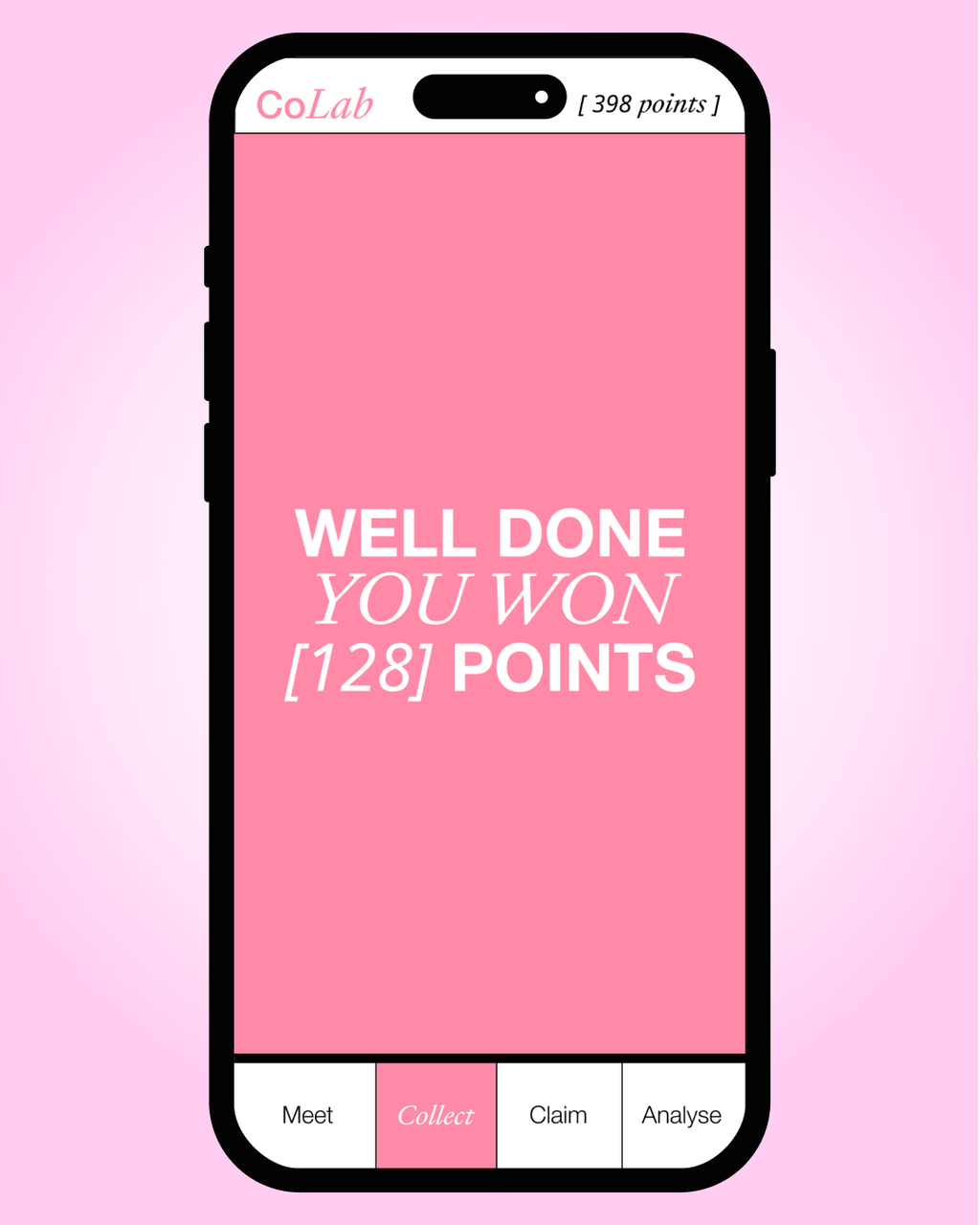
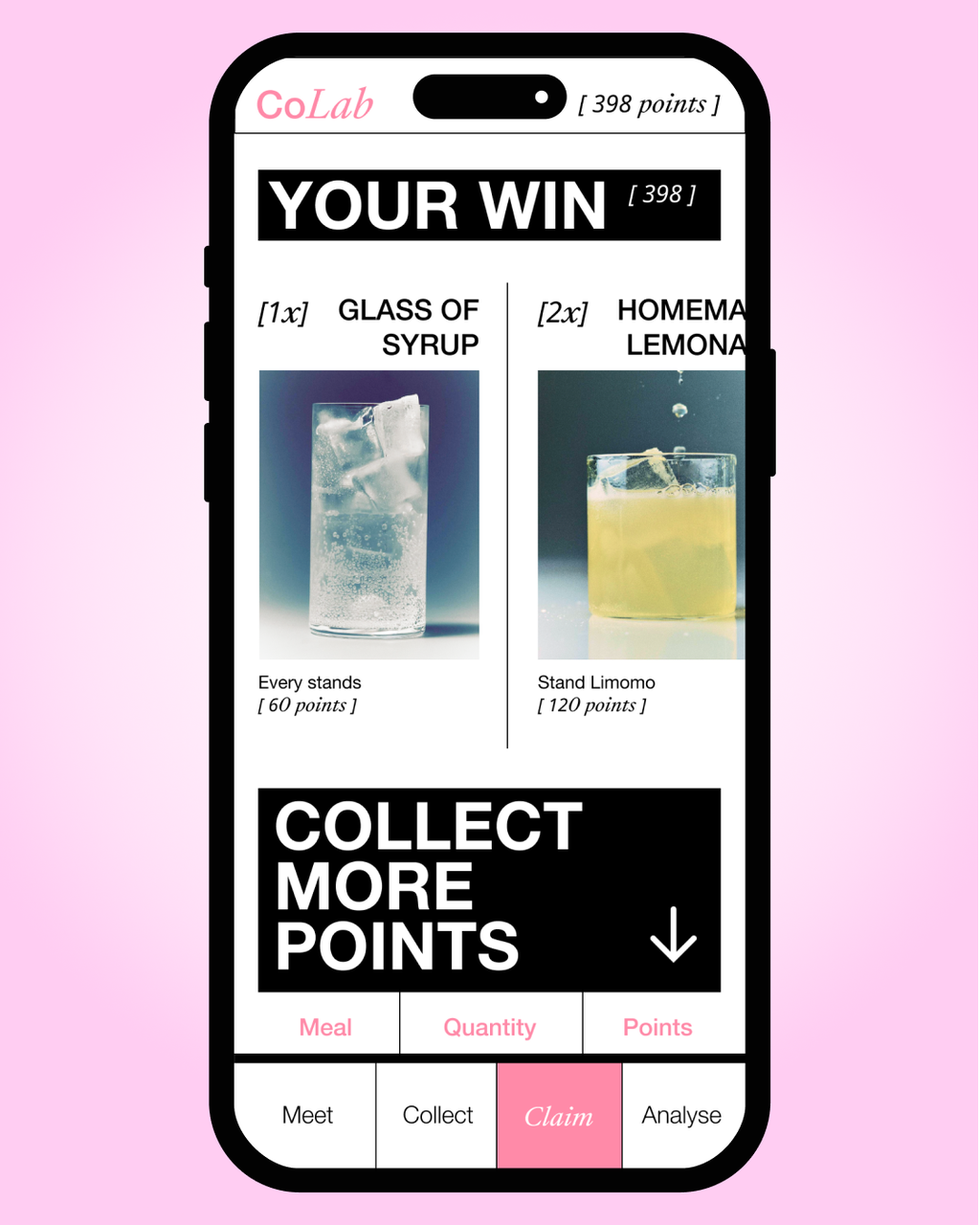
ColLab is an application that encourages waste collection during events. Throughout the event, participants collect the waste around them and add it to the app. Once the collection is complete, the app helps locate a drop-off point directly within the event area. On site, users can scan the waste to sort it correctly into the appropriate bins. Each action earns points: the more waste you collect, the more points you gain. ColLab turns an ecological gesture into a fun and collective experience.


Par Jade Picard

ColLab
ColLab
ColLab
ColLab
ColLab

1/7


1/8

DELAY

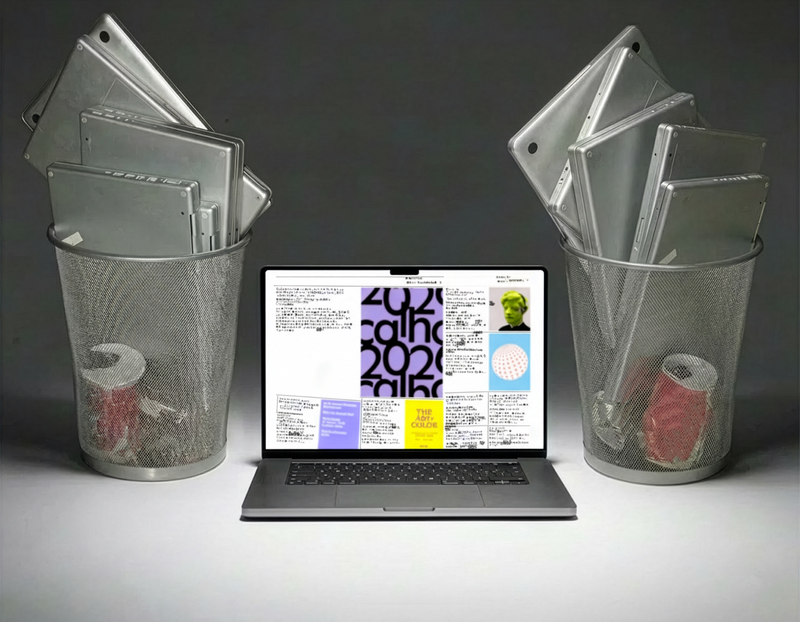
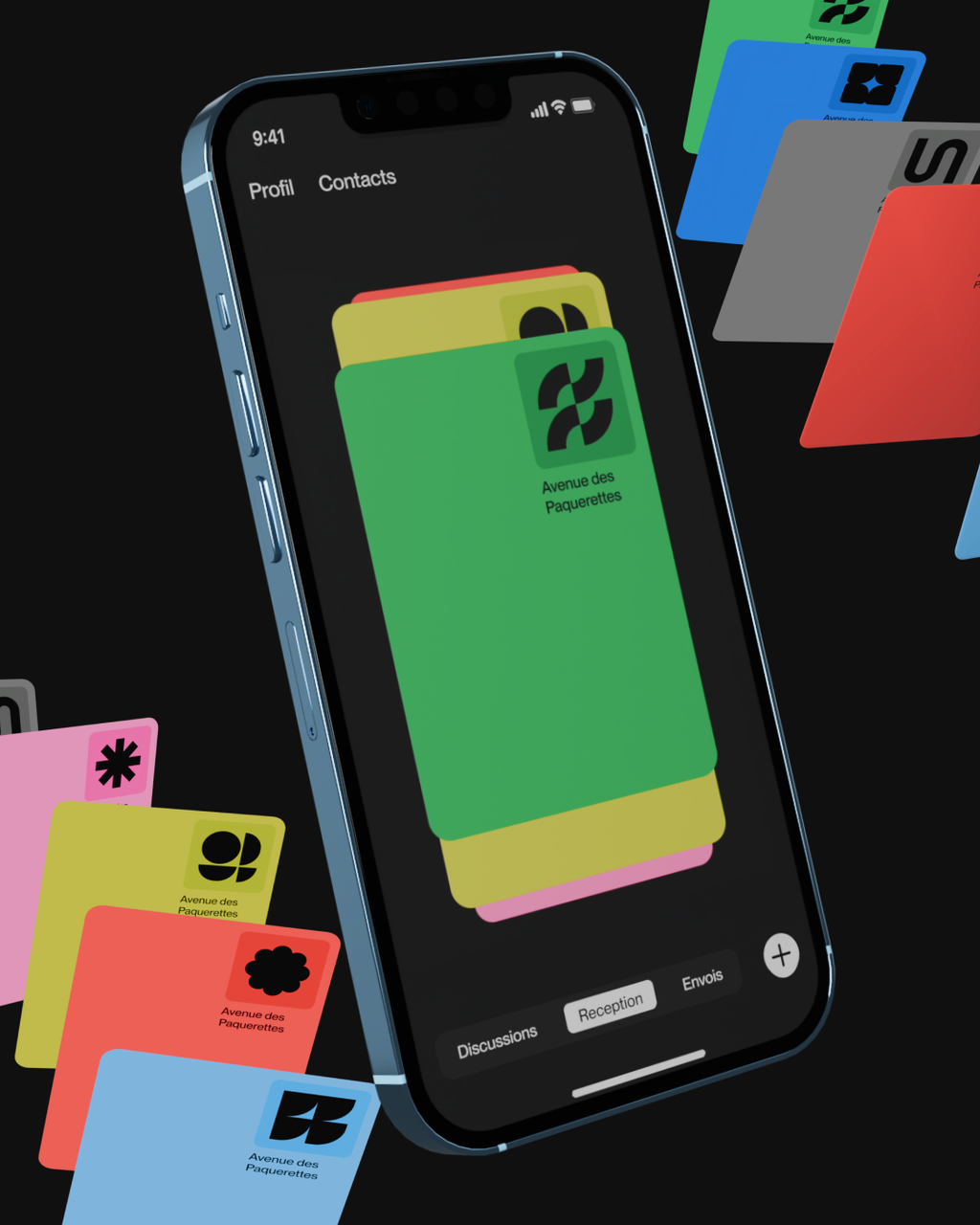
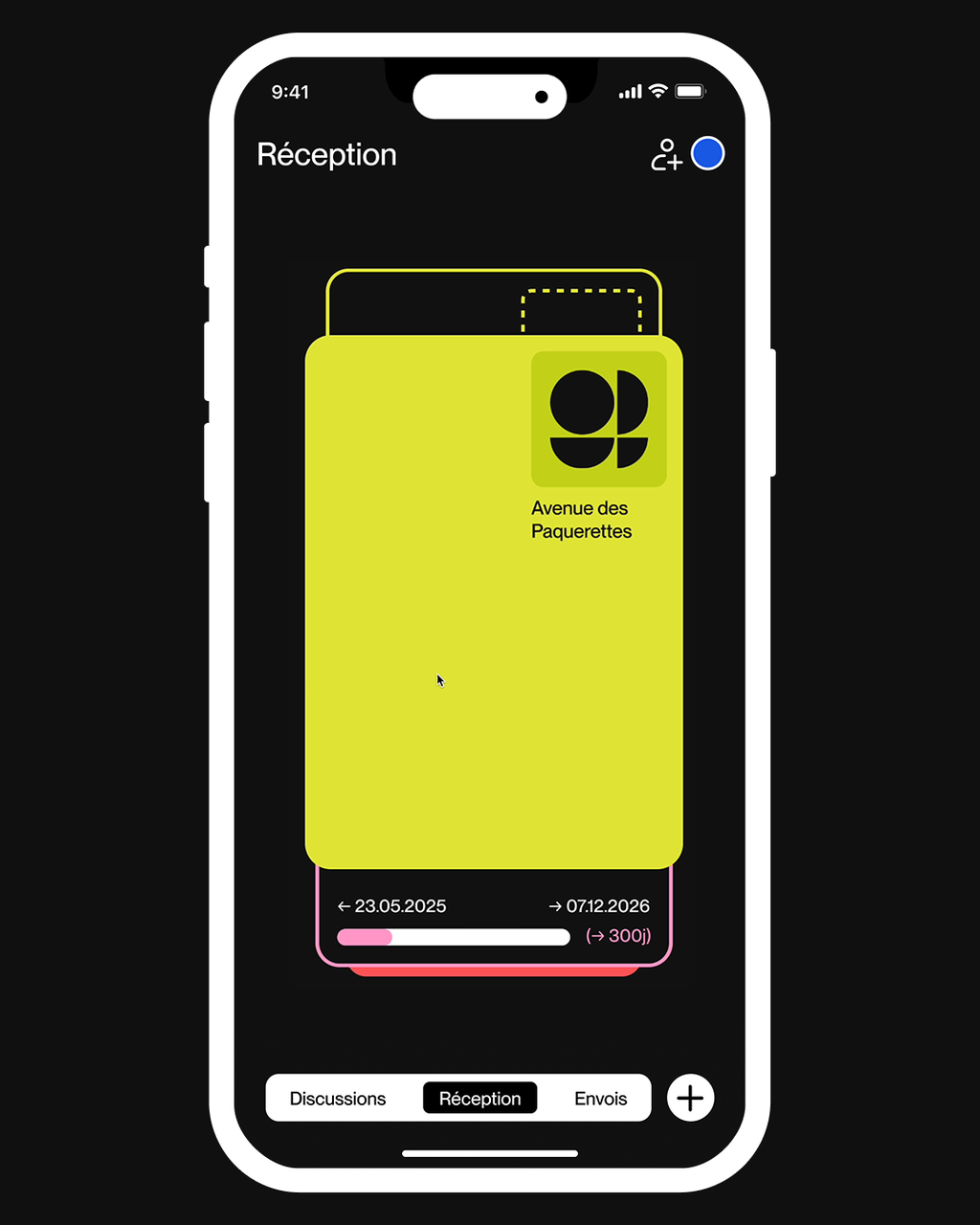
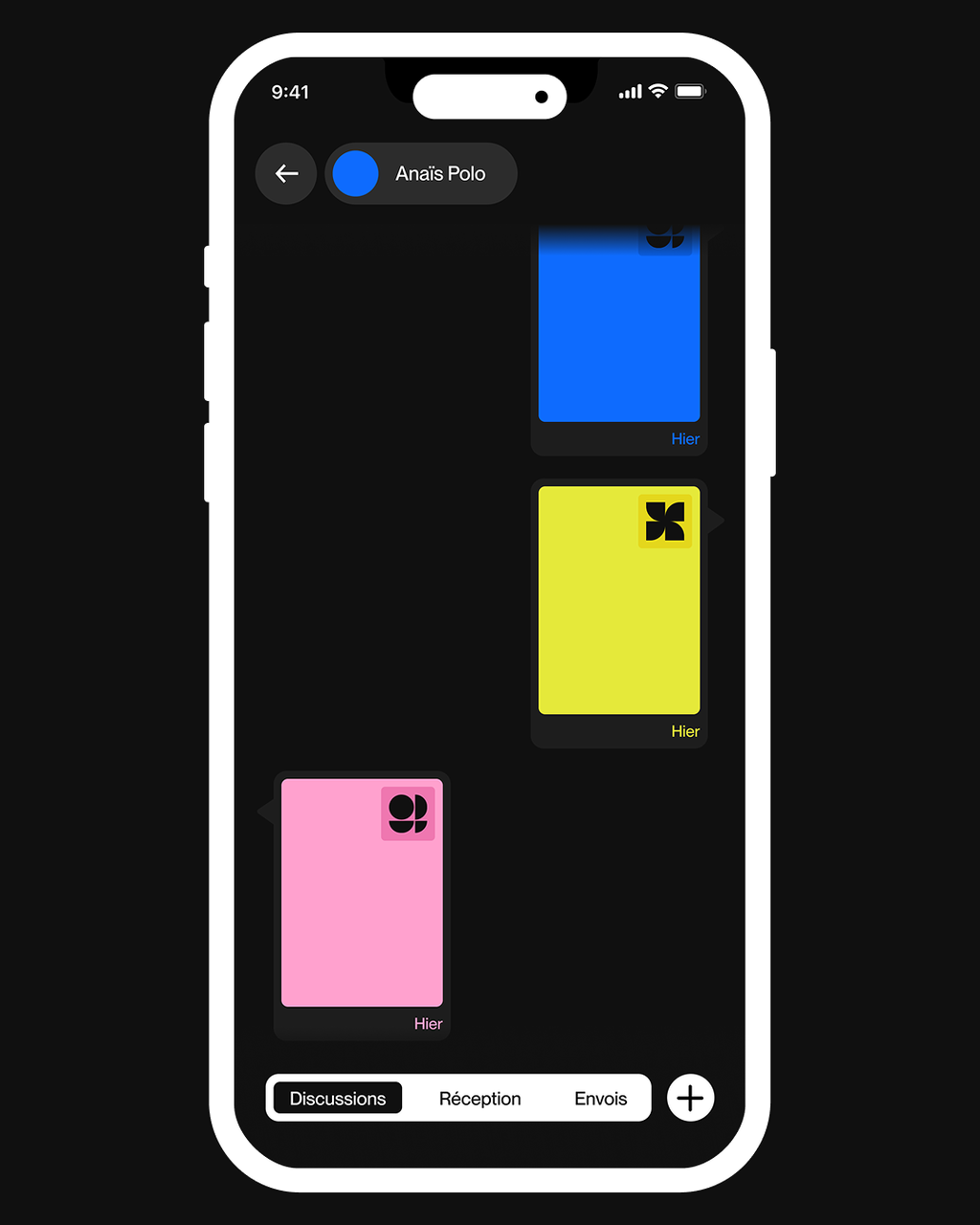
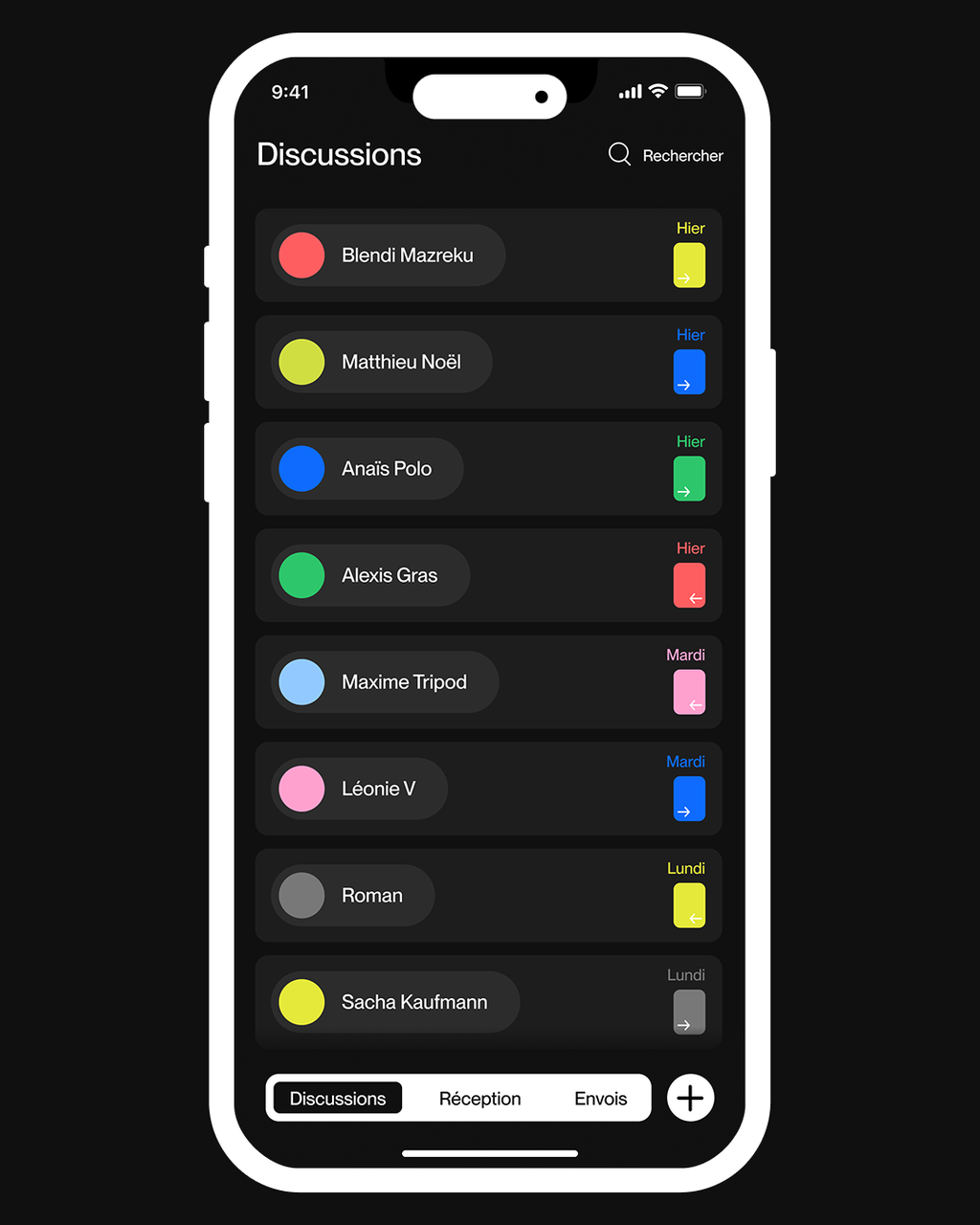
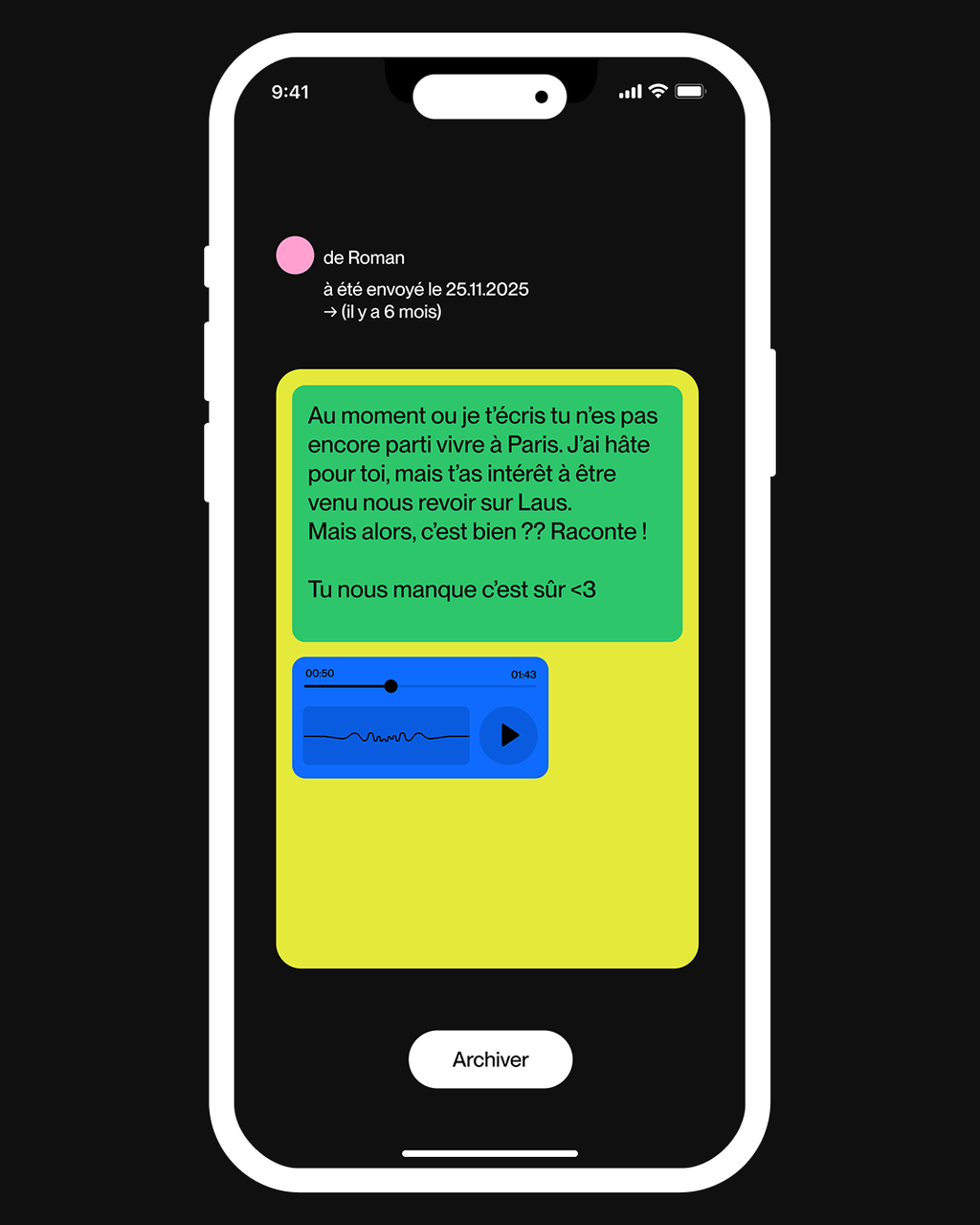
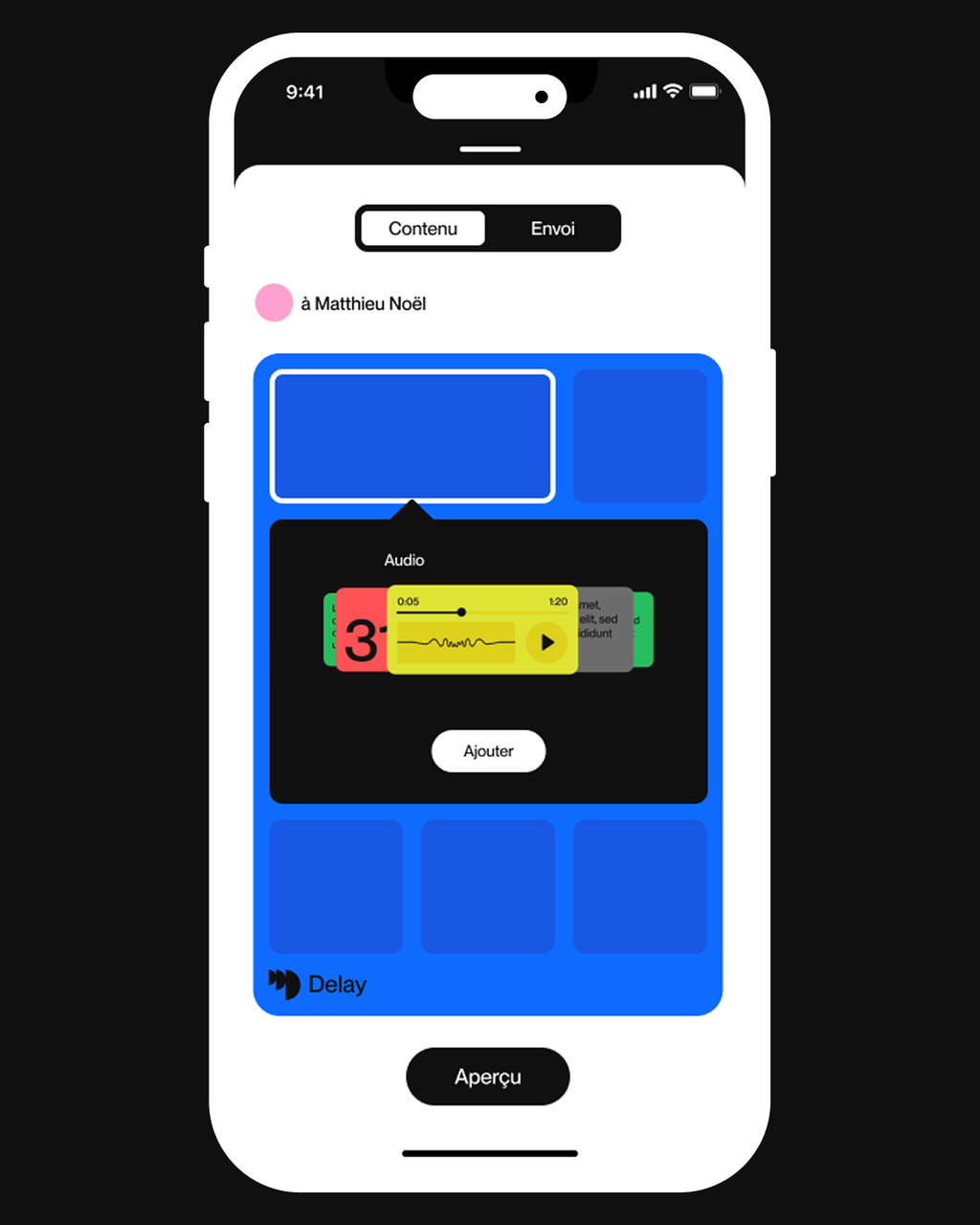
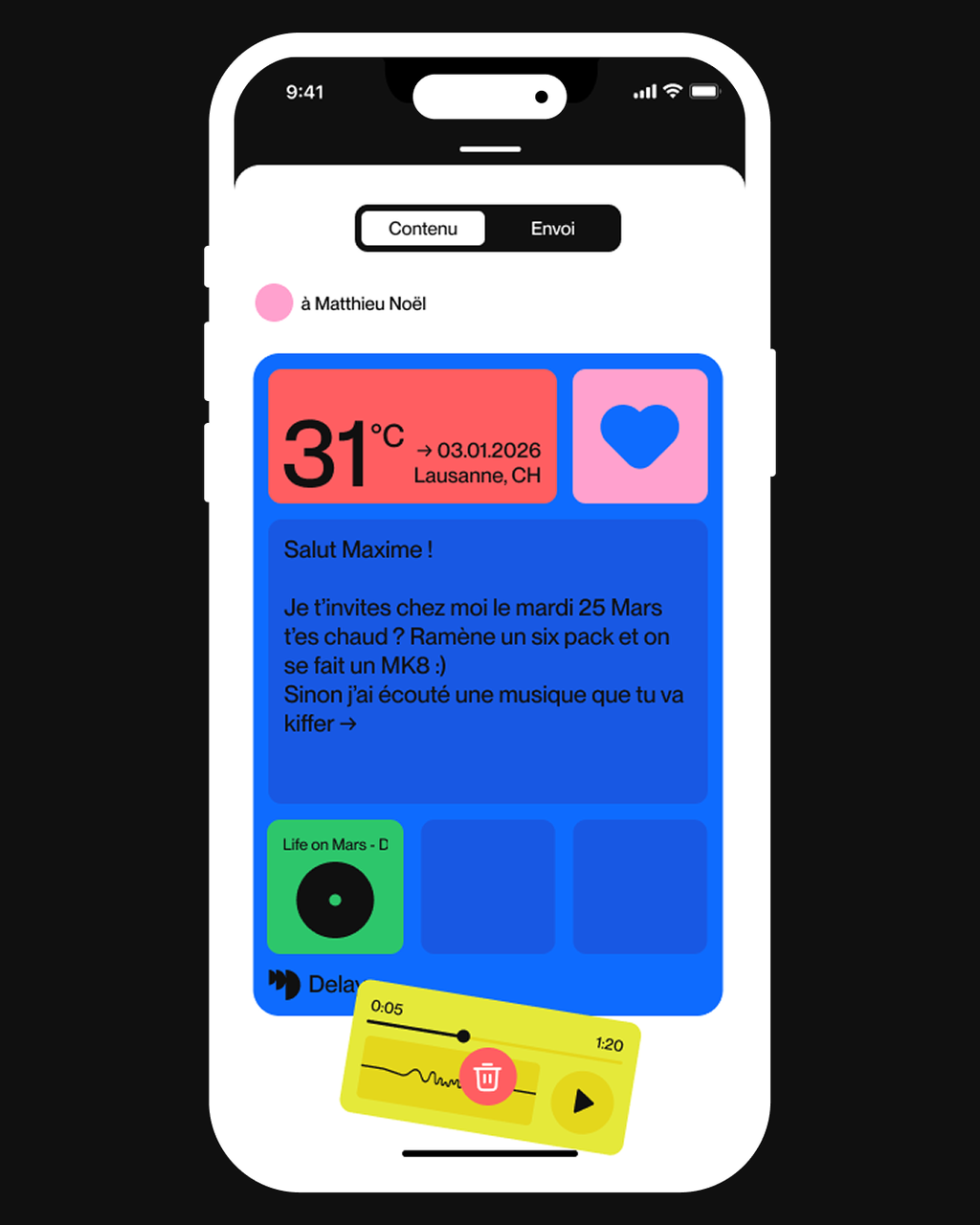
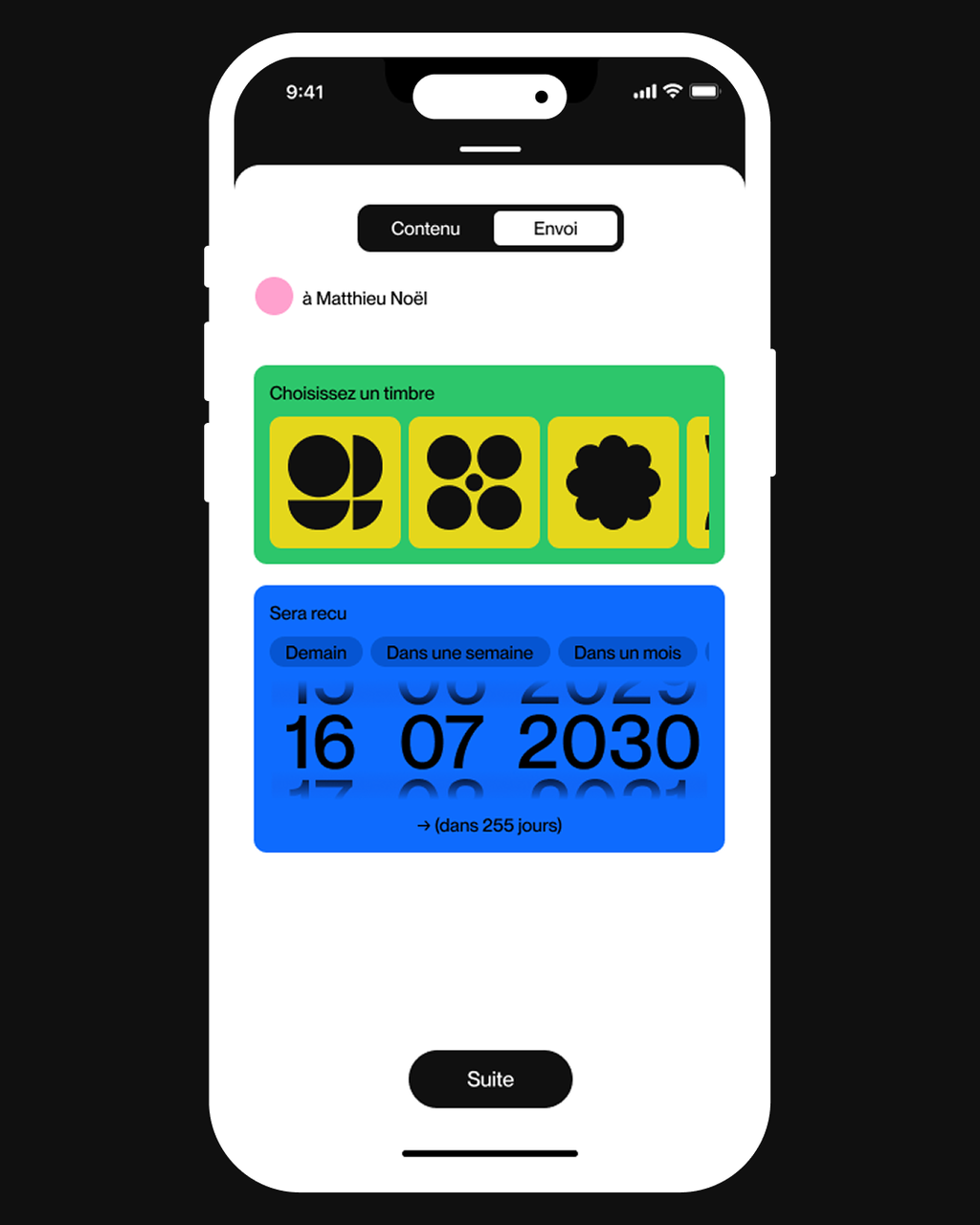
Delay is a messaging app that allows users to send cards while choosing their delivery date. By enabling a high level of message personalization, Delay invites users to reintroduce intention and time into the messages they send.


Par Benjamin Vermot


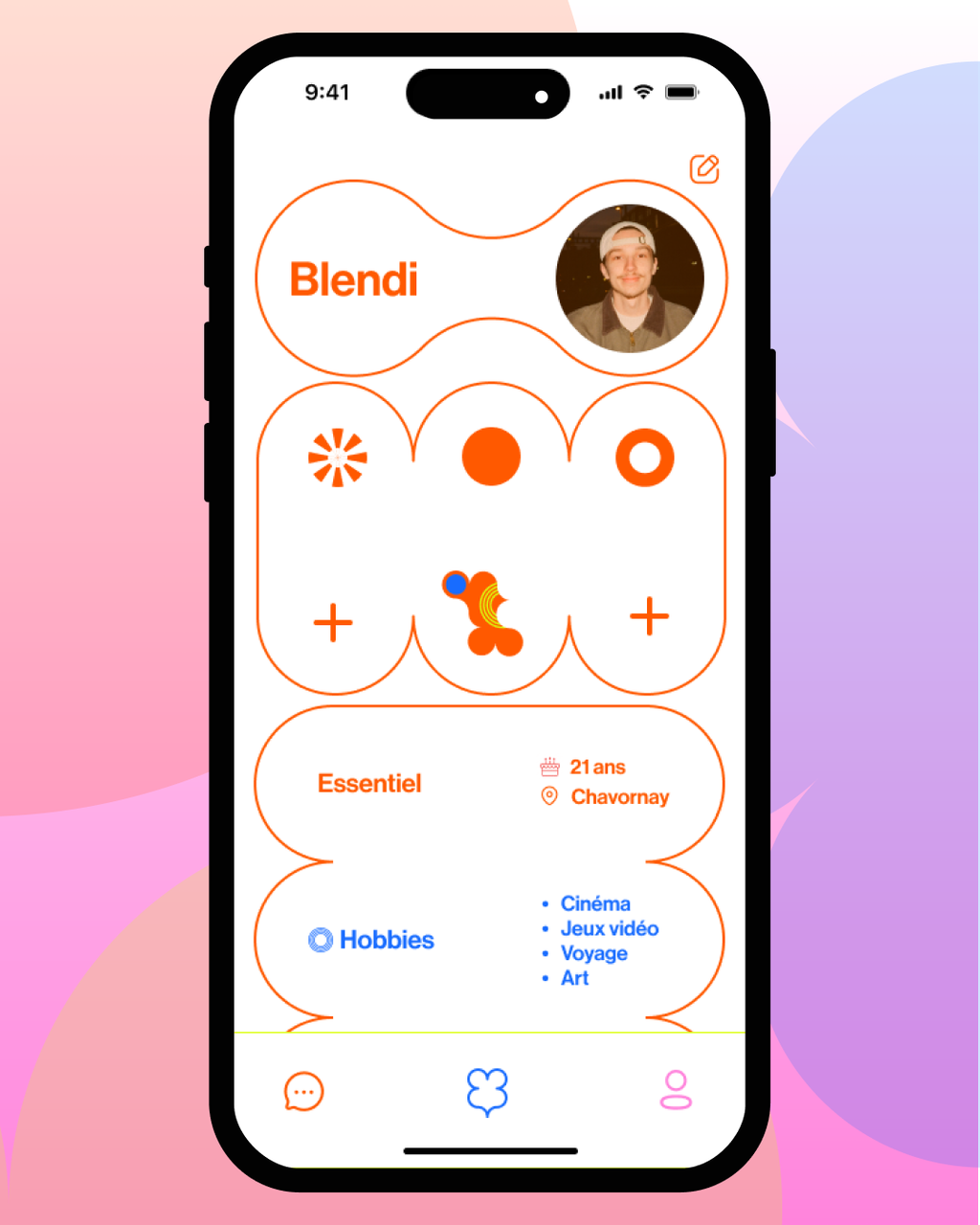
PUZZ


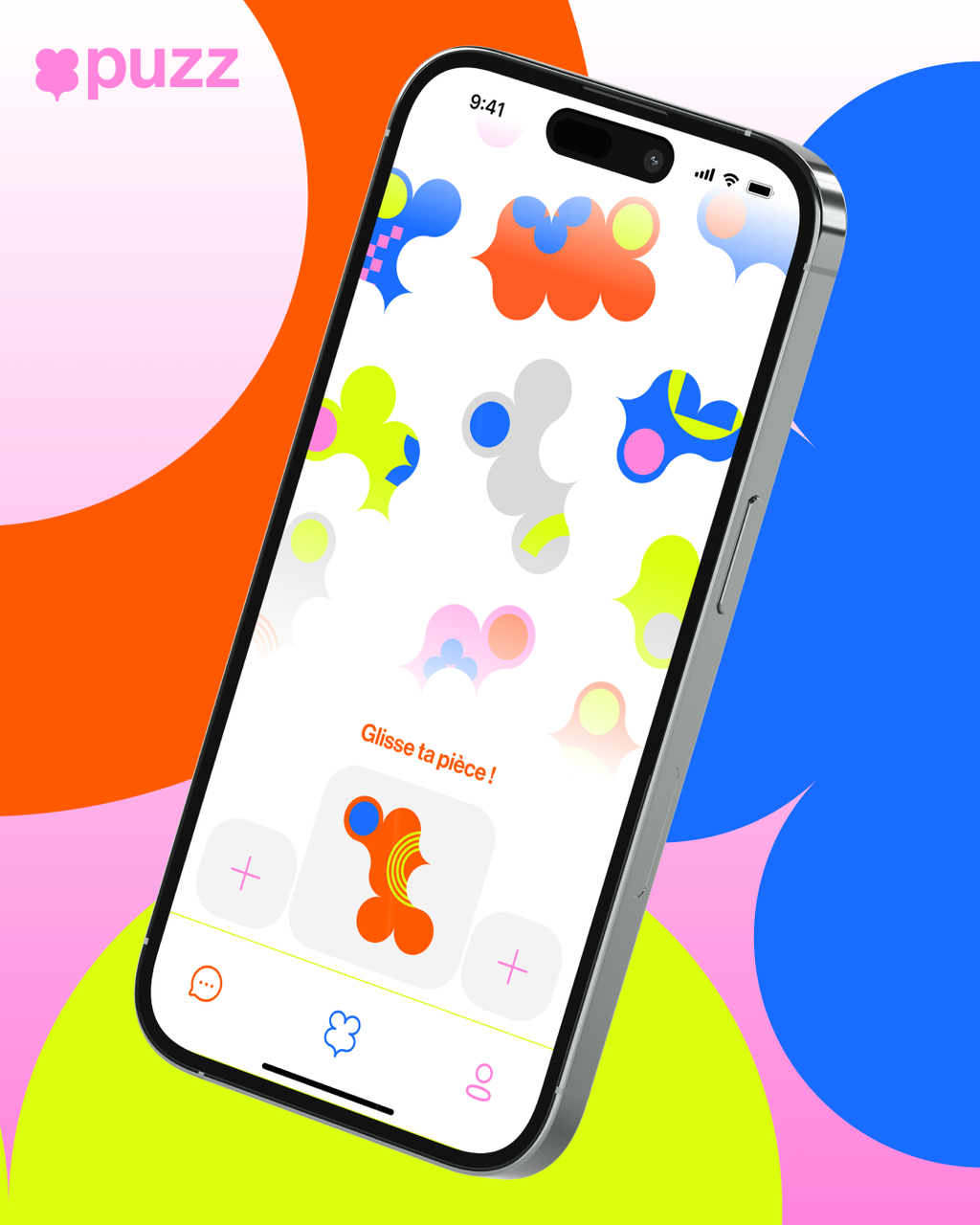
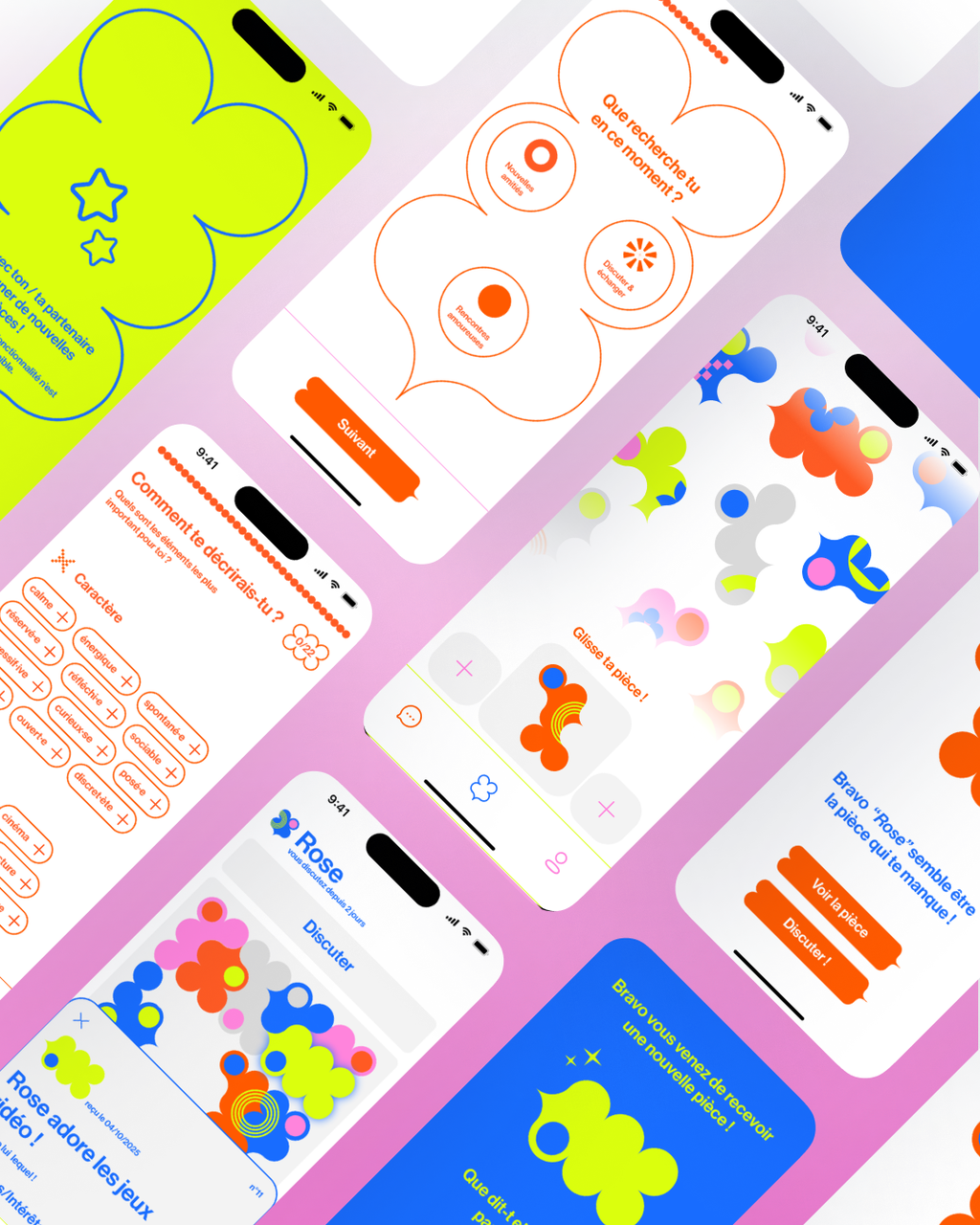
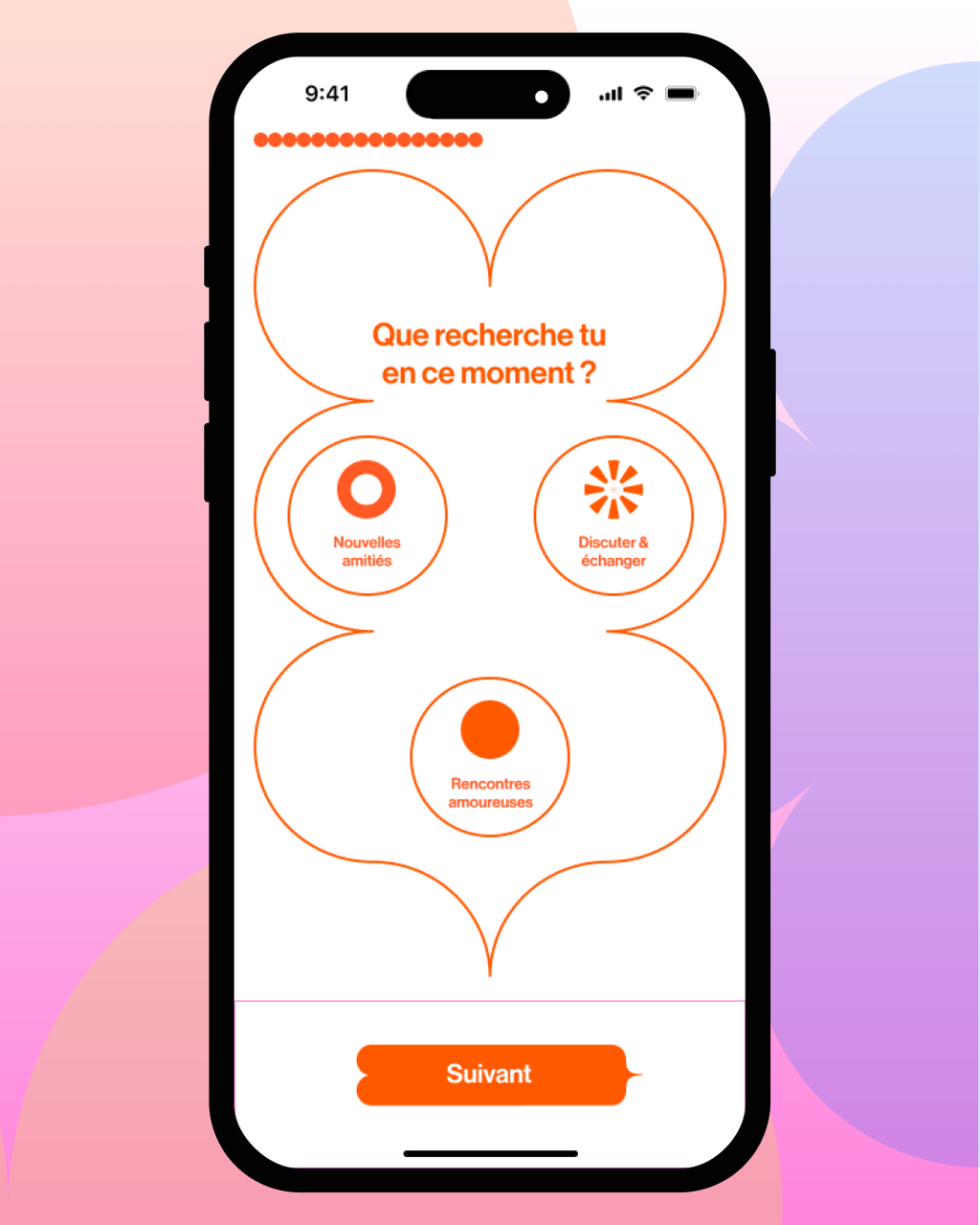
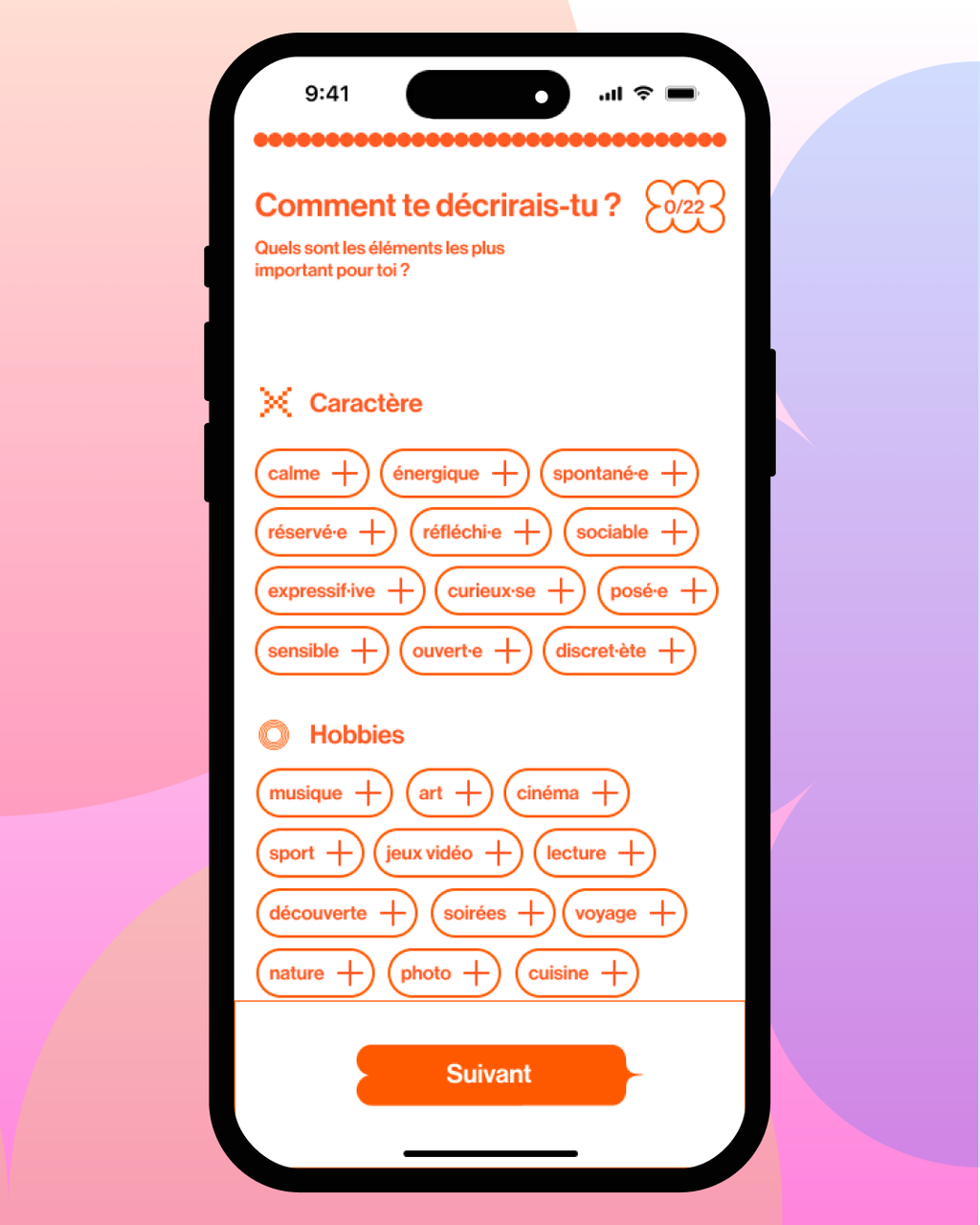
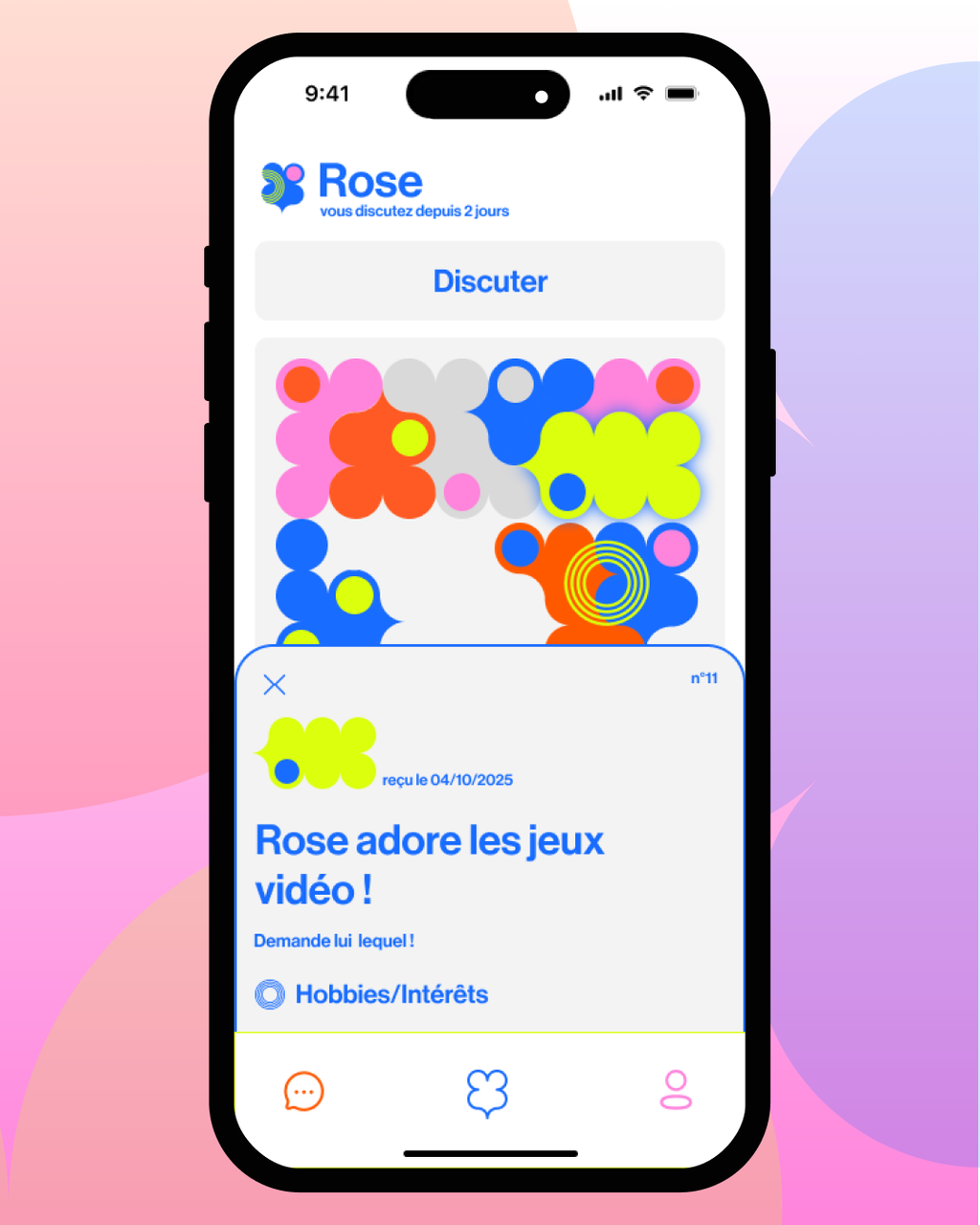
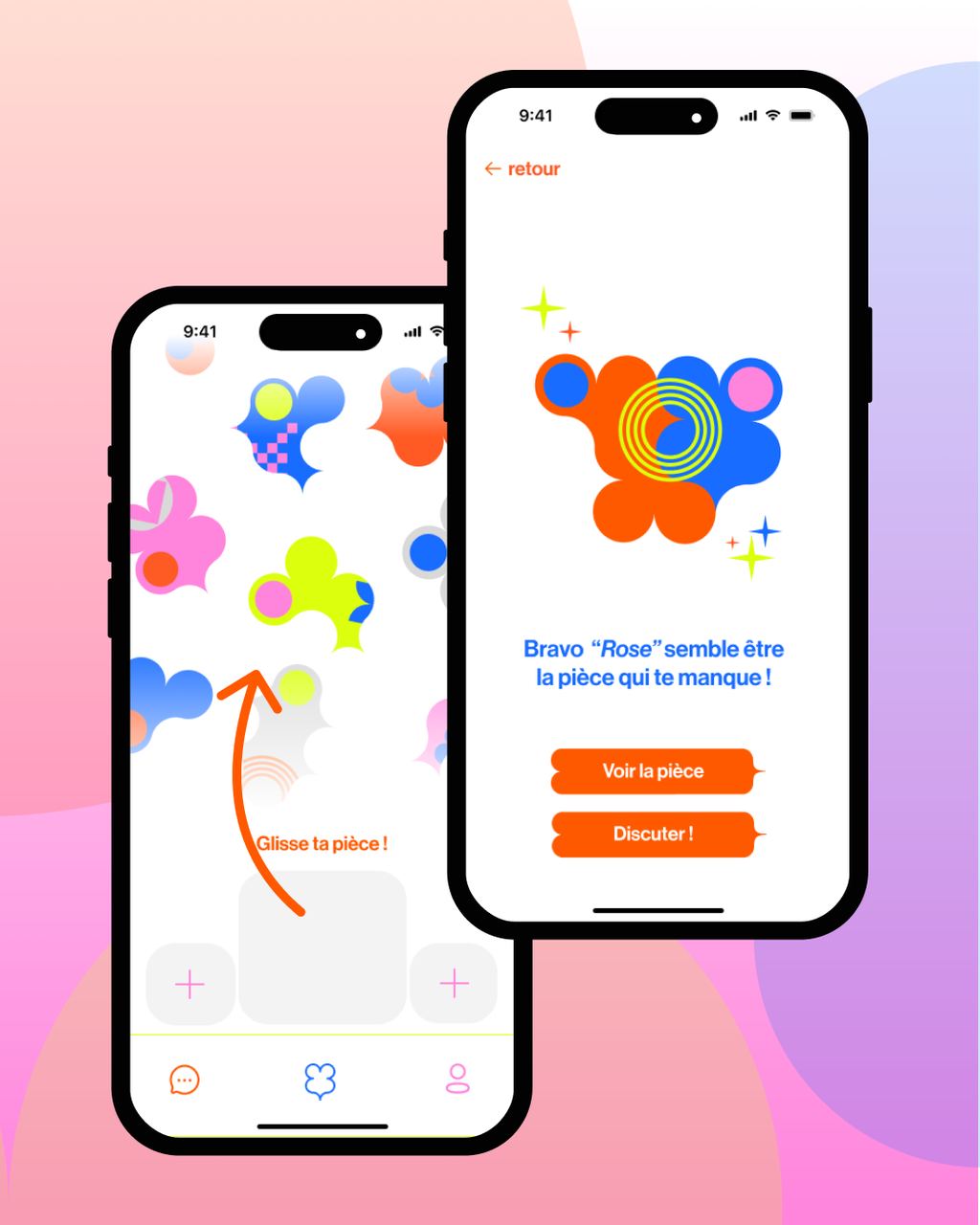
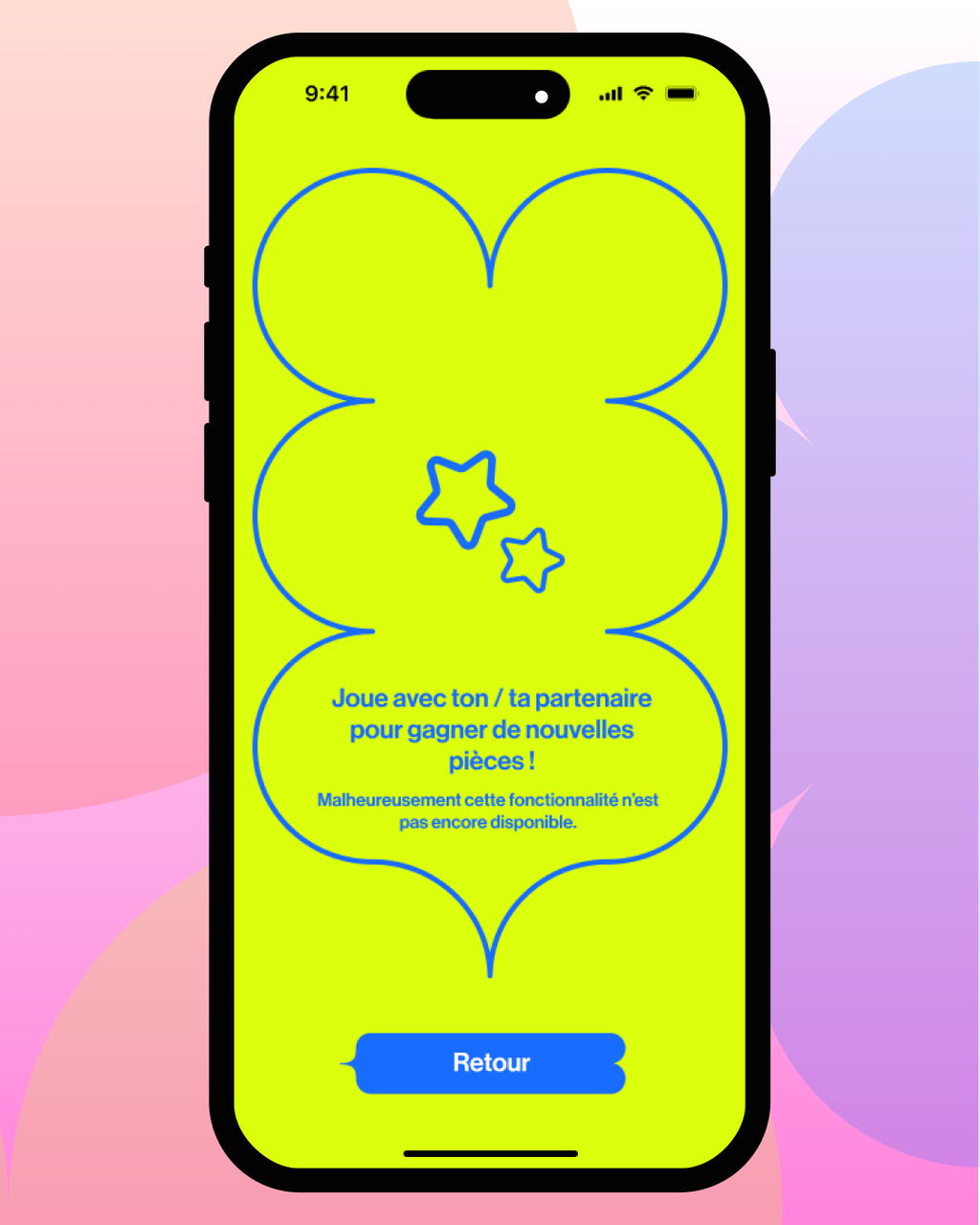
PUZZ is a dating app like no other. Here, users do not present themselves directly through images, but in the form of unique puzzle pieces. Each piece is built based on what the person is looking for (love, friendship, or group exchanges), as well as on answers to questions about their personality and preferences. By chatting and interacting, two users begin to form a shared puzzle, which gradually comes together and allows them to discover the person they are talking to, piece by piece.


Par Blendi Mazreku

1/8


1/6

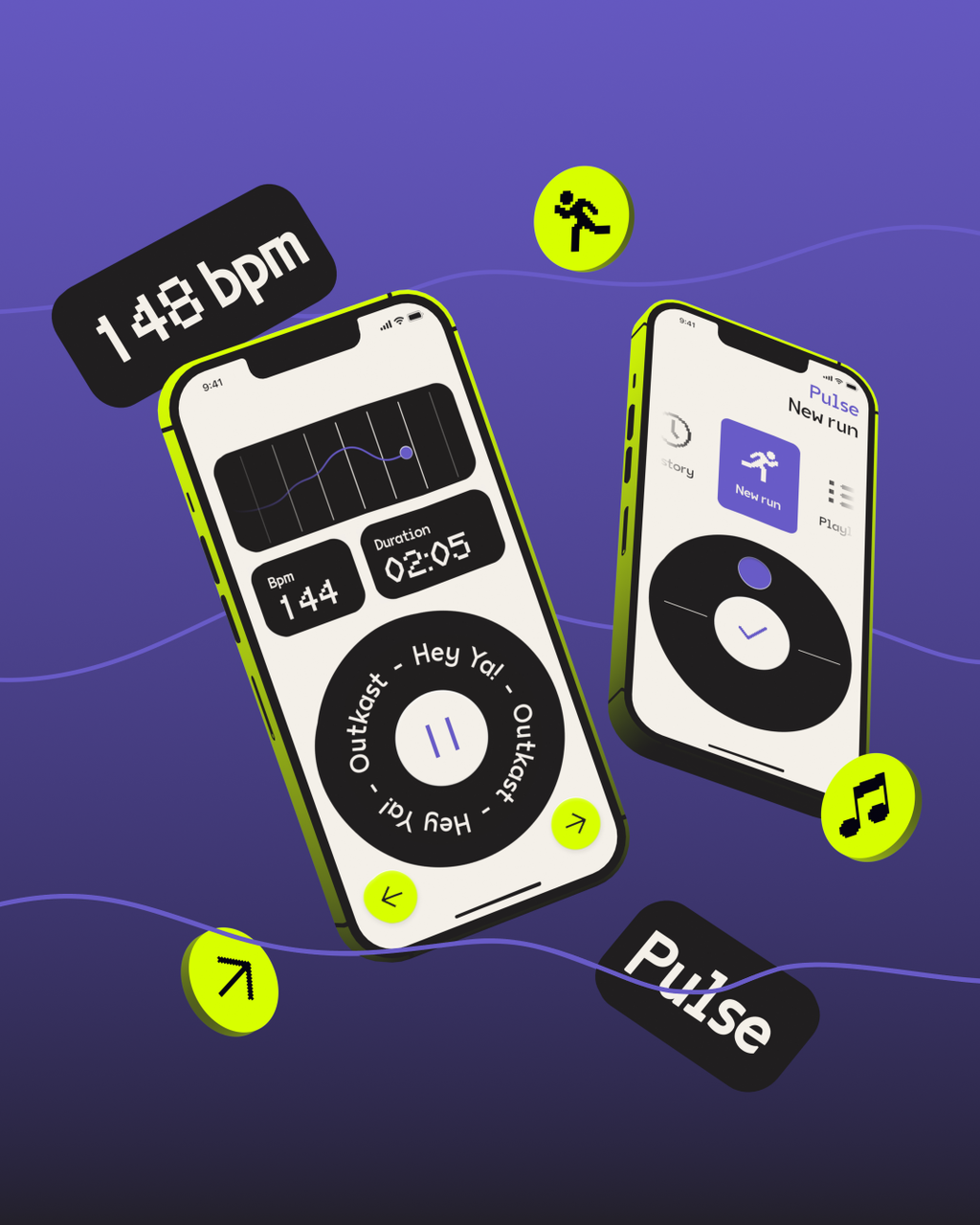
PULSE

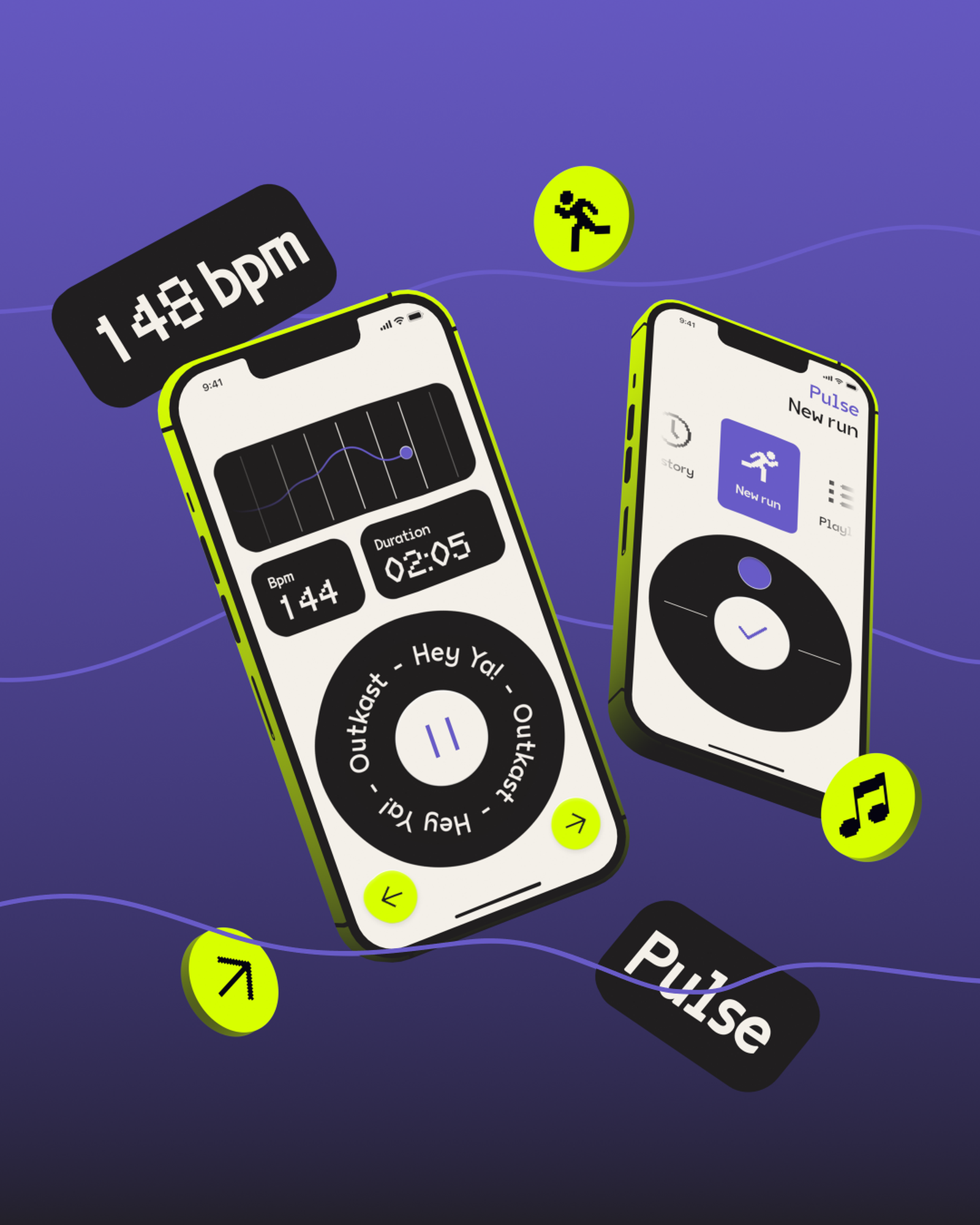
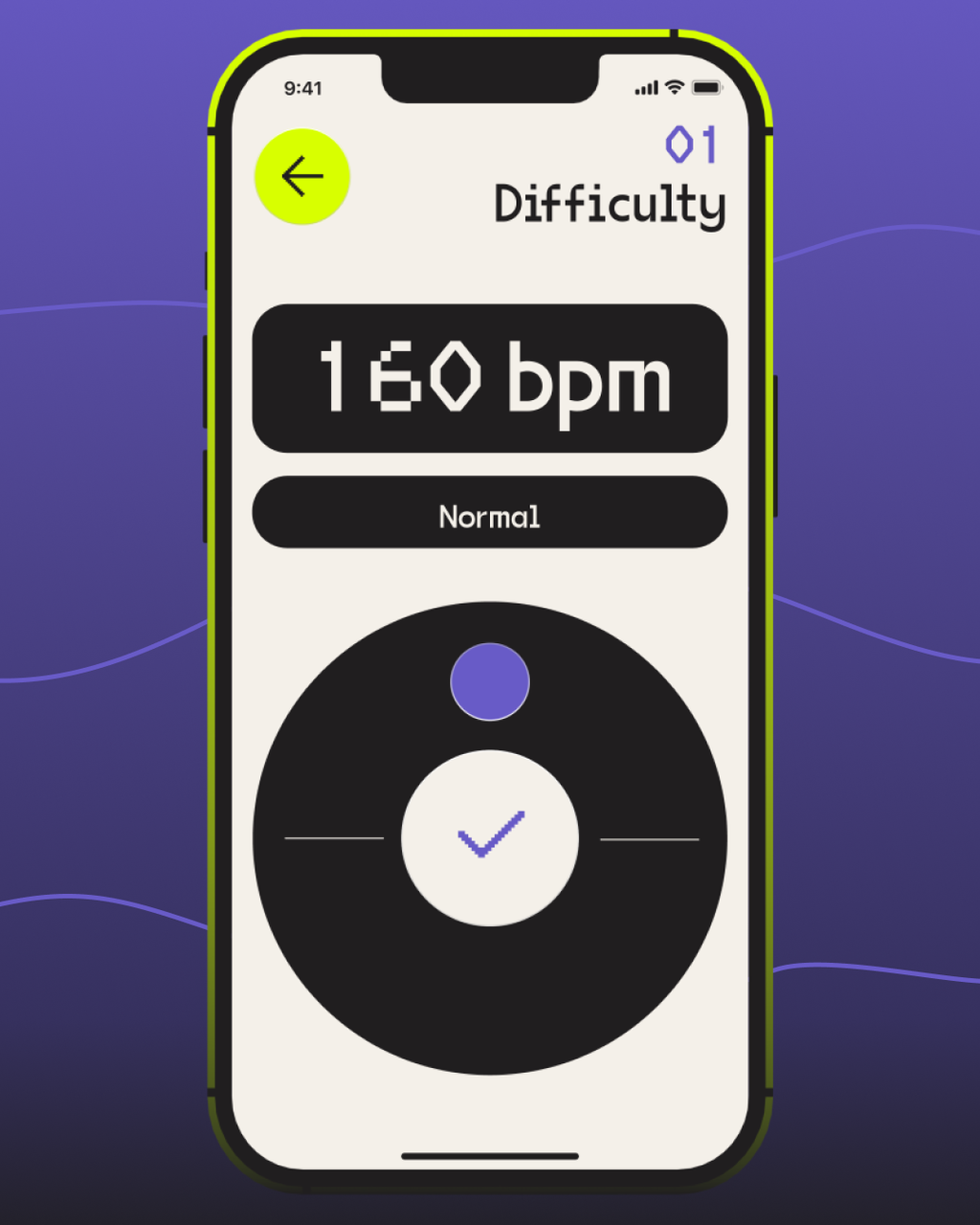
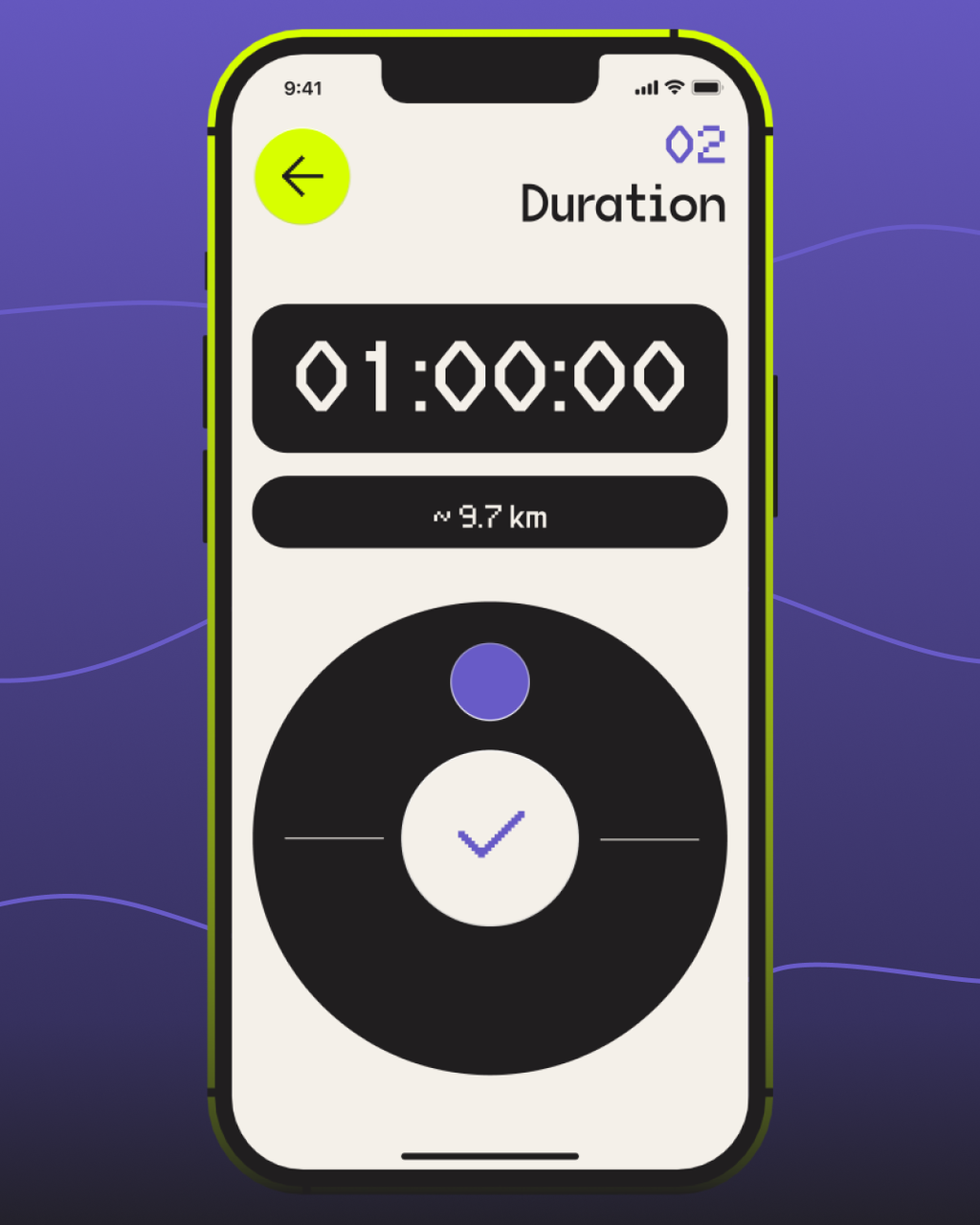
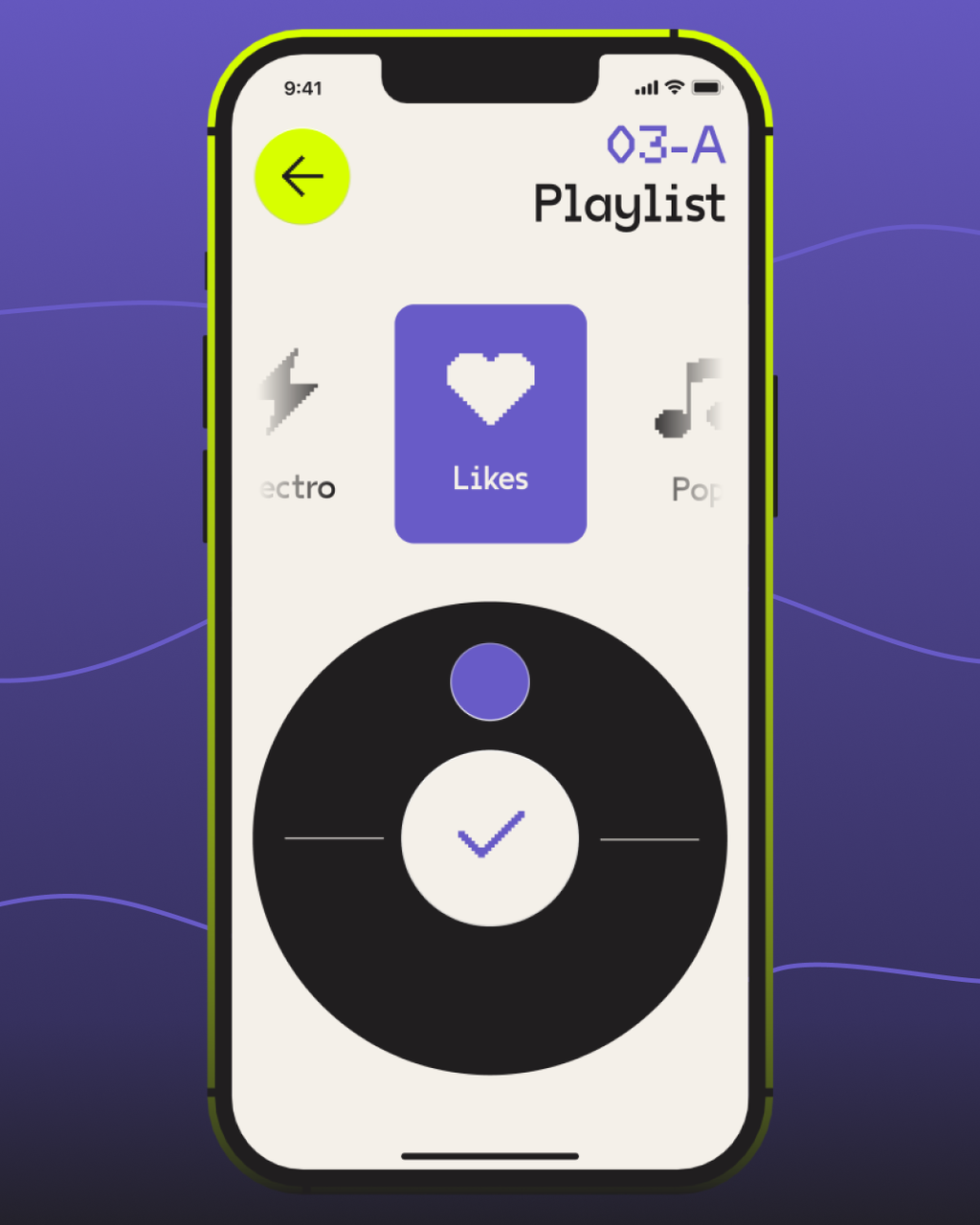
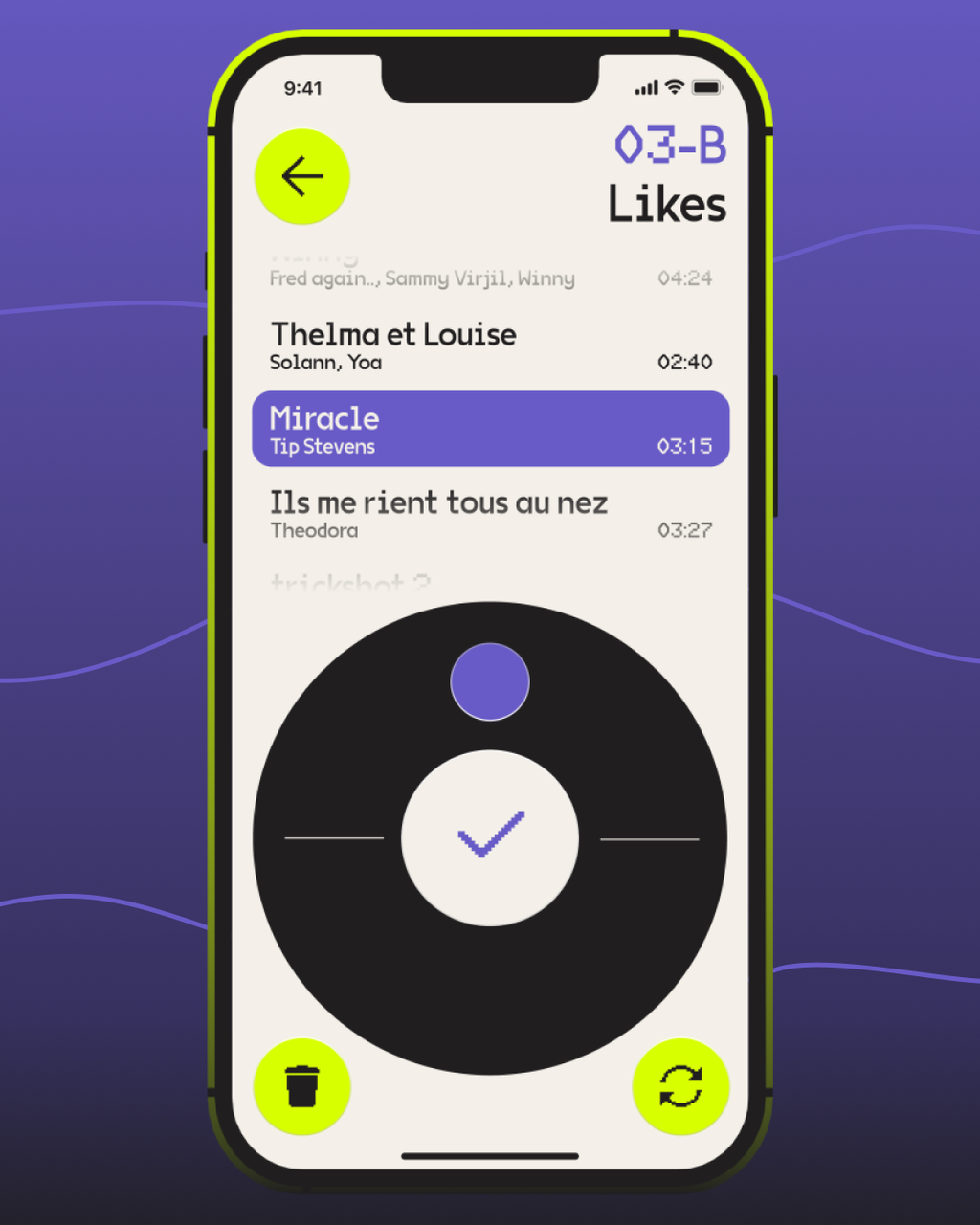
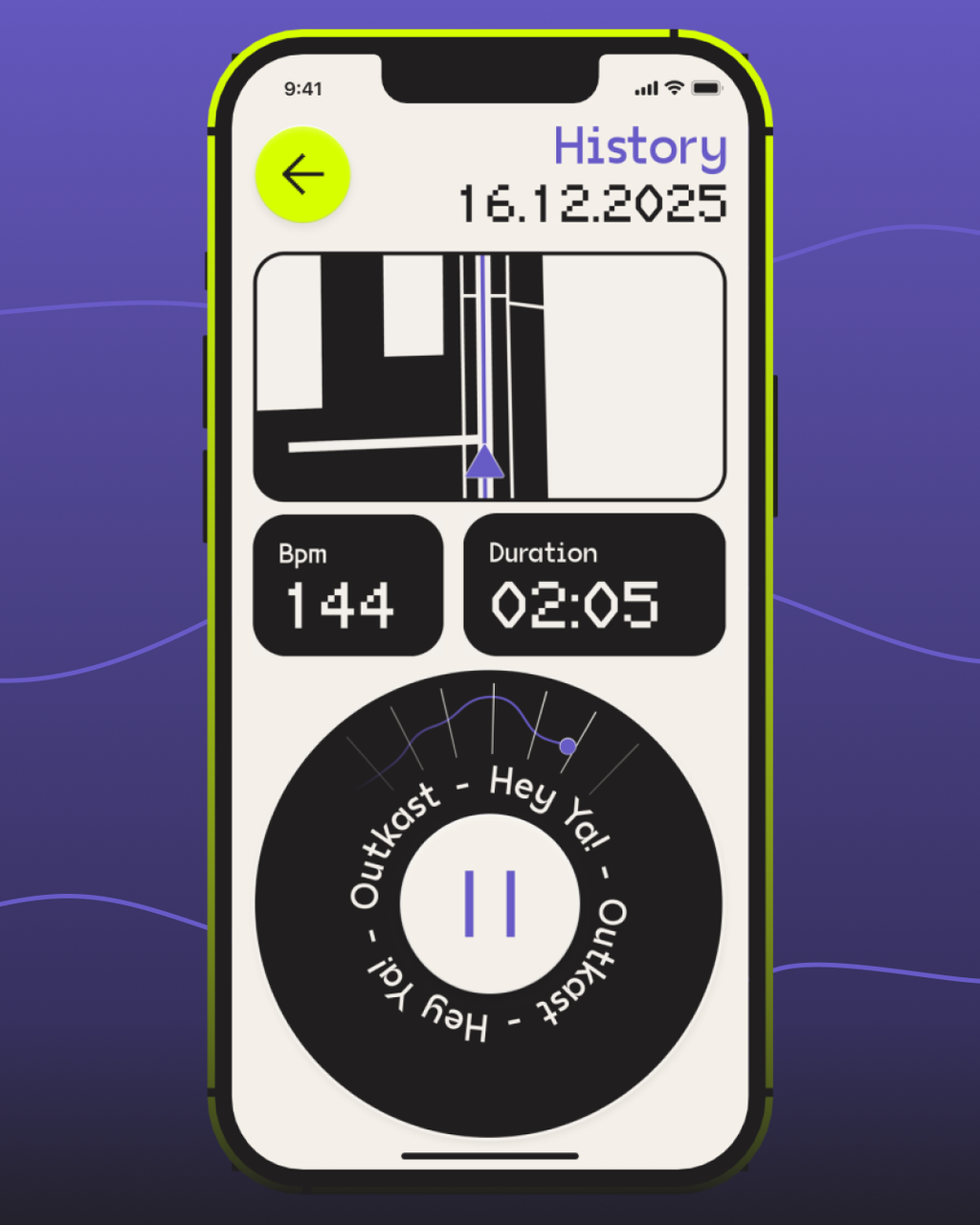
Pulse is a running app designed to help runners maintain a consistent pace by synchronizing their movement with music. The app encourages runners to match their stride to the tempo (BPM) of the music they choose; if the runner’s pace becomes too fast or too slow, the music automatically speeds up or slows down, creating a noticeable discomfort. To restore the music to its normal playback, the runner must return to the correct tempo.


Par Matthieu Noël

Projects related to Web

Valère Zen-Ruffinen – Memoria

BA MEDIA & INTERACTION DESIGN

Valère Zen-Ruffinen – Memoria

with Pauline Saglio, Christophe Guignard, Alain Bellet, Gaël Hugo, Laura Nieder, Lara Défayes

“All those moments will be lost in time, like tears in rain.” - Roy Batty, Blade Runner (1982). Many of the moments we share with our loved ones fade from memory when nothing brings them back to life. Little by little, they disappear. Memoria is a photo album application that explores the fragility of memory, and how we maintain — or allow to fade — our connections through it. Through a process of gradual disappearance, the people in our photos slowly fade if no new memories shared with them are added. To keep their faces visible, users are invited to regularly enrich their album with new shared moments.

Baptiste Godart – L'anarchisme n'est pas une invention des Sex Pistols.

BA MEDIA & INTERACTION DESIGN

Baptiste Godart – L'anarchisme n'est pas une invention des Sex Pistols.

with Christophe Guignard, Pauline Saglio, Alain Bellet, Lara Défayes, Laura Nieder, Gaël Hugo

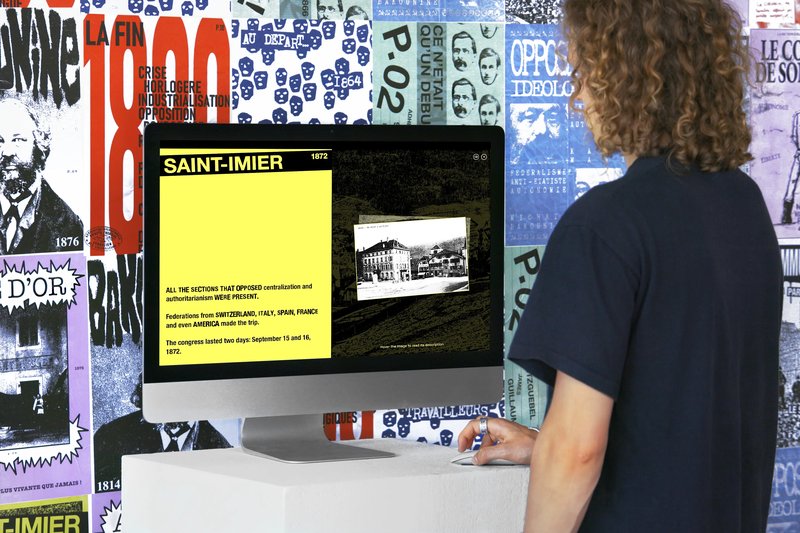
The first international anarchist organization appeared in 1871—not in London, but in the Jura Mountains of Switzerland. Who would have thought? If you think anarchism is all about chaos, crust punks, or masked rioters, this web documentary will shatter those stereotypes. You’ll discover how the Jura watchmakers organized to unite their peers across borders and confront the domination of the bourgeois, capitalist class. The Jura Federation is a key chapter in the history of anarchism. The art direction combines the fanzine aesthetic of the late 20th century with a modern interface design. Visual work is a major part of the documentary, with most of the imagery being original creations.

Elena Biasi – Magnetic Fragments

BA MEDIA & INTERACTION DESIGN

Elena Biasi – Magnetic Fragments

with Pauline Saglio, Christophe Guignard, Laura Nieder, Alain Bellet, Gaël Hugo, Lara Défayes

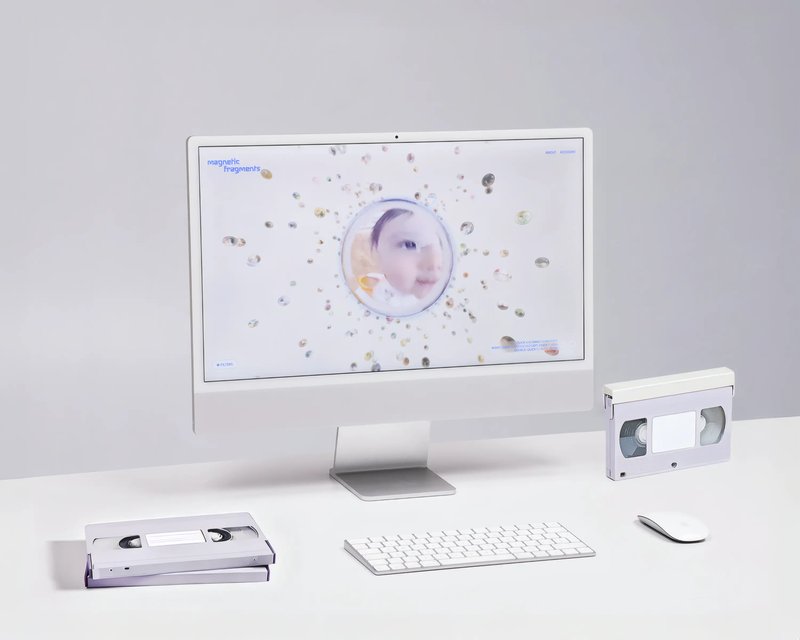
Before the rise of digital technology and social networks, everyday moments were captured on analog media and watched with family in one uninterrupted flow. These long VHS tapes, composed of successive sequences, gradually disappeared, victims of their obsolescence. Magnetic Fragments offers a way to rediscover these forgotten memories through a three-dimensional web interface, where each bubble represents a memory to explore and comment on. Designed for a private circle, the collaborative platform allows free navigation, revisiting each memory fragments in a dynamic way and breaking with the monotonous structure of past viewings. Magnetic Fragments thus becomes a space for intergenerational transmission, where the past is shared in the present.
Livia Schmid – Trail Sync

BA MEDIA & INTERACTION DESIGN

Livia Schmid – Trail Sync

with Pauline Saglio, Christophe Guignard, Alain Bellet, Laura Nieder, Gaël Hugo, Lara Défayes

In remote alpine regions, access to reliable information — such as trail conditions or weather alerts — becomes difficult in the absence of network coverage. Trail Sync addresses this challenge through a participatory and decentralized approach: local information boxes, integrated into hiking infrastructure, are passively updated by hikers using an offline mobile application. Each person passing near a box synchronizes contextual data, leaving a digital trace that benefits those who follow. Reinforcing existing signage without increasing technological dependency, the system is rooted in the mountain values of collective responsibility and solidarity.

Emilie Maier – Moji

BA MEDIA & INTERACTION DESIGN

Emilie Maier – Moji

with Pauline Saglio, Christophe Guignard, Alain Bellet, Gaël Hugo, Laura Nieder, Lara Défayes

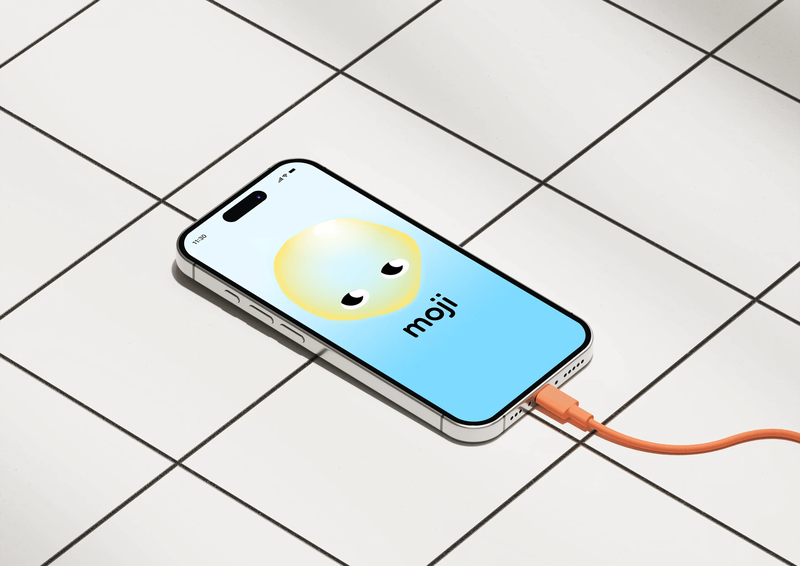
A simple password can be cracked in a matter of seconds. Many people reuse the same password for years, or entrust all their passwords to specialized software, counting on not having to remember them themselves. Moji offers a playful and accessible alternative for strengthening our digital security, without the complexity. Designed for people who are less at ease with these issues, the application accompanies the user step by step, guided by Moji — a little character who simplifies the creation of passwords and makes their memorization more intuitive. The whole experience is designed to be fluid and non-anxious, transforming an often tedious task into a simple, guided and reassuring moment.

Related courses