Pixel Perfect – 2025

Pixel Perfect – 2025

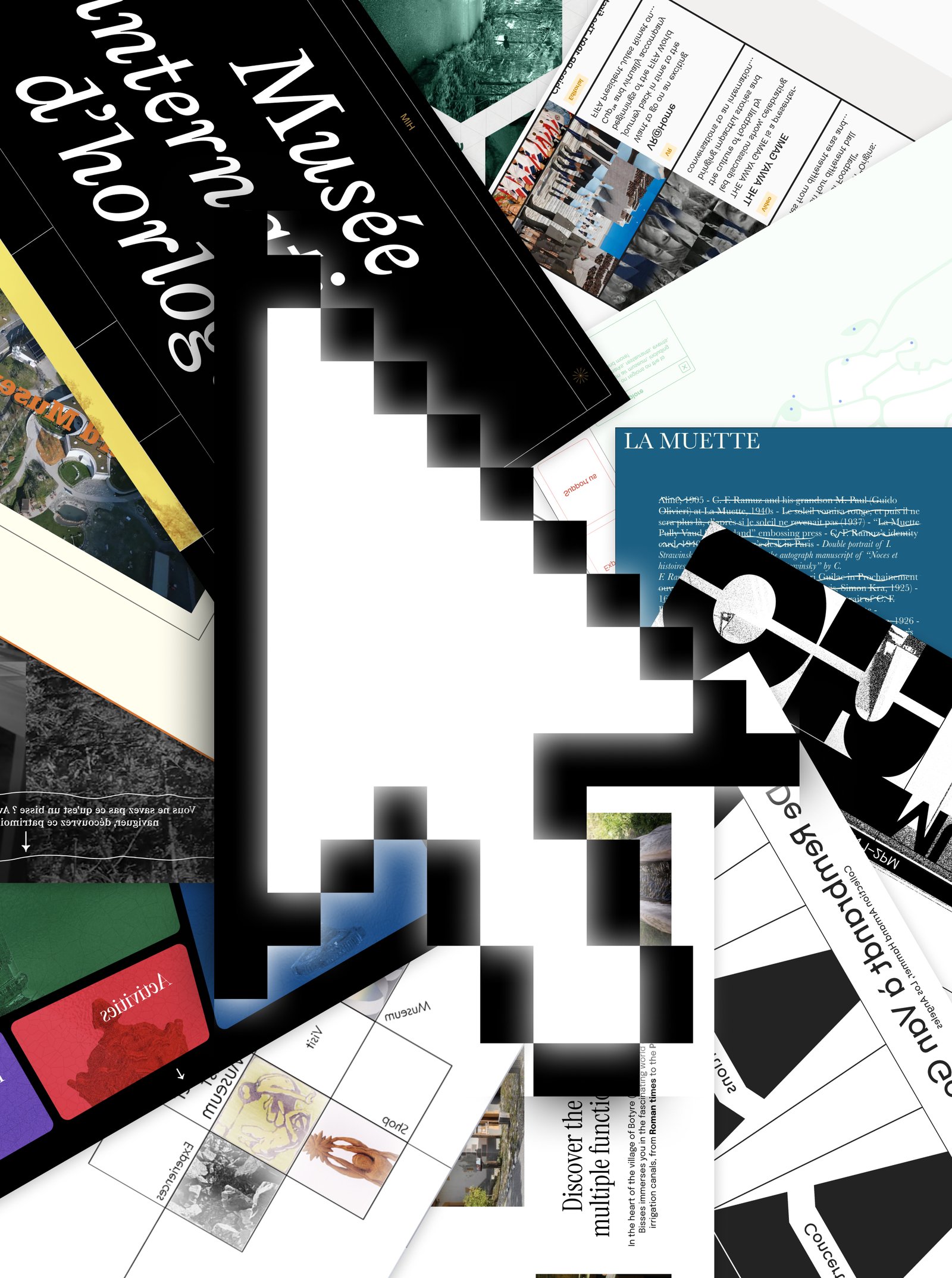
Pixel Perfect is the semester project of the Interface Design orientation module, semester I. It invites students to put into practice the methods and principles introduced in the Macro UI and Screen Grammar courses, exploring how graphic systems structure the digital user experience.

Based on the analysis of an existing website, the project encourages a critical and creative reinterpretation of its visual identity and hierarchy. The challenge is to design a contemporary, coherent and expressive interface capable of renewing the original design system while respecting its uses, content and functional constraints, as well as its key principles: consistency, modularity, and the scalability of graphic and interactive components.


Studio project (2026) with Romain Collaud, Frederik Mahler-Andersen, Lara Défayes

Assistants
Martial Grin
Students
Delphine Brantschen, Seoyun Choi, Marc Facchinetti, Sina Fathollahi, Gwenaëlle Gustin, Emilie Müller, Thomas Neyroud, Shin Young Park, Rishab Sachidanand, Youri Zermatten, Amna Ahmad, Cindy Murier
Know-how
UX/UI

Bündner KunstMuseum


The project presents a website for an art museum located in Chur, in the canton of Grisons. The platform showcases both the permanent and temporary collections, as well as the museum’s book catalogue. It also includes information about events and practical details for planning a visit.

The visual concept is directly inspired by the museum’s architecture: a cube. I developed a minimalist, typography-driven design language based on geometric axes, reflecting the architecture of the building. 

By Emilie Müller

1/3


FIFA MUSEUM

This project presents a redesigned concept for the FIFA Museum website. The original website offers a wide range of programs, events, and online content, but lacks a distinct football character, presents visit-related information in a fragmented way, and makes valuable digital content difficult to discover.

The key visual is inspired by scanimation, expressing the museum’s vision of “United by the Movement,” while the grid system is inspired by pitch lines. A more visible navigation structure aims to improve discoverability, and adaptive visuals with contextual annotations help surface programs and stories more personally. This makes the museum’s heritage engaging and accessible for both visit planning and online exploration.

By Shinyoung Park


Fondation Pierre Gianadda

This website focuses on the navigation experience. Elements of the fondation's building are used throughout for this matter, with the main entrances symbolising the different parts of the website. Thematic colours are used to help keep track of where one is in the website, and are used as highlights for the interactive elements. Overall, the redesign aims to offer a simple experience, so that visitors can focus on the exceptional content of the fondation's diverse proposals. 
 

By Thomas Neyroud


Seoyun_Choi_mockup_1.png

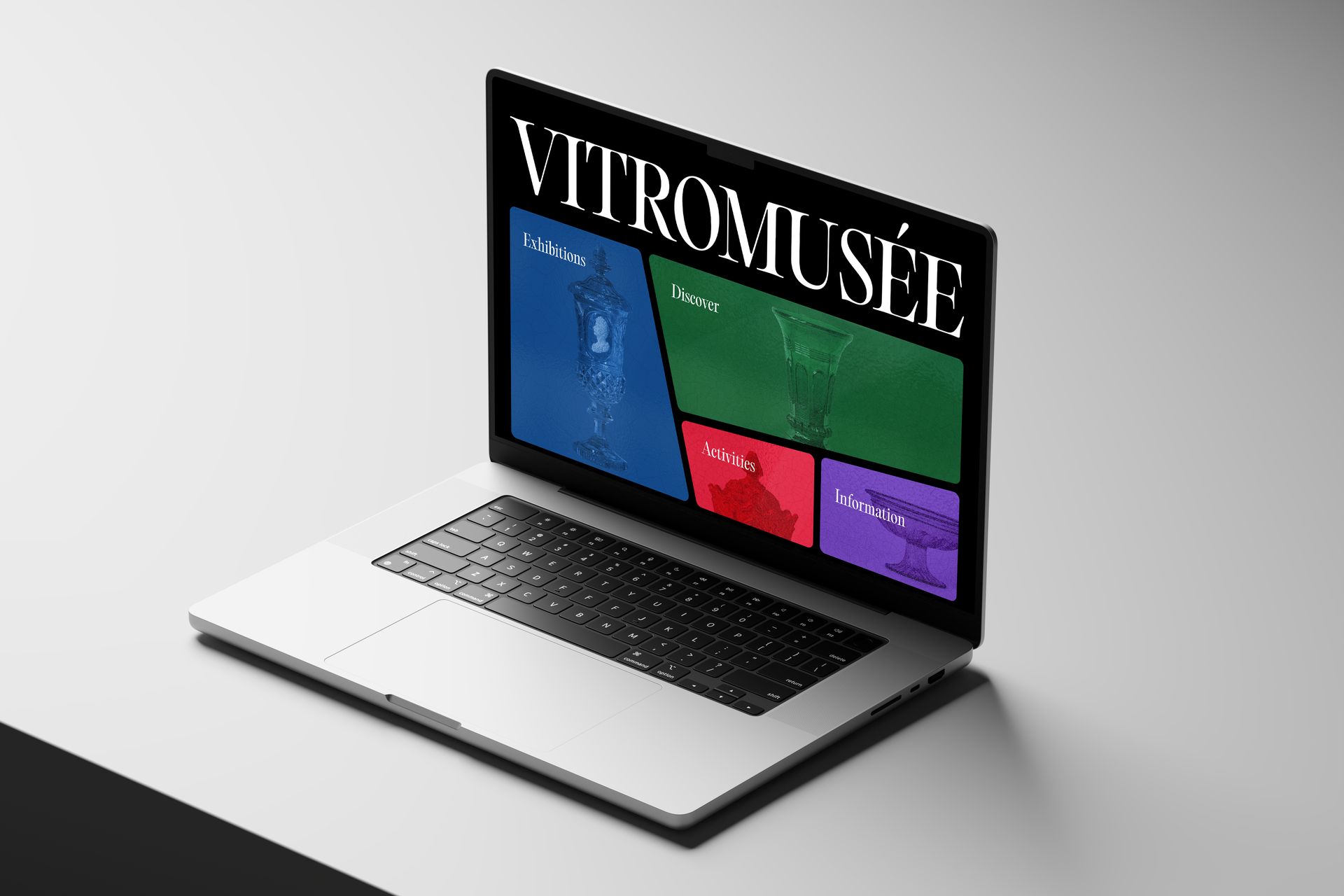
Vitromuseum

The museum focuses on stained glass and glass art, I wanted the interface to reflect that theme in a simple way. I brought this idea into the website through geometric shapes inspired by stained-glass panels, vivid section colours based on real glass pigments, and subtle glass-like textures used in hover states. Each colour represents a different part of the website, helping users understand where they are, just like individual pieces of stained glass form one unified artwork. I also applied consistent angles and corner radius to keep the shapes cohesive and used tighter margins so the pieces feel connected, echoing how stained-glass elements sit closely together. These decisions make the visual identity stronger while still keeping the navigation clear and easy to use.

By Seoyun Choi


1VALLON_repro3DVetical_Gradient.png

Vallon MUSEUM

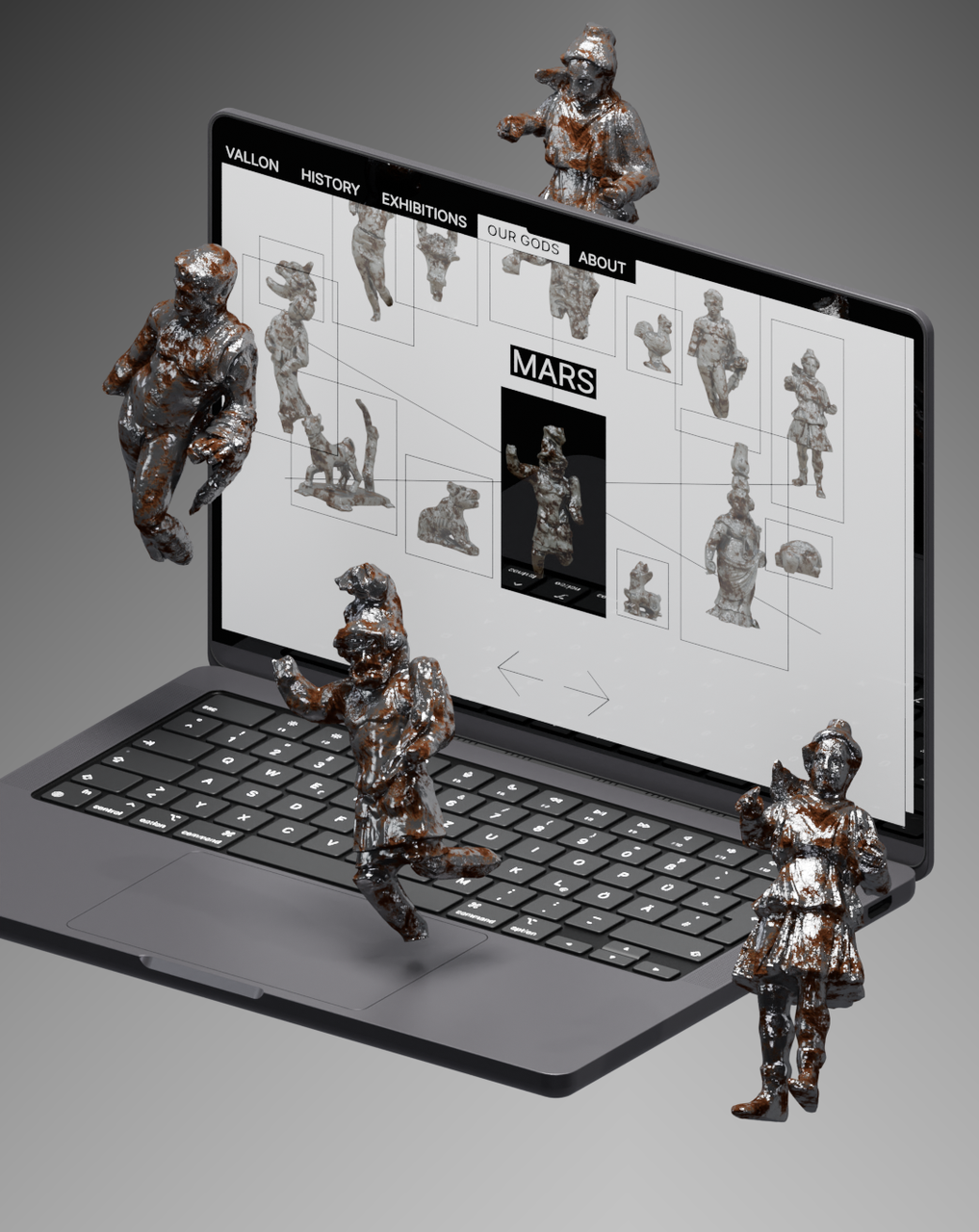
Inspired by the museum’s L-shape and the idea of archaeological excavation, the design of this website invites users to explore by revealing and hiding layers of content. The L becomes a tool for navigation and a frame that guides the eye and uncovers hidden fragments step by step and shows hoe museum’s identity is rooted in its form and historical foundation.

Like digging through history, the experience is built on curiosity and gradual discovery, turning the website into a place where what’s buried slowly comes to light.

This project is a metaphor for digital excavation ad invites users to uncover hidden stories layer by layer.

By Delphine Brantschen


BallenBERG


Ballenberg’s website aims to help visitors explore the museum’s offerings and structure their visit. However, the museum being large with various exhibits and events, the website became extremely complex. With the re-design, north star for was to craft the experience to facilitate visitors to easily plan their visit to then intuitively move into the purchase phase.

Structurally, the re-design has two ways of representing content. A map view and another that aligns with a traditional website. Content on the map is categorised by clubbing multiple attractions into the themes of Ballenberg. Both sections are connected so that visitors can delve into the experiences section at any moment if required.

Importantly, the website allows visitors to create a personalized plan of their visit to the open air museum. This helps them easy visualize their visit and systematically plan it as to liking. 


By Rishab Sachidanand


La Muette


This project presents a redesign of La Muette, the website of the museum dedicated to the Swiss writer C. F. Ramuz. The objective was to establish a more coherent balance between the two main sections of the platform, namely the museum space and the archival resources. The redesign aims to improve overall navigation fluidity and to rethink how users explore the archives.
 

By Cindy Murier

Projects related to UX/UI

COUNTDOWN – 2025

BA MEDIA & INTERACTION DESIGN

COUNTDOWN – 2025

with Mario Von Rickenbach

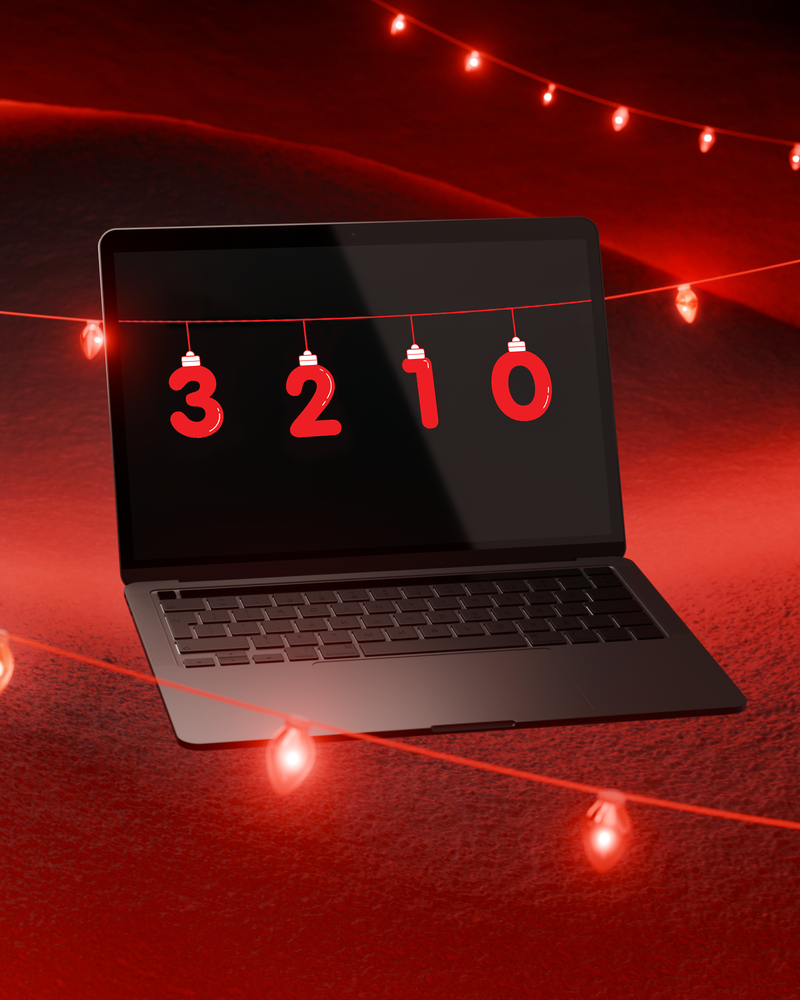
The students worked on an interactive countdown in a web environment. Each day, they were tasked with creating a new sketch, culminating in their own collection, which could also be combined with projects from the entire class.

Reality Check – 2025

MA DIGITAL EXPERIENCE DESIGN

Reality Check – 2025

with Emily Groves, Margherita Motta

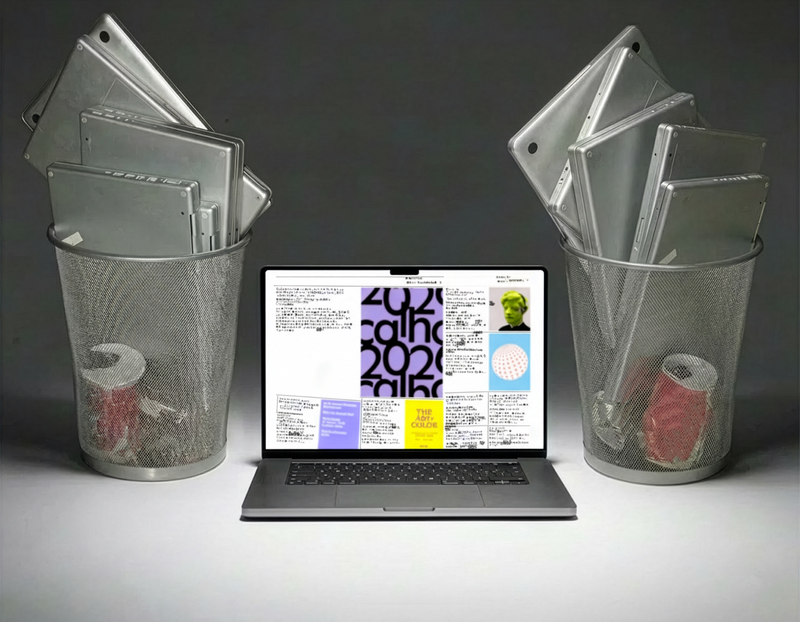
Reality Check is a hands-on course that applies the theoretical foundations of the Human Lens module through real-world qualitative research and transforming insights into concrete design proposals. Students reimagined the human experience of digital services. Engaging with real people through interviews, diary studies and other research methods, they defined and prototyped new directions for existing services that bring meaningful experience to the fore.

Livia Schmid – Trail Sync

BA MEDIA & INTERACTION DESIGN

Livia Schmid – Trail Sync

with Pauline Saglio, Christophe Guignard, Alain Bellet, Laura Nieder, Gaël Hugo, Lara Défayes

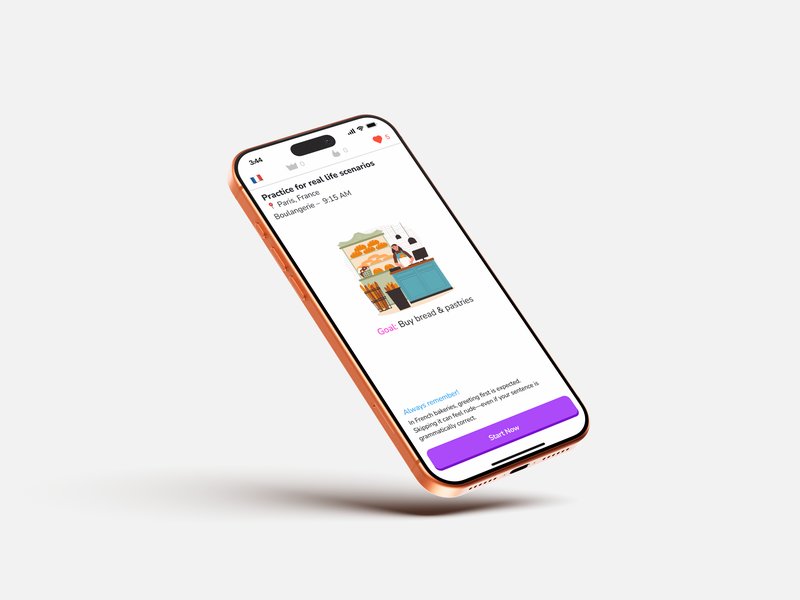
In remote alpine regions, access to reliable information — such as trail conditions or weather alerts — becomes difficult in the absence of network coverage. Trail Sync addresses this challenge through a participatory and decentralized approach: local information boxes, integrated into hiking infrastructure, are passively updated by hikers using an offline mobile application. Each person passing near a box synchronizes contextual data, leaving a digital trace that benefits those who follow. Reinforcing existing signage without increasing technological dependency, the system is rooted in the mountain values of collective responsibility and solidarity.

Beyond The Screen – 2025

BA MEDIA & INTERACTION DESIGN

Beyond The Screen – 2025

with Angelo Benedetto

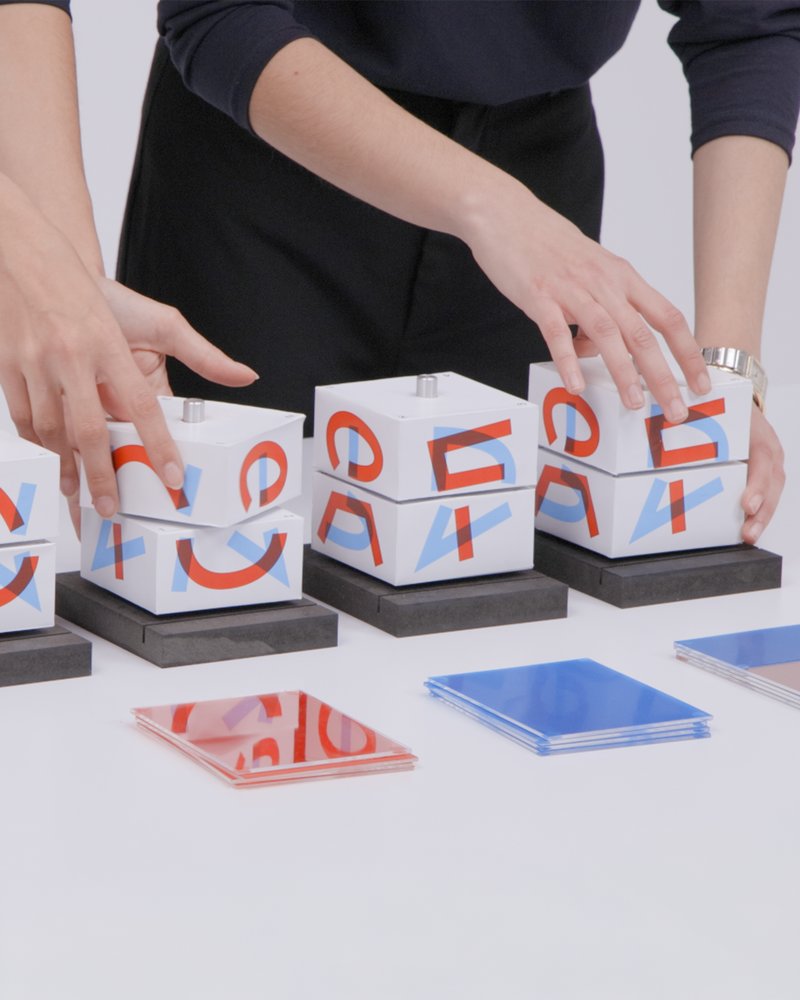
Beyond the screen - is a series of interactive machines developed by students in their first year of Bachelor Media & Interaction Design. These systems are inspired by the relationship between instructions and execution within a computer system. These machines create text through a modular typographic system.

Baptiste Godart – L'anarchisme n'est pas une invention des Sex Pistols.

BA MEDIA & INTERACTION DESIGN

Baptiste Godart – L'anarchisme n'est pas une invention des Sex Pistols.

with Christophe Guignard, Pauline Saglio, Alain Bellet, Lara Défayes, Laura Nieder, Gaël Hugo

The first international anarchist organization appeared in 1871—not in London, but in the Jura Mountains of Switzerland. Who would have thought? If you think anarchism is all about chaos, crust punks, or masked rioters, this web documentary will shatter those stereotypes. You’ll discover how the Jura watchmakers organized to unite their peers across borders and confront the domination of the bourgeois, capitalist class. The Jura Federation is a key chapter in the history of anarchism. The art direction combines the fanzine aesthetic of the late 20th century with a modern interface design. Visual work is a major part of the documentary, with most of the imagery being original creations.

Related courses