Hybrid Modules

Diego Steiner – Hybrid Modules

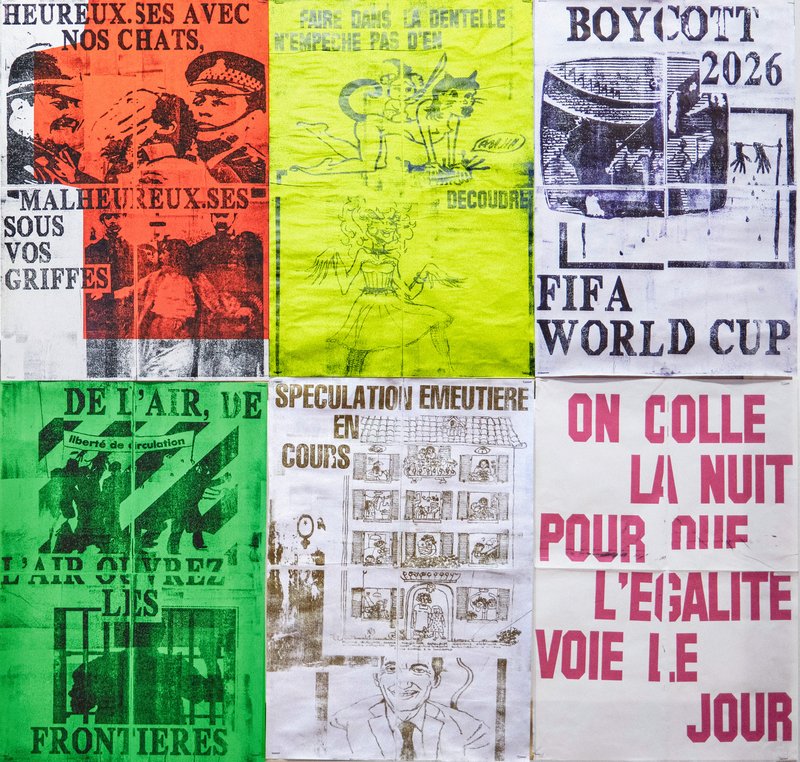
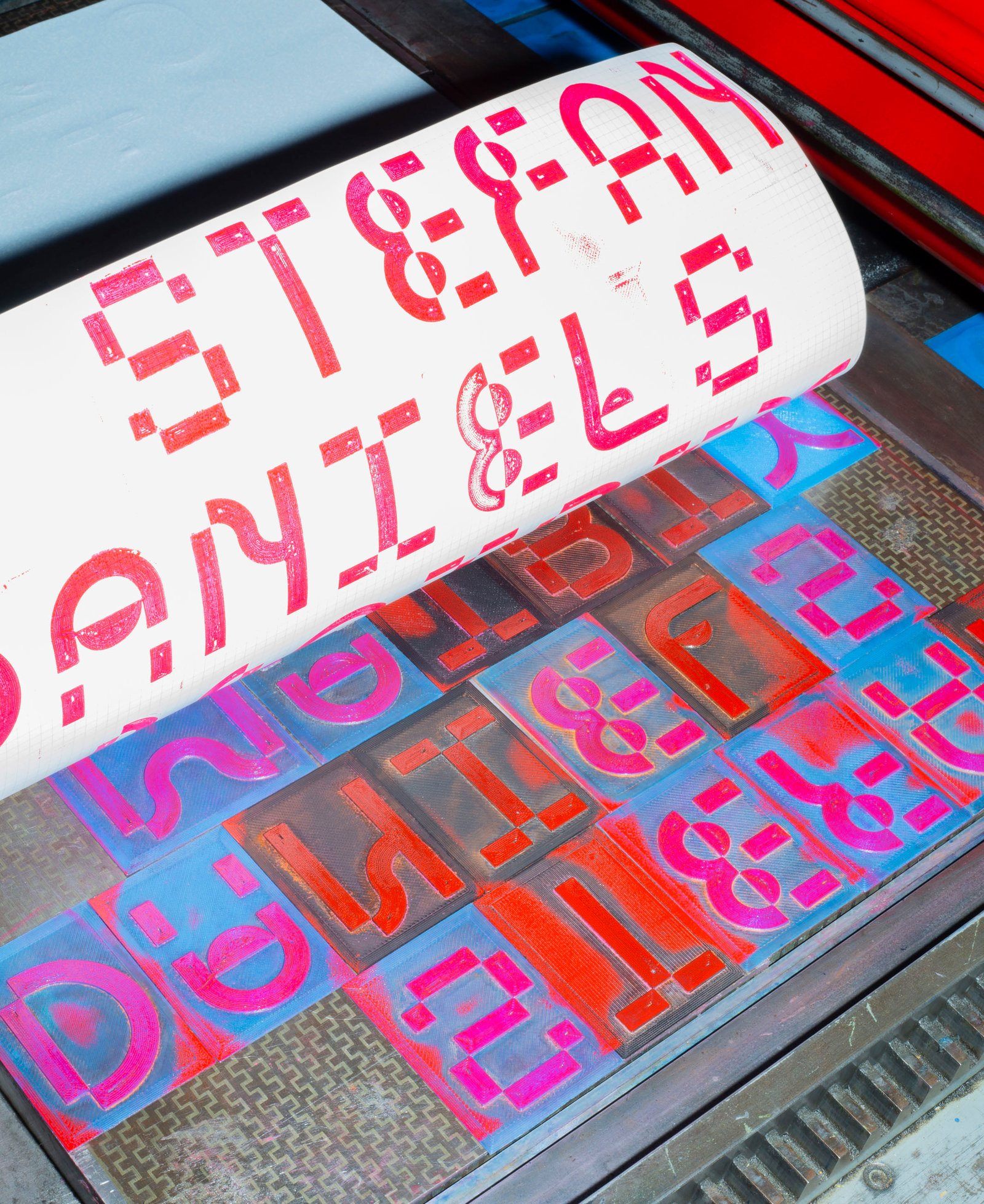
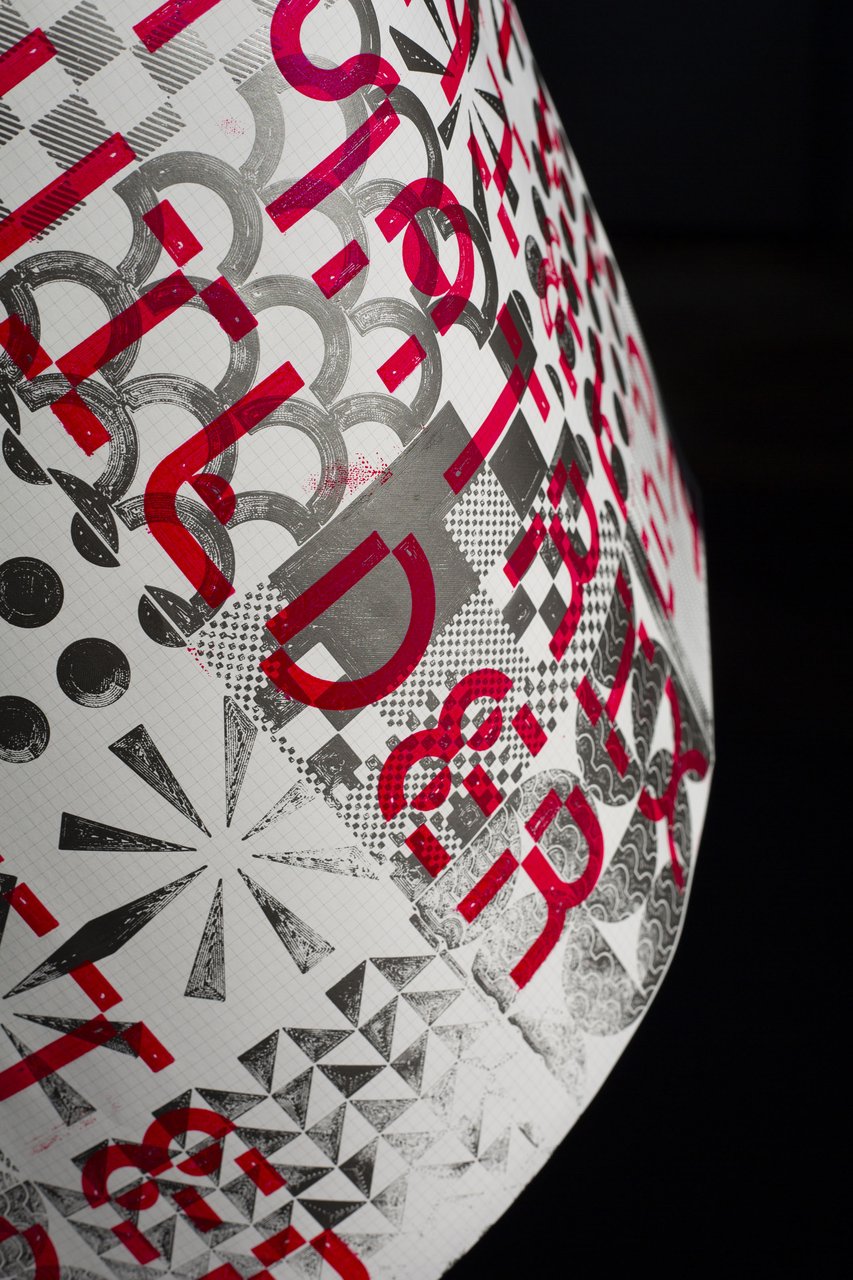
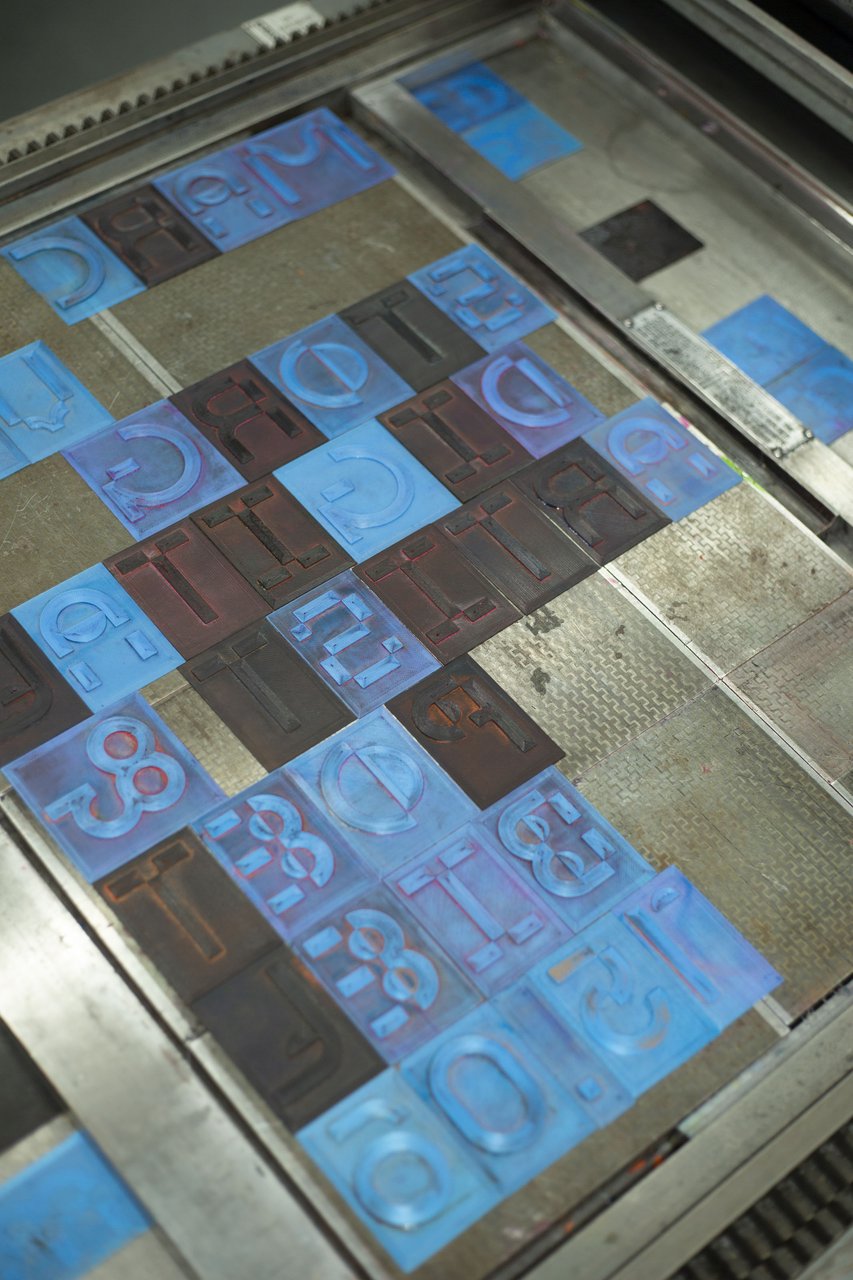
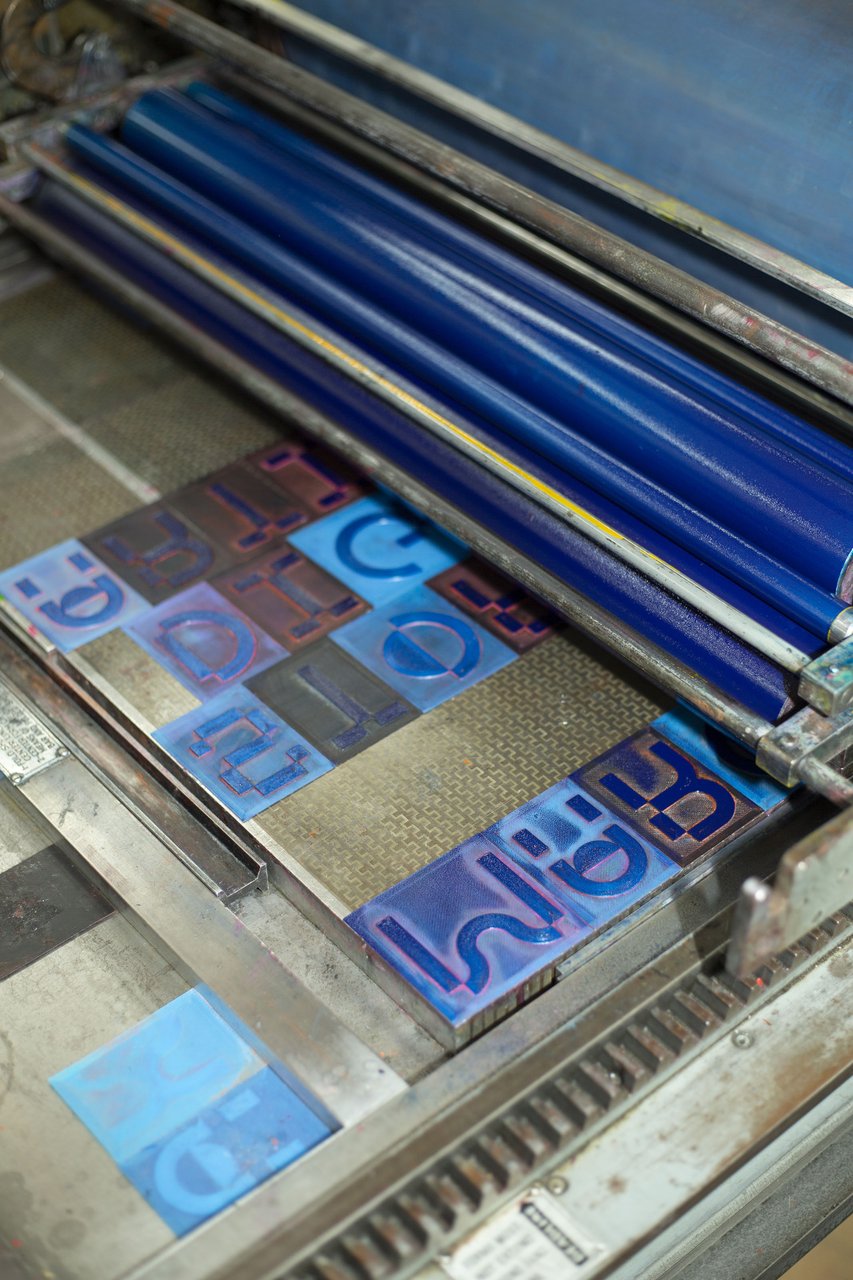
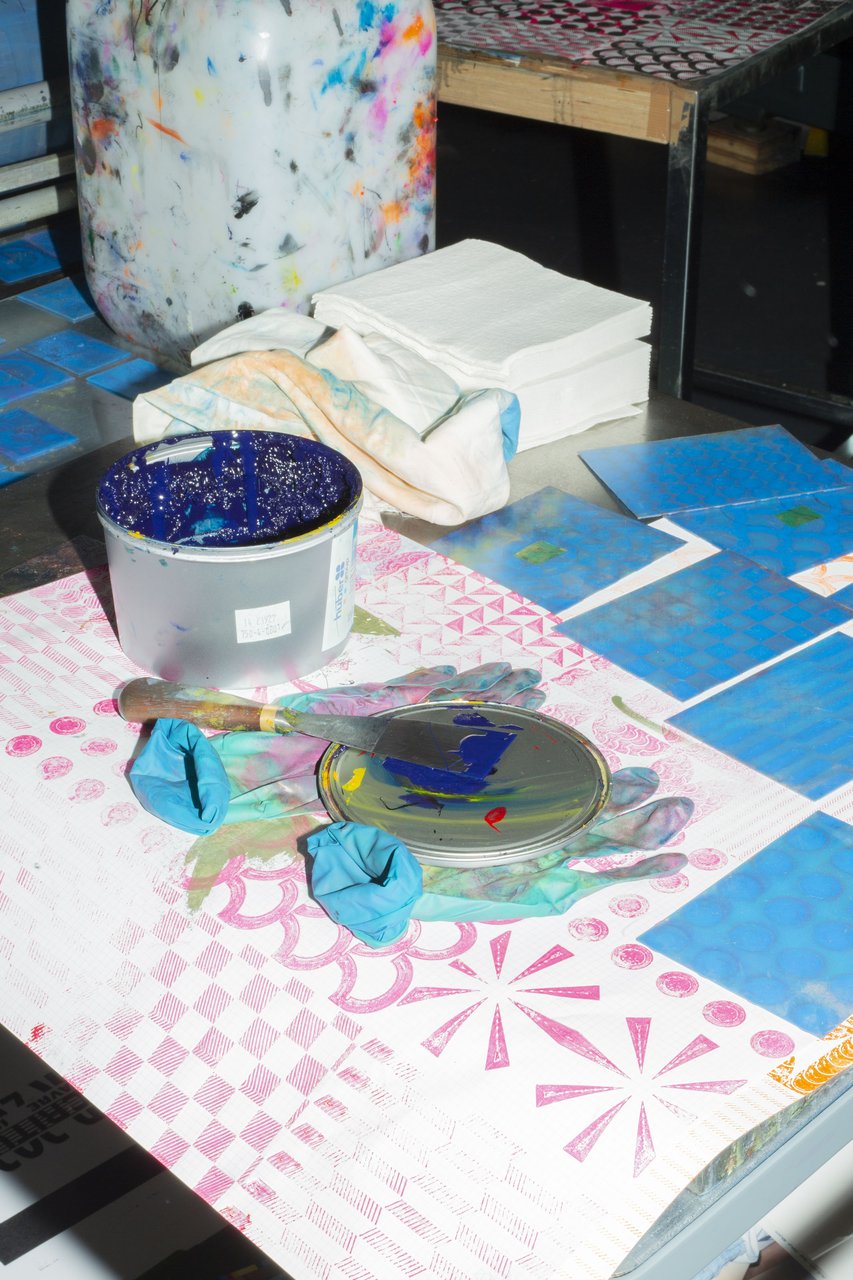
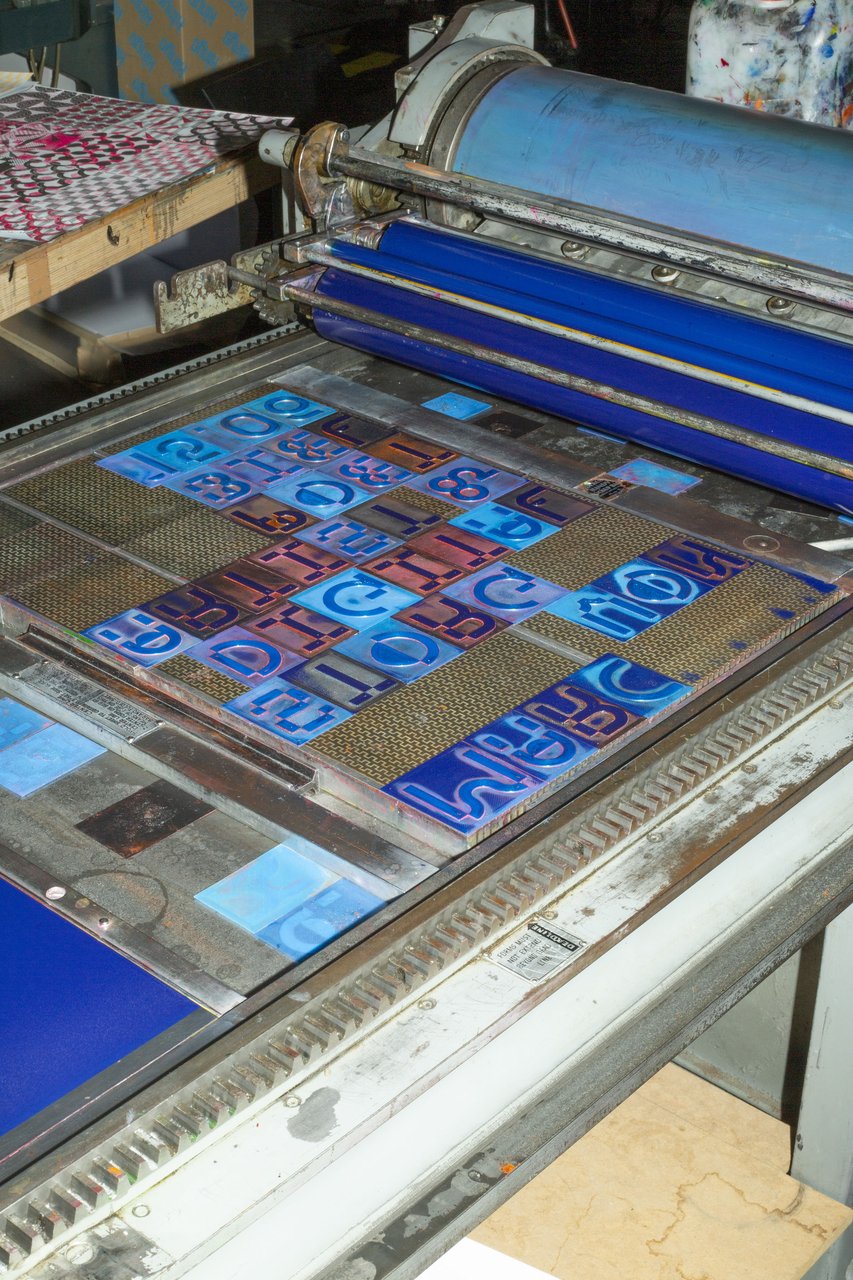
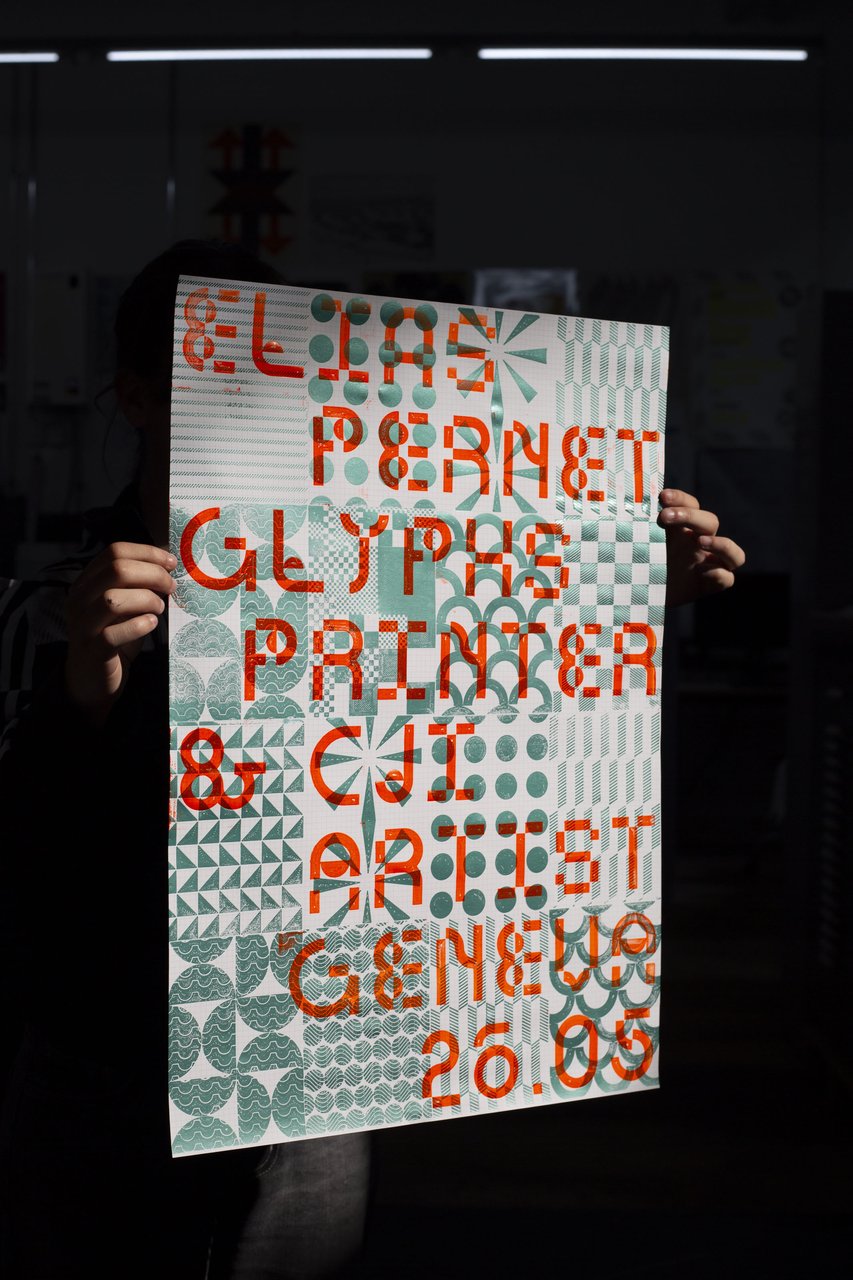
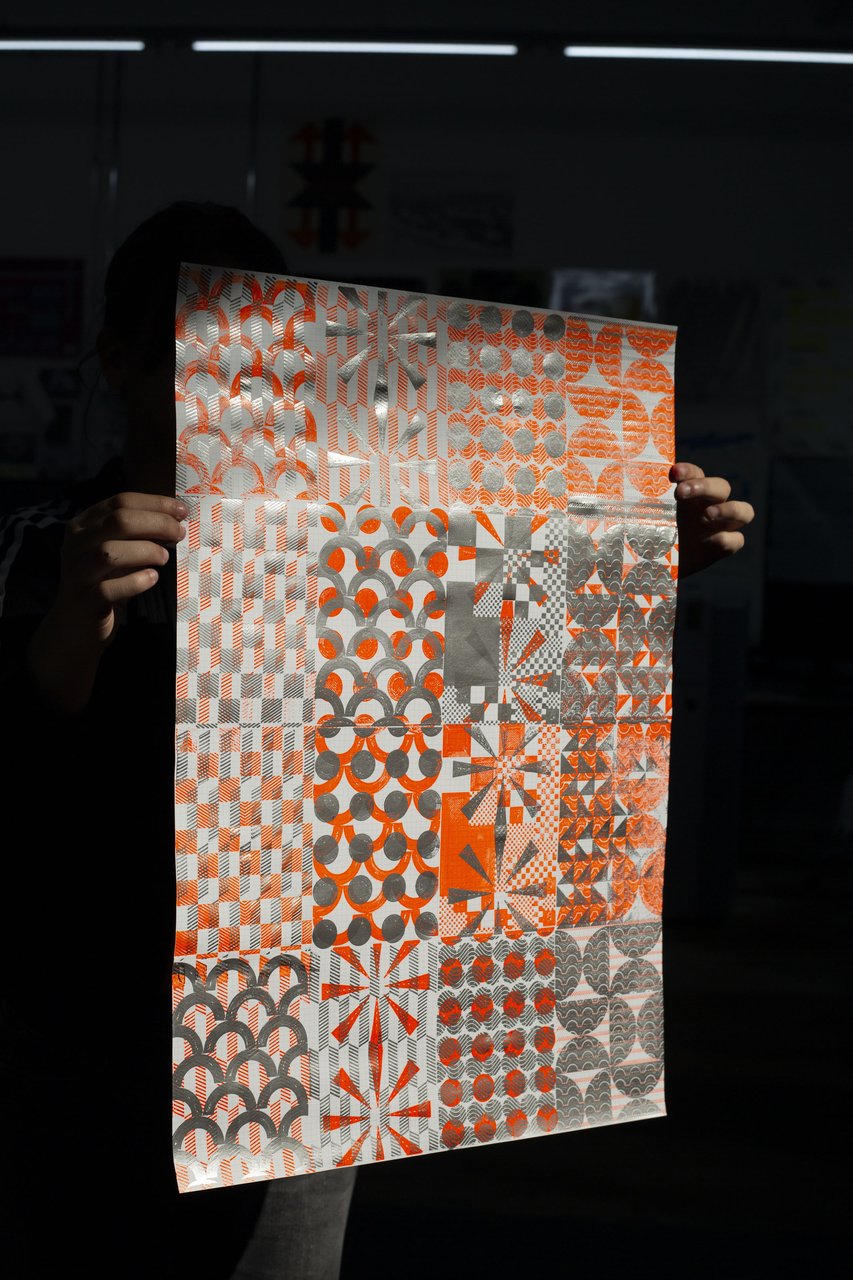
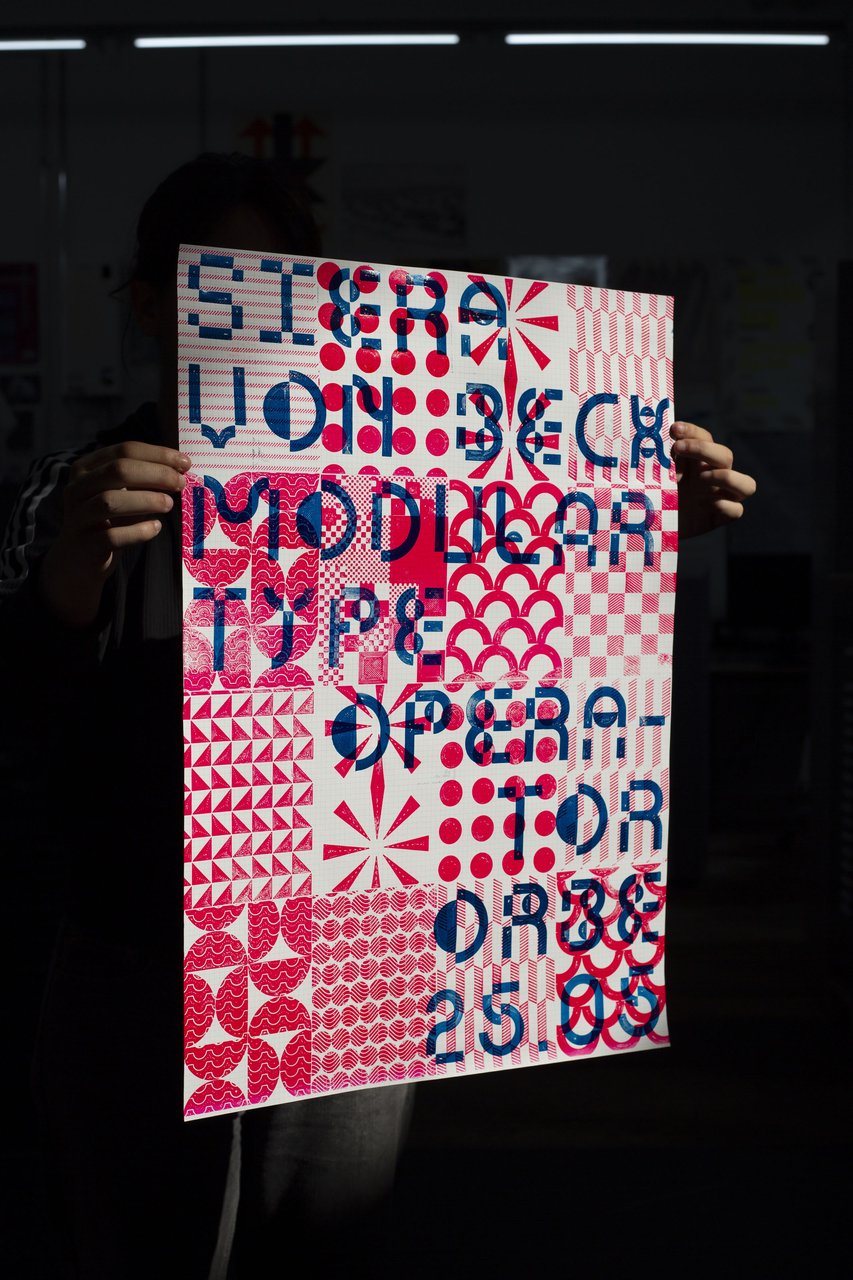
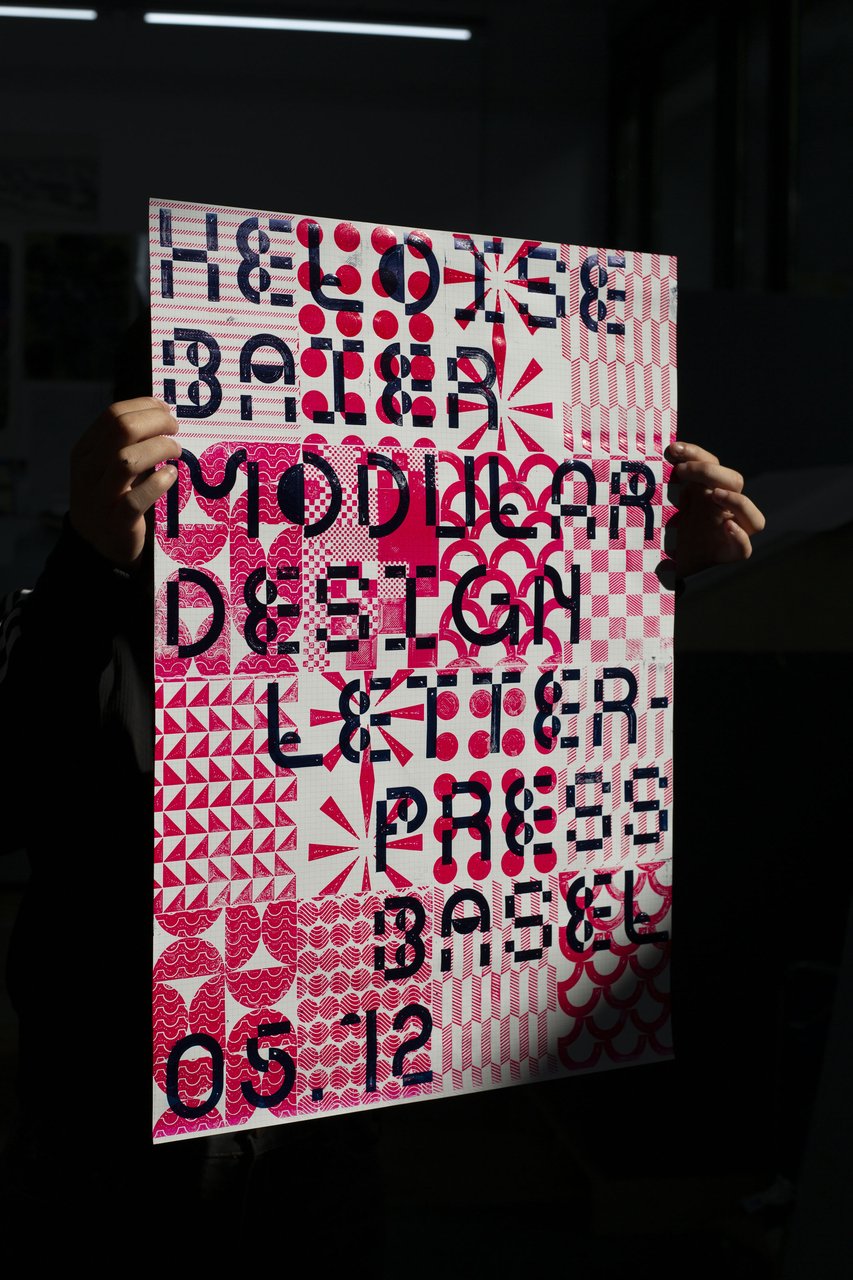
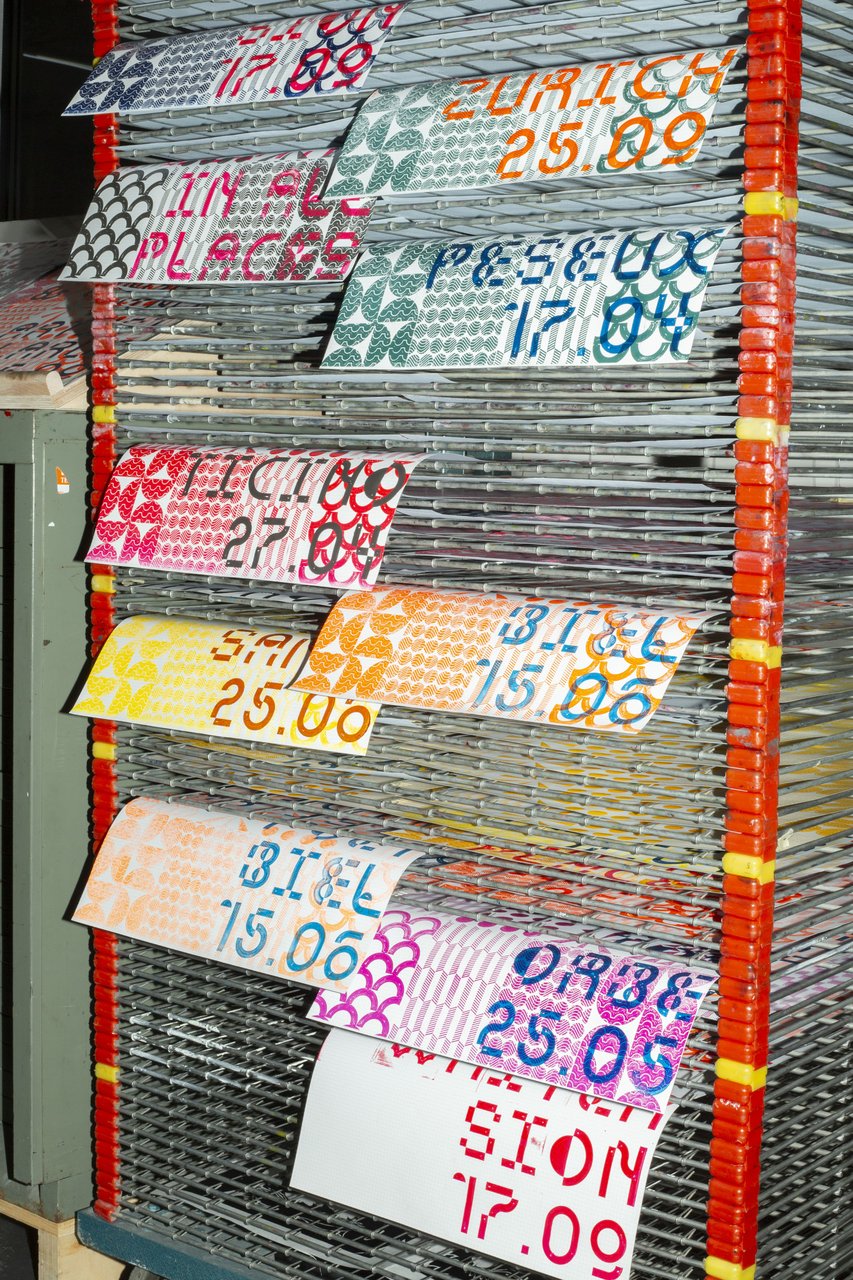
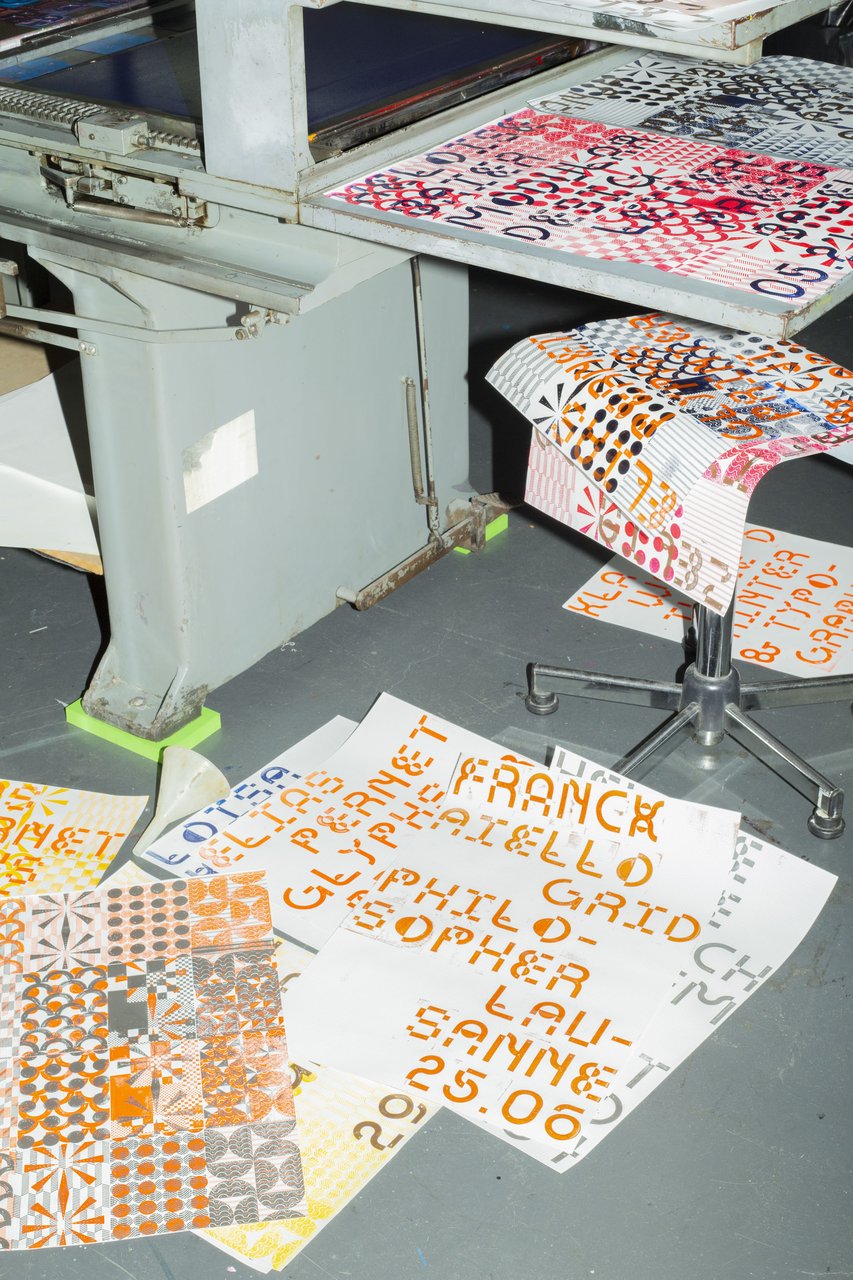
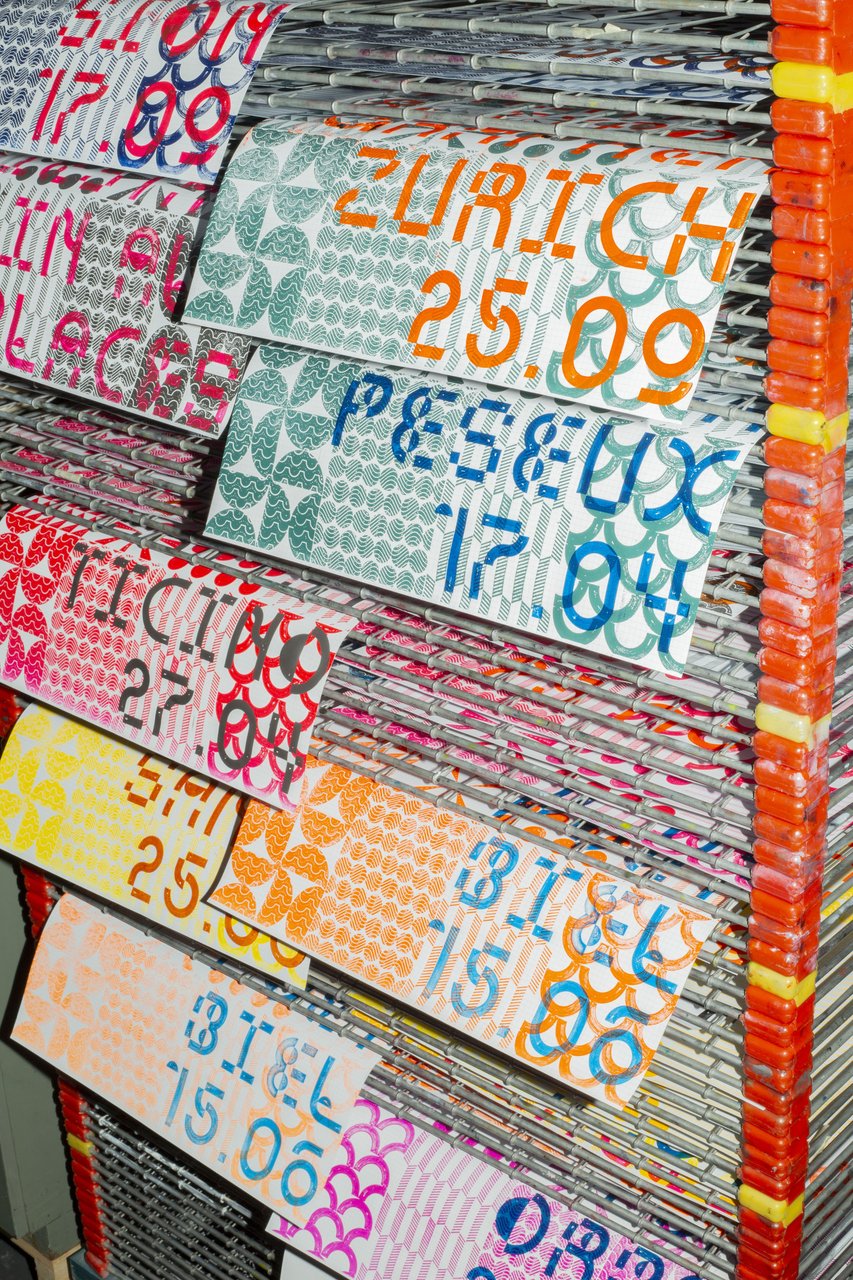
Hybrid Modules explores the link between traditional craftsmanship and contemporary technologies through the creation of a 3D-printed modular typographic tool for use with a manual letterpress. Designed on a grid, the modular alphabet becomes a set of physical dies, which can be inserted by hand into the press. The slow, repetitive process becomes an integral part of the visual language, making visible the time and care of the gesture. A series of A2 posters promotes a series of fictitious conferences entitled “ART, CRAFT & TECHNOLOGY - Guests in Switzerland”.

Diploma project (2025)

Students
Diego Steiner
Know-how
Poster, Imagemaking, Type design
Hybrid_Modules_-16_1.jpg
Hybrid_Modules_-48_1.jpg
Hybrid_Modules_-28.jpg

1/3

Projects related to Poster

Visual Identity – BA2 S1 2025

BA GRAPHIC DESIGN

Visual Identity – BA2 S1 2025

with Adeline Mollard

As part of the visual identity course led by Adeline Mollard, students developed a visual identity starting from a randomly selected business card. By appropriating one of its graphic elements and its title, each project offers a unique interpretation. The identity is then expanded across a range of formats, from business cards to F4 posters, including posters, flyers, business cards, and an animated poster.

Contextual Design – BA2 S2 2026

BA GRAPHIC DESIGN

Contextual Design – BA2 S2 2026

with Adeline Mollard

  Genius Loci, or the spirit of the place, refers to the unique identity or essence of a location. In architecture, this principle suggests that the specific characteristics of a place should be reflected and extended in a design. In the case of the second-year graphic design students, they have applied this principle to communication projects focused on promoting or extending the identity of a particular place through design. Their work likely explores how to visually capture and communicate the essence of a space, using graphic design elements that resonate with the architectural features or history of the place.    

Workshop NORM - A Shape in a Shape

BA GRAPHIC DESIGN

Workshop NORM - A Shape in a Shape

with Dimitri Bruni (NORM), Manuel Krebs (NORM)

How can graphic design be promoted by demonstrating its fundamentals? Led by the studio NORM for first-year students, this workshop aims to highlight ECAL’s Graphic Design programme through the didactic lens of elementary instruction. Each day, students were assigned a global theme (A – Words, B – Images, C – Graphics, D – Drawings), along with a series of simple questions. By combining this input, they produced three collaborative double-sided posters, intended to be offset-printed for ECAL’s Open Days. Each poster features its own duotone combination and folds into a booklet. This project emphasizes how the combinatory potential of simple elements can become a powerful tool in graphic design, while underlining the importance of process in creation.

Niki Paltenghi – CSX369

BA GRAPHIC DESIGN

Niki Paltenghi – CSX369

with Gilles Gavillet, Jonathan Hares

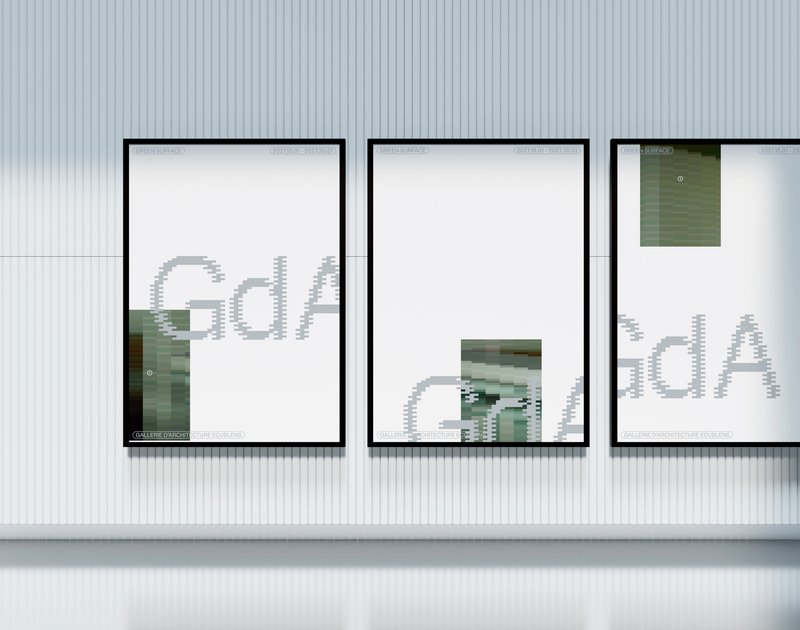
“CSX369” features research on the potential of variable fonts in the ASCII technique. A technical quality is identified – that of precise quantification between two instances – and used for colour mixing through typography. Letters are tripled in the same position and each one has a primary colour. Their interspersed variations create secondary, tertiary, etc. hues. The system is implemented with an image processing tool. The research is presented with a specimen and some posters. Prix de l’ECAL
Alfredo Venti – Points de rencontre/Treffpunkte

BA GRAPHIC DESIGN

Alfredo Venti – Points de rencontre/Treffpunkte

by Alfredo Venti

Points de rencontre/Treffpunkte is an inclusive graphic system designed to make sociocultural resources more visible and accessible to people facing linguistic isolation, or to anyone seeking to join a social network. Inspired by educational tools used with non-native speakers, it combines pictograms, color coding, visual keywords, and modular signage. Installed at the entrances of community centers through interchangeable panels, and complemented by poster campaigns (print and web), it brings these structures into public view for those looking for a service, a network, or simply a welcoming place.

Related courses