Arboricrop — Next generation agriculture using real-time information from tree crops

Arboricrop — Next generation agriculture using real-time information from tree crops

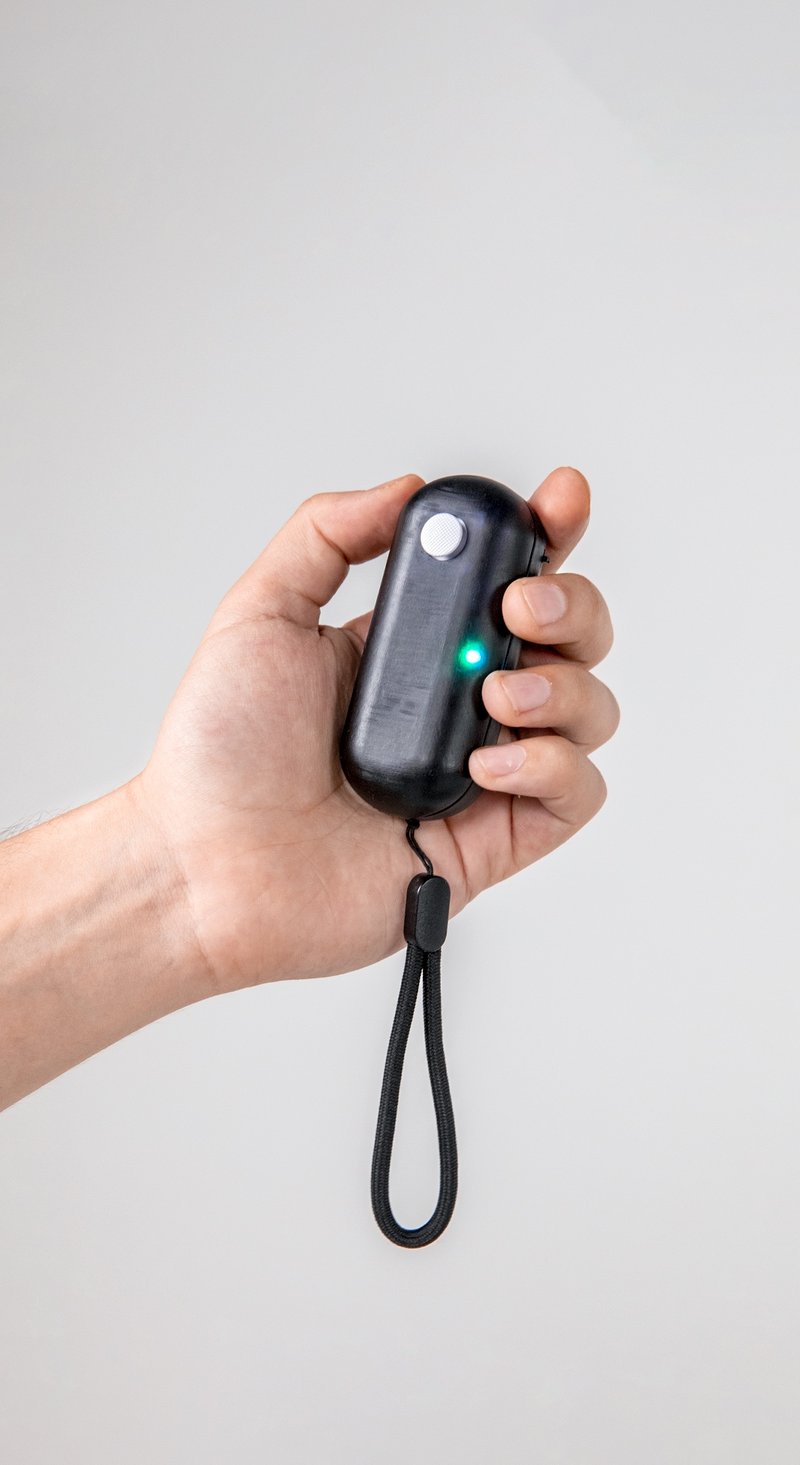
Arboricrop is a research project conducted by a multidisciplinary consortium bringing together Vivent Biosignals, Changins – University of Viticulture and Oenology, and ECAL/Ecole cantonale d’art de Lausanne (HES-SO), with the support of Innosuisse. Its objective is to develop a miniaturized plant electrophysiology sensor designed for use in real agricultural conditions: the VITA Mini Sensor.

Research project (2026) with Stéphane Halmaï-Voisard, Younès Klouche, Frederik Mahler-Andersen Pietro Alberti, Maxwell Ashford, Alain Bellet, Laurent Soldini

Photo
ECAL/Younès Klouche
Know-how
Electronics, Tools, Realtime

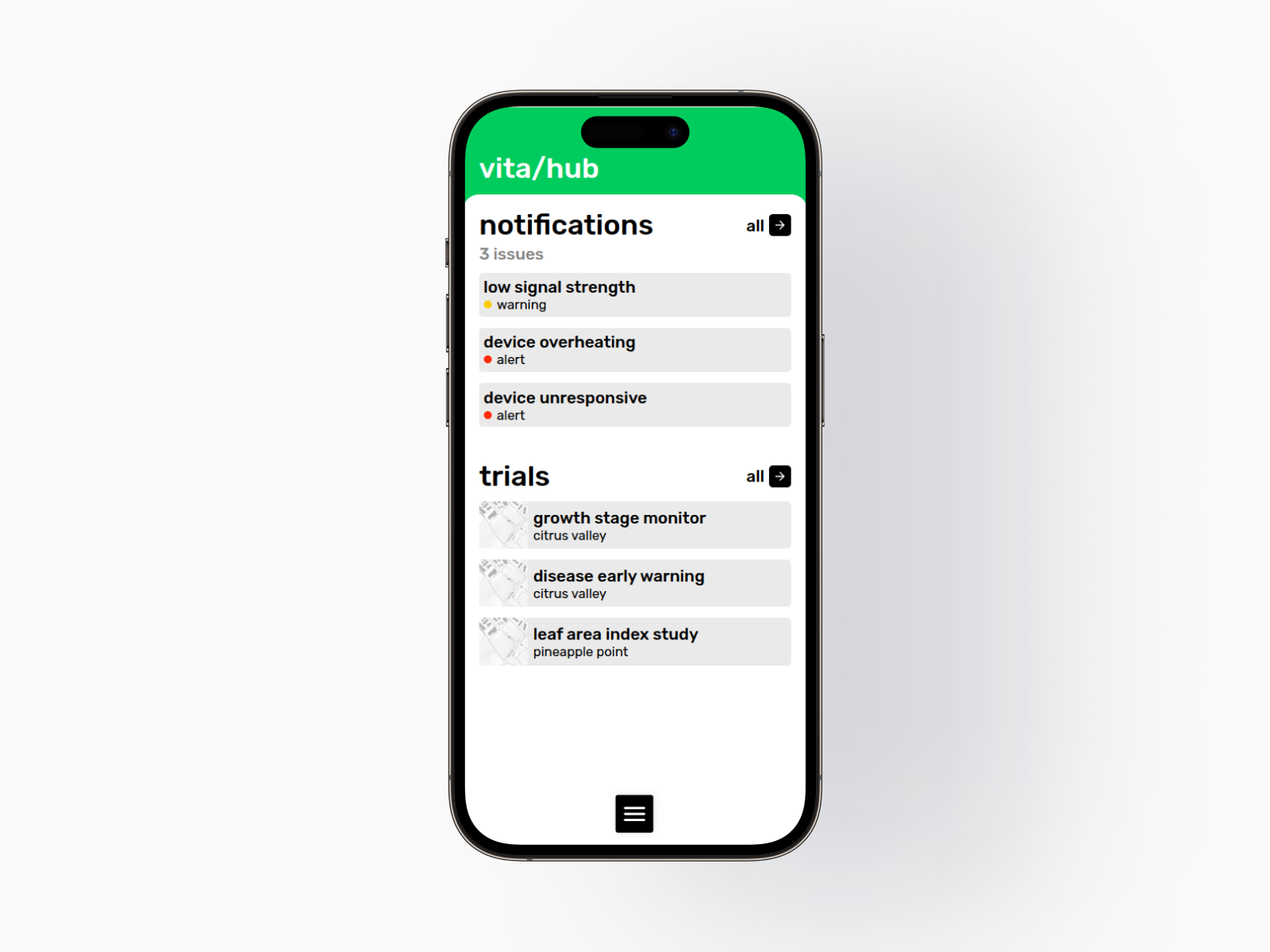
VITA measures plant physiological signals and identifies stress situations before visible symptoms appear. The aim of the project is to provide farmers with early, plant-specific information (water, nutritional, biotic, or abiotic stress) in order to support decision-making and limit systematic or preventive interventions based on general assumptions. The system is part of an approach that seeks more targeted use of agricultural resources, in a context of increasing climate variability.

Design was integrated from the earliest phases of the project, in direct connection with the scientific, agronomic, and technical developments. This early integration made it possible to align technical choices (electronic architecture, antenna, power supply, cabling) with real-world field-use constraints, as well as maintenance and durability requirements.

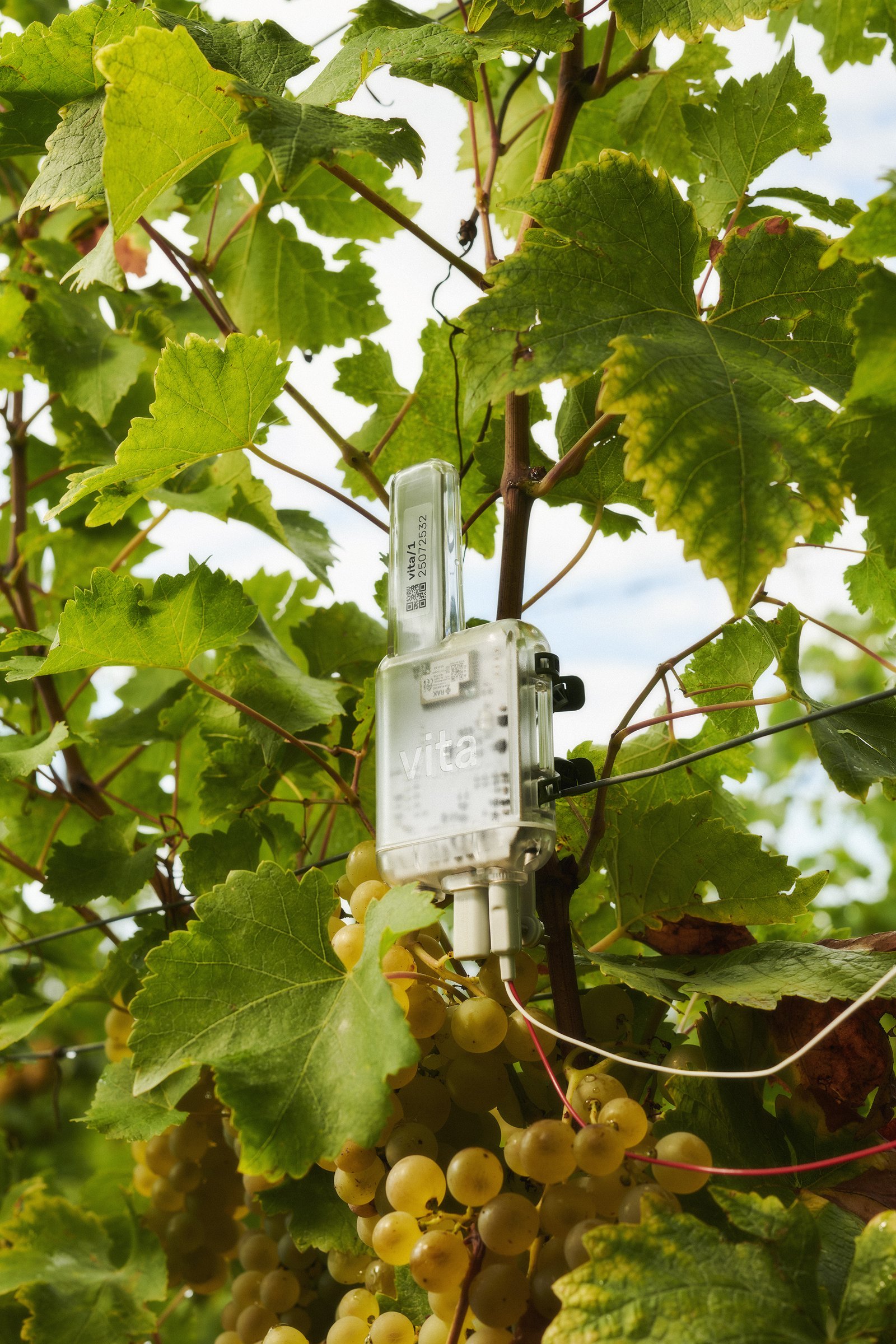
The sensor is built around a transparent polycarbonate housing, allowing direct visibility of its internal components. This approach aims to facilitate inspection, understanding of operation, and maintenance. The enclosure is waterproof while remaining fully disassemblable. The product architecture is based on complete modularity: the electronic board (PCB), battery, cables, and sensors are all separable and replaceable.

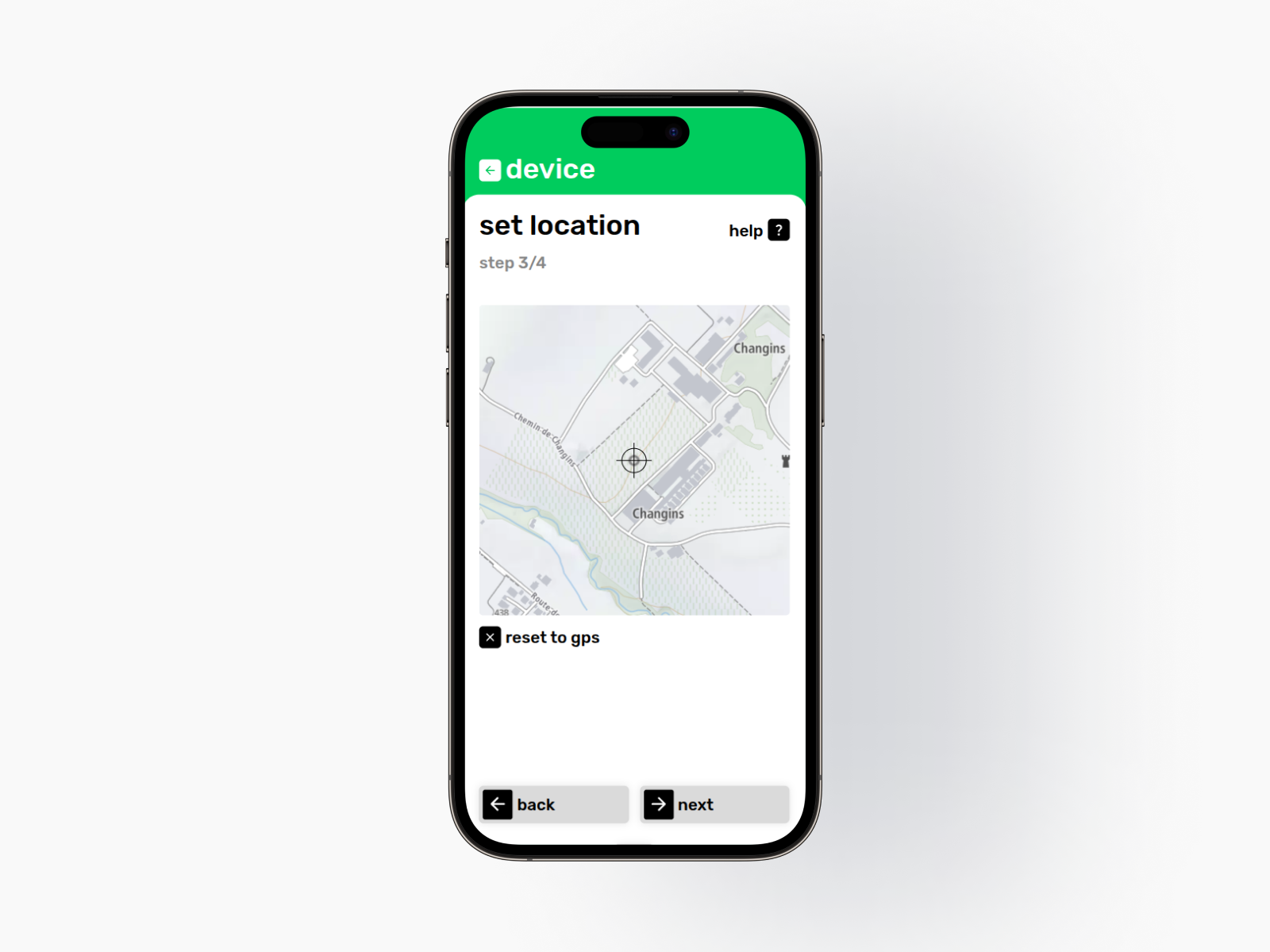
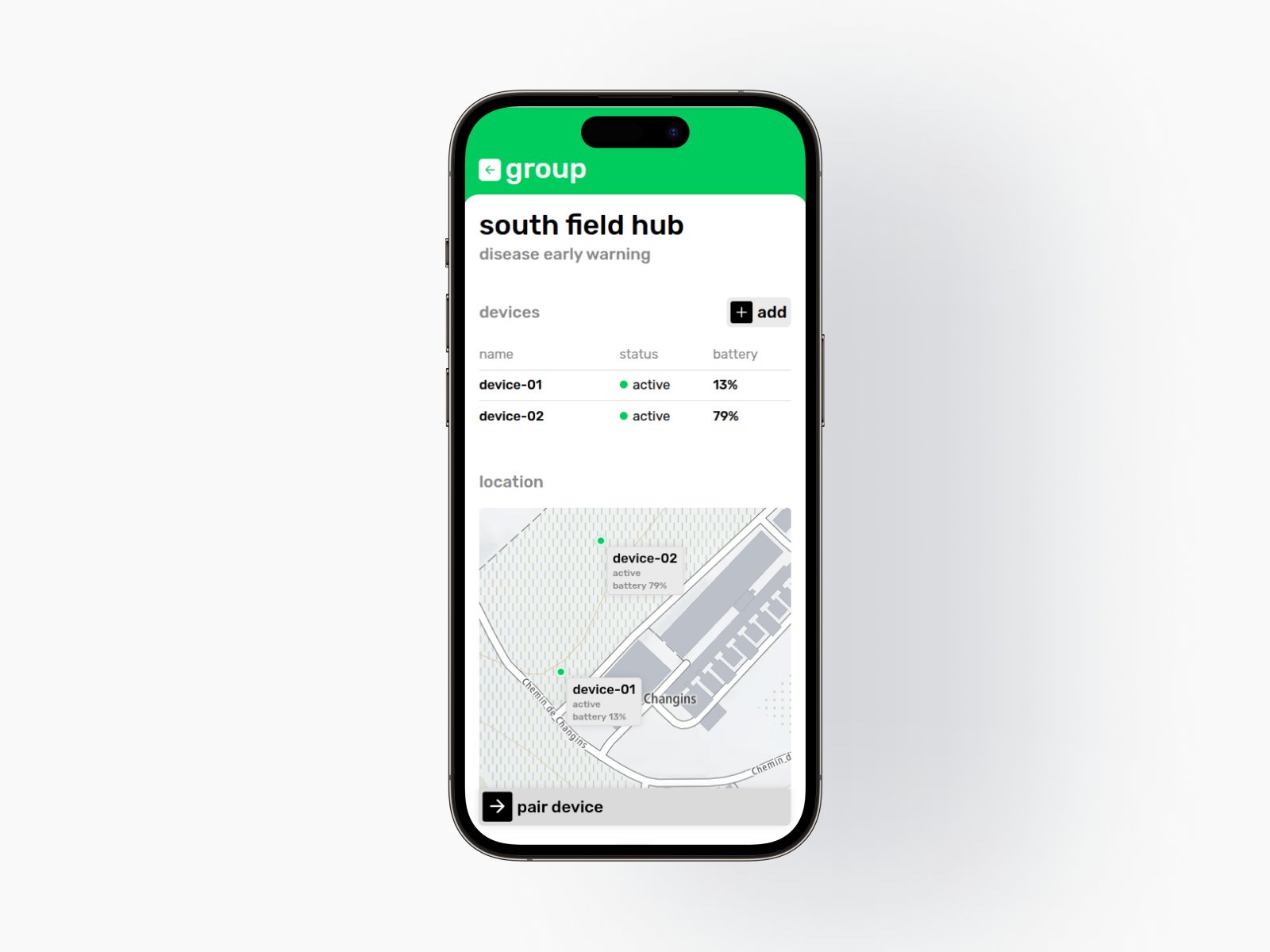
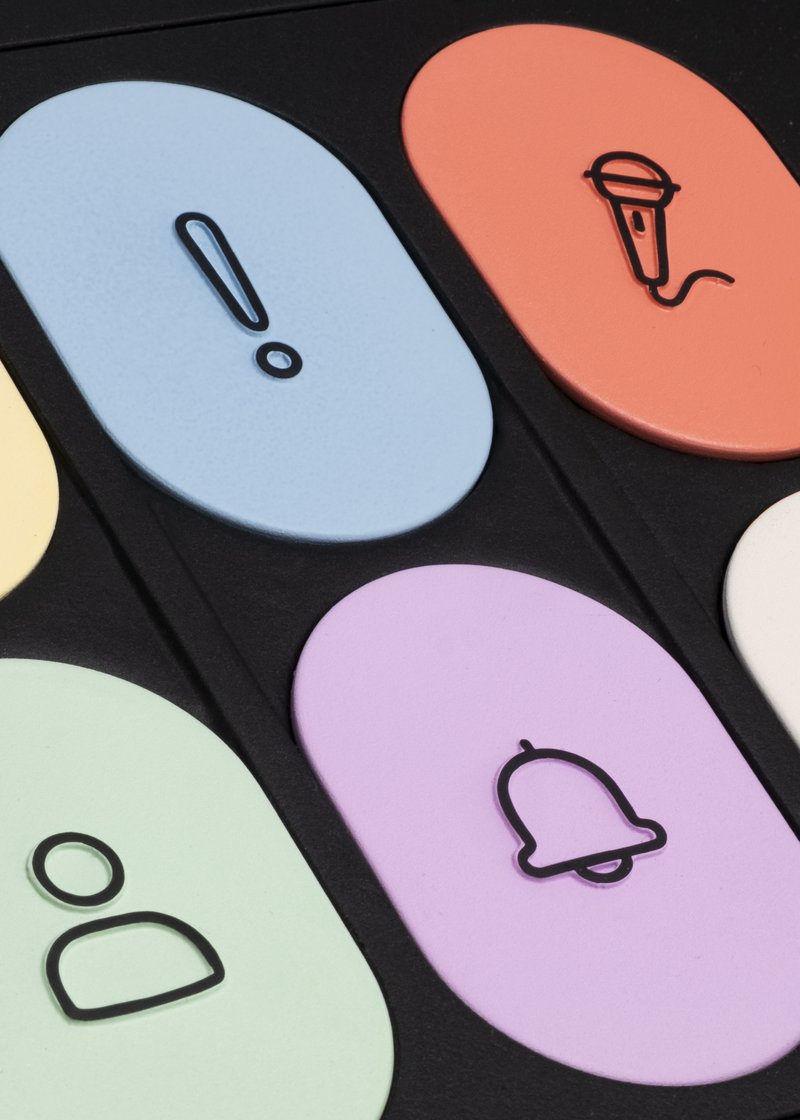
The object’s design takes into account real conditions of use (handling with gloves, quick installation, exposure to weather). The design work also addresses information structuring: electrophysiological signals are translated, via Vivent’s algorithms, into synthetic, actionable indicators, with progressive access to more detailed data when needed.

VITA is now produced in series and deployed in a range of agricultural contexts, including open-field crops, arboriculture, viticulture, and controlled-environment growing systems, across Europe, North America, and South America.
Principal investigator

Stéphane Halmaï-Voisard

Research team

Pietro Alberti
Maxwell Ashford
Alain Bellet
Stéphane Halmaï-Voisard
Laurent Soldini

Lecturers and researchers

Vivent SA:
Dr Nigel Wallbridge – Founder, Executive Chairman
Carrol Plummer – Founder, CEO
Dr Andrzej Kurenda – Chief Scientific Officer
Dr Andreas Kolbeck – Plant Scientist
Laura Baude – Plant Scientist
Nick Barker – CTO
 
Changins:
Prof Markus Rienth – Professor of Viticulture
Dr Amanda Malvessi Cattani – Research Associate

Contributors

Younès Klouche
Frederik Mahler-Andersen

Partner

CHANGINS — Haute école de viticulture et œnologie
Vivent Biosignals

Period

01.11.2023–30.04.2026

Funded by

Innosuisse — Agence suisse pour l’encouragement de l’innovation, Confédération suisse

Arboricrop Vita Mini Sensor

Projects related to Electronics

Valerio Meschi – Tone Alembic

BA MEDIA & INTERACTION DESIGN

Valerio Meschi – Tone Alembic

with Alain Bellet, Christophe Guignard, Gaël Hugo, Laura Nieder, Pauline Saglio

The barrier of entry to sound synthesis software has historically been kept high by visually abstract, overloaded interfaces and expensive ecosystems like those of Pure Data or MAX. Tone Alembic seeks to make sound experimentation accessible to a beginner audience. It does so by offering a platform consisting of a digital interface that abstracts many of the concepts of synthesis in favour of a more visual approach and a set of MIDI controllers that allow more hands-on interaction with the interface while providing everything one needs to get started creating sounds.

Guillaume Giraud – Goko

BA MEDIA & INTERACTION DESIGN

Guillaume Giraud – Goko

with Alain Bellet, Christophe Guignard, Gaël Hugo, Laura Nieder, Pauline Saglio

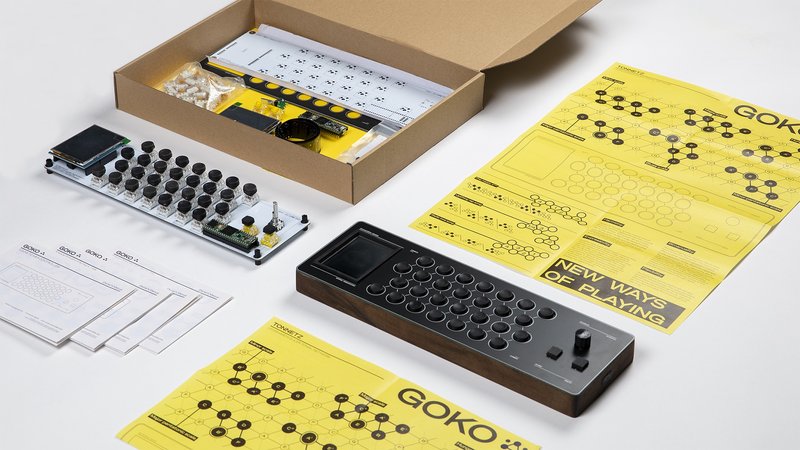
The Goko is a digital musical instrument that explores new ways of playing music. It is a chord machine in the form of a MIDI controller. This tool promotes and facilitates the composition of chords. It enables beginners to play while having fun and offers professionals a new understanding and visualisation of the rules of musical harmony.

Laure Wasser – Eventa

BA INDUSTRIAL DESIGN

Laure Wasser – Eventa

with Stéphane Halmaï-Voisard, Maddalena Casadei

Eventa is an adapted diary that is designed for elderly people with cognitive problems, particularly relating to memory, and can be essential in enabling them to remain independent in their own home while offering complete peace of mind.  On a tablet of their choice, elderly people use a digital app that enables them to contact their loved ones by text message or phone call. It also provides them with a diary that emits sounds to remind them of their daily events. The simplified keyboard is integrated into the shell of the tablet. It allows direct, non-touch navigation in the application. The device evolves as the disease worsens. In addition, caregivers and relatives can easily interact with Eventa by text message or by adding events to monitor the patient.

Dorian Jovanovic – IFTTA

BA MEDIA & INTERACTION DESIGN

Dorian Jovanovic – IFTTA

with Alain Bellet, Christophe Guignard, Gaël Hugo, Laura Nieder, Pauline Saglio

IFTTA (If This Then Authenticate) is a modular authentication kit that allows users to design passwords to access their digital environment. Nowadays the majority of online services require complex authentication from their users. However, our ability to manage our passwords is becoming time consuming: we forget, make mistakes and retype. By default, we have accepted the present systems in place: double verification, SMS, phone calls, e-mails, etc. What if we tried something different? A more personal approach for example. This kit reflects the way we want to view our relationship with passwords. Each of the proposed modules involves a distinct mnemonic interaction: touch, position in space, hearing and sight. These elements can be added up as well in order to design a personalised authentication system.

Soft Power

BA INDUSTRIAL DESIGN

Soft Power

with Christophe Guberan

  Under the direction of Christophe Guberan, the students used their design talents to rethink an everyday object that consumes more energy than it should, using their powers of observation to choose a type of contemporary object that consumes energy and reduce its dependence on energy during use.  

Related courses