



BA MEDIA & INTERACTION DESIGN
Dorian Jovanovic – IFTTA
with Alain Bellet, Christophe Guignard, Gaël Hugo, Laura Nieder, Pauline Saglio
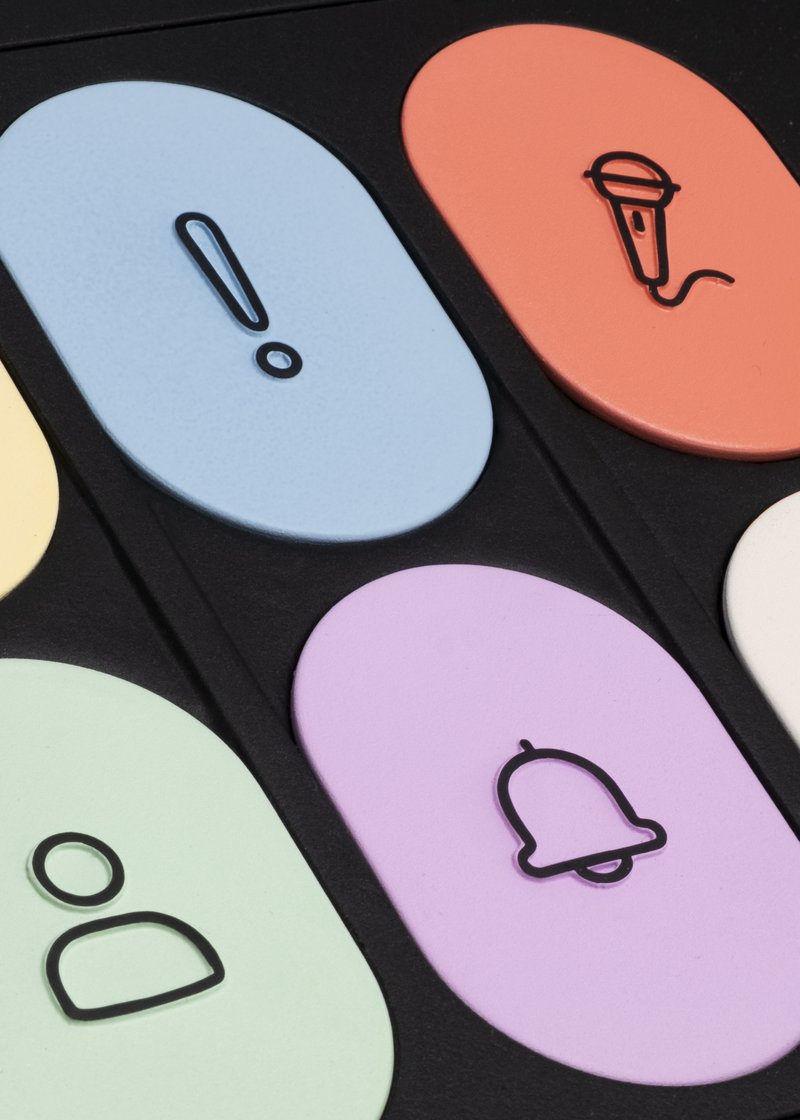
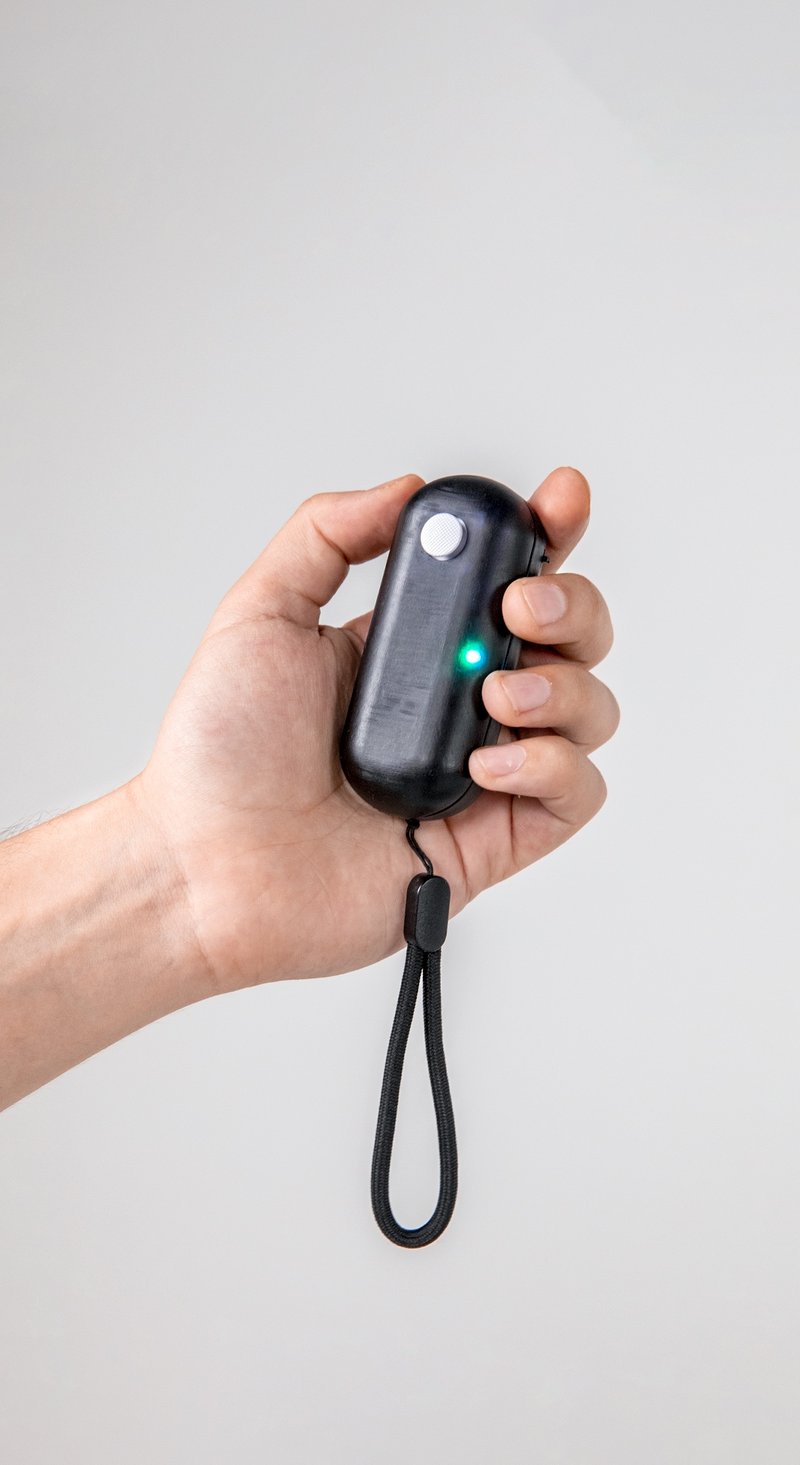
IFTTA (If This Then Authenticate) is a modular authentication kit that allows users to design passwords to access their digital environment. Nowadays the majority of online services require complex authentication from their users. However, our ability to manage our passwords is becoming time consuming: we forget, make mistakes and retype. By default, we have accepted the present systems in place: double verification, SMS, phone calls, e-mails, etc. What if we tried something different? A more personal approach for example. This kit reflects the way we want to view our relationship with passwords. Each of the proposed modules involves a distinct mnemonic interaction: touch, position in space, hearing and sight. These elements can be added up as well in order to design a personalised authentication system.