Presentation

From the conception to the production of all related media and printed matter (posters, books, newspapers and magazines), including the experimentation of digital media, digital publishing and motion design, this programme targets students wishing to master the tools and languages inherent in graphic design. Prospective, pragmatic and experimental, this Bachelor course is provided in the framework of the Visual Communication Department, which concurrently offers crossover courses and projects enabling students to acquire multidisciplinary skills (photography, interaction design, film). 

Through courses and workshops provided by major figures on the Swiss and international scene, the students apprehend the various fields of graphic design such as editorial design, typography, illustration, or brand identity and art direction. Involvement in exhibitions, publications or assignments commissioned by institutions provides an actual immersion into the professional world. The students also benefit from a wide range of theoretical courses and conferences on the ECAL premises. 

The skills and projects acquired throughout the curriculum serve to produce a portfolio of the highest professional standards. Whether they aim to become graphic designer, typographer or art director, either self-employed or working for a company, students who train at ECAL have a wide range of opportunities to choose from when they complete their CV. If they so wish they may also pursue in their chosen discipline by doing the Master Type Design at ECAL or an equivalent programme in another institution.

Language

French

Qualification issued

Bachelor of Arts HES-SO in Visual Communication, major in Graphic Design

Yearly fees (materials included)

Fees detail

Credits

180 ECTS

Length

6 semesters

Useful links

Admissions Contact

Infrastructures

Open space BA Visual Communication Digital Printshop Technology Center

Learning Objectives

First year
Workshop with Vincent Devaud
Workshop with NORM
Workshop with Ronny Hunger

1/3

  • Acquire the basics of editorial design through the articulation of sequenced content and the creation of a simple printed editorial object.

  • Learn about typographic forms by sketching the skeleton of an alphabet.

  • Define the graphic elements that represent a visual identity on various communication media.

  • Articulate and arrange content on a website.

  • Design non-photographic images by addressing production and printing technique issues.

  • Immerse yourself in cross-disciplinary courses in Photography, Media & Interaction Design, 2D/3D Video Sequence (Cinema 4D, After Effects, Premiere).

  • Acquire background knowledge via courses in theory (History of Art, Photography, Film, Digital Culture, Industrial Design, Graphic Design, Contemporary Photography, Exhibitions and Publications).

  • Take part in weeks of workshops supervised by practitioners from all over the world with the aim of carrying out collective or personal projects

Second year
Workshop with Roosje Klap
Workshop with Atlas Studio

1/2

  • Design a complex printed editorial object both formally and conceptually.
  • Get used to typographic design by acquiring technical and stylistic mastery of type design.

  • Design media and graphic content linked to a project developed for one or more digital media (html, CSS).

  • Represent and make recognisable a visual identity (institution, event, brand) on various communication media.

  • Synthesise and graphically process information or data.

  • Set fluid graphics systems in motion.

  • Broaden your horizons through practical cross-disciplinary courses within a sequence (videoclip or VR) or editing project (of your choice) in collaboration with Graphic Design and Media & Interaction Design students.

  • Enhance your knowledge through theory courses.

  • Take part in weeks of workshops supervised by practitioners from all over the world with the aim of carrying out collective or personal projects. 

Third year
Diploma Jury
Workshop with Syndicat

1/2

  • Design, produce and carry out a complex editorial project in a specific context.

  • Define, design and carry out a communication campaign aimed at a specific audience.

  • Develop a highly-complex font (title or text).

  • Create a graphic language based on visual research and experimentation with production tools.

  • Immerse yourself in cross-disciplinary courses to refine your collaborative skills in a transdisciplinary project.

  • Broaden your knowledge with theory courses.

  • Write a dissertation based on the knowledge acquired during the course of study.

  • Take part in weeks of workshops supervised by practitioners from all over the world with the aim of carrying out collective or personal projects.

  • Put into practice the know-how acquired in a graduation work and a portfolio, which will serve as a business card to integrate into the labour market quickly or continue your studies on an MA course.

Projects

This section contains a selection of emblematic or recent projects related to the disciplines taught in the Bachelor's degree.
See all projects

Semester Projects

Screen Design - Flexible Event - BA1 S2 2025-2026

GRAPHIC DESIGN

Screen Design - Flexible Event - BA1 S2 2025-2026

with Harry Bloch

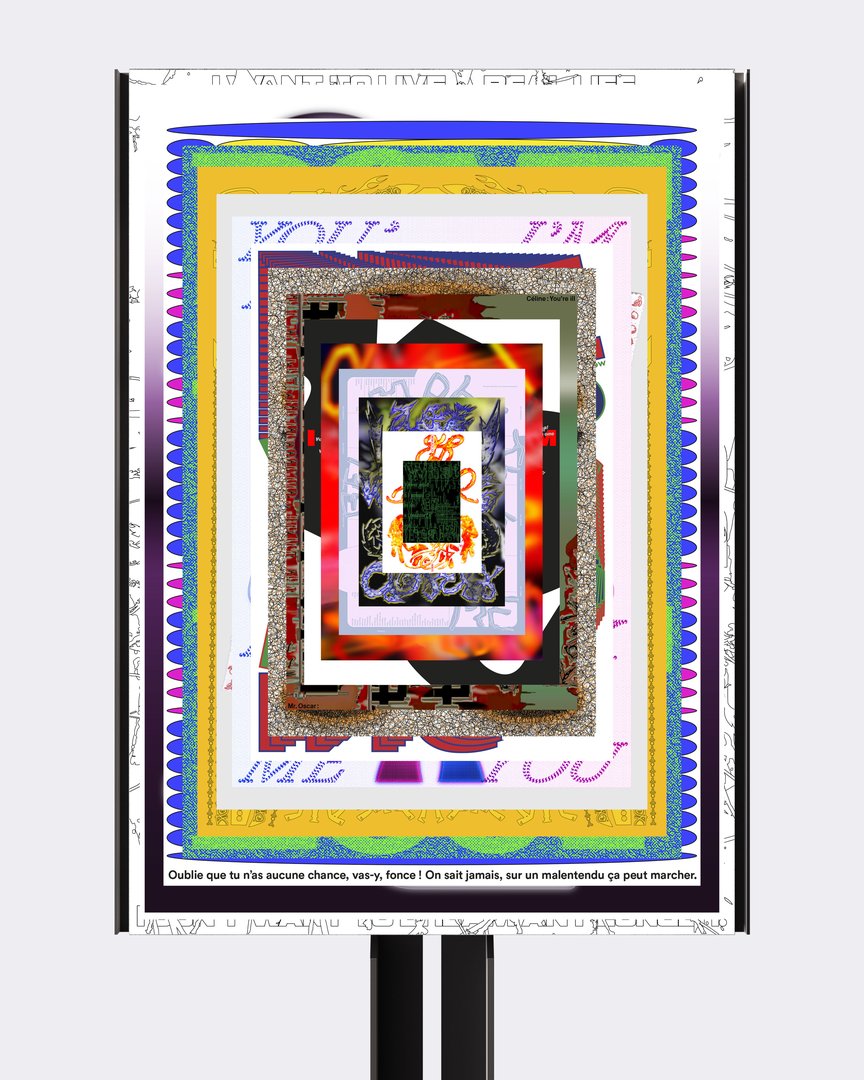
As part of the Screen Design course with Harry Bloch, students freely chose an event as the starting point for their project. Using documentary, textual, and iconographic research, each student developed a digital edition conceived as an interactive and flexible poster, responsive to changes in screen format and dimensions. The project thus explores layout as a living system rather than a fixed composition. Each proposal is accompanied by conceptual and formal reflection, connecting event content with experimentation in the screen medium.

Type Design - BA1 S2 2025-2026

GRAPHIC DESIGN

Type Design - BA1 S2 2025-2026

with Robert Huber

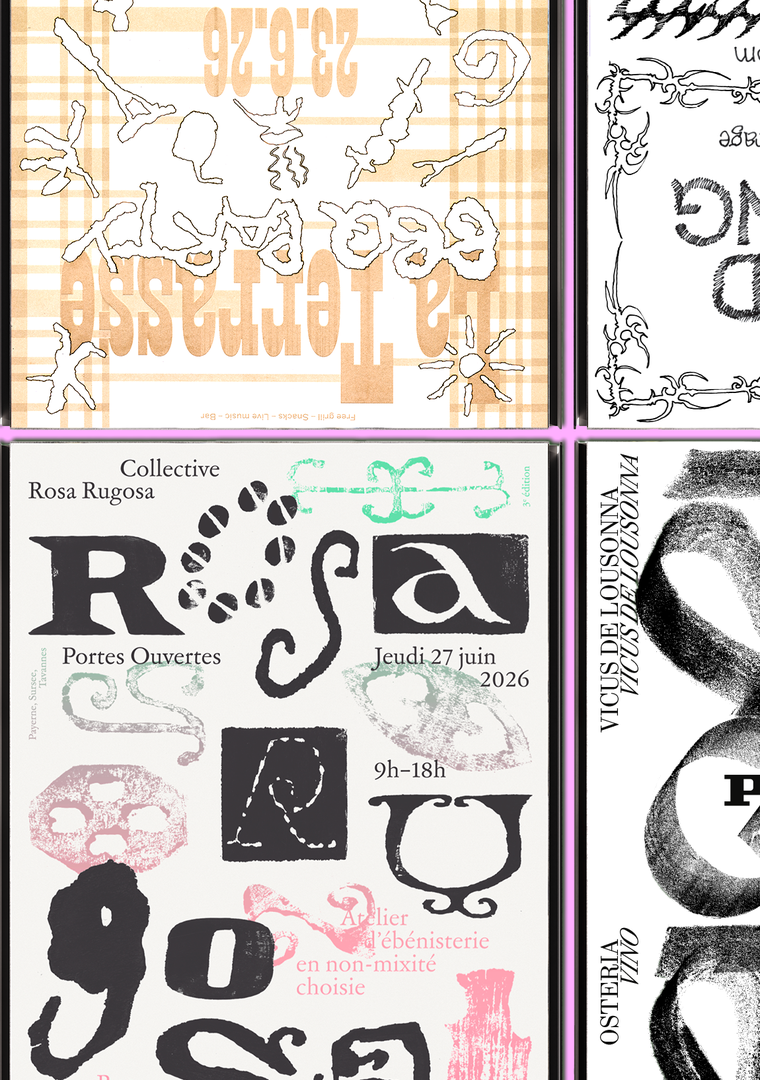
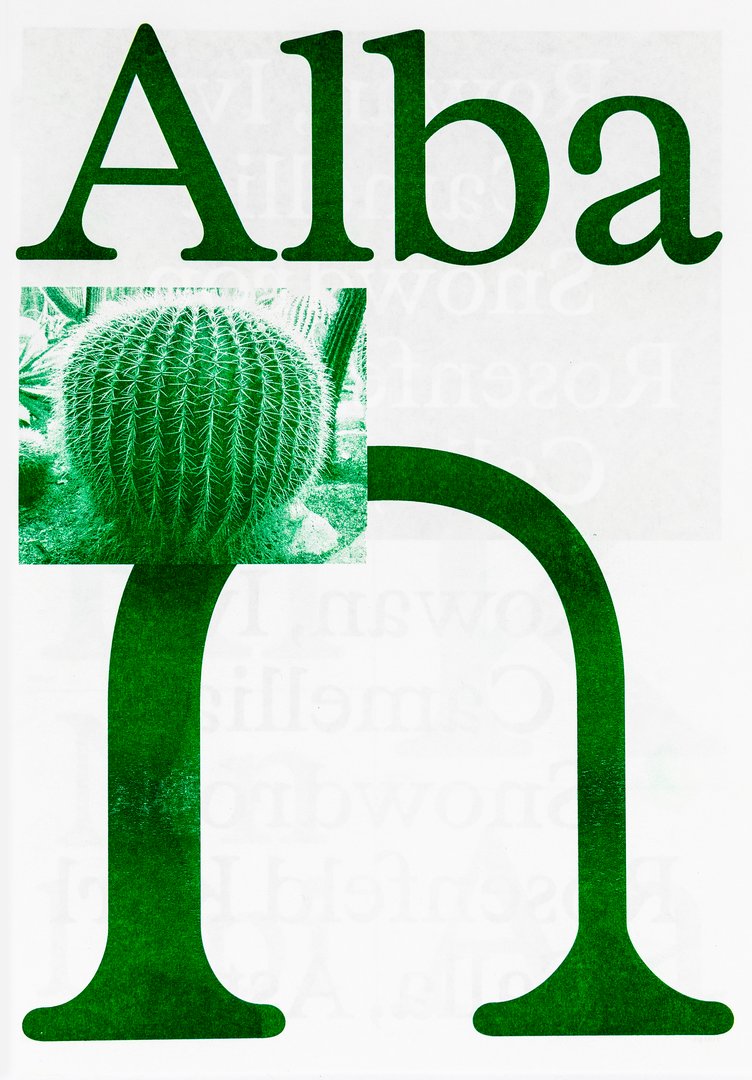
The creation of a logotype involves establishing a distinct visual identity, embedded in a clearly defined universe. First-year Graphic Design students designed a fully hand-drawn logotype, connected to a subject, a concept, or an environment of their own choice. This work was based on thorough research in typographic archives. Each student compiled a reference notebook and developed a set of specimens, in order to enrich and structure their graphic and formal thinking.

Type Design  BA2 – S2 2026

GRAPHIC DESIGN

Type Design BA2 – S2 2026

with Aurèle Sack

Second-year students were required to develop the whole alphabet for one typeface.

Visual Identity – BA2 S2 2026

GRAPHIC DESIGN

Visual Identity – BA2 S2 2026

with Adeline Mollard

As part of the visual identity course with Adeline Mollard, the students developed a visual identity based on a randomly drawn business card. By appropriating a graphic element and its title, each project offers a singular interpretation of it. Each proposal also involves the selection of a tool linked to the associated event (tattoo machine, sander, lithography equipment, etc.), used as a conceptual and graphic extension of the project. The identity is deployed across a range of formats, from business card to F4 size, including posters, flyers, business cards, as well as an animated poster.

Image Creation - Mirrored Motifs (ECAL × Chillon) - BA1 2025-2026

GRAPHIC DESIGN

Image Creation - Mirrored Motifs (ECAL × Chillon) - BA1 2025-2026

with Guy Meldem

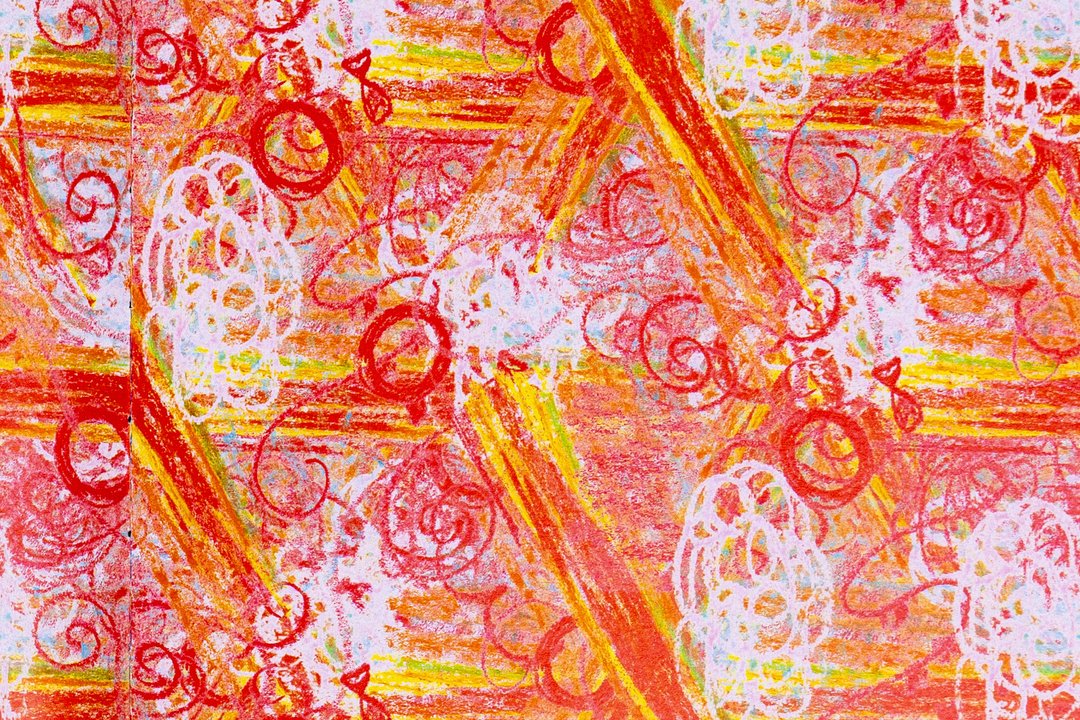
As part of the ECAL x Chillon exhibition, which will take place at the eponymous castle, the students of the Bachelor in Graphic Design have created patterns inspired by the castle’s features. Under the supervision of Guy Meldem, they developed a variety of graphic systems. These patterns will be printed as hangings in the armory hall of Chillon Castle.

Visual Identity - “?”  - BA1 S2 2025-2026

GRAPHIC DESIGN

Visual Identity - “?” - BA1 S2 2025-2026

with Adeline Mollard

Last year, the Marché du Temple, an iconic grocery store located in front of ECAL, closed its doors, leaving behind precious memories and a warm atmosphere that had enlivened the neighborhood for decades. This semester, students had the opportunity to reinvent this space by designing a complete visual identity for a new fictional business. Their work resulted in a poster and its animated version, a booklet, and a proposal for a new storefront. To celebrate the end of the semester, an exhibition was organized in the former premises of the Marché du Temple.

Editorial Design – BA2 S2 2026

GRAPHIC DESIGN

Editorial Design – BA2 S2 2026

with Diego Bontognali

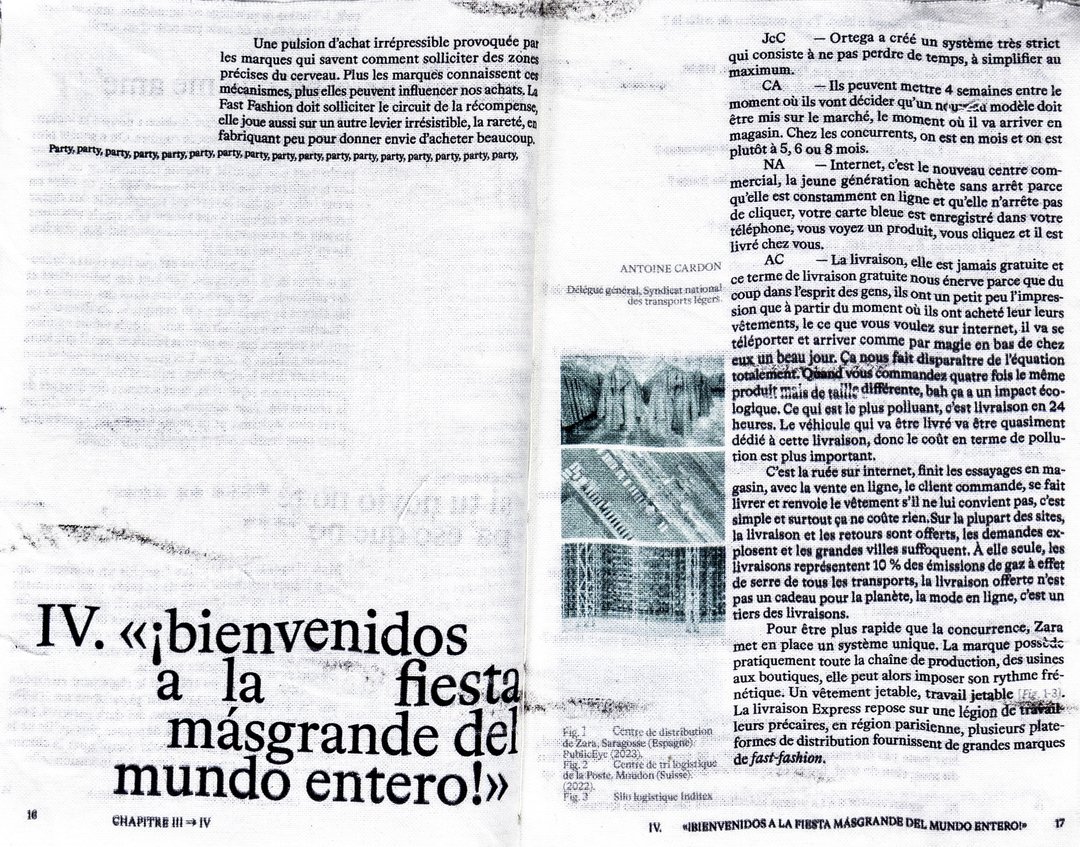
As part of this editorial design course, students developed a research-based project focused on the selection and design of texts around a shared theme. Based on a curated set of sources, each project presents two editions with identical content, produced in both a large and a small format.

Contextual Design – BA2 S2 2026

GRAPHIC DESIGN

Contextual Design – BA2 S2 2026

with Nicole Udry

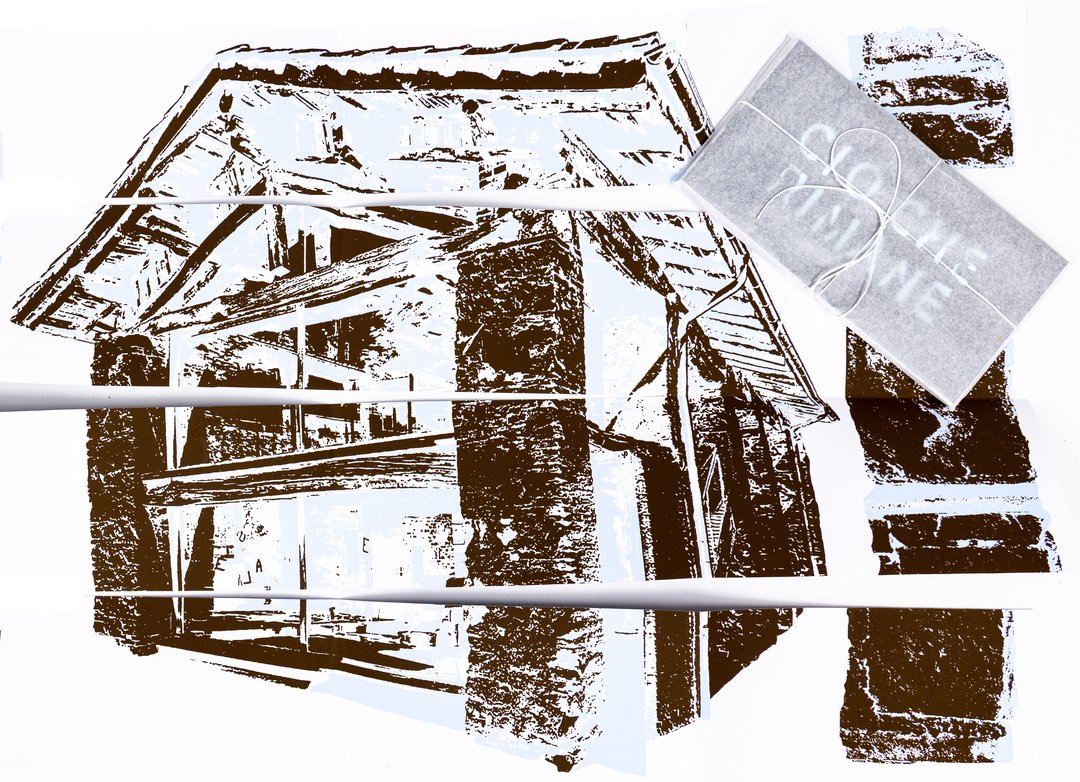
Genius Loci, or the spirit of the place, refers to the unique identity or essence of a location. In architecture, this principle suggests that the specific characteristics of a place should be reflected and extended in a design. In the case of the second-year graphic design students, they have applied this principle to communication projects focused on promoting or extending the identity of a particular place through design. Their work likely explores how to visually capture and communicate the essence of a space, using graphic design elements that resonate with the architectural features or history of the place.

Type Design BA3 – S1 25–26

GRAPHIC DESIGN

Type Design BA3 – S1 25–26

with Aurèle Sack

The third-year students had to develop a typeface and digitize it.

Image Creation BA3 – S1 25–26

GRAPHIC DESIGN

Image Creation BA3 – S1 25–26

with Guy Meldem

Third-year students had to produce an edition over half a semester, discovering as their subject an event that appeared in the newspaper on the date of the first lesson.

Editorial Design BA3 – S1 25–26

GRAPHIC DESIGN

Editorial Design BA3 – S1 25–26

with Jonathan Hares

Third-year students had to produce an edition over half a semester, discovering as their subject an event that appeared in the newspaper on the date of the first lesson.

Visual Identity BA3 – S1 25–26

GRAPHIC DESIGN

Visual Identity BA3 – S1 25–26

with Gilles Gavillet

Through the lens of visual identity, this project explores issues related to graphic language and art direction. Each stage of the project examines a different aspect of visual identity development: research, concept, visual language, design, and communication.

Workshops

A Matter of Frames - Workshop avec Vera van de Seyp

GRAPHIC DESIGN

MEDIA & INTERACTION DESIGN

A Matter of Frames - Workshop avec Vera van de Seyp

by Malik Ahmed, Alexander Anhorn, Melissa Appelon, Marc Auderset, Olivia Bindon, Baptiste Boulanger, Suriya Brambilla, Diego Buccelloni, Marta Casemi, Davia Ciccoli Trannoy, Alizée Clavien, Timoféi Cruz, Ethan Degano, Nora Dizeko, Andrea Domínguez Formet, Mathias Dugenne, Mathias Gelin, Tanguy Genier, Lila Gomez Gaillet, Juliana Granato, Xenia Grange, Bérangère Gremion, Helena Hell, Rocio Hernandez, Salomé Huwiler, Rebecca Indermühle, Kevin Jeangros, Nolan Latorre, Jose Pardo Pariente, Zachary Ramelet, Gabrielle Richard, Théo Rizzo, Alessia Rollini, Malcolm Semedo Barreto, Anastassia Siebold, Philippe Strässle Zuniga, Baptiste Sultana, Luna Tavernier, Margaux Tinguely

Traduire le mouvement en matière

Rationality/Expressivness - Carnal Verona Workshop

GRAPHIC DESIGN

Rationality/Expressivness - Carnal Verona Workshop

with Yanis Carnal, Raphaël Verona

The Swiss style, also known as the International Style, established itself as the symbol of a radical approach to graphic design and typography. It embodies an ideal of efficiency and rationality. Omnipresent more than half a century after its emergence, does it still hold the same relevance today? What is its influence on our imaginations and our practice? Doesn't Switzerland have other facets through which to communicate, and what new graphic and typographic languages ​​could represent them?

ECAL Light House

GRAPHIC DESIGN

MEDIA & INTERACTION DESIGN

PHOTOGRAPHY

ECAL Light House

with Jean-Vincent Simonet, Léonard Guyot, Florian Pittet (Sigmasix), Vincent Jacquier, Julien Gurtner

During a week of collaborative work, first-year students in the Visual Communication department at ECAL were given the ambitious task of creating a complete audiovisual experience, designing a light and sound architecture based solely on five original musical compositions. Using a central totem-like screen installation and projections on the surrounding walls, enhanced with lasers, they created a visual environment, broadcast in real time, which was presented as a performance to the public at the end of the week. The aim was to construct a universe capable of fully utilizing the space and the various stage elements, inviting the audience to move around and experience the live performance in its entirety. Five cross-functional creative groups, each with a different sound base, were supervised by Jean-Vincent Simonet and Léonard Guyot to produce images and test them throughout the week on the device, which was developed, set up and operated by a sixth group under the supervision of Florian Pittet, Matthieu Minguet and Achille Masson.

GEOFF HAN – WORK AND TURN

GRAPHIC DESIGN

GEOFF HAN – WORK AND TURN

by Leandra Adler, Cansu Celen, Layana Comte, Anaïs Dermont, Camille Genoud, Eve Gremaud, Eloïse Guillod, Mathis Harmant, Marie Hintzy, Matteo Lucca, Maxime Manera, Gaëtan Mauclair, Mathys Mauron, Emma Morisseau, Sara Pedersoli, Lucie Pittet, Hélène Prongué, Leonardo Mariucci, Alice Refachinho, Justine Renevey, Gaspard Schlatter, Laura Simons, Vu Toni Thien Duc, Maïa Yassin, Jonas Zesiger

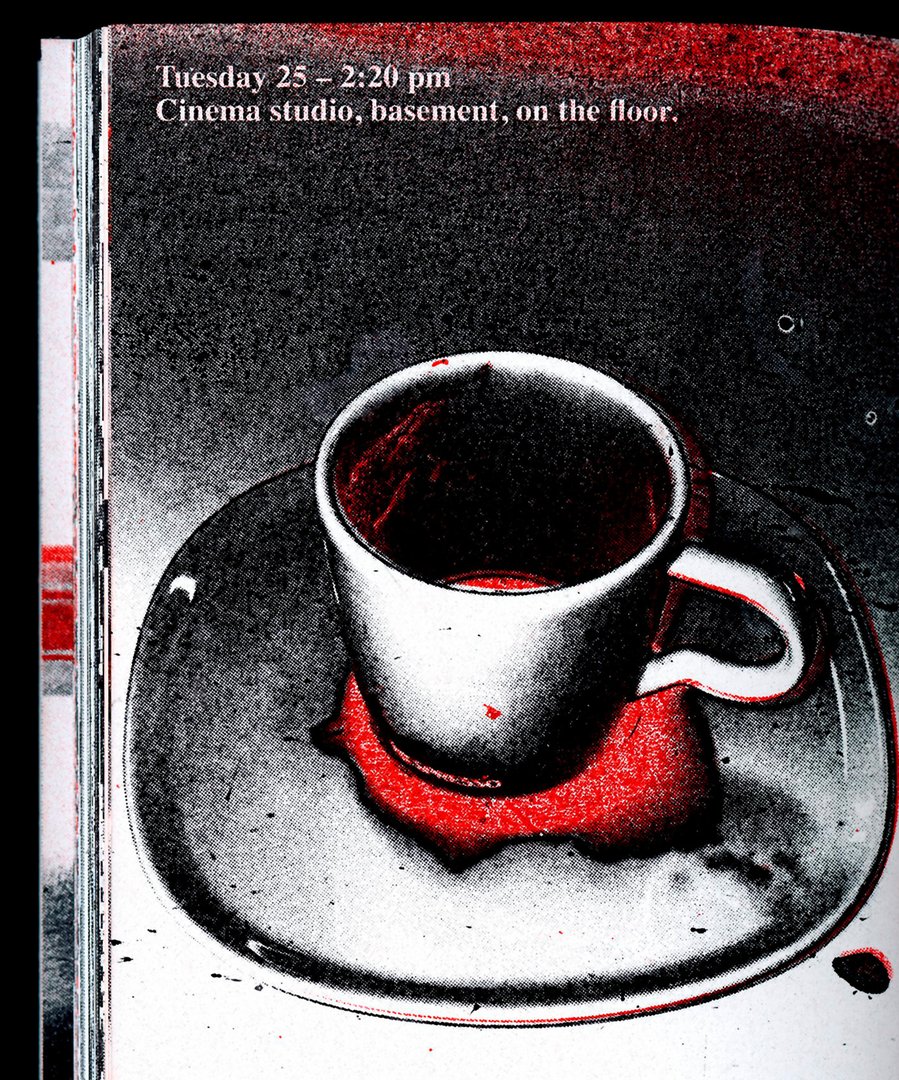
In November 2025, 27 ECAL students took part in Work and Turn, a workshop led by Geoff Han exploring the theme of labor and the often overlooked work that sustains the school. Located in a former IRIL knitwear factory in the industrial area of Renens, ECAL occupies a vast building whose daily functioning depends on many visible and invisible forms of labor. Over five days, students worked in small teams to produce a collective 96-page pocket-sized publication. Each pair created an 8-page photographic visual essay focusing on a specific aspect of labor at ECAL. Rather than relying on traditional portraits, the projects explored more poetic and indirect ways of documenting traces of work through spaces, gestures, materials, and infrastructures. The entire publication was manually printed on an offset press by the students themselves, in either black or red and black. The printing process was a central part of the workshop: participants prepared the plates, set up the press, and ran the prints. This hands-on production process echoed the theme of labor explored throughout the publication.

Workshop NORM - A Shape in a Shape

GRAPHIC DESIGN

Workshop NORM - A Shape in a Shape

with Dimitri Bruni (NORM), Manuel Krebs (NORM)

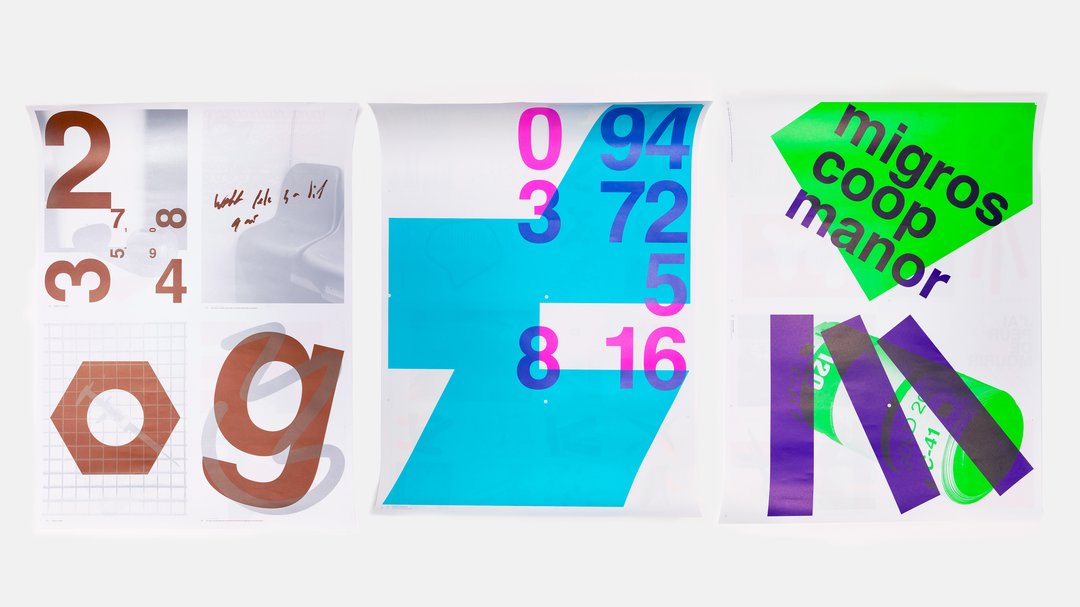
How can graphic design be promoted by demonstrating its fundamentals? Led by the studio NORM for first-year students, this workshop aims to highlight ECAL’s Graphic Design programme through the didactic lens of elementary instruction. Each day, students were assigned a global theme (A – Words, B – Images, C – Graphics, D – Drawings), along with a series of simple questions. By combining this input, they produced three collaborative double-sided posters, intended to be offset-printed for ECAL’s Open Days. Each poster features its own duotone combination and folds into a booklet. This project emphasizes how the combinatory potential of simple elements can become a powerful tool in graphic design, while underlining the importance of process in creation.

ALICE FRANCHETTI WORKSHOP – RICHARD NEUTRA

GRAPHIC DESIGN

ALICE FRANCHETTI WORKSHOP – RICHARD NEUTRA

with Alice Franchetti

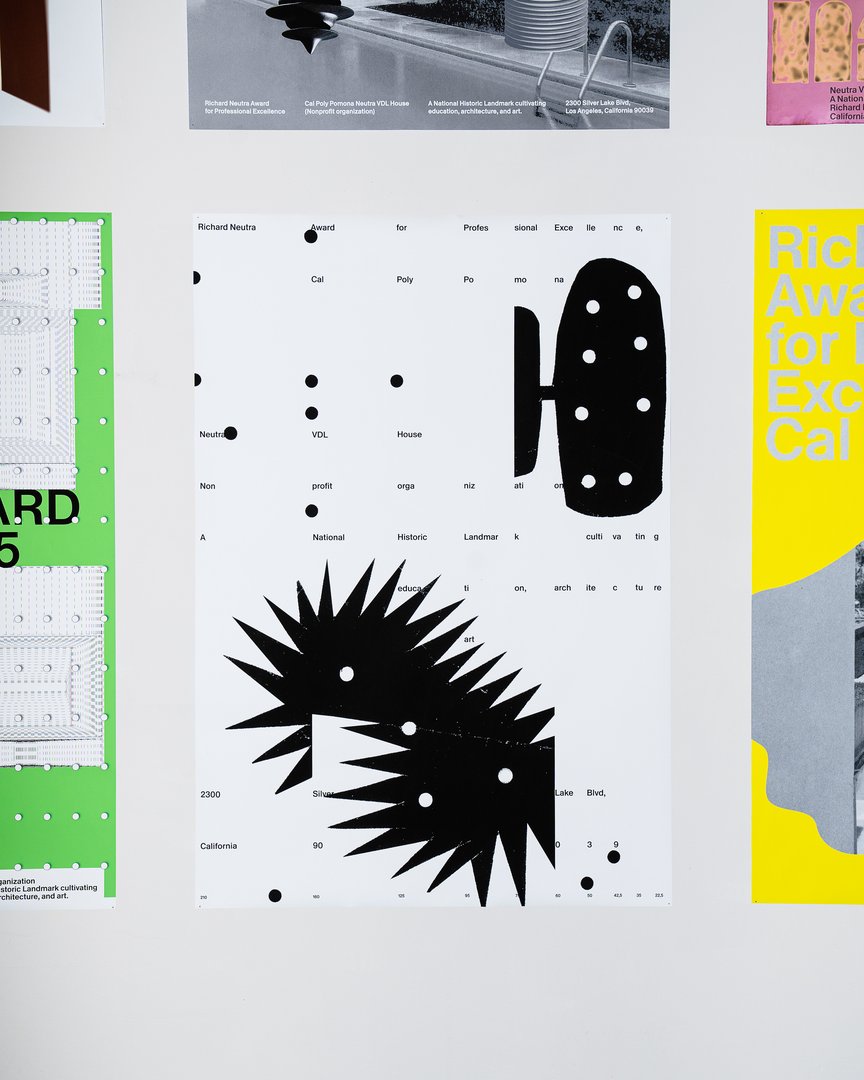
During this workshop, each student was tasked with designing a poster inspired by the architectural legacy of Richard Neutra. Drawing from his modernist philosophy and formal principles — clean lines, transparency, strict geometry, and integration with the landscape — each student visually reinterpreted Neutra’s ideas within a 2D graphic format.

ECAL Night Live

GRAPHIC DESIGN

MEDIA & INTERACTION DESIGN

PHOTOGRAPHY

ECAL Night Live

with Vincent Veillon, Paul Walther, Florian Pittet (Sigmasix), Vincent Jacquier, Julien Gurtner

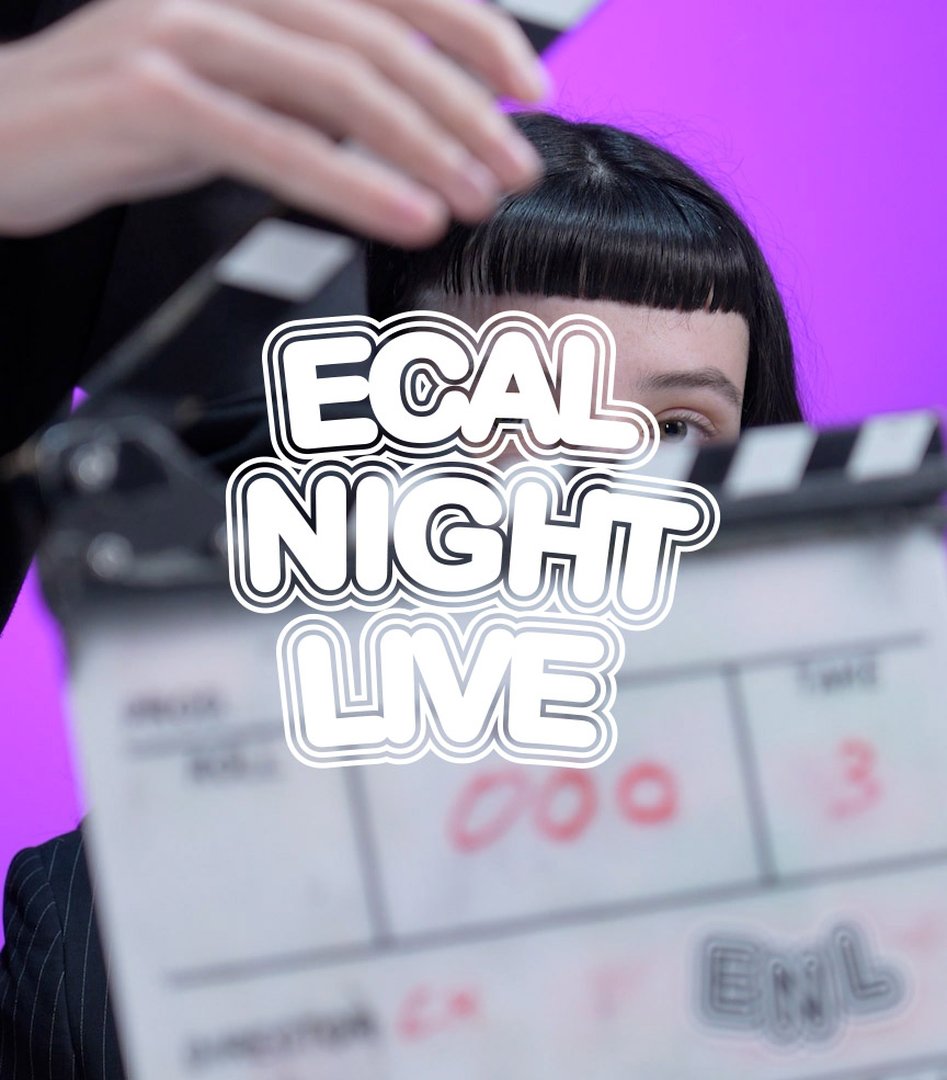
During an intensive week, first-year students from the Visual Communication department at ECAL had the opportunity to create and produce the first edition of ECAL Night Live. The goal was to design a show inspired by satirical television formats. Divided into multidisciplinary teams—including students from the Bachelor programs in Graphic Design, Media & Interaction Design, and Photography—they collaborated to create all the content, set design, and visual identity of the show, delivering a fully homemade project in record time. The main theme revolved around self-mockery, targeting the visual communication professions, students, and the institution itself, with a subtle touch of current events. This project was supervised by Vincent Veillon and Paul Walther, directors of the RTS show 52 Minutes, as well as Florian Pittet, a digital scenography expert who guided the creation of the show's set design.

SYNC SCREEN

GRAPHIC DESIGN

MEDIA & INTERACTION DESIGN

PHOTOGRAPHY

SYNC SCREEN

with Charlotte Krieger, Jean-Vincent Simonet, Florian Pittet (Sigmasix), Vincent Jacquier, Julien Gurtner, Matthieu Minguet, Cédric Duchêne, EPFL+ECAL Lab, Giacomo Bastianelli

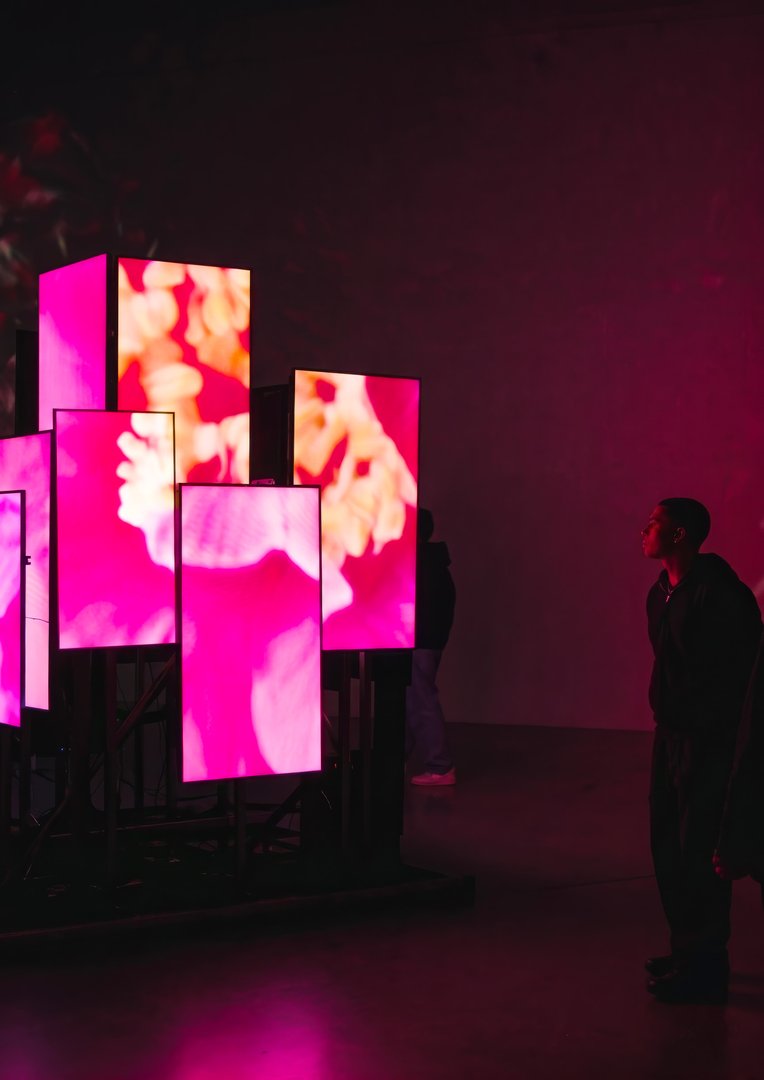
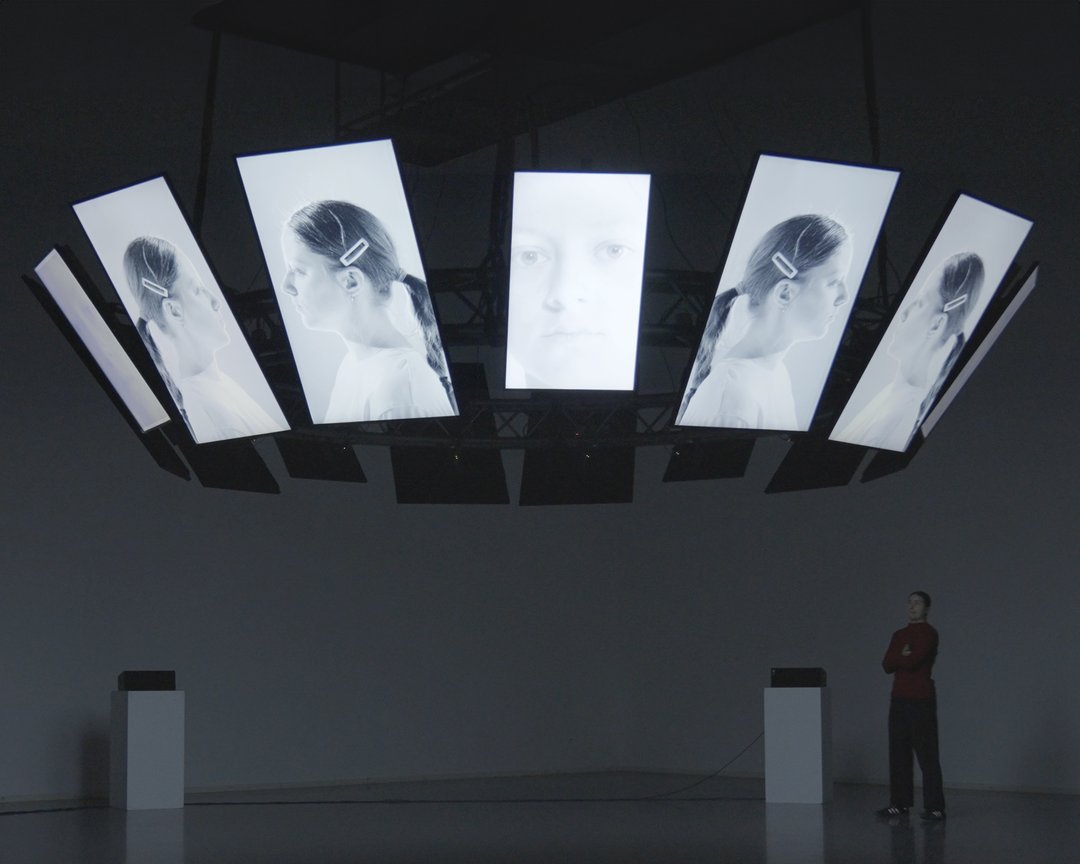
For a week, the first-year visual communications students worked on an installation consisting of 15 screens, accompanied by a 360° sound system developed by EPFL+ECAL Lab. This chandelier, five metres in diameter and suspended from a height of three metres, served as a support for their experiments. Using music specially composed and spatialised for the occasion, the students explored the dynamics of sound both visually and in movement.

Workshop Jiri Oplatek

GRAPHIC DESIGN

Workshop Jiri Oplatek

by Candice Aepli, Amélie Bertholet, Coraline Beyeler, Delphine Brantschen, Léa Corin, Matteo Cortesi, Mathilde Driebold, Eliot Dubi, Marc Facchinetti, Emilie Müller, Dorian Pangallo, Paul Paturel, Hugo Scholl, Diego Steiner, Cyprien Valenza, Alfredo Venti, Arnaud Wenger, Constance Mauler, Flora Hayoz, Lidia Molina González

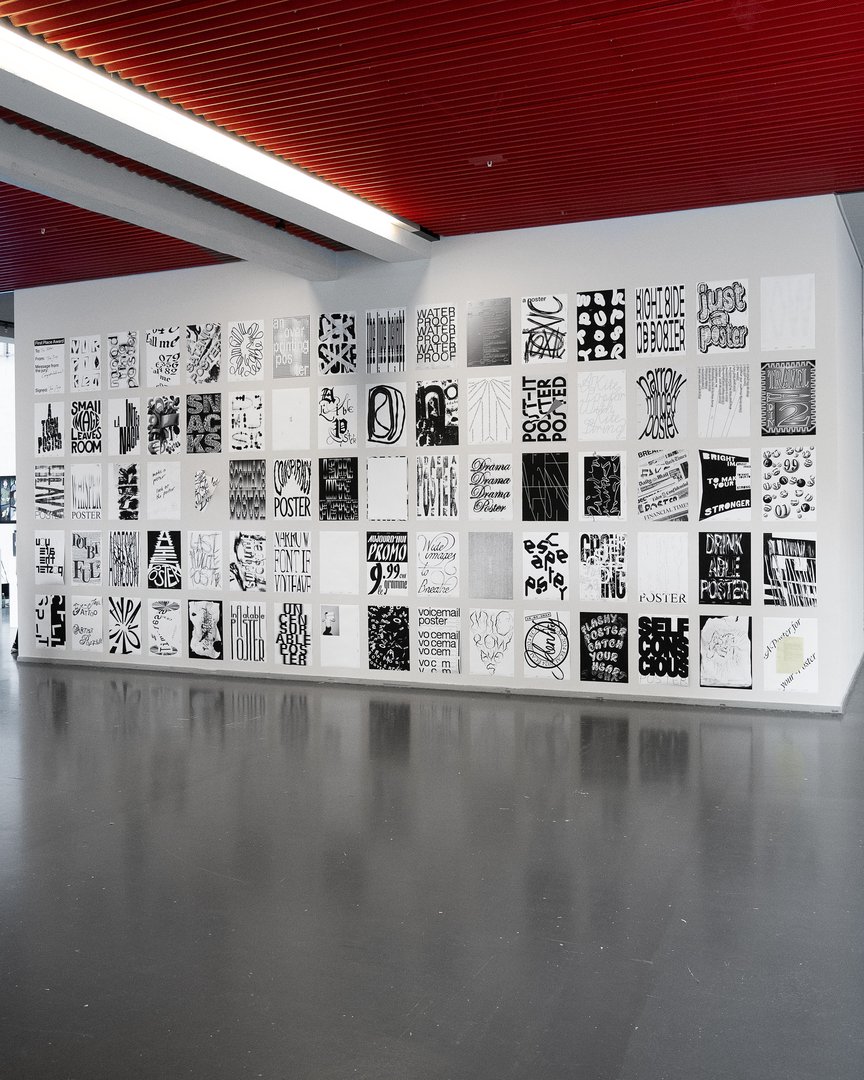
An Ode to the Poster 80 Attributes 80 Fonts 80 Posters During this week, the second year students had to create 80 posters, i.e. 4 posters per person. Based on a list of defined attributes, they had to create typography and concepts around them.

Workshop Hélas Studio – 2024

GRAPHIC DESIGN

Workshop Hélas Studio – 2024

with Eilean Friis-Lund, Alice Vodoz

Mise en scène An exercise centered around the poster format with a typographic approach. The goal is to convey the atmosphere of a film through lettering by graphically staging the text.

Retinaa workshop

GRAPHIC DESIGN

Retinaa workshop

by Candice Aepli, Amélie Bertholet, Coraline Beyeler, Delphine Brantschen, Léa Corin, Matteo Cortesi, Mathilde Driebold, Eliot Dubi, Marc Facchinetti, Emilie Müller, Dorian Pangallo, Paul Paturel, Hugo Scholl, Diego Steiner, Cyprien Valenza, Alfredo Venti, Arnaud Wenger, Constance Mauler, Flora Hayoz, Lidia Molina González, Vladislav Tschumi

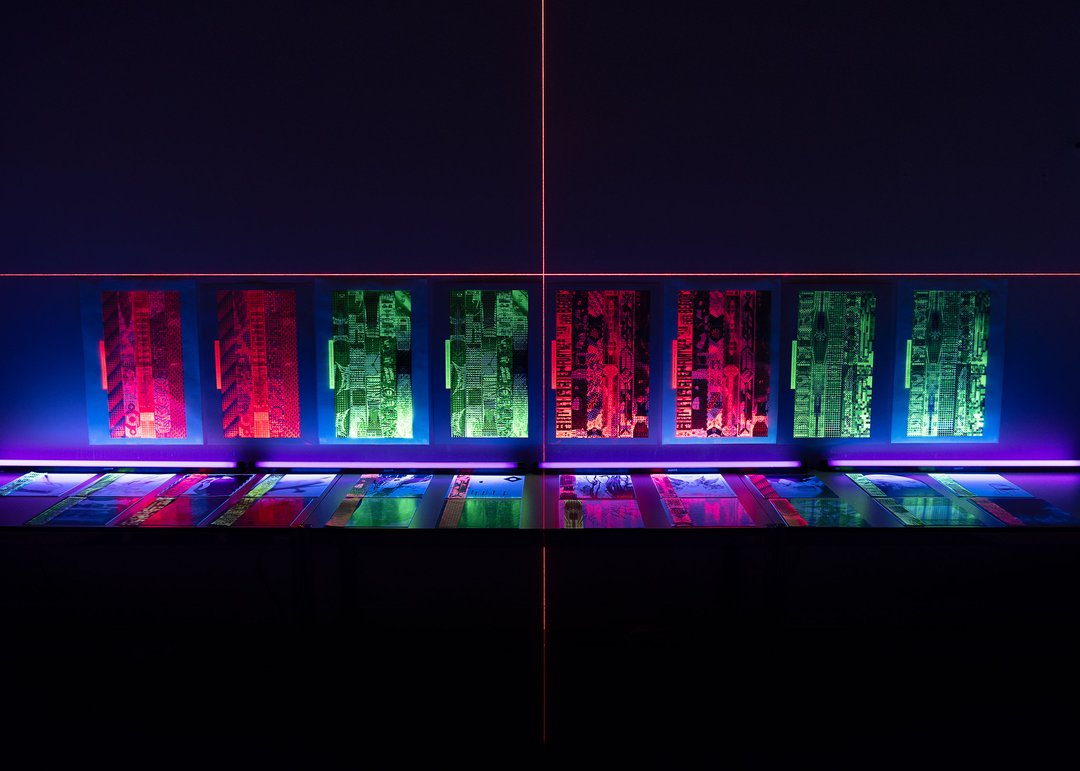
During this week, the students had to create Obi Strip, a strip of paper surrounding the cover of a vinyl. A visible layer representing the world of their vinyl and an invisible layer creating a security raster. The result was screen-printed, using visible ink and UV ink for the security design.

Colour Typologies

GRAPHIC DESIGN

Colour Typologies

by Candice Aepli, Amélie Bertholet, Coraline Beyeler, Delphine Brantschen, Léa Corin, Matteo Cortesi, Mathilde Driebold, Eliot Dubi, Marc Facchinetti, Emilie Müller, Dorian Pangallo, Paul Paturel, Hugo Scholl, Diego Steiner, Cyprien Valenza, Alfredo Venti, Arnaud Wenger, Constance Mauler, Flora Hayoz, Lidia Molina González, Vladislav Tschumi

Workshop Atelier Brenda During this week, the students created posters based on Ken Nordine's music album "Color".

Diploma projects

Nadia Laprés – Partysound

GRAPHIC DESIGN

Nadia Laprés – Partysound

by Nadia Laprés

Partysound is a musical game designed for children. Using cards placed on a table, participants build a score that is performed collectively while moving around it. Three colours correspond to three sound sources: hands, percussion, and voice. Each player is assigned a colour and performs the corresponding symbols as they appear in the score. The music emerges through alternating actions and active listening. Presented in a box containing several game scenarios to help discovering the rules, the project encourages experimentation and the pleasure of being and making music together. Developed from a reflection on the methods of musical education, Partysound offers a freer and more accessible way of approaching music.

Alice Gillioz – A Landscape of Consciousness

GRAPHIC DESIGN

Alice Gillioz – A Landscape of Consciousness

by Alice Gillioz

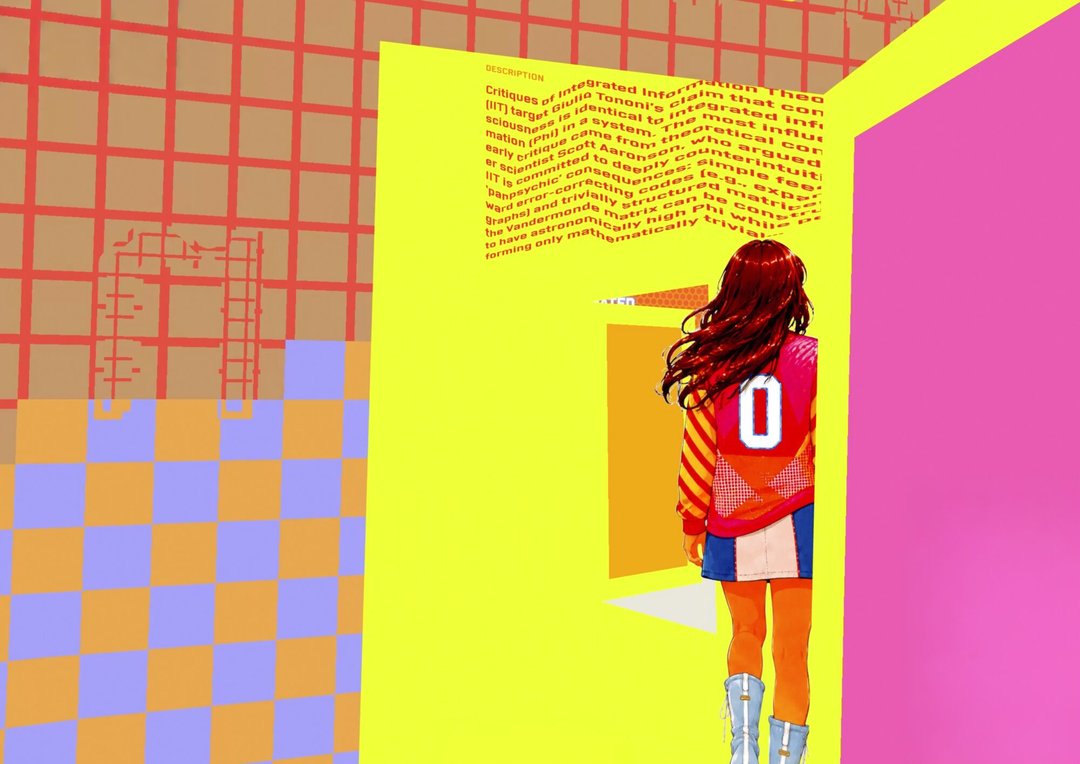
A Landscape of Consciousness materializes contemporary theories of consciousness through an immersive exploration. Along a non-linear narrative journey, visitors navigate a virtual campus where conceptual frameworks take the form of streets and urban structures. A Landscape of Consciousness also unfolds as a festival whose topography mirrors this organization, allowing neighboring theories to coexist and engage in dialogue. Inspired by Robert Lawrence Kuhn's Landscape of Consciousness — a resource originally designed for researchers — this project seeks to build bridges between specialists and non-specialists.

Joe Bionda – FINGERS CROSSED WHEN YOU HAVE NO CHOICE

GRAPHIC DESIGN

Joe Bionda – FINGERS CROSSED WHEN YOU HAVE NO CHOICE

by Joe Bionda

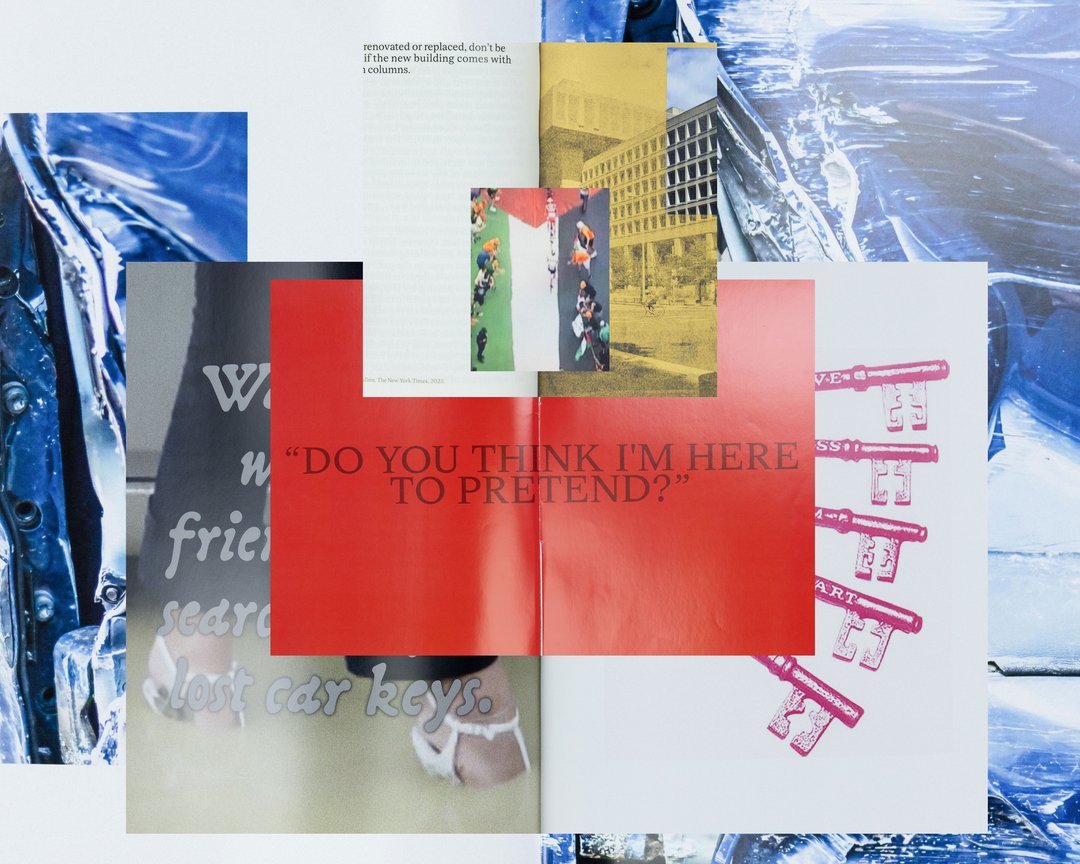
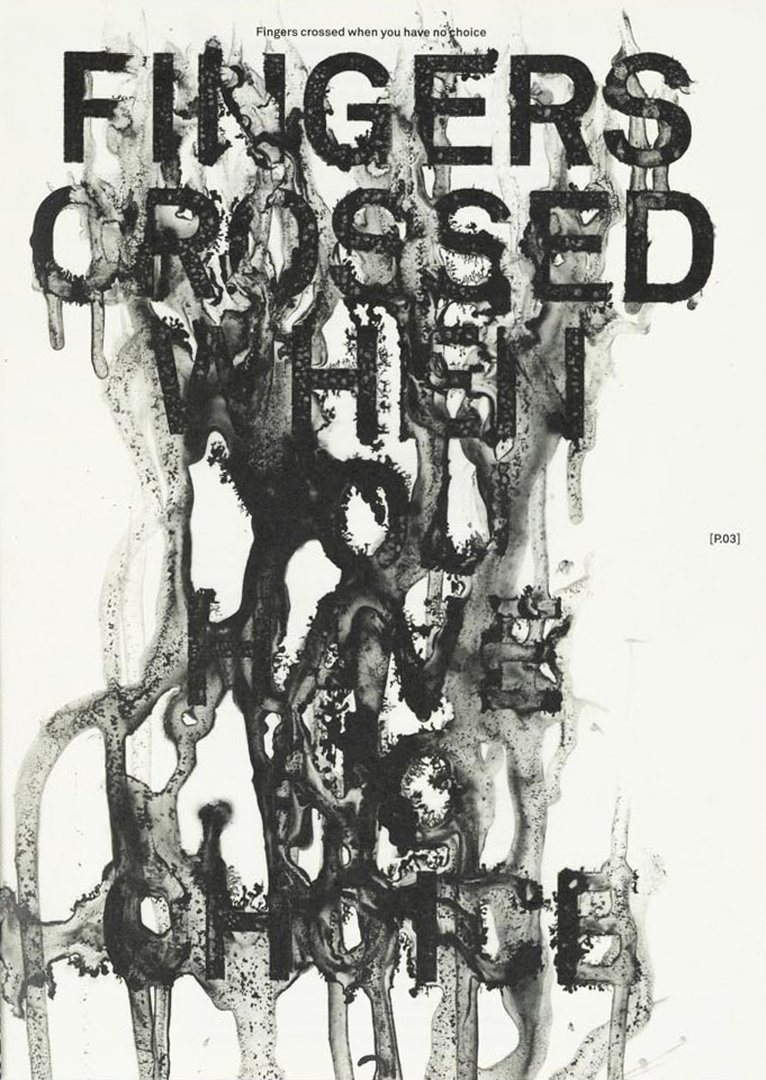
Mexico City rests on a ghost. Built on the waters of the former Lake Texcoco, the site of Tenochtitlán, the city sinks by 20 to 40 cm per year. Buildings tilt, cracks spread, structures become unstable: the city is slipping. Through the local creative scene, the magazine INGERS CROSSED WHEN YOU HAVE NO CHOICE envisions a post-apocalyptic Mexico City not as a distant fiction, but as a sensitive extension of the present. A territory where anxiety, desire, and nightmares coexist, shaped by insecurity and violence. This project brings together research, editorial and art direction, graphic design, and artisanal printing. It offers a situated reading of the city, seen as a living palimpsest in constant transformation.

Adam Saragoussi – La Soupe

GRAPHIC DESIGN

Adam Saragoussi – La Soupe

by Adam Saragoussi

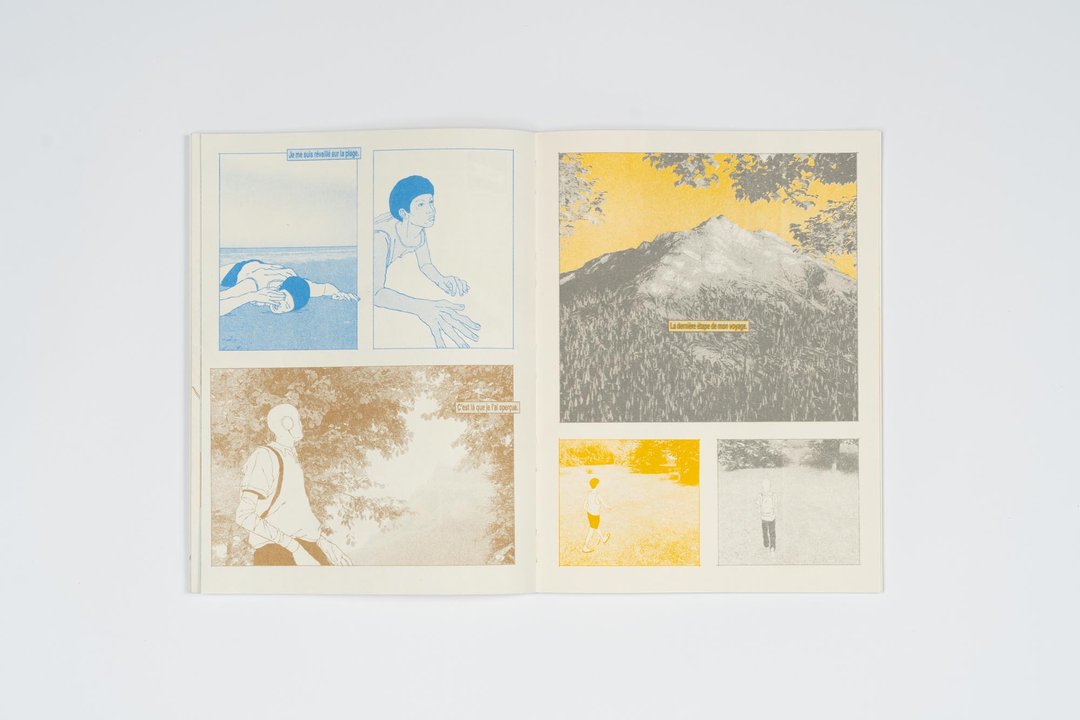
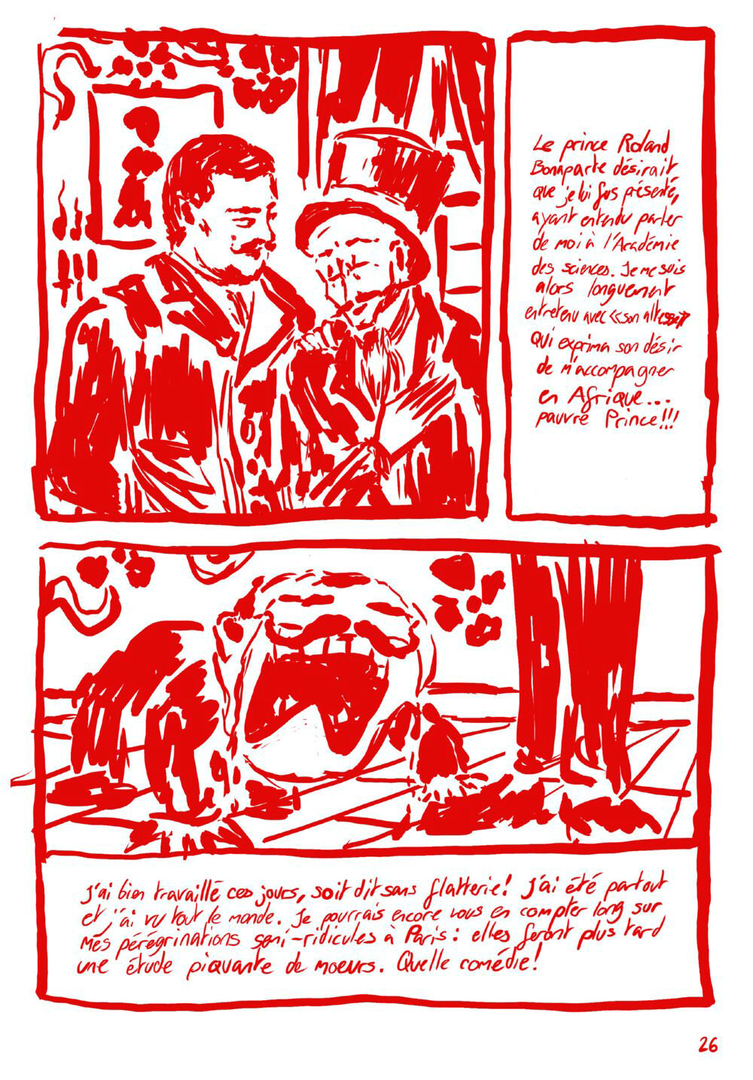
How can new narrative mechanics emerge in comics? La Soupe follows the surreal journey of Clarence and Ludwig in their quest toward the Nucleus of the world. Although they share the same pages, the two characters evolve within distinct parallel realities, each associated with a different printing layer. Developed as a space for narrative exploration, the project investigates the possibilities offered by the coexistence of multiple stories and multiple levels of reading within a single page. The images, combining hand-drawn elements with 3D-set designs, build a universe oscillating between science fiction and dreamlike imagery. Entirely printed in risograph, La Soupe deploys various narrative devices in which realities intersect, contaminate one another, and evolve throughout the story.

Noa Jetzer – Alula

GRAPHIC DESIGN

Noa Jetzer – Alula

by Noa Jetzer

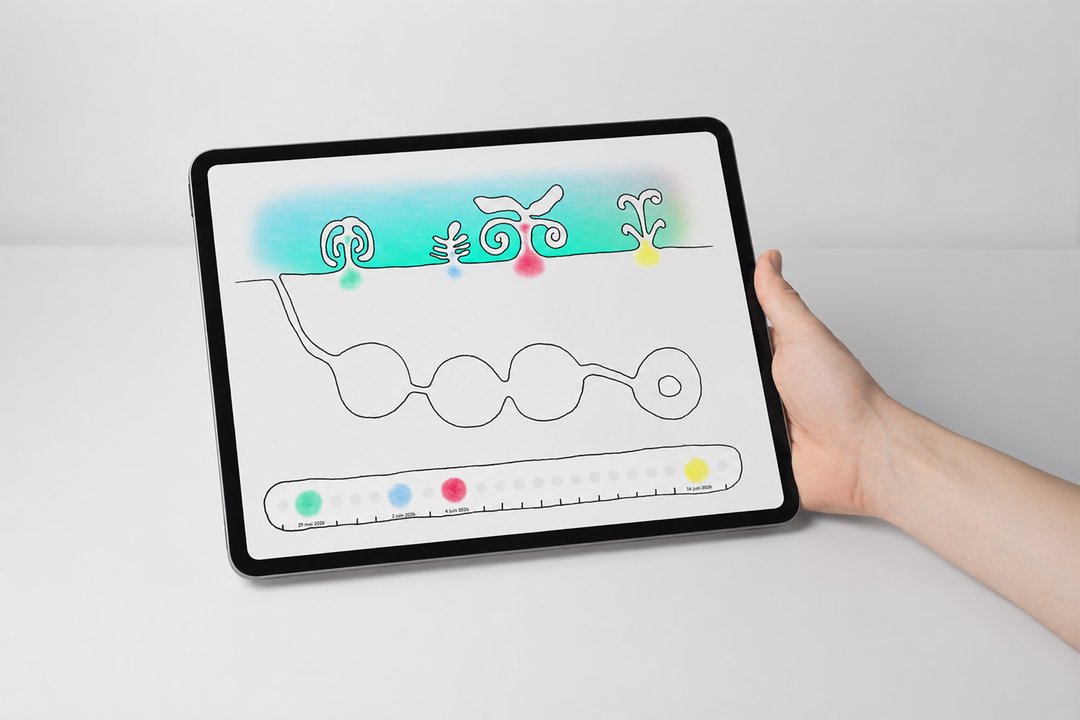
Born from an interest in animation, digital media and accessibility, Alula is a project developed in collaboration with occupational therapist Romain Savioz. It explores the following question: what might a digital environment designed to foster autonomy in emotional self-regulation among young people look like? Conceived as a resource space alongside therapy, the project envisions its visual universe through a stop-motion animation, pen-and-ink illustrations and interactive prototypes. Together, they outline an evolving digital garden where each action contributes to shaping a unique landscape. By combining analogue techniques with interactive design, Alula develops a sensitive, narrative and accessible approach to digital graphic design.

Clara Hoya – Monumentum post inferna

GRAPHIC DESIGN

Clara Hoya – Monumentum post inferna

by Clara Hoya

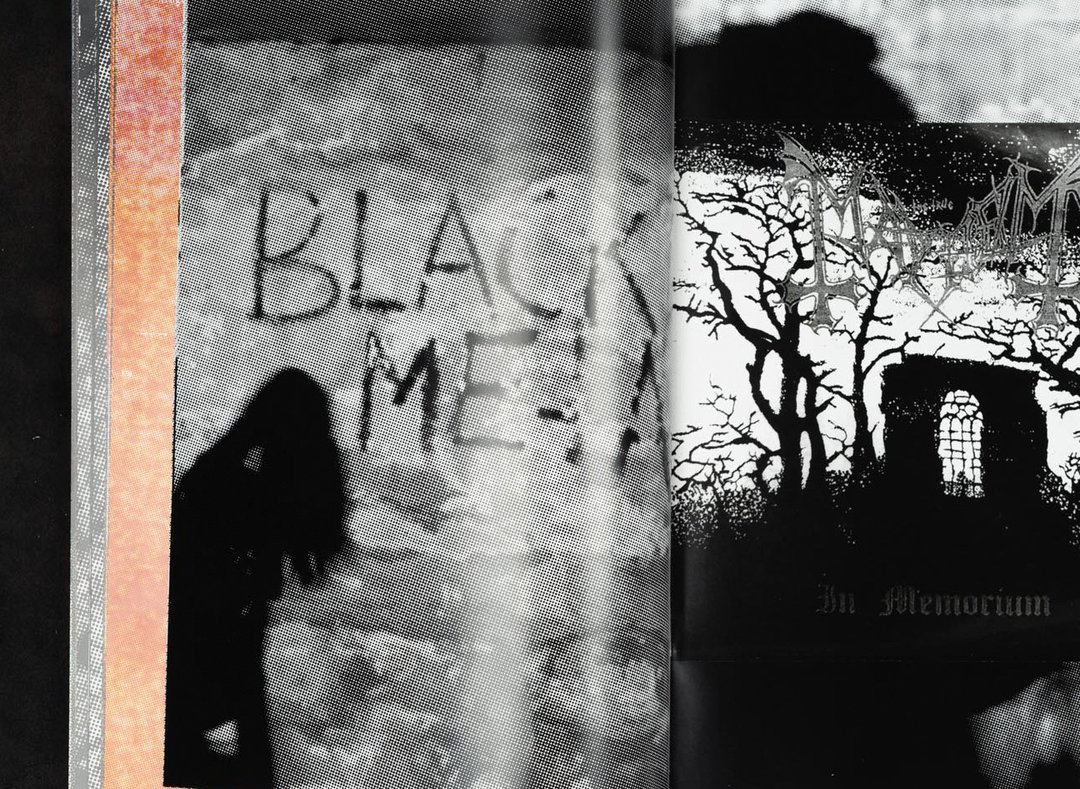
Monumentum post inferna is a tribute to the place music holds in the graphic designer's life. Since childhood, music has shaped her relationship with the world, and in her teens, black metal opened the doors to a universe whose center of gravity seemed to lie in Oslo, at a now-legendary venue: Neseblod, formerly Helvete. Behind the records and display cases lingers the enduring presence of this shop's past, which has left its mark on the history of black metal, and become a place of collective memory and pilgrimage. Book conceived as a film script, Through Monumentum post inferna presents the objects, stories, and myths that continue to echo the history of black metal within its walls, highlighting their significance and excess.

Da Silva Romão Caroline – Ce qui nos fica

GRAPHIC DESIGN

Da Silva Romão Caroline – Ce qui nos fica

by Da Silva Romão Caroline

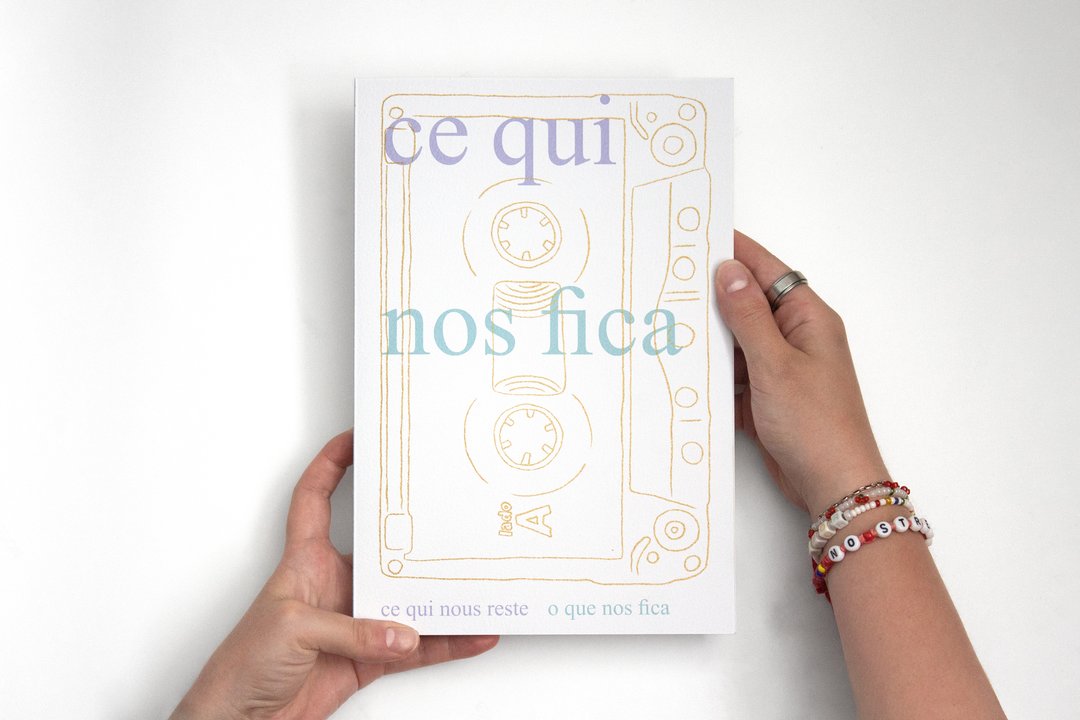
The book Ce qui nos fica brings together Frentuguese, a hybrid French-Portuguese language that emerged within Portuguese immigrant families in French-speaking Switzerland. Through words that were never written down but passed on orally, it captures a memory that is both collective and personal: that of a linguistic, cultural, and familial in-between. The book offers a snapshot of this language, frozen in time as it exists in 2026. What we are left with are not only these words and expressions, but also the memories of the annual journeys between Switzerland and Portugal: the long trips by car or autobus, which are, like us, suspended between two countries. Este livro reúne o frantuguês, uma língua híbrida franco-portuguesa nascida nas famílias da imigração portuguesa na Suíça (França). Através de palavras nunca escritas, mas transmitidas oralmente, ele capta uma memória ao mesmo tempo coletiva e pessoal: a de um entre-dois linguístico, cultural e familiar. A obra propõe assim uma fotografia desta linguagem, fixada no tempo, no seu estado de 2026. O que nos fica são essas palavras, mas também as memórias das viagens anuais entre a Suíça e Portugal: as longas viagens de carro ou de autocarro, que são também elas, como nós, um entre-dois países.

Clara Besson – L'Or du Transvaal / L'Or des DuBois

GRAPHIC DESIGN

Clara Besson – L'Or du Transvaal / L'Or des DuBois

by Clara Besson

L'Or du Transvaal / L'Or des DuBois is the first volume of the Recto / Verso collection, which aims to encourage Swiss people, and especially young people, to question the history of their country. This volume explores how Switzerland has been and remains imperialist, through the story of the DuBois family from Le Locle, who left to exploit gold in Transvaal in the 19th century. Each double page mirrors two simultaneous realities: the imperialist narrative on the left and its multidimensional critique on the right, the same events told from radically different points of view, by entities that coexist without ever directly interacting. In a context of rising far-right politics across the West, L'Or du Transvaal / L'Or des DuBois intends to fight by the transmission of knowledge beyond academic circles.

Alexandre Carruzzo – CH38

GRAPHIC DESIGN

Alexandre Carruzzo – CH38

by Alexandre Carruzzo

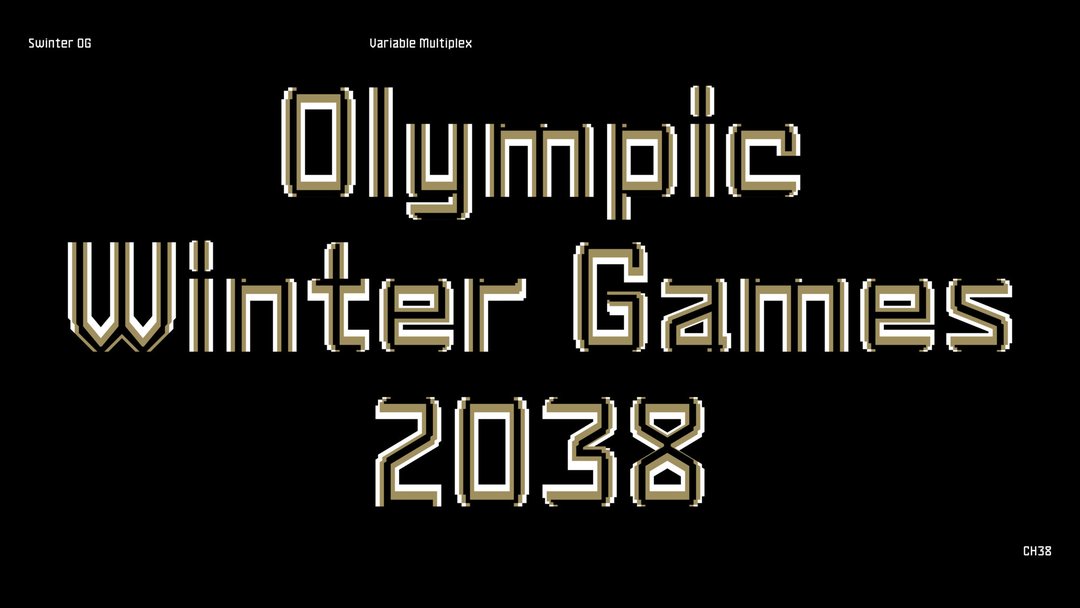
CH38 is a visual identity design proposal for the upcoming 2038 Olympic Winter Games in Switzerland. This project seeks to address the lack of visual unity between the increasingly complex live analytical overlays of televised sporting events with the overall aesthetic of the Games. In an effort to establish a consistent visual connection between the greater aesthetic and the various information displayed on-screen, CH38 offers a variable uniwidth typeface, Swinter. With three degrees of spatial freedom, it brings visual dynamism to the overlay, reflecting the sporting spirit of the Games. Moreover, its geometric construction echoes Swiss values of rigor and precision.

Korakot Unasit – Close stranger

GRAPHIC DESIGN

Korakot Unasit – Close stranger

by Korakot Unasit

It all starts with a friendship — born by chance, through moments shared in virtual spaces. Without ever meeting physically, a relationship took shape. This paradox raises a question: what does it truly mean to be present for someone? From this experience comes Close Stranger, a moving image project rooted in the world of video games that explores how a bond can evolve in a dematerialized environment, where presence defines itself differently. The trailer gives form to these immaterial ties that inhabit a shared world, but are never fully accessible to one another.

Mattias Koskinen – SKRÅ - Mind in Finland

GRAPHIC DESIGN

Mattias Koskinen – SKRÅ - Mind in Finland

by Mattias Koskinen

SKRÅ is a clothing brand that draws its inspiration directly from Finland. Designed to reveal what others may not perceive, it opens new paths for exploration. The term Skrå comes from the Swedish language means something oblique or inclined. This first pre-capsule collection, "Mind in Finland", aims to showcase the very essence of the brand. The collection sets aside conventional codes to present a new perspective. It embraces opacity, textures, organic silhouettes, and elongated forms, elements that emerge when landscapes are immersed in light and the shadows it creates. These are the principles that run throughout this work, shaping both the identity and the common thread of the collection.

Siméon Dubuis – UNFOLDING TOPOGRAPHIES

GRAPHIC DESIGN

Siméon Dubuis – UNFOLDING TOPOGRAPHIES

by Siméon Dubuis

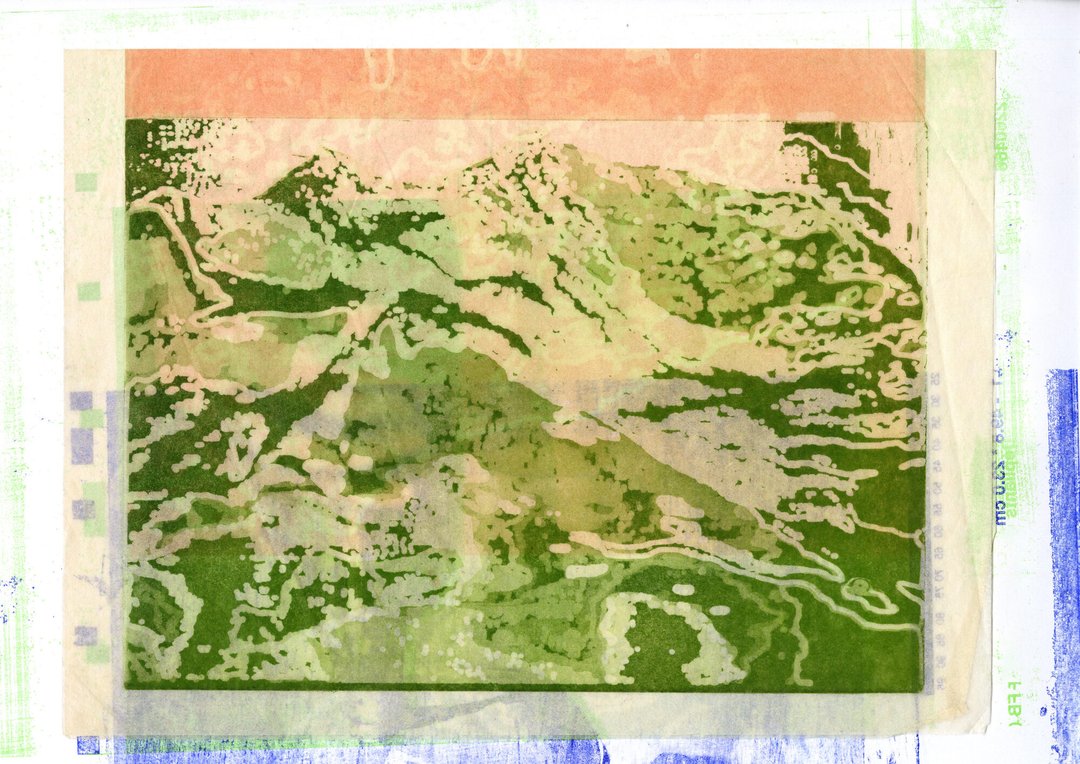
In recent years, the mountains have been crumbling spectacularly, and with them, various myths. Far from the idyllic images of postcards, valleys and villages are cut off from the world; in the worst cases, they are wiped off the map. Against this backdrop, UNFOLDING TOPOGRAPHIES re-examines the clichés of Alpine representation to propose new visual narratives. This graphic research project intervenes at the very heart of the production matrix where images are created, appropriating both industrial production techniques such as offset printing and more traditional methods such as copper engraving. UNFOLDING TOPOGRAPHIES explores how our representations shape our environment and influence our interactions with it.

Program

This section lists the detailed modules and courses for each semester of the programme.

Semester 1 Semester 2 Semester 3 Semester 4 Semester 5 Semester 6

Graphic design practice and techniques I
8 ECTS
  • Editorial Design I
  • Image Making I
  • Type Design I
  • Visual Identity I
Theory I
6 ECTS
  • History of Art (opt.)
  • History of Photography (opt.)
  • History of Cinema (opt.)
  • History of Video Games
  • Introduction to the critical history of graphic design 
Transversal Skills I
6 ECTS
  • Graphic design

  • Photography
  • Interaction Design
  • 2D / 3D Sequence
Project Week I
6 ECTS
  • Conception
  • Creation
Graphic design practice and techniques II
10 ECTS
  • Screen Design I
  • Image Making II
  • Type Design II
  • Visual Identity II


Theory II
6 ECTS
  • History of Art (opt.)
  • History of Graphic Design
  • History of Industrial Design
  • History of Ideas
  • Introduction to the critical history of graphic design 
Transversal Skills II
10 ECTS
  • Graphic design

  • Photography
  • Interaction Design
  • 2D / 3D Sequence
Project Week II
4 ECTS
  • Conception
  • Creation
  • Collaboration
Graphic design practice and techniques III
12 ECTS
  • Screen Design II / Editorial Design II
  • Information Design I
  • Type Design III
  • Visual Identity III / Graphic Design in Context I
Theory III
6 ECTS
  • Information & Communication
  • Global Visions
  • History of Graphic Design Seminars
Transversal Skills III
6 ECTS
  • VR Sequence

  • Book Design 
Project Week III
6 ECTS
  • Motion Design
  • Creation
Graphic design practice and techniques IV
12 ECTS
  • Screen Design II / Editorial Design II
  • Information Design II
  • Type Design IV
  • Visual Identity III / Graphic Design in Context I
Theory IV
6 ECTS
  • Information & Communication
  • Global Visions
  • History of Graphic Design Seminars
  • Introduction to the Thesis
Transversal Skills IV
6 ECTS
  • Clip Sequence

  • Magazine Design

Project Week IV
6 ECTS
  • Motion Design
  • Creation


Graphic design practice and techniques V
12 ECTS
  • Editorial Design Project
  • Communication Project
Graphic design practice and techniques VI
6 ECTS
  • Type Design Project
  • Creation Project
Theory V
6 ECTS
  • Thesis
Transversal Skills V
6 ECTS
  • Service Design
Diploma Studio
6 ECTS
Theory VI
6 ECTS
Diploma Jury
18 ECTS
Find all the programme documents below

Alumni

Ariane Delahaye
Alice Franchetti
Clément Gicquel
Matthieu Huegi
Sylvan Lanz
David Loy
Alice Vodoz
Career Opportunities

Graphic designer, Motion designer, Art director, Creative director, Publisher, Illustrator, Type designer, Web designer, Teacher…

Other alumni

Chaumont & Zaerpour, Clemens Piontek, Eilean Friis-Lund & Alice Vodoz Emmanuel, Crivelli (Dual Room), Eurostandard, Guillaume Chuard, Hugo Hoppmann, Ian Party, Jan Abellan (ARI), Louisa Gagliardi, Mads Freund Brunse, Marietta Eugster, Mateo Broillet, Mathias Clottu, Mathieu Meyer, Maximage, Maxime Büchi, Melina Wilson (A-Language), Nadja Zimmermann (NASK), Nazareno Crea (ABC ETC), Noémie Gygax, Olga Prader, Régis Tosetti, Teo Schifferli, Thibault Brevet (AATB), Vincent Devaud...

Staff

Heads of department

Visual Communication Department
Vincent Jacquier

Bachelor Graphic Design
Angelo Benedetto

Coordination

Artistic assistant
Julien Gurtner

Assistants
Achille Masson
Antonin Ricou
Elodie Anglade
Louis Roh

Technology Center
Jamy Herrmann
Matthieu Minguet
Vincent Jacquier

Professors

Angelo Benedetto
Aurèle Sack
Diego Bontognali
Gilles Gavillet
Guy Meldem
Harry Bloch
Nicole Udry

Multidisciplinary fields professors

Antonio Albanese
Anouk Schneider
Calypso Mahieu
Claus Gunti
Joël Vacheron
Pauline Saglio
Vincent Jacquier
Violène Pont

Lecturers

Adeline Mollard
Alexandru Balgiù
Angelo Cirimele
Catherine Leutenegger
Chi-­Long Trieu
Elodie Anglade
Giliane Cachin
Jonas Berthod
Jonathan Hares
Karen Schmutz
Laurence Salmon
Léonard Guyot
Lionel Tardy
Mehdi Derfoufi
Mélanie Boissonneau
Mélanie Courtinat
Olivia Schenker
Pierre Doze
Robert Huber
Sami Benhadj
Sébastien Agnetti

Visiting lecturers

Atlas Studio
Brian Roettinger
Daniel Maarleveld
Eurostandard
Félicité Landrivon
Helmo
Ines Cox
Irene Vlachou
Jean-Vincent Simonet
Jessica In
Klap Roosje
Lamm & Kirch
Lineto
Marietta Eugster
Norm
Raphaël Garnier
Ronny Hunger
Sandra Kassenaar
Sebastian Strappazzon
Stephanie Specht
Syndicat
Vincent Devaud
Yehwan Song