
The Mind Reader Interface

The Mind Reader Interface

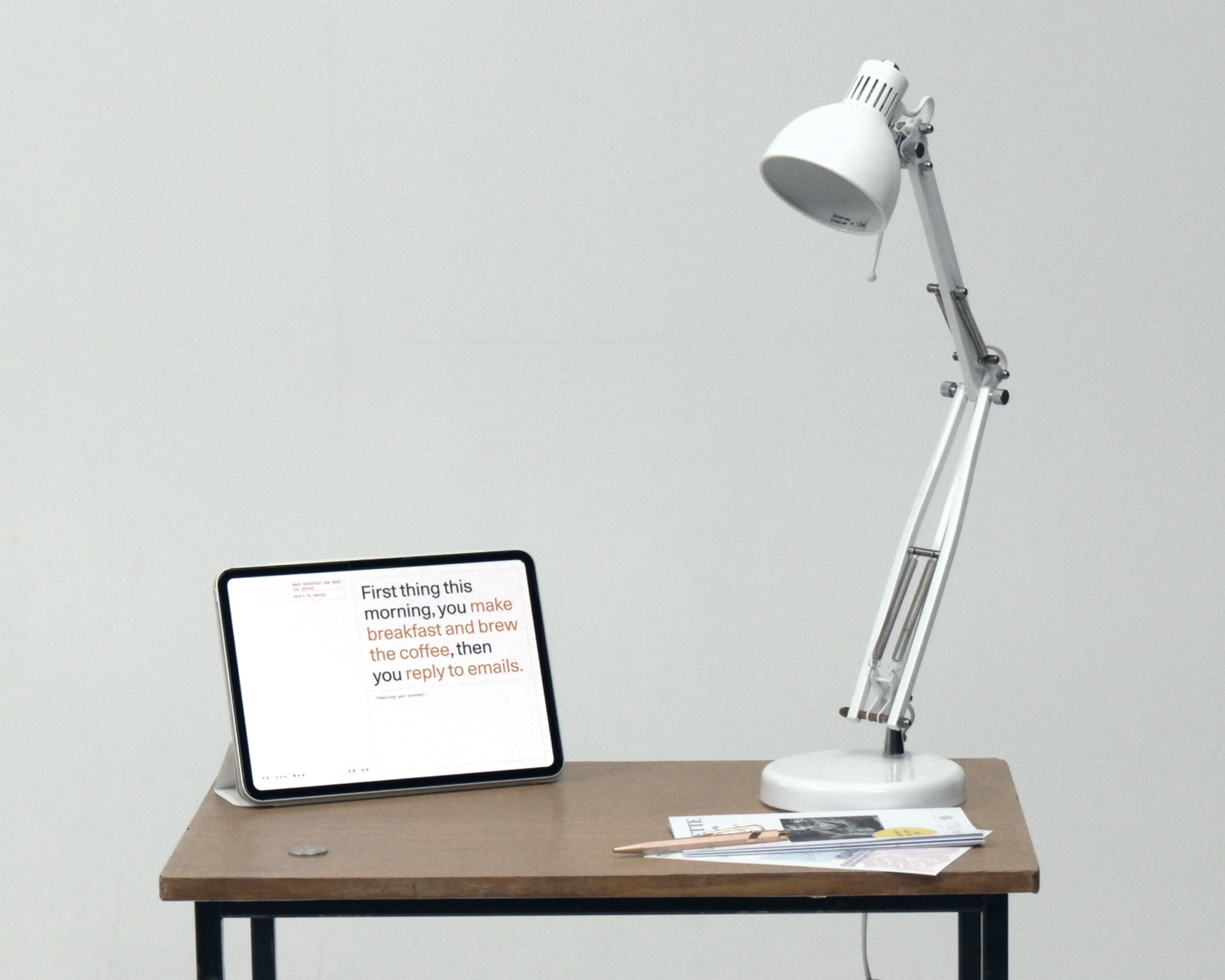
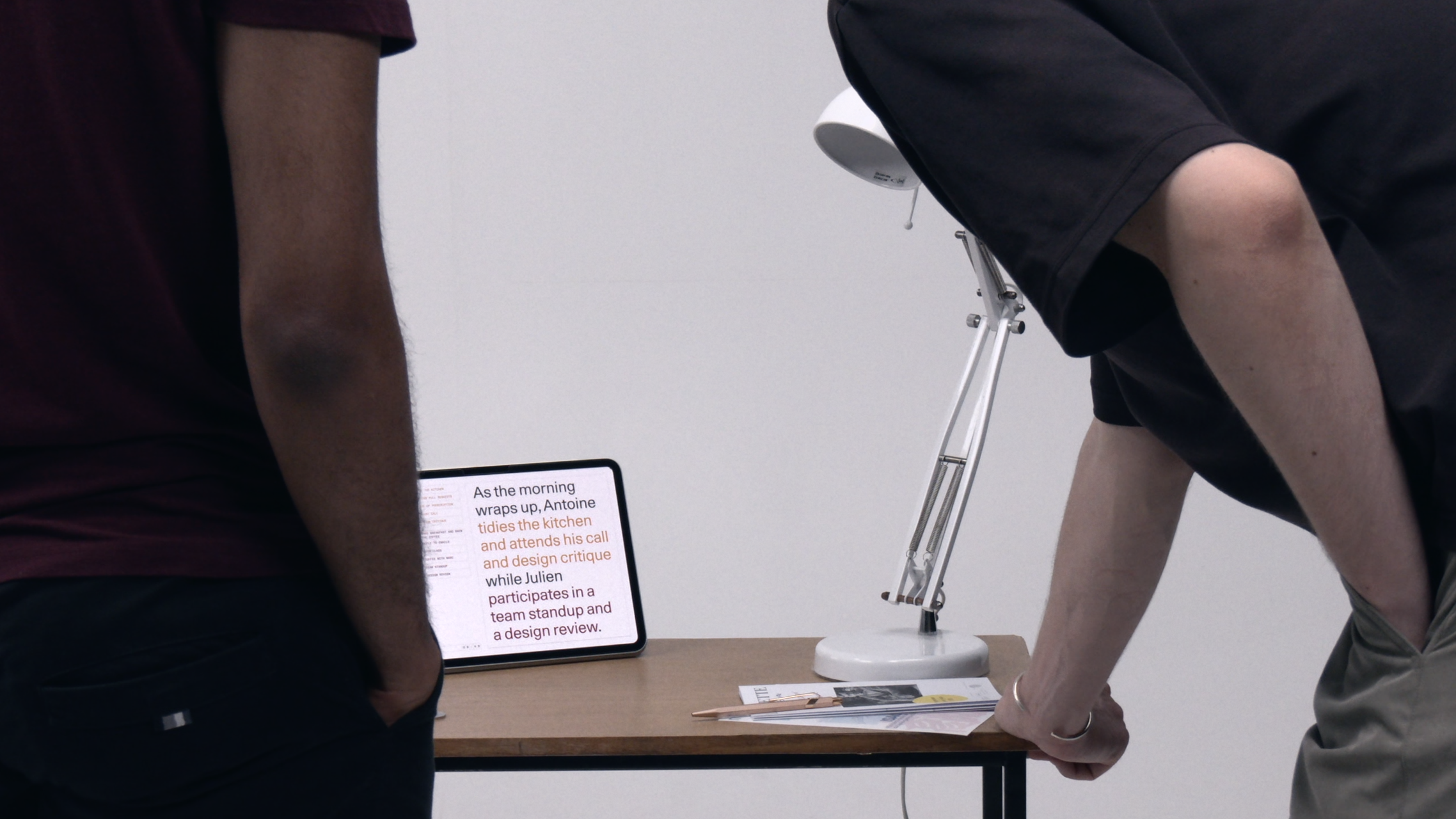
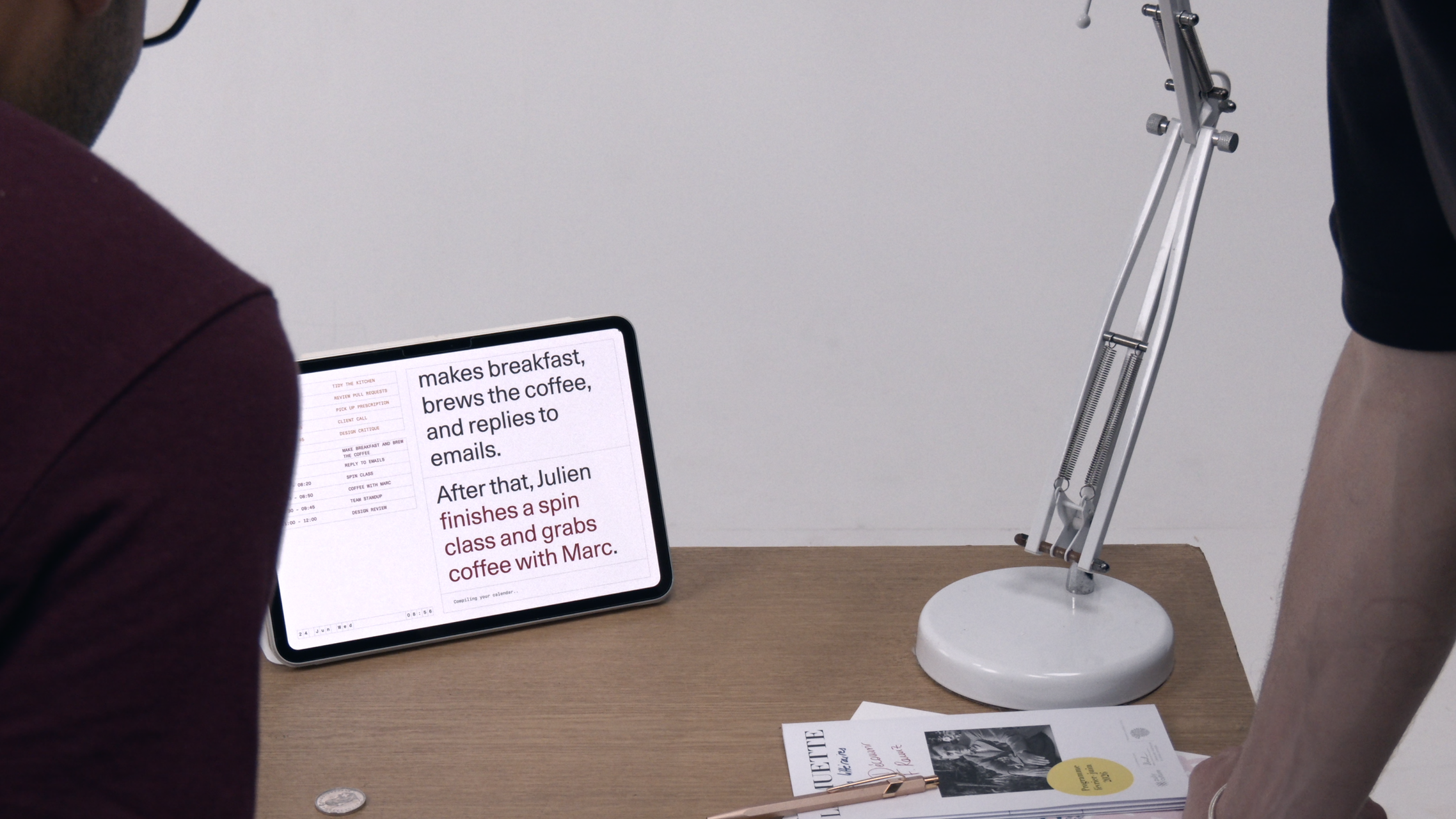
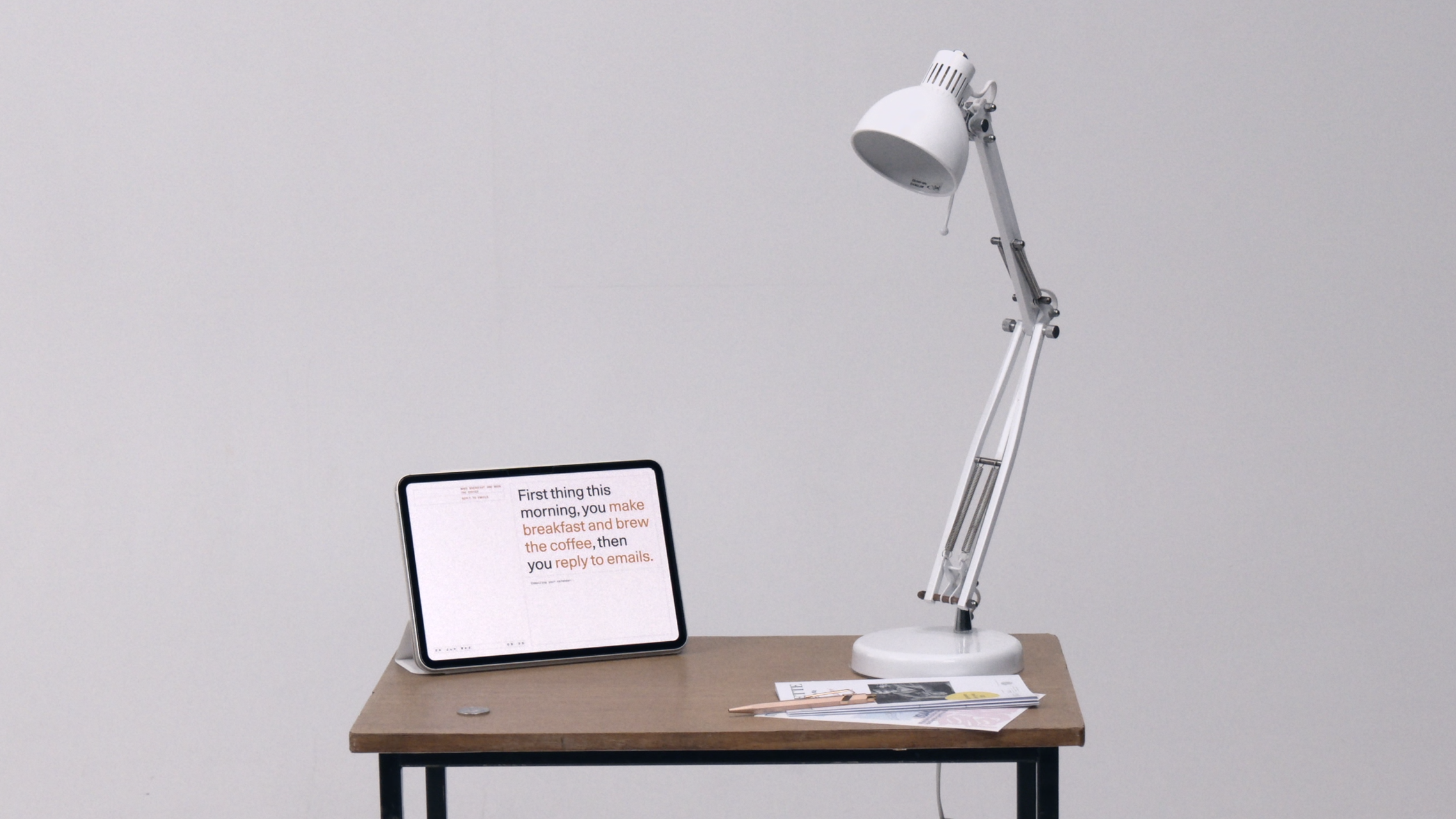
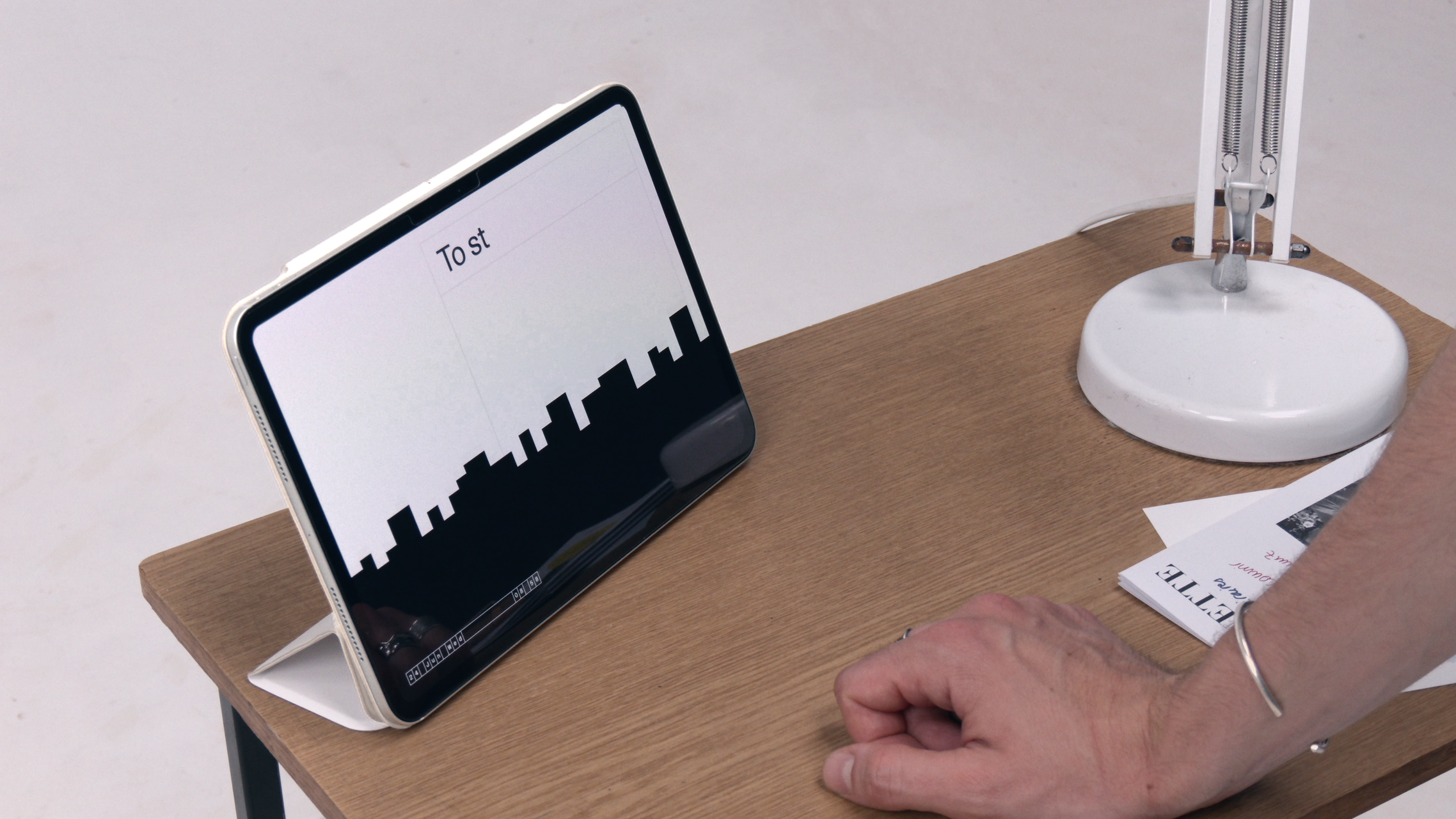
The Mind Reader Interface fait passer l'informatique du réactif au proactif : d'un système qui obéit aux commandes à un système qui les anticipe. Là où les environnements intelligents assignent à leurs utilisateurs un rôle de pilote, condamnés à adresser sans cesse des instructions, ce projet supprime la friction de l'instruction. L'intention ne se déclare plus par un écran ou un bouton. Elle se déduit.

En lisant le contexte, l'habitude et les signaux de la présence, l'interface agit avant qu'on ne le lui demande. Elle abandonne la forme de l'appareil pour devenir un Ghost in the Room qui perçoit plutôt qu'il n'obéit. L'utilisateur ne pilote plus l'espace ; il l'habite. Le système ne lit pas les pensées, seulement des traces, et met en scène la distance entre l'anticipation et la compréhension : ce que nous gagnons, et ce que nous cédons discrètement, lorsqu'un espace se met à agir en notre nom.

Projet d’atelier (2026) avec Gaël Hugo, Paul Lëon

Assistant·e·s
Martial Grin
Étudiant·e·s
Marc Facchinetti, Gwenaëlle Gustin, Shin Young Park, Rishab Sachidanand, Emilie Müller, Thomas Neyroud
Savoir-faire
Tangible Interaction, UX/UI, Creative coding, Data visualization

1/5

Ghost in the Lines

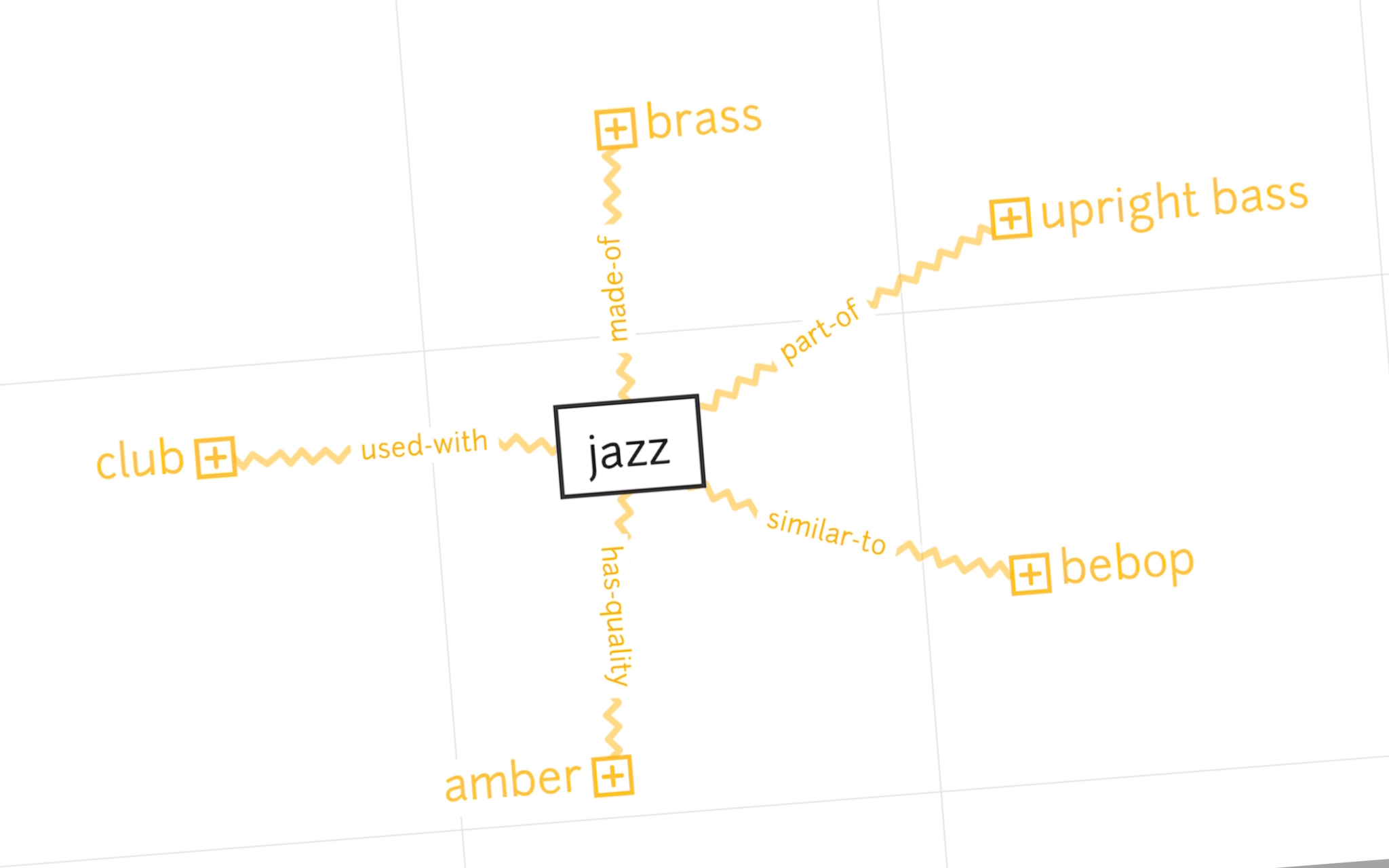
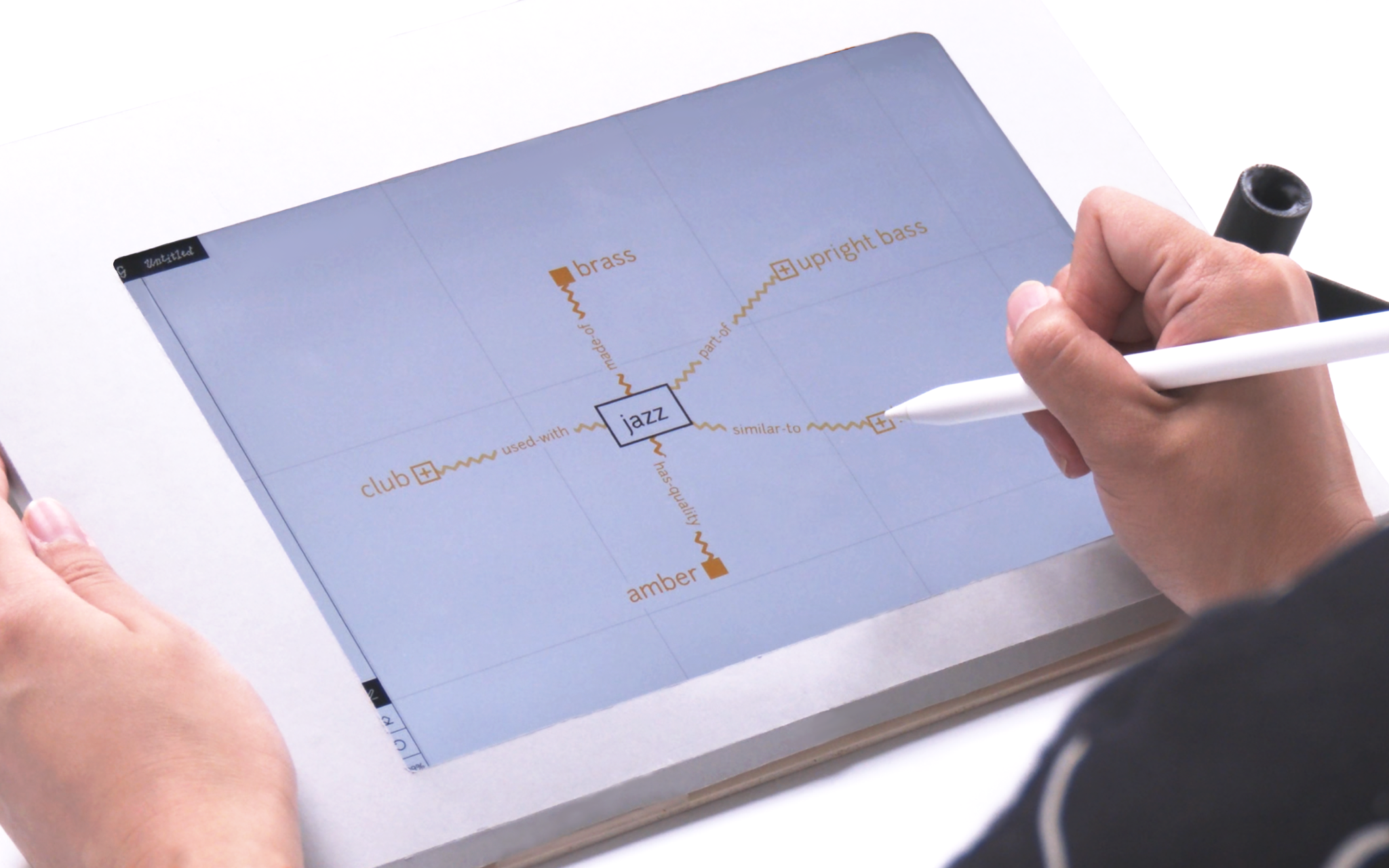
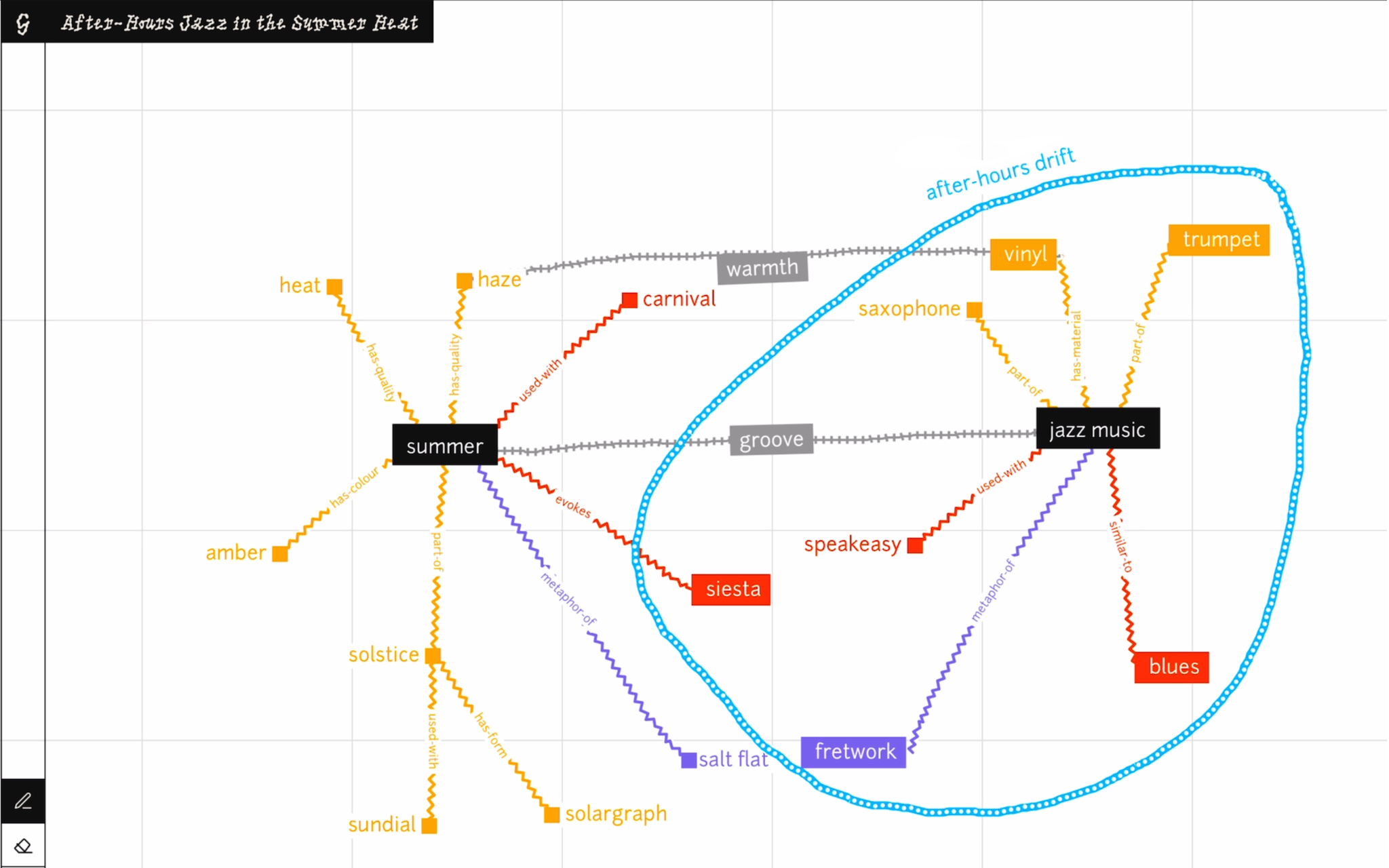
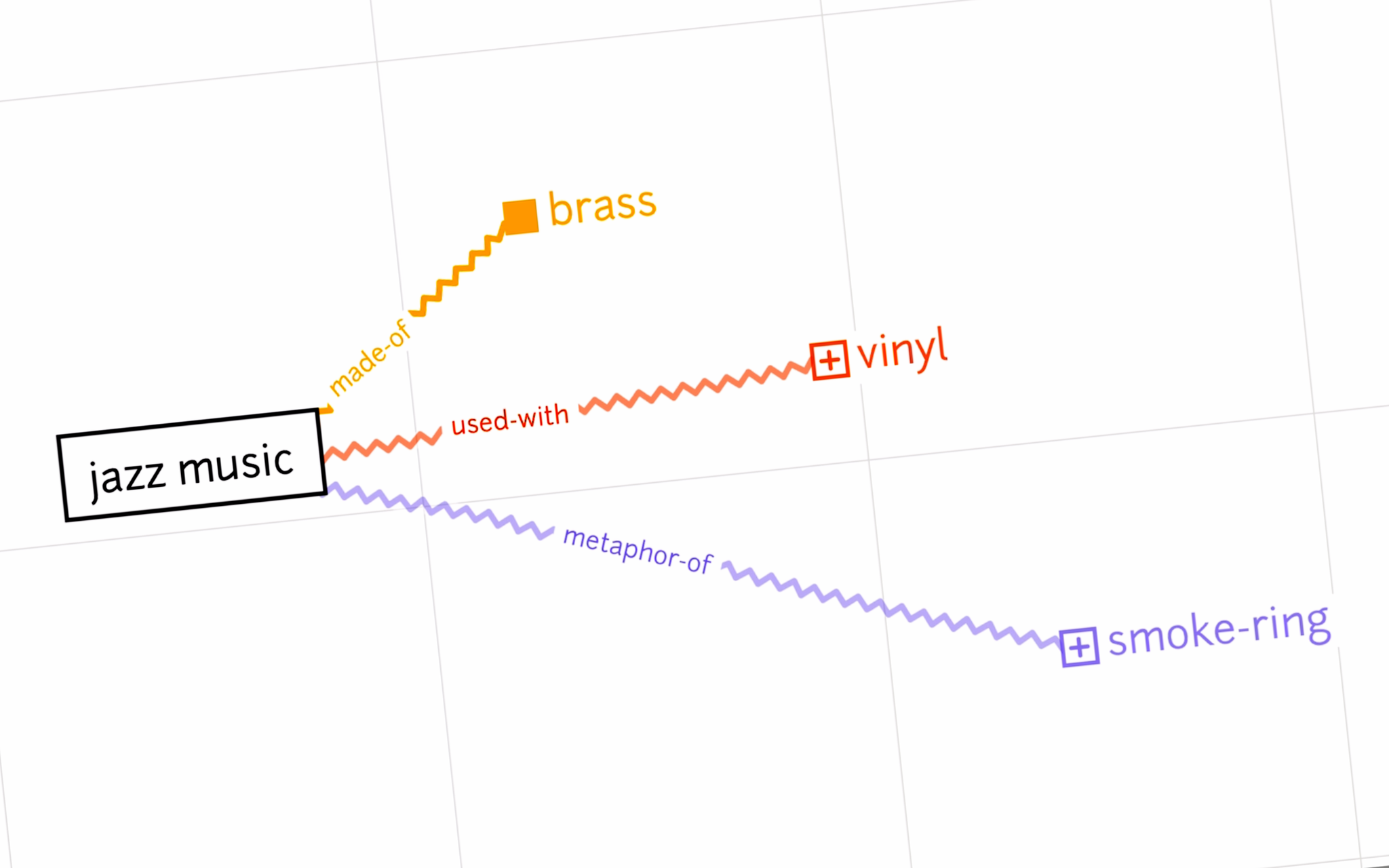
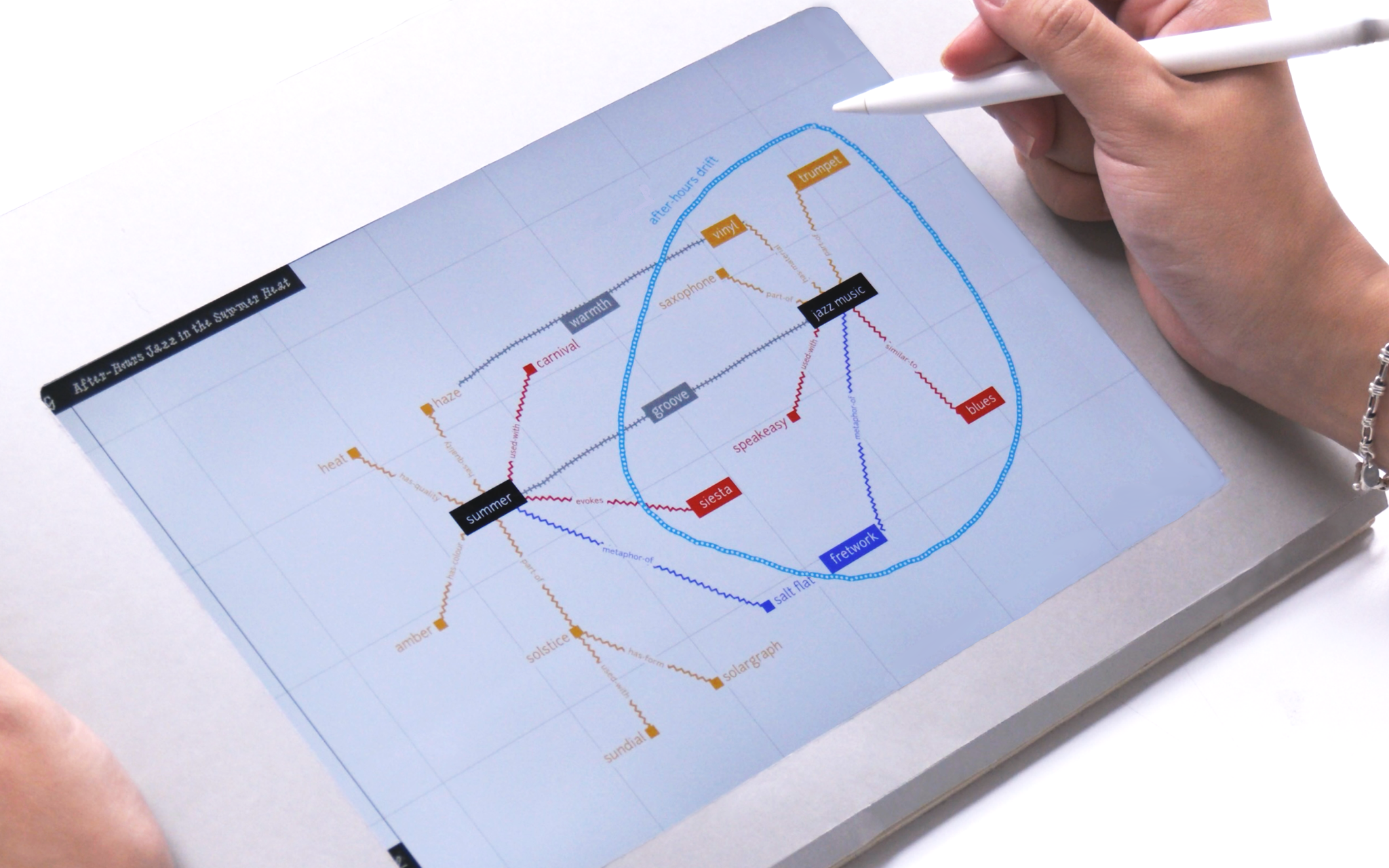
Ghost in the Lines is an ideation companion for creative practitioners. It builds on what a creator already does when mind-mapping: brainstorming in keywords, then combining and connecting them. As those lines take shape, the AI follows them and offers ghost suggestions from the context of the map and the strokes that grow from it. It supports open, serendipitous exploration while helping a design direction converge.

The pen stroke itself is the instruction. A line drawn out from a word asks for a leap, and its length sets how far that leap reaches. A loop around a cluster asks what those fragments fuse into. The drawing carries the intent. To preserve the agency of the creator, a word written by hand where a ghost would land takes priority over the suggestion. As the board fills, a quiet background agent reads the whole canvas and articulates one or more design directions.


Par Shinyoung Park


NOMAD

Nomad is a smart wearable that uses music cues in your headphones to guide you around the city.  It uses spatialized audio to guide the user, replacing screen-based navigation with their own music library, positioned in 3D around the body.  
 

This project question our sense of orientation. It aims to go back to screenless navigation and reduce that habit of pulling out our phone when we’re lost. Can we navigate through a city without constantly looking at a screen?
 

Par Emilie Müller

1/4


4.png

DON'T

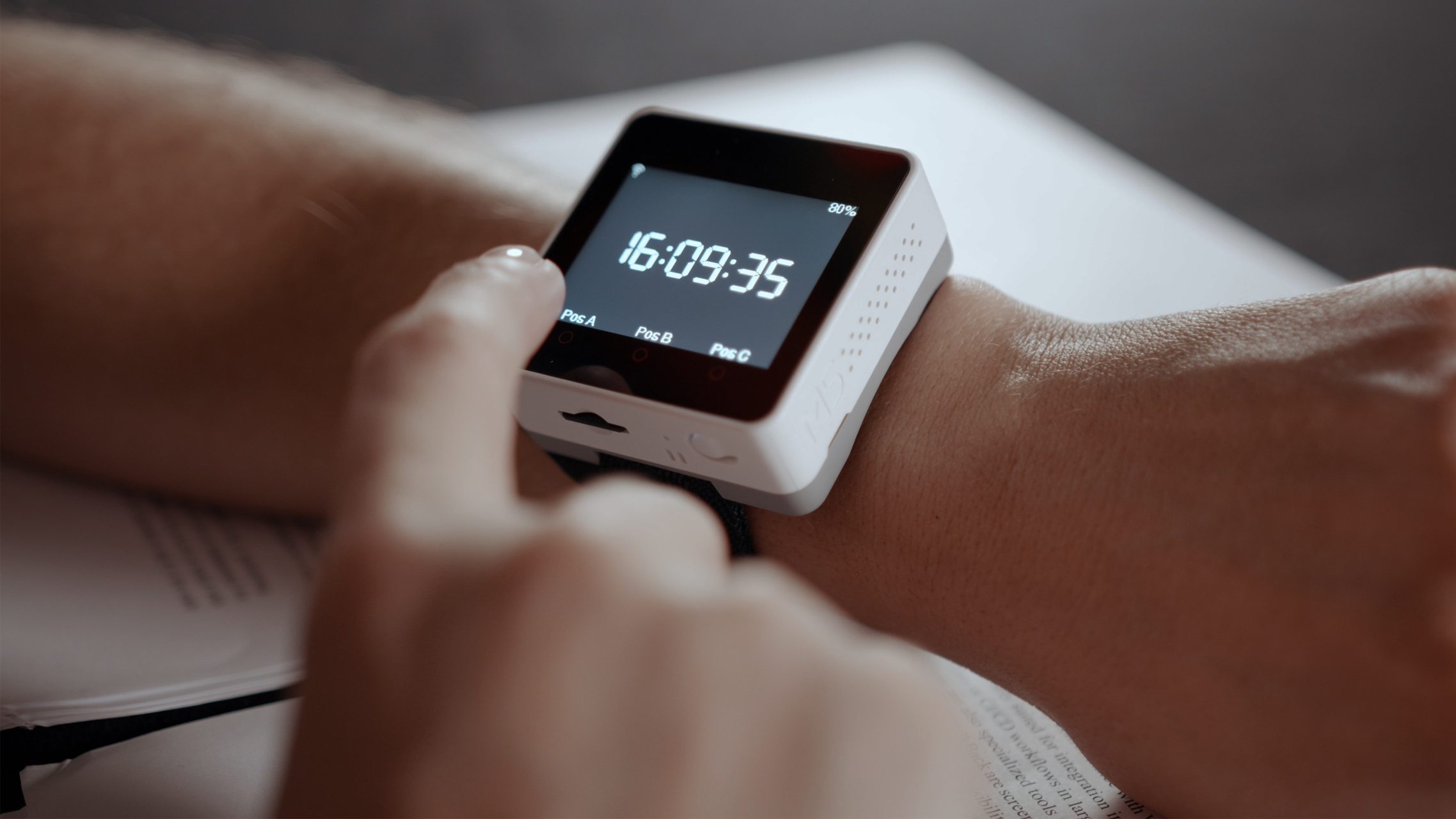
When you have body-focused repetitive behavior such as skin picking, nails biting or hair pulling, it often happens unconsciously. It starts with placing your hand on your cheek and ends with bleeding cuticles. 

This smartwatch anticipates an episode by emitting vibrations that help you become aware when your wrist is in a specific (predefined) position and small movements are detected. The vibrations intensify if the undesirable behaviour is detected continuously. Up to three positions can be registered as "unwanted".

Par Gwenaëlle Gustin


Reckoner

Reckoner is a note taking and comparison tool. It is a vocal-driven software working on mobile with barely any UI. The goal is to accompany or replace on-paper annotations and let the reader speak their mind as they're reading while minimising the digital presence and distractions. The software is built to detect the intent of any entry, whether it is a rhetorical question, a comparison with old notes, a quote, and so on. It works with a queuing system so that the tool is always available, even during processing. Reckoner removes the manual transcription step to build a digital collection of annotations and uses cross-referencing to suggest links between the existing notes upon processing. The project works with an open-source LLM run locally and edits markdown files so that it can be plugged into different note-taking software. In this version, Obsidian is used for its graph view and links visualisation.
 

Par Thomas Neyroud

1/4


1/4

Semantic

Text on the web is static, whereas reading preferences are dynamic. One person prefers to skim an article or want a gist, while another might be reading to improve their vocabulary or another is learning the language. Each brings a different intent with interacting with text on the web. With large language models, the economics or re-writing changes where the web can adapt to the personality, preference and need of the person using it. 

This is a new kind of reading surface where readers can mould the text itself, change it to their reading preferences. A passage can be tuned for detail, vocabulary complexity, and the voice. Respecting authorship and the source, the original is always available and easy to reinstate. This shifts the mental model from a document that is consumed as-is to something more fluid; a text that can be precisely dailed in, turning reading into a direct conversation with the material.
 

Par Rishab Sachidanand


Tune TONE


Tune Tone is an audio interaction system that explores implicit and intent-based interaction through head movement and attention. Instead of relying on buttons, sliders, or voice commands, the system interprets subtle body cues to adapt the listening experience in real time.

Using an IMU sensor embedded in a wearable module, the system detects different types of head movements and translates them into audio behaviors. Rhythmic nodding gradually increases volume, turning towards a person redistributes audio to the opposite ear to facilitate conversation, and shifts in attention trigger atmospheric audio filtering.

The project investigates how listening interfaces can move beyond explicit control and become responsive to context, attention, and bodily behavior, creating a more fluid and intuitive relationship between the user and sound.
 

Par Marc Facchinetti

Projets liés à Data visualization

Viktor Gagné – Serialized Saplings

BA MEDIA & INTERACTION DESIGN

Viktor Gagné – Serialized Saplings

by Viktor Gagné

Le poids des matières produites par l'Homme serait aujourd’hui supérieur à celui de l’ensemble de la biomasse terrestre. Comment ces artefacts s’intégreront-ils au reste de l’environnement dans un million d'années? Serialized Saplings est une installation interactive qui spécule sur une forme potentielle de végétation à venir, fortement altérée par la démesure de la production humaine, ici cristallisée à travers le symbole de la prise électrique. En manipulant les branchements de plusieurs multiprises, l’interacteur est invité à programmer le « code génétique » d’espèces végétales hybrides qui n’existent pas encore et dont l’allure rappelle nos standards industriels. Cette végétation générée est ensuite classifiée sous la forme d’un herbier digital qui peut être consulté et étudié.

Elena Biasi – Magnetic Fragments

BA MEDIA & INTERACTION DESIGN

Elena Biasi – Magnetic Fragments

with Pauline Saglio, Christophe Guignard, Laura Nieder, Alain Bellet, Gaël Hugo, Lara Défayes

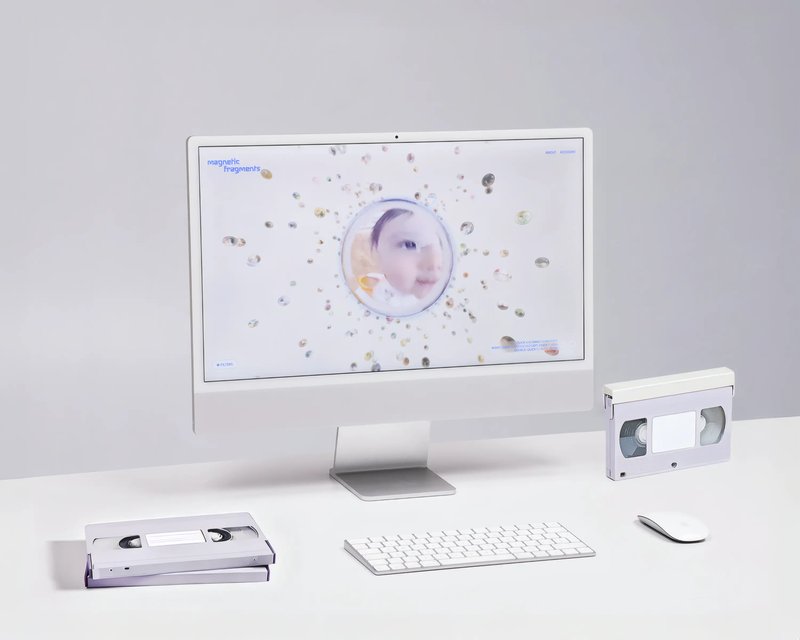
Avant l’essor du numérique et des réseaux sociaux, les moments du quotidien étaient capturés sur supports analogiques, puis visionnés en famille de manière linéaire. Ces longues cassettes VHS, faites de séquences successives, ont peu à peu disparu, victimes de leur obsolescence. Magnetic Fragments propose de redécouvrir ces souvenirs oubliés via une interface web tridimensionnelle où chaque bulle incarne un souvenir à explorer et commenter. Destinée à un cercle privé, la plateforme collaborative offre une navigation libre, revisitant les fragments de souvenirs de façon dynamique et rompant avec la structure monotone des anciens visionnages. Magnetic Fragments devient ainsi un lieu de transmission intergénérationnelle où le passé se partage dans le présent.

Emilie Müller – Librarynth

BA DESIGN GRAPHIQUE

Emilie Müller – Librarynth

by Emilie Müller

Il est bon de croire que la bibliothèque résiste. Non pas comme une relique du passé, mais comme une présence qui se réinvente, oscillant entre le tangible et l’immatériel. Il ne s’agit pas de nier le numérique, ni de se cramponner à nos pages jaunies. Mais de comprendre que si nous acceptons la bibliothèque comme un espace mouvant, un organisme qui mute avec son temps, alors son avenir n’est peut-être pas si sombre. Librarynth est une bibliothèque immersive, pensée comme une maison virtuelle. Chaque pièce évoque une des six thématiques issues de la collection Varia de la Fondation Jan Michalski. Sous la forme d’une interface web, le projet célèbre la sérendipité propre aux bibliothèques physiques tout en questionnant comment le numérique peut traduire l’expérience du livre.

RE-STRUCTURE

MA DIGITAL EXPERIENCE DESIGN

RE-STRUCTURE

with RNDR STUDIO

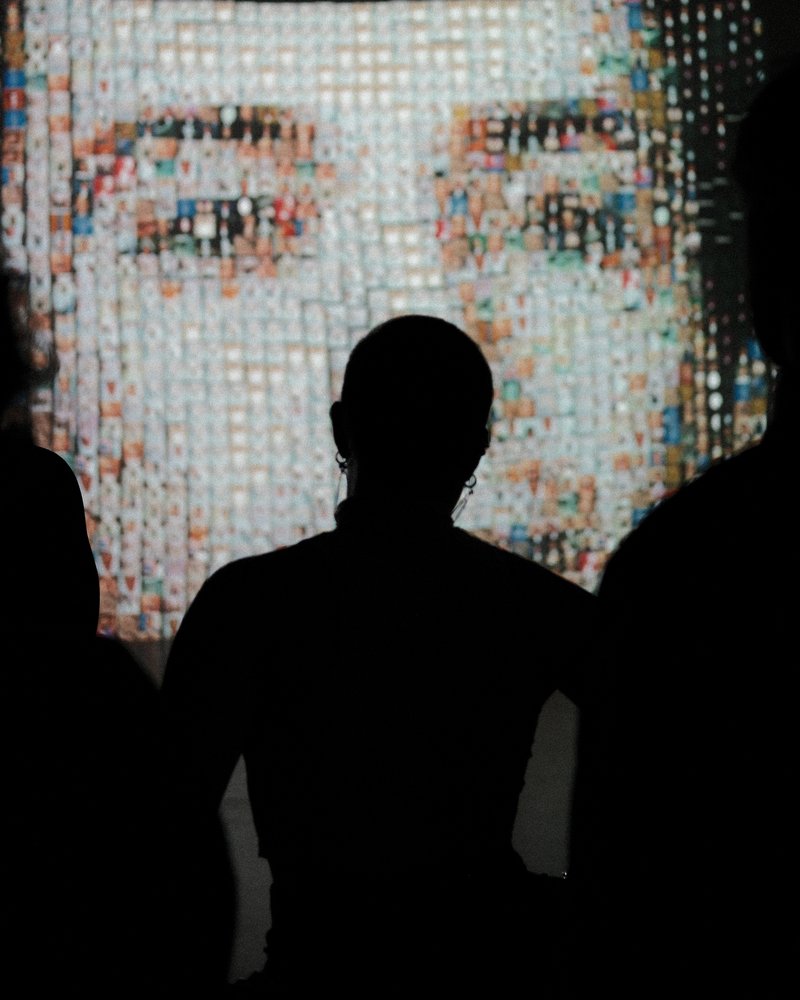
Pendant ce workshop d'une semaine, les étudiant·e·s du Master Digital Experience Design ont utilisé des outils de machine learning pour décomposer des clips musicaux en leurs éléments constitutifs : scènes segmentées, gestes détectés, couleurs extraites, beats analysés, stems audio séparés, transformant des objets audiovisuels linéaires en jeux de données structurées. Ces composants ont ensuite été réinventés sous forme de systèmes interactifs et non linéaires : cartes explorables, timelines génératives, interfaces rythmiques et structures auto-recomposables, construites avec le framework OPENRNDR.

Evan Kelly – Invisible Network

BA MEDIA & INTERACTION DESIGN

Evan Kelly – Invisible Network

with Alain Bellet, Christophe Guignard, Gaël Hugo, Laura Nieder, Pauline Saglio

Invisible Network est un dispositif portable qui rend perceptibles et tangibles les communications invisibles et autonomes des machines. La manière dont elles interagissent les unes avec les autres s’apparente aux modes de communications humains, créant ainsi un véritable réseau social de machines. Ce dispositif agit en médiateur entre les humains et les machines qui les entourent. Par le biais de son écran, il nous transmet des bribes de ses communications continues et silencieuses sous la forme de métaphores sociales humaines.

Formations liées