There Will Be Blood

There Will Be Blood

Sonya Dyakova wanted to do something about conveying music through typography. She have watched recently a Paul Thomas Anderson film ‘There Will Be Blood’, and found it very moving and inspiring. The film features an original orchestral score by Radiohead guitarist Jonny Greenwood, and she felt the music had integral and powerful role in the film. On day one the students and I watched the film together. Afterwards, I have asked them to create a poster for it. The poster had to embody the essence of the story and ‘weave in’ the feeling that the sound made. Design is about telling a story, and I wanted to the audience to be able to get the story, or an essential aspect of the story, from looking at the poster. One of the tasks of the designer is to extract essence and communicate it in the most clear voice through tools that we know — typography, colour, image making, printing techniques. All elements of the poster had to have a reason and purpose. She have asked the students to create a list of words, while the film was fresh in their mind, which were reflecting the story. From these words she wanted  them to start making visual elements that would make up the poster. She asked the students to use printing press, using wood and metal to create printing plates. Which, in turn, instructed the look of the poster to some degree. The number of layers was limited by the number of students and time they had — any project has constraints, and so did this one. The result was a healthy variety of approaches: some posters were abstract, some more figurative. She tried to push the students not to be afraid of the obvious. Alan Fletcher’s words are always in her mind: “What distinguishes designer sheep from designer goats is the ability to stroke a cliché until it purrs like a metaphor”.

Workshop (2013) avec Sonya Dyakova

Sonya Dyakova wanted to do something about conveying music through typography. She have watched recently a Paul Thomas Anderson film ‘There Will Be Blood’, and found it very moving and inspiring. The film features an original orchestral score by Radiohead guitarist Jonny Greenwood, and she felt the music had integral and powerful role in the film. On day one the students and I watched the film together. Afterwards, I have asked them to create a poster for it. The poster had to embody the essence of the story and ‘weave in’ the feeling that the sound made. Design is about telling a story, and I wanted to the audience to be able to get the story, or an essential aspect of the story, from looking at the poster. One of the tasks of the designer is to extract essence and communicate it in the most clear voice through tools that we know — typography, colour, image making, printing techniques. All elements of the poster had to have a reason and purpose. She have asked the students to create a list of words, while the film was fresh in their mind, which were reflecting the story. From these words she wanted them to start making visual elements that would make up the poster. She asked the students to use printing press, using wood and metal to create printing plates. Which, in turn, instructed the look of the poster to some degree. The number of layers was limited by the number of students and time they had — any project has constraints, and so did this one. The result was a healthy variety of approaches: some posters were abstract, some more figurative. She tried to push the students not to be afraid of the obvious. Alan Fletcher’s words are always in her mind: “What distinguishes designer sheep from designer goats is the ability to stroke a cliché until it purrs like a metaphor”.

Mateo Broillet, Alexandra Chernopazova, Sabrina Fischer

1/2

ECAL-Affiche-12x17cm-240dpi-AdobeRGB1998.jpg
Naomi Gallay, Clemens Alexander Piontek, Chi-Binh Trieu

Projets similaires

Design Typographique BA2 – S1 2025

BA DESIGN GRAPHIQUE

Design Typographique BA2 – S1 2025

with Aurèle Sack

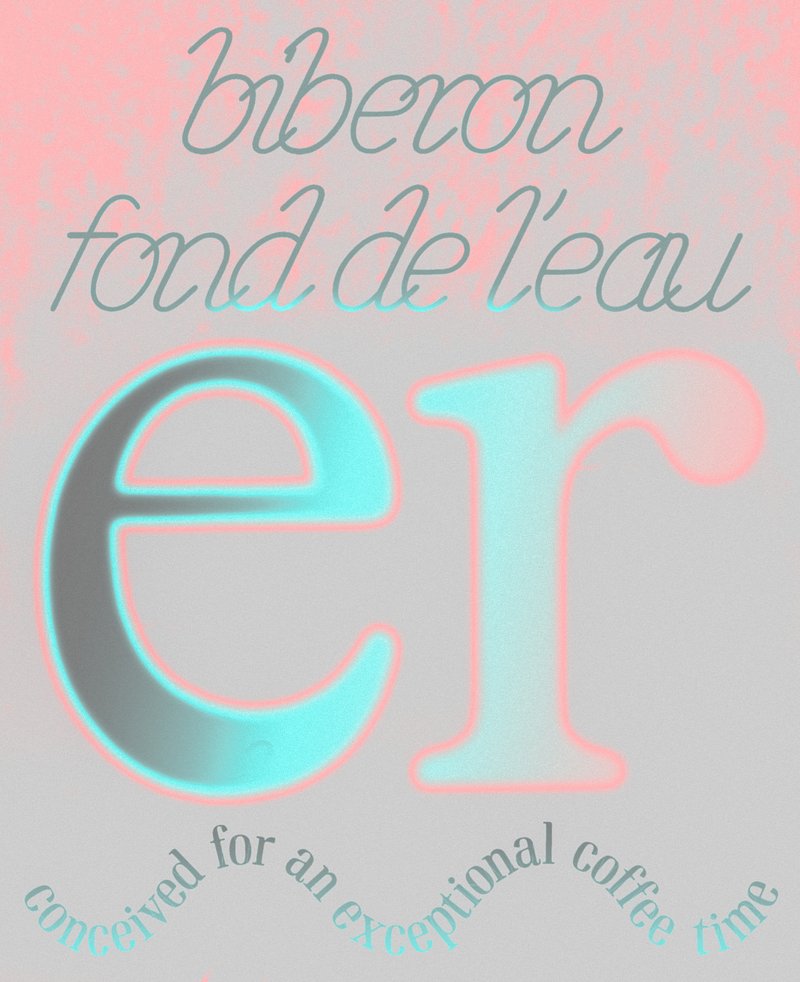
Les élèves de deuxième année ont du développer à la main, les minuscules de deux police de caractère. 

Identité Visuelle – BA2 S1 2025

BA DESIGN GRAPHIQUE

Identité Visuelle – BA2 S1 2025

with Adeline Mollard

Dans le cadre du cours d’identité visuelle avec Adeline Mollard, les étudiant·e·s ont développé une identité visuelle à partir d’une carte de visite tirée au hasard. En s’appropriant un élément graphique et son intitulé, chaque projet propose une interprétation singulière de celle-ci. L’identité est déclinée sur une série de supports, de la carte de visite au format F4, comprenant affiches, flyers, cartes de visite ainsi qu’une affiche animée. 

Design éditorial – BA2 S1 2025

BA DESIGN GRAPHIQUE

Design éditorial – BA2 S1 2025

with Diego Bontognali

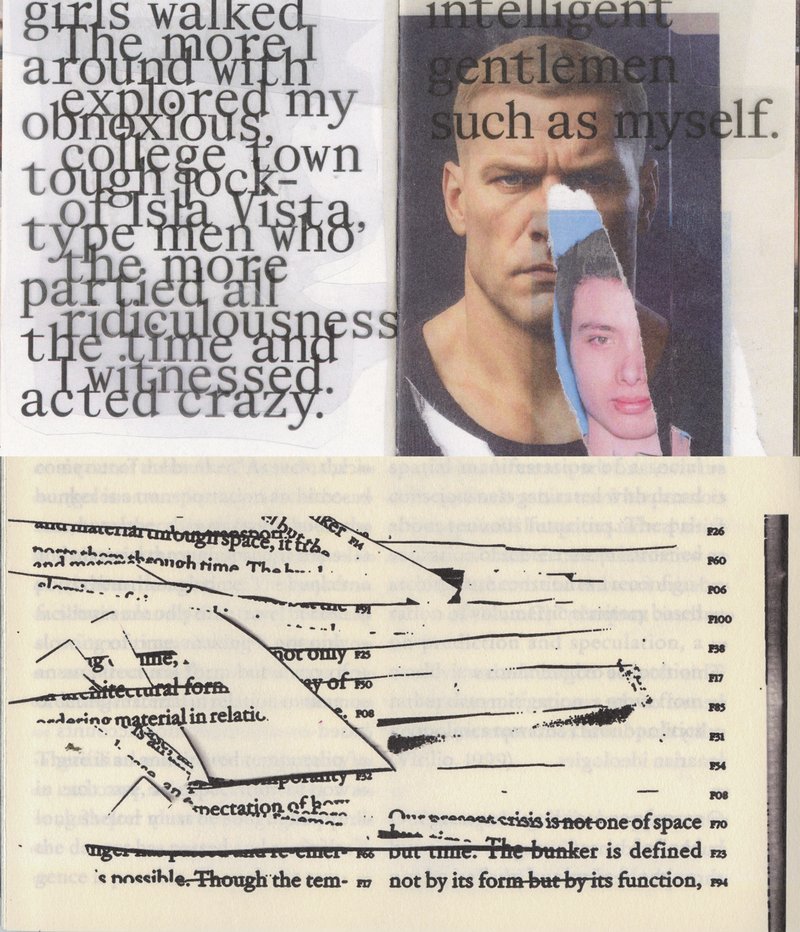
Dans le cadre de ce cours de design éditorial, les étudiant·e·s ont développé un travail de recherche et de mise en forme de textes autour d’un thème commun. À partir d’une sélection de sources, chaque projet propose deux éditions au contenu identique, déclinées dans un grand et un petit format.

Design en contexte – BA2 S1 2025

BA DESIGN GRAPHIQUE

Design en contexte – BA2 S1 2025

with Nicole Udry

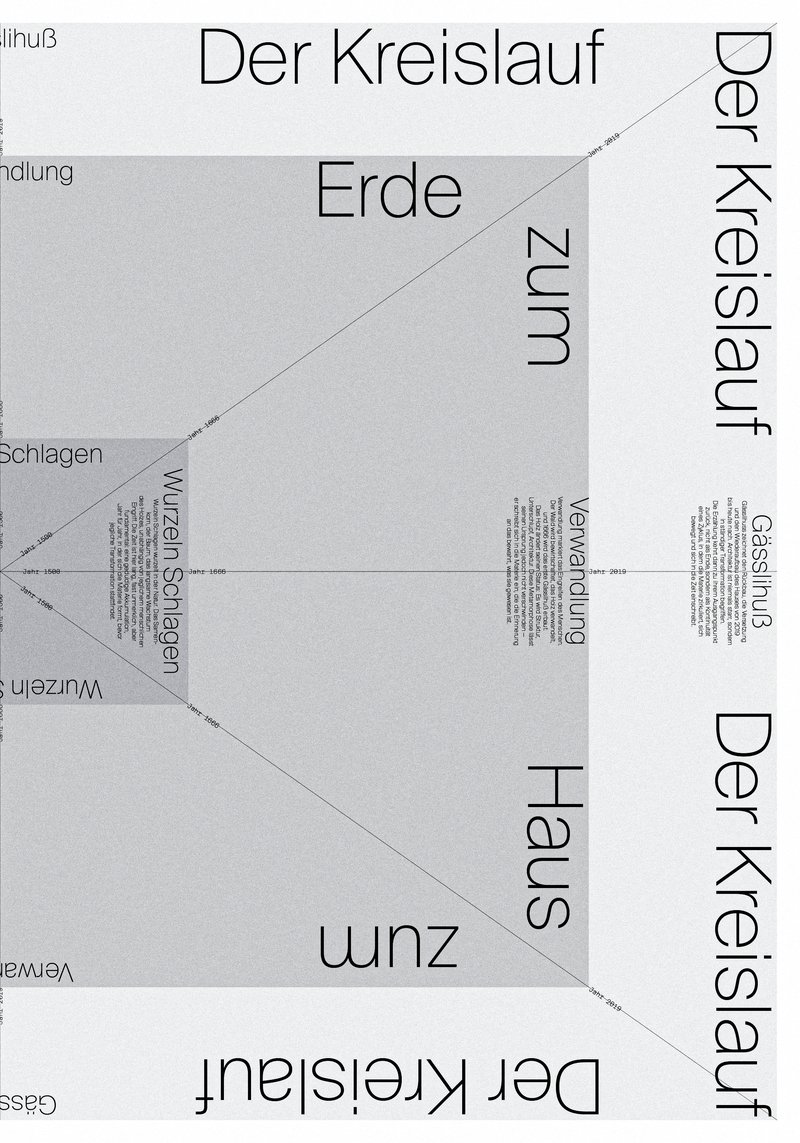
Genius Loci, “l’esprit du lieu”, désigne l’identité spécifique d’un lieu, son essence. En architecture, selon ce principe, les caractéristiques uniques d’un lieu sont prolongées dans une réalisation. Les élèves de 2ème année en Design graphique ont travaillé sur une communication basée sur ce principe et sur la réalisation architecturale qui s’y réfère afin d’en faire la promotion, ou de prolonger la communication du lieu.

WORK AND TURN W/ GEOFF HAN

BA DESIGN GRAPHIQUE

WORK AND TURN W/ GEOFF HAN

by Leandra Adler, Cansu Celen, Layana Comte, Anaïs Dermont, Camille Genoud, Eve Gremaud, Eloïse Guillod, Mathis Harmant, Marie Hintzy, Matteo Lucca, Maxime Manera, Gaëtan Mauclair, Mathys Mauron, Emma Morisseau, Sara Pedersoli, Lucie Pittet, Hélène Prongué, Leonardo Mariucci, Alice Refachinho, Justine Renevey, Gaspard Schlatter, Laura Simons, Vu Toni Thien Duc, Maïa Yassin, Jonas Zesiger

En novembre 2025, 27 étudiant·e·s de l'ECAL ont participé au workshop Work and Turn, dirigé par Geoff Han, autour du thème du travail et du travail invisible au sein de l’école. Installée dans une ancienne usine de tricotage IRIL à Renens, l'ECAL occupe aujourd’hui un vaste bâtiment dont le fonctionnement quotidien repose sur de nombreuses formes de travail souvent peu visibles. Pendant cinq jours, les étudiant·e·s ont été réparti·e·s en équipes afin de produire une publication collective de 96 pages au format poche. Chaque duo a réalisé un essai visuel photographique de 8 pages explorant une dimension du travail à l'ECAL, non pas à travers des portraits traditionnels, mais en cherchant des manières plus poétiques et indirectes de révéler les traces du travail, des gestes et des infrastructures. L’ensemble de la publication a été imprimé manuellement sur presse offset par les étudiant·e·s eux-mêmes, en noir ou en rouge et noir. Le processus d’impression faisait partie intégrante du workshop : les participant·e·s ont préparé les plaques, réglé la machine et imprimé les pages. Cette dimension matérielle et collective de la production constituait ainsi une part essentielle du projet, en écho au thème du travail exploré dans le livre.  

Formations liées