Pixel Perfect – 2025

Pixel Perfect – 2025

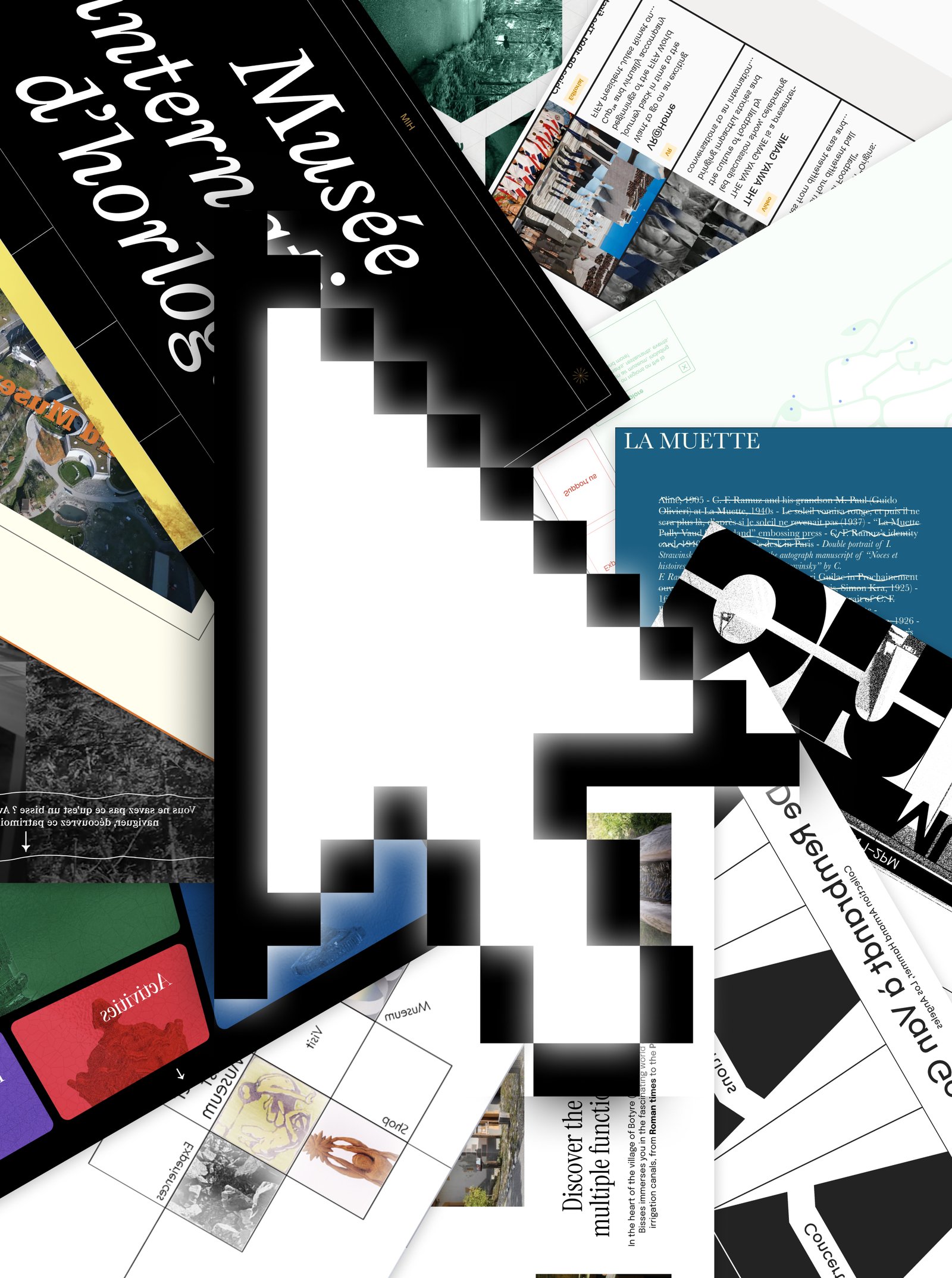
Pixel Perfect est le projet de semestre du module d’orientation Interface Design, semestre I. Il propose aux étudiant·e·s d’appliquer concrètement les méthodes et principes abordés dans les cours Macro UI et Screen Grammar, en explorant comment les systèmes graphiques structurent l’expérience utilisateur digitale.
 
À partir de l’analyse d’un site existant, le projet invite à une réinterprétation critique et créative de son identité et de sa hiérarchie visuelles. L’enjeu est de concevoir une interface contemporaine, cohérente et expressive, capable de renouveler le design system initial tout en respectant ses usages, son contenu, ses contraintes fonctionnelles, et ses principes clés: cohérence, modularité et évolutivité des composants graphiques et interactifs.


Projet d’atelier (2026) avec Romain Collaud, Frederik Mahler-Andersen, Lara Défayes

Assistant·e·s
Martial Grin
Étudiant·e·s
Delphine Brantschen, Seoyun Choi, Marc Facchinetti, Sina Fathollahi, Gwenaëlle Gustin, Emilie Müller, Thomas Neyroud, Shin Young Park, Rishab Sachidanand, Youri Zermatten, Amna Ahmad, Cindy Murier
Savoir-faire
UX/UI

Bündner KunstMuseum


The project presents a website for an art museum located in Chur, in the canton of Grisons. The platform showcases both the permanent and temporary collections, as well as the museum’s book catalogue. It also includes information about events and practical details for planning a visit.

The visual concept is directly inspired by the museum’s architecture: a cube. I developed a minimalist, typography-driven design language based on geometric axes, reflecting the architecture of the building. 

Par Emilie Müller

1/3


FIFA MUSEUM

This project presents a redesigned concept for the FIFA Museum website. The original website offers a wide range of programs, events, and online content, but lacks a distinct football character, presents visit-related information in a fragmented way, and makes valuable digital content difficult to discover.

The key visual is inspired by scanimation, expressing the museum’s vision of “United by the Movement,” while the grid system is inspired by pitch lines. A more visible navigation structure aims to improve discoverability, and adaptive visuals with contextual annotations help surface programs and stories more personally. This makes the museum’s heritage engaging and accessible for both visit planning and online exploration.

Par Shinyoung Park


Fondation Pierre Gianadda

This website focuses on the navigation experience. Elements of the fondation's building are used throughout for this matter, with the main entrances symbolising the different parts of the website. Thematic colours are used to help keep track of where one is in the website, and are used as highlights for the interactive elements. Overall, the redesign aims to offer a simple experience, so that visitors can focus on the exceptional content of the fondation's diverse proposals. 
 

Par Thomas Neyroud


Seoyun_Choi_mockup_1.png

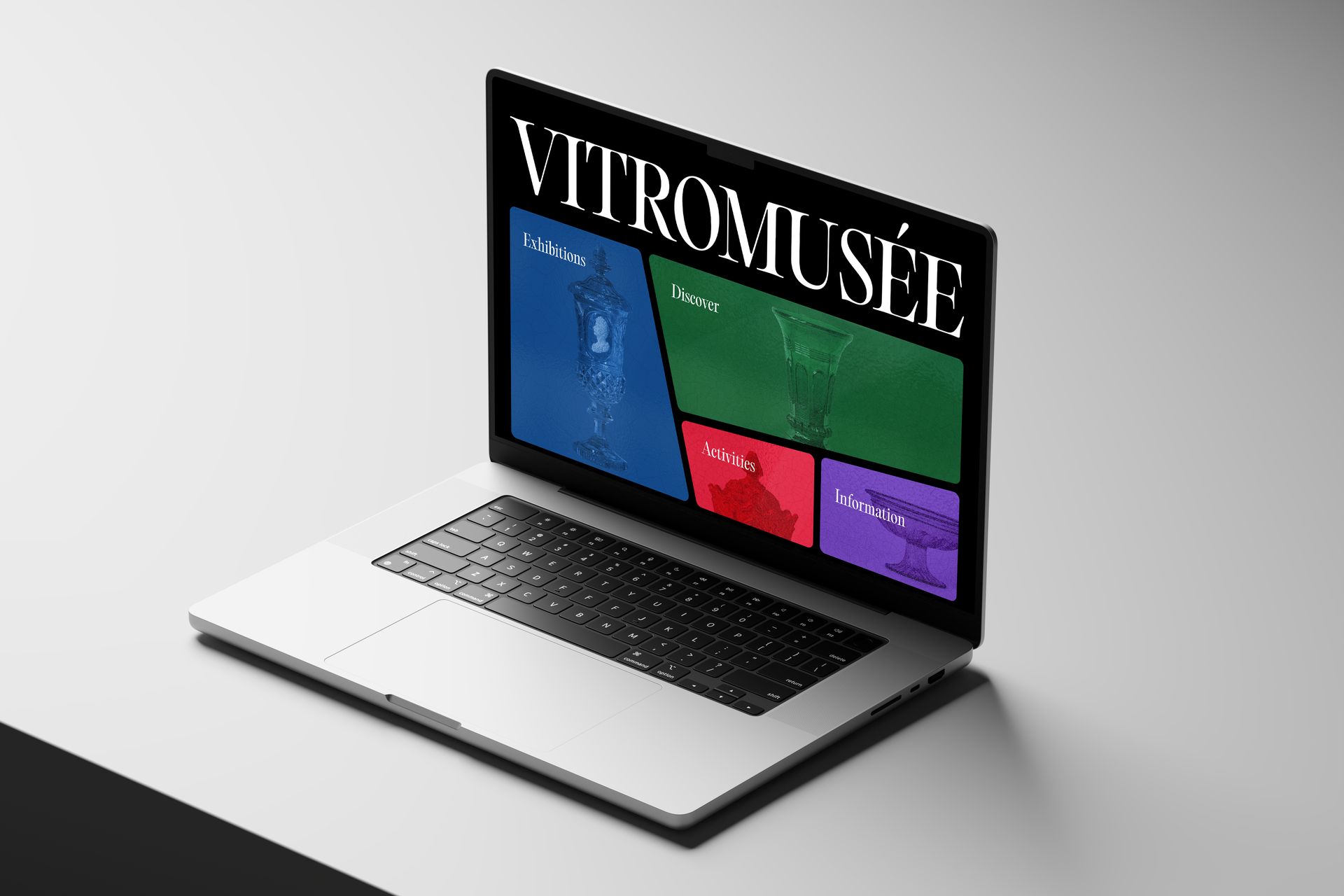
Vitromuseum

The museum focuses on stained glass and glass art, I wanted the interface to reflect that theme in a simple way. I brought this idea into the website through geometric shapes inspired by stained-glass panels, vivid section colours based on real glass pigments, and subtle glass-like textures used in hover states. Each colour represents a different part of the website, helping users understand where they are, just like individual pieces of stained glass form one unified artwork. I also applied consistent angles and corner radius to keep the shapes cohesive and used tighter margins so the pieces feel connected, echoing how stained-glass elements sit closely together. These decisions make the visual identity stronger while still keeping the navigation clear and easy to use.

Par Seoyun Choi


1VALLON_repro3DVetical_Gradient.png

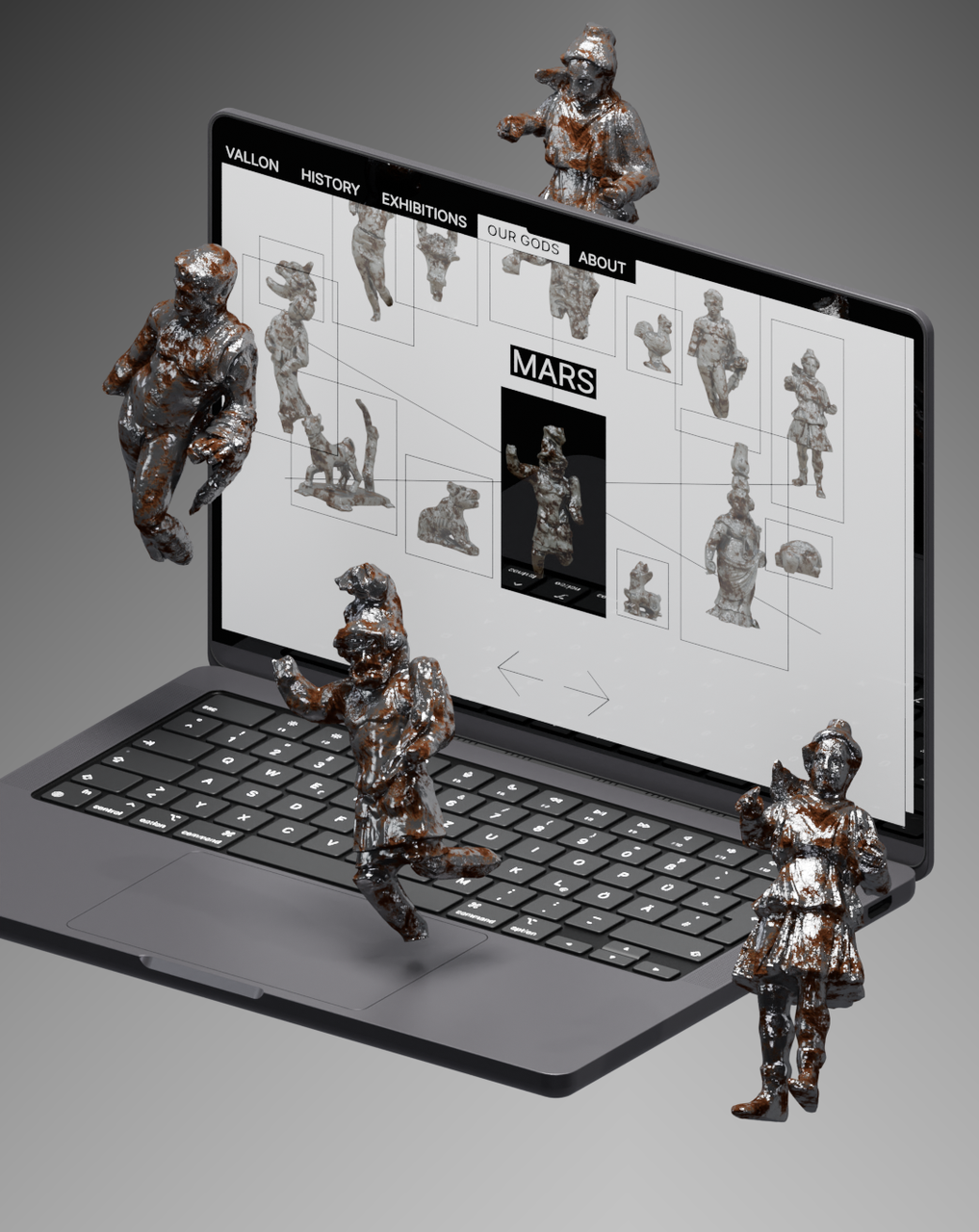
Vallon MUSEUM

Inspired by the museum’s L-shape and the idea of archaeological excavation, the design of this website invites users to explore by revealing and hiding layers of content. The L becomes a tool for navigation and a frame that guides the eye and uncovers hidden fragments step by step and shows hoe museum’s identity is rooted in its form and historical foundation.

Like digging through history, the experience is built on curiosity and gradual discovery, turning the website into a place where what’s buried slowly comes to light.

This project is a metaphor for digital excavation ad invites users to uncover hidden stories layer by layer.

Par Delphine Brantschen


BallenBERG


Ballenberg’s website aims to help visitors explore the museum’s offerings and structure their visit. However, the museum being large with various exhibits and events, the website became extremely complex. With the re-design, north star for was to craft the experience to facilitate visitors to easily plan their visit to then intuitively move into the purchase phase.

Structurally, the re-design has two ways of representing content. A map view and another that aligns with a traditional website. Content on the map is categorised by clubbing multiple attractions into the themes of Ballenberg. Both sections are connected so that visitors can delve into the experiences section at any moment if required.

Importantly, the website allows visitors to create a personalized plan of their visit to the open air museum. This helps them easy visualize their visit and systematically plan it as to liking. 


Par Rishab Sachidanand


La Muette


This project presents a redesign of La Muette, the website of the museum dedicated to the Swiss writer C. F. Ramuz. The objective was to establish a more coherent balance between the two main sections of the platform, namely the museum space and the archival resources. The redesign aims to improve overall navigation fluidity and to rethink how users explore the archives.
 

Par Cindy Murier

Projets liés à UX/UI

Baptiste Godart – L'anarchisme n'est pas une invention des Sex Pistols.

BA MEDIA & INTERACTION DESIGN

Baptiste Godart – L'anarchisme n'est pas une invention des Sex Pistols.

with Christophe Guignard, Pauline Saglio, Alain Bellet, Lara Défayes, Laura Nieder, Gaël Hugo

La première organisation anarchiste internationale est apparue en 1871, non pas à Londres, mais dans les montagnes jurassiennes, en Suisse. Qui l’eut cru ? Si vous pensez que l’anarchisme c’est le chaos, un punk à chien ou des casseurs cagoulés, ce webdocumentaire va briser ces stéréotypes. Vous découvrirez comment les horlogers jurassiens se sont organisés afin de fédérer leurs pairs au-delà des frontières, et ainsi faire face à la domination de la classe bourgeoise, capitaliste. La Fédération Jurassienne est un incontournable de l’histoire de l’anarchisme. La direction artistique fait coexister l’esthétique fanzine de la fin du 20e siècle avec un design d’interface moderne. Le travail graphique représente une part importante du documentaire, les visuels étant essentiellement des créations originales.

Reality Check – 2025

MA DIGITAL EXPERIENCE DESIGN

Reality Check – 2025

with Emily Groves, Margherita Motta

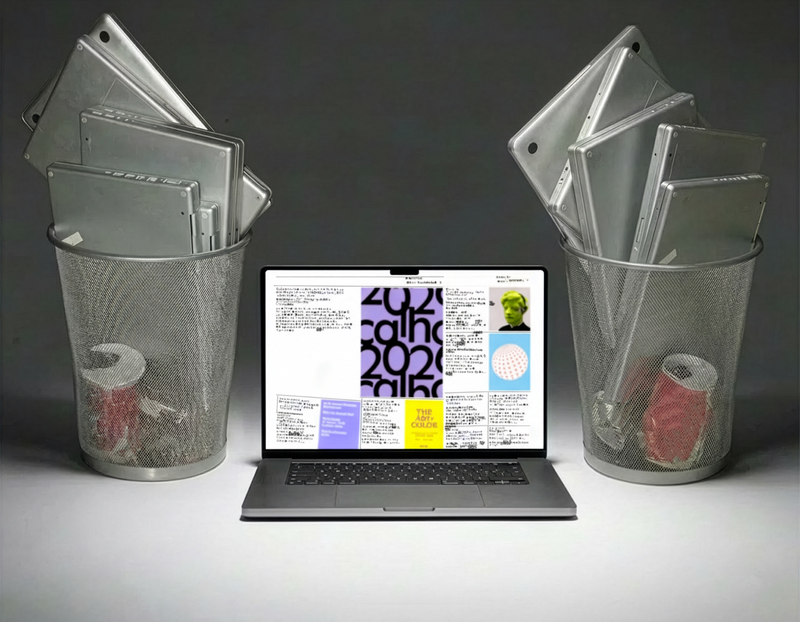
Reality Check est un cours pratique qui applique les fondements théoriques du module Human Lens à travers une recherche qualitative menée en conditions réelles et la transformation des enseignements en propositions de design concrètes. Les étudiant·e·s ont repensé l’expérience humaine des services numériques. En s’engageant auprès de personnes réelles via des entretiens, des études de journaux et d’autres méthodes de recherche, ils et elles ont défini et prototypé de nouvelles orientations pour des services existants, en plaçant l’expérience porteuse de sens au premier plan.

Beyond The Screen – 2025

BA MEDIA & INTERACTION DESIGN

Beyond The Screen – 2025

with Angelo Benedetto

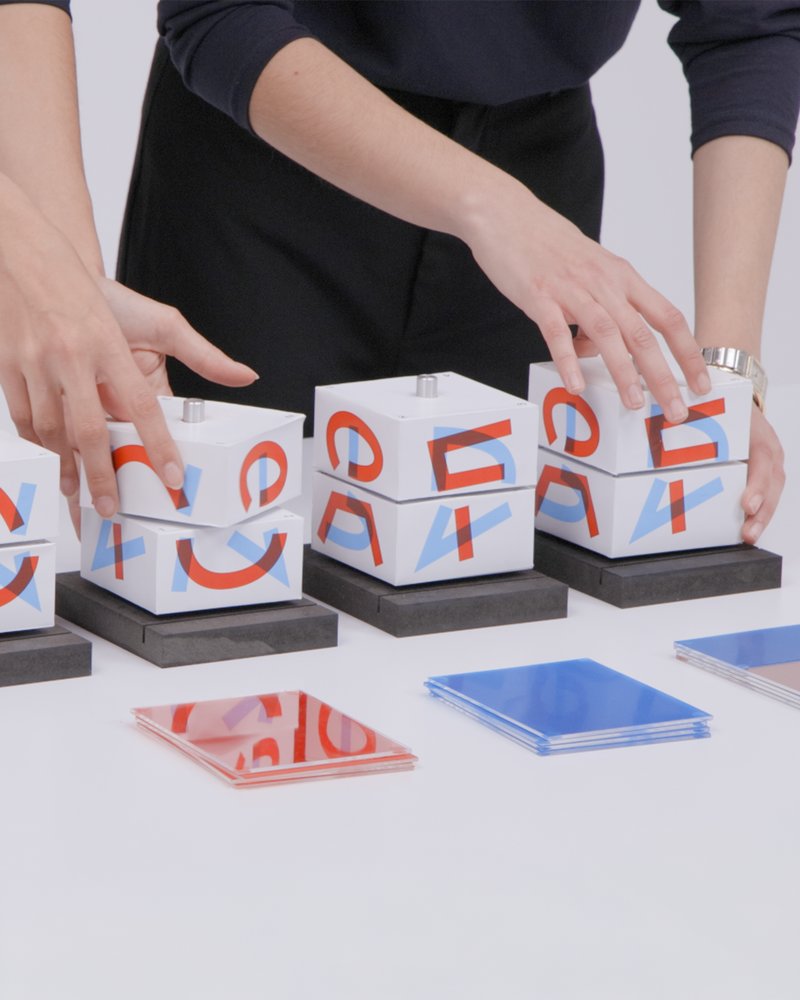
Beyond the screen - est une série de machines interactives développées par les étudiant·x·e·s en 1e année Bachelor Media & Interaction Design. Ces systèmes sont inspirés du rapport entre instructions et exécution au sein d’un système informatique. Ces machines créent du texte  au travers d'un système typographique modulaire.

Countdown – 2025

BA MEDIA & INTERACTION DESIGN

Countdown – 2025

with Mario Von Rickenbach

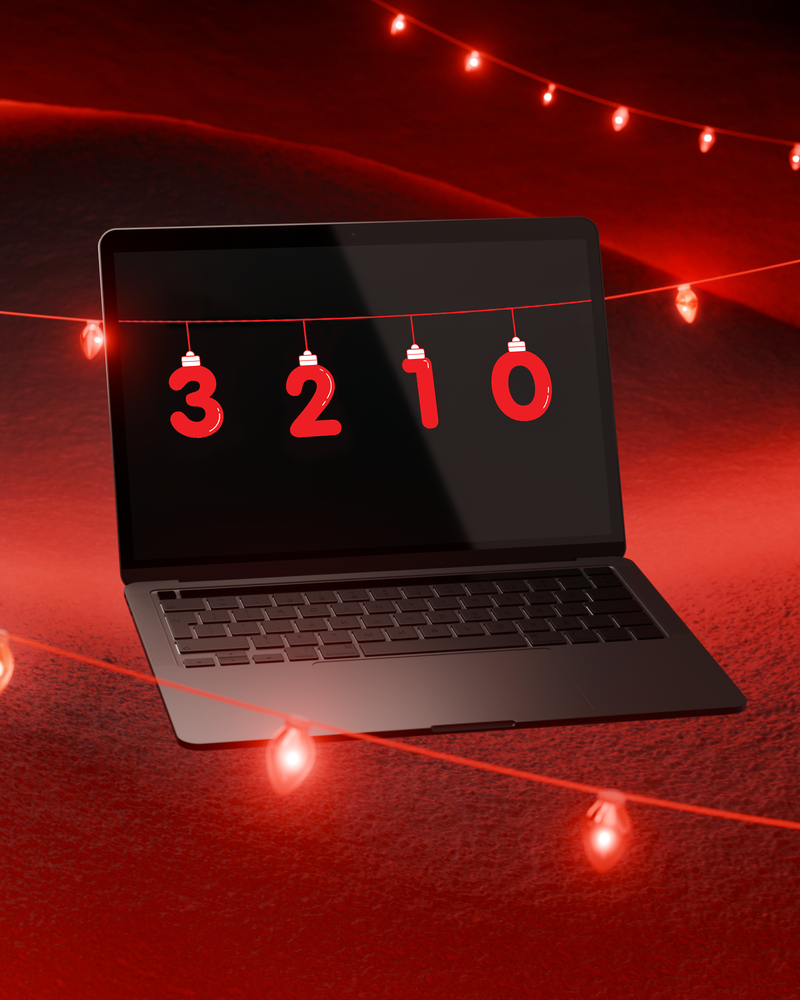
  Les étudiants ont travaillé sur un compte à rebours interactif dans un environnement web. Chaque jour, ils devaient créer une nouvelle esquisse, ce qui leur a permis de constituer leur propre collection, qui pouvait également être combinée avec les projets de l'ensemble de la classe.  
Livia Schmid – Trail Sync

BA MEDIA & INTERACTION DESIGN

Livia Schmid – Trail Sync

with Pauline Saglio, Christophe Guignard, Alain Bellet, Laura Nieder, Gaël Hugo, Lara Défayes

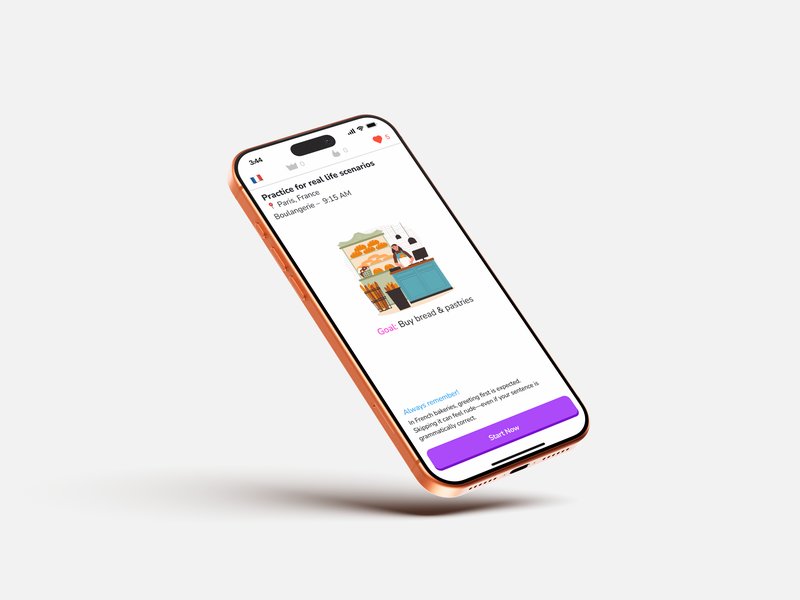
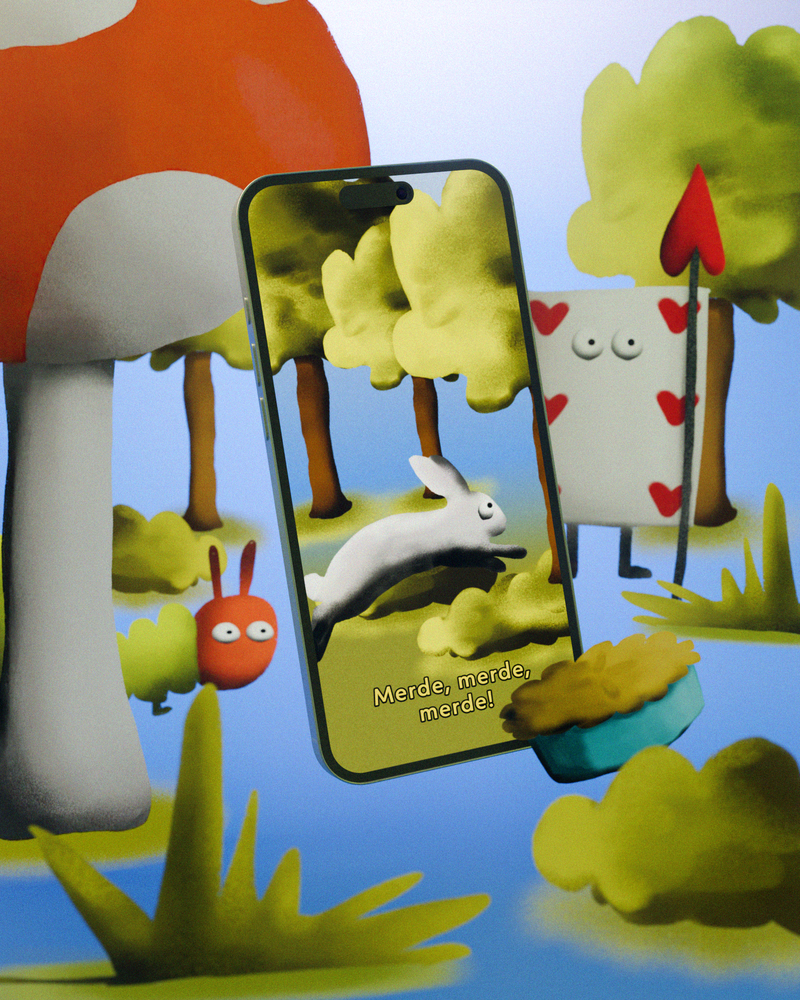
Dans les zones alpines reculées, l’accès à des informations fiables — telles que l’état des sentiers ou les alertes météorologiques — devient difficile en l’absence de réseau. Trail Sync répond à ce défi par un système participatif et décentralisé : des boîtiers d'informations locales, installés dans les infrastructures de randonnée, sont mis à jour passivement par les randonneur·euse·s à l'aide d'une application mobile hors ligne. Chaque personne passant à proximité d’un boîtier synchronise ses données contextuelles, laissant une trace numérique utile pour celles et ceux qui suivent. Renforçant la signalisation existante sans accroître la dépendance technologique, le dispositif s'appuie sur les valeurs montagnardes de responsabilité collective et de solidarité.

Formations liées